

Is Bracelet Making a Good Hobby for Stress Relief?
Is bracelet making a good hobby for stress relief?
Yes. Many people find bracelet making a relaxing, low-pressure hobby because it gives a busy mind one simple, repetitive task to focus on rather than a running list of worries. It's not a medical treatment for anxiety or depression, but as a screen-free way to unwind after a long day, it works for a lot of people, including plenty of the moms and grandmothers who make up most of our customers.
There's nothing complicated about why. Stringing beads onto elastic cord in a set pattern is repetitive, forgiving of small mistakes, and finishes fast enough that you actually see a result the same evening. That combination, repetition plus a quick payoff, is a big part of what makes any hobby feel calming rather than like one more task on the to-do list.
Why does repetitive handwork feel calming in the first place?
Repetitive crafts pull attention into the present moment, which leaves less room for the mental noise that stress feeds on. Psychologists call the deep, focused state that shows up during an absorbing task "flow," and craft work is one of the more reliable ways ordinary people slip into it without trying.
You've probably felt this without naming it. Sit down to sort beads by color and string a pattern, and your shoulders drop a little without you deciding to relax them on purpose. One academic overview of craft and wellbeing describes exactly this: repetitive actions in crafts like knitting or beadwork can produce a calm, immersive state similar to what the psychologist Mihaly Csikszentmihalyi named "flow" (The Conversation: how craft is good for our health). It's the same mental shift some people get from a long walk or a quiet swim, just with something to show for it afterward.
None of this means beading cures stress the way a treatment does. The American Psychological Association notes that everyday stress responds well to activities that give the mind a break and a sense of control, and a simple hands-on hobby fits that description without making any medical claim about it (APA: understanding stress). Bracelet making is one option among many, not a prescription.
Why does beading specifically work better than a lot of other crafts?
Beading hits a sweet spot other crafts miss: it's simple enough for a total beginner, forgiving when you mess up a row, and quick enough to finish in one sitting. That mix of low pressure and fast results is exactly what makes a hobby easy to stick with, not one you try once and abandon in a drawer.
Compare it to a craft with a steep learning curve, like intricate embroidery or intarsia knitting. Those are wonderful hobbies, but the first few attempts often look rough, and that gap between what you pictured and what actually happened can add frustration rather than remove it. A stretch bracelet made from Tila beads doesn't have that problem. The beads are flat, square, and sized to sit flush against each other, so even a first attempt looks clean. Miyuki manufactures the beads themselves; Mack & Rex sources and resells them as part of our kits and finished bracelets, we don't produce the glass ourselves, but the consistency built into that manufacturing is a big part of why beginners get a good-looking result fast.
Quick wins matter more than people give them credit for. Finishing something in 20 minutes, rather than staring at an unfinished sweater for three months, is what turns "I should relax more" into an actual habit you repeat.
How do I start bracelet making as a beginner if I want to try it for relaxation?
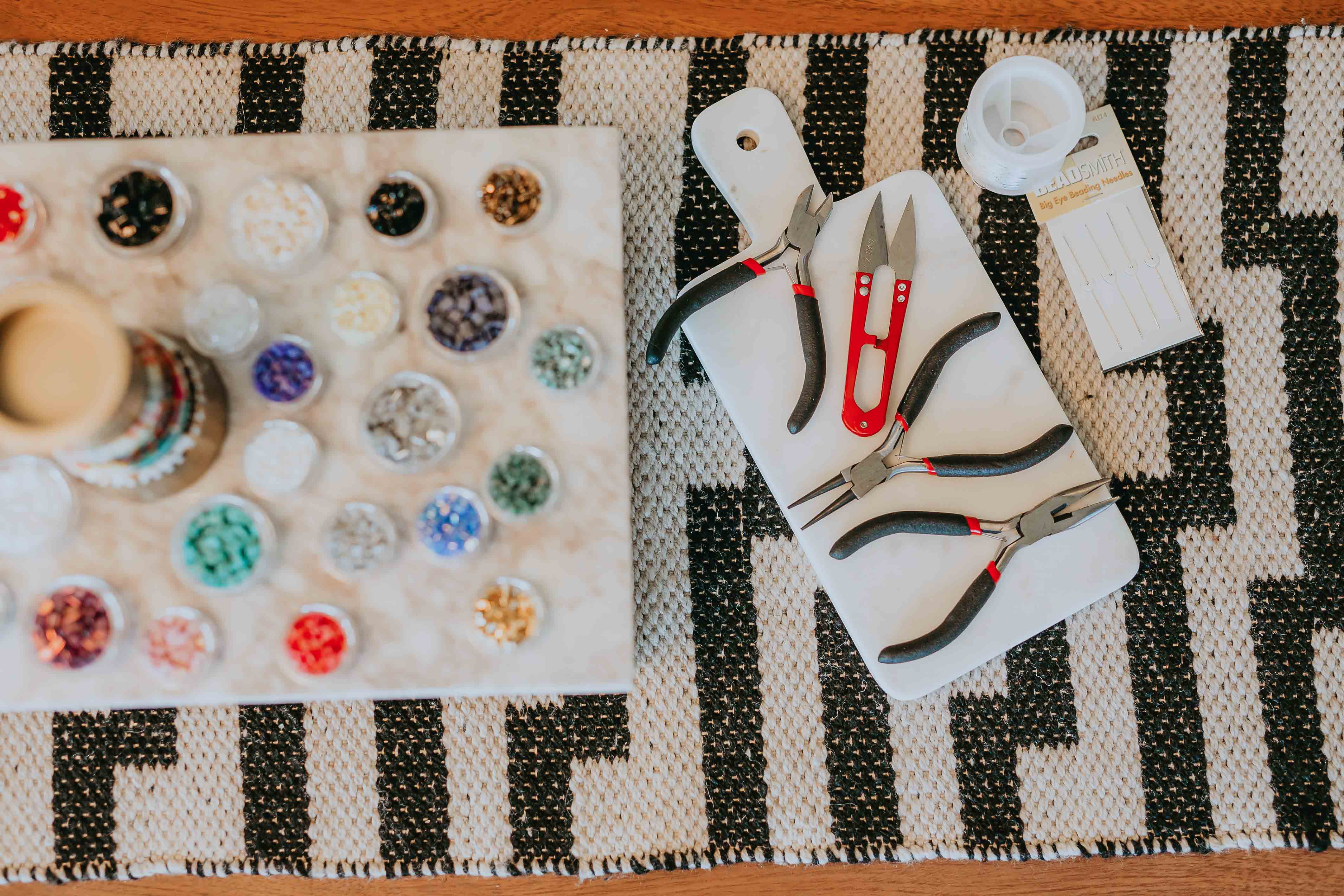
Start with a beginner stretch bracelet kit that comes pre-sorted, so the only real decision is which colors you like. A well-built kit removes the guesswork around cord length, bead ratio, and pattern order, which means your first sitting goes smoothly rather than turning into a frustrating research project.
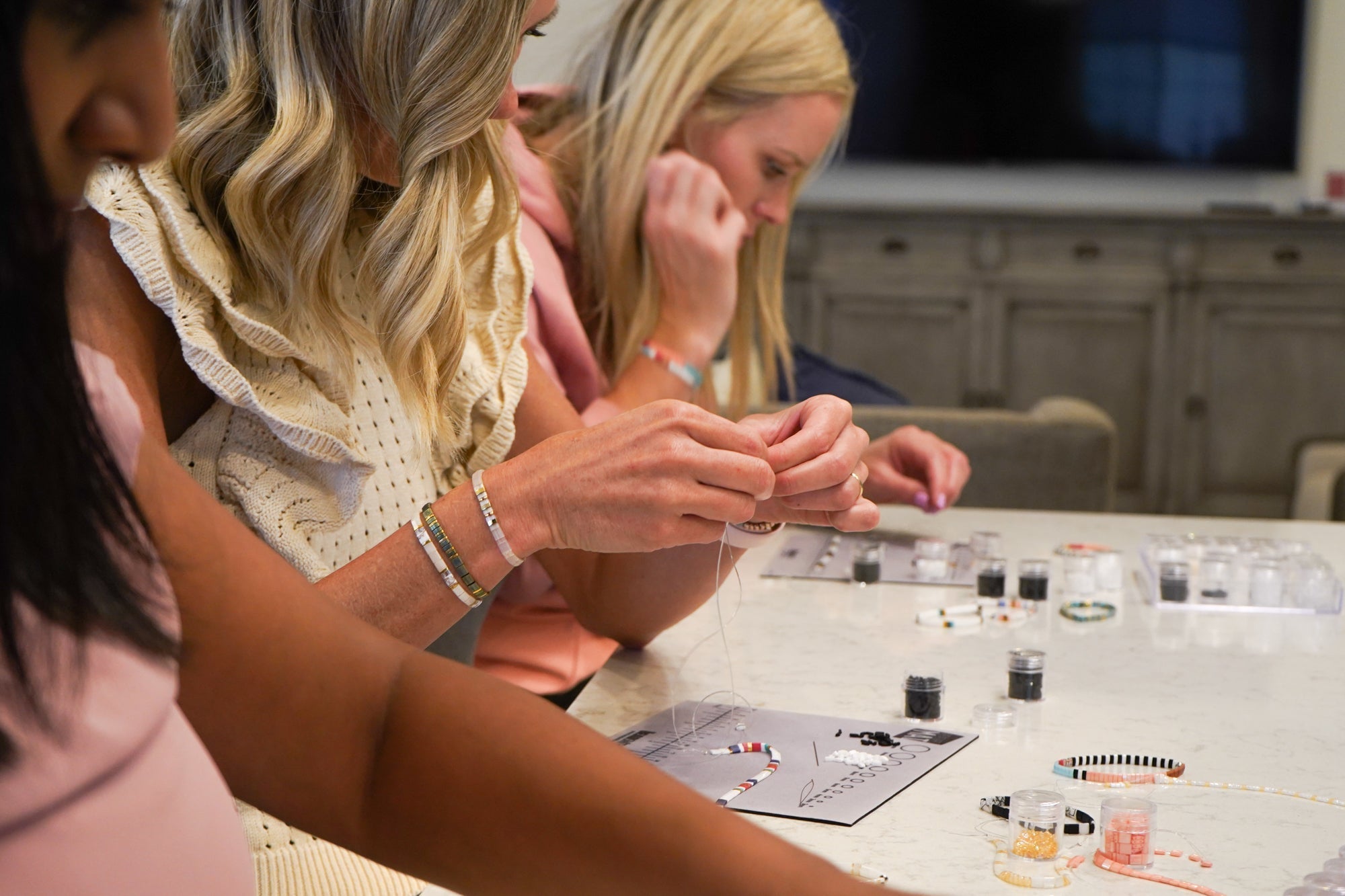
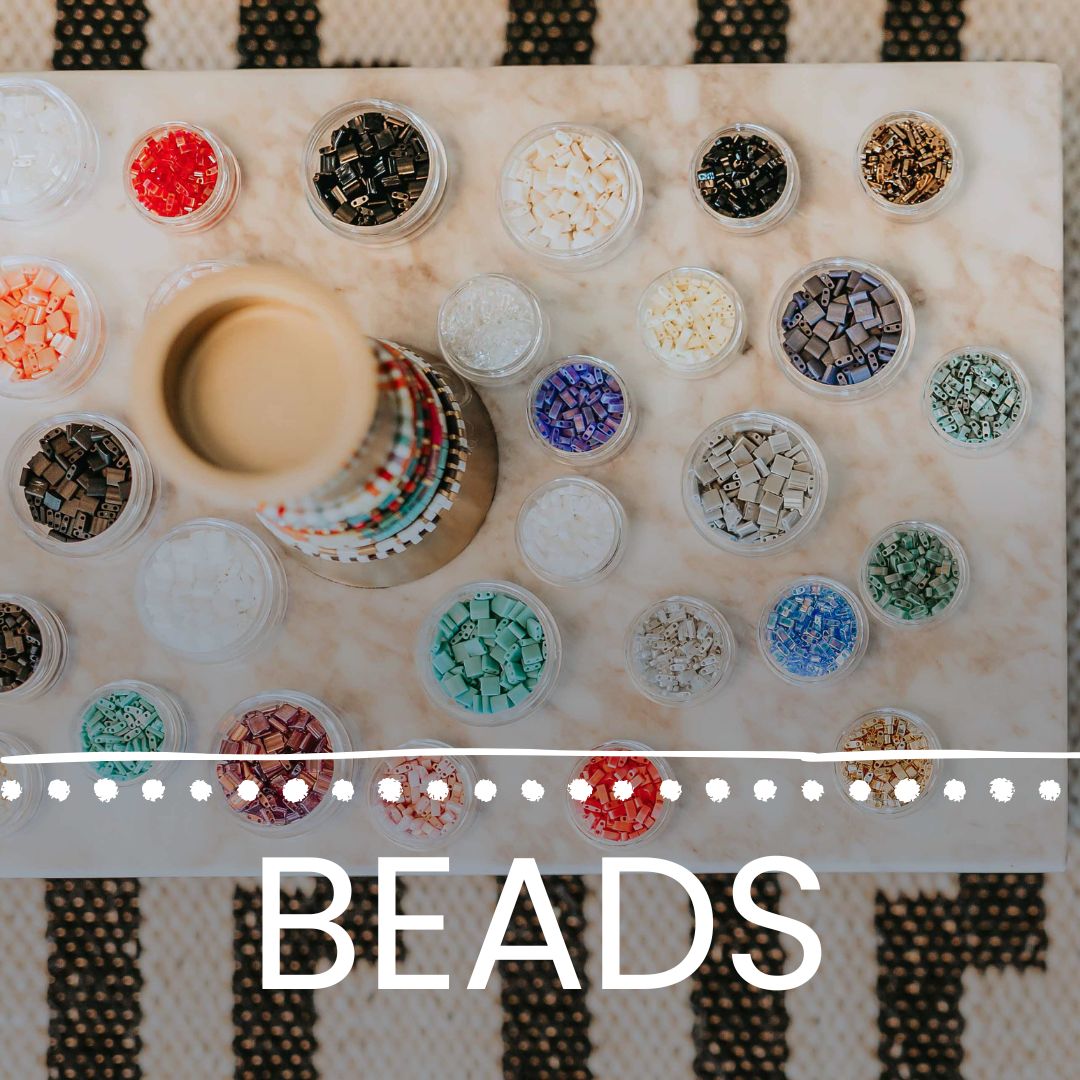
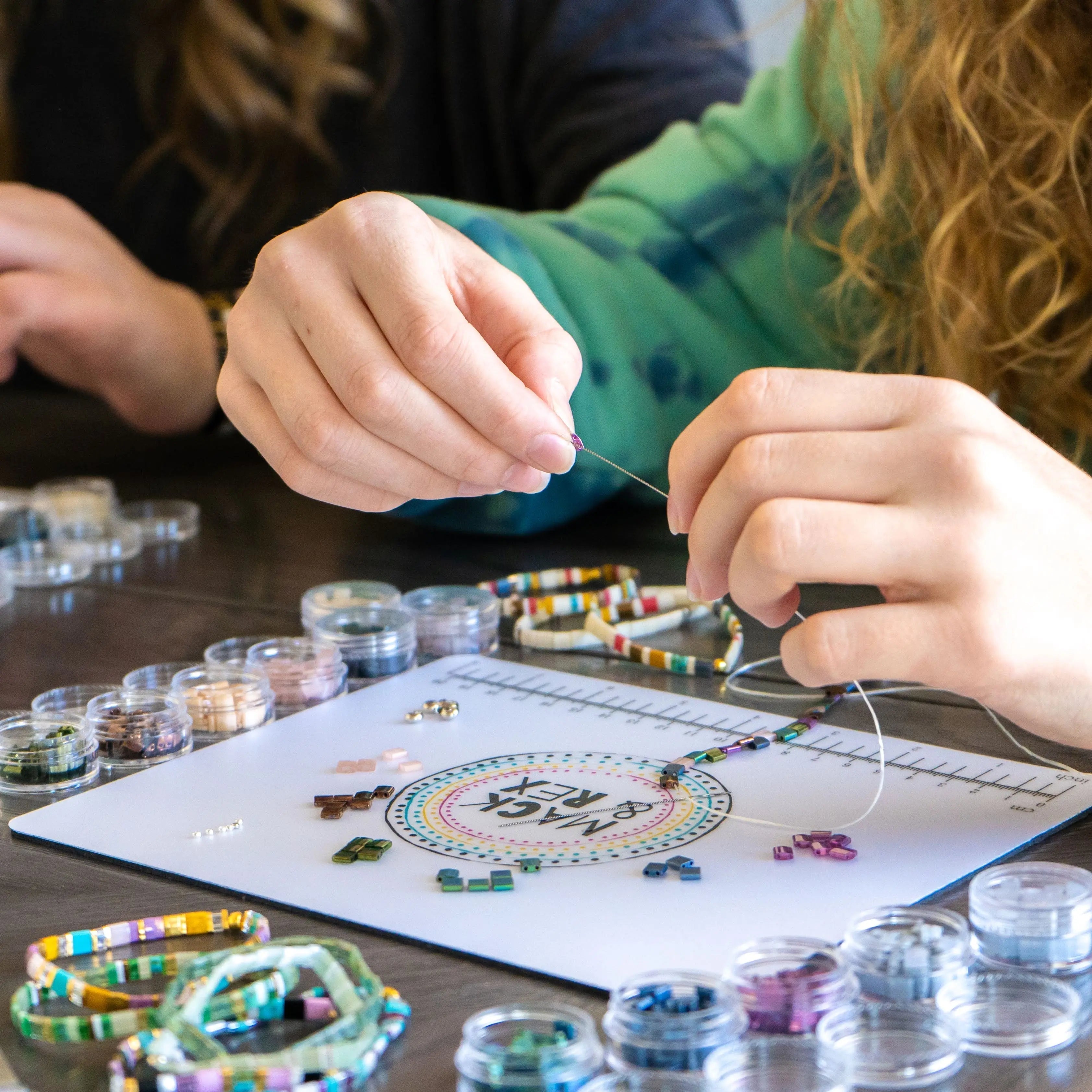
Here's what that first session actually looks like. You open the kit, lay out the beads by color, thread the crystal-cord elastic, and follow the pattern one row at a time. There's no glue step and no drying time. Tie the knot, tuck the end, and you're wearing it. My own first attempt at a Tila bracelet took about 25 minutes, including two stops to double-check I had the color order right, and I still remember how satisfying it was to just sit at the kitchen table with the radio on and not think about anything else for a while.
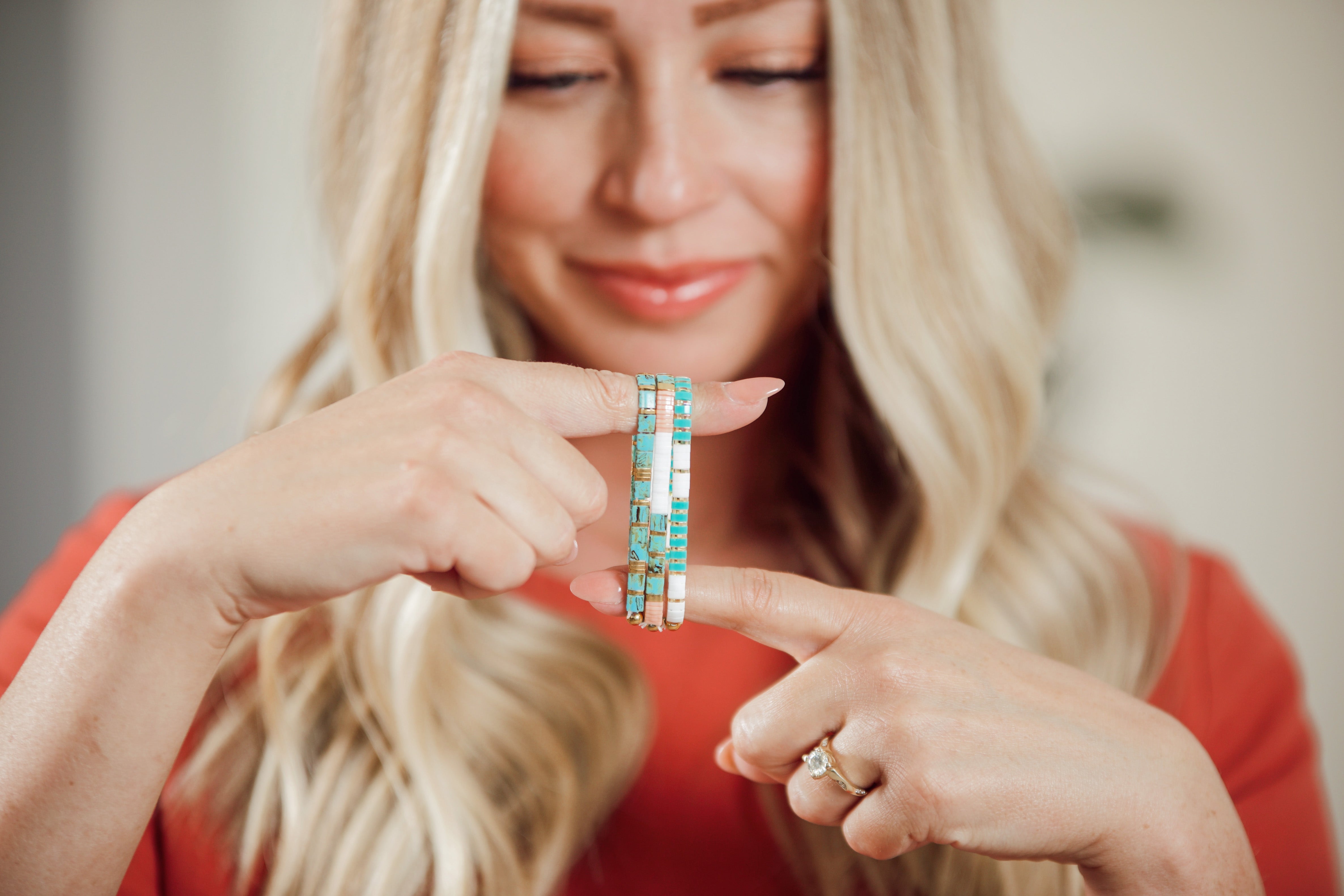
If you want to try it yourself, browse the bracelet making kits at Mack & Rex, including trio kits ($44.99) that make three bracelets in one box. That's usually enough to figure out whether the process clicks for you before you invest in anything bigger. A quick note if kids are anywhere near the table: beads and findings are small enough to be a choking hazard, so keep any crafting session with young children under direct adult supervision and beads out of reach when you step away.
How do I turn bracelet making into a regular wind-down ritual, not a one-off?
Treat it like a standing appointment. Pick a time, a Sunday evening, right after the kids go to bed, whenever you actually get a quiet stretch, and keep your supplies somewhere visible so starting doesn't require digging through a closet first.
The biggest obstacle to any relaxing habit is running out of material and never quite getting around to restocking it. That's the whole idea behind the DIY Bracelet Kit Club subscription ($36.99), a new three-bracelet kit shows up on a set schedule, so the ritual keeps going without you having to think about it. One customer summed up why that structure works: "I like the kit in a can monthly as it is a complete three bracelet project for me. The pieces and colors work so well together I love it." A recurring kit removes the friction that kills most good habits before they start.
If you'd rather skip the making and just enjoy wearing something new, a rotating collection of finished bracelets can scratch a similar itch for less time investment, and buying 3 finished bracelets gets you a 4th free, no code needed. But if it's the process itself you're after, the making is the point, and a kit subscription is built for exactly that.
Is bracelet making a substitute for therapy or treatment for anxiety and depression?
No, plainly. Bracelet making is a relaxing hobby that many people enjoy, not a treatment for anxiety, depression, or any mental health condition, and it isn't a substitute for therapy, medication, or professional care.
Frame it accurately: it's a mindful, screen-free break, the kind of activity that gives your hands something to do while your mind quiets down for twenty or thirty minutes. That's genuinely valuable. It's also not the same thing as clinical treatment, and nobody should put off getting professional support just because they picked up a craft. If stress or anxiety feels like more than an occasional rough day, talk to a doctor or a licensed mental health provider. A bracelet kit is a nice addition to a good week. It is not a plan for a hard one.
Frequently asked questions
Is bracelet making really good for stress relief, or is that overstated?
It's a real, well-documented experience, not a stretch. Many people find that repetitive, hands-on crafts like bracelet making help them unwind after a stressful day, mostly because the activity gives a busy mind one simple, physical thing to focus on rather than a dozen open tabs.
Do I need beading experience to start bracelet making as a relaxing hobby?
No. A beginner-friendly stretch bracelet kit is built so the first project works on the first try, no prior beading skill required. Most people finish a bracelet in 20 to 30 minutes, which is short enough to try on a random Tuesday night without committing your whole evening.
How much time does a bracelet-making wind-down session actually take?
A single Tila bead bracelet takes most beginners 20 to 30 minutes once they know the pattern. That's short enough to fit into a lunch break or the last half hour before bed, which is part of why it works as a repeatable habit rather than a rare weekend project.
Can bracelet making replace therapy or treatment for anxiety or depression?
No. Bracelet making is a relaxing hobby, not a medical treatment, and it isn't a substitute for therapy, medication, or professional care for anxiety, depression, or any mental health condition. Think of it as a screen-free break that many people enjoy, not a clinical fix.
What's the easiest way to start a regular bracelet-making habit?
Start with one beginner kit to see if the process clicks for you, then turn it into a routine with a monthly kit subscription so a new project shows up on a schedule and you never have to remember to restock beads and cord yourself.
Ready to see if it works for you? Start with a beginner bracelet making kit and give yourself twenty quiet minutes with a cup of coffee and no phone. If it clicks, the DIY Bracelet Kit Club keeps a new project coming so the ritual sticks around.