


Jewelry Making Kit vs. Bracelet Making Kit for Adults: Which Should You Buy?
Jewelry making kits for adults: what's the real difference between a jewelry kit and a bracelet kit?
A jewelry making kit is built for variety. It typically includes pliers, jump rings, clasps, and an assortment of findings, so a beginner can attempt earrings, necklaces, and bracelets from one box without buying separate tools for each project right away. A bracelet making kit strips that down to one outcome: a finished bracelet, usually strung on stretch or elastic cord with little to no tool work required.
That single difference in scope shapes almost everything else about the experience, from how fast you finish to how much you spend to learn the craft. If you already know you want jewelry making kits for adults that get you to a wearable result fast, the bracelet-focused option usually wins. If you want to explore several jewelry forms before settling on a favorite, the broader kit earns its price.
How much of a learning curve does each kit have?
Bracelet kits have a shorter learning curve because they teach one skill at a time: bead order, tension, and finishing a stretch cord. General jewelry kits ask you to learn several skills at once, including opening jump rings correctly and attaching clasps without damaging findings.
Jewelry making as a craft covers a wide range of techniques, and historically it has included metalwork, stringing, and wirework as distinct skill sets, according to Wikipedia's overview of jewellery. That range is exactly why a first attempt at a full kit can feel like being handed three crafts at once. A bracelet kit sidesteps that by isolating the part most beginners actually want, which is the finished piece.
What tools do you actually need for each?
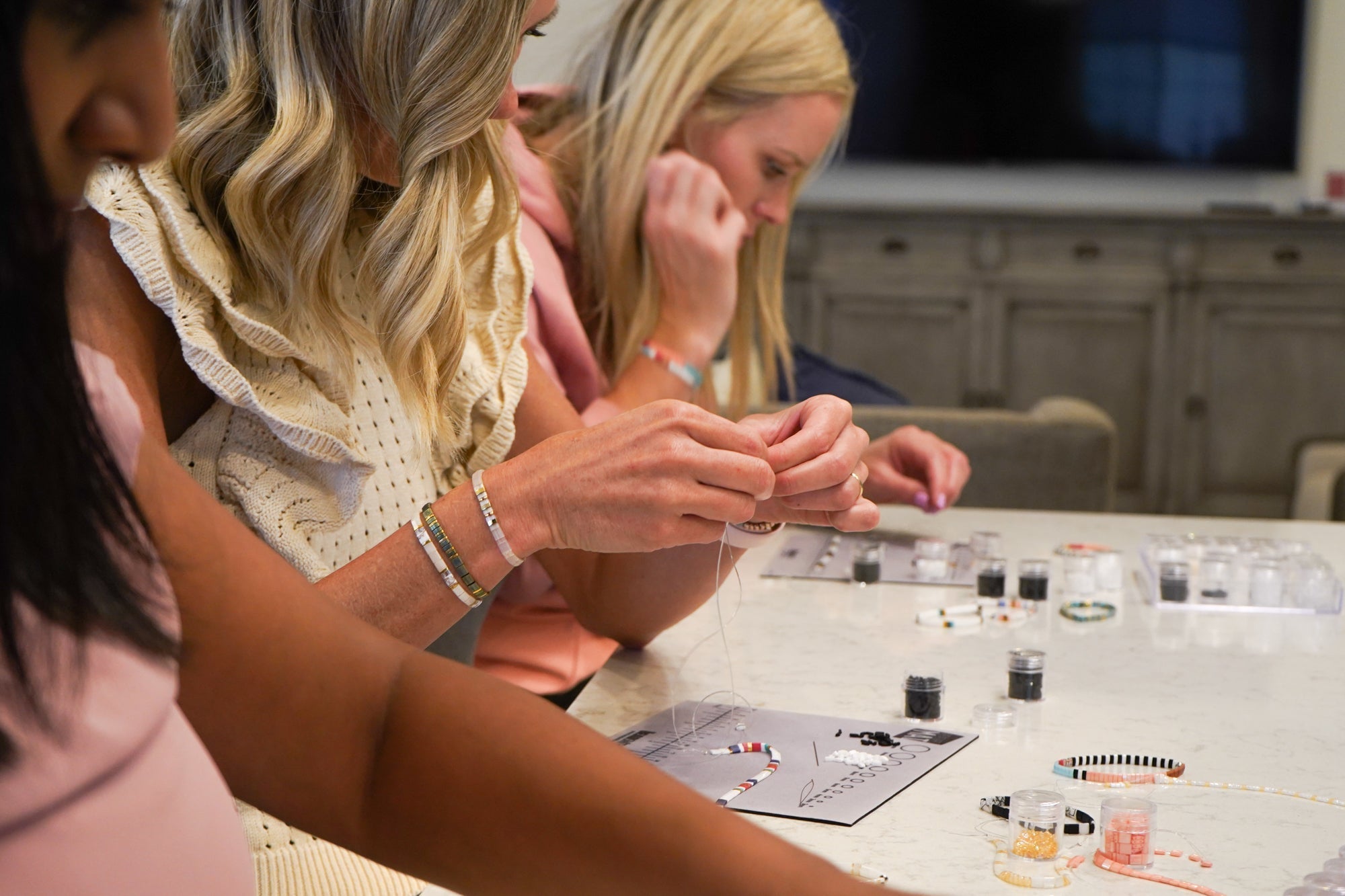
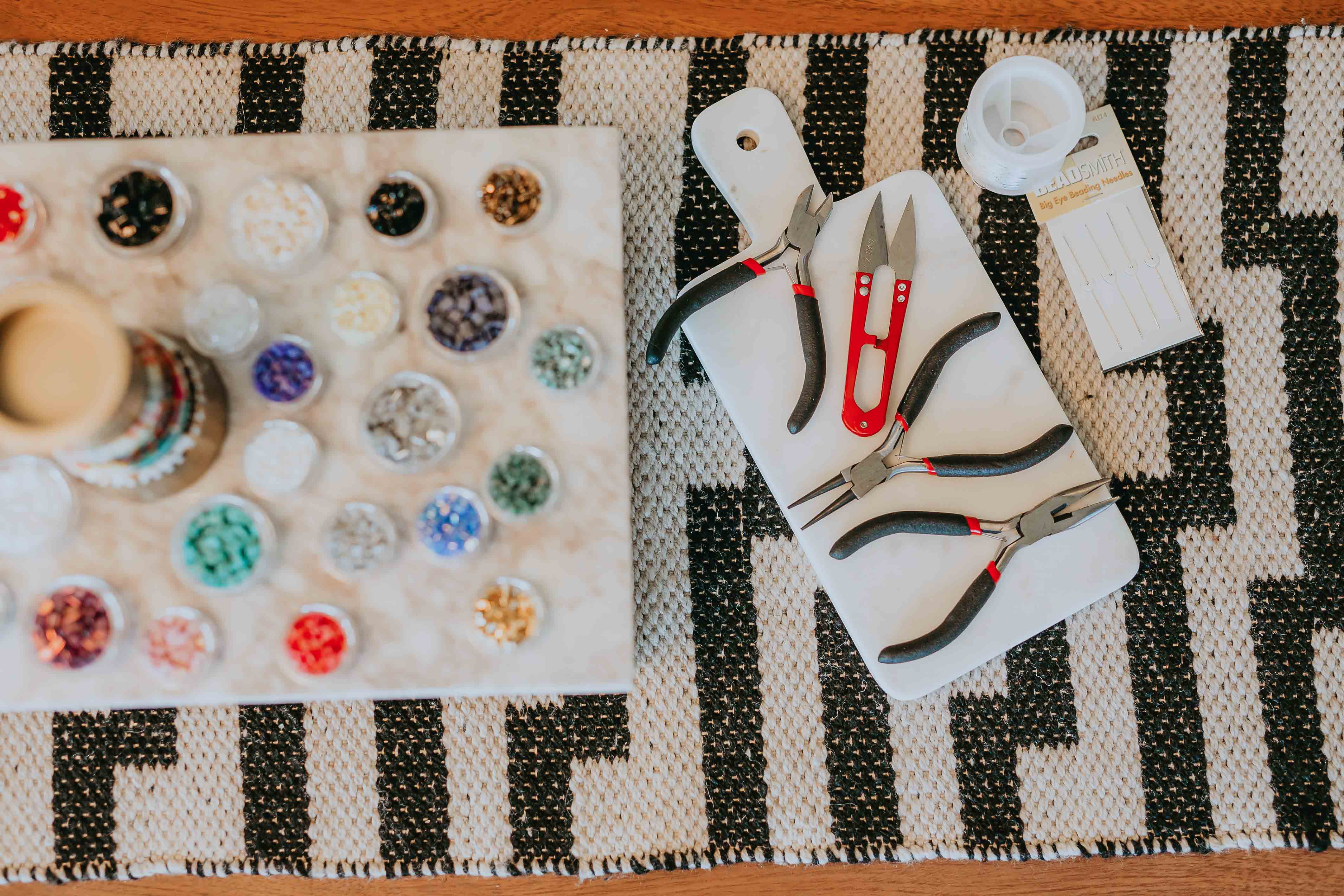
Stretch and elastic-cord bracelet kits need almost no tools beyond scissors and maybe a bead mat. General jewelry kits need pliers, a clasp assortment, jump rings, and often wire cutters to work with findings safely.
Jump rings in particular take practice to open and close without leaving a gap, since twisting them sideways rather than pulling them apart keeps the metal from deforming, a detail explained in Wikipedia's entry on jump rings. That's a small skill, but it's one more thing standing between you and a finished piece when you're new. A bracelet kit built around crystal-cord elastic removes that step entirely: you thread beads, tie a secure knot, and you're done.
Which one gets you to a finished piece faster?
Faster is the bracelet kit, almost every time. Most stretch bracelet projects take 20 to 40 minutes from opening the box to wearing the piece, while a necklace or clasped bracelet from a general kit can take an hour or more once you factor in tool setup and finding assembly.
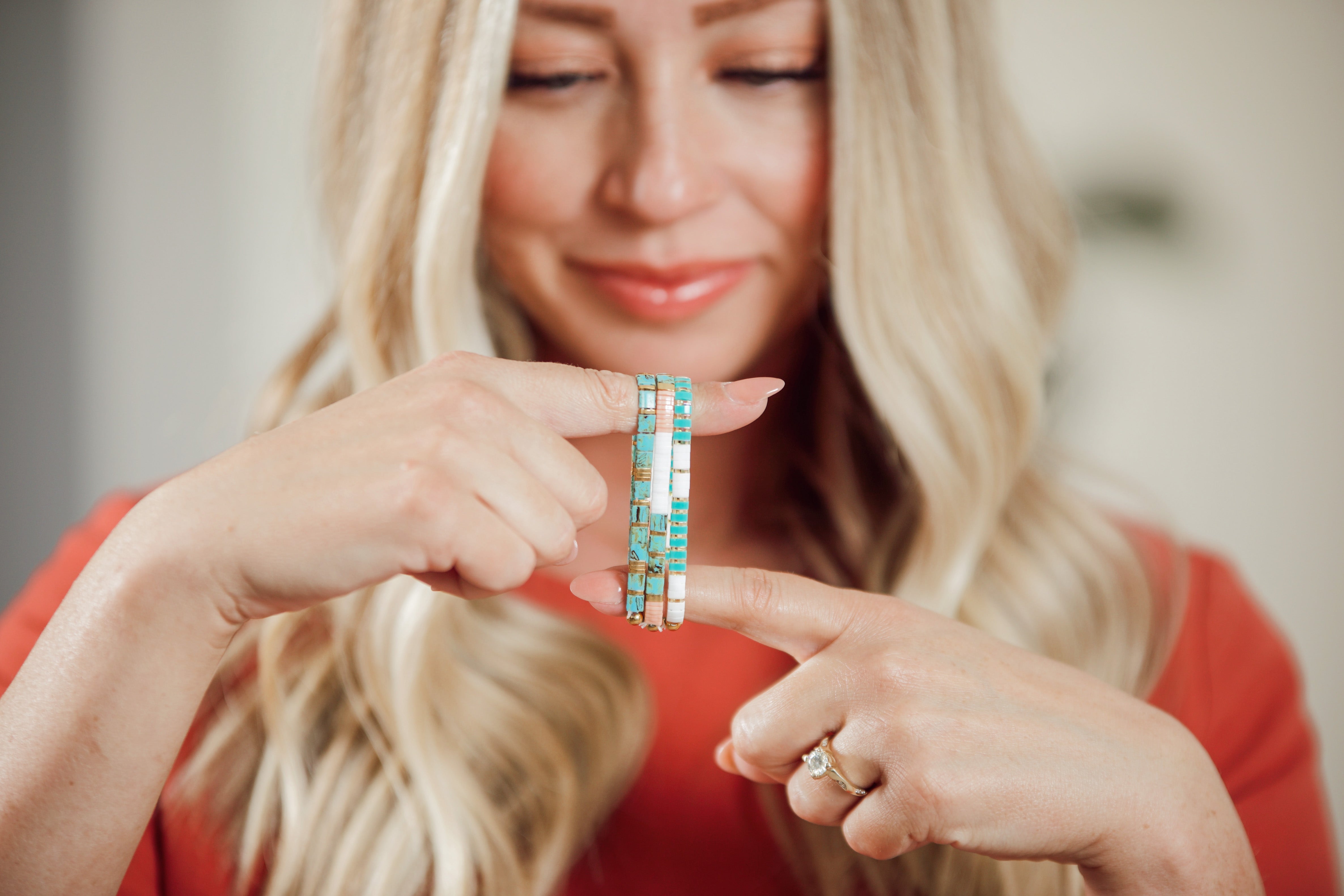
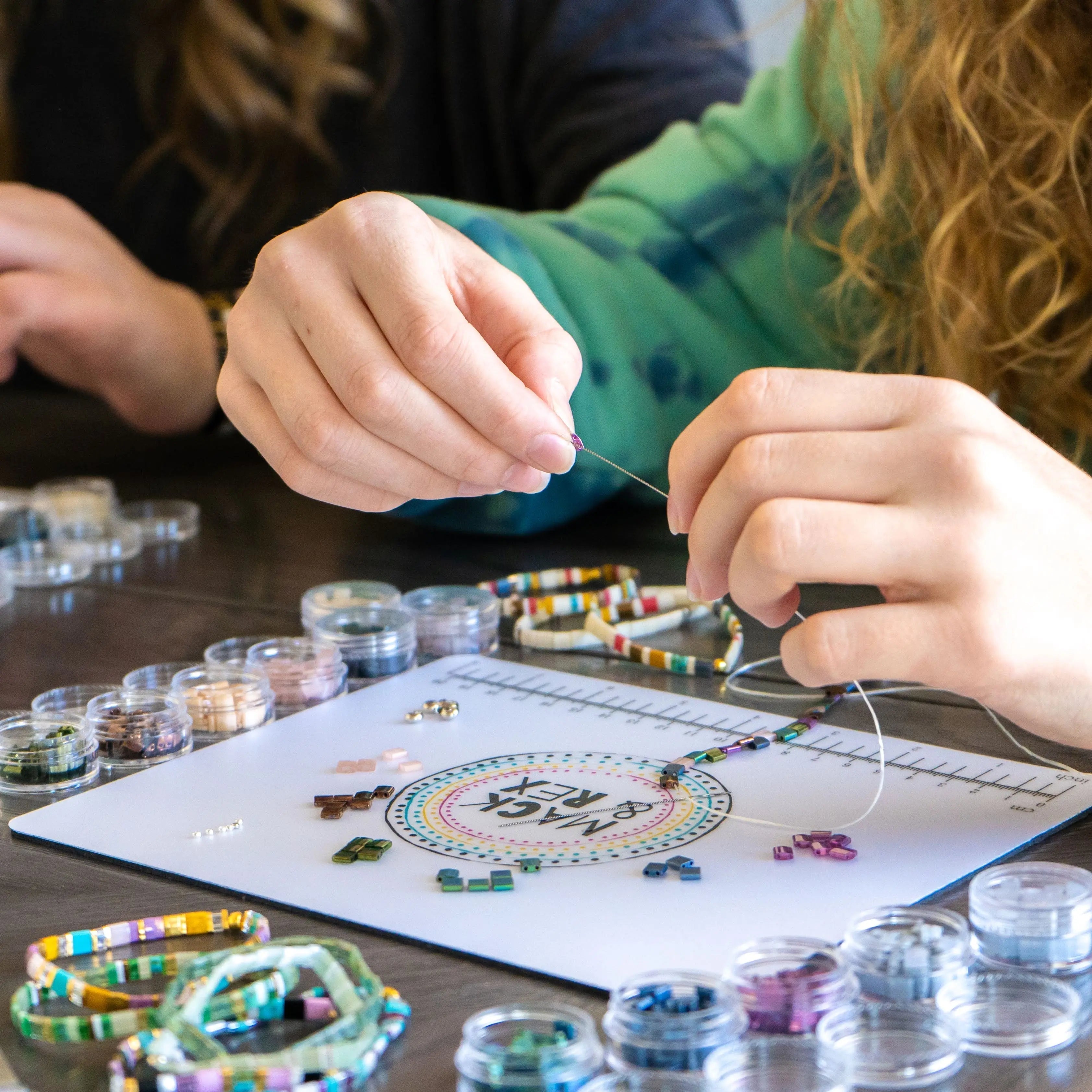
Speed matters more than most buying guides admit. An adult trying a craft for the first time is far more likely to stick with it if the first session ends in something they want to wear immediately. That quick win is the entire design premise behind a focused bracelet kit, and it's why Mack & Rex built its bracelet making kits around genuine Miyuki glass and crystal-cord elastic rather than a mixed bag of findings.
How do the two compare on cost?
Here's the honest breakdown, because pricing varies more than people expect between the two categories. A single bracelet kit costs less upfront than a general jewelry kit, but the price per finished piece drops fast once you move to a bundle built for multiple bracelets rather than one project.
- Finished single bracelet (already made): about $20 to $25
- Trio bracelet kit (makes 3 bracelets): $44.99
- DIY Bracelet Kit Club box (3 bracelets): $36.99
- All-in-one tools and supplies jewelry kit: $39.99 to $43.99
- Tila Bead Starter Kit (makes about 20 bracelets): $189.99
- Ultimate Tila Bracelet Kit (makes about 80 bracelets): $399.99
Per-bracelet cost drops sharply as the kits scale up, which matters if you're buying for a group, a class, or a gift-giving season. A single $44.99 trio kit won't clear the $100 threshold for free US shipping on its own, so if free shipping matters to you, pairing it with another item or stepping up to a bigger kit is worth doing at checkout.
There's a third option worth naming here, too. A finished, ready-to-wear bracelet runs about $20 to $25, and it comes with a quality guarantee since there's no assembly step where something could go wrong on your end.
Sizing is worth checking regardless of which path you choose. Mack & Rex sells finished bracelets in sizes ranging from XXS to 5XL, so fit isn't a reason to default to a kit if what you actually want is something ready to wear tonight. On the ordering side, Mack & Rex ships internationally, with shipping and any applicable duties calculated at checkout, and US orders over $100 qualify for free shipping. Buy three finished bracelets and a fourth is free, no code needed. That offer applies to finished bracelets only, not to kits, so factor that in if you're deciding between a DIY box and a ready-made stack.
Who is actually the better fit for a broad jewelry kit?
Someone who wants to try everything. A general jewelry making kit suits an adult who isn't sure yet whether they'll love beading, wirework, or stringing, and wants one purchase to sample all three before specializing.
It also fits people who already have a specific multi-technique project in mind, like matching earrings and a necklace for an event. The tradeoff is tool clutter and a slower first finish, since findings and clasps take longer to master than a stretch cord ever will.
Who should buy a bracelet-focused kit?
Anyone who mainly wants bracelets. If your goal is a stack of wearable pieces without owning pliers you'll use twice a year, a bracelet kit is the lower-frustration path, and it's the better answer among jewelry making kits for adults who value a fast, satisfying result over broad tool ownership.
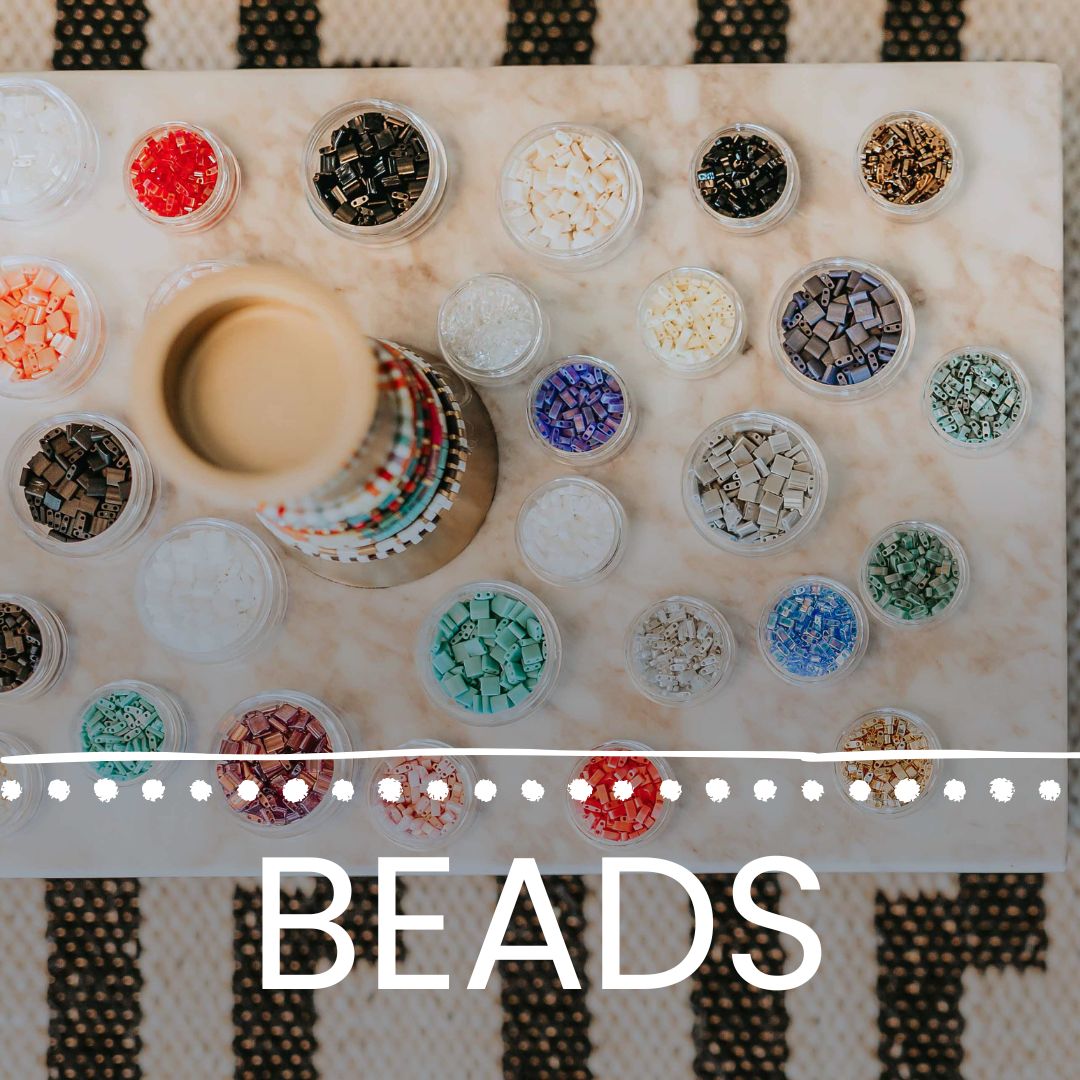
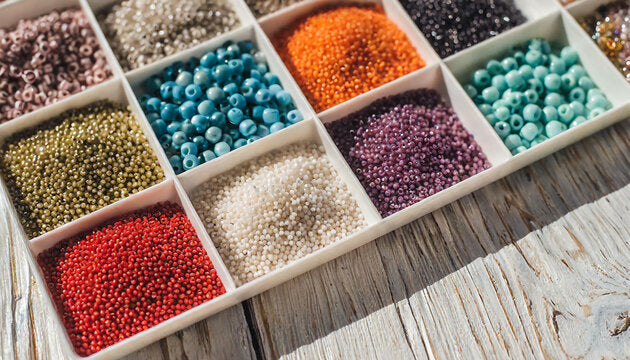
It's also the better pick for gifting, group activities, and repeat crafting, since bead patterns and colorways can change from kit to kit while the process stays simple. For adults who tried a general kit once and found it overwhelming, a focused bracelet kit is often what makes the craft click. Beading itself has a long history as an accessible, low-barrier craft, and the small glass or plastic units used across the hobby are collectively referred to as beads, as noted in Wikipedia's overview of beads. That accessibility is the whole point of a bracelet-first approach.
A trio-style box also solves a common problem with single-project kits: running out of beads mid-pattern with no way to finish. Mack & Rex's trio bracelet kits bundle enough genuine Miyuki glass and crystal-cord elastic for three complete bracelets, so a slow evening or a wobbly first attempt doesn't end the session empty-handed.
Frequently Asked Questions
Is a bracelet kit a good place to start if I've never made jewelry?
Yes. A bracelet kit narrows the decisions down to bead order and color, which means you finish something wearable on your first try instead of getting stuck on tool setup or technique choices.
Do I need pliers or other tools to make a bracelet at home?
Most stretch or elastic-cord bracelet kits need no pliers at all. A general jewelry making kit usually includes pliers and findings because earrings and clasped necklaces require them.
Which kit type is cheaper for a beginner?
Per project, bracelet kits are usually cheaper. A trio bracelet kit that makes three bracelets runs about $44.99, while broader jewelry kits with tools and mixed findings typically start near $39.99 to $43.99 and climb from there.
Can I upgrade from a bracelet kit to a full jewelry kit later?
Absolutely. Many adults start with a bracelet kit to learn bead tension and pattern reading, then add a general jewelry kit once they want to try earrings, clasps, or wirework.
Does Mack & Rex make its own beads?
No. Mack & Rex bracelet kits use genuine Miyuki glass beads, a Japanese brand that Mack & Rex sells as a third-party retailer, paired with crystal-cord elastic for a durable, comfortable fit.