

Loose Tila Beads in Bulk vs a Tila Bead Kit: Which Is Cheaper to Start?
Loose Tila Beads in Bulk vs a Tila Bead Kit: Which Is Cheaper to Start?
For a first bracelet, a kit is usually cheaper once you count everything it takes to actually finish a piece. Loose tila beads look cheaper on the price tag, but cord, a needle, knot covers, and enough colors to build a real pattern add up fast, and none of that shows up until you're standing at checkout with three tabs open.
Bulk buying makes sense once you know your palette and already own tools. It rarely makes sense the first time you touch a tila bead. Here's the actual math, not the marketing version.
What Do Loose Tila Beads Actually Cost by the Bag?
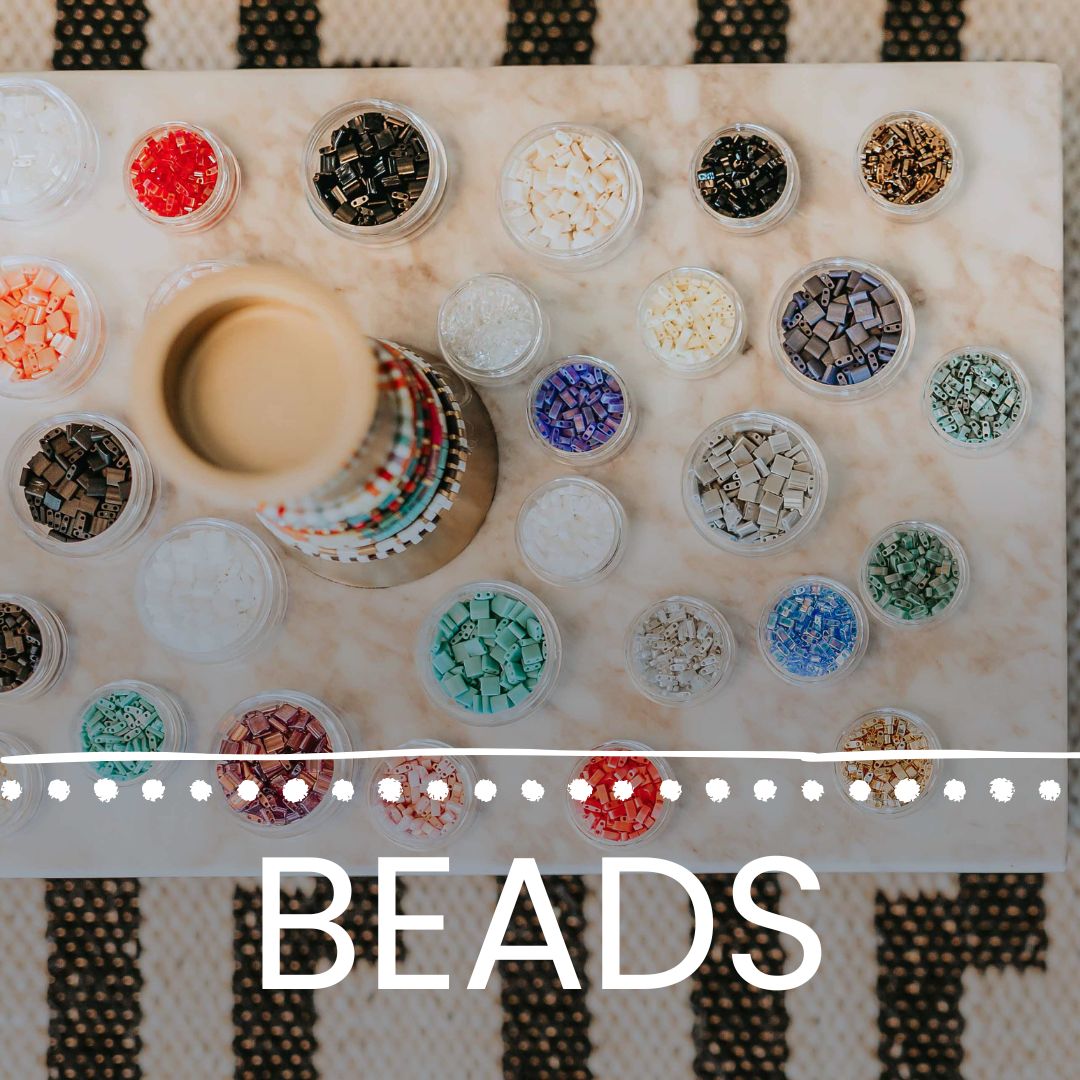
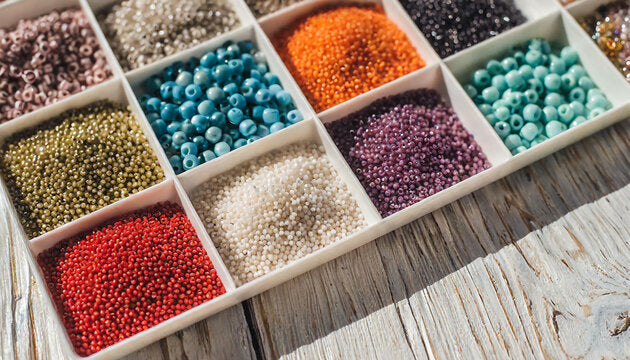
Small tila bead mixes at Mack & Rex run about $5 to $9 for the smallest size, with the same mix scaling up past $100 in bulk quantities. That range tracks with what's live on the tila bead mixes page right now, where a single mix like BEAD SOUP or MERMAID starts under $10 and climbs into the $90 to $270 range depending on how much you order.
Here's the catch: one small bag of one mix is rarely enough beads, in enough colors, to build a balanced bracelet on its own. Most patterns lean on two or three colorways working together, a base tone, an accent, maybe a metallic. That means buying two or three small bags minimum, which puts your bead cost alone somewhere between $15 and $27 before anything else touches your work table.
What Do You Need Besides the Beads to Finish a Bracelet?
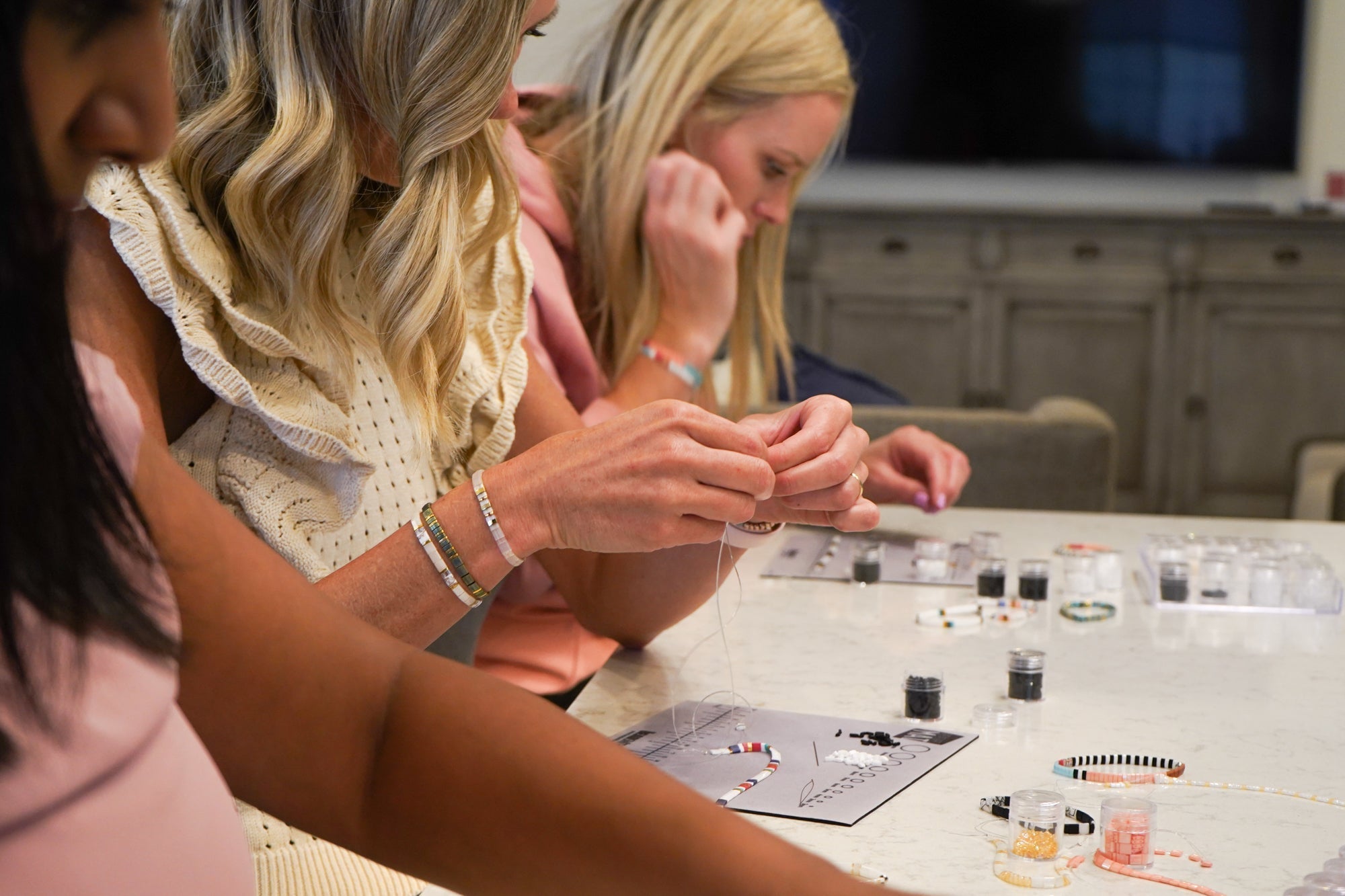
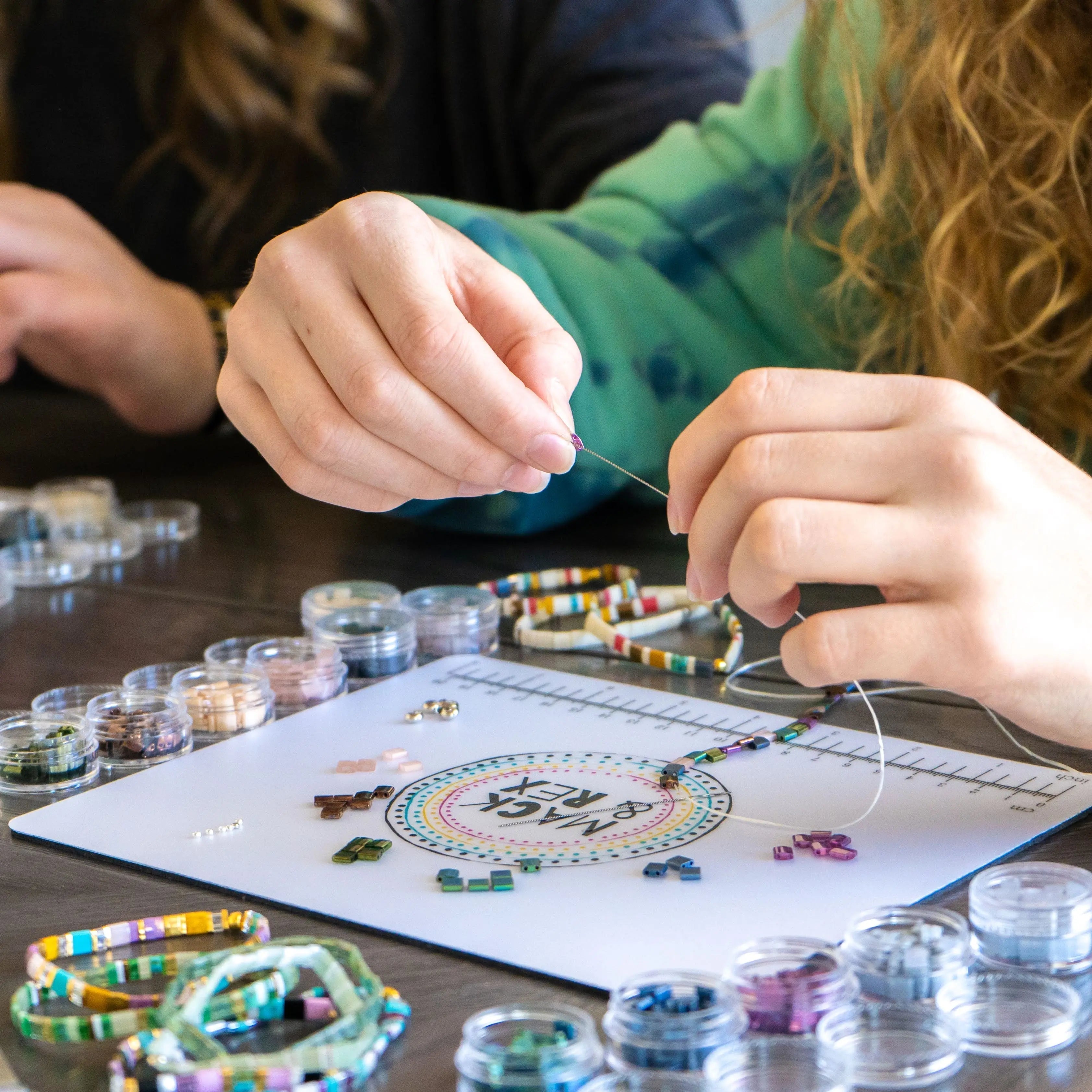
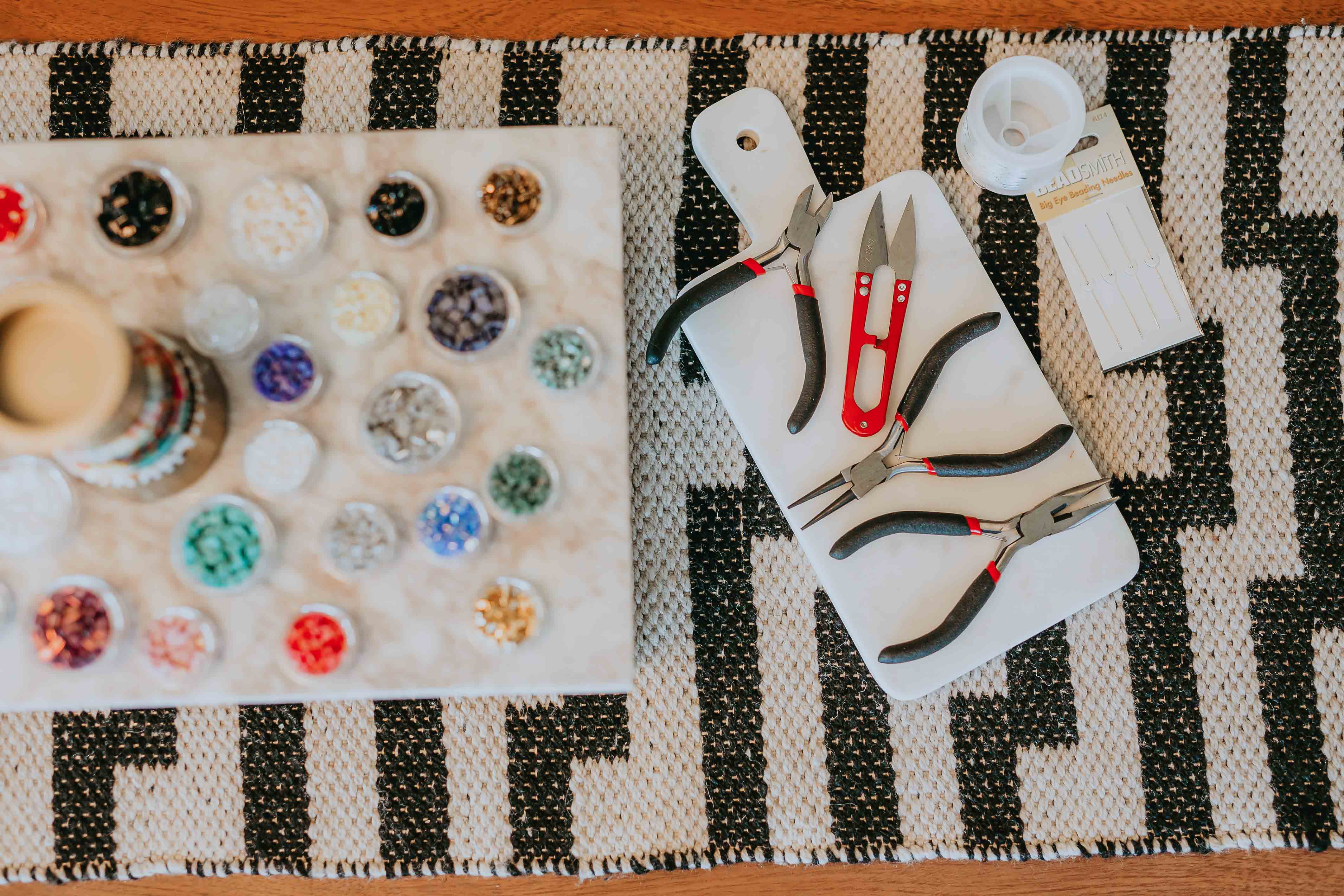
Beads are maybe half the job. A finished stretch bracelet also needs stringing material, a needle small enough to pass through a tila bead's tiny holes twice, and something to finish the ends cleanly.
Mack & Rex kits use crystal-cord elastic rather than thin round elastic, because it holds its stretch and grips a knot more securely over time. Buying that separately, along with a beading needle and knot covers, typically runs another $8 to $15 depending on where you shop and how much cord you buy. Add a bead mat if you don't already have one to keep beads from rolling off the table mid-project. None of these show up in a "tila beads" search, but all of them show up in your cart before you can finish a single bracelet.
What's the Real Cost of Color-Matching and Waste?
This is the part bulk buying doesn't advertise. Miyuki tila beads are sold in specific finishes and dye lots, and a matte black from one batch won't always match a matte black from another exactly. Miyuki's own site lists half-tila and quarter-tila as distinct sizes with their own finish options, which is useful to know before assuming "black" means one single product across every listing (see Miyuki's Half TILA product page for how finish and size are separated).
First-timers also drop beads, misjudge how many they need per row, or restring a section after a knot slips. That waste is normal and it's fine. It's just an added cost that a pre-portioned kit already accounts for, since the bead count in a kit is measured for the pattern, plus a small cushion, not sold as a flat weight you have to eyeball.
What Does a Tila Bead Kit Include, and What Does It Cost?
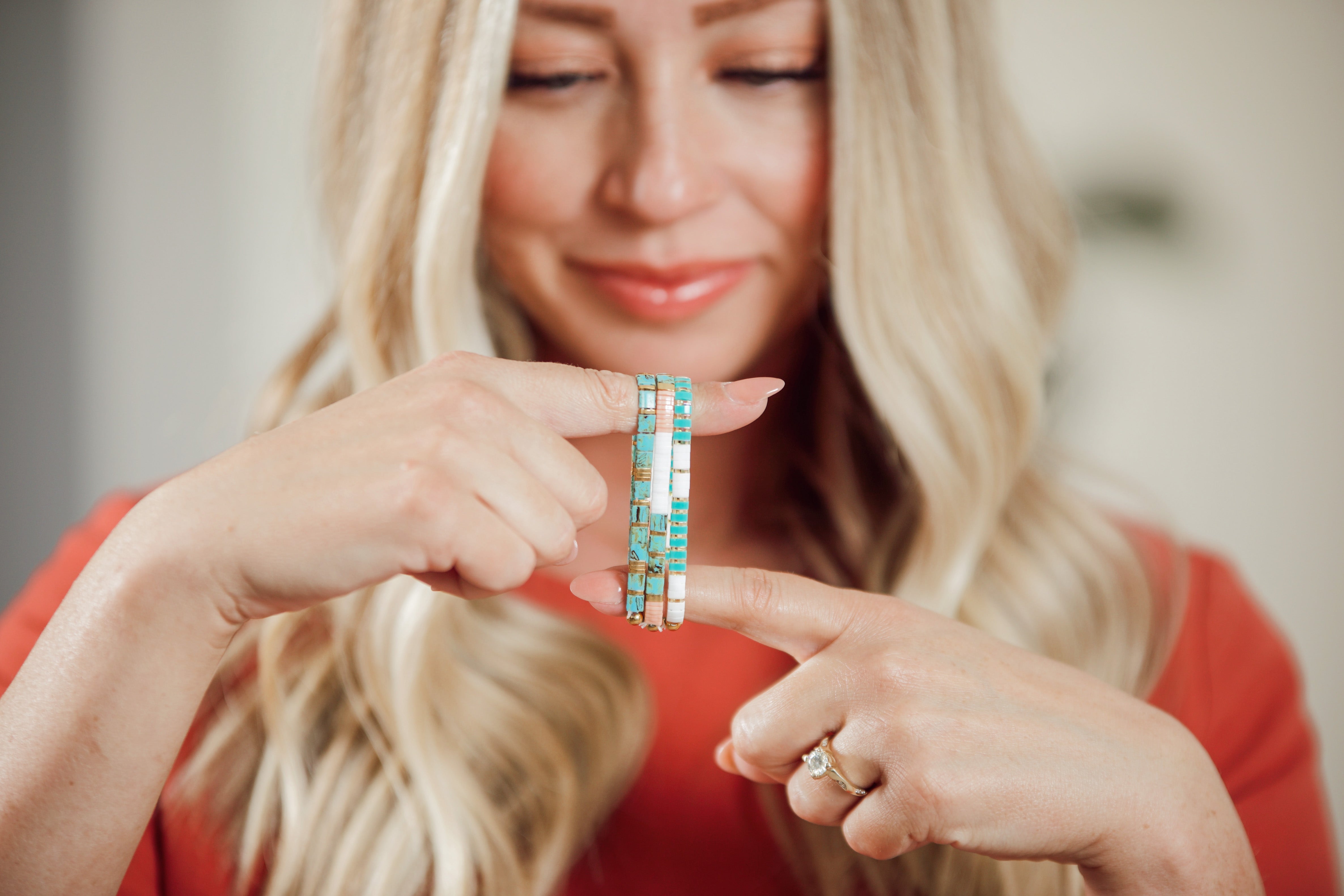
A Mack & Rex kit hands you the beads, cord, needle, and knot covers together, already matched to a single colorway, so the guesswork is done before the box arrives. A trio kit that makes three bracelets runs $44.99, and the Tila Bead Starter Kit, which makes 20 bracelets across four color-pack options, runs $189.99.
Run the numbers on the trio kit: $44.99 for three finished bracelets works out to roughly $15 each, materials included, tools included, colors pre-matched. Building three loose-bead bracelets from scratch (bags, cord, needle, knot covers, and the color packs to actually fill three different palettes) tends to land somewhere close to that same number once you're honest about what got bought, and that's before counting your own time sorting and color-matching. Browse the bracelet making kits collection to see current colorways and sizes if a kit sounds like the lower-friction start.
So Which Is Actually Cheaper for a First Bracelet?
A kit, in almost every case. The per-gram price of loose tila beads is lower, sure. But a first bracelet isn't a per-gram project. It's a one-time build that also needs cord, a needle, matched colors, and enough beads to not run short mid-row.
Loose beads pull ahead only when someone already owns tools, already knows their palette, and is restocking a color they've used before. That's a second-bracelet problem, not a first one. If this is a first attempt, a kit removes the three costs that quietly inflate a loose-bead order: extra bags for color-matching, separate tool purchases, and the beads lost to trial and error.
Does Buying Tila Beads in Bulk Ever Make Sense?
Yes, once you're past the first bracelet. Someone making bracelets regularly, restocking a favorite colorway, or building for a group project benefits from bulk pricing, since cost per bead drops as bag size goes up. That's standard in bead retail; Lima Beads, a long-running online seed bead shop, sells Miyuki seed beads across a similar range of pack sizes, and the pattern holds across most retailers: bigger bags, lower unit cost.
The tradeoff is upfront spend and storage. A 270-dollar bulk bag of one mix is a bet that you'll actually use all of it in that exact colorway, which is a reasonable bet for someone who already makes and sells bracelets, and a rough one for someone testing whether they enjoy the craft at all.
How Do You Avoid Wasting Money on a First Tila Project?
Start smaller than feels necessary. Two or three colors, one simple pattern, and enough cord to redo a section if a knot slips is a realistic first attempt, not a compromise.
If you'd rather skip the color-matching math entirely, a kit is built around a tested palette so you're not guessing whether a Picasso finish pairs with a matte tone. Beading technique varies from person to person, and jewelry-making courses through places like Craftsy's jewelry-making classes generally start beginners with a small, fixed materials list for exactly this reason: fewer variables means fewer expensive mistakes on attempt one.
A quick note if kids are involved: tila beads and the tools that come with a kit are small parts and a choking hazard, so keep a project like this supervised, not something a young child works on unattended.
Where to Start: Kit, Bulk Beads, or a Finished Bracelet
If the goal is trying the craft once, a trio kit at $44.99 is the lower-friction start. If the goal is stocking up for repeat projects, bulk tila mixes make more financial sense once your palette is locked in. And if the goal is simply wearing a tila bead bracelet without any of the assembly, the finished pieces in the tila bead bracelets collection skip the whole question.
One note on shipping: Mack & Rex ships internationally, with shipping cost and any customs or duties calculated at checkout, and free shipping applies to US orders over $100. A single $44.99 kit won't clear that threshold on its own. If you'd rather skip the DIY math altogether, buying three finished bracelets gets a fourth free automatically, no code needed, though that offer applies to finished bracelets only, never to kits or loose beads.
Frequently Asked Questions
Are loose tila beads cheaper than a tila bead kit?
Per gram, yes, especially in bulk sizes. But once you add cord, a needle, knot covers, and the color packs it takes to build a full palette, a first bracelet from loose beads often costs close to or more than a kit, and you're left with leftover stock you may not use again.
What's included in a tila bead kit that loose beads don't come with?
A Mack & Rex kit includes pre-portioned tila beads in a chosen colorway, crystal-cord elastic, a needle, knot covers, and simple instructions. Loose beads come with none of that, so those items get bought separately.
How much do loose tila beads cost?
Small tila bead mixes run roughly $5 to $9 per bag on Mack & Rex, with larger bulk sizes climbing well past $100 depending on quantity and colorway. A single small bag rarely holds enough of every color needed for one balanced bracelet.
Is it cheaper to buy tila beads in bulk if I plan to make a lot of bracelets?
For repeat crafters, yes, cost per bracelet usually drops with larger bead quantities. For a first bracelet, bulk buying adds cost and risk (minimum quantities, color mismatches, mistakes) that a kit is built to avoid.
Does Mack & Rex ship tila beads and kits internationally?
Yes. Mack & Rex ships internationally, with shipping and any customs or duties calculated at checkout. US orders over $100 qualify for free shipping.