


Mother-Daughter Bracelet Making: A Kit-Based Activity for All Ages
Why do jewelry making kits for adults work so well for a mother-daughter craft day?
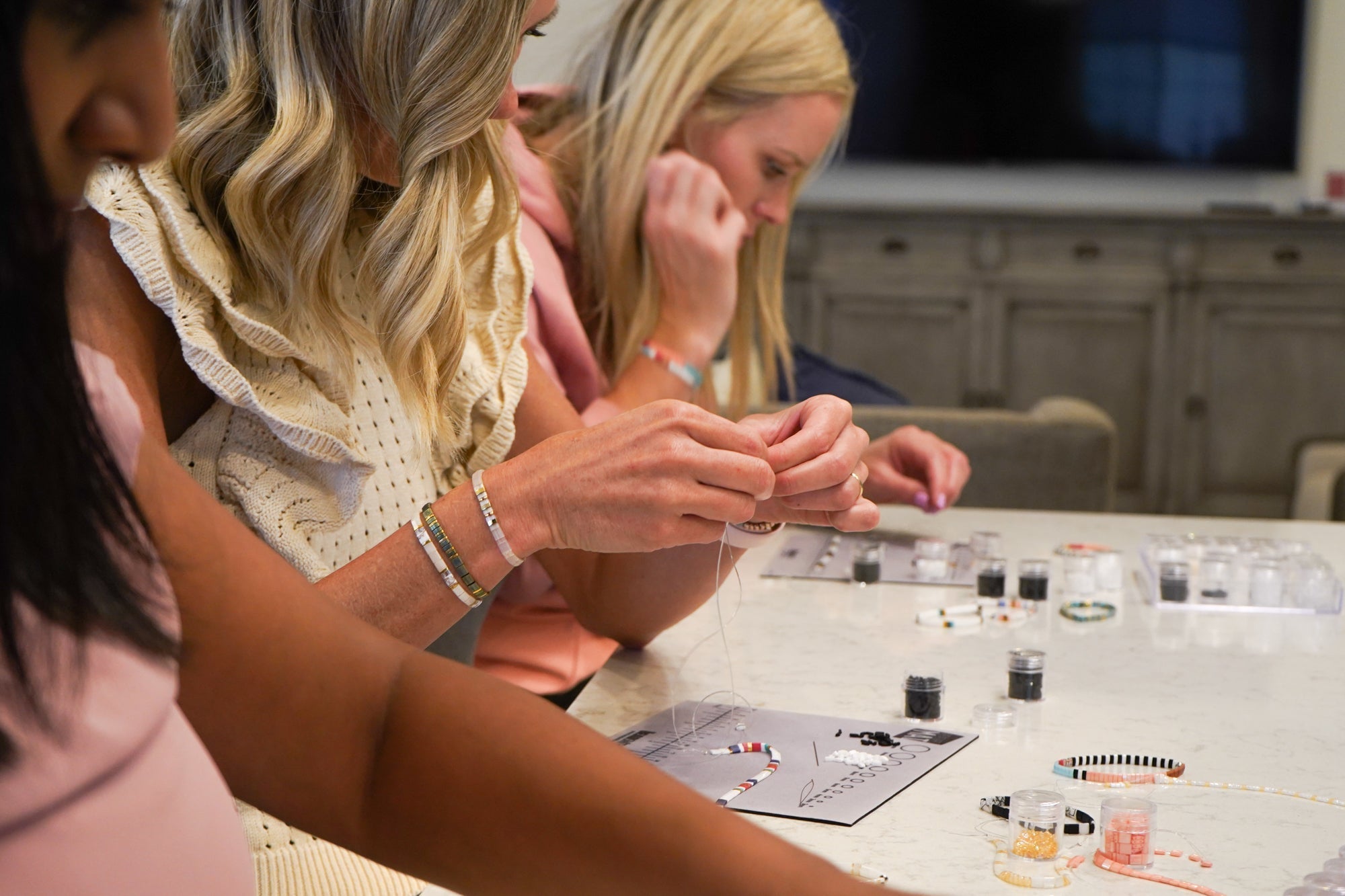
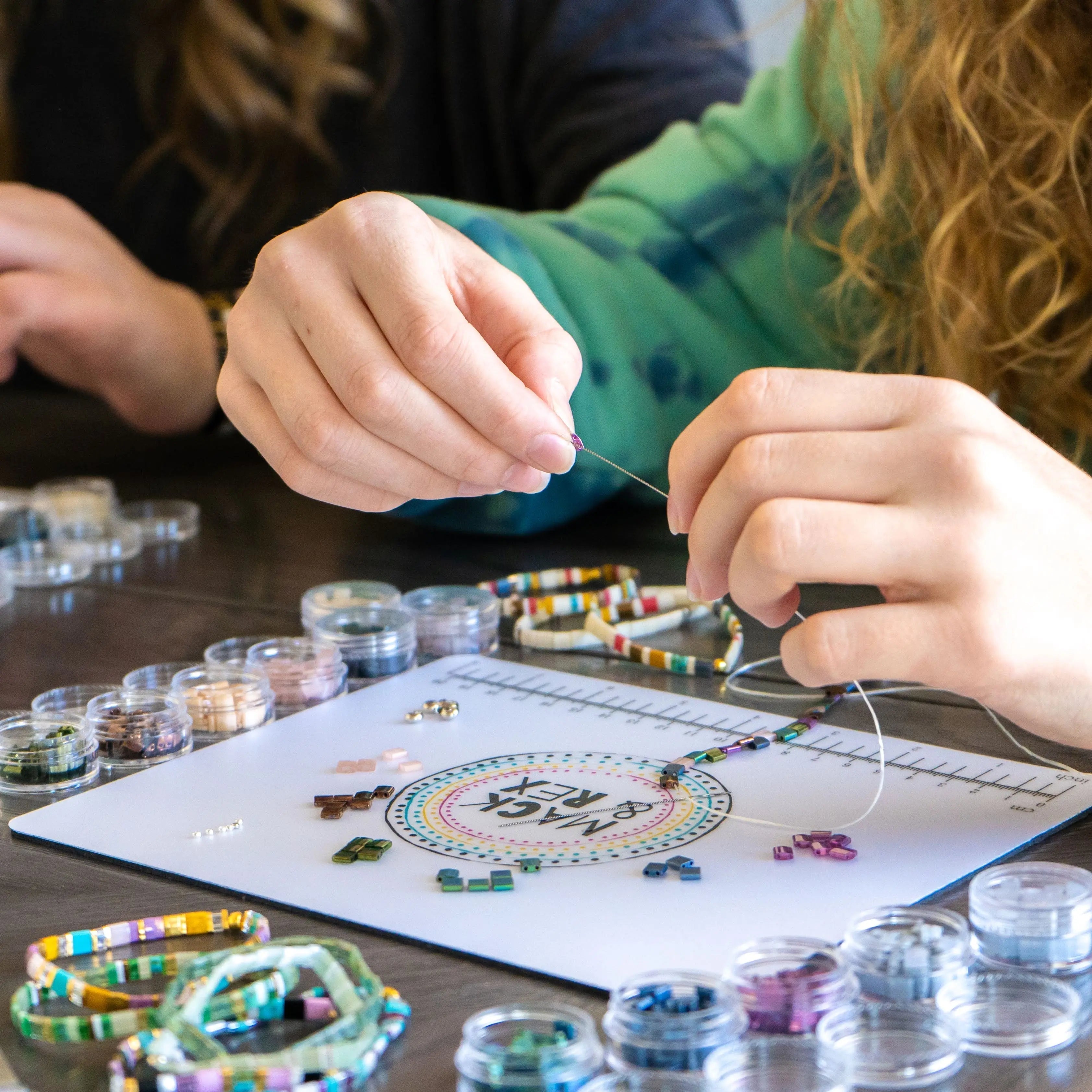
Two chairs, one table, a pile of beads between you. That is the whole setup. Jewelry making kits for adults solve the biggest problem with a shared craft project: nobody has to guess what supplies to buy or how to lay them out. Everything needed for the session, tools, cord, beads, and instructions, arrives in one box, so the time you actually spend together goes to the fun part instead of a supply run.
Mack & Rex started at a kitchen table, not a design studio. A mom sat down with her two daughters, Mack and Rex, to make bracelets together, and that afternoon became a business. The company still builds every kit around that same picture: two or three people, a shared workspace, and a project small enough to finish before anyone loses interest. It is a "spread happy" brand at heart, and a mother-daughter bracelet session is that idea in its simplest form. Making bracelets to trade or share is an old habit, not a new trend; friendship bracelets have been passed between crafters for generations, and a kit just gives that habit a modern, ready-to-go format.
What should you look for in a bracelet-making kit for multiple people?
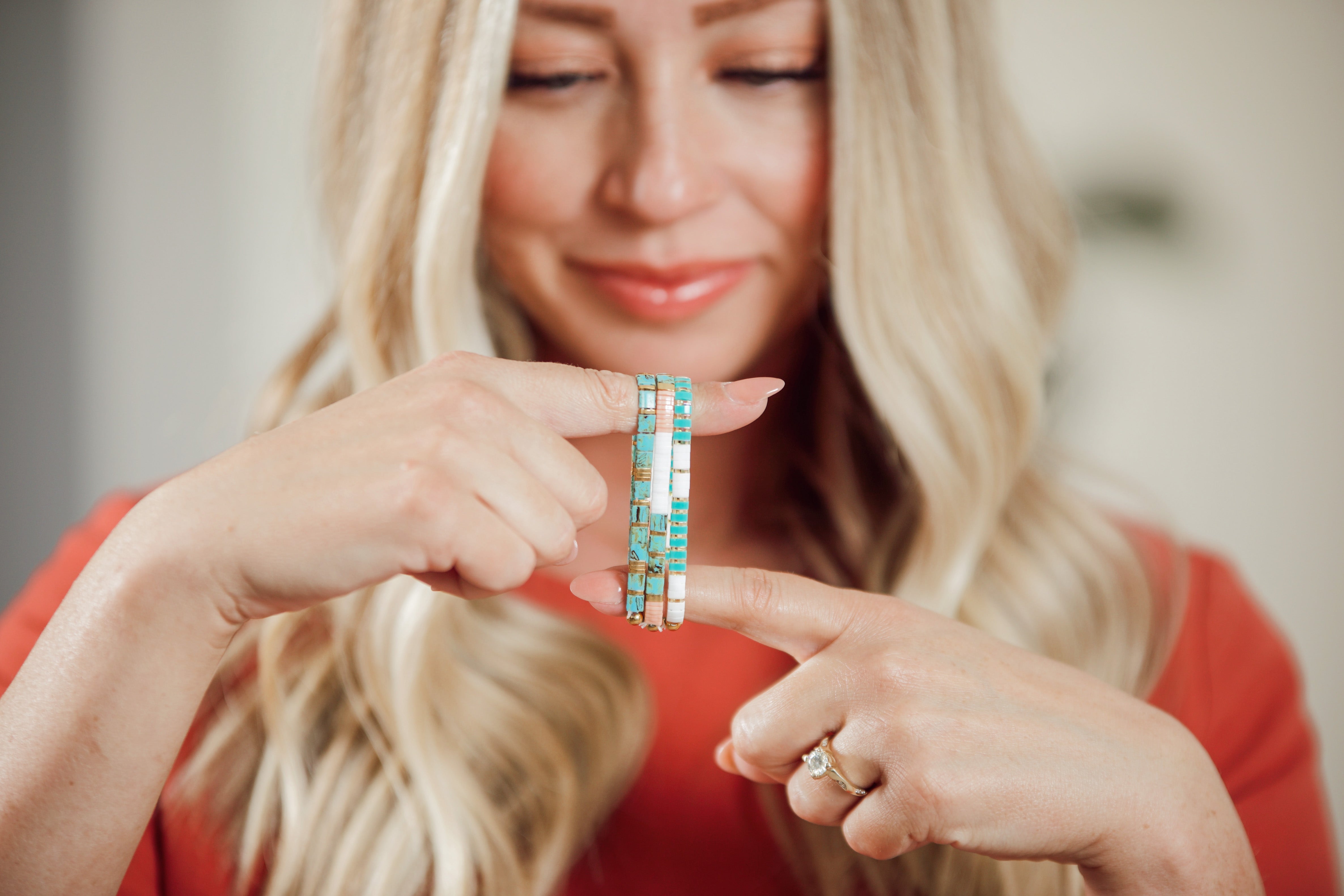
Look at how many bracelets the kit actually makes, since the box art alone does not tell you that. A single-bracelet kit leaves one person without a finished piece, which defeats the point of doing this together. Mack & Rex's Tila trio kits, priced at $44.99, are built to make three bracelets from one box, so a mom and daughter can each keep one and still have a third to gift or stack.
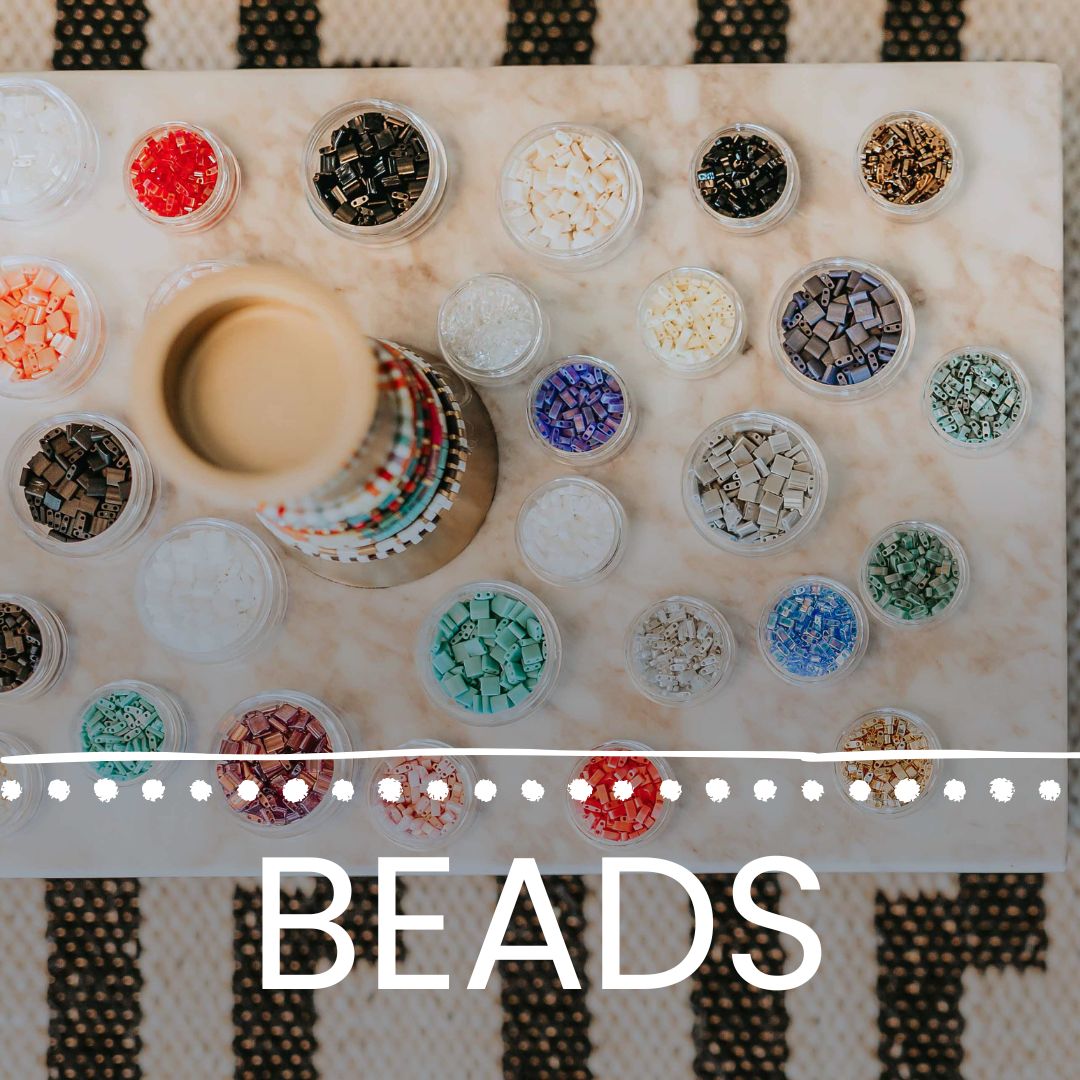
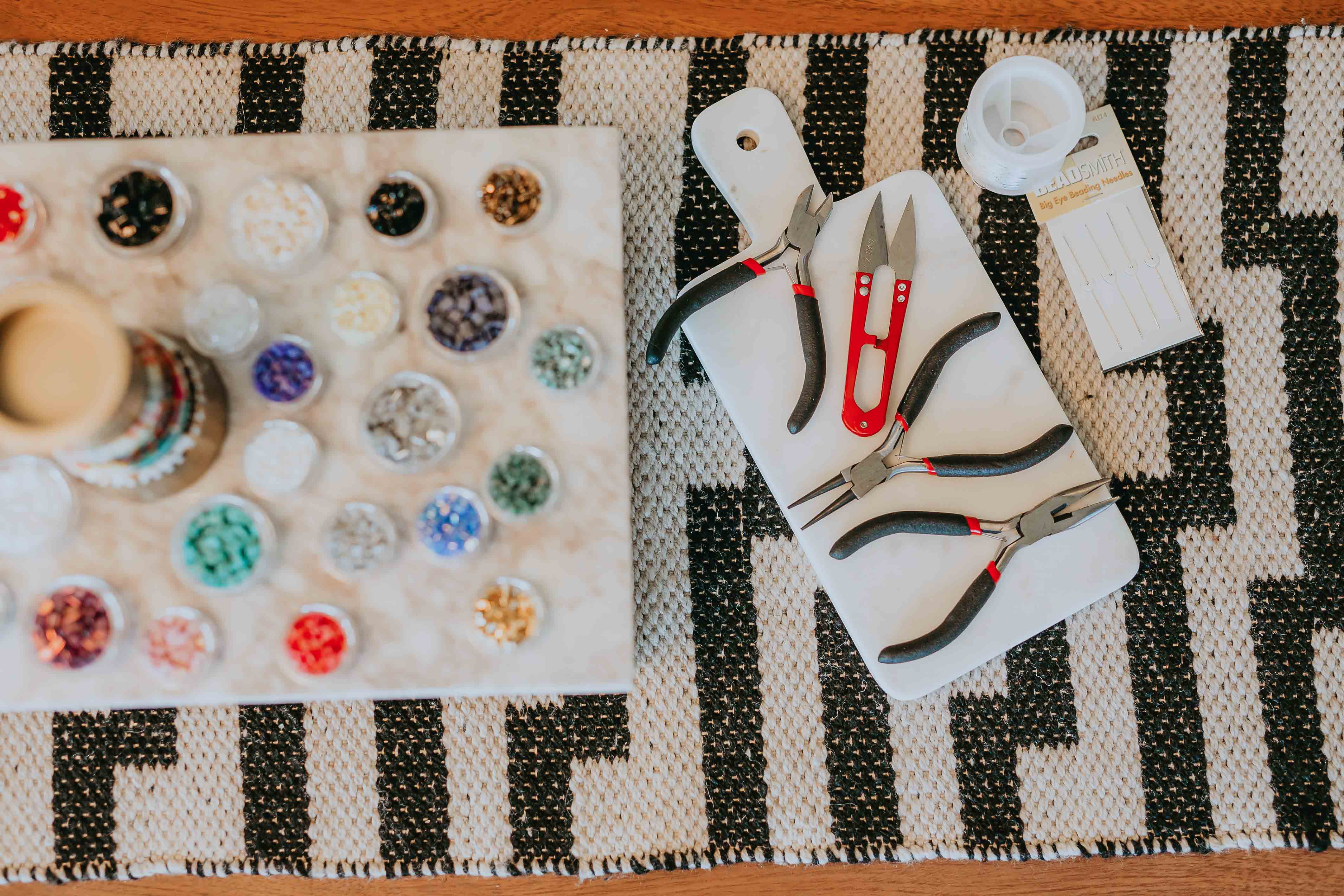
For a bigger group, a Tila Bead Starter Kit makes 20 bracelets for $189.99 and includes the tools, pliers, elastic cord, bead mat, and knot covers needed to keep going well past the first session. If bracelet-making turns into a habit rather than a one-off, the DIY Bracelet Kit Club ($36.99) delivers a new three-bracelet kit on a schedule, which works well for a standing mother-daughter date rather than a single afternoon. General jewelry-making guides, like Craftsy's jewelry section, back this up: having pre-portioned materials on hand is what keeps a beginner project from stalling out halfway through.
How do you set up a mother-daughter bracelet-making session at home?
Clear a table. That's it for the hard part. Lay out the bead mat that comes with the kit, since its built-in ruler makes it easy to measure wrist size and keep bead colors sorted as you work. Good light matters more than people expect when working with small Tila tile beads, so a kitchen table near a window or under an overhead light beats a dim couch.
One customer who buys the DIY Bracelet Kit Club described it this way: "I like the kit in a can monthly as it is a complete three bracelet project for me. The pieces and colors work so well together I love it." That is the appeal in a sentence, a project that arrives ready to sit down and start, with color decisions already made for you if you want them, or open to your own combinations if you don't. General beading tutorials recommend working over a light-colored tray or mat for exactly this reason, so small beads don't roll off and disappear mid-project.
Can grandmothers and granddaughters use the same jewelry making kits for adults?
Yes, and it is one of the most common ways these kits get used. A grandmother-granddaughter pair benefits from the same setup as a mother-daughter one: one kit, one table, a project sized for a single sitting. The instructions and tools in a Mack & Rex kit are written for a crafter with some hand dexterity, whether that's a grandmother threading beads with reading glasses on or a teenager doing it for the first time.
A small but important note here: Tila beads, crimp beads, and knot covers are small parts and a real choking hazard, so any session involving kids should have an adult at the table the whole time. These kits are not marketed as safe for very young children to use unsupervised, and Mack & Rex makes no claims about developmental or educational benefits. They are a shared craft activity, plain and simple, best suited to older kids, teens, and adults working alongside a grown-up.
How do you create matching or complementary bracelet stacks together?
Pick one kit, split the beads. Because a trio kit is built around a single color story, such as the STAINED collection or a beachy palette, everyone crafting from it ends up with pieces that stack together naturally even if each person arranges the beads differently. That is a deliberate design choice: the color pack does the coordinating work so the crafters don't have to negotiate over which beads go where.
Complementary rather than identical stacks tend to hold up better over time. A mother and daughter can each choose a slightly different bead order from the same kit and end up with bracelets that read as a set without looking matched. One reviewer put it simply after her daughter got hooked too: "I got my first 3 bracelets a year ago and since then my daughter is in love with them also." Stacking bracelets across generations, alongside the crafters who wear them, is part of what makes the hobby stick.
How do you turn bracelet-making into a repeatable family ritual?
Put it on the calendar. A one-time kit is a nice afternoon, but a standing ritual is what actually gets remembered years later. The DIY Bracelet Kit Club subscription ($36.99) sends a new trio kit on a recurring basis, which takes the planning out of "let's do this again sometime" and turns it into something that just shows up.
Some families use a holiday or birthday as the trigger rather than a subscription, picking a themed kit each time a visit rolls around. Either way, the goal is the same low-effort setup every time: one box, one table, beads already chosen. That repeatability, more than any single bracelet, is what makes a craft activity into a tradition.
Ready to start your own? Browse the full lineup of bracelet-making kits and pick a trio kit or Starter Kit sized for your group.
Frequently Asked Questions
What is the best jewelry making kit for a mother-daughter activity?
A trio kit is the easiest starting point because it comes with everything needed to finish three complete bracelets in one sitting, so two or three people can each walk away with a piece. Mack & Rex's Tila trio kits run $44.99 and come in dozens of color combinations built to work together.
How many bracelets does one Tila trio kit make?
A Tila trio kit makes three finished bracelets from one box, which is enough for a mom-and-daughter pair to each keep one and stack or gift the third. Larger households or repeat crafters often move up to the Starter Kit, which makes 20 bracelets for $189.99.
Are bracelet-making kits safe for kids?
Tila beads, crimps, and knot covers are small parts and a choking hazard, so kits are meant to be used with an adult supervising, not handed to very young children unsupervised. Mack & Rex kits make no claims about developmental or educational benefits; they are a shared craft activity for older kids, teens, and adults.
Does Mack & Rex ship bracelet kits internationally?
Yes. Mack & Rex ships internationally, with shipping and any customs or duties calculated at checkout. Free shipping applies to US orders over $100; a single $44.99 trio kit will not clear that threshold on its own, so pair it with another item if free shipping matters to you.
Is there a discount for buying bracelet-making kits versus finished bracelets?
No, the current buy 3 bracelets, get 1 free offer applies only to finished, ready-to-wear bracelets, not to kits, loose beads, or bead mixes. Kits are priced individually, from $36.99 for the DIY Bracelet Kit Club up to $399.99 for the 80-bracelet Ultimate kit.