


Real Beads vs. Plastic Toy Beads: Which Bracelet Kit Actually Teaches a Skill?
Is a Real Bead Bracelet Kit Really Better Quality Than a Toy Store Kit?
Yes, mainly because of what's in the box. A real bracelet kit uses genuine glass beads and crystal-cord elastic built to survive months of daily wear, while a toy-aisle kit is built around plastic beads and thin cord meant for one craft session, not a bracelet anyone keeps wearing. The difference shows up fast once the bracelet leaves the table.
That's the short version. Here's what's actually different between the two, piece by piece.
What's Really Inside a Plastic Toy Bead Kit?
Open a toy-aisle bracelet kit and you'll usually find hollow, injection-molded plastic beads (sometimes called pony beads or acrylic beads) strung on a thin round elastic cord. The pitch is volume and color: hundreds of pieces, bright rainbow mixes, a low price tag that makes it an easy grab at checkout.
The plastic itself is the tradeoff. It's light and cheap to mold, which keeps the whole kit affordable, but it scratches with handling, dulls under normal light, and can crack if a bead gets pinched or dropped. The elastic cord that comes with these kits is usually thin and made for a single stringing session, not for a bracelet that gets stretched on and off every day. None of that makes a toy kit "bad." It's built for a different job: a quick craft activity, not a piece of jewelry meant to last.
What's Different About a Real Miyuki Tila Bracelet Kit?
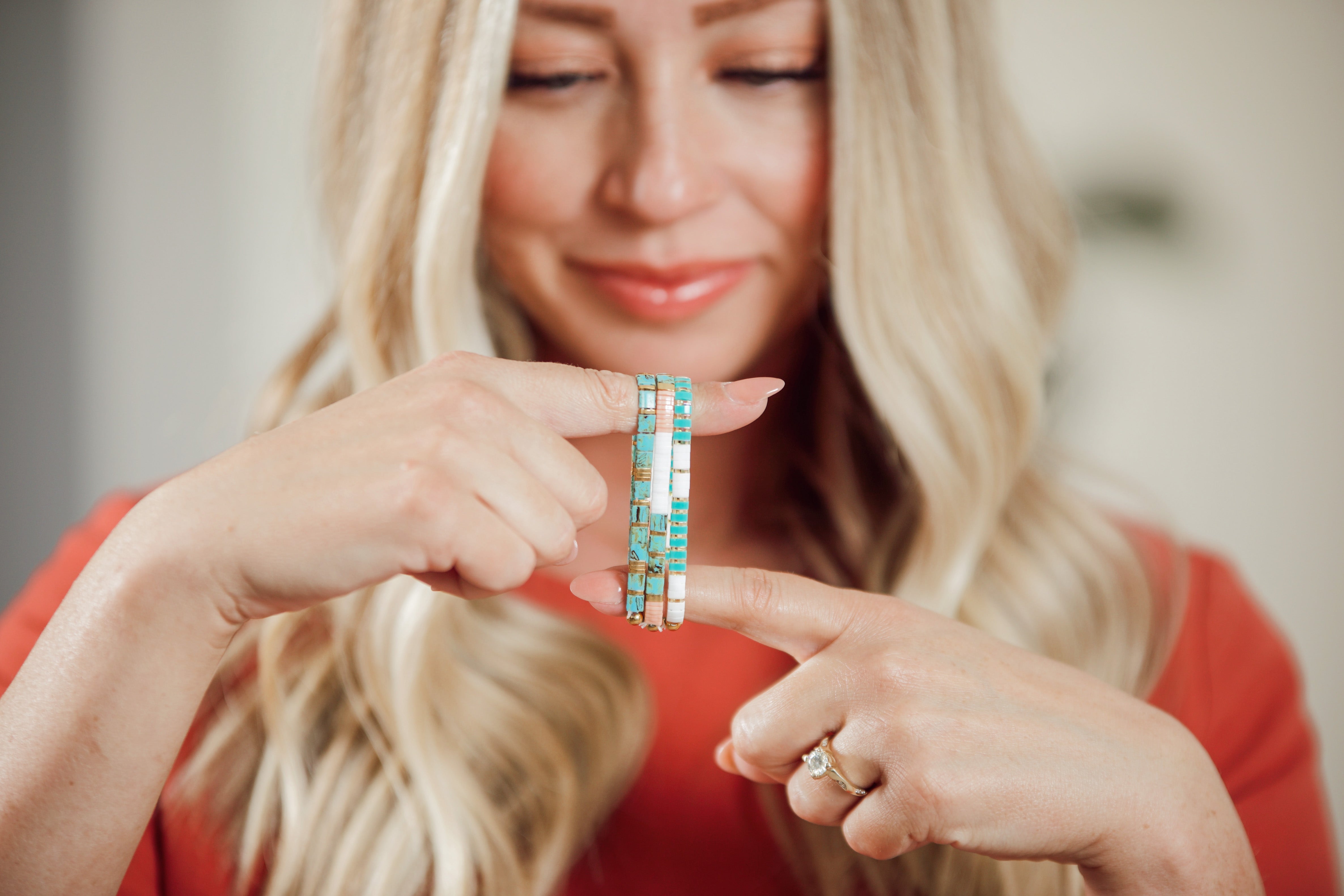
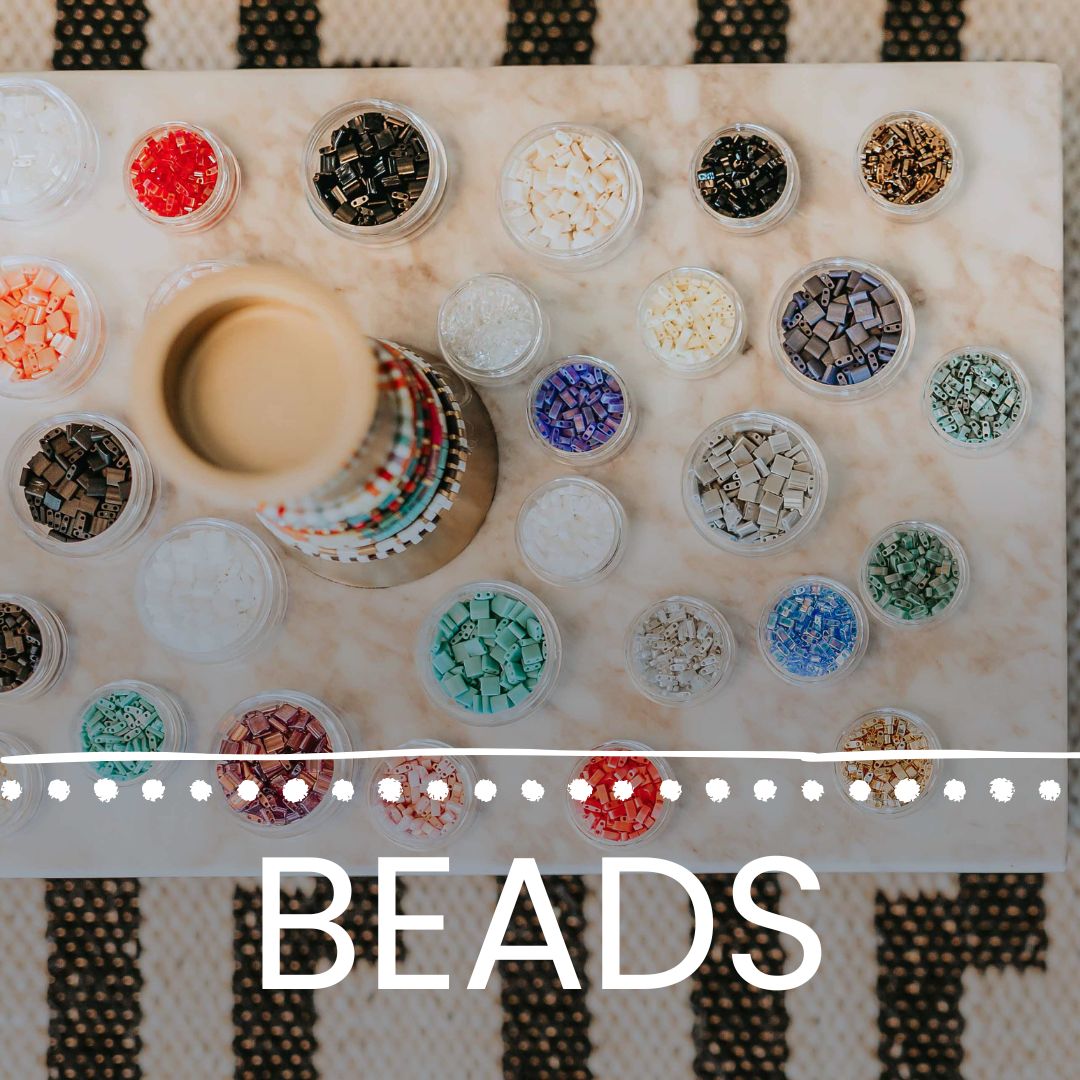
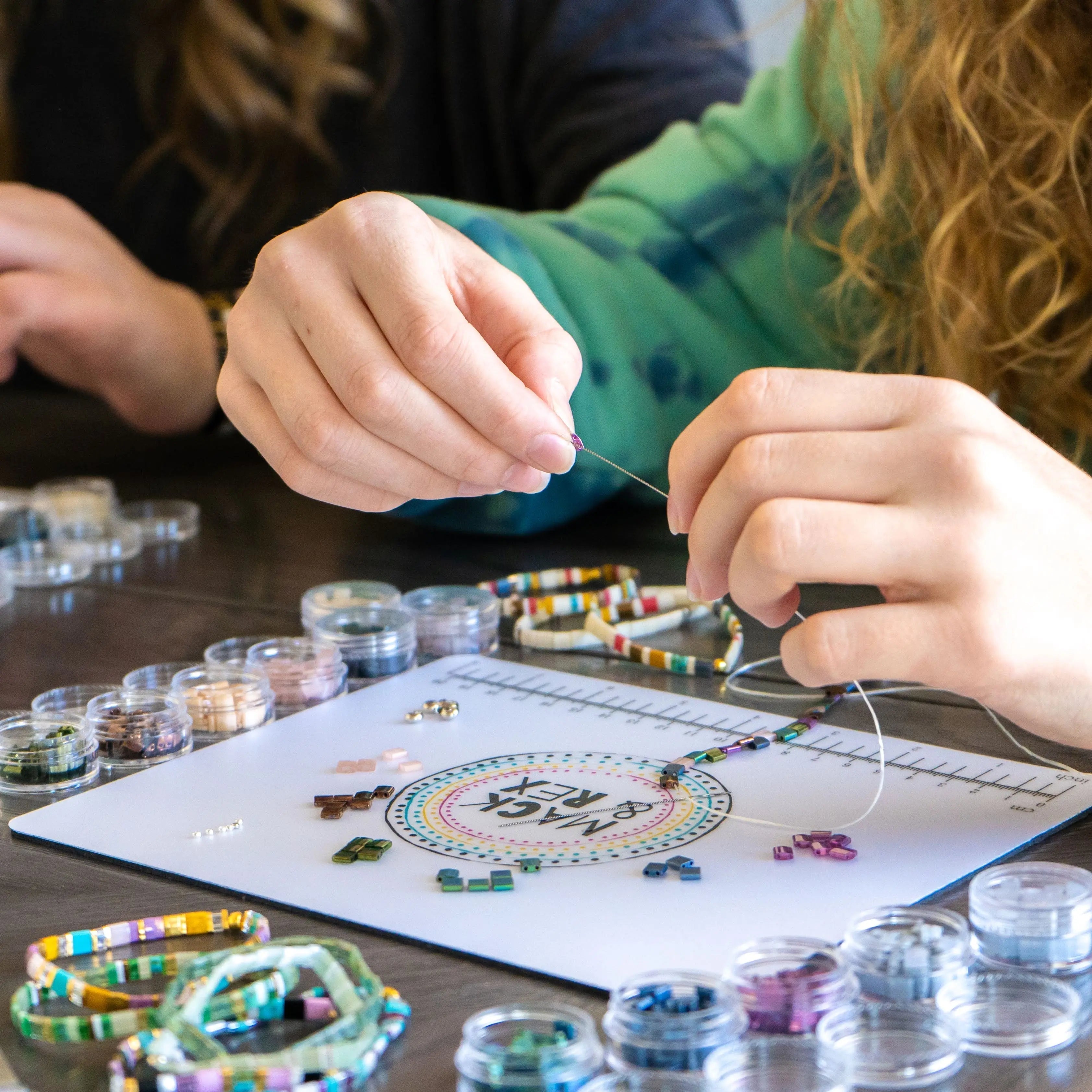
A genuine bracelet kit starts with named materials. Mack & Rex kits use Miyuki Tila beads, flat two-hole glass tiles manufactured by Miyuki, a Japanese bead company, strung on crystal-cord elastic rated for daily wear. The kit states its bead count and how many bracelets it actually makes, a detail a raw piece count alone doesn't tell you.
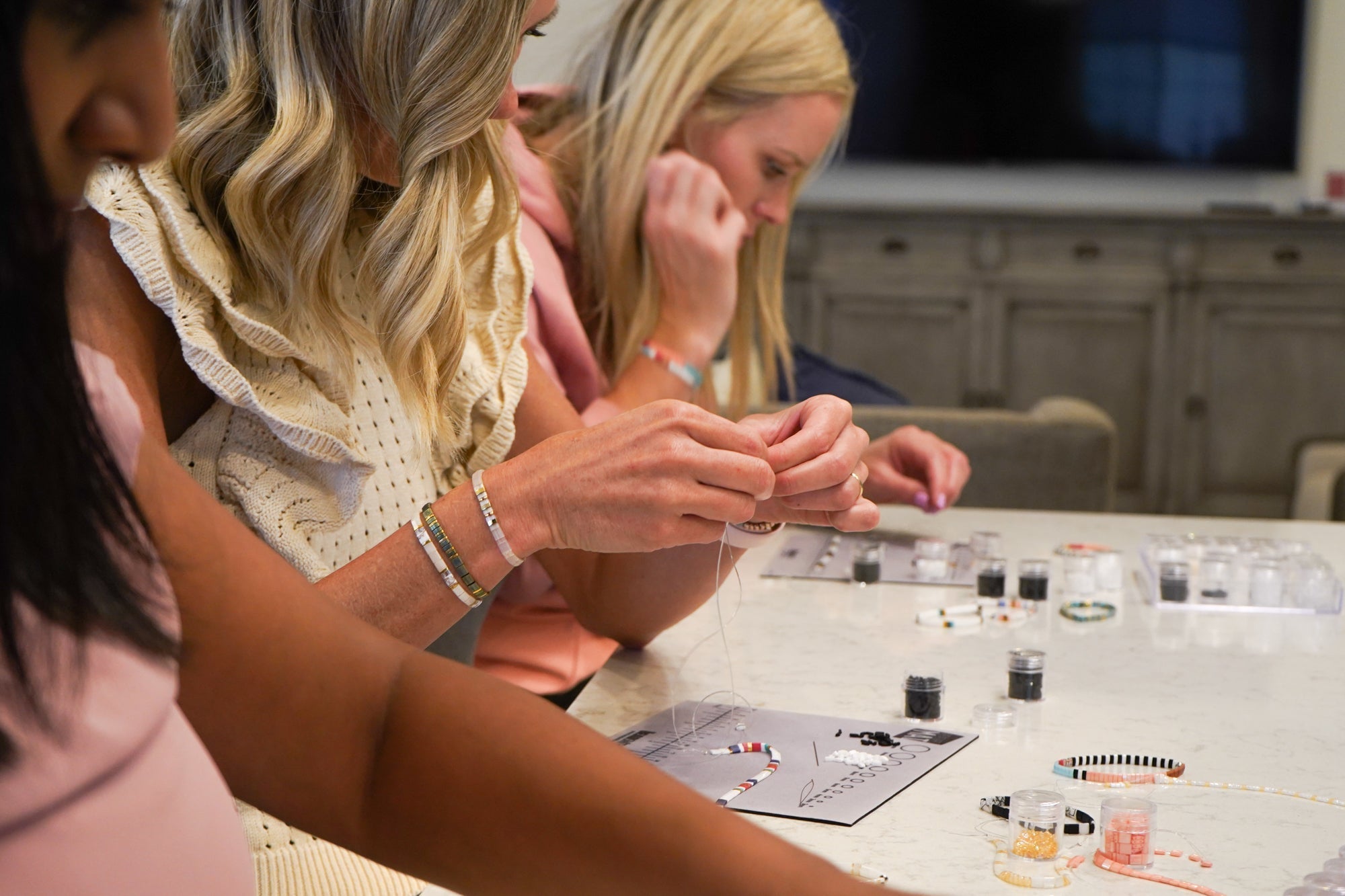
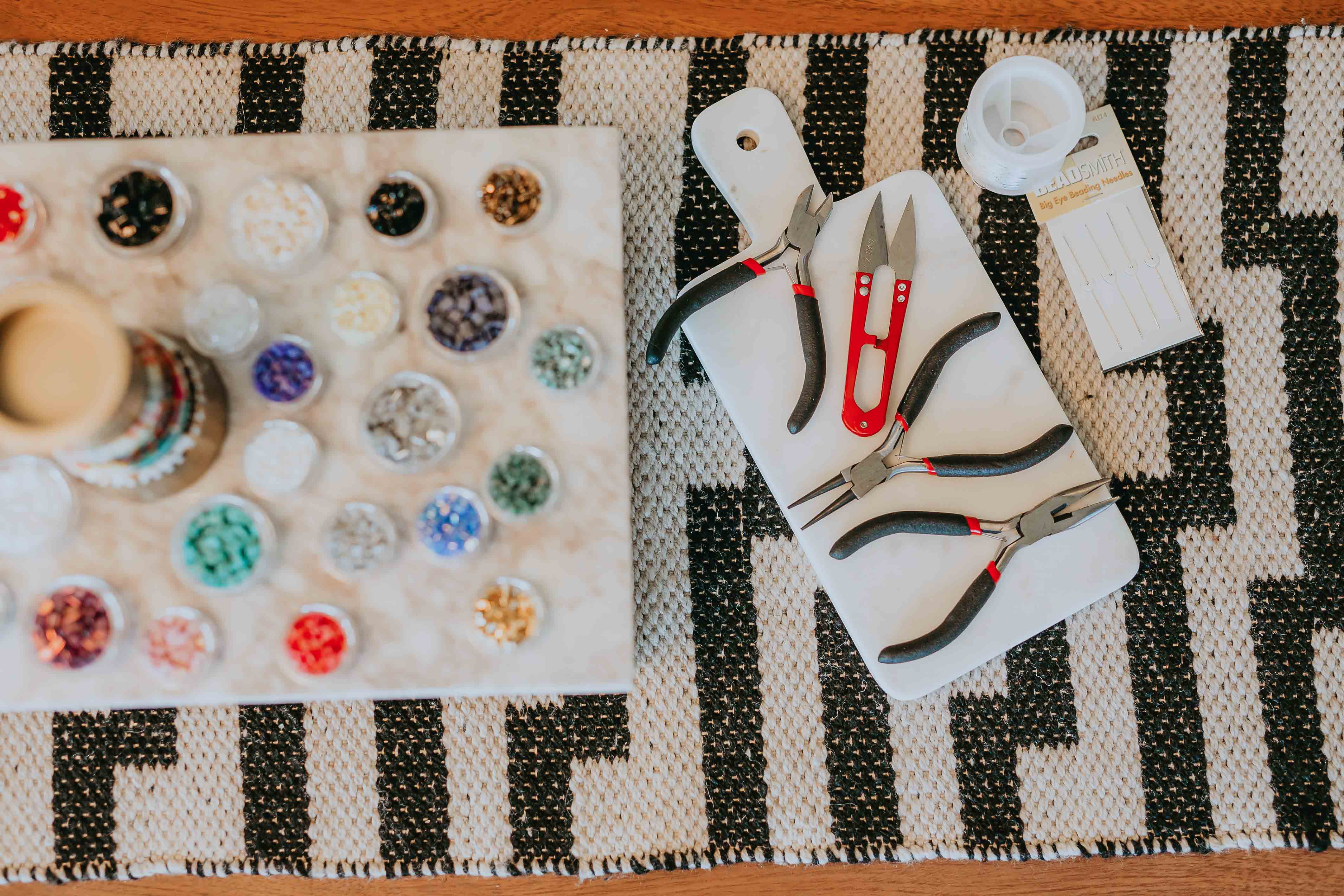
Every kit ships with the same short list: real Tila beads, crystal-cord elastic, a threading tool, and instructions written for someone who's never strung a bracelet before. A trio kit ($44.99) makes 3 finished bracelets. The DIY Bracelet Kit Club runs $36.99, and the All-in-One tools and supplies kit lands between $39.99 and $43.99, depending on what's included that month. Nothing in the box is filler beads added to pad a piece count.
Do Glass Beads Actually Hold Up Better Than Plastic?
Glass wins on wear resistance. Glass beads keep their color and shine because the surface doesn't scratch the way soft plastic does, and they don't cloud or fade the way some dyed acrylic beads do after weeks in the sun on a wrist. Seed and tile glass beads have been produced at scale for centuries, and manufacturing precision is exactly what separates beads meant for real jewelry from beads meant to fill a bag cheaply. Wikipedia's overview of the seed bead covers how glass bead sizing and production method affect consistency across a batch, which is the same reason Tila beads line up flush against each other instead of wobbling in a finished pattern.
Cord matters just as much as the beads. Stretch cord is an elastomer, a material class built specifically to return to its original shape after repeated stretching, and cheap thin cord loses that snap-back a lot faster than a cord built for the job. A general primer on elastomers explains why cord thickness and material grade change how long a stretch bracelet actually holds its shape. That's the practical reason a toy-kit bracelet often goes slack within a few weeks while a crystal-cord bracelet doesn't.
Is a Real Bead Kit Safe for Kids to Use?
Not unsupervised. Beads of any kind, glass or plastic, are small parts and a choking hazard, so loose beads and any bracelet kit need an adult at the table with young children. This applies to Mack & Rex kits exactly the same way it applies to a toy-aisle kit. Neither is marketed or intended as a toy for toddlers or preschoolers to handle alone.
The US Consumer Product Safety Commission's toy safety guidance covers small-parts risk for children under age 3, and the same caution holds for older kids who might still put a loose bead in their mouth. Keep loose beads away from very young siblings during a bracelet session, and treat kit time as a shared table activity, not a drop-off toy.
Is the Real Kit Worth the Extra Cost Over a Toy Kit?
For a bracelet anyone actually wears afterward, yes. A toy-aisle kit costs less at checkout, but a lot of that piece count never becomes a wearable bracelet once the plastic scratches or the cord goes loose. The real math is cost per bracelet you keep, not cost per hundred beads in the bag.
One customer summed it up after buying a kit as a gift: "Beautiful birthday gift for my great niece! She loves to craft, buying a kit so she can make them herself was a great idea. She is so excited to get started with such beautiful beads. Top quality!" Another reviewer put it in four words: "Well made, strong bead strings." That's the kind of feedback a bag of loose plastic beads rarely earns.
The Mack & Rex bracelet making kits collection lists every size, from the trio kit up to bulk options for a group project, with the bead count and yield stated up front. Mack & Rex ships internationally, with shipping and any customs or duties calculated at checkout, and free shipping applies to US orders over $100 (a single trio kit doesn't clear that threshold on its own).
Frequently Asked Questions
Is a real bead bracelet kit actually better quality than a toy store kit?
Yes. A real bracelet kit uses genuine glass or crystal beads and elastic cord rated for daily wear, so the finished piece holds up. A toy-aisle kit typically uses plastic beads and thin cord built for one afternoon of play, not for a bracelet you wear afterward.
What beads does a plastic toy bracelet kit use?
Most toy-aisle kits use hollow injection-molded plastic beads, often called pony beads or acrylic beads, strung on thin round elastic. They're inexpensive and colorful, but the plastic scratches, dulls, and can crack after repeated handling.
Are bracelet making kits safe for young kids to use alone?
No. Beads of any kind, glass or plastic, are small parts and a choking hazard, so loose beads and bracelet kits need adult supervision with young children. They're a good activity to do together at the table, not an unsupervised toy for toddlers or preschoolers.
Does Mack & Rex ship bracelet making kits internationally?
Yes. Mack & Rex ships internationally, with shipping and any customs or duties calculated at checkout. Free shipping applies to US orders over $100.
How much more does a real bead kit cost than a toy kit?
A Mack & Rex trio kit that makes 3 bracelets runs $44.99, and the DIY Bracelet Kit Club is $36.99. A toy-aisle kit often costs less up front, but the beads and cord are usually built for one project, not for a bracelet meant to last.
Ready to Trade the Toy Aisle for the Real Thing?
Mack & Rex started at a kitchen table, with a mom and her two daughters, Mack and Rex, stringing real beads together. Every kit still follows that standard: named materials, an honest yield count, and instructions that actually work on the first try. Browse the full bracelet making kits collection and pick the size that fits your project or your gift list.