

What Makes a Real Miyuki Bead Bracelet Kit (and Why You Won't Find It on Amazon)
What Is a Real Miyuki Bead Bracelet Kit?
A real Miyuki bead bracelet kit includes genuine Miyuki-brand glass seed beads (typically Tila or Delica beads manufactured in Japan), quality elastic cord or beading thread, the right needle gauge for the bead type, and a pattern. Miyuki has been producing precision glass beads in Japan since the 1930s, and their products look and feel different from the off-brand "seed beads" that flood online marketplaces: uniform in size, consistent in color, and dense enough to hold up to everyday wear.
That consistency matters more than it might seem. When every bead is the same diameter, your pattern lays flat. When the color is stable, your finished bracelet looks the same in six months as it did on day one. When the hole is centered and properly sized for the cord you're using, the bracelet closes cleanly without gaps or bunching. Generic beads can't promise any of that. Miyuki-brand ones can, and that's the gap a real kit fills.
Why Won't You Find a Real Miyuki Kit on Amazon?
Amazon's bracelet kits are cheap. They're also almost always mislabeled. Search "Miyuki bead bracelet kit" on Amazon and you'll get pages of results with packaging that mimics the brand, but the beads inside are generic glass, not the Japanese-manufactured Tila or Delica beads Miyuki actually makes. The brand name in the listing and the brand on the bead are rarely the same thing.
The second problem is kit assembly. A real bracelet kit isn't just a bag of beads thrown in a box. It includes the right thread or elastic for the bead type, the correct needle gauge, and enough material to actually finish the project. Amazon listings tend to show a polished photo of a finished bracelet, then ship you a random assortment with no clear instructions and materials that don't match the advertised design.
There's no quality gate on a third-party marketplace listing. Specialty bead retailers vet what goes into their kits because their reputation depends on it. A seller listing a dozen "Miyuki" products from a fulfillment warehouse doesn't have that incentive, and it shows in what arrives at your door.
The pattern holds across buyer reports: the Amazon kit looks fine in the photo, the beads arrive mismatched in size, the cord is flimsy, and the included pattern is either wrong or missing entirely. You spend more time troubleshooting than making.
What's Actually Inside a Quality Miyuki Bead Kit?
Worth knowing before you buy. A well-assembled Miyuki bead bracelet kit typically includes these five things:
- Genuine Miyuki beads. Tila beads, Delica beads, or round seed beads manufactured in Japan. Each type is held to tight tolerances for bead size, hole diameter, and color consistency across the lot.
- Elastic cord or beading thread. The right gauge for the bead type. Tila bracelets typically work on 0.5mm to 0.8mm crystal-clear elastic. Too thin snaps under regular wear; too thick won't pass through the bead holes cleanly.
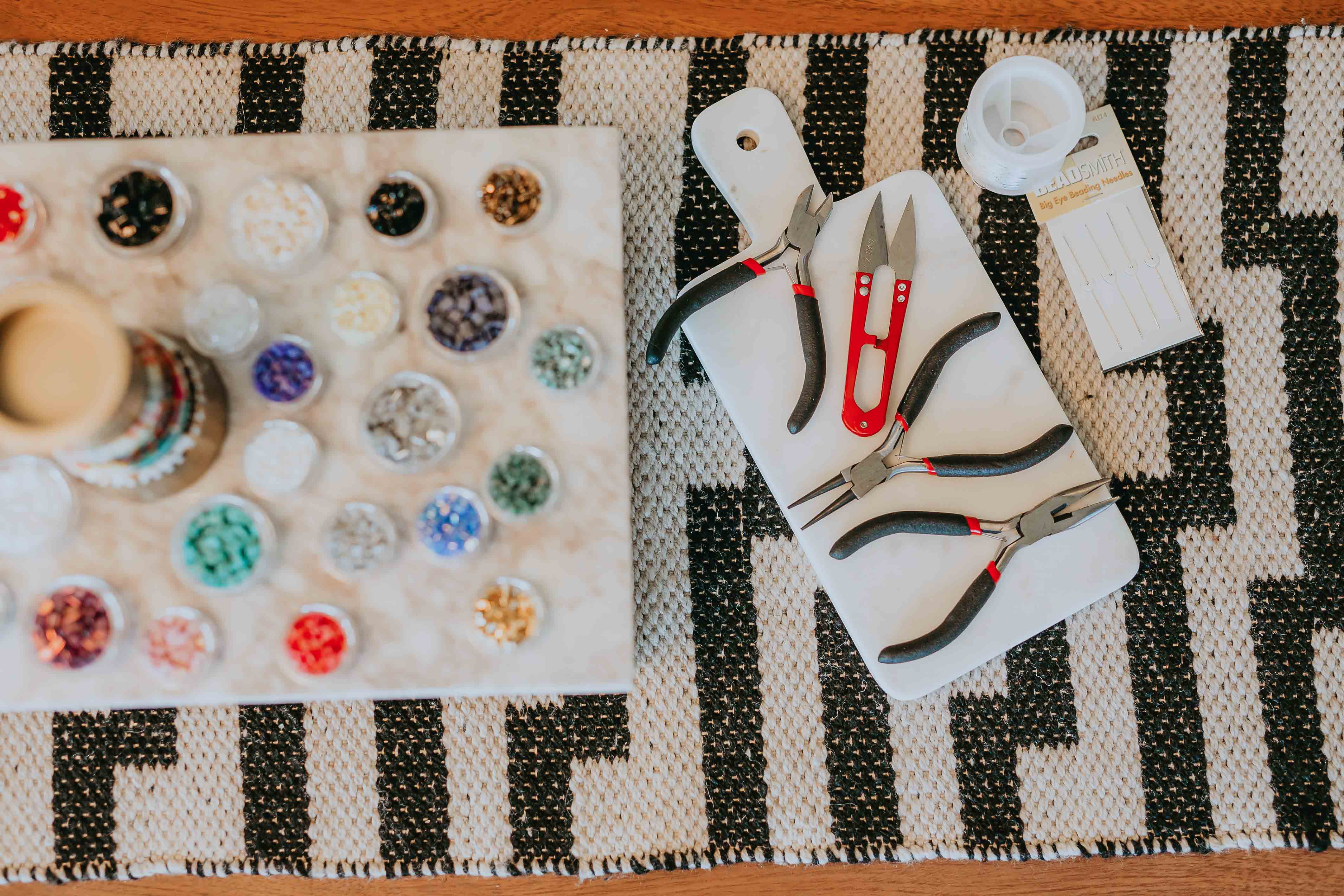
- A beading needle. Either a traditional fine beading needle or a big-eye needle, depending on thread thickness. Extra-fine needles matter for Delica work, where the bead hole is intentionally small.
- A pattern or color layout. So you know which beads go where. Sounds basic, but many cheap kits skip it entirely and leave you guessing.
- Enough beads to finish. A real kit gives you complete material for the design, plus a few spares. Budget kits often short you by 10 to 15 beads and leave you hunting for a color match.
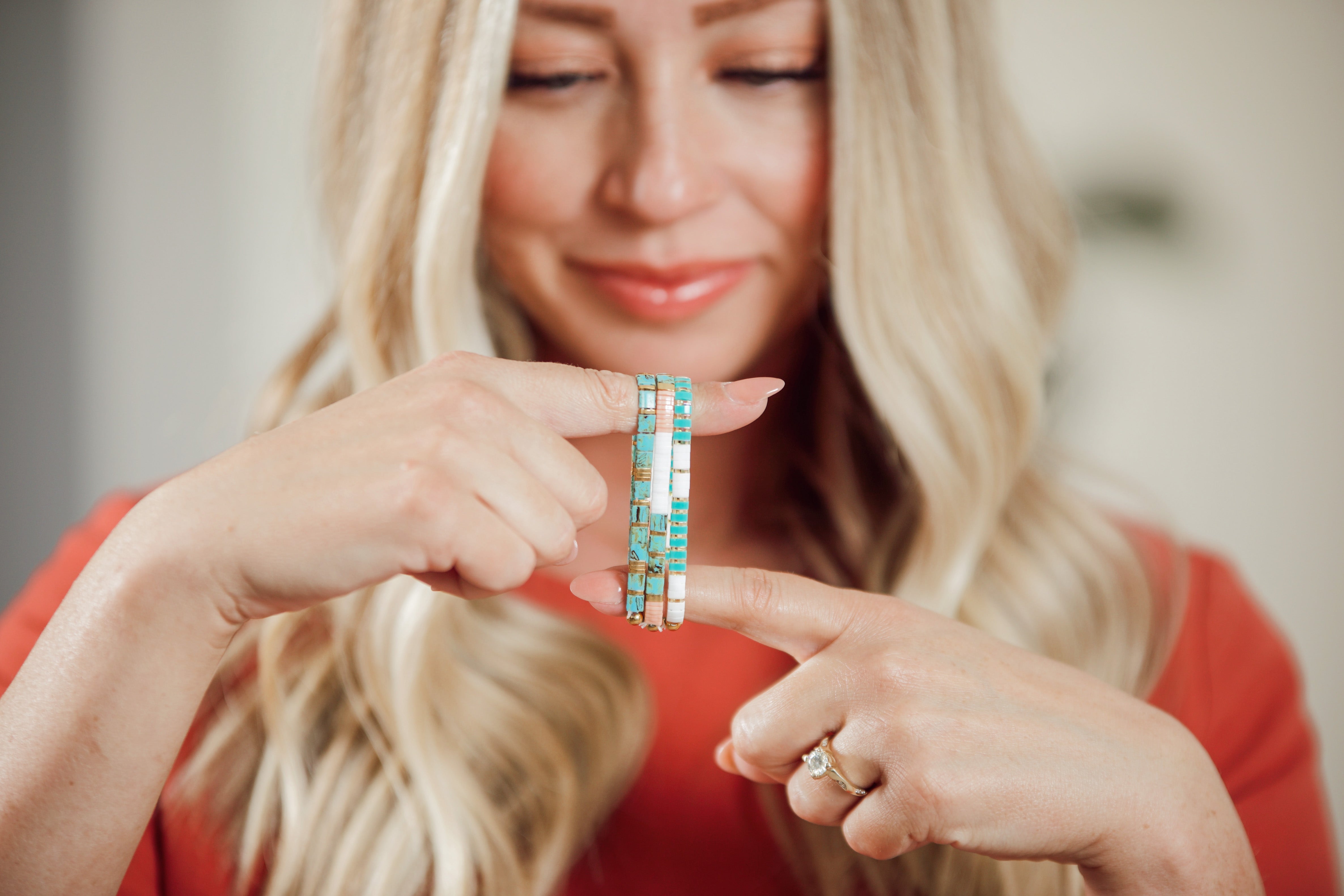
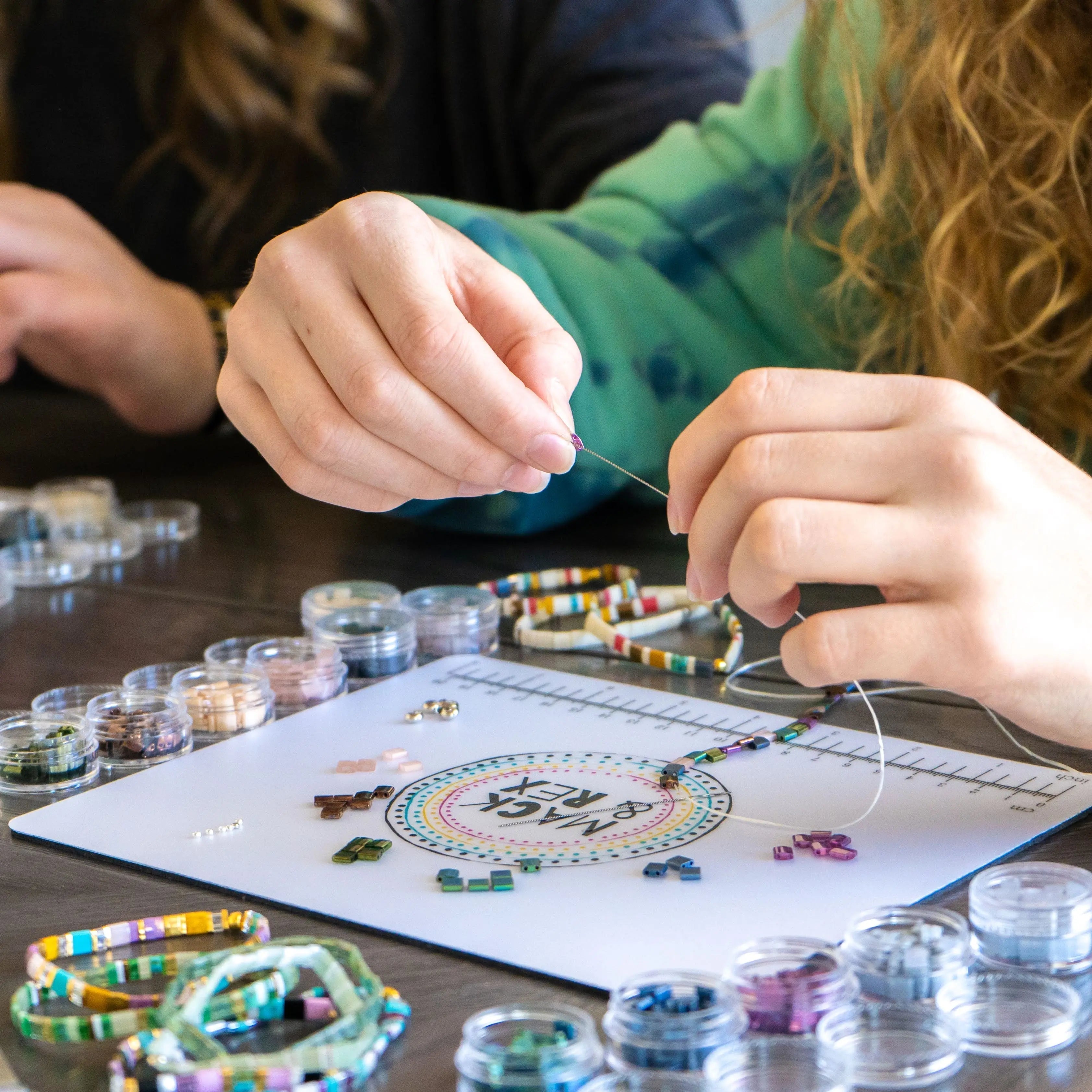
Mack & Rex's Tila bracelet kits are built around these principles. The beads are genuine Miyuki Tila beads — Mack & Rex stocks and resells the Miyuki line — on crystal cord elastic tested for everyday durability, including workouts. The trio bracelet kit ($44.99) includes everything to make three coordinating bracelets, with no separate material sourcing required.
Tila Beads vs. Regular Seed Beads: What's the Difference?
Flat. Square. Two holes. That's the defining characteristic of a Miyuki Tila bead, and it changes how the finished bracelet behaves on the wrist. Each Tila bead is threaded through both holes as you build across the row, creating a stable two-strand base, a structure detailed in beadwork guides from craft publications like Interweave. The result is a bracelet that sits flush, doesn't twist, and holds its shape through a full day of movement.
Single-hole seed beads, by contrast, tend to rotate on the cord. The bracelet bunches, gaps open between beads, and the pattern you laid out carefully looks sloppy the moment it's on your wrist. Tila beads solve that problem by locking each bead in place through the two-hole structure.
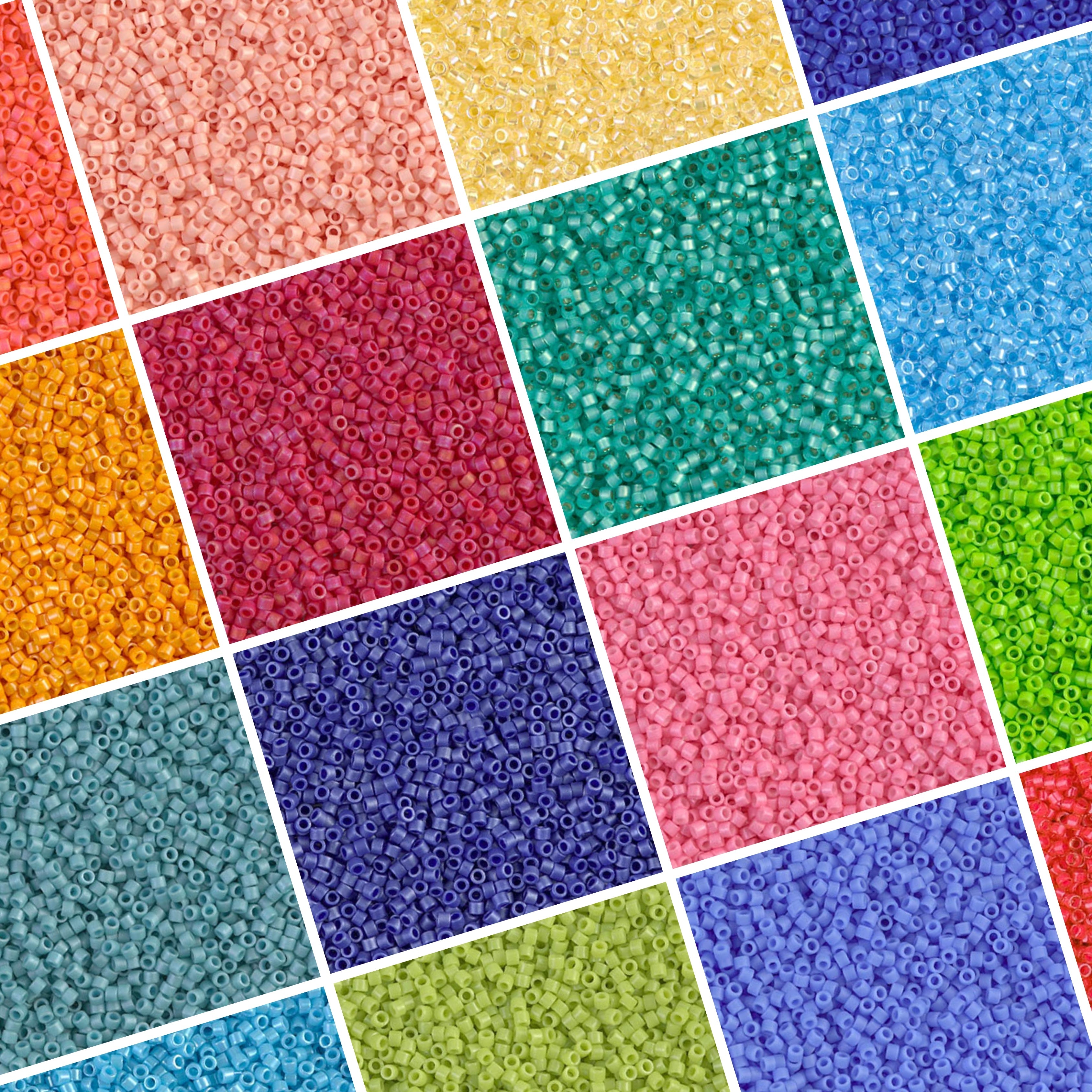
Miyuki manufactures Tila beads in Japan alongside their Delica and round seed bead lines, all to the same quality standard: tight sizing tolerances, stable dye lots, and glass that feels substantial without being heavy. Bead-supply specialists such as Fire Mountain Gems catalog these sizing and quality differences in detail. That's why makers who care about how a finished piece looks and wears specify Miyuki by name. An off-brand square bead that "looks like a Tila" will have inconsistent hole placement and variable sizing. Your bracelet will gap and pucker in ways that the product photo never hinted at.
Where Do You Actually Find a Real Miyuki Bracelet Kit?
Specialty retailers. That's the honest answer. Look for bead shops, online or in person, that stock Miyuki as a named brand, specify the bead line in the product listing, and include all the materials you need in one kit price.
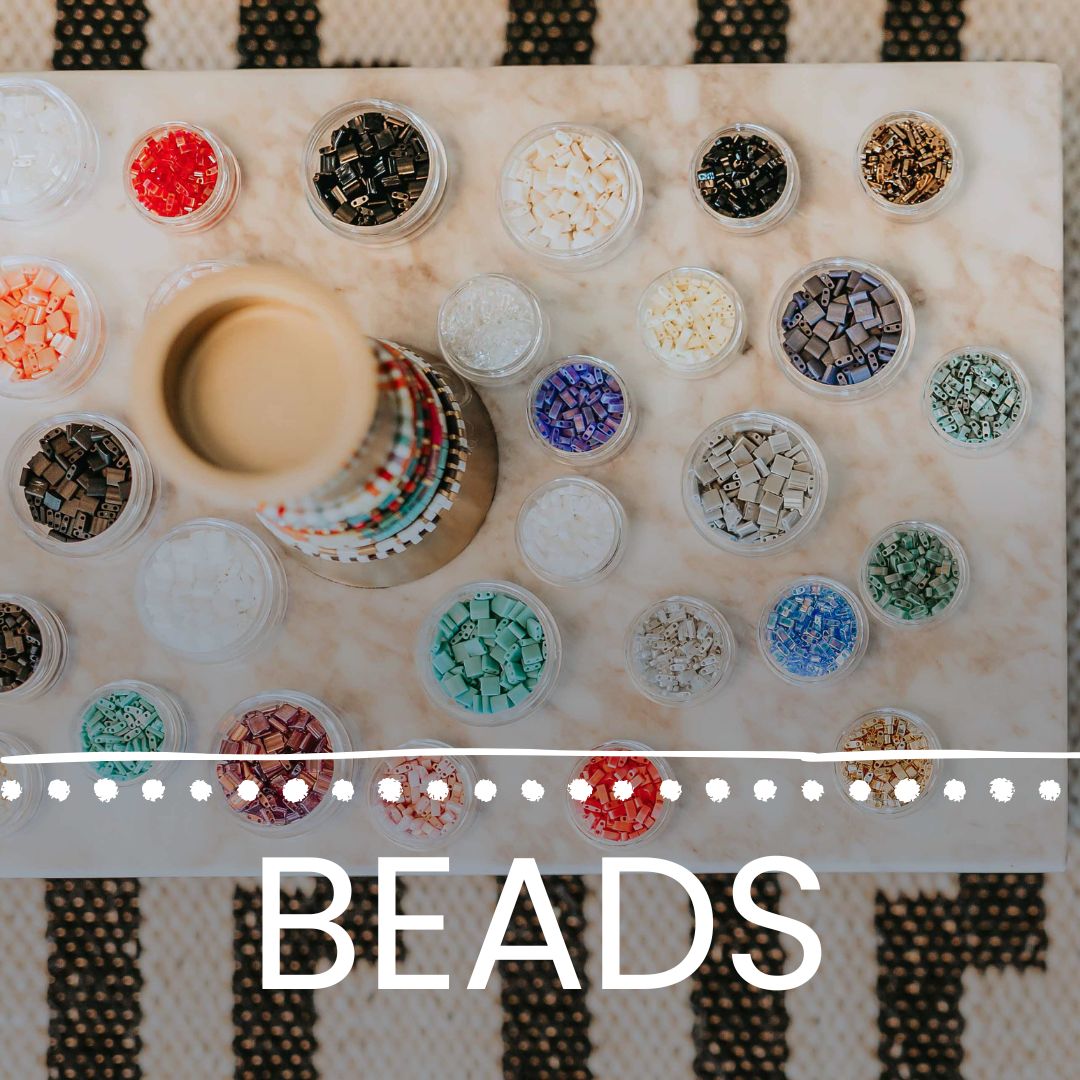
Mack & Rex is one of those places. The brand was started by a mom and her two daughters (Mack and Rex), and the kits are designed for real makers: people who want a satisfying project they can finish in one sitting, with nothing missing and nothing to puzzle out. The Miyuki bead collection includes genuine Tila beads in solid colors and themed mixes, whether you're building your own color story or picking up a pre-assembled trio.
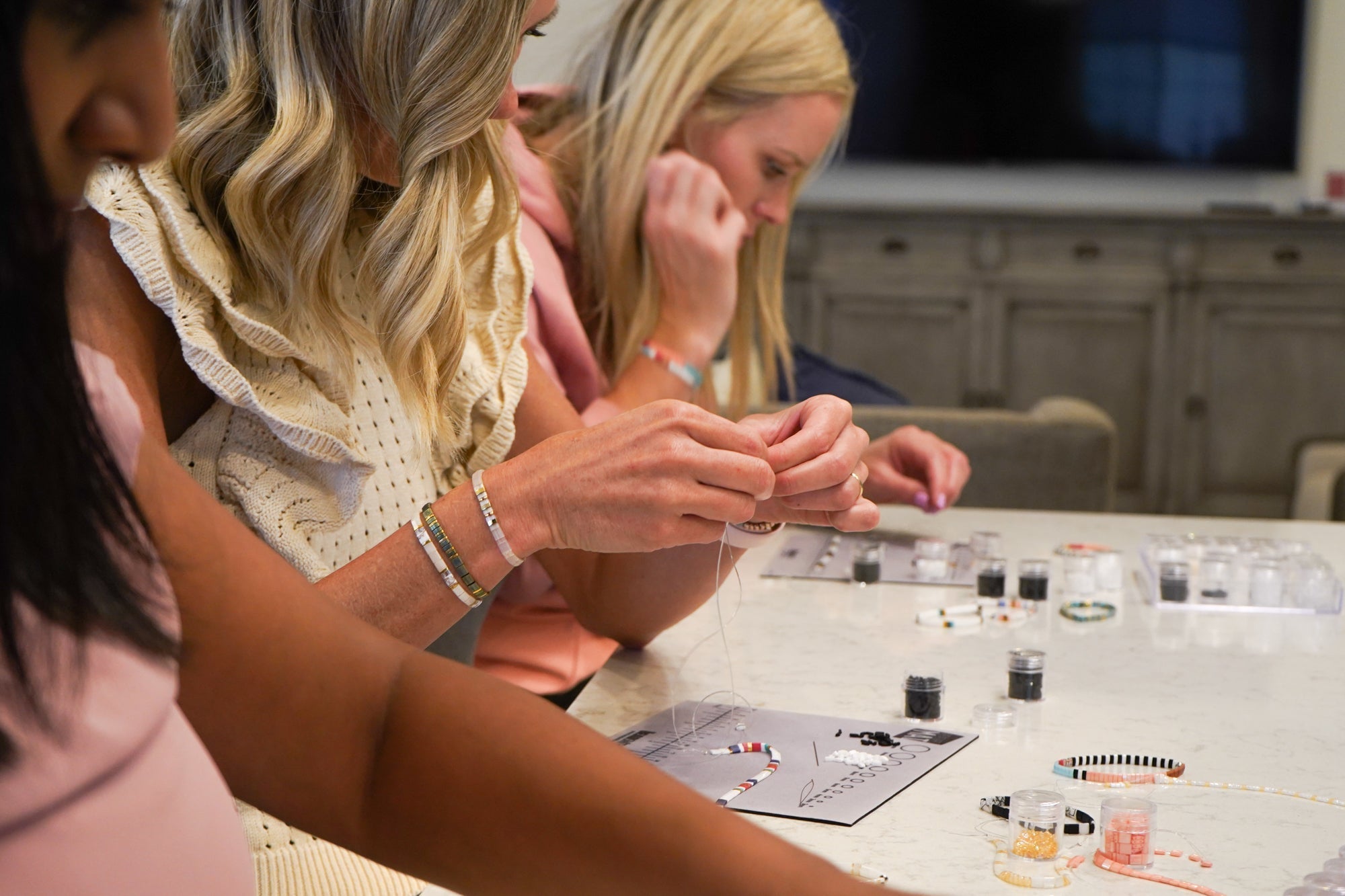
Finished bracelets run from around $20 to $25 each, with sizing from XXS to 5XL. That range is rare and genuinely useful when you're buying as a gift and can't confirm an exact wrist size. The trio bracelet kit at $44.99 is the go-to for a bracelet-making night at home, and it's designed so anyone can start and finish a bracelet without prior experience.
A quick note if you're crafting with young kids: small beads are a choking hazard, and adult supervision is required whenever little ones are at the table. This activity works great for school-age children and up; keep loose beads away from toddlers.
US orders over $100 ship free. And if you're buying finished bracelets, buy three and get the fourth free, no code needed.
How Do You Tell If Your Miyuki Beads Are Real?
Real Miyuki beads come with identifiable product codes. Delica beads carry a DB or DBS code followed by a four-digit color number. Round seed beads use the RR or SB designator. Tila beads are sold under the Miyuki brand from retailers who carry them as a named product line, not as a white-label "Japanese glass bead" from an unspecified source.
Buy from retailers who can give you the bead line, the color code, and the country of origin without hesitation. If a seller can't provide those three things, the beads probably aren't what they claim.
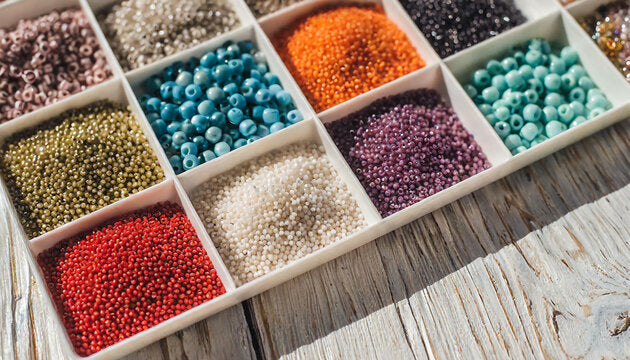
The physical tell is uniformity. Pour a tube of genuine Miyuki Delica beads onto a flat surface and every bead should look identical: same width, same height, same hole placement. Pour a tube of unverified generic "seed beads" from an unknown source and you'll see the variation immediately. Some beads are fatter, some are thinner, and a few will have off-center holes that make even threading nearly impossible.
That's the difference between a kit that works and one that doesn't. You spend the afternoon making something you'll actually wear. Not troubleshooting why the pattern won't lay flat.
Frequently Asked Questions
Are Miyuki beads worth the price compared to generic seed beads?
Yes, especially for wearable bracelets. Miyuki's tight manufacturing tolerances mean your finished piece lies flat and looks clean. Generic beads vary in size and hole diameter, which creates gaps and uneven tension across the design. For jewelry you'll see on your wrist every day, that consistency is worth the price difference.
Can I use Amazon bracelet kits for a real Miyuki pattern?
Not reliably. Most Amazon kits marketed as "Miyuki" or "seed bead" kits include off-brand beads that don't match Miyuki's sizing standards. If your pattern is designed around Miyuki Tila or Delica measurements, substitute beads will throw off bead counts and hole alignment, and the finished bracelet won't lay right.
What is the difference between a Tila bead and a Delica bead?
Tila beads are flat and square with two holes, designed for weaving flat-strip bracelets. Delica beads are cylindrical with a single hole, used for bead weaving, loom work, and peyote stitch. Mack & Rex's bracelet kits are built around Tila beads; both types are available on-site for different project styles.
What elastic cord works best for Miyuki Tila bracelets?
Crystal-clear 0.5mm to 0.8mm elastic is the standard for Tila bracelet construction. Thinner cord increases snap risk; thicker cord may not pass through the bead holes without force. Mack & Rex's finished bracelets use crystal cord elastic matched to Tila bead dimensions.
Does Mack & Rex offer bracelet-making kits for beginners?
Yes. The trio bracelet kit ($44.99) includes three coordinating colorways in one box and is designed so you can start and finish a bracelet in a single sitting, no prior beading experience required. Mack & Rex also runs live bracelet-making classes for anyone who'd like real-time guidance on their first project.