

Why Real Miyuki Beads Beat Generic Amazon Bracelet Kits
Is There a Real Alternative to Generic Amazon Bracelet Kits?
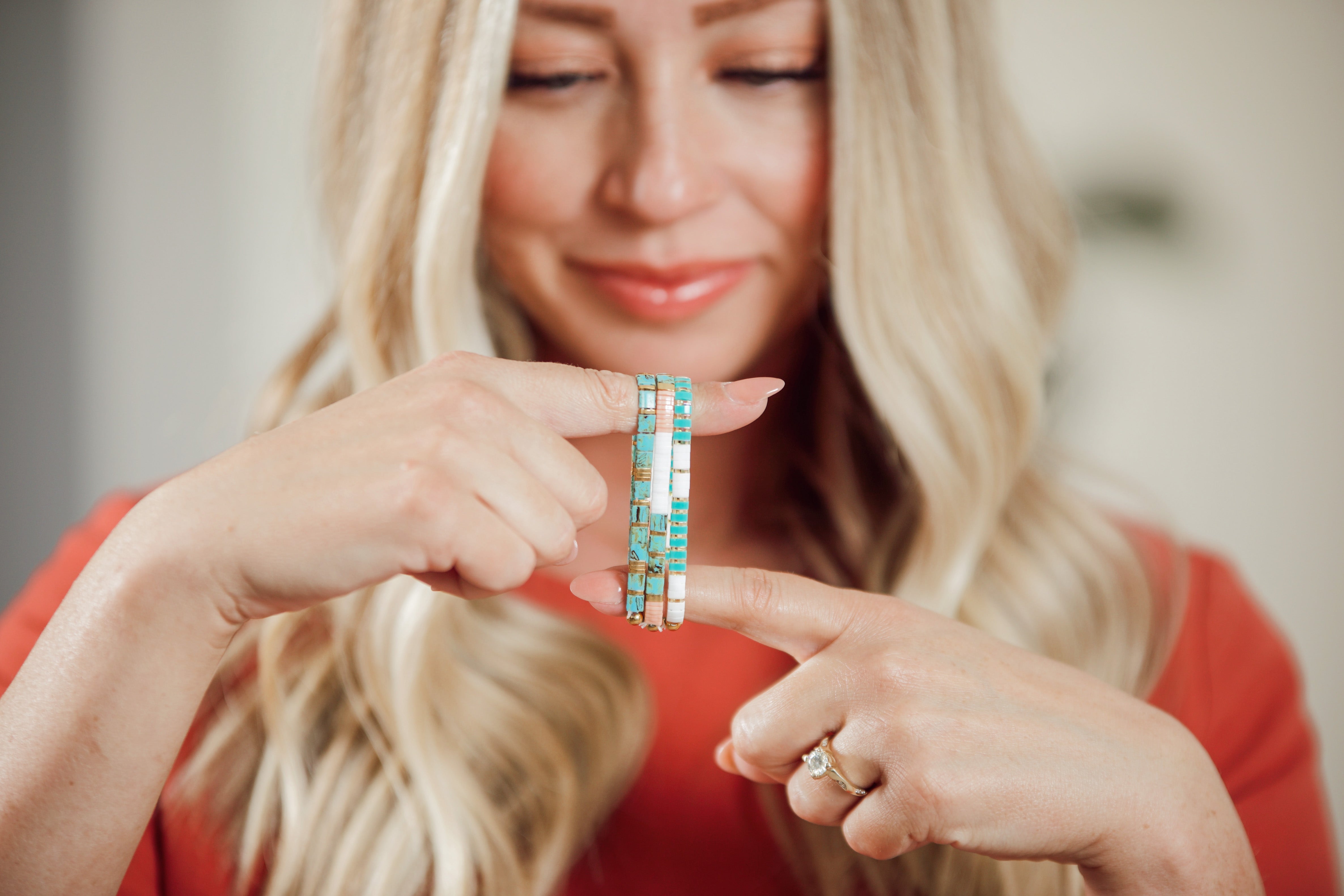
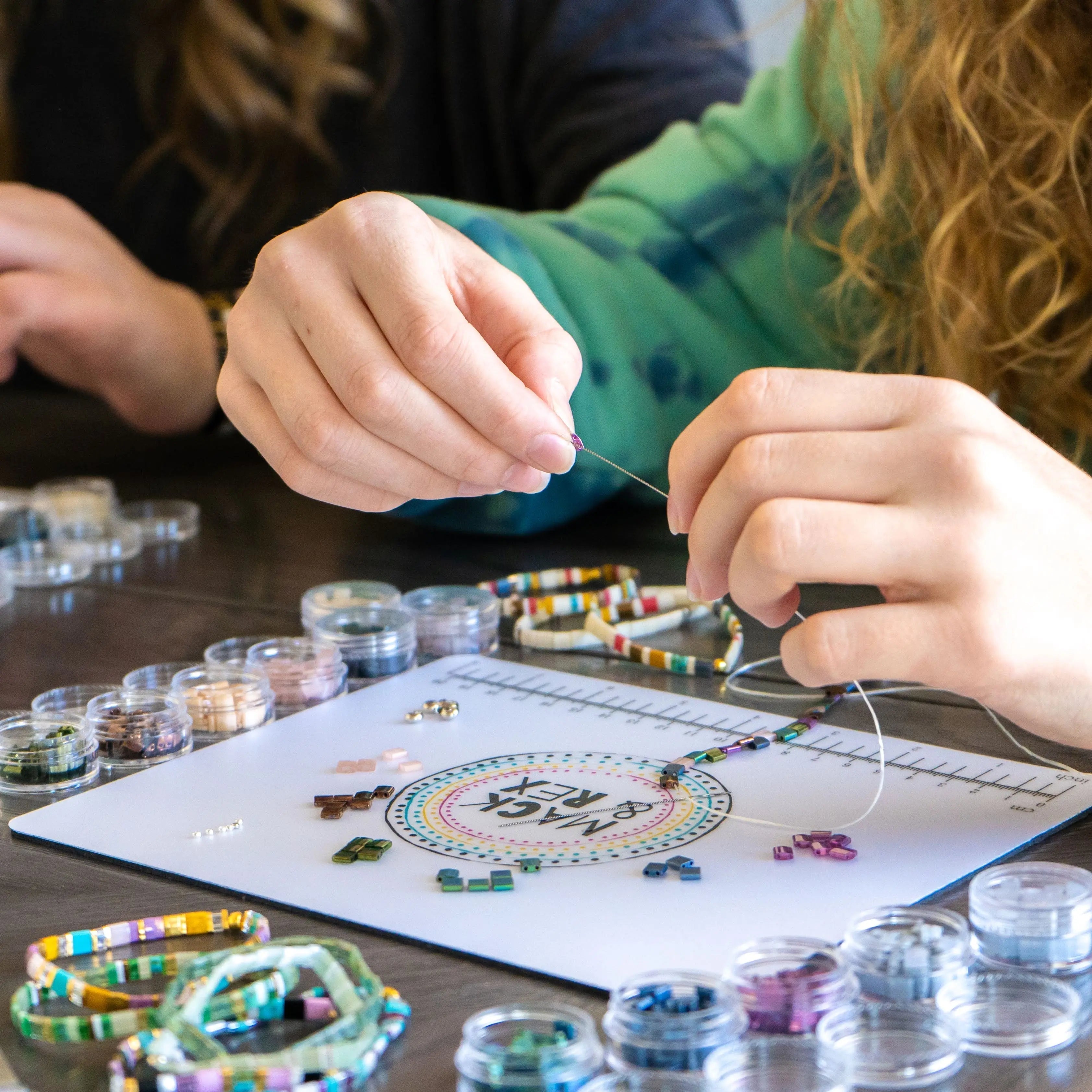
Yes. The alternative is a kit that names its bead brand, states its yield, and backs it with real support, not a bulk bag of unbranded beads padded out with a big piece count. Mack & Rex bracelet making kits use genuine Miyuki Tila beads and crystal-cord elastic, so you know what's in the box.
That's the short answer. Here's what actually separates a real Miyuki kit from the generic listings crowding search results.
What's Actually in a Generic Amazon Bead Kit?
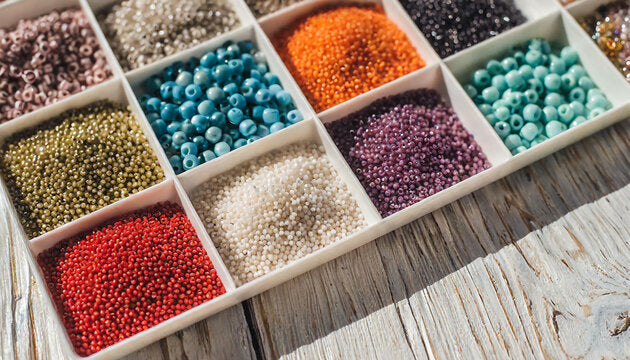
Scroll a bulk bracelet-kit listing and you'll usually see a big number up front, something like 1,200 or 1,300 pieces, paired with a wide color range and a "birthday gift" or "craft night" tag. The pitch is volume and variety, and on paper it looks like a lot of bracelet for the money.
What's missing is almost always the same thing: a named manufacturer. The beads get called "crystal glass beads" or "Japanese-style beads," language that sounds specific without actually naming a brand or a bead shape. No mention of size tolerance, no note on where the glass comes from, no real detail on whether the beads in the bag actually match each other. That's not an accusation of dishonesty. It's just a different kind of product, built for low price per piece rather than for a bracelet you'll wear every day for months.
How Can You Tell If Beads Are Genuine Miyuki?
Check the listing for the word "Miyuki" or "Tila" specifically. Miyuki has manufactured glass beads in Hiroshima, Japan, since 1949, and the company's own product pages name the bead shape and size directly, the kind of detail a generic reseller listing tends to skip entirely.
A few practical signs to look for before you buy:
- The brand name (Miyuki) and bead type (Tila, Delica, seed bead) appear by name in the title or description, not a vague term like "Japanese-style"
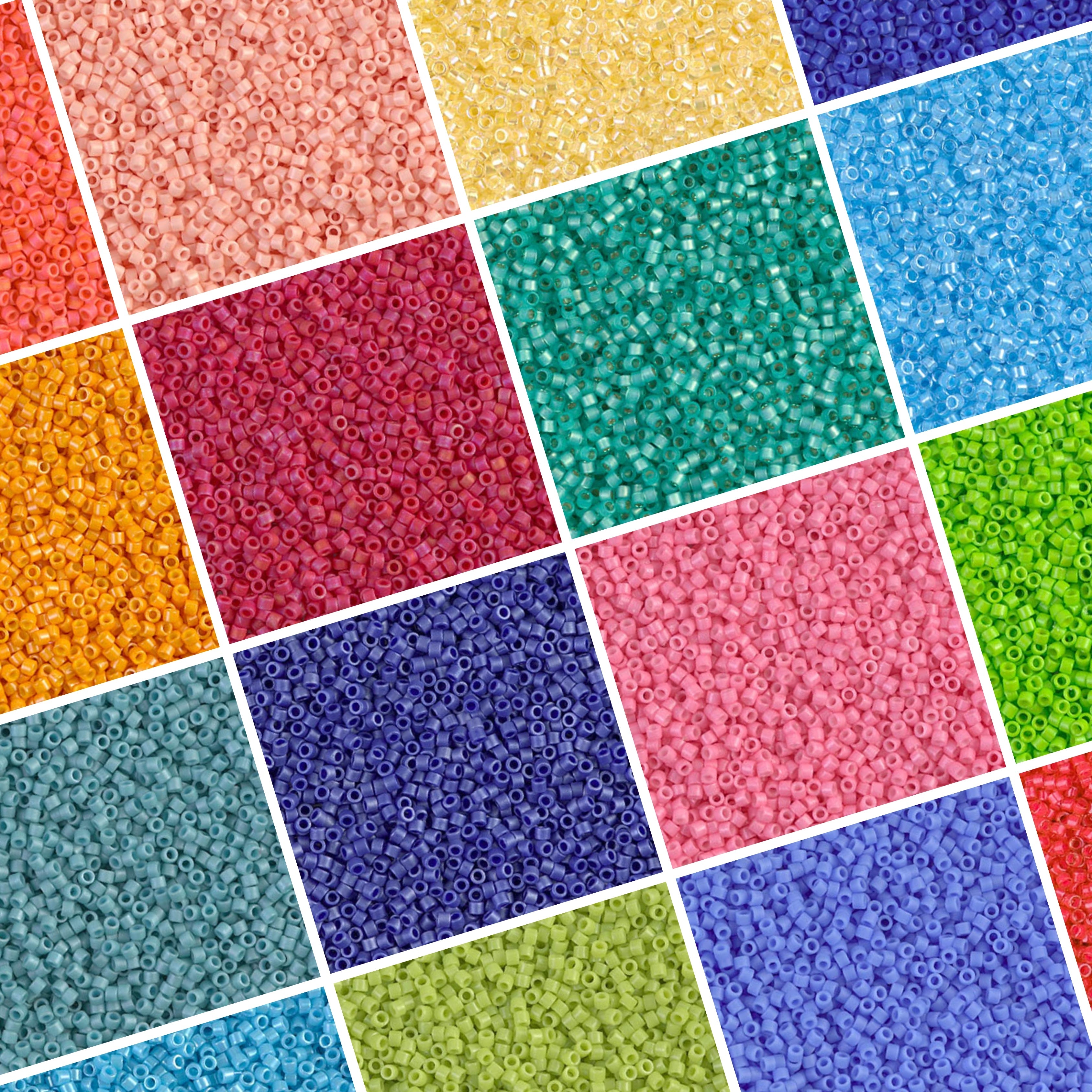
- Product photos show beads that look identical in size and finish, not a mix of slightly different shapes
- The seller states how many bracelets the kit actually makes, beyond a raw bead count
- There's a real brand behind the kit you can contact if something's missing or wrong
If a listing is vague on all four, it's likely a generic bulk mix dressed up to look like a name-brand kit.
Why Does Bead Consistency Actually Matter?
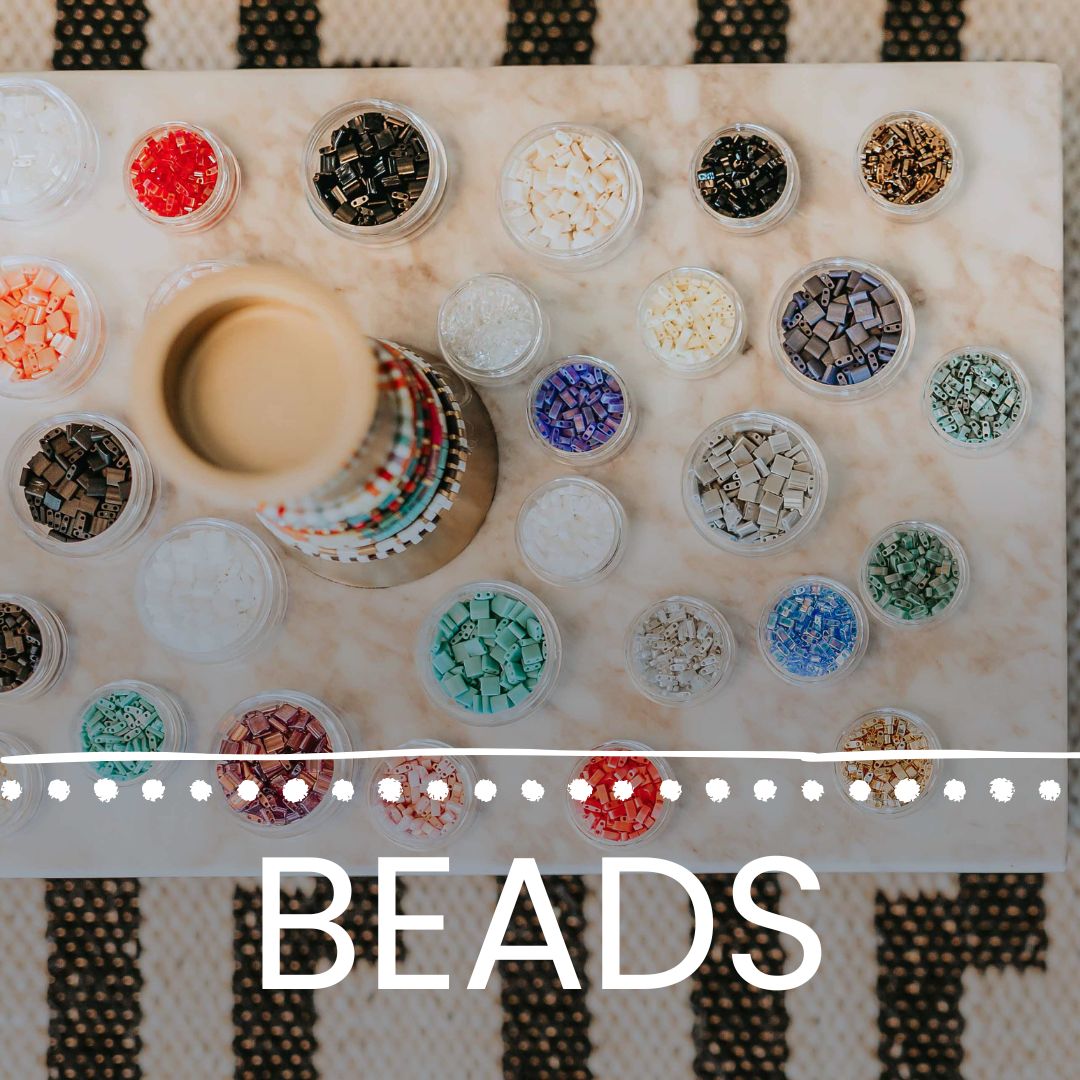
Tila beads are flat, two-hole glass tiles, cut so each one sits flush against its neighbor on the strand. Genuine Miyuki tiles hold a tight size tolerance across a production run, which is the whole reason a finished bracelet lines up clean, not lumpy or gapped.
Generic filler beads skip that precision. A bulk bag can pull beads from several molds or batches, and the size drift is invisible until you're stringing them side by side and the pattern starts to wobble. Seed and tile beadwork has been refined for centuries, and manufacturing consistency is what separates beads meant for real jewelry work from ones meant to fill a bag cheaply. Wikipedia's overview of glass beadmaking covers how production method affects that kind of uniformity across a batch.
What Should a Real Miyuki Alternative Actually Include?
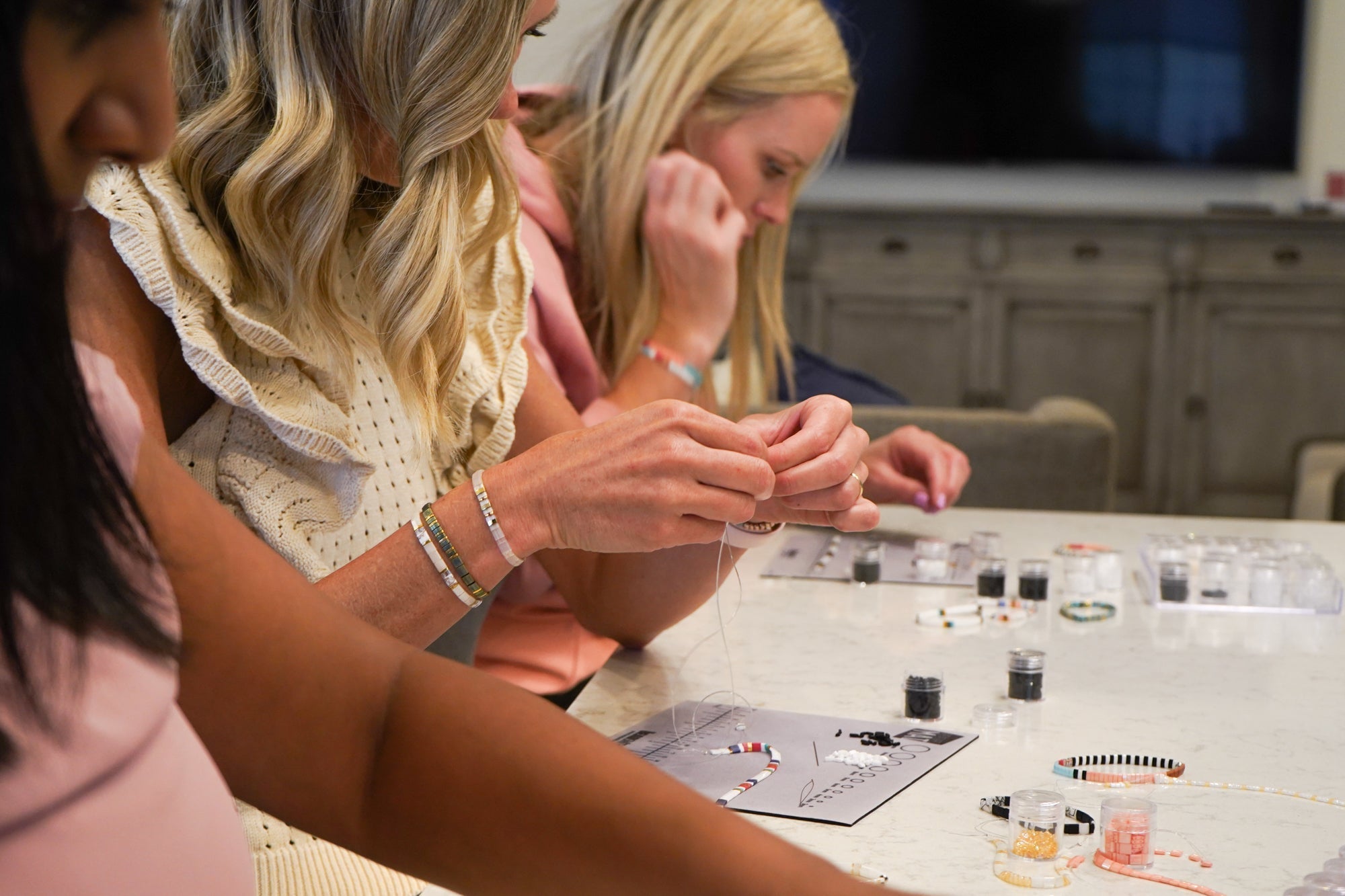
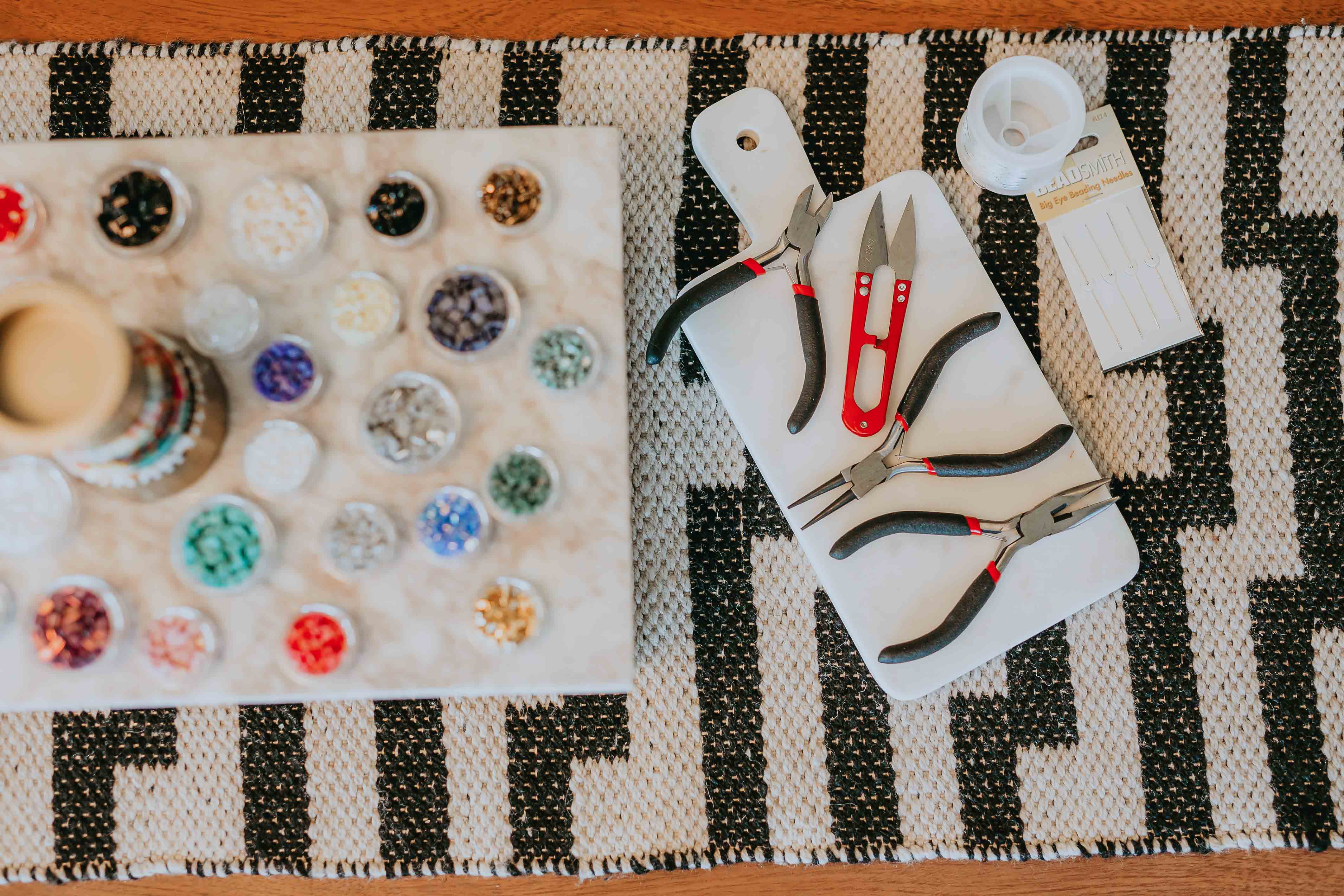
A complete kit gives you more than beads in a bag. Look for crystal-cord elastic rated for daily wear (not the thin stretch cord that goes slack within weeks), a threading tool so you're not fighting elastic through a tiny bead hole, and instructions written for someone who's never strung a bracelet before.
Mack & Rex trio kits are built to that standard: genuine Miyuki Tila beads, crystal-cord elastic, a threading tool, and clear instructions, with enough material to make three full bracelets. Nothing in the box is filler. The Miyuki company's own site is worth a look if you want to see the brand's actual bead lineup and confirm what genuine Tila and Delica beads look like straight from the source.
Is Mack & Rex a Better Alternative Than a Generic Bulk Kit?
For anyone who wants a bracelet that still looks good after a month of actual wear, yes. The Mack & Rex bracelet making kits collection lists real Miyuki-Tila kits from the trio size up to bulk options for parties or gifting, with the bead count and yield stated up front, not buried in fine print.
One customer put it simply in a five-star review: "I like the kit in a can monthly as it is a complete three bracelet project for me. The pieces and colors work so well together I love it." Another wrote, "Glad there is a website which carries the hard to find bead colors I'm looking for." That's the kind of feedback that doesn't happen with a bag of unbranded filler beads.
Craft material guides like Fire Mountain Gems' bead and stringing library back this up in general terms: cord quality and bead consistency are two of the biggest factors in how long a beaded piece actually lasts on the wrist, well past how it looks on day one.
What Does a Real Miyuki Kit Cost Compared to a Generic One?
Mack & Rex trio kits (make 3 bracelets) run $44.99. The DIY Bracelet Kit Club is $36.99. The All-in-One tools and supplies kit runs $39.99 to $43.99. For bigger projects, the Tila Bead Starter Kit (makes about 20 bracelets) is $189.99, and the Ultimate Kit (makes about 80) is $399.99.
A generic Amazon bulk kit often lands cheaper on the sticker, but per finished, wearable bracelet, the gap narrows fast once you factor in beads you can't actually use because the sizing is off, or cord that needs replacing after a few weeks. A single trio kit at $44.99 doesn't clear the $100 free-shipping threshold on its own; pair it with a bead mix or a finished bracelet if you want that order to ship free.
Frequently Asked Questions
What is a good alternative to a generic Amazon bracelet kit?
Look for a kit that names its bead brand specifically. Mack & Rex bracelet making kits use genuine Miyuki Tila beads and crystal-cord elastic, with the bead count and yield stated up front, instead of a vague bulk-bead listing that never names a manufacturer.
How do I know if beads are really Miyuki and not a generic copy?
Real Miyuki beads are made in Hiroshima, Japan, and a trustworthy seller names the brand and bead shape (Tila, Delica, seed bead) directly in the listing. If a kit only says "crystal glass beads" or "Japanese-style beads" with no brand named, treat that as a sign the beads are unbranded filler, not genuine Miyuki.
Why do generic Amazon bead kits look like such a good deal?
They lead with volume, often a thousand-plus beads for one low price, which reads as generous. What the listing usually skips is the manufacturer, the glass grade, and whether the beads are sized consistently enough to sit flush against each other in a finished bracelet.
Does Mack & Rex ship real Miyuki bracelet kits internationally?
Yes. Mack & Rex ships internationally, with shipping and any customs or duties calculated at checkout. Free shipping applies to US orders over $100.
Are bracelet making kits safe for young kids to use alone?
Beads are small parts and a choking hazard, so loose beads and bracelet kits need adult supervision with young children. They're a great activity to do together at the table, but they aren't marketed or intended as unsupervised play for very young kids.
Ready to Skip the Guesswork?
Mack & Rex started with a mom and her two daughters, Mack and Rex, making bracelets together at the kitchen table. That's still the standard behind every kit: real Miyuki materials, honest yield counts, and instructions that actually work. Browse the full bracelet making kits collection and pick the size that fits your project. US orders over $100 ship free, and buy 3 bracelets, get 1 free applies storewide on finished bracelets.