

Rocaille Beads vs. Tila Beads: Which Bracelet Style Should You Buy?
What's the Difference Between Rocaille Beads and Tila Beads?
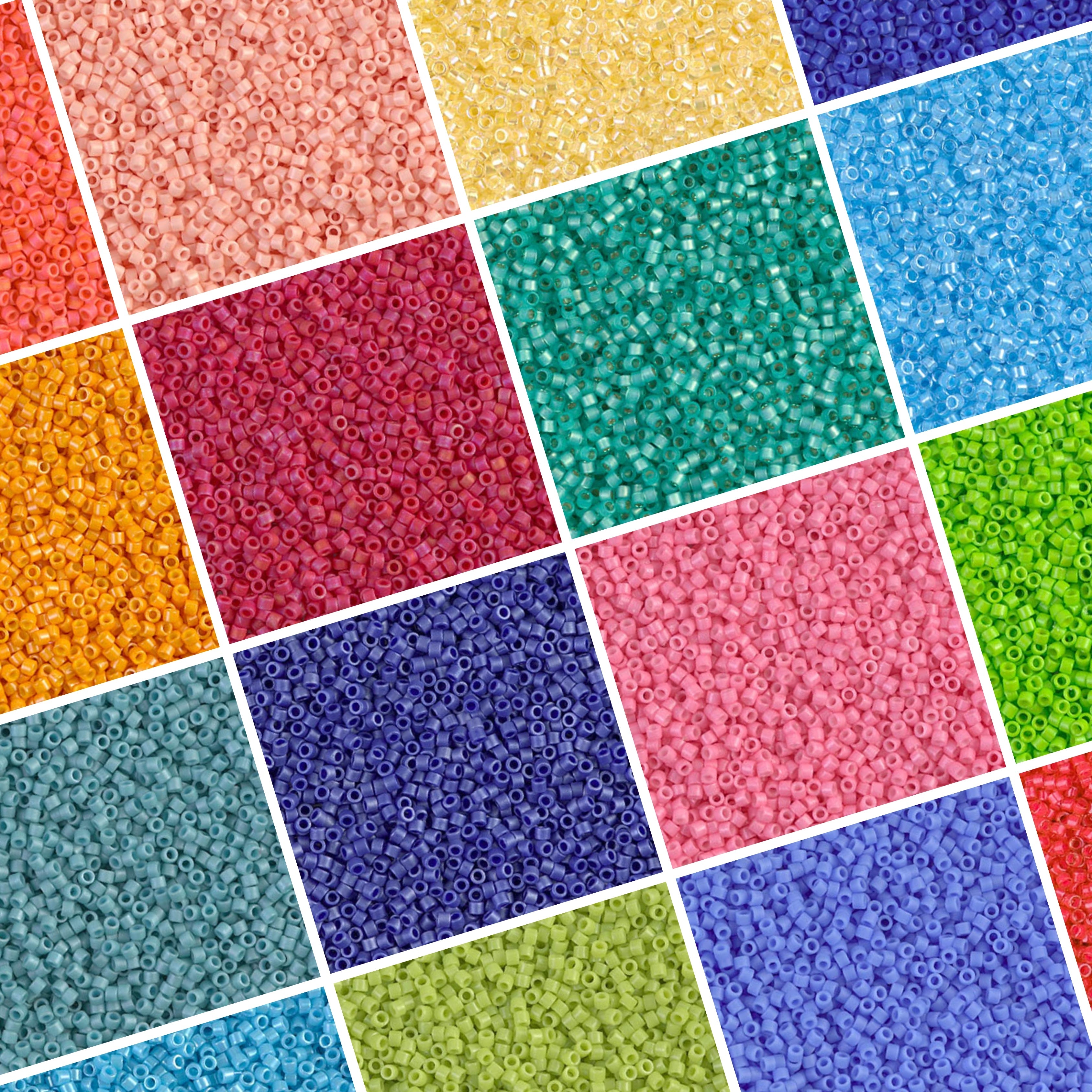
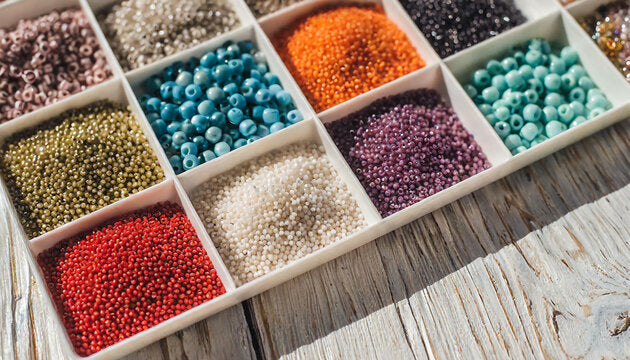
Rocaille beads are small, rounded glass seed beads with a single hole through the center, often silver-lined so light bounces around inside the glass. Tila beads are flat, square Japanese glass tiles made by Miyuki, each one 5mm by 5mm with two parallel holes running side by side. One is round and single-holed. The other is flat and double-holed. That one structural difference decides almost everything else about how a bracelet made from each bead looks and wears.
How Does the Hole Orientation Actually Change the Bracelet?
This is the part most comparisons skip.
A rocaille bead has one hole, so it threads onto a single strand of cord like beads on a string always have. Nothing holds it from rotating, so as you wear the bracelet, individual beads twist a little on the cord. That's part of the classic beaded texture, and it's why rocaille bracelets and rocaille-embroidered pieces have that slightly loose, sparkly shimmer.
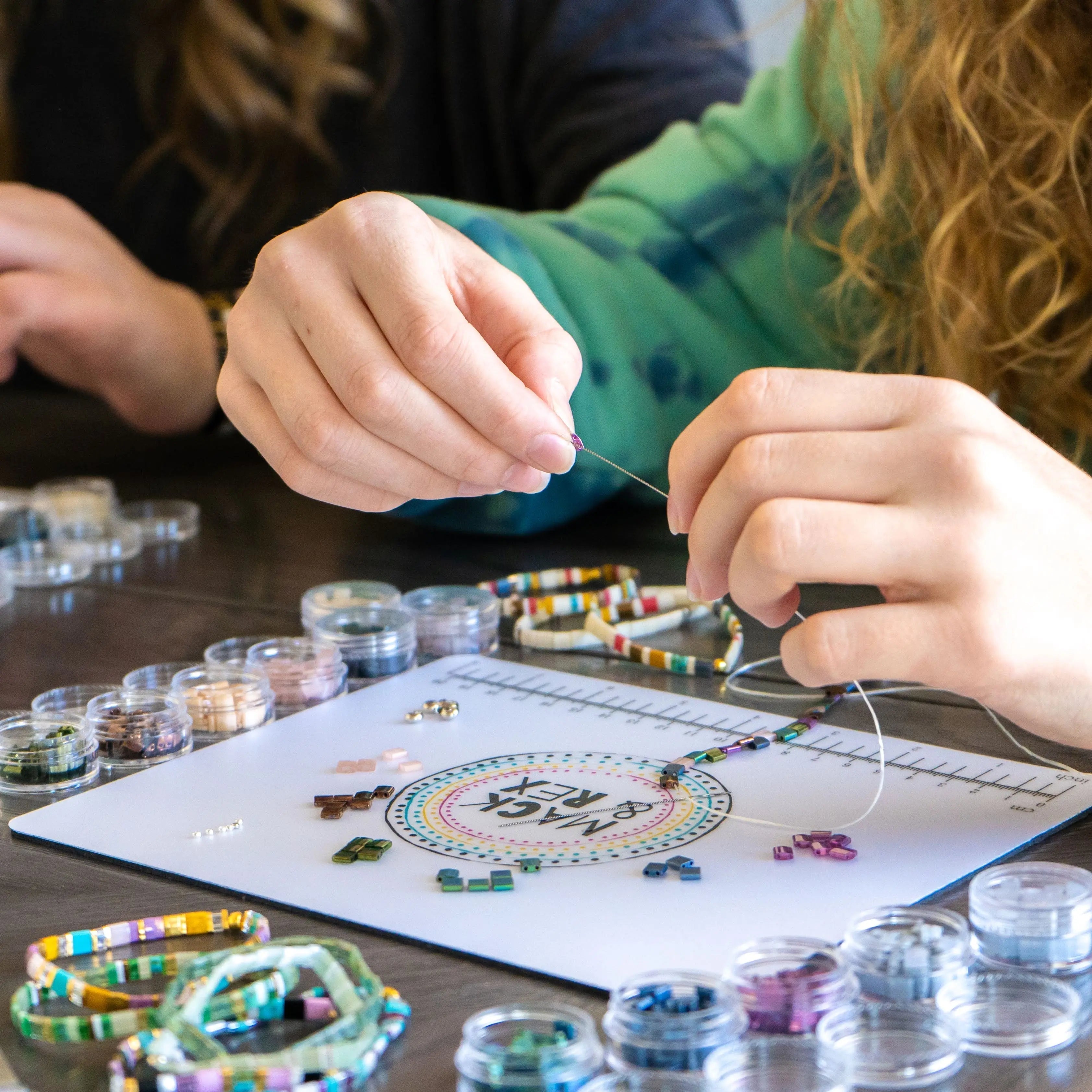
A tila bead has two holes side by side, so it needs two parallel strands (or one strand doubled back through the second hole) to sit correctly. Once strung that way, the bead physically can't rotate. It locks flat against its neighbors, edge to edge, and stays that way. That's the entire reason tila bracelets look like a smooth mosaic band rather than a strand of individual beads.
Which One Gives You the Look You Actually Want?
Rocaille beads read as classic and sparkly. Each rounded bead catches light differently depending on the angle, and a silver-lined rocaille bead has real glint to it. Strung together, they build the textured, slightly bumpy surface people associate with traditional beaded jewelry and craft-fair bracelets. It's a warmer, more handmade look.
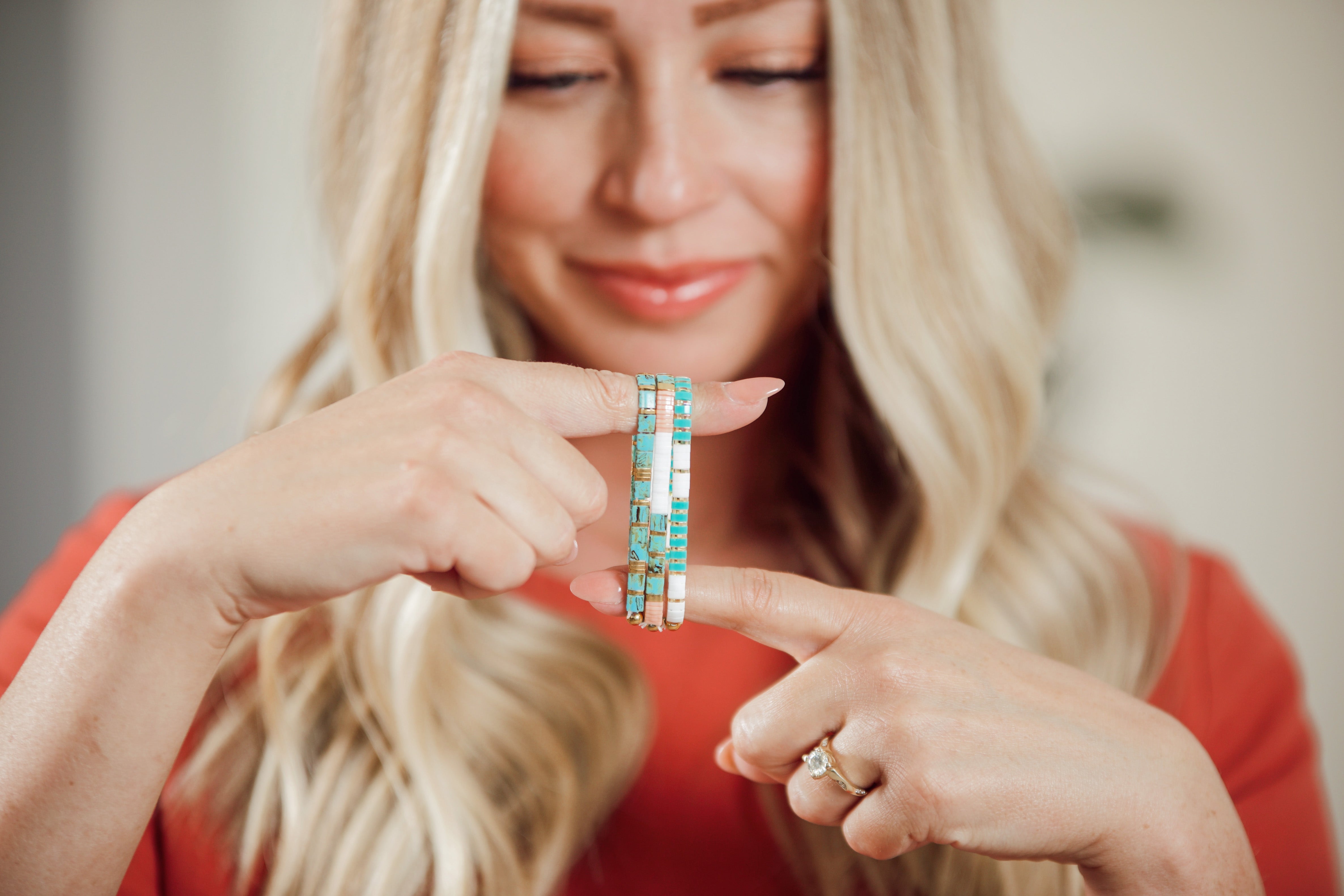
Tila beads read as clean and geometric. The flat tiles line up like tiny tesserae, so the surface is smooth rather than bumpy, and the color blocks read more graphically since each square holds its color flat rather than scattering light off a curved surface. If you've seen the STAINED or RETRO SUNSET collections at Mack & Rex, that architectural, color-blocked look comes directly from the tila bead's flat construction.
Neither look is objectively better. A grandmother making a bracelet with her granddaughter for a rainy Saturday afternoon might want the forgiving, textured feel of rocaille beadwork. Someone who wants a finished bracelet that reads as a piece of jewelry rather than a craft project usually gravitates toward the tila look.
Which Bead Is Easier for a First Bracelet?
Tila beads win here, and it's not close.
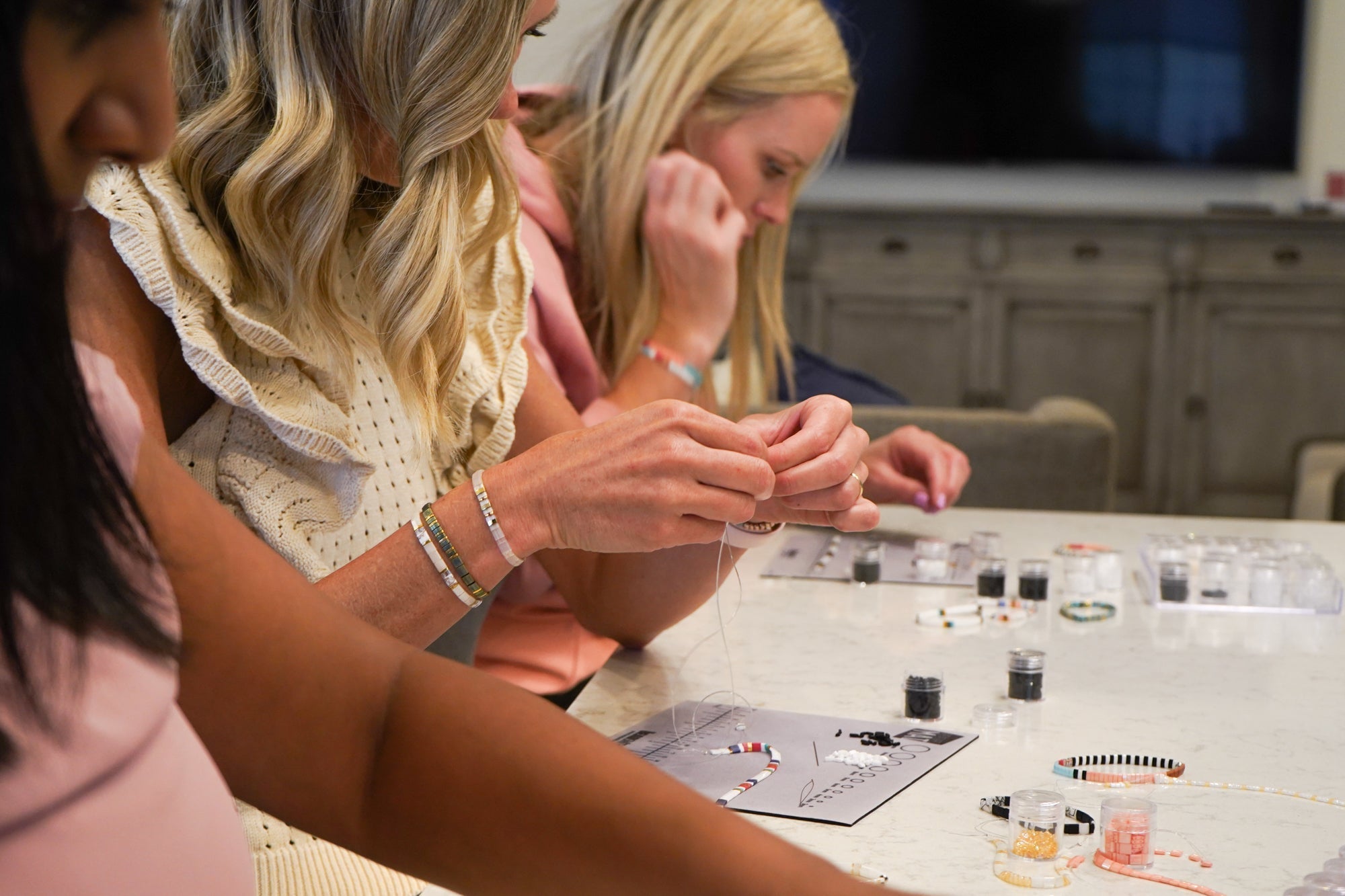
At 5mm, tila beads are large enough to pick up and thread quickly, and their flat shape means they don't roll off a table the second you set them down. A basic tila stretch bracelet uses a loop-and-knot method with no needle required, and most first-timers finish one in 20 to 30 minutes.
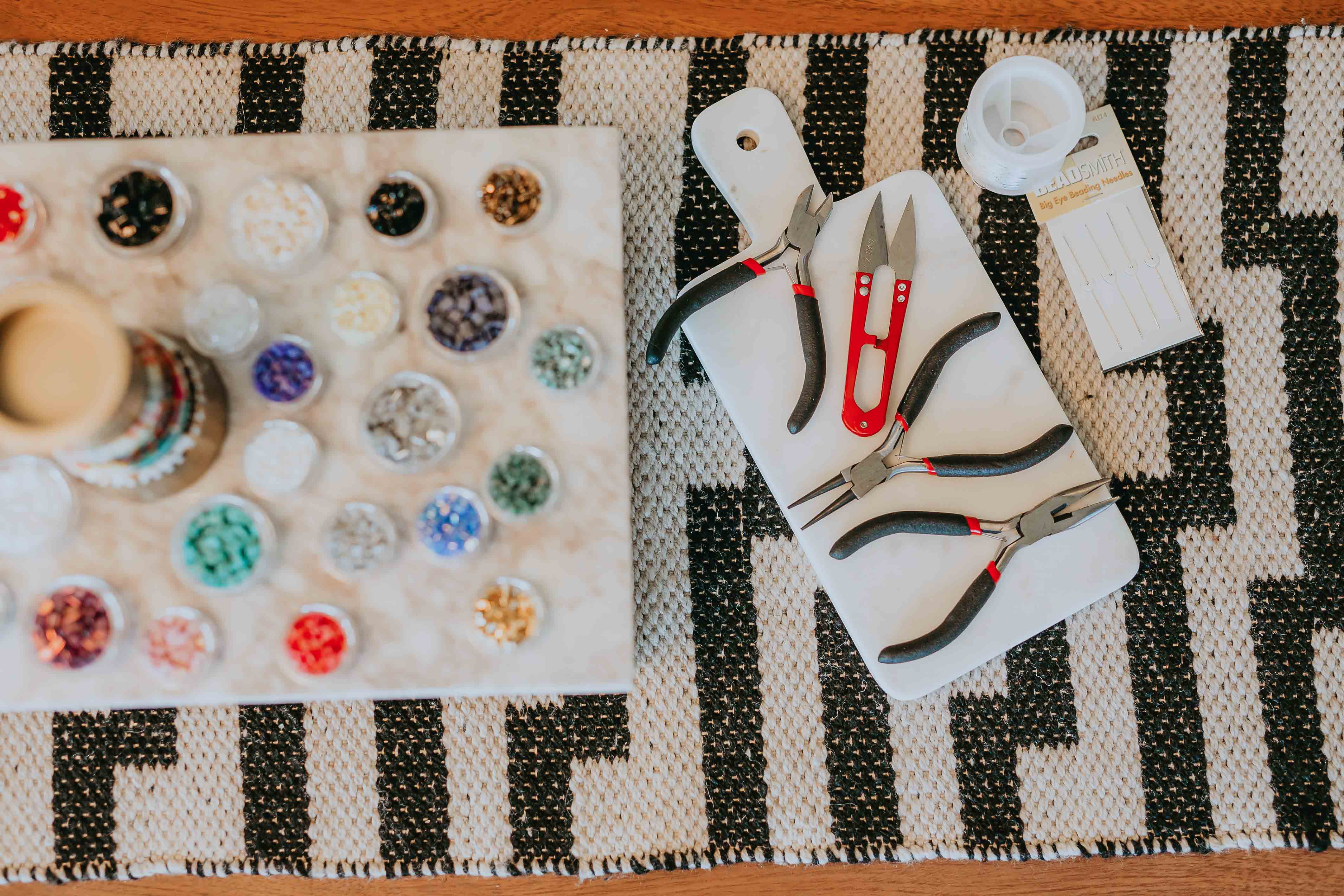
Rocaille beads, especially in the finer sizes (11/0 and up on the size scale, where a higher number means a smaller bead), are genuinely fiddly. They're small, they roll, and picking up one at a time with your fingers gets old fast. Most rocaille bracelet patterns beyond a simple strung strand call for a needle and thread and a stitch like peyote, which takes real practice to keep the tension even. Interweave's peyote stitch primer gives a good sense of that learning curve before you commit an afternoon to it.
If you're crafting with kids or want a bracelet you can start and finish in one sitting, start with tila. Save rocaille stitching for a slower weekend once you've got some beading time under your belt. A quick safety note either way: both bead types are small enough to be a choking hazard, so keep loose beads away from very young children and supervise any bracelet-making session.
Which Bead Holds Up Better Day to Day?
Both are glass, so raw durability is similar when the glass itself is quality. The real difference shows up in how each bracelet behaves during normal wear.
Because a rocaille bead can rotate on its strand, individual beads shift position over weeks of wear, which can loosen the pattern slightly on a stitched piece if the thread tension wasn't tight to begin with. A tila bead can't rotate, so a tila bracelet strung correctly holds its shape and flat profile for the life of the elastic. In both cases, the cord matters more than the bead. A bracelet built on crystal-cord elastic with a proper knot outlasts one built on thin, cheap elastic regardless of which bead is on it.
Which Style Stacks and Layers Better?
Tila bracelets have a flat, low profile, so you can wear three or four together without them bunching or catching on each other. The uniform flat surface means a stack looks intentional, like a set rather than a pile.
Rocaille bracelets stack fine too, but the rounder surface creates a bit more friction between layers, so they tend to shift and click against each other more as you move your wrist. Mixing the two styles in one stack actually works well: the flat geometry of tila tiles plays against the textured shimmer of rocaille beads, so you get contrast rather than two bracelets competing for the same visual space.
Can You Combine Rocaille and Tila Beads on One Bracelet?
Yes, and the size difference is what makes it work. Rocaille beads are small enough to sit as spacers between larger tila tiles, filling gaps that a same-size bead would leave empty and adding a little sparkle between the flat sections. Seed beads, the broader category rocaille beads fall under, have been sized and sold this way for well over a century, which is why the size and spacer conventions are so standardized across patterns.
For a simple stretch bracelet, most people still stick to one bead type and build variety through color rather than mixing shapes on the same strand. It's a faster project and the results look cleaner without extra planning.
So Which Should You Buy?
Buy tila if you want a flat, modern bracelet that's easy to finish in one sitting, stacks cleanly, and holds its shape through daily wear and workouts. Buy rocaille if you love the classic sparkly, textured beaded look, or you're ready to try stitching techniques like peyote or brick stitch and want the wider design range that comes with them.
Mack & Rex built its ready-to-wear bracelet line and trio kits around tila beads for exactly this reason. Between a mom short on time before school pickup and a grandmother settling in for a slower craft afternoon with rocaille beads and a needle, both are valid ways to spend a Saturday. They just land at different points on the effort scale.
Where to Find Tila Beads and Bead Mixes
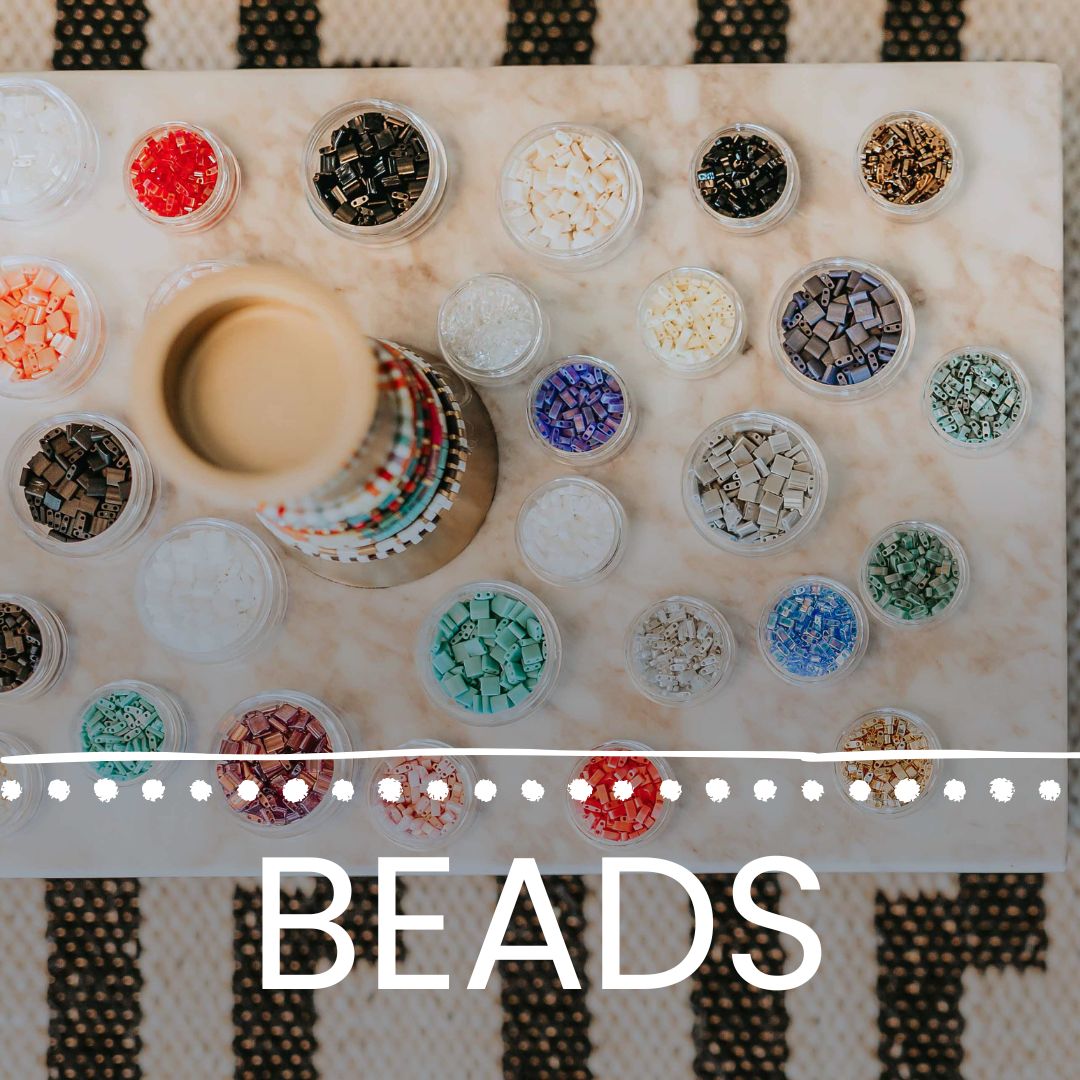
Mack & Rex carries Miyuki tila beads and seed bead mixes in curated color palettes, plus finished ready-to-wear bracelets in inclusive sizing from XXS to 5XL. Browse the full range at mackandrex.com/collections/all-seed-beads. Orders over $100 ship free within the US, and new colorways drop monthly.
If you're ready to make something rather than just plan it, a trio kit ($44.99) includes tila beads in three coordinating color mixes, elastic cord, and step-by-step instructions to make three finished bracelets. Or skip the crafting and buy three bracelets, get one free, no code needed.
Frequently Asked Questions
What's the difference between rocaille beads and tila beads?
Rocaille beads are small, rounded glass beads with one hole through the center, usually silver-lined for extra sparkle. Tila beads are flat, square Miyuki tiles measuring 5mm by 5mm with two parallel holes side by side. The shape and hole count change how each bead sits, strings, and photographs on a finished bracelet.
Should I buy a rocaille bead bracelet or a tila bead bracelet?
Pick tila for a flat, modern, stackable look you can finish in one sitting with a basic stretch method. Pick rocaille if you want the classic sparkly, textured beaded look, or you're stitching a pattern rather than a simple strung bracelet.
Which is harder to string, rocaille beads or tila beads?
Rocaille beads are smaller and roll more, so they take longer to pick up and thread one at a time, especially in finer sizes. Tila beads are larger and flatter, so they're easier to handle for a first bracelet, though the two-hole design means threading two strands rather than one.
Can rocaille beads and tila beads go on the same bracelet?
Yes. A common combination uses tila beads as the flat focal tiles and rocaille beads as small spacers between them, since the size difference lets the rocaille beads fill the gaps a same-size bead would leave empty. Most stretch bracelet kits keep the two separate for simplicity, though.
Where can I buy tila beads and bead mixes for bracelet making?
Mack & Rex carries Miyuki tila beads and seed bead mixes in curated color palettes, plus finished bracelets and trio kits. Browse the full selection at mackandrex.com/collections/all-seed-beads. Orders over $100 ship free within the US.