

How to Build a Team-Color Bracelet Stack for Game Day
What's the Fastest Way to Build a Team-Color Bracelet Stack for Game Day?
Pick two or three Tila bead colors that match your team, add a neutral seed bead accent (white, black, or gold) to tie the stack together, and string each combination onto its own strand of elastic cord. Layer three to five finished bracelets on one wrist and you have a full game-day stack, no pre-made kit required.
Here's the thing about most bracelet-making kits: they come with a fixed set of colors chosen by whoever put the kit together. That works fine for a general "beachy" or "sunset" palette. It doesn't work when you need your specific school's maroon and gold, or your kid's travel team's navy and orange. For team-color projects, building your own bead kit from individual Tila colors gets you a lot closer to the real thing.
Why Build Your Own Bead Kit Instead of Buying One Pre-Made?
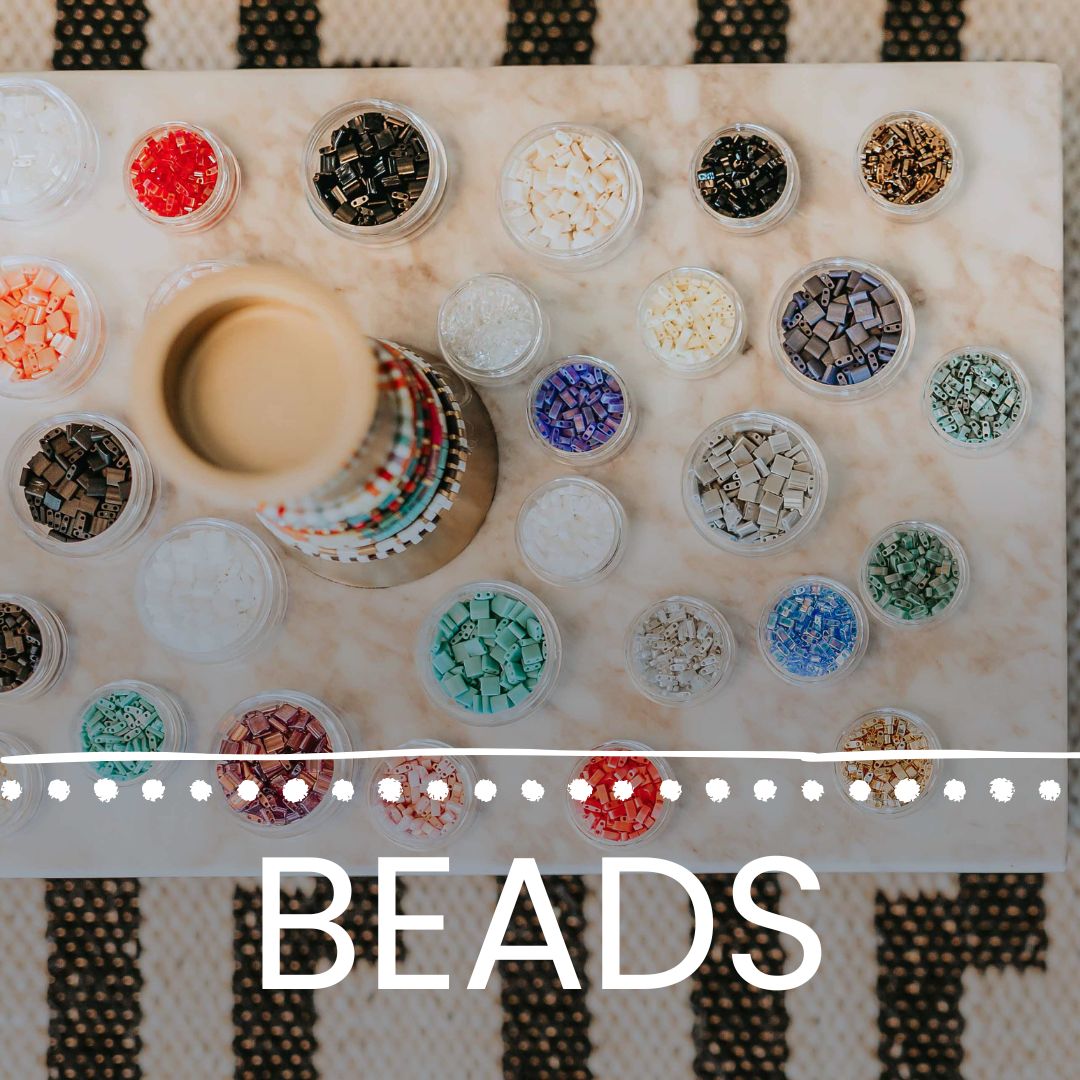
Control over color, mostly. A pre-made kit gives you someone else's idea of a good combination. Assembling your own bead kit means you pick the exact shade of maroon, the exact navy, the exact gold, from the store's full color range instead of whatever three colors happened to ship in a box.
This matters more for team colors than almost any other bracelet project. Sunset colors can drift a little and still look great. A high school's official maroon can't drift at all without looking off. Custom-assembling your kit from loose Tila beads and seed bead accents is the more reliable path when there's a specific color you have to hit.
What Do You Actually Need to Put Together a Team-Color Bead Kit?
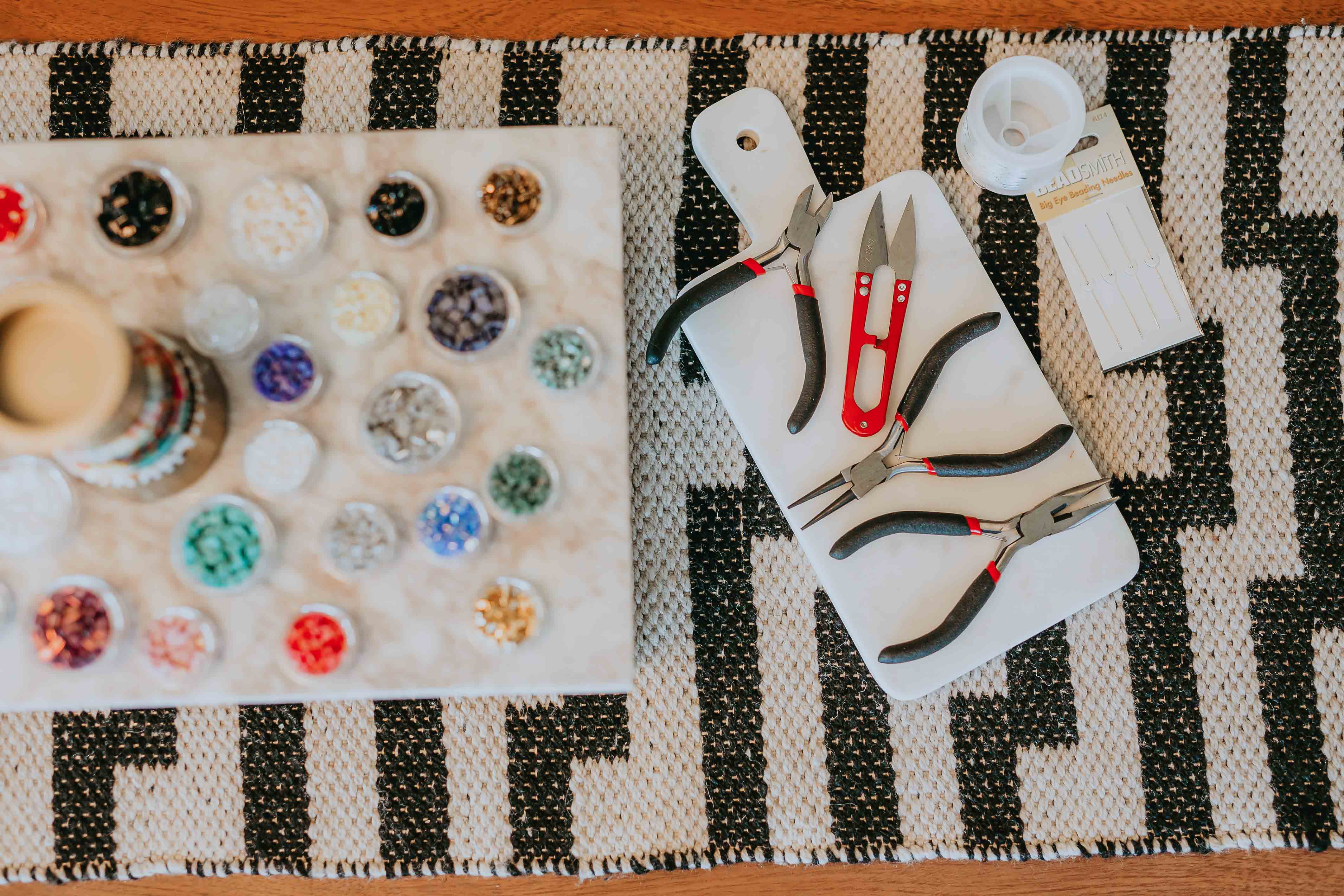
Six things, and you probably already own half of them.
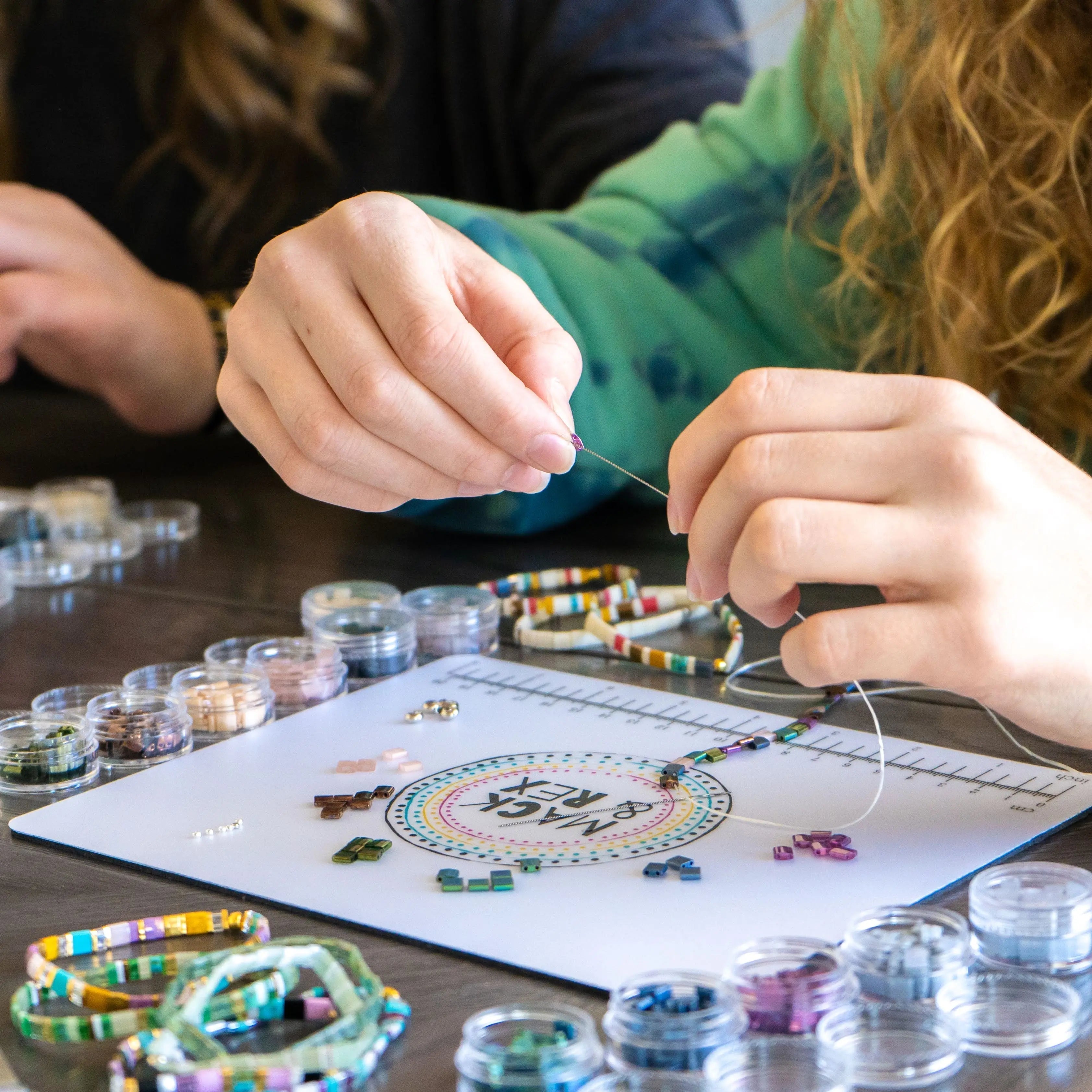
- Tila beads in your 2-3 team colors. Miyuki Tila beads are a flat, two-hole glass tile bead made in Japan and resold by Mack & Rex; they're not manufactured in-house, and Mack & Rex carries a wide range of colors across its Tila collections.
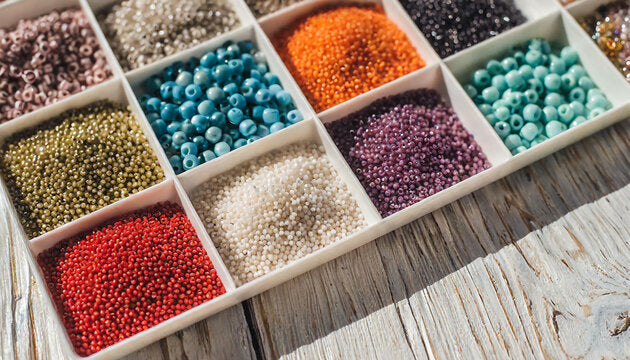
- Seed bead accents. A small run of round seed beads (rocaille) in a neutral color, white, black, or gold, works as a spacer between color blocks and keeps a busy team palette from looking chaotic. Mack & Rex's seed bead collection carries these accent colors individually, which is exactly what you want for fine-tuning a specific combination.
- Crystal-cord elastic in a weight that suits Tila bead holes (0.8mm is standard).
- A bead mat or folded towel so nothing rolls off the table mid-project.
- Scissors and a flexible tape measure.
- Patience for one extra trip to check colors in daylight before you commit to a full stack. Screens and store lighting shift color more than people expect.
If you'd rather skip the color-matching step, Mack & Rex also sells trio bracelet kits at $44.99 with curated color combinations already paired. They're not built around specific team palettes, so they're a better fit for a general layered look than for an exact school match.
How Do You String a Team-Color Tila Bracelet Step by Step?
Same core technique as any stretch bracelet, just with a color plan mapped out ahead of time.
Step 1: Measure and cut your cord
Wrap a tape measure around the wearer's wrist, add a half inch for comfortable stretch, and that's your target length. Cut elastic cord about 8 inches longer than that target so you have enough slack to tie off and trim later. Cut all your lengths at once if you're making a full stack; it's faster than stopping between bracelets.
Step 2: Lay out your color story for each bracelet
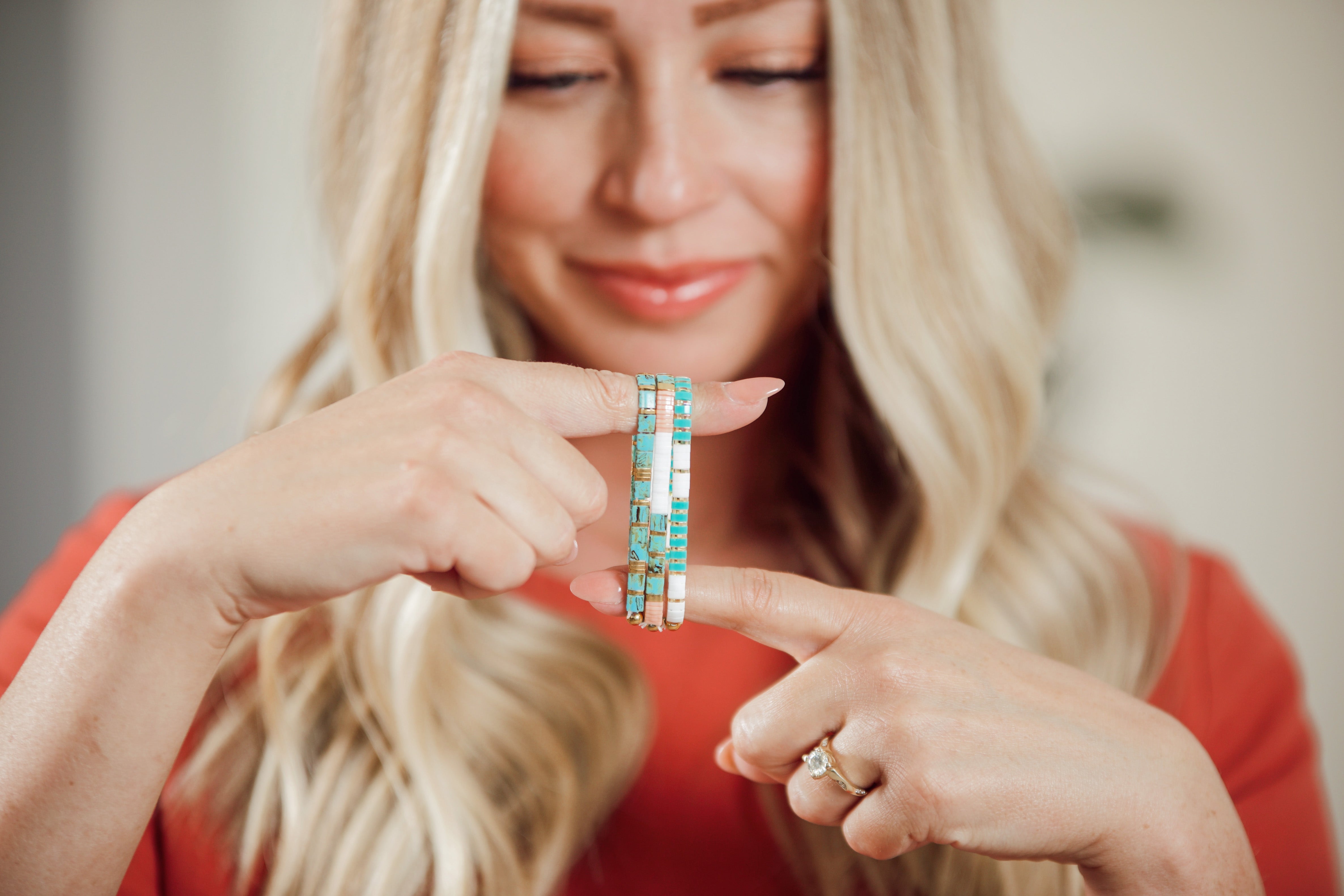
Don't try to fit every team color into one bracelet. Spread the palette across the stack instead: one solid main-color bracelet, one solid second-color bracelet, one alternating pattern piece mixing both colors, and one neutral seed bead accent bracelet. Four pieces built this way read as a coordinated stack rather than a jumble.
Step 3: String the beads
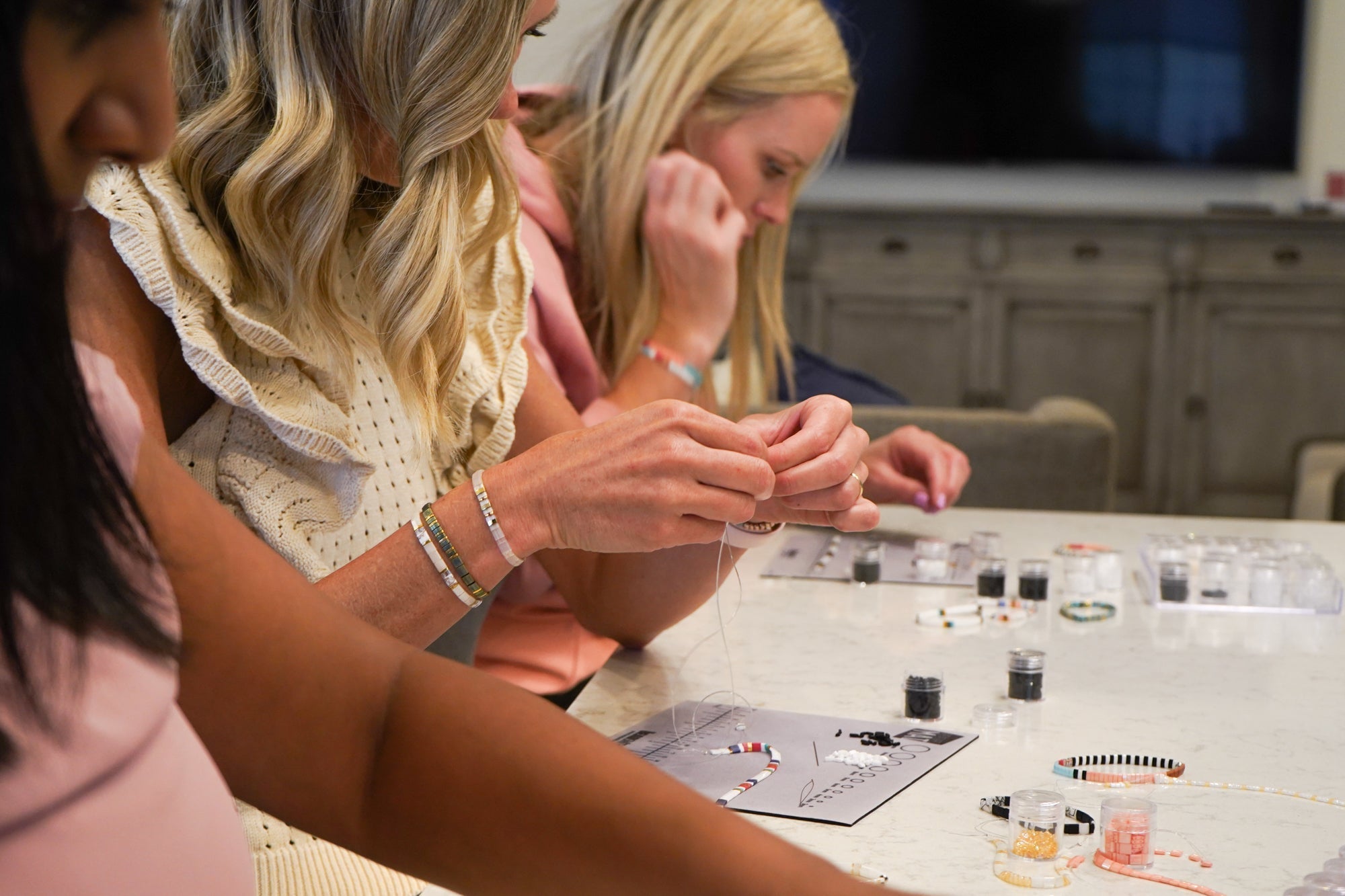
Thread beads onto the elastic in your planned pattern, checking against the wrist as you go. Tila beads have two holes; pick one side and stay consistent for a clean single-strand bracelet. Stop about half an inch short of your target length. According to Interweave's beading guides, keeping even tension on the cord while stringing helps beads sit flat and keeps the finished piece from twisting.
Step 4: Tie it off
A surgeon's knot holds up best on elastic cord: cross the ends, wrap twice, cross again, and wrap once more in the opposite direction. Pull it snug, slide the knot into a nearby bead hole to hide it, and trim the tails short.
Step 5: Stack and check the look
Put all the finished bracelets on one wrist together. This is the step people skip, and it matters. A pattern bracelet that looked great alone can compete with a solid one when they're stacked. Mix bead finishes (matte, metallic, AB) within the same color family for depth, and don't be afraid to pull one bracelet and swap it for a different piece from the stack if something clashes.
How Many Bracelets Should You Make for a Full Game-Day Stack?
Three to five per wrist. Fewer than three and the "stack" effect disappears; more than five starts to feel heavy on a smaller wrist. Mack & Rex sizes finished bracelets from XXS through 5XL, so if you're building a stack for a whole family, from a grandmother to a young kid, sizing isn't the limiting factor. Color balance is.
If some of the group would rather skip the DIY step entirely, finished bracelets are always the faster option, and buying three gets a fourth free (no code needed) on bracelet purchases. That offer applies to finished bracelets, not to loose beads or kits, so factor that into whether you're building or buying for each person in the group.
Is Building Bead Bracelets Safe to Do With Kids for Game Day?
With supervision, yes. Tila beads and seed beads are small parts and a choking hazard, which means loose beads should stay out of reach of toddlers and babies at all times. Older kids can string their own bracelets for spirit week with an adult sitting right there the whole time. This is a shared activity, not a drop-off one.
The U.S. Consumer Product Safety Commission flags small beads and loose craft components as a choking risk for children under 3, and that guidance holds regardless of whose beads you're using. Keep the project age-appropriate and hands-on.
Do Team-Color Bracelet Stacks Have to Match Exactly?
No, and honestly they shouldn't try to. The tradition of building a color story into a woven or strung bracelet goes back a long way; friendship bracelets have used color combinations to signal group identity for generations, and a game-day stack is really the same idea with a mascot attached. A stack that's close to your team's colors and looks good together will read as team spirit from across the stands. Nobody is holding a Pantone chip up to your wrist.
Frequently Asked Questions
What's the best bead kit for making team-color bracelets?
The best setup is usually one you assemble yourself: loose Miyuki Tila beads in your team's 2-3 core colors plus a neutral seed bead accent. Pre-made kits come with fixed color palettes that rarely land on an exact school or team combination, so building your own bead kit from individual colors gets you closer to the real thing.
How many bracelets should be in a game-day stack?
Three to five bracelets on one wrist is the sweet spot for a full stack without it looking cluttered. A good starting formula is one solid main-color bracelet, one solid second-color bracelet, one alternating pattern piece, and a neutral accent bracelet to tie it together.
Are Tila beads safe for kids to use for school spirit crafts?
Tila beads and seed beads are small parts and a choking hazard, so they are not appropriate for young children without direct adult supervision. Older kids can string bracelets with an adult present the whole time; loose beads should never be left within reach of toddlers or babies.
Does Mack & Rex carry beads in specific team colors like maroon or navy?
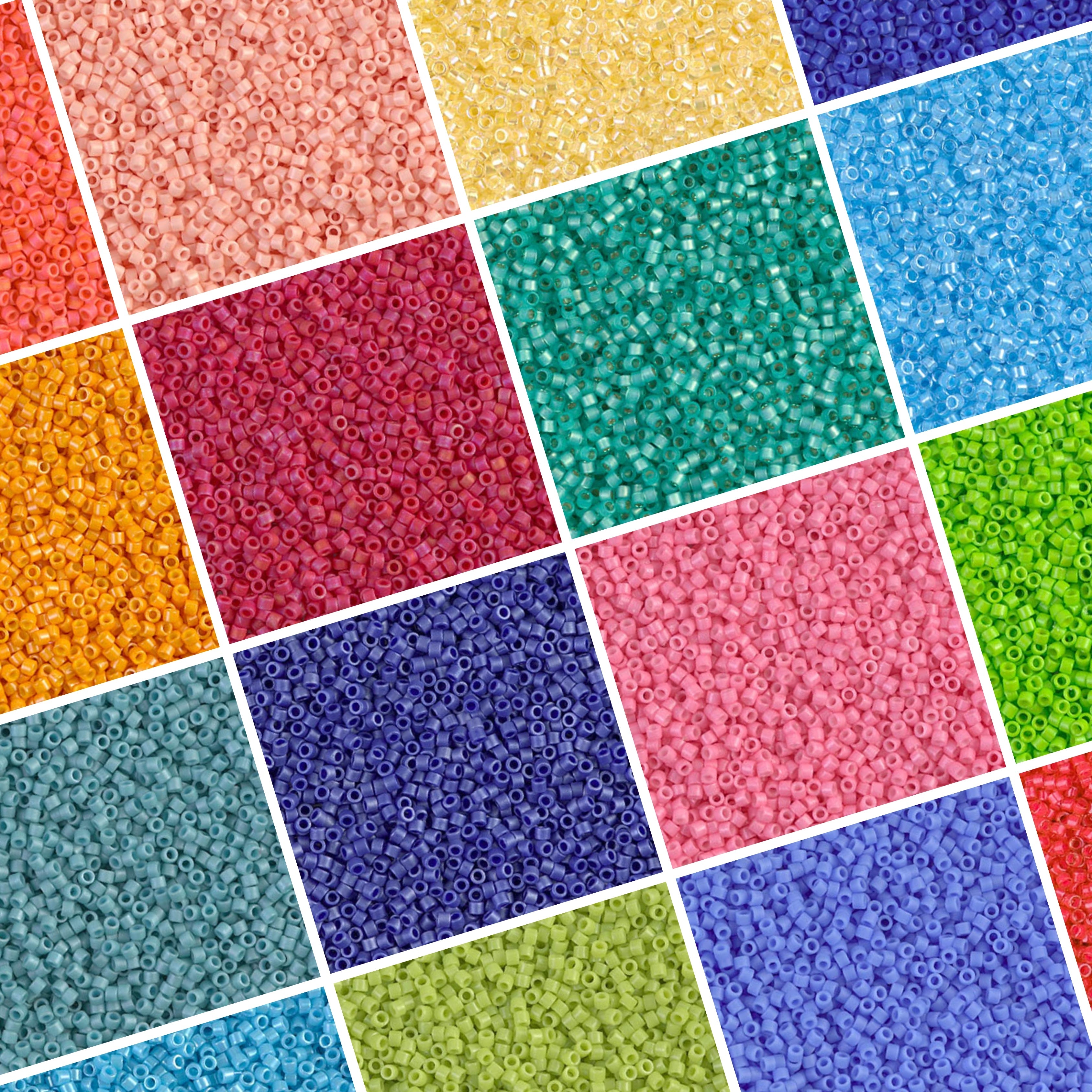
Mack & Rex stocks a wide range of Miyuki seed bead and Tila bead colors, including navy, maroon, gold, black, and various greens, purples, and reds, though exact availability shifts with monthly color drops. Check the current color lineup before committing to a specific team's palette.
Is it cheaper to build your own bead kit or buy a pre-made bracelet kit?
It depends on how many bracelets you're making and how specific your color needs are. Tila bead mixes run roughly $5 to $9 each, so building a custom two- or three-color kit for a small stack is often comparable to a pre-made kit, with the advantage of matching your exact team colors instead of a generic palette.
Ready to put together your own team-color bead kit? Browse Mack & Rex's full seed bead collection for the accent colors that pull a game-day stack together, then pair them with Tila beads in your team's main shades. Orders over $100 ship free within the US.