


Tila Bead Bracelet Kit vs. Buying Finished: Which Is Right for You?
Kit or finished bracelet: which one should you buy?
Buy a kit if you want a lower cost per bracelet and don't mind spending an evening making it. Buy a finished bracelet if you want it on your wrist today and don't want to touch a single bead yourself. That's the whole decision in two sentences, but the real answer depends on how many bracelets you actually want and how much you value the making part of it.
Both are good options. Neither is a trap. A tila bead bracelet kit and a finished, ready-to-wear bracelet solve different problems, and the honest comparison means running the numbers instead of just picking whichever one sounds more fun on a Tuesday. So let's run them.
What does a tila bead bracelet kit actually cost per bracelet?
Cost per bracelet drops as the kit gets bigger. A trio kit makes 3 bracelets for $44.99, which works out to about $15 each. Go up a size and the Tila Bead Starter Kit makes 20 bracelets for $189.99, roughly $9.50 apiece. The Ultimate Tila Kit is the volume play: 80 bracelets for $399.99, about $5 a bracelet.
Here's the kit math laid out:
- Trio bracelet kit (makes 3): $44.99 total, about $15.00 per bracelet
- DIY Bracelet Kit Club (3 bracelets per shipment): $36.99, about $12.33 per bracelet
- Tila Bead Starter Kit (makes 20): $189.99, about $9.50 per bracelet
- Ultimate Tila Kit (makes 80): $399.99, about $5.00 per bracelet
There's a clear pattern here. Buy small and you're paying close to finished-bracelet prices per piece. Buy at the top tier and the math tilts hard toward the kit, because you're spreading the elastic cord, the pattern card, and the shipping cost across dozens of bracelets instead of just three. If you already know you'll make bracelets all year, the Starter Kit or the Ultimate Tila Kit is where the savings show up.
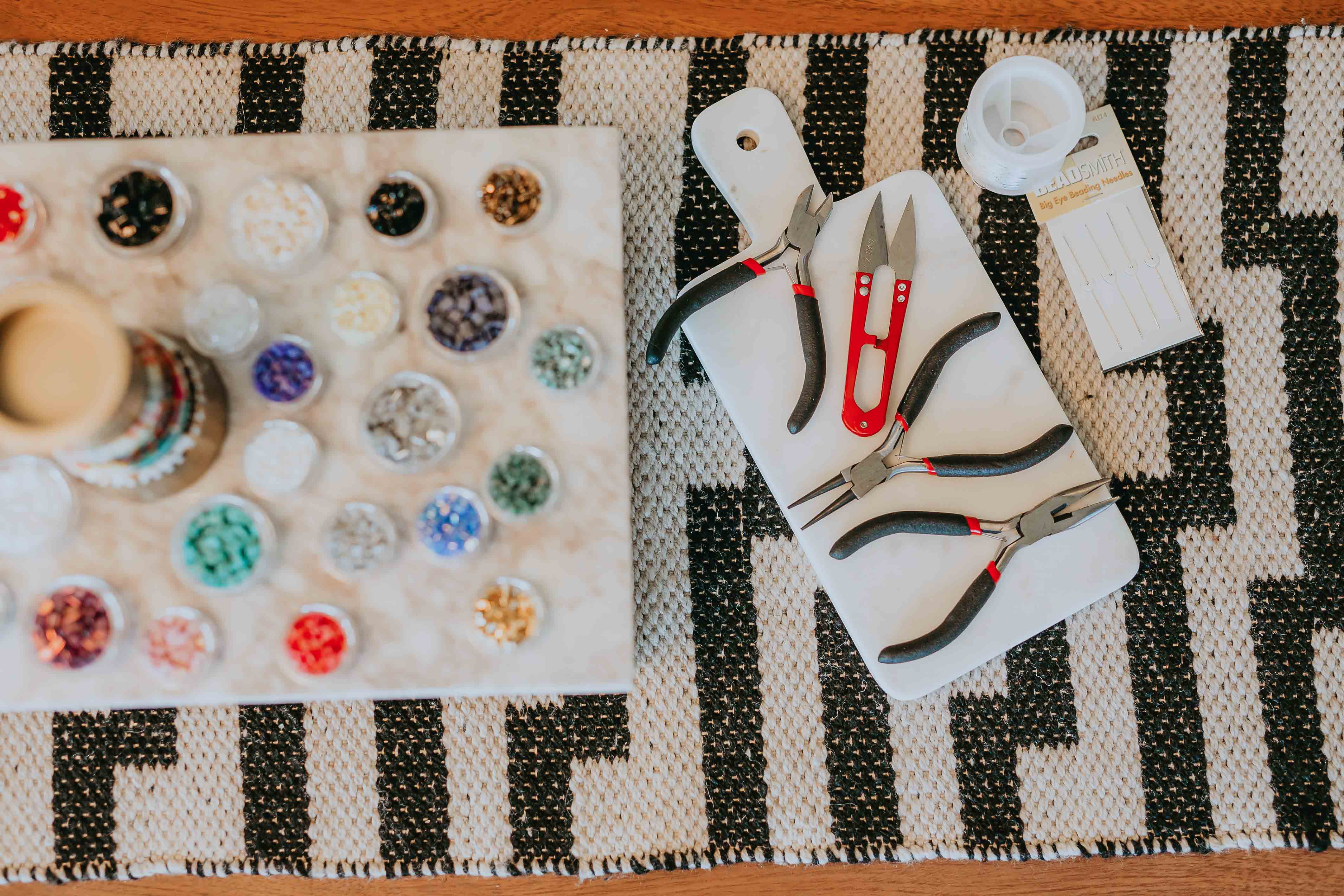
One more piece worth knowing: the All-in-One tools and supplies kit runs $39.99 to $43.99 and gets you set up with reusable tools plus your first project. After that, tila bead mixes run about $5 to $9 each, so your second and third bracelets cost a fraction of the first once you own the tools.
What does a finished bracelet cost, and where does it actually win?
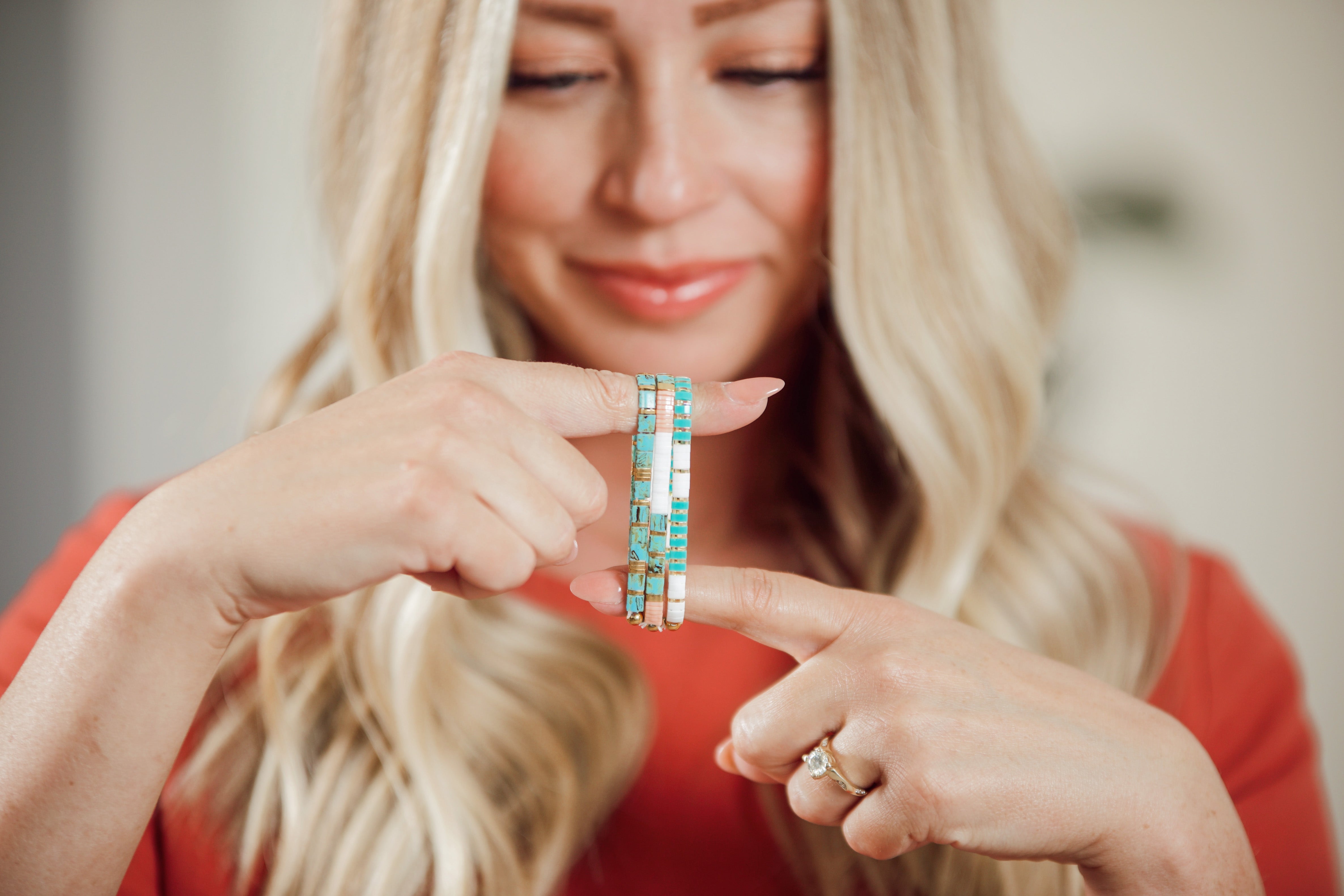
A single finished, ready-to-wear bracelet runs about $20 to $25. That's more per piece than most kit tiers, but you're not paying for that difference in dollars, you're paying for it in time. There's no cord to measure, no pattern to follow, no chance of a bead falling off your desk mid-project. It shows up, you wear it.
Finished bracelets also carry the one real discount in this whole comparison: buy 3 bracelets, get 1 free, no code needed. Run that math and 4 bracelets at, say, $22 to $25 apiece works out to roughly $16.50 to $18.75 per bracelet across the set, which lands surprisingly close to a mid-tier kit's cost per piece. That offer only applies to finished bracelets, though. It doesn't stack with kits, loose beads, or bead mixes, so don't go looking for it on a kit order.
A quick reality check on shipping while we're doing math: a single $44.99 kit or a single $22 bracelet won't clear the $100 threshold for free US shipping on its own. You'd need to combine a few items, whether that's a couple of kits, a stack of finished bracelets from the buy-3-get-1 deal, or a mix of both, to get there. Mack & Rex ships internationally too, with duties and any customs fees calculated at checkout.
How much time does each option actually take?
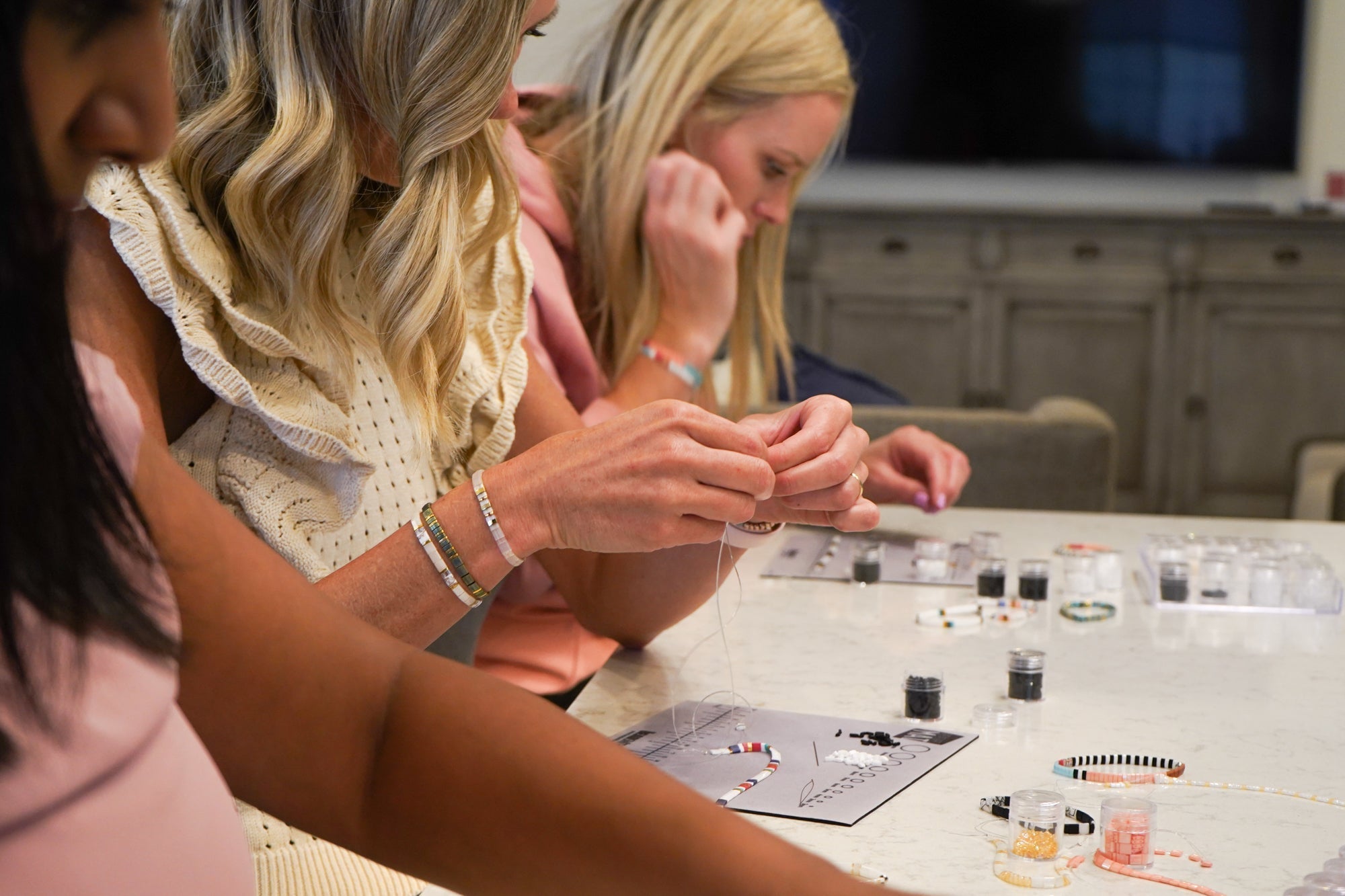
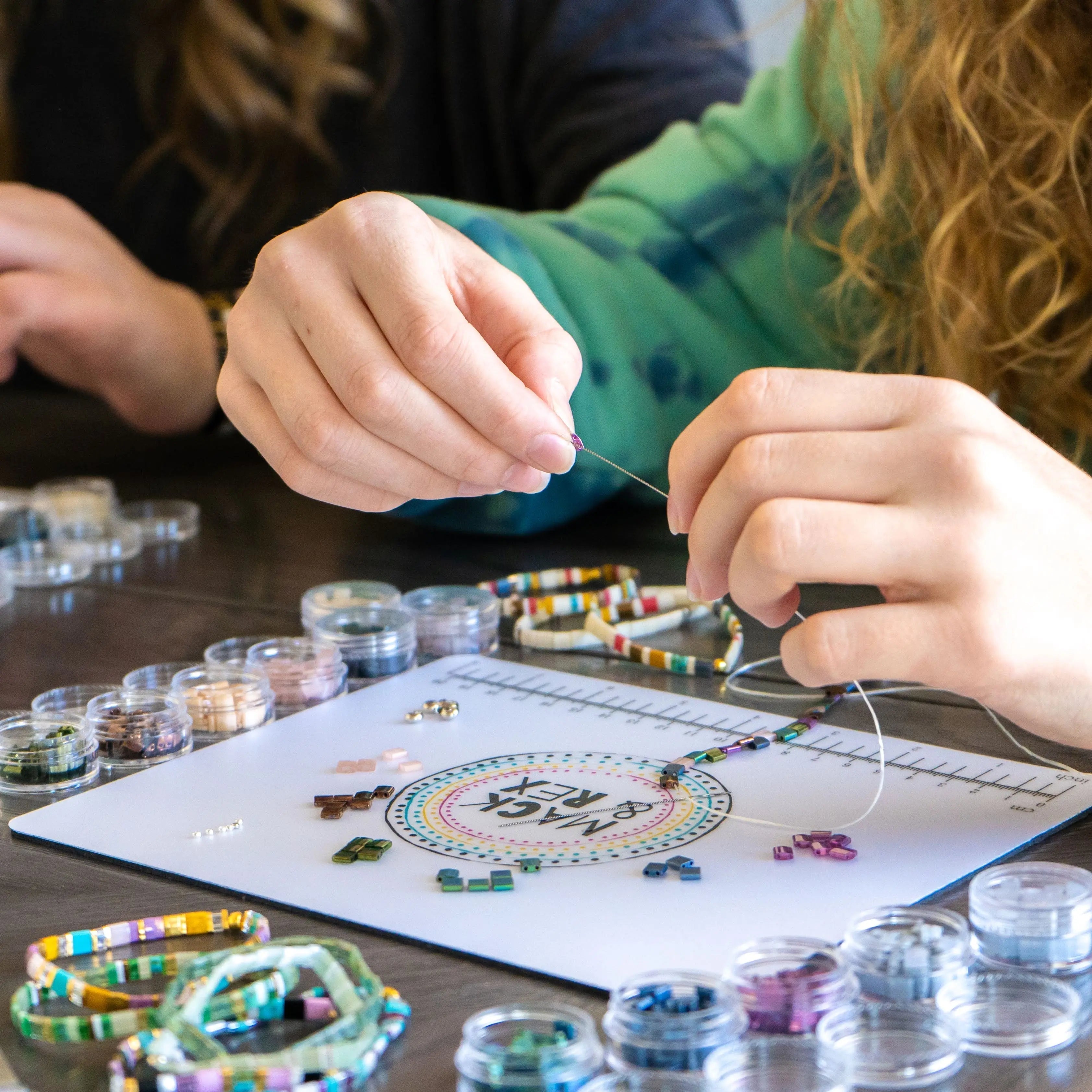
A finished bracelet takes as long as checkout. A kit takes an evening, or a lunch break once you've made one before and know the pattern. That's the honest time cost, and it's the part people underestimate when they're comparing prices without factoring in their own hours.
First-timers tend to go slower, working through the color-coded layout bead by bead. By the second or third bracelet in a trio kit, most people move noticeably faster, because they've already learned where each color goes. This is the same curve you'd expect with any hands-on craft: beadwork as a technique has been practiced across cultures for centuries precisely because stringing beads onto thread is a skill that gets easier with repetition (Wikipedia: Beadwork). It's not hard. It just isn't instant.
If your week is already full and you need a bracelet by Friday for a specific outfit or event, don't fight the clock. A finished bracelet solves that problem outright. A kit is the better choice when you have an evening you're happy to spend on it, or when the making is the point, not just the result.
Which one is more fun, and does that matter?
It depends entirely on who's asking. For someone who likes crafting, a kit is genuinely more fun; there's a small rush in laying out a pattern and watching a finished bracelet come together from a pile of loose tila beads. For someone who just wants a bracelet, the "fun" of assembling one is closer to a chore.
This is where the gift-giving angle matters. A kit made and given together, say, a mom and a kid working through a trio kit on a Sunday afternoon, turns a bracelet into a shared activity instead of just a purchase. That's a genuinely different experience from handing someone a box. It's also worth a quick, honest safety note here: loose beads are small parts and a choking hazard, so kits are a project for an adult or an adult working alongside a child, not something to leave with a very young kid unsupervised.
On the flip side, don't force the "fun" angle on someone who's told you crafting isn't their thing. A finished bracelet respects that just as well, and it still lands as a real, thoughtful gift.
Can you customize a kit the way you can't with a finished bracelet?
Yes, within limits. A tila bead bracelet kit comes with a set color palette and pattern layout, but you decide the order, which combination goes on which wrist, and whether you split a trio kit's three bracelets across three different people instead of keeping them all. A finished bracelet is locked in exactly as it's photographed on the product page. What you see is what arrives.
DIY jewelry making has always carried this trade-off. Making something yourself trades speed for a say in how it turns out, which is more or less the definition of doing it yourself rather than buying it off a shelf (Wikipedia: Do-it-yourself). If you want a specific look and you're willing to build it, a kit gets you there. If you're happy with a curated, ready-made combination someone else already put together, a finished bracelet is less decision-making, not less quality.
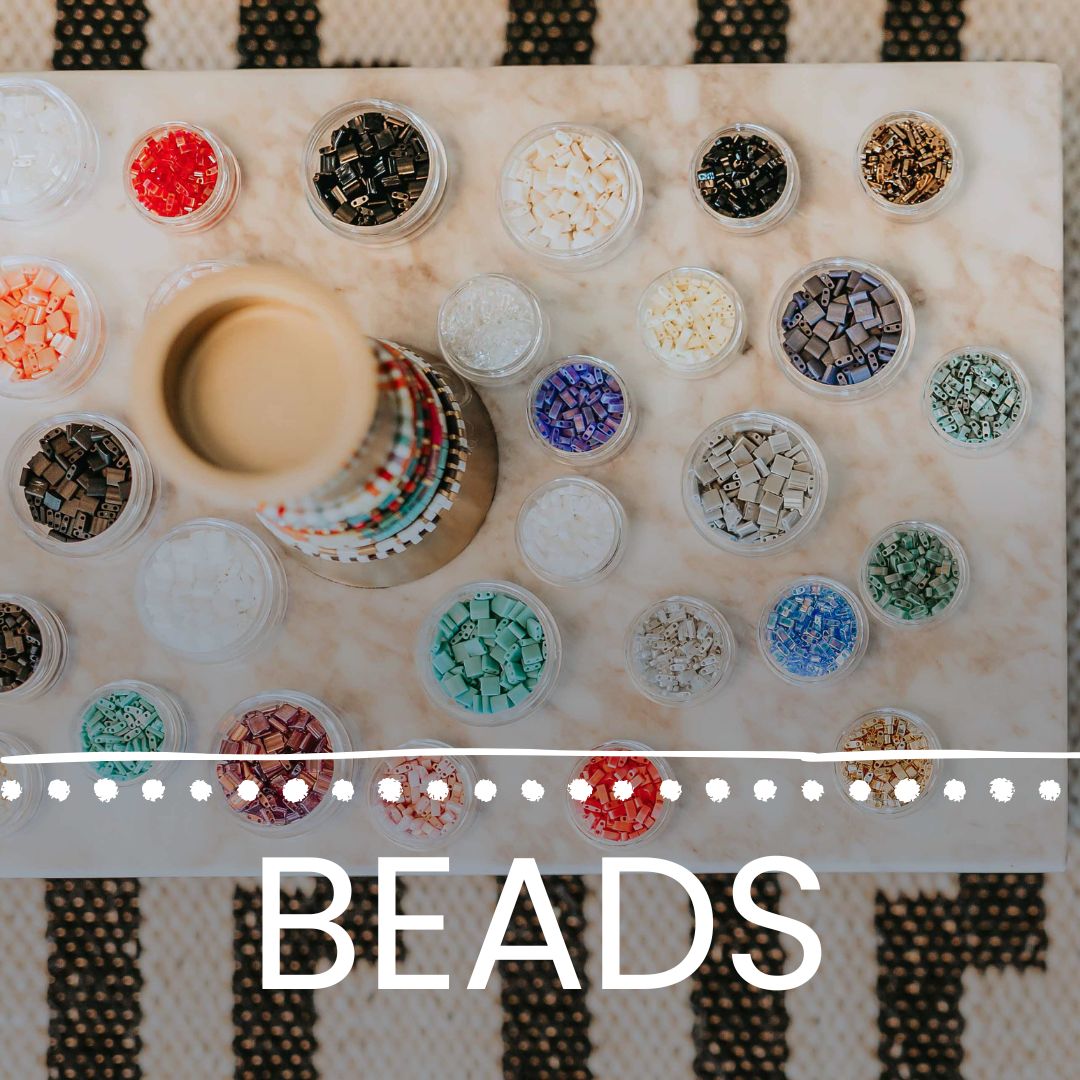
Tila beads themselves are a specific style of seed bead, flat and two-holed, which is part of why the patterns lay out the way they do; that flat shape is what lets them sit side by side in a clean grid instead of rolling around like a round bead would (Wikipedia: Seed bead).
So who does each option actually suit?
A kit suits you if: you want the lowest cost per bracelet, you enjoy a hands-on project, you're buying for a group (a trio kit splits three ways), or you're planning to keep making bracelets for months, in which case the Starter Kit or Ultimate Tila Kit pays for itself fast.
A finished bracelet suits you if: you need it today, you don't want a project on your plate, you're buying one specific gift for one specific person, or you want to use the buy-3-get-1-free offer to stock up on multiple colors without touching a single bead.
Plenty of Mack & Rex customers do both. They buy a kit for a slow weekend and finished bracelets for the birthday gift they need by Thursday. There's no rule that says you have to pick a side and stay there.
Ready to compare kits for yourself?
Browse the full lineup of bracelet making kits at Mack & Rex to see current tiers, from the trio kit up through the Ultimate Tila Kit, side by side. Whichever way the math and the mood point you, both routes end the same place: a bracelet on your wrist, or someone else's.