

What Colors Do Tila Beads Come In? A Visual Color Guide
What Colors Do Tila Beads Come In?
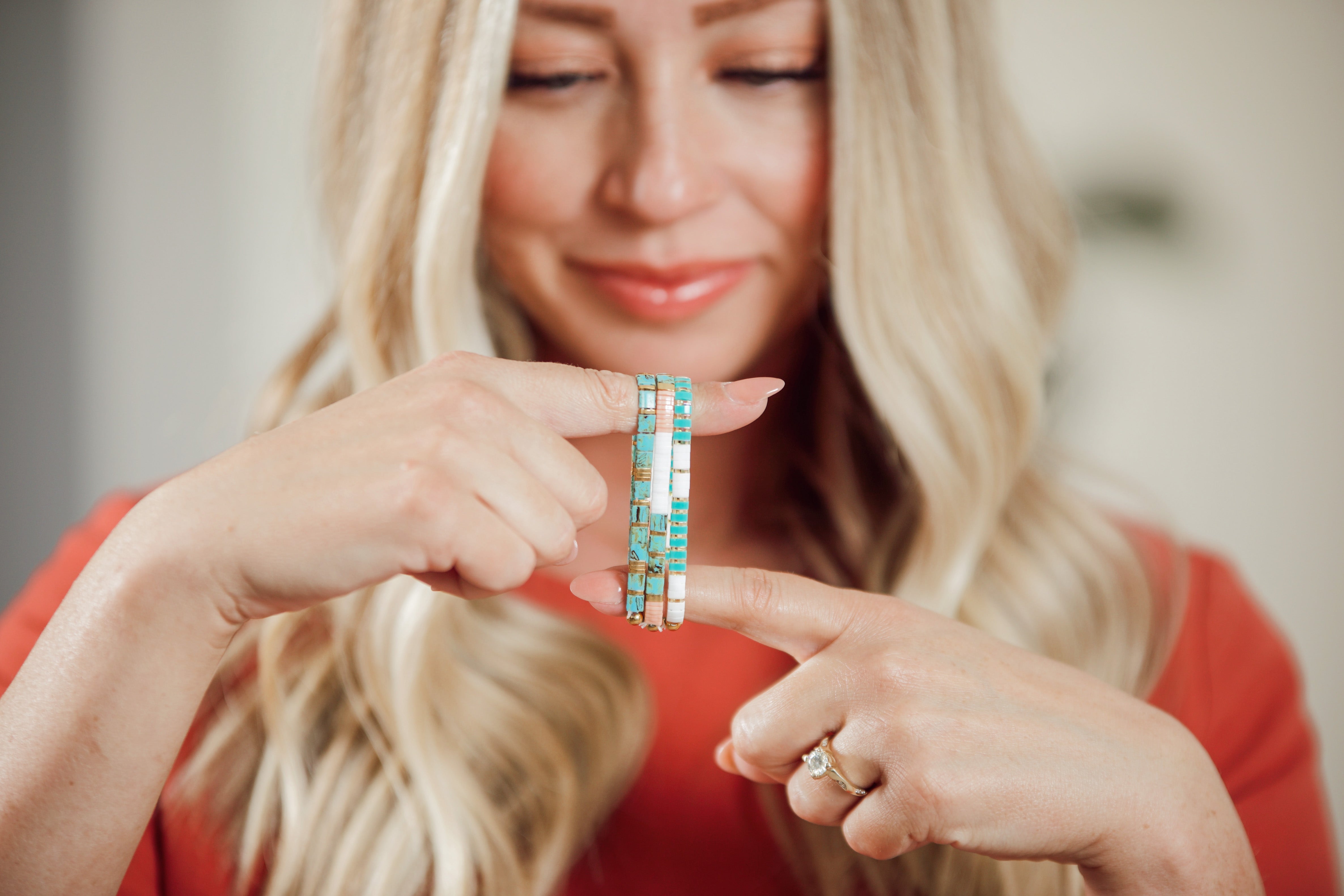
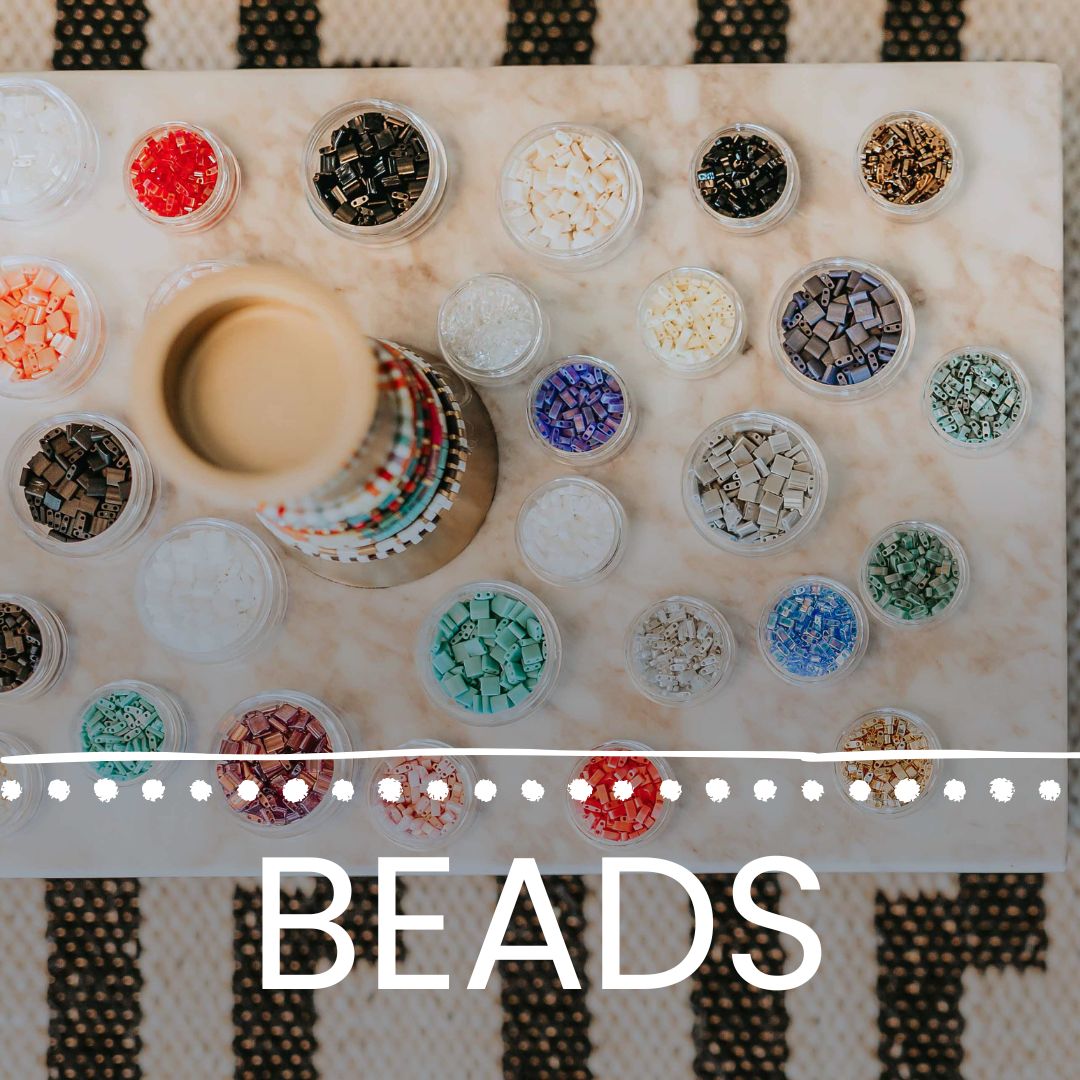
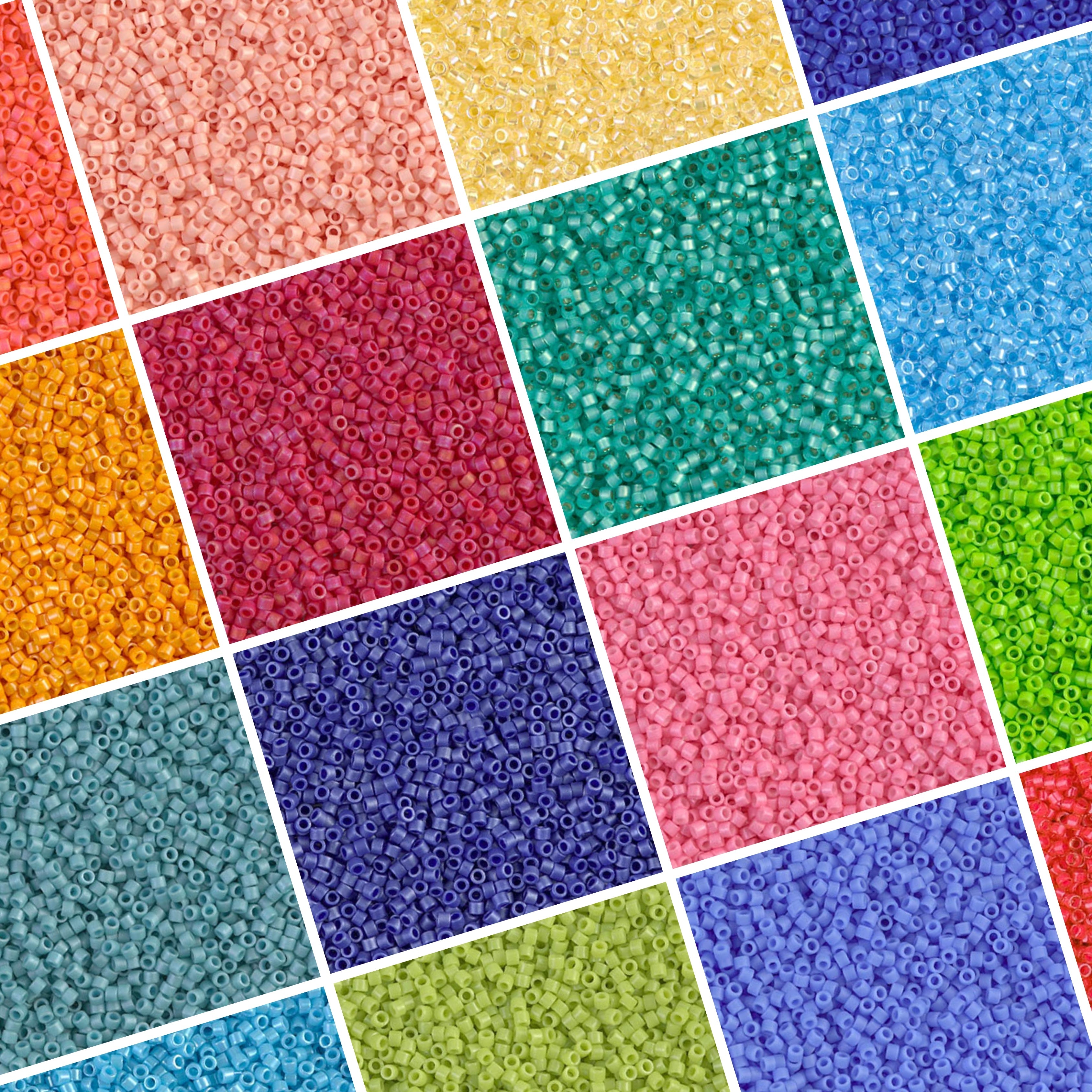
Tila beads come in several hundred colors once you count every finish Miyuki produces, grouped into a handful of families: opaque, matte, luster, metallic, silver-lined, transparent, and Picasso. No store carries all of them at once. A well-stocked bead shop like Mack & Rex curates a rotating few hundred of the most useful shades across those families so you can actually find what you need without digging through an impossible catalog.
Here's the thing most beginners don't realize: the finish matters as much as the hue. A "red" tila bead in opaque glass looks nothing like a "red" tila bead in matte or Picasso. Picking colors without thinking about finish is the fastest way to end up with a bracelet that looks flat instead of intentional.
What Is an Opaque Tila Bead Finish?
Opaque tila beads have a smooth, glossy, fully solid color with no light passing through the glass. They're the easiest finish to shop by, since what you see is exactly what you get, and they photograph true to color, which matters if you're matching a bracelet to a specific outfit or team palette. Miyuki's own glossary of bead finishes breaks these categories down in more technical detail if you want the full picture.
Opaque is the workhorse finish. Reds, blacks, whites, and primary colors almost always show up opaque first because that's the cleanest way to represent a solid color in glass. If you're new to tila beads and want predictable results, start with opaque.
What Is the Difference Between Matte and Luster Tila Beads?
Matte tila beads have a frosted, non-reflective surface that mutes and softens the base color. Luster tila beads have a glossy, slightly iridescent sheen layered over the color that catches light and adds shine. Matte reads calm and understated; luster reads dressier and a little more polished.
Think of matte as the finish for an everyday, quiet stack. Sage green, dusty rose, and warm taupe almost always look better matte than glossy, because the frosted surface keeps them from feeling plasticky. Luster, on the other hand, is the finish to reach for when a bracelet needs to do a little more work, like a gift piece or something for a night out.
What Are Metallic and Silver-Lined Tila Beads?
Metallic tila beads have a mirror-like, light-reflecting coating across the whole bead surface, in finishes like gold, gunmetal, and copper. Silver-lined tila beads are different: the color is transparent glass, and the shine comes from a reflective lining inside the two bead holes, which makes light bounce through the glass for a brighter, almost jewel-like glow.
Metallic finishes work as true neutrals. A metallic gold or gunmetal tila bead pairs with almost any color family you throw at it, which is why so many stacked bracelet looks lean on one metallic row to tie everything else together. Silver-lined beads tend to show up in blues, purples, and greens, where that inner glow makes the color pop far more than an opaque version of the same shade would. Bead retailer Lima Beads organizes its Miyuki catalog by these same finish groups, which is a handy way to see the range side by side.
What Do Picasso Tila Beads Look Like?
Picasso tila beads have an etched, speckled, slightly weathered coating in earthy tones (bronze, rust, moss, gray) layered over a base color, so no two beads in a strand look exactly alike. They're named for the mottled, artistic texture rather than a specific hue, and they're one of the most requested finishes for a boho or vintage-inspired bracelet.
Picasso beads carry visual weight. A single row of Picasso tila beads can anchor an entire stack, which is why a lot of our earth-tone and fall-leaning bracelet drops lean on them as the centerpiece color rather than an accent. If a bracelet looks a little too matchy, swapping one opaque row for a Picasso finish in the same color family usually fixes it.
How Do I Combine Tila Bead Colors and Finishes?
The simplest formula: pick one dominant color, one neutral, and one accent finish, rather than three bold colors competing for attention. A navy-and-sky-blue tonal pair, or a sand neutral with a gold metallic accent, almost always works on the first try.
A few combinations that hold up every time:
- Tonal pairing: two or three shades of the same color family (blush, dusty rose, terracotta) in different finishes, so the bracelet reads as one color story, not a scattered rainbow.
- Neutral plus metallic: a matte or opaque neutral (sand, white, gray) with a single metallic accent row, gold or silver, to add shine without adding another hue.
- Picasso anchor: one row of Picasso beads as the "main" color, surrounded by opaque or matte beads in colors pulled from the Picasso speckling.
- Finish contrast, same color: matte and luster in the exact same shade, stacked side by side, for depth without any extra colors to plan around.
We built our named collections, STAINED, BEACHY, RETRO SUNSET, and EVERGREEN EDIT, around exactly this kind of finish-and-family thinking, a planned palette rather than a grab-bag of pretty colors. It's a shortcut if you'd rather skip the color-matching step and start from a palette that's already been worked out.
Do Tila Bead Colors Fade or Change Over Time?
Genuine Miyuki glass holds color far better than dyed plastic beads, since the color is baked into or coated onto actual glass rather than printed on. Opaque and matte finishes are the most stable long term, while some metallic and AB (aurora borealis) coatings can dull slightly with years of wear and sweat exposure.
A quick, specific example: a gunmetal metallic finish worn daily on a workout bracelet will show more wear after a year than the same color in opaque black. It's not a defect, it's just how a reflective coating behaves against skin and friction over time. Rinsing a bracelet occasionally and letting it air dry, rather than soaking it, keeps any finish looking better longer.
Where Can I Buy Tila Beads in These Colors?
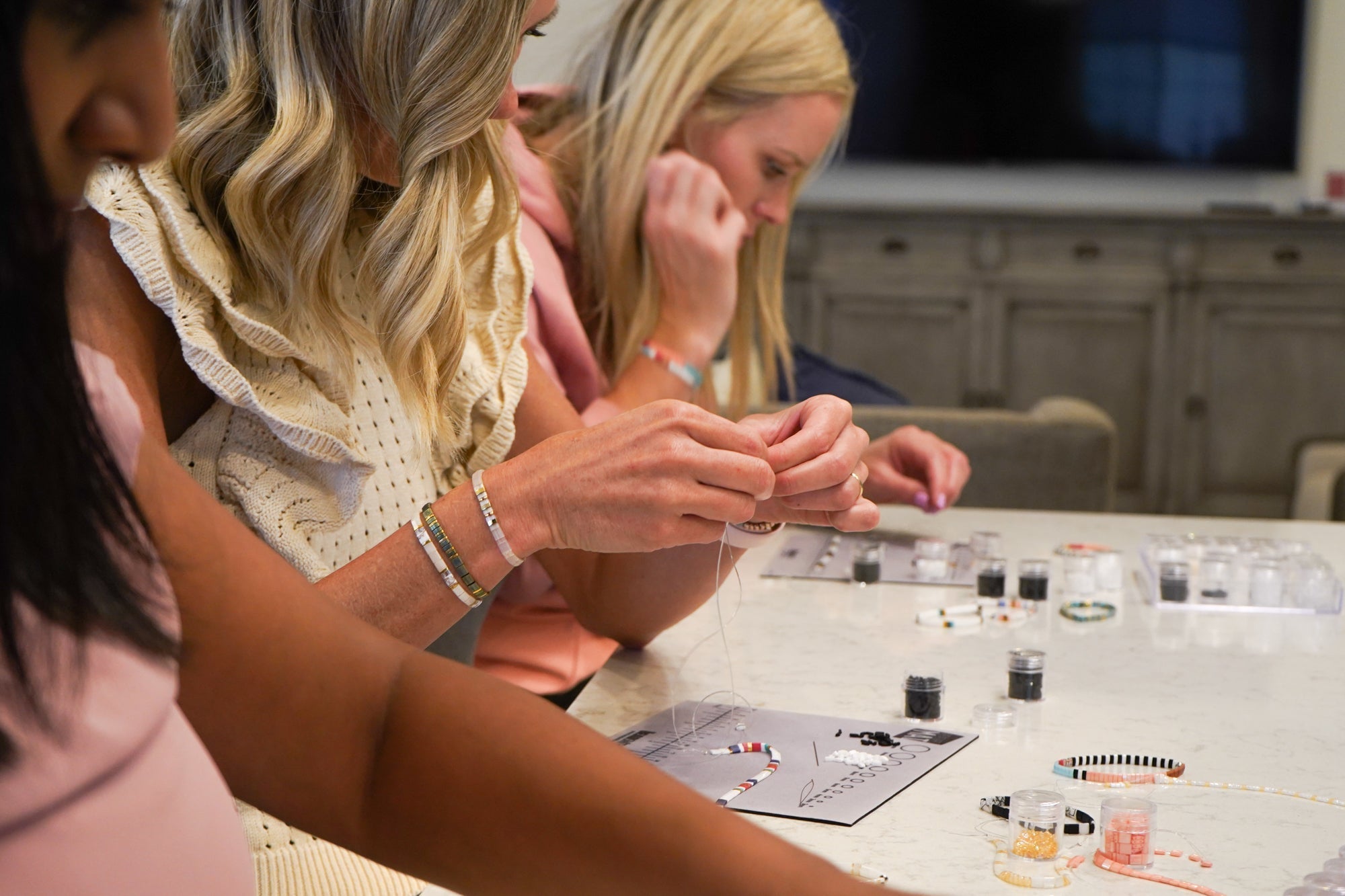
Mack & Rex stocks loose Miyuki tila beads and curated color mixes across opaque, matte, luster, metallic, and Picasso finishes, sorted so you can shop by family rather than hunt one shade at a time. Our seed bead collection is where most of our DIY customers start, whether they're restocking a specific shade or building a brand-new palette from scratch.
A small-parts note, since it matters: tila beads are a choking hazard for young children, so any crafting session involving kids should happen with an adult supervising and beads kept away from toddlers. That's true no matter whose beads you're using.
If you'd rather skip the color math entirely, our pre-made bracelets and trio kits are already built around tested color-and-finish combinations, and shipping is free on US orders over $100 (international orders ship too, with duties and shipping calculated at checkout).
Frequently Asked Questions
How many colors do tila beads come in?
Miyuki makes tila beads in several hundred color and finish combinations once you count every shade across opaque, matte, luster, metallic, silver-lined, and Picasso families. No single shop stocks all of them, so most retailers carry a curated few hundred of the most popular and useful shades.
What is the most popular tila bead finish?
Opaque and Picasso finishes tend to sell the most for bracelet-making. Opaque gives a clean, solid color that's easy to match, and Picasso gives a textured, speckled, earthy look that reads as more one-of-a-kind. Luster and metallic finishes are popular for adding shine to a mixed stack.
Can you mix different tila bead finishes in one bracelet?
Yes. Mixing finishes, like pairing a matte neutral with a metallic accent or a Picasso bead with an opaque solid, is one of the easiest ways to add depth to a bracelet without adding more colors. Most Mack & Rex bracelet stacks use two or three finishes within the same color family.
Do tila bead colors fade over time?
Genuine Miyuki tila beads are made of dyed and coated glass, which holds color far better than painted plastic beads. Opaque and matte finishes are the most color-stable long term. Some metallic and AB (aurora borealis) coatings can dull slightly with heavy wear, so it's smart to avoid soaking a finished bracelet.
What tila bead colors go well together?
A reliable approach is to pick one dominant color, one neutral, and one accent finish rather than three competing bold colors. Tonal pairings (navy with sky blue, blush with terracotta) and classic neutral-plus-metallic combos (sand and gold) are both nearly foolproof for a first bracelet stack.