

What's the Difference Between Tila Beads and Seed Beads?
What's the difference between tila beads and seed beads?
Tila beads are flat, 5mm square glass beads with two holes, made by Miyuki. Seed beads are tiny glass beads, usually round or short cylinders, with a single hole. The shape, the hole count, and the size change how you stitch with each one.
That's the short version. If you've ever stared at a bead aisle wondering why the little squares cost more than a whole tube of tiny rounds, this is for you. We're a mom and her two daughters (Mack and Rex), and we get this question constantly. So let's walk through it the way we'd explain it at our own craft table.
What exactly is a tila bead?
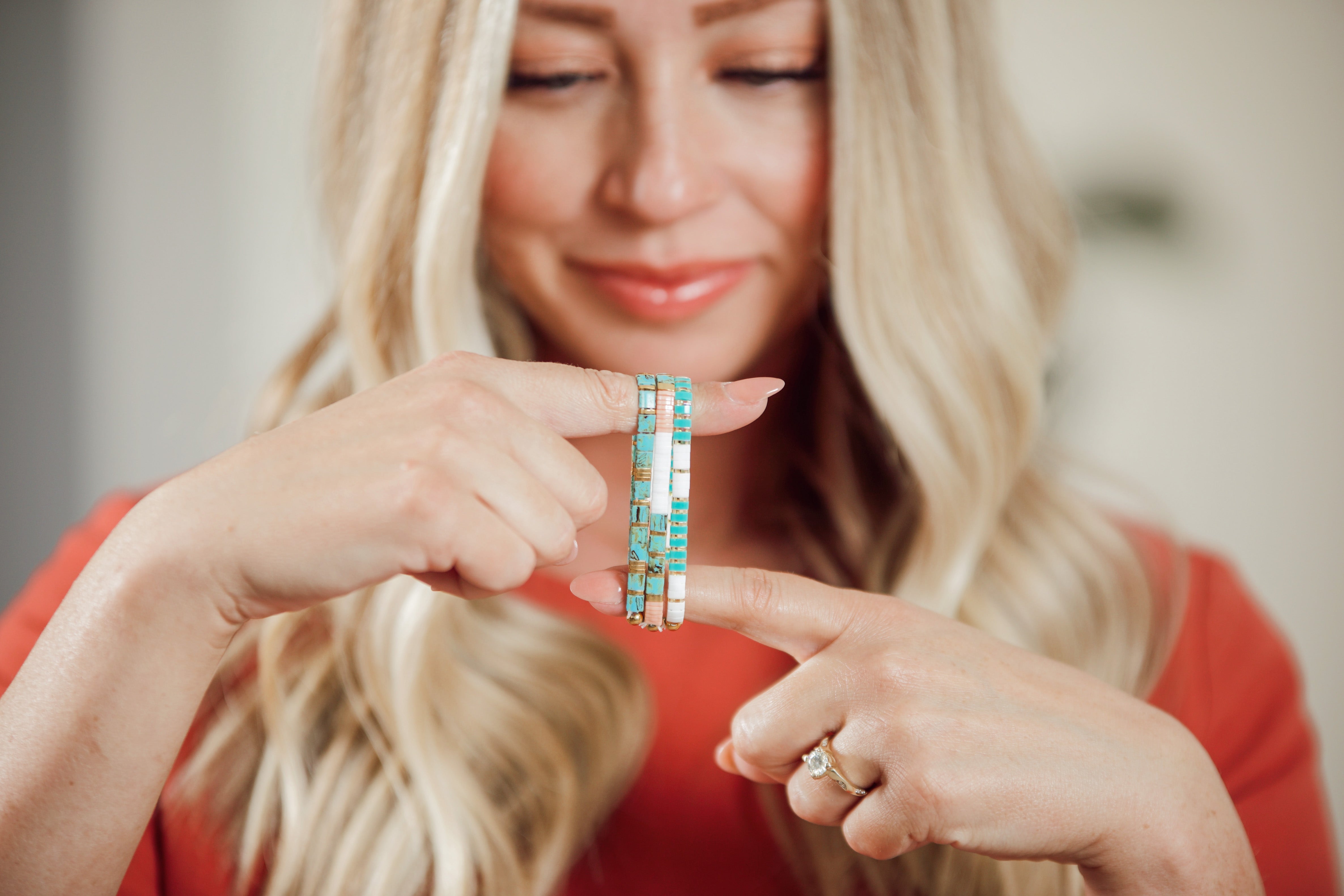
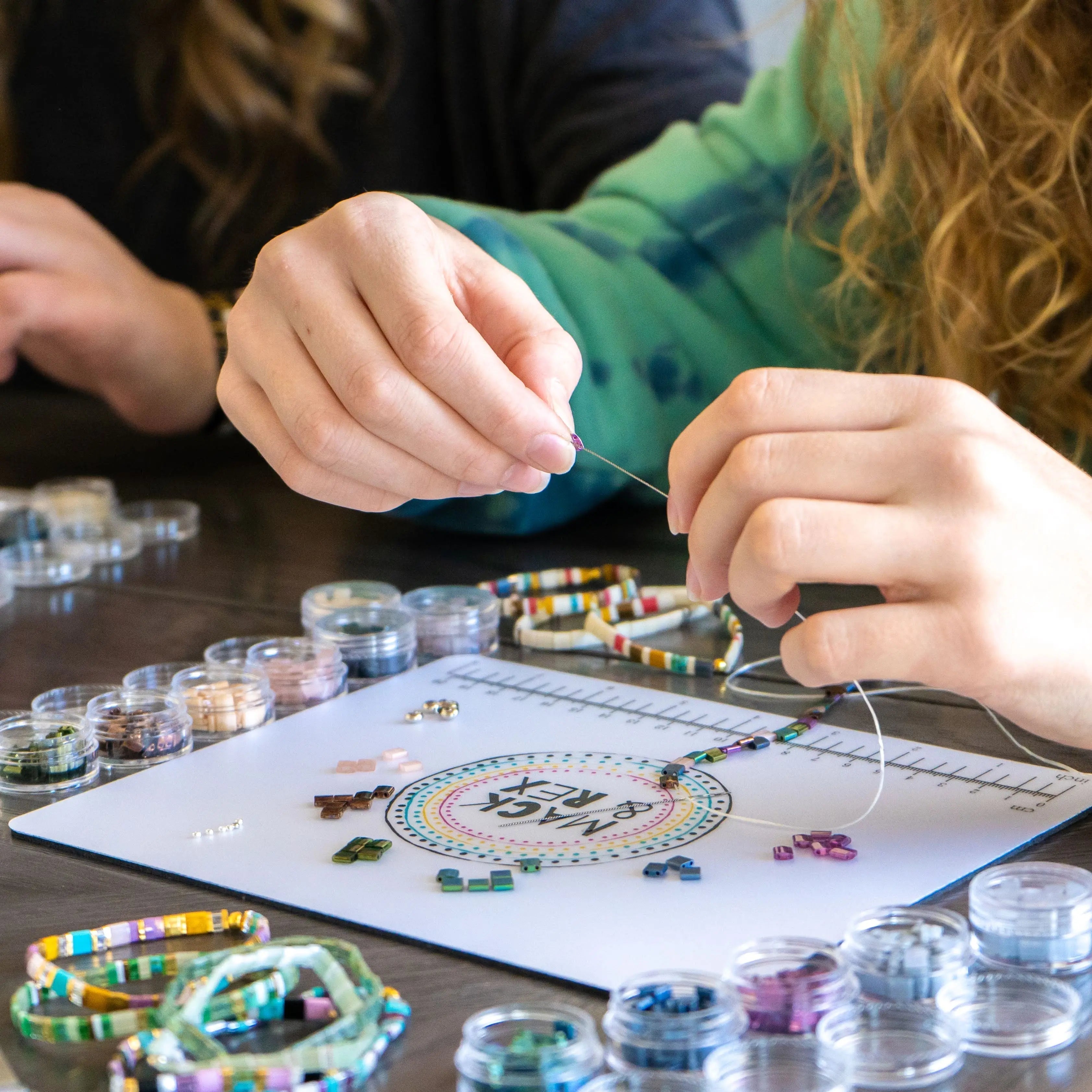
A tila bead is a Miyuki glass bead shaped like a small flat square, about 5mm on each side, with two parallel holes running through it. Because the holes sit side by side, you can stitch beads into tidy, grid-like rows that lay flat.
Miyuki is a Japanese glass bead maker, and Tila is one of their trademarked bead lines. Mack & Rex resells Miyuki Tila beads. We don't make them. What we do is pick the colors, build the mixes, and put together kits that make the whole process easier.
Those two holes are the real magic. One thread path goes through each hole, so the beads lock together and the finished piece looks almost like woven tile. Think tiny mosaic. That's why tila bracelets have that clean, flat, jewel-like look.
What exactly is a seed bead?
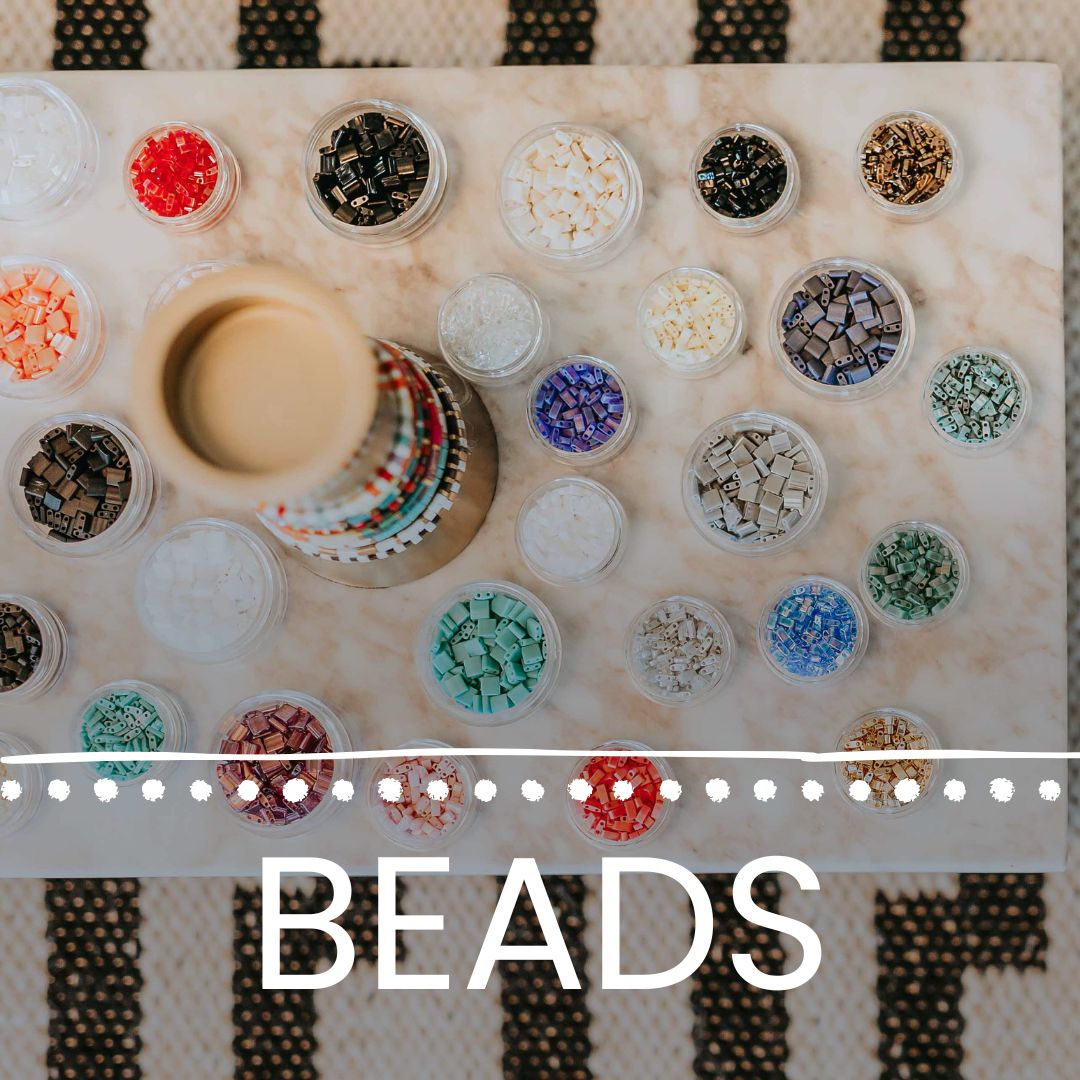
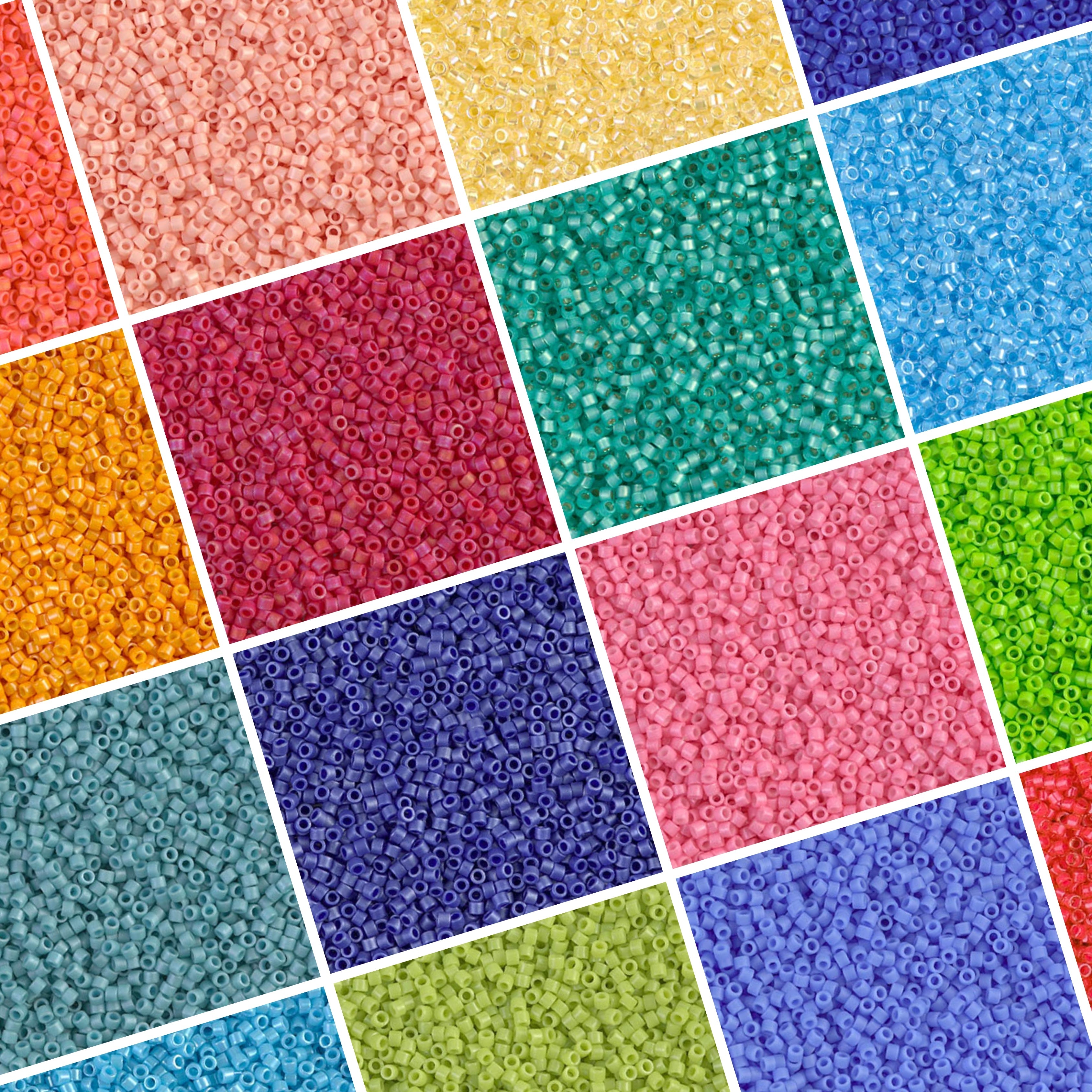
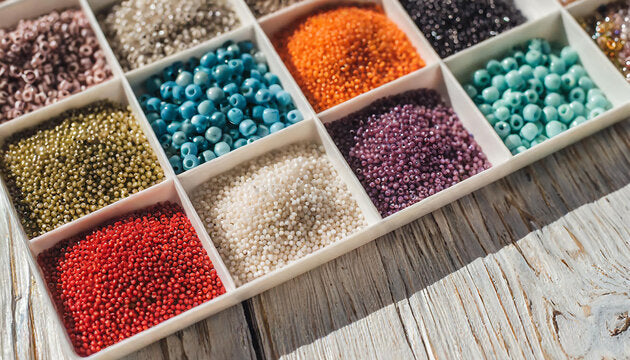
A seed bead is a small, uniformly shaped glass bead with one hole, most often round or cylinder shaped. Sizes are given with a slash, like 15/0, 11/0, and 8/0, and a bigger number means a smaller bead.
The craft world has used them for a very long time. If you want background on the history and the main types, the Wikipedia entry on seed beads is a solid general reference. Round seed beads have a soft, pebbly look. Cylinder beads, like Miyuki Delica, are straight-sided with big holes, so they sit flush against each other in a row.
Seed beads are wonderful for fine, detailed work. They're also small. Really small. An 11/0 bead is roughly 2mm across, so you'll want good light and a bit of patience.
How do tila beads and seed beads differ in shape and size?
Tila beads are flat squares about 5mm wide with two holes. Seed beads are small rounds or cylinders, often 2mm or less, with one hole. Tila is bigger and flatter. Seed beads are tinier and more varied in shape.
A quick side-by-side:
- Shape: Tila is a flat square. Seed beads are round or cylinder.
- Holes: Tila has two. Seed beads have one.
- Size: Tila is about 5mm. Common seed beads run from roughly 1.5mm to 3mm.
- Look: Tila gives a tiled, geometric surface. Seed beads give a smooth, fine-grained texture.
- Thread path: Tila needs a pass through each hole. Seed beads follow a single line.
For a hands-on feel, picture a 5mm tila square next to an 11/0 seed bead. You could fit a handful of seed beads across a single tila. That size gap is why a tila bracelet comes together faster.
How is each type of bead used in jewelry?
Tila beads are stitched into flat bracelets, rings, and earrings, usually with a pattern of colored squares. Seed beads are used for woven or loomed pieces, fine edging, spacers, and detailed designs. Many makers combine both in one piece.
Tila is a favorite for bracelets because the shape does most of the design work for you. Pick a color mix, follow the pattern, and the squares line up. It's a friendly place to start for anyone who's never stitched before.
Seed beads shine when you want small details or curves. Think of tiny floral motifs, fringe, or a delicate band. They also make great accents next to tila, like a little border at the clasp. Craft retailers such as Beadaholique and Lima Beads carry both shapes in many sizes, which is handy if you want to see the range side by side.
Which one is easier for beginners?
Tila beads are usually easier for beginners. They're larger, easy to pick up, and the flat squares show your pattern clearly. Tiny seed beads can feel fiddly at first, though plenty of people love them once they've got a few projects under their belt.
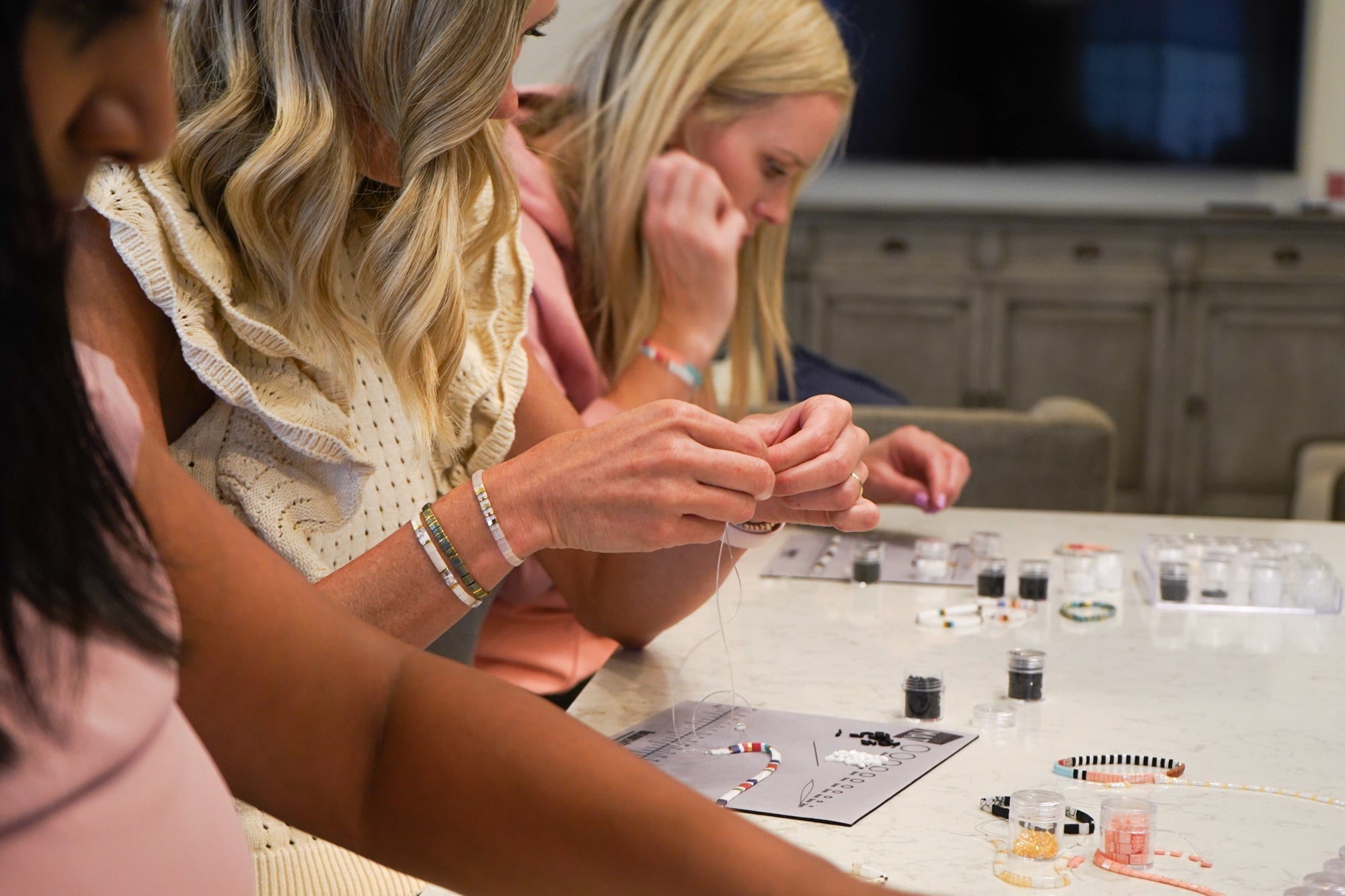
At our own craft table, small rounds take noticeably longer to stitch than tila does. Big difference. The squares are forgiving, so if you drop one you can actually find it.
That said, tila isn't "easy mode" and seed beads aren't "hard mode." They're just different. A good tila starter project builds your thread control, which then makes seed bead work less scary down the road.
A quick safety note. Beads are small parts and a choking hazard. If kids are crafting with you, an adult should supervise the whole time and keep loose beads out of reach of little ones.
Why does Mack & Rex build kits on Miyuki Tila?
We build our bracelet kits on Miyuki Tila because the beads are consistent in size and color, easy to see, and friendly for first-timers. Consistent beads mean fewer surprises, and fewer surprises mean more finished bracelets and less frustration.
Mack and Rex wanted a craft that moms and daughters could finish in one sitting. Tila fit. The squares are big enough to hold comfortably, the colors are rich, and the two-hole design gives a polished result even on a first try.
We're still big fans of seed beads, and our seed bead collection is where you'll find them. But for kits, tila is where we landed. Our Trio bracelet kits (they make 3 bracelets) are $44.99, and the DIY Bracelet Kit Club (3 bracelets) is $36.99. If you'd like to go bigger, the Tila Bead Starter Kit makes 20 bracelets and is $189.99. The Ultimate Tila Bracelet Kit makes 80 and is $399.99.
Prefer to try tila before you commit? Tila mixes run about $5 to $9, and finished single bracelets are about $20 to $25. And if you buy 3 finished bracelets, you get 1 free. That offer applies to finished bracelets only, not kits or beads.
Do tila beads and seed beads work together?
Yes, they pair really well. Seed beads make nice spacers, borders, and clasp finishes next to tila squares. Using both can add texture and sparkle, and it lets you work small details into a piece built mostly from flat tila beads.
A simple way to try it: stitch a tila bracelet, then add a row of seed beads along one edge for a soft border. It takes a few extra minutes and gives the piece a custom look.
If you'd like to read more about the Japanese glass makers behind these beads, Miyuki's own site is a good place to look. It's a general overview of the company and its product lines.
Frequently asked questions about tila beads and seed beads
Are tila beads a type of seed bead?
Tila beads are made by Miyuki and are often sold alongside seed beads, but they're a different shape. A tila bead is a flat 5mm square with two holes, while a classic seed bead is a tiny round or cylinder bead with one hole.
Are tila beads easier than seed beads for beginners?
Most beginners find tila beads easier. They're larger, flat, and have two holes, so the pattern is easy to see and the beads sit in neat rows. Tiny seed beads need more patience and good lighting.
Can you use tila beads and seed beads together?
Yes. Seed beads are often used as spacers or edging between tila beads, and they work well for adding a little sparkle or finishing the clasp area.
Does Mack & Rex ship tila bead kits internationally?
Yes. Mack & Rex ships internationally, with shipping and any customs or duties calculated at checkout. Free shipping applies to US orders over $100.