


Are Tila Bead Bracelets Waterproof? What to Know Before Everyday Wear
Are Tila Bead Bracelets Actually Waterproof?
The short answer: no. Tila bead bracelets are not waterproof, and any brand that says otherwise is overselling. The Miyuki glass tile beads themselves handle moisture fine, glass doesn't rust, corrode, or absorb water. The weak point is the elastic cord holding everything together. Water, heat, soap, and sweat all work on elastic over time, softening the fibers, reducing stretch, and eventually causing snaps. That said, "not waterproof" doesn't mean "fragile." With the right habits, a tila bead stack holds up beautifully for daily wear.
What Actually Happens When a Tila Bracelet Gets Wet?
One accidental splash won't ruin your bracelet. The problem is repeated exposure. Every time elastic cord gets wet and dries, it loses a little elasticity. Hot water speeds this up. Cold pool water with chlorine speeds it up more. Soap and shampoo strip the protective coating on the cord. A bracelet that gets soaked daily during a shower might last six months. The same bracelet worn with care could last two to three years or longer.
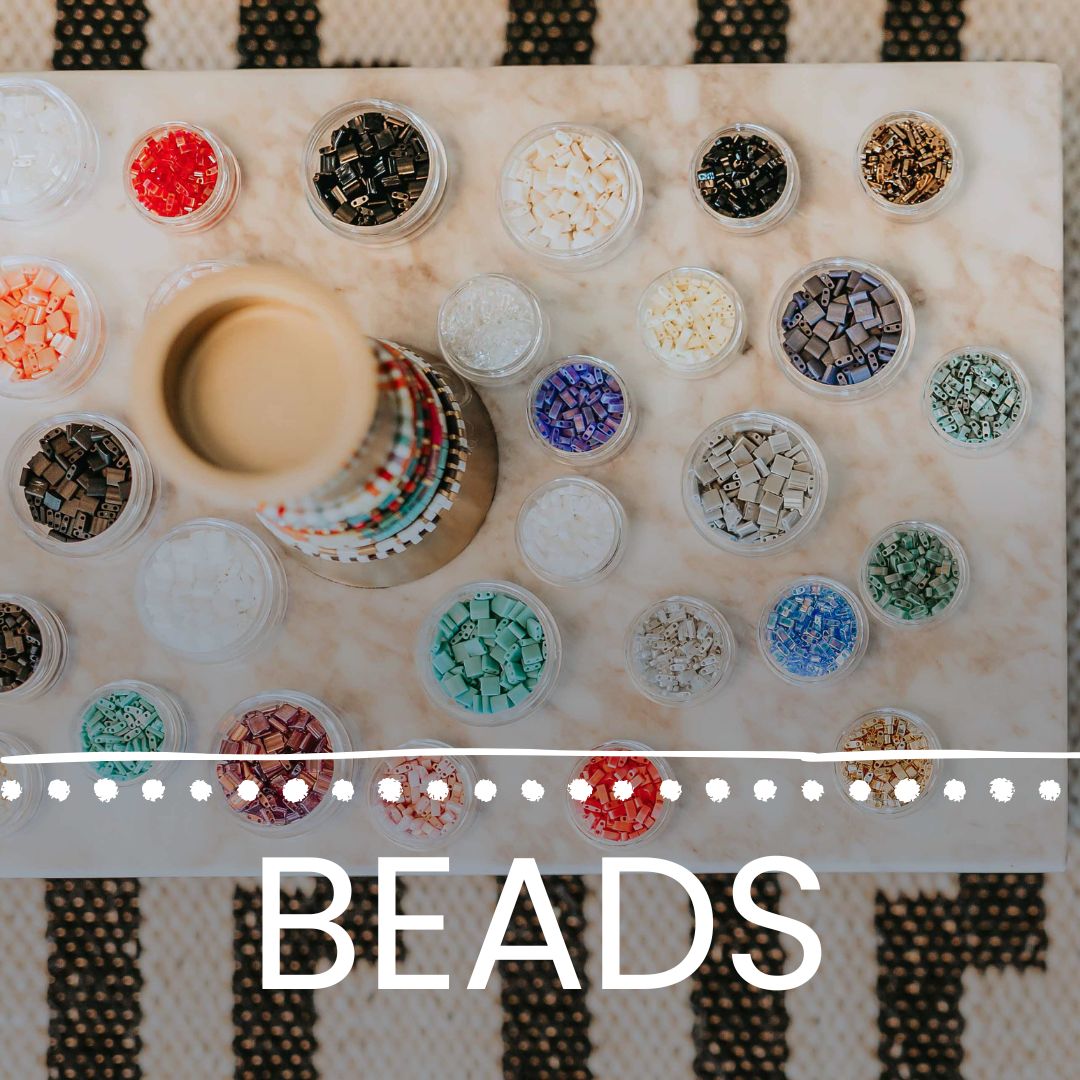
The beads themselves are largely unfazed. Miyuki manufactures Tila beads from high-quality Japanese glass, and glass is non-porous. Water moves off the bead surface without leaving damage. Where you do want to pay attention is bead finish. Opaque and solid-color finishes are the most resilient. Galvanized finishes (the bright metallic ones) can dull faster with regular moisture and friction. Miyuki's Duracoat galvanized beads use a thicker, more durable coating that holds better, but even those benefit from drying before storage.
Does Sweat Damage a Tila Bead Stack?
Sweat isn't catastrophic, but it adds up. Perspiration contains salts and body oils that gradually work into the cord fibers and sit against bead finishes. A morning workout where you get sweaty is much lower risk than a shower, because the bracelet dries quickly on your wrist. Still, wiping down your stack with a dry cloth after heavy activity and letting it air out before putting it away makes a real difference over months of wear. According to Perles & Co, a UK beading supplier, environmental factors including sweat and UV exposure are among the main reasons elastic bracelets degrade ahead of schedule. Read their breakdown of elastic bracelet failure points here.
The Elastic Cord Makes All the Difference
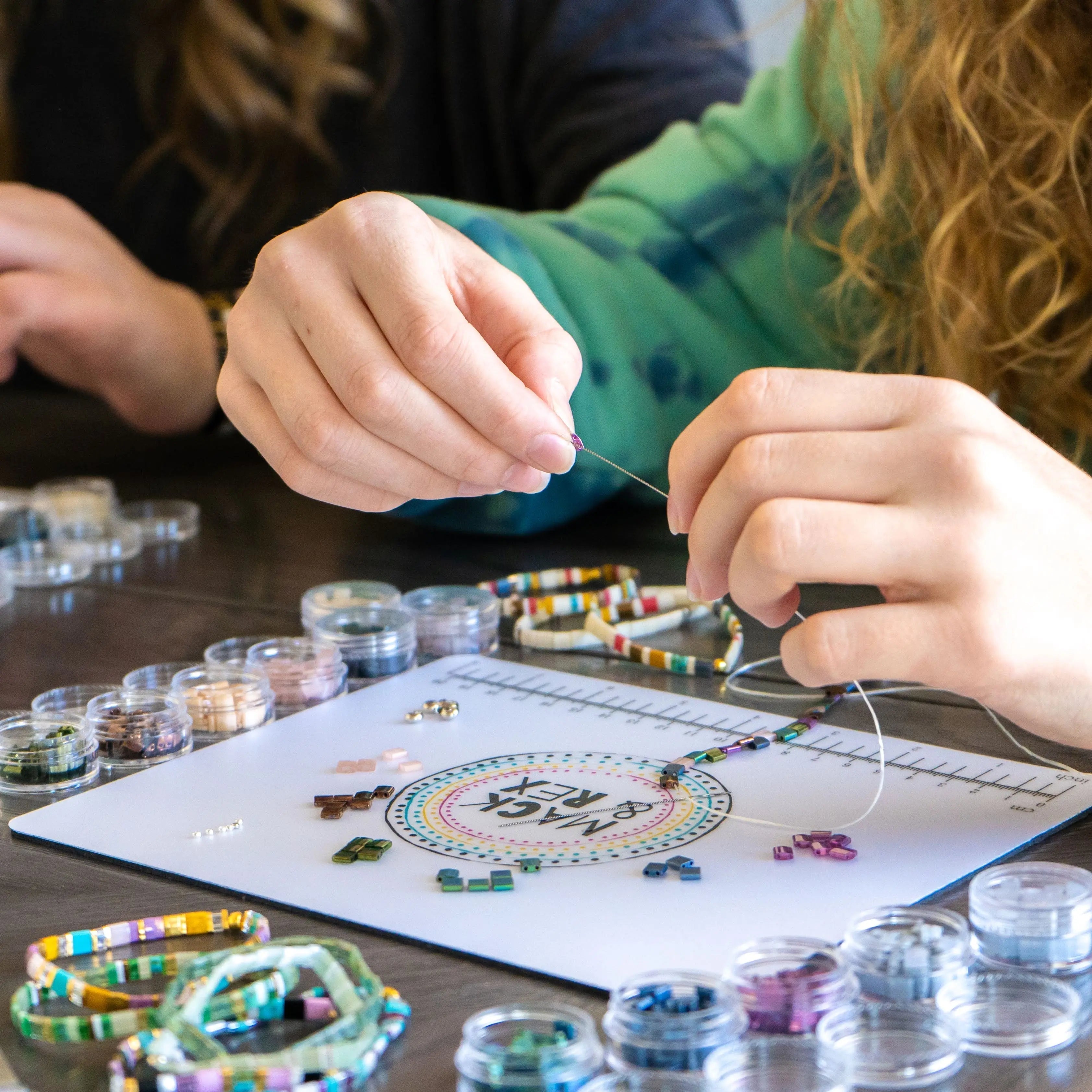
Not all stretch bracelets are equal. The quality of the cord matters as much as the beads. Crystal-cord elastic (a braided crystalline fiber) is stronger and more water-resistant than basic round elastic. It holds a knot better and doesn't fray as fast. At Mack & Rex, the finished tila bead bracelets are strung on crystal-cord elastic, that's part of what's behind their quality guarantee. If you've ever had a cheap stretch bracelet snap after a few weeks, it's almost always a cord issue, not a bead issue.
Pre-stretching the cord before stringing also matters. A cord that hasn't been pre-stretched will loosen after the first few wears, making the bracelet feel floppy before the cord even starts to degrade. Well-made bracelets account for this. Satin Crystals, a crystal bracelet specialist, recommends inspecting the cord every few months and restringing when you see fraying, a quick check that can extend a bracelet's life significantly. Their full stretch bracelet care guide walks through the warning signs.
How to Wear a Tila Bead Stack Every Day (and Keep It Looking Good)
Daily wear is absolutely doable. The habits are simple:
- Put it on last. After lotion, perfume, and sunscreen. Products sit on the cord and break it down faster.
- Take it off before water. Showers, dishes, swimming, even hand-washing when possible. A few seconds of effort saves months of cord life.
- Roll, don't stretch. Slide the bracelet over your hand with a gentle rolling motion. Pulling it wide over your knuckles puts sudden stress on one section of cord and is the fastest way to snap it.
- Wipe after workouts. A quick pass with a dry cloth removes sweat and oils before they settle in.
- Store flat in a dry spot. A small jewelry pouch or drawer liner, away from direct sun. Heat and UV break down elastic faster than water does.
- Check the cord every few months. Pull the beads apart gently. If you see tiny white fibers or the cord looks thin in spots, it's time to restring.
Be Fruitful Jewelry's glass bead care guide echoes this, glass holds up well, but the fittings and stringing materials need the most attention for long-term wear. Their full glass jewelry care breakdown is worth a read.
What Makes a Tila Bead Stack Good for Everyday Wear?
A few things to look for when choosing a stack you'll actually wear daily:
- Crystal-cord elastic over standard round elastic. Stronger, holds a better knot, lasts longer.
- Quality beads with durable finishes. Matte, opaque, and solid-color Miyuki Tila beads outlast heavy metallic finishes for daily wear, though with good care, metallic and galvanized beads hold up well too.
- Good sizing. A bracelet that's too tight stretches the cord on every wear. Mack & Rex bracelets come in sizes from XXS to 5XL, which matters more than most people realize. A bracelet that fits right sits on the wrist without constant tension on the cord.
- A quality guarantee. A brand that stands behind the build is backing the materials they chose.
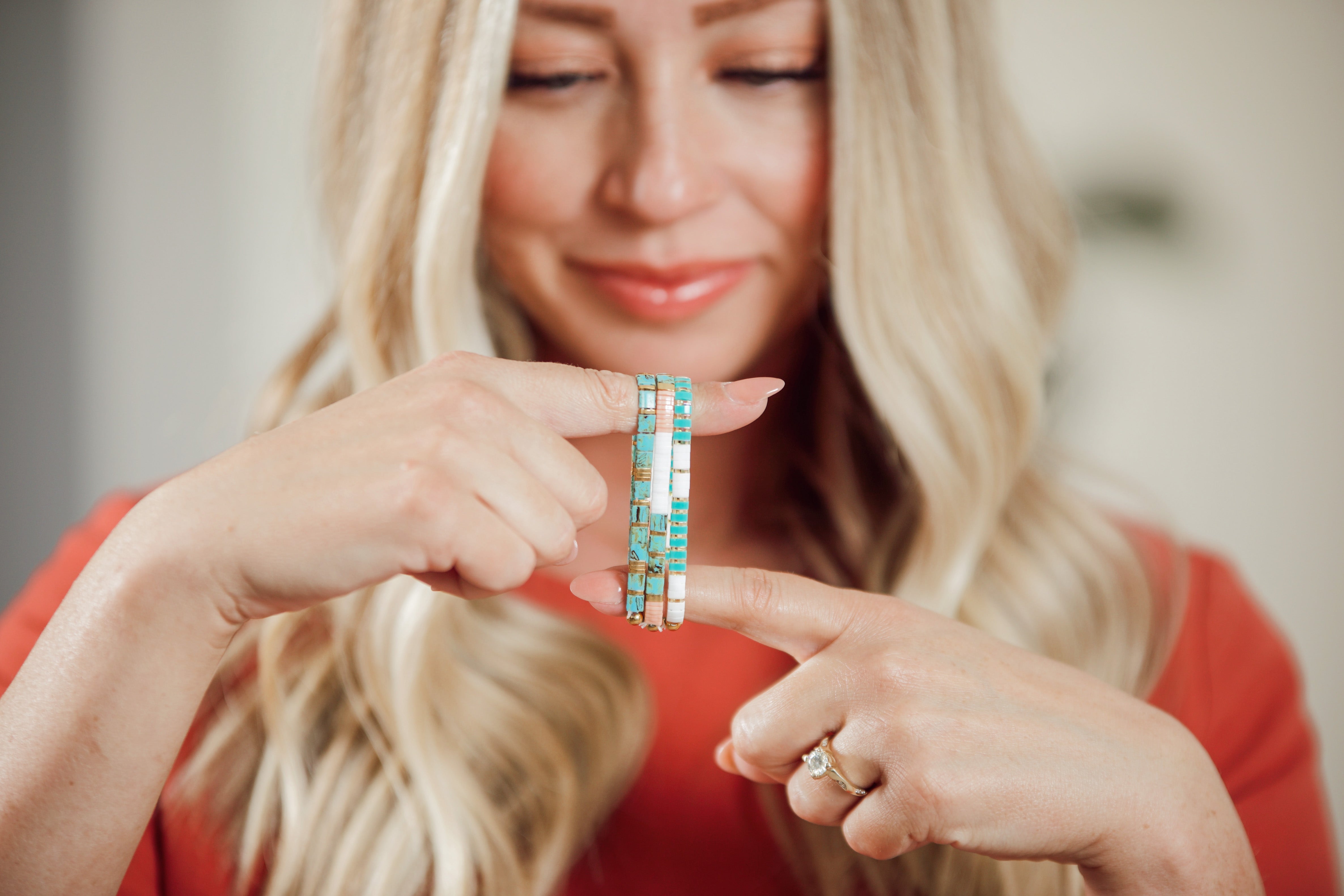
The Mack & Rex tila bead bracelet collection hits all of these. The bracelets are finished with crystal-cord elastic, sized across an inclusive range, and sold with a quality guarantee. The whole lineup, stacks, singles, seasonal drops, is designed for people who want something they can actually live in, not just display.
A Quick Word on Swimming and Showering
Pool water has chlorine. Ocean water has salt. Both are harder on elastic cord than fresh water. If you swim regularly and want to wear your bracelet poolside, think of your stack as off-wrist gear for swimming sessions. The same goes for long hot showers, the combination of steam, soap, and heat is genuinely rough on elastic. It's not that one shower ruins everything. It's that the bracelet that gets showered in daily just won't last as long as one that doesn't. If yours does get soaked, rinse with cool fresh water, pat dry, and let it air out fully before storing.
The Honest Take
Tila bead bracelets are great for everyday wear. They're not waterproof, and they're not meant to be. What they are is durable, comfortable, and built to be worn, as long as you treat the elastic with the small amount of care it needs. The beads will outlast the cord by years. A few minutes of attention per week is all it takes to keep a stack looking as good as day one.
Ready to find a stack you'll wear every day? Browse the Mack & Rex tila bead bracelet collection, singles, stacks, and seasonal drops, all in sizes XXS through 5XL. Orders over $100 ship free to US addresses.
FAQ: Tila Bead Bracelets and Water
Are tila bead bracelets waterproof?
No. The glass beads are water-resistant, but the elastic cord is vulnerable to repeated moisture exposure. Remove your bracelet before showering, swimming, or doing dishes to keep it in good shape.
Can I wear a tila bead bracelet every day?
Yes. With basic care habits, putting them on after lotion and taking them off before water, a well-made tila bead bracelet on crystal-cord elastic can last two or more years of daily wear.
Does sweat damage tila bead bracelets?
Light sweat during the day isn't a major problem, but wipe your stack down after heavy workouts and let it air dry. Sweat salts and oils gradually break down the cord if left to sit.
What bead finishes hold up best to everyday wear?
Opaque and matte finishes on Miyuki Tila beads are the most durable for daily wear. Galvanized and luster finishes can show wear faster with regular moisture. Miyuki's Duracoat galvanized beads use a thicker coating that resists wear better than standard galvanized options.
How do I make a tila bead bracelet last longer?
Keep it away from water, heat, and product buildup. Roll it on and off instead of stretching it wide. Store it flat in a dry spot. Inspect the cord every few months and restring when you see any fraying.