

What Are Heishi Beads? A Beginner's Guide to the Flat Clay Bead Everyone's Stacking
What Are Heishi Beads?
Heishi beads are small, flat, disc-shaped beads with a hole drilled through the center, traditionally cut from shell or stone and now most often made from polymer clay. The name comes from the Kewa Pueblo people of New Mexico, whose word for shell bead gave the style its name long before clay versions existed.1
Picture a tiny, uniform coin with a hole punched through the middle, then a whole strand of them strung edge to edge. That's the heishi shape in one image. Unlike round seed beads, which meet at a single point of curvature, flat heishi discs sit face to face, so a finished strand reads as a smooth, continuous line of color rather than a row of separate bumps. It's a simple shape, but it's the reason heishi bracelets have such a clean, minimal look on the wrist.
Where Did Heishi Beads Come From?
Heishi beads trace back to the Kewa Pueblo (formerly Santo Domingo Pueblo) of New Mexico, where artisans hand-chipped and drilled shell into small disc beads long before metal jewelry was common in the region. The oldest known examples date to around 6000 BCE, and similar hand-drilled disc techniques go back even further, roughly 30,000 years, in shell and ostrich-eggshell beadwork from northern Africa.1
That's a genuinely old craft tradition. Early heishi makers ground shell down by hand, drilled a hole through each rough piece with a pointed stone, then strung and sanded the whole strand together so every bead ended up the same size. Modern production swapped hand tools for machines, but the basic idea, a strand of uniform flat discs, hasn't changed in thousands of years.
What Are Heishi Beads Made of Today?
Today's heishi beads are mostly polymer clay, a moldable, oven-hardened material that takes color easily and cuts into perfectly uniform discs at a fraction of the cost of shell or stone. Shell and polished-stone heishi still exist, usually in higher-end or Southwestern-style jewelry, but the beads on most stacking bracelets and friendship bracelets you'll see today are polymer clay.
Polymer clay is a modeling material built on a PVC base rather than natural clay minerals; it stays soft and workable until it's baked, which is what lets manufacturers cut it into thin, consistent discs at scale.2 That's a real practical upgrade for beginners. Clay heishi comes in nearly unlimited colors, doesn't chip like shell can, and costs a small fraction of what genuine stone or shell heishi runs. Mack & Rex's heishi beads are all polymer clay for exactly this reason: consistent size, consistent color, and a price point that makes experimenting with a new stack easy.
What Sizes Do Heishi Beads Come In?
6mm is the standard heishi bead size for bracelets and the size you'll see most often in stacking and friendship-bracelet designs. Smaller discs, down around 4mm, show up in finer, more delicate pieces, while larger heishi beads in the 8 to 10mm range work better for chunkier statement jewelry.
Mack & Rex's heishi beads run 6mm with a 2mm hole, sized for standard stretch cord, and each strand measures roughly 16 inches with somewhere between 320 and 450 beads on it. That's a real, concrete number worth knowing before you buy: one strand comfortably makes more than one bracelet, so it's smart to plan a stack rather than a single piece from the start.
How Are Heishi Beads Different From Tila Beads?
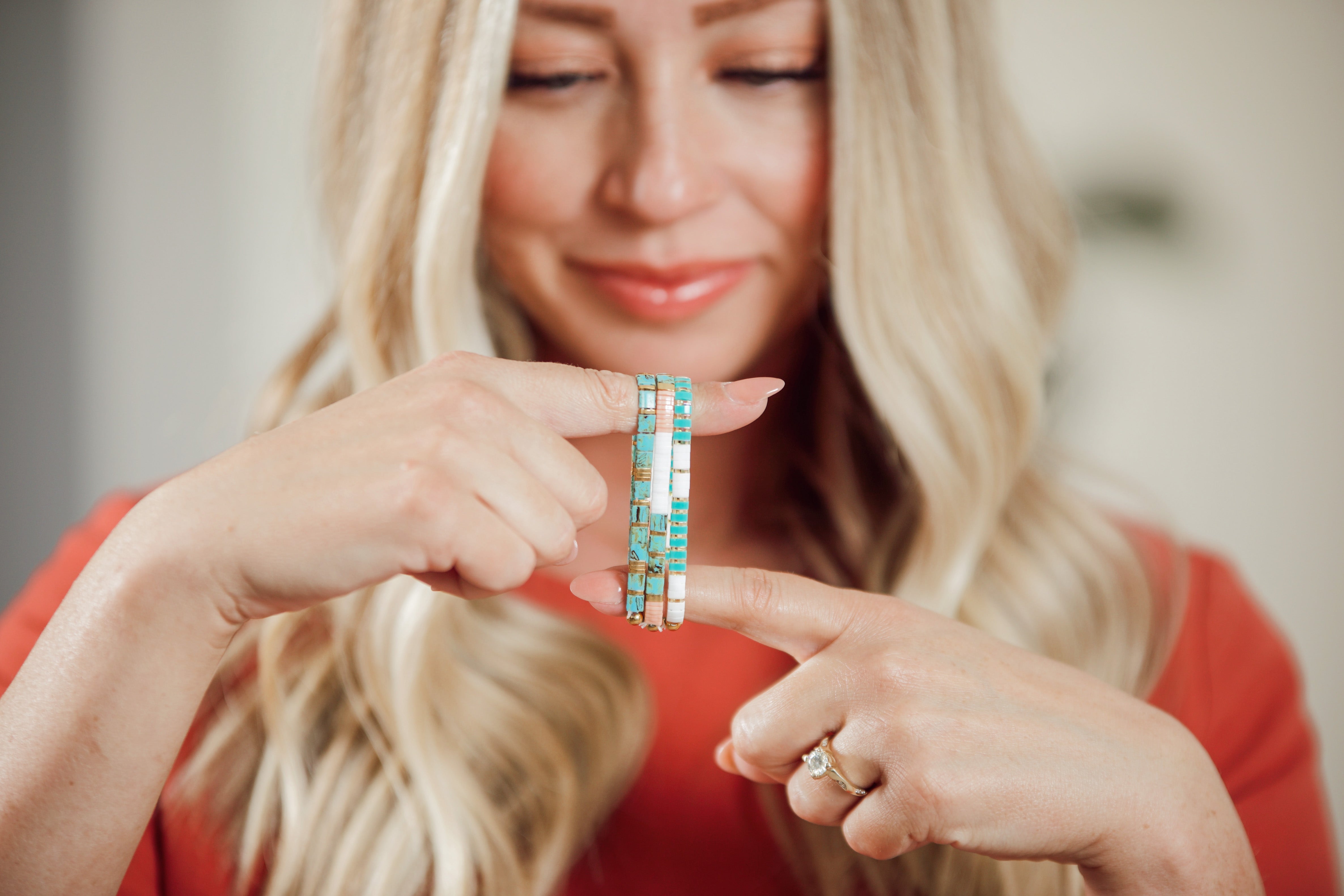
Heishi beads are flat, round discs with one hole through the center, usually polymer clay. Tila beads are flat, square glass tiles with two parallel holes, made by Miyuki, the Japanese glass bead manufacturer. Both styles lie flat and stack well, but they come from different materials, different shapes, and different stringing methods.
The hole count is the biggest functional difference. A single-hole heishi disc threads onto one strand of stretch cord, quick and beginner-friendly. A Tila bead needs two strands (or two passes of the same cord) through its two holes to lock the square face in place, which is a slightly more involved technique.3 Color and finish differ too. Heishi clay comes in soft matte pastels and solids, while Tila beads carry the glossy, faceted glass finish Miyuki is known for. Neither shape is "better," they just build different looks, and a lot of stackers end up mixing both in the same wrist rotation.
What Colors Can You Get in Heishi Beads?
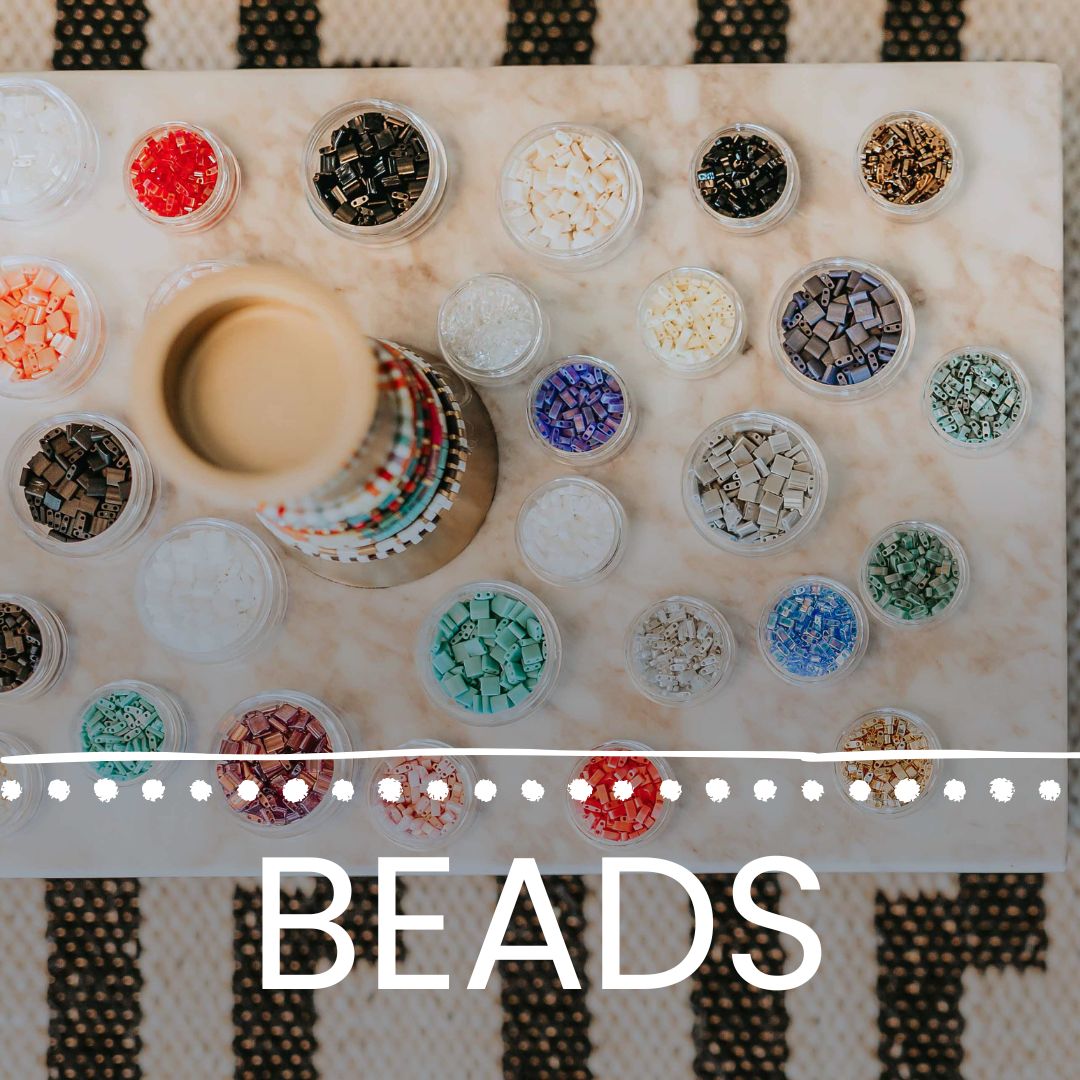
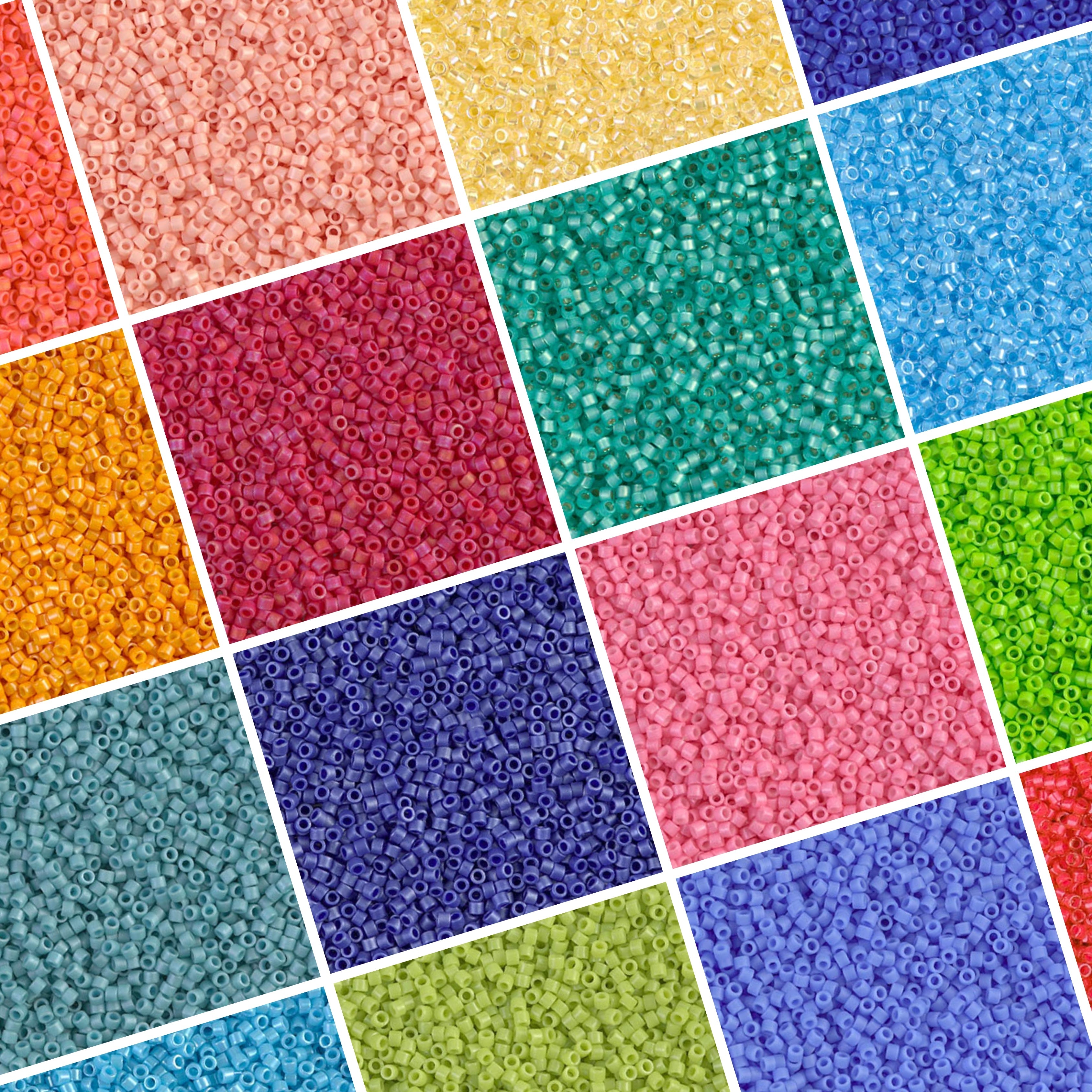
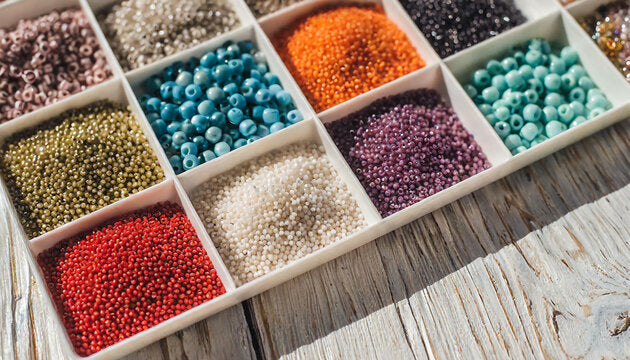
Heishi colors lean toward soft, wearable tones: neutrals like light gray, dark gray, and pearl pink, warm shades like gold and rosy brown, and a handful of brighter pops like neon tangerine or neon yellow for accent pieces. Because the beads are polymer clay, manufacturers can match almost any shade consistently across an entire production run.
That consistency matters more than it sounds like it should. Order a strand of "misty rose" heishi today and a strand next month, and the color should read the same on both. It's part of why heishi has become the go-to base for coordinated bracelet stacks. A stack built on two or three neutral heishi tones with one bright accent color reads as intentional, not random.
How Does a Beginner Start a Heishi Stack?
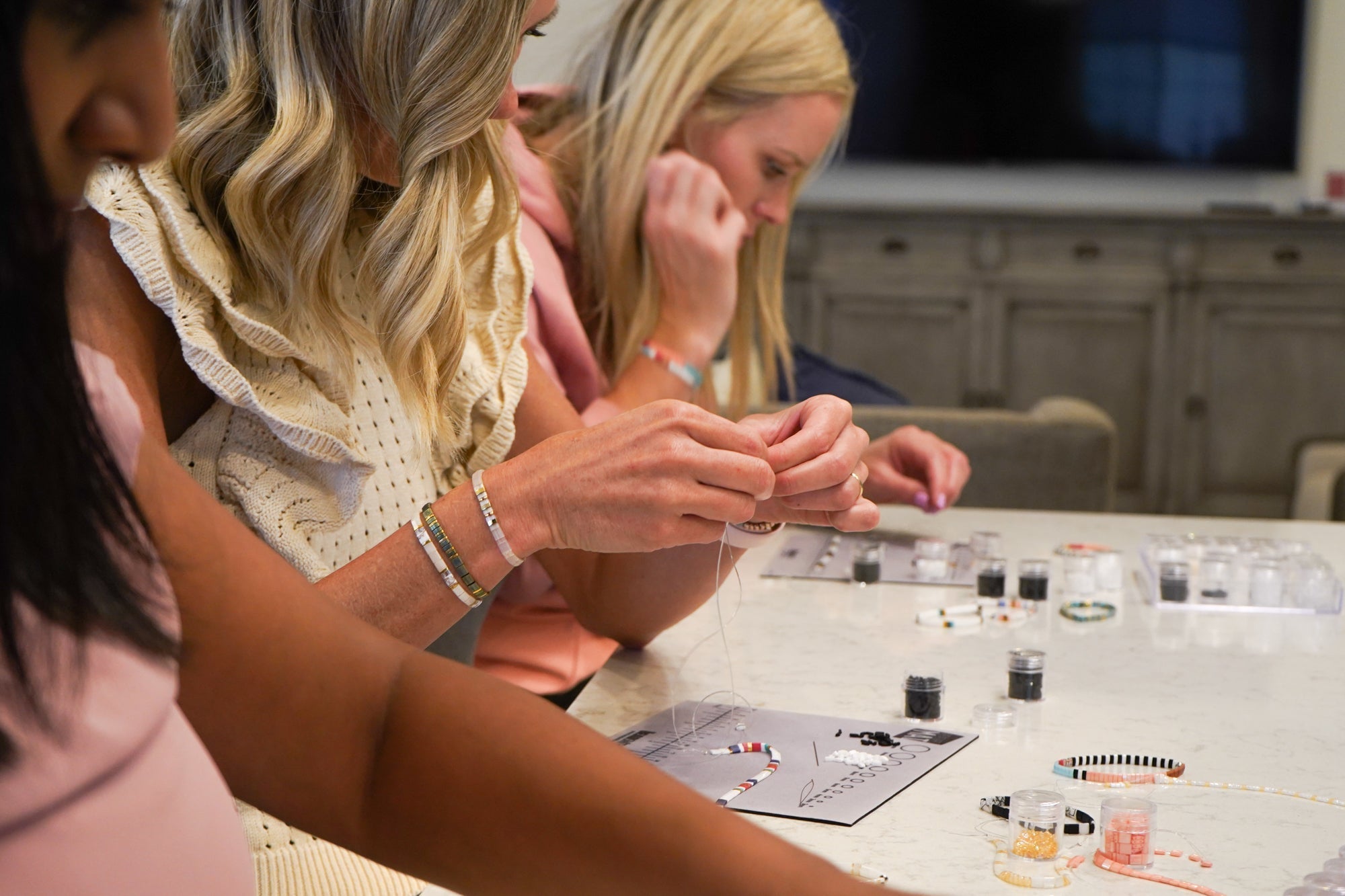
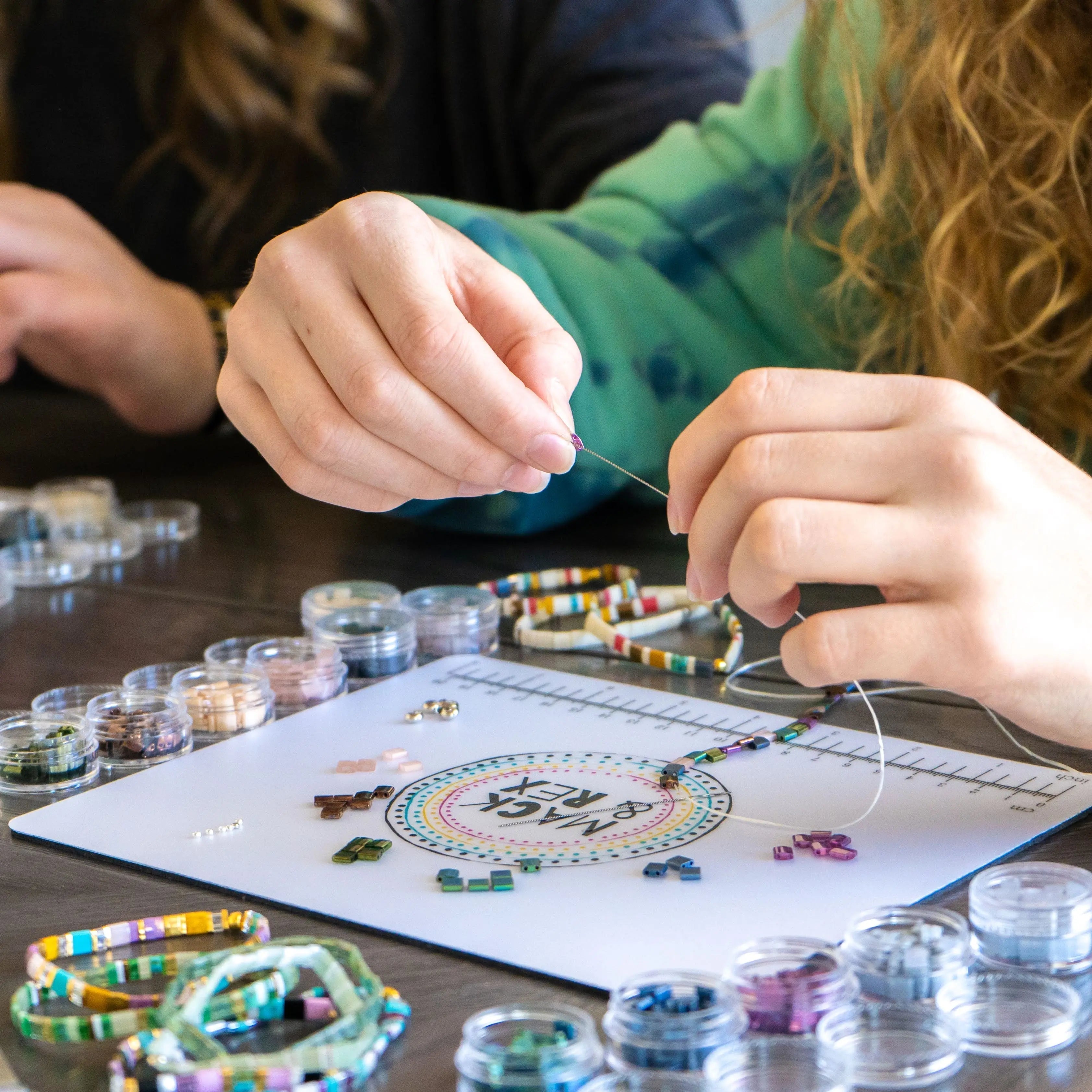
Start with one neutral heishi color as a base bracelet, add a single accent color or bead shape for contrast, then repeat the pattern across two or three bracelets so the pieces read as a set. Stretch cord makes the actual stringing simple since each disc only has one hole to thread.
Here's the beginner method in order. First, pick a neutral, light gray or pearl pink work well, for the bracelet that anchors the stack. Second, choose one accent color or a different bead shape to break up the neutral base; one point of contrast is plenty for a first attempt. Third, measure the wrist and cut stretch cord with a little ease built in, then thread the beads on. Fourth, tie a secure double knot and test the stretch a few times before calling it done. Fifth, repeat the process for a second and third bracelet in related colors. Three pieces built this way already look like a coordinated stack, not three random bracelets thrown on the same wrist.
A Note on Safety When Kids Are Crafting
Heishi beads are small enough to be a real choking hazard, so keep an adult at the table any time kids are stringing them, and keep loose beads away from children under three or anyone who still puts small objects in their mouth. They're a craft supply, not a toy, and they aren't sized or marketed for very young children.
Where to Buy Heishi Beads to Start Your Stack
Mack & Rex carries 6mm polymer clay heishi beads in neutral shades and brighter accent colors, sold by the strand so you can mix and match for your first stack without committing to a huge quantity. Every listing states the real hole size, strand length, and bead count, so there's no guessing before you order.
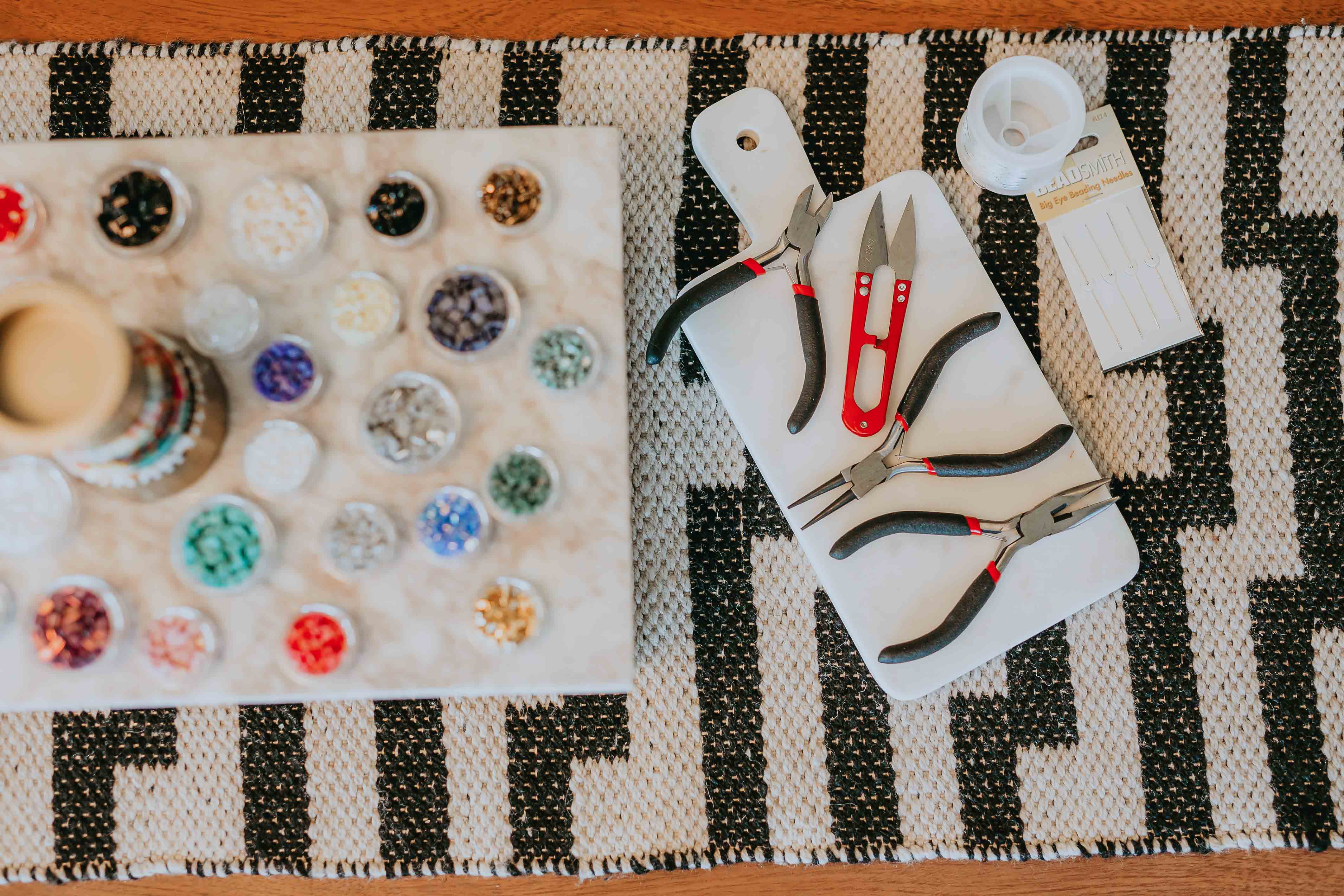
Browse the full heishi bead collection to pick your base and accent colors, or grab a bracelet making kit if you'd rather have cord, tools, and beads bundled together for your first project. Mack & Rex ships internationally, with shipping and any customs costs calculated at checkout, and free shipping applies to US orders over $100.
FAQ: Heishi Beads for Beginners
What are heishi beads made of?
Traditional heishi beads were made from shell or polished stone. Most heishi beads sold today, including the ones on friendship bracelets and stacking bracelets, are made from polymer clay, which is lighter, more affordable, and available in far more colors than shell or stone.
What size are heishi beads?
6mm is the most common heishi bead size for bracelets, though smaller discs down around 4mm show up in finer designs and larger ones appear in statement pieces. Mack & Rex sells 6mm polymer clay heishi beads with a 2mm hole, sized for standard stretch cord.
Are heishi beads and Tila beads the same thing?
No. Heishi beads are flat, round clay or shell discs with a single center hole, while Tila beads are flat, square glass tiles with two parallel holes, made by the Japanese brand Miyuki. They're both flat bead styles but come from completely different materials and construction.
How many heishi beads are in a strand?
A standard 6mm heishi strand runs roughly 16 inches long and holds around 320 to 450 beads, depending on how tightly the discs are cut and strung. That's enough for several bracelets from a single strand.
Are heishi beads safe for kids to craft with?
Heishi beads are small enough to be a choking hazard, so kids should craft with them under adult supervision, and loose beads should stay away from children under three or anyone who still mouths small objects. They're a craft supply, not a toy.
1 Origin and history of heishi/heishe beads: Wikipedia, "Heishe". 2 Background on polymer clay as a material: Wikipedia, "Polymer clay". 3 Tila bead shape and two-hole spec from a beading supplier's catalog: John Bead, Miyuki Tila Beads.
Ready to build your first stack? Shop the full heishi bead collection at Mack & Rex.