

What Are Heishi Beads? A Guide to Colors, Sizes, and How to Style Them
What Are Heishi Beads, Exactly?
Heishi beads are thin, flat disc-shaped beads with a center hole, traditionally hand-cut from shell by Santo Domingo Pueblo artisans in New Mexico. Today, most heishi beads sold for everyday jewelry are made from polymer clay, natural shell, or stone and measure anywhere from 2mm to 8mm across. They stack tightly on a strand, creating that smooth, nearly seamless look you see in surfer-style bracelets and bohemian stacks.
The word "heishi" (sometimes spelled "heishe") comes from the Kewa Pueblo (Santo Domingo Pueblo) word for shell. Authentic shell heishi is still made by Native American artists and carries real cultural weight, though for most craft and fashion contexts, "heishi beads" refers to any thin, flat disc bead in this shape. Shell beads have been used in jewelry for thousands of years, and the heishi cut is one of the oldest and most lasting forms.
What Materials Are Heishi Beads Made From?
Polymer clay is the material you'll encounter most often at craft stores and online shops. It's lightweight, takes color beautifully, and doesn't chip the way glass can. Polymer clay is a PVC-based modeling material that fires hard in a standard oven, which makes it easy to produce consistent disc shapes in every color imaginable.
Beyond polymer clay, you'll find heishi beads in several other materials:
- Natural shell: the original material, usually puka or spiny oyster shell, cream to pink tones
- Stone: turquoise, malachite, hematite, lapis, and more; denser, often pricier
- Coconut shell: lightweight, earthy brown tones, often waxed
- Metal: gold-filled or sterling silver spacers in a heishi cut, common as accent pieces
- Acrylic: budget-friendly, very lightweight, huge color range
For bracelet stacking, polymer clay and shell are the most popular because they're light enough to wear in multiples without weighing down your wrist.
What Sizes Do Heishi Beads Come In?
Size matters more with heishi than with round beads, because the disc shape means the width determines how the strand looks and drapes.
Common sizes run from 2mm to 8mm in diameter, with 4mm and 6mm being the sweet spots for bracelet work. A quick breakdown:
- 2-3mm: very fine, almost sand-like when strung; good for delicate, minimalist bracelets
- 4mm: the most versatile size; stacks cleanly, works for both kids' projects and adult wear
- 6mm: a chunkier look with more visible color; pairs well with Tila beads and seed beads in a mixed stack
- 8mm: bold, statement-level; often used as a single-strand bracelet or wide cuff
Thickness (the depth of the disc) is usually 1-2mm regardless of diameter. That slim profile is what gives heishi strands their distinctive flat, smooth texture.
What Colors Can You Get in Heishi Beads?
Pretty much anything. Polymer clay heishi is made in hundreds of colors, from bright primary tones to dusty earth shades to metallics and tie-dye swirls. Shell heishi runs naturally in cream, tan, pink, and pale orange, though dyed shell is common too.
Stone heishi is where you get real depth: turquoise ranging from pale sky blue to deep teal, malachite in forest green, hematite in silver-gray, and natural coral in orange-red. These are the beads that show up in Southwestern and boho jewelry for good reason. No polymer clay color formula matches the variation you get in a strand of natural turquoise discs.
For bracelet stacking, the most popular color approaches are:
- Tonal stacks: multiple shades of one color family (all warm terracottas, all coastal blues)
- Neutral base + pop: cream, white, or black heishi as the backdrop with one bright accent bracelet
- Mixed-material stacks: stone heishi paired with Tila bead bracelets and metal spacers for texture variety
How Are Heishi Beads Different From Seed Beads and Tila Beads?
Three very different shapes. Knowing the difference makes you a much better stacker.
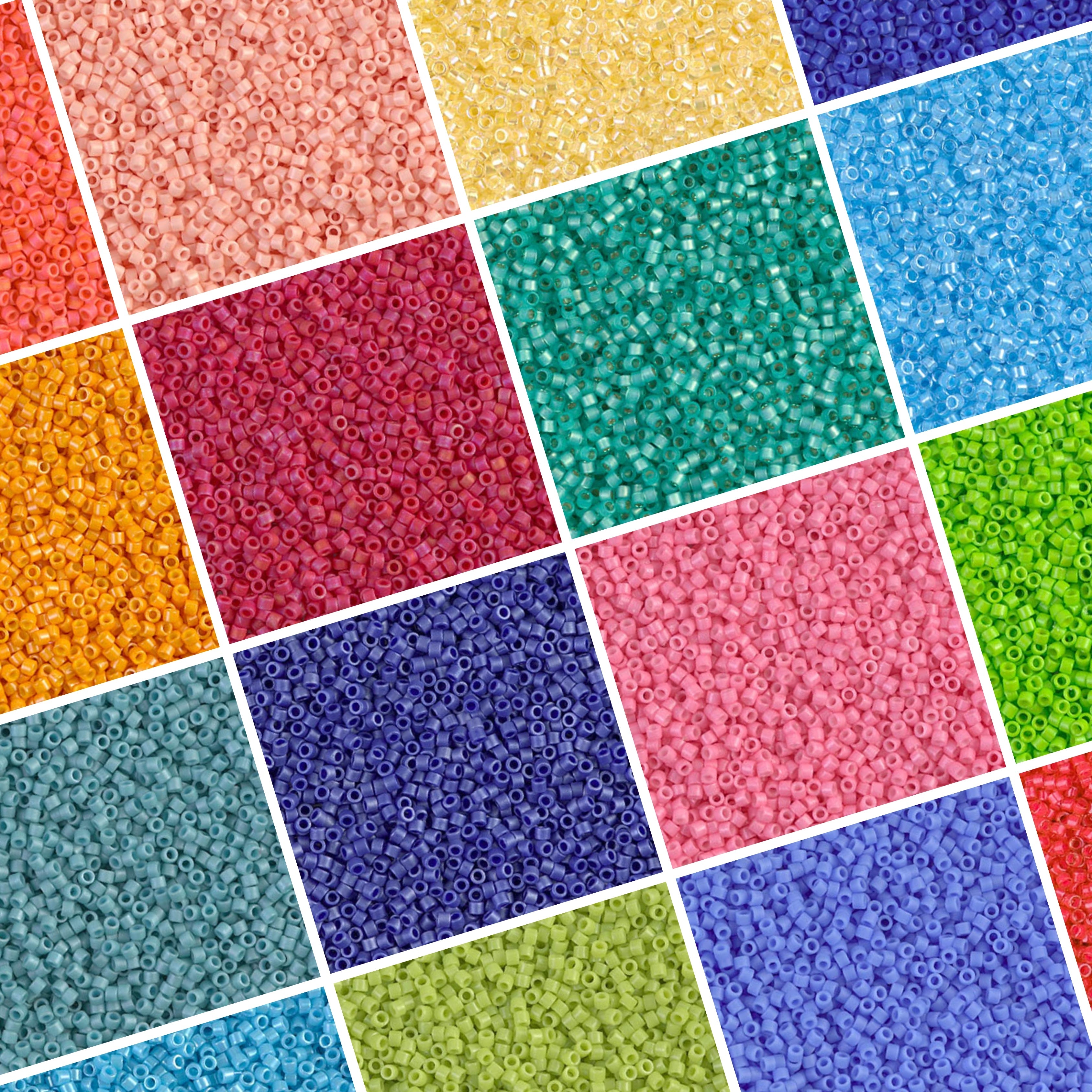
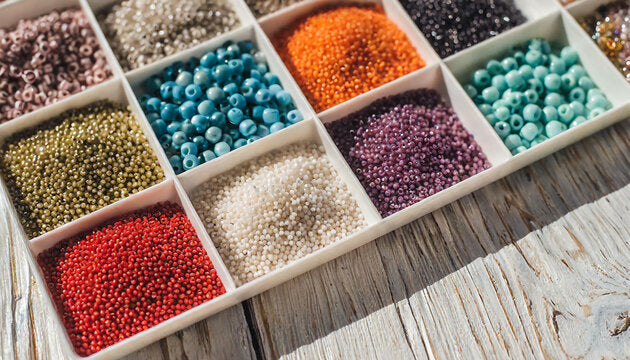
Seed beads are small, rounded or donut-shaped glass beads, the classic round or cylinder bead used in off-loom beadwork and woven patterns. Seed beads are typically 1-4mm and come in huge variety for weaving projects. They're not flat, so they don't have the smooth disc texture of heishi.
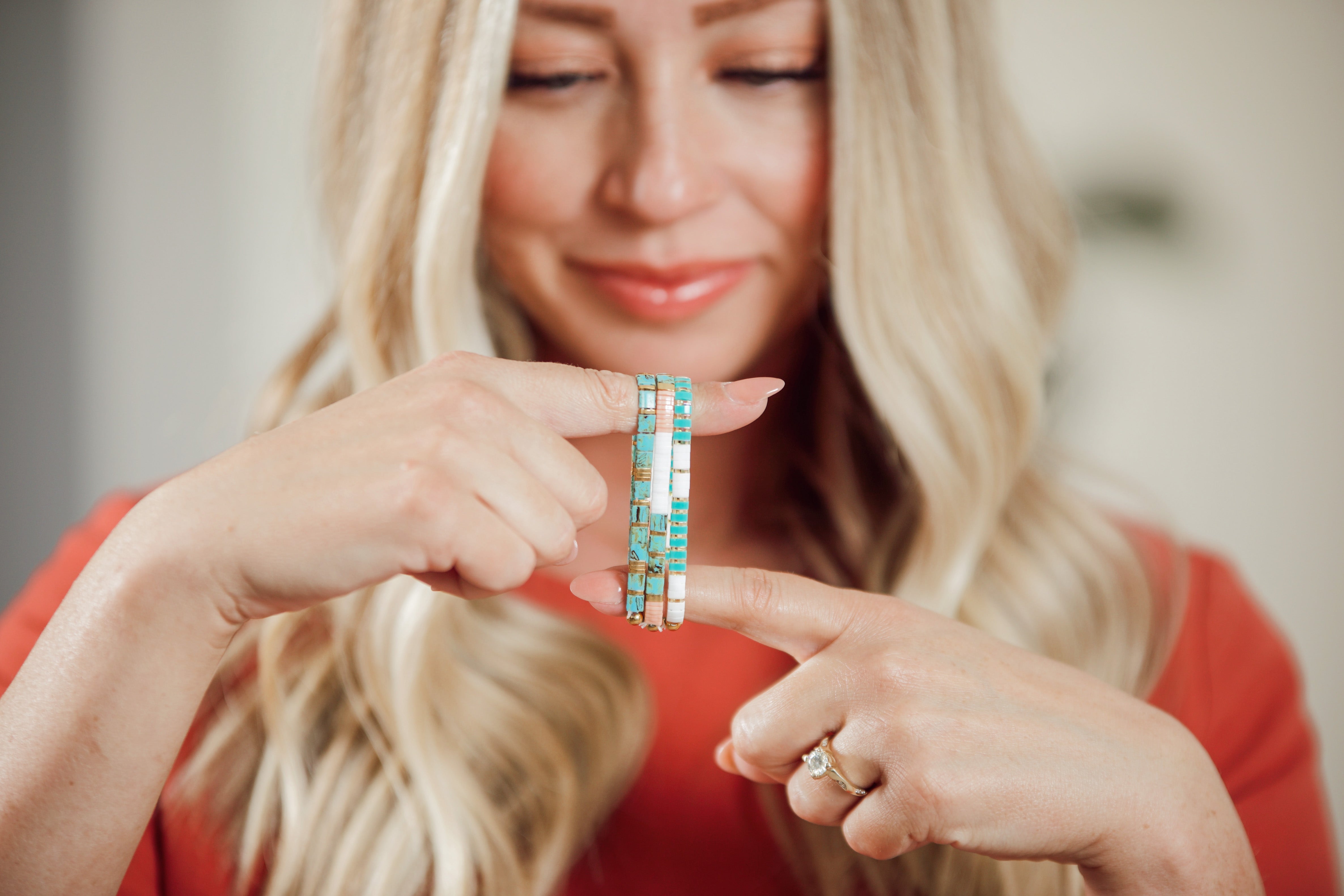
Tila beads (made by Miyuki, a Japanese glass bead manufacturer) are flat, square two-hole beads, roughly 5mm x 5mm x 1.9mm. They're designed for flat, woven, or strung patterns and have a completely different feel from heishi. Where heishi beads are organic and bohemian, Tila beads are graphic and geometric. Both work beautifully in a bracelet stack, yet for different reasons.
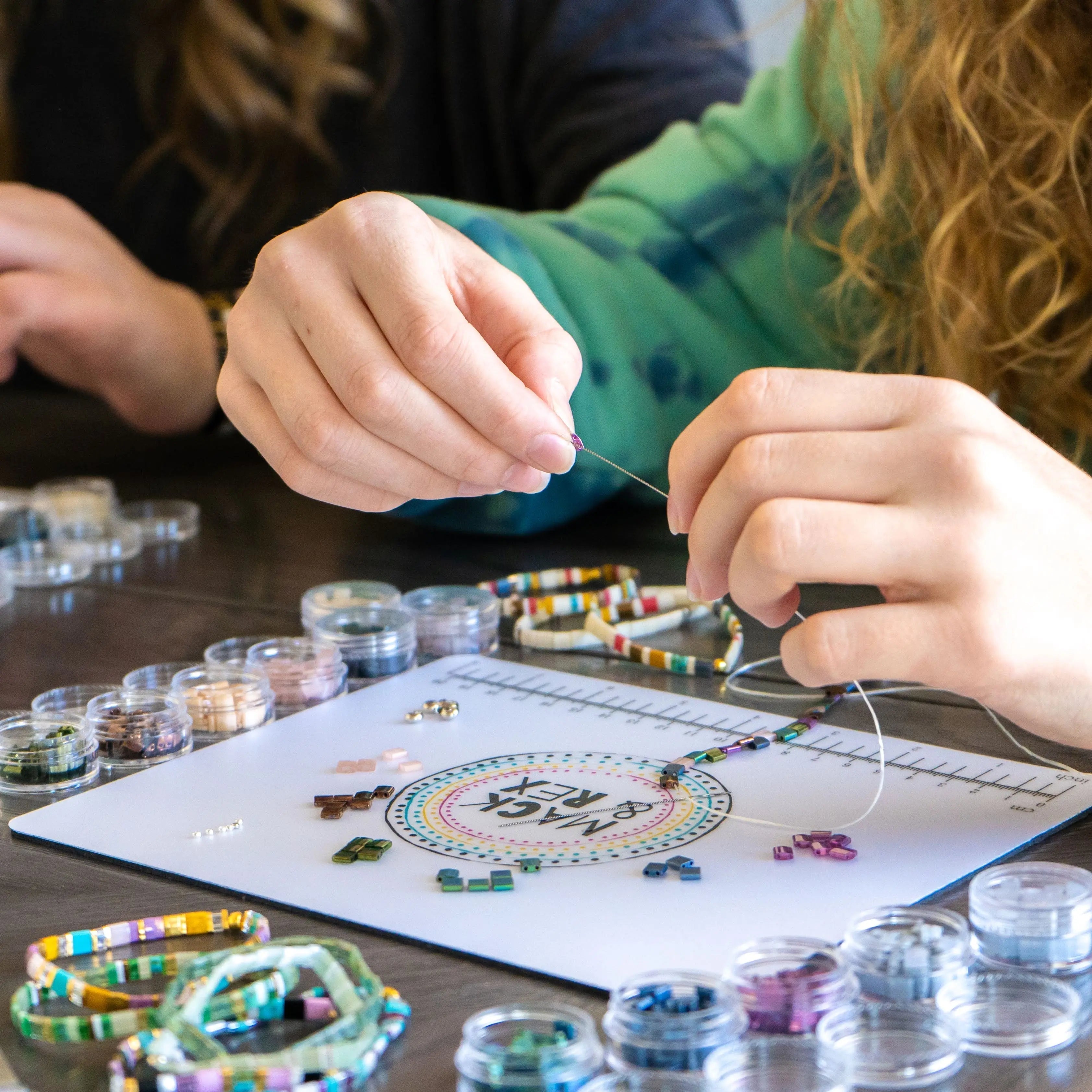
Mack & Rex bracelets use Tila beads from Miyuki as the main bead. That's the flat tile look you see in the named collections (STAINED, BEACHY, RETRO SUNSET, EVERGREEN EDIT). Heishi beads make a great companion piece in a layered stack, adding a softer, more textured contrast to the precision of Tila bead bracelets.
How Do You Style Heishi Beads in a Bracelet Stack?
Heishi bracelets are stack-friendly by nature. The flat discs don't compete visually the way chunky round beads can, so they sit well next to almost anything.
A few combinations that actually work:
- Heishi + Tila: pair a 4mm or 6mm heishi strand in a neutral (cream, sand, dusty rose) with two or three Tila bead bracelets. The smooth disc texture plays off the clean lines of the tile beads.
- Heishi + metal: a thin gold or silver heishi strand works as a spacer between bolder pieces, keeping the stack from looking too busy.
- Monochrome heishi stack: four to five heishi bracelets in slightly different shades of the same color, say a range from pale blush to coral to terracotta. That tonal layering is a quick, low-effort look that reads as intentional.
- Heishi + charm: heishi strands are smooth enough to let a single charm or pendant read clearly. Use a heishi strand as the background and let one statement piece do the talking.
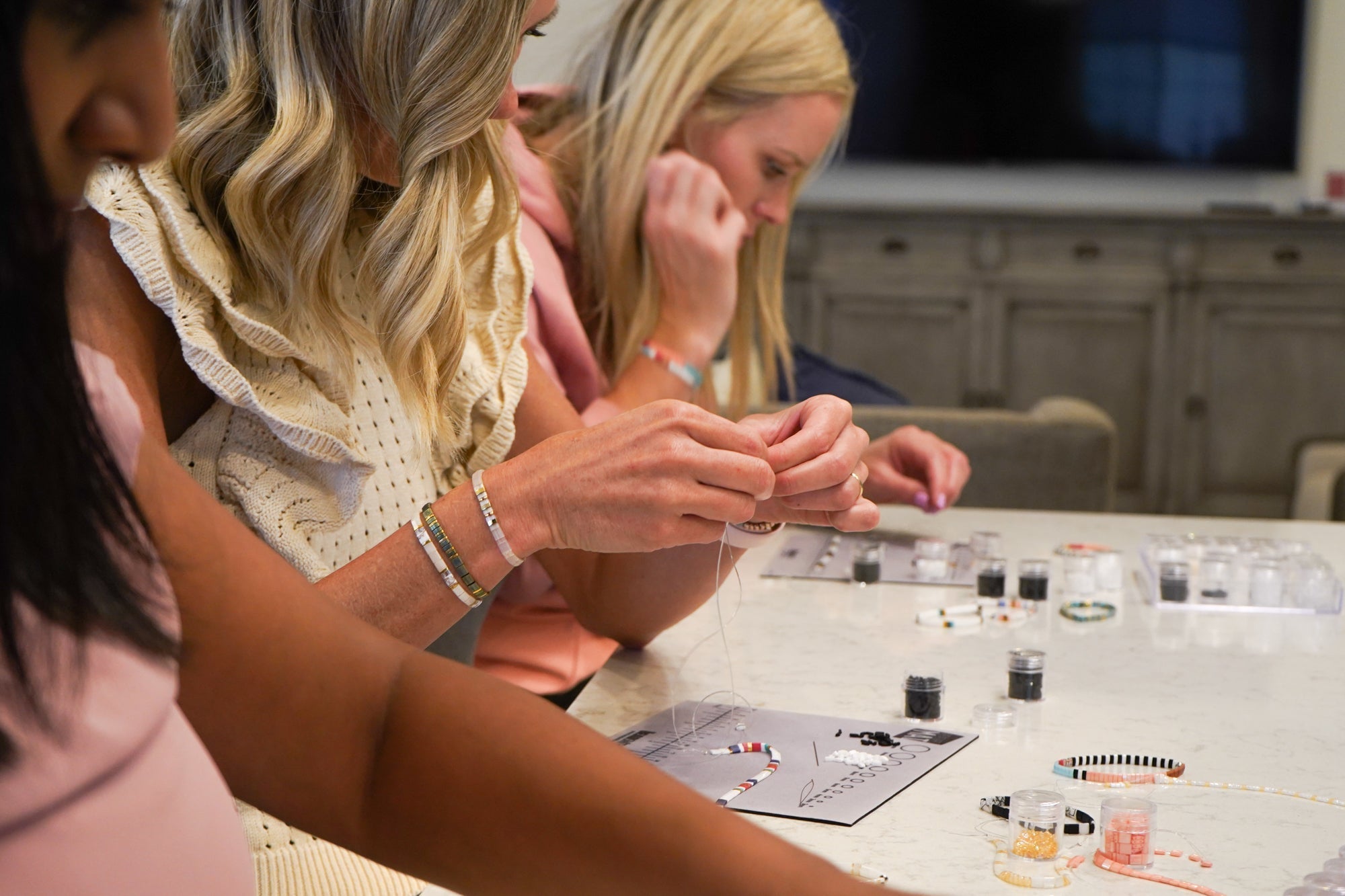
One practical note: if you're making heishi bracelets at home with kids, keep beads out of reach of toddlers and younger children. Beads are a choking hazard, and adult supervision is a must for any small-parts craft project.
Where Can You Find Heishi Beads to Buy?
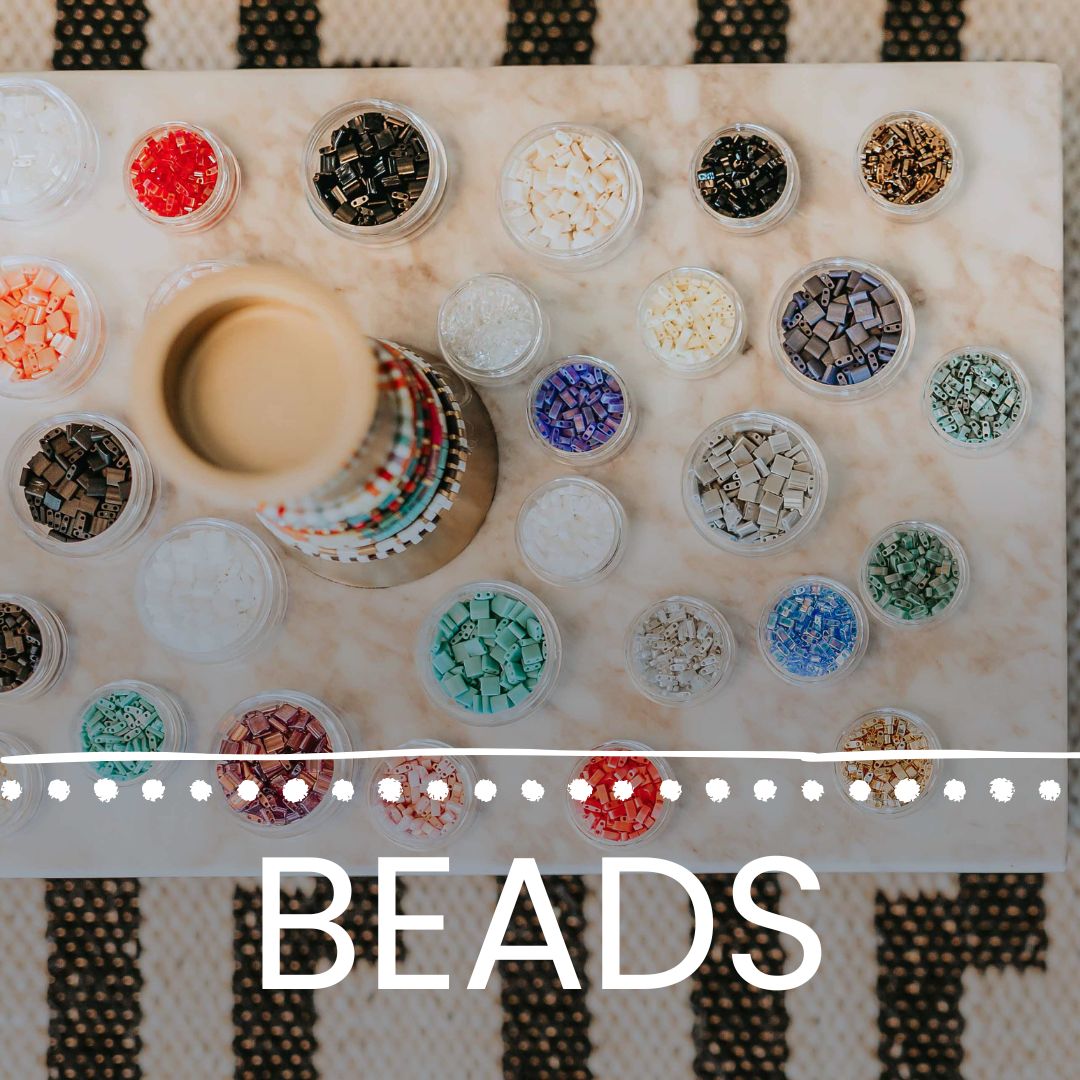
Most bead shops carry polymer clay heishi in their loose bead sections, and online options are wide. If you're already building a Tila bead bracelet stack, it's worth browsing the seed bead and loose bead collection at Mack & Rex. Heishi and disc-shaped accent beads pair naturally with the Miyuki Tila bead styles the shop is known for.
Orders over $100 ship free within the US.
Frequently Asked Questions About Heishi Beads
Are heishi beads the same as rondelle beads?
They're similar though not identical. Rondelle beads are also disc-shaped, yet they tend to be faceted (cut with flat faces for sparkle) and are usually made from crystal or glass. Heishi beads are smooth-edged and typically matte or satin-finish. The terms overlap in casual use, though in bead shopping, "heishi" usually means flat disc in polymer clay, shell, or stone, while "rondelle" often means a faceted spacer.
What size heishi bead is best for bracelets?
4mm is the most popular size for stacking bracelets, small enough to layer with other pieces and large enough to show color clearly. 6mm gives a chunkier, more casual look. For a delicate, barely-there strand, go with 2-3mm.
Can you mix heishi beads with Tila beads in a bracelet?
Yes, and they work well together. Heishi beads add organic texture and softness that contrasts with the graphic, tile-like shape of Tila beads. A neutral heishi strand in cream or sand next to two or three Tila bead bracelets is one of the easiest ways to build a polished-looking bracelet stack.
Are polymer clay heishi beads durable?
For everyday wear, yes. Polymer clay is fairly tough and doesn't absorb water the way natural shell or wood can. The main thing to watch is the stringing material. Heishi beads are typically strung on elastic or cord, so the durability of your bracelet depends on the quality of that cord. Crystal-core elastic (the kind used in Mack & Rex finished bracelets) holds up to daily wear much better than basic craft elastic.
How are traditional heishi beads made?
Authentic heishi is made by hand: shell or stone is ground into small pieces, shaped into discs, pierced, and strung, then sanded smooth while still on the strand. It's labor-intensive work developed by Kewa Pueblo (Santo Domingo Pueblo) artisans in New Mexico. Most commercially sold heishi today is machine-made from polymer clay or acrylic, which is why prices vary so widely depending on the material and origin.