

What Are Heishi Beads Made Of? Clay, Shell, and Vinyl Explained
What Are Heishi Beads Made Of?
Heishi beads are made from three main materials today: natural shell, polymer clay, and vinyl (often sold under the name katsuki beads). Shell is the original, hand-cut and polished by Pueblo artisans long before plastic beads existed. Polymer clay and vinyl are manufactured, PVC-based materials that give a bracelet consistent size, bold saturated color, and a lower price point than natural shell.
The material you pick changes more than the look. It changes the weight on your wrist, how the color holds up over months of wear, and how the bracelet feels when it's stacked five deep. Here's what each one actually is.
Are Heishi Beads Traditionally Made From Shell?
Yes. Traditional heishi comes from shell, most often olivella, cut into rough discs and then strung and ground down as a full strand until every bead is smooth and uniform. The craft belongs to the Kewa Pueblo (formerly known as Santo Domingo Pueblo) in New Mexico, and versions of it date back thousands of years.
According to the Wikipedia entry on heishe, the word itself comes from the Eastern Keresan language of the Santo Domingo people and simply means "shell." The oldest known examples date to around 6000 BCE, with similar disc-cutting techniques recorded even earlier in other parts of the world. Families within the pueblo passed the technique down for generations, grinding whole strands by hand until the beads felt like one continuous cord.
A jewelry encyclopedia entry on Santo Domingo heishi describes how artisans also worked turquoise, jet, coral, and other stones into the same disc shape alongside shell. That's part of why "heishi" today refers to a shape more than a single material. The technique earned its reputation because it's slow, exacting work, and a well-made strand shows it.
What Is Polymer Clay Heishi, and Why Do So Many Bracelets Use It?
Polymer clay is a synthetic, PVC-based clay that stays soft and workable until it's baked, at which point it hardens into a durable, lightweight bead. Manufacturers mold it to an exact disc shape and size, so every bead in a strand matches the next, something hand-cut shell can't fully replicate.
Polymer clay isn't ancient. It's a mid-20th-century material. Fimo, one of the earliest branded versions, was developed in Germany and reached hobbyists in the 1960s, and other brands followed shortly after in the US. It's a modern craft material, not a traditional one, and that's exactly why it works so well for consistent, affordable bracelets.
What that manufacturing process gives you as a wearer: predictable sizing, a huge color range, and a light bead that doesn't weigh down a stack. The tradeoff is that polymer clay is softer than shell. It picks up fine scratches over years of wear and doesn't hold up well against acetone-based products like nail polish remover.
What Are Vinyl or "Katsuki" Heishi Beads?
Vinyl heishi, often labeled katsuki beads or African vinyl disc beads, is a plastic-based disc bead with a glossier, slightly firmer surface than polymer clay. Some older vinyl heishi was literally cut from recycled vinyl records; most made today uses vulcanized rubber and vinyl compounds molded specifically for jewelry.
Here's the part that surprises most shoppers: polymer clay and vinyl aren't as different as the names suggest. A materials reference on polymer clay notes it's built from powdered PVC, plasticizer, pigment, and filler, which is the same basic chemistry family vinyl comes from. "Katsuki" started as a marketing name for one style of vinyl disc bead and gets used loosely now to cover clay and vinyl heishi alike. In practice, the difference you'll notice is finish and feel: vinyl tends to have a glossier surface and a bit more heft per bead, while polymer clay leans matte and light.
Vinyl heishi shows up a lot in beach and boho-style bracelet stacks because the surface reads shinier under sun. It handles daily wear about as well as polymer clay. Heavy, prolonged sun exposure can dull or fade any plastic bead over time, vinyl included, though normal day-to-day wear doesn't cause noticeable fading.
How Do Clay, Shell, and Vinyl Heishi Compare on the Wrist?
Weight is the first thing you'll feel. Polymer clay is the lightest of the three, vinyl sits a touch heavier, and natural shell falls in between depending on thickness. None of them will drag on your wrist the way stone heishi can, but if you're stacking four or five bracelets at once, the difference is noticeable by the end of a long day.
Color consistency is where manufactured beads win outright. A strand of polymer clay or vinyl heishi will match bead to bead because it's produced to spec. Shell heishi varies piece to piece since it comes from an actual organic material. That's a feature if you like an earthy, one-of-a-kind look, and a drawback if you want a clean, uniform stack.
Water tolerance matters more than people expect. Shell can handle brief splashes but shouldn't be soaked repeatedly since it weakens the finish and the stretch cord underneath. Polymer clay and vinyl are a bit more water-tolerant on the bead itself, but the same cord rule applies to all three: the elastic wears out well before the beads do if it's soaked and dried over and over.
Durability against scratching favors shell first, vinyl second, and polymer clay last, though "last" here still means years of normal wear before it shows. None of the three is fragile. The order just tells you which one to keep away from rough surfaces if you're hard on jewelry.
Which Heishi Material Fits an Everyday Stack Best?
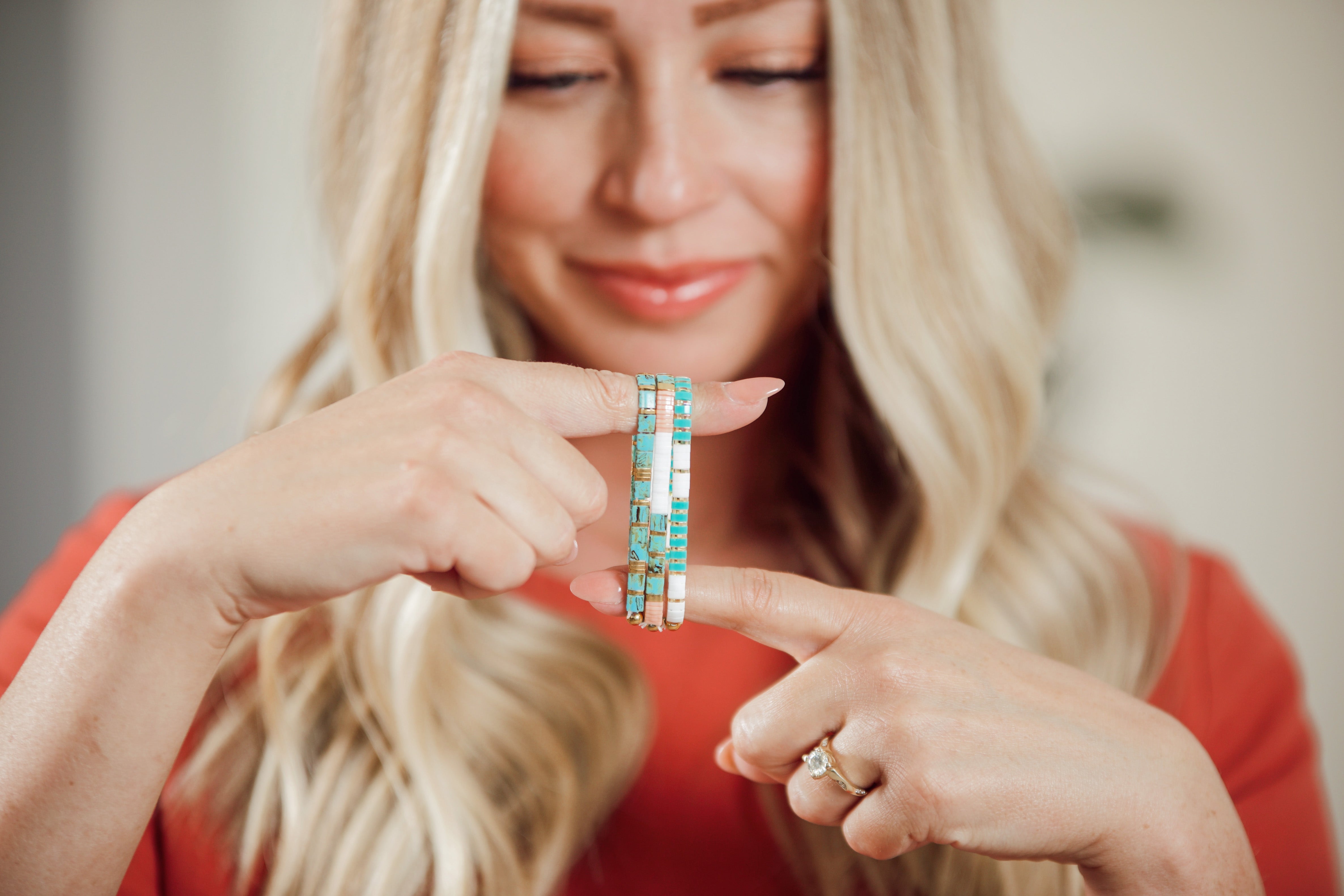
For daily stacking, polymer clay heishi is the practical pick. It's light enough to layer several bracelets without wrist fatigue, the color range runs into the hundreds, and the price point makes it easy to build a stack without a big commitment. Vinyl heishi is a close alternative if you want a slightly glossier finish for a beachy or retro look.
Shell heishi is worth choosing when you want one standout piece with real texture and history behind it, rather than a matched five-bracelet stack. It costs more, it varies bead to bead, and that's the point.
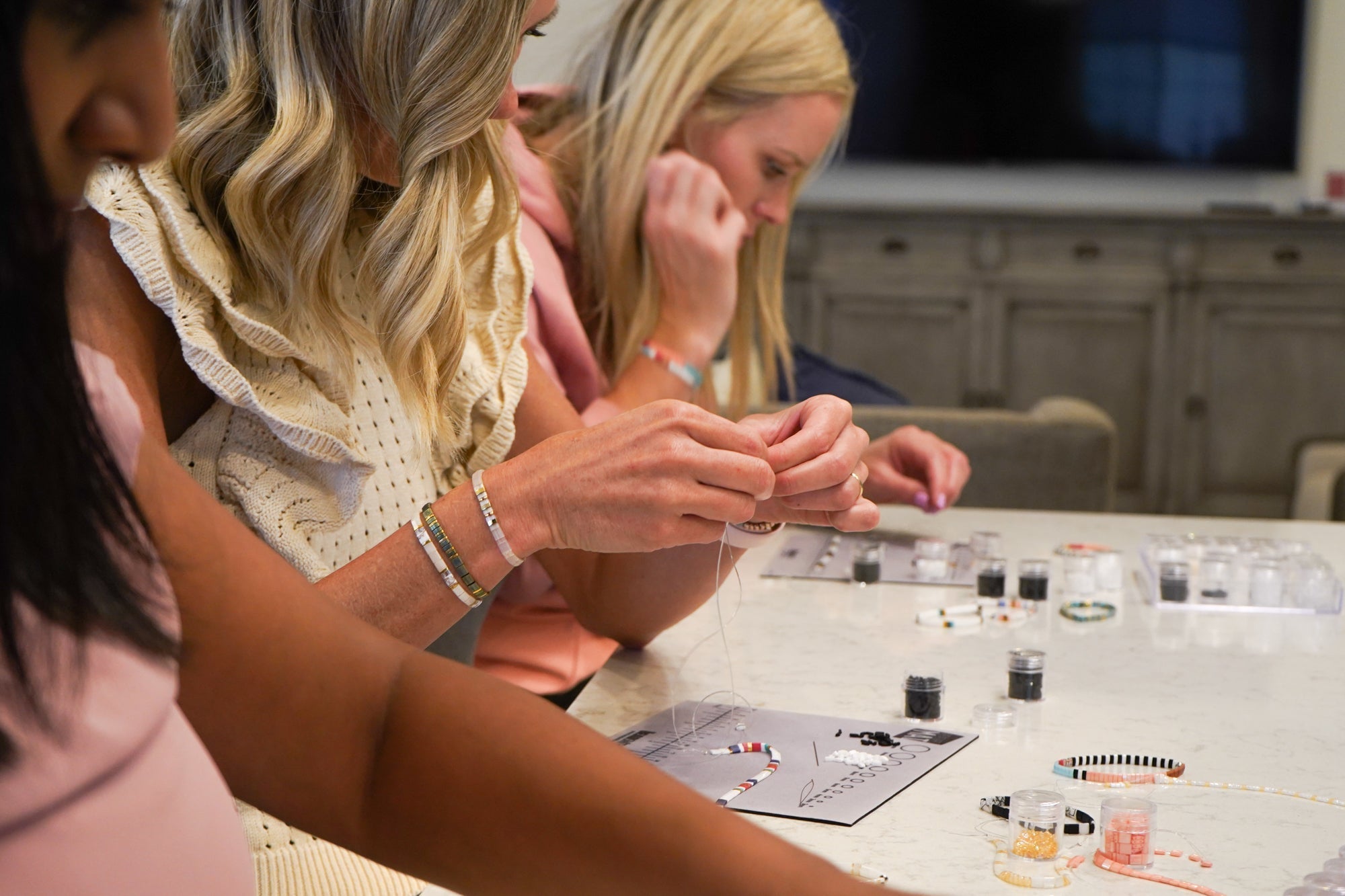
The stringing material deserves attention too. A well-made heishi bracelet on quality stretch cord will outlast a poorly strung one no matter which bead material you pick. That's the detail that actually determines how long a bracelet stays wearable.
Where Can You Find Well-Made Heishi Beads?
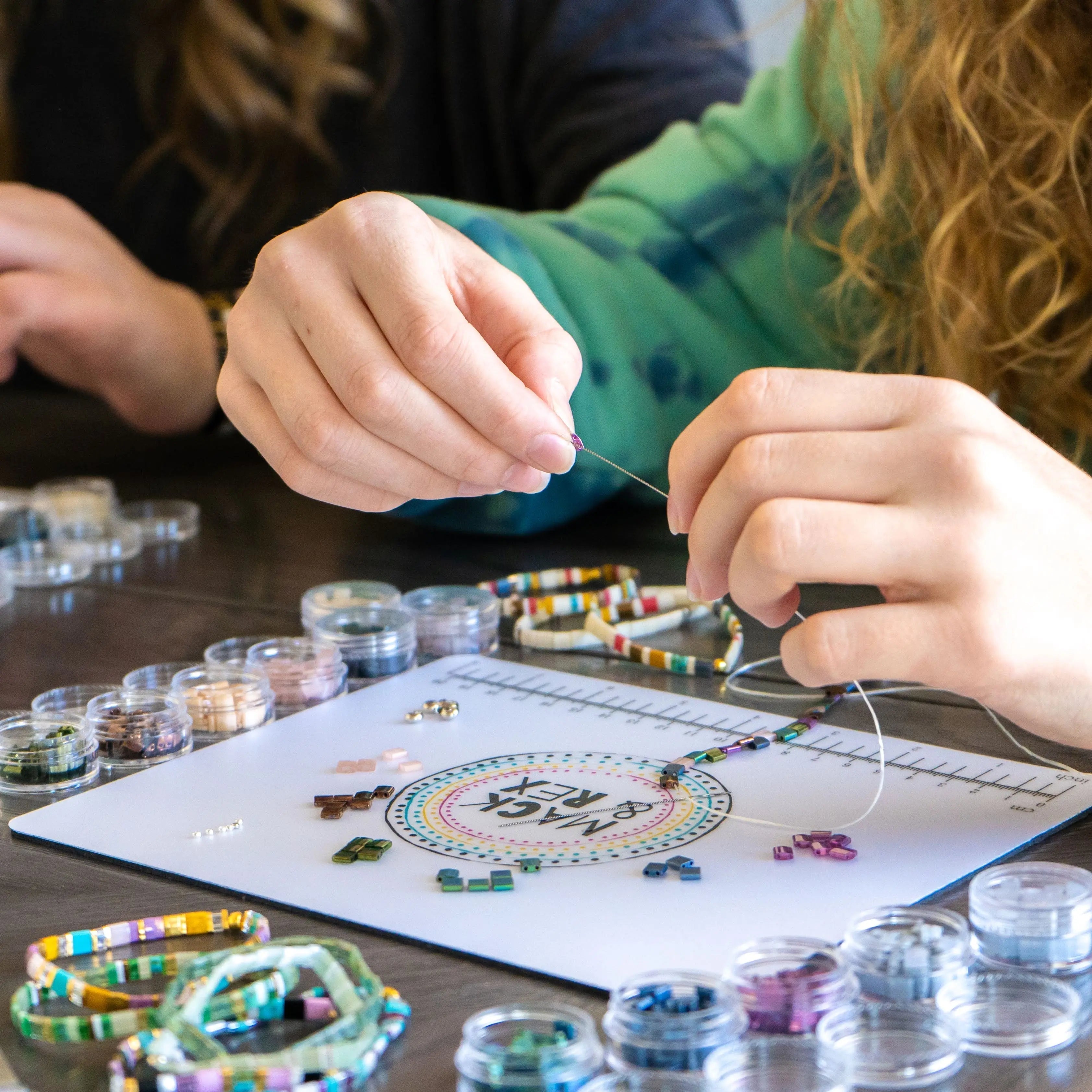
Mack & Rex sources and selects heishi beads and bracelets for consistent sizing and color, the detail that separates a clean-looking stack from a mismatched one. Browse the current heishi and bracelet collection at mackandrex.com/collections/all to see what's in stock this month, since colorways rotate with new drops.
Buy 3 finished bracelets and get 1 free, no code needed, if you're building out a full stack in one order. Orders over $100 ship free within the US. That offer applies to finished, ready-to-wear bracelets, not loose beads or DIY kits.
Frequently Asked Questions
What are heishi beads made of?
Heishi beads are made from three main materials: natural shell, polymer clay, and vinyl (often sold under the name katsuki beads). Shell is the original, hand-cut and polished from olivella and other shells by Pueblo artisans. Polymer clay and vinyl are manufactured, PVC-based materials that give a bracelet consistent size, bright color, and a lower price point.
Are heishi beads clay or vinyl?
They can be either. Most heishi bracelets sold today use polymer clay, which is baked and manufactured to a set size and color. Vinyl heishi, sometimes sold as katsuki beads, is a related but different material with a glossier surface and slightly more weight. Both are man-made, so neither is more authentic than the other. That word applies to natural shell.
What are heishi beads?
Heishi beads are small, flat disc-shaped beads strung so they lie smooth and flush against each other. The style started with the Kewa (formerly Santo Domingo) Pueblo people of New Mexico, who cut and ground shell into thin discs. Today the term covers any disc bead in that shape, regardless of material.
Is polymer clay heishi durable enough for daily wear?
Yes, for normal daily wear. Polymer clay heishi is baked hard and holds its shape and color well through regular use. It's softer than shell, so it can pick up fine scratches over years of wear, and it doesn't tolerate acetone-based products like nail polish remover well. Kept away from harsh solvents, it lasts.
Do vinyl or katsuki heishi beads fade?
Vinyl heishi can fade with heavy, prolonged sun exposure, similar to other plastic beads left outside for long stretches. Under normal daily wear and occasional sun, the color holds up well. The bigger risk to any heishi bracelet, vinyl or clay, is the stretch cord wearing out before the beads themselves do.
Ready to Start a Heishi Stack?
Now you know what's actually in the bead. Whether you go with lightweight polymer clay, glossy vinyl, or a natural shell statement piece, the material determines how your bracelet wears over time and how it looks on day one.
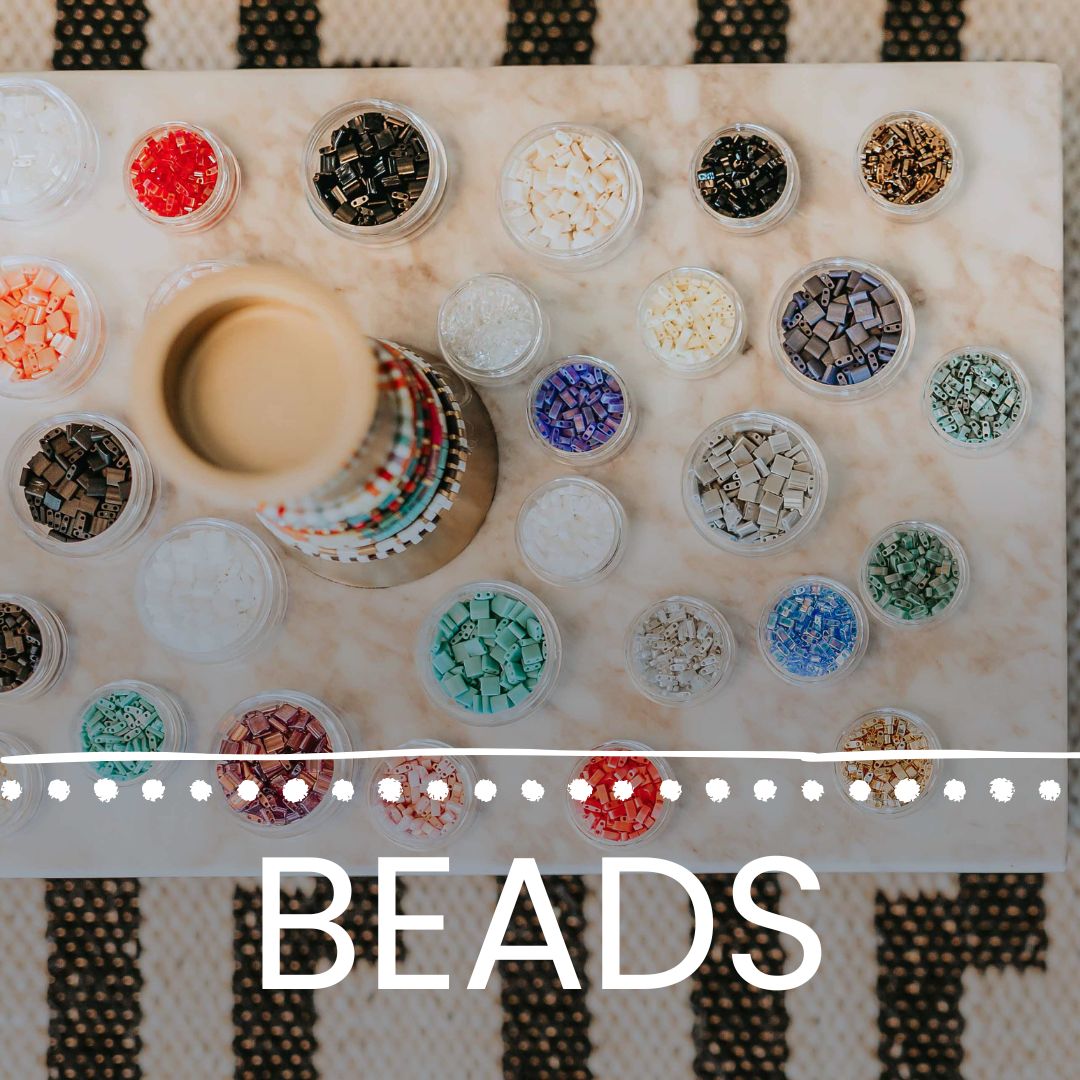
Check the current heishi bead selection at mackandrex.com/collections/all and build a stack that fits how you actually wear jewelry, every day, at the gym, or saved for one good piece.