

What Are Heishi Beads? Types, Sizes, and How to Choose the Right Ones
What are heishi beads?
Heishi beads are small, flat, disc-shaped beads that stack tightly along a strand with almost no gap between them. The name comes from a Puebloan word for shell, since the earliest heishi were hand-cut from shell centuries ago, and today the same flat-disc shape gets made in polymer clay, stone, and natural shell.
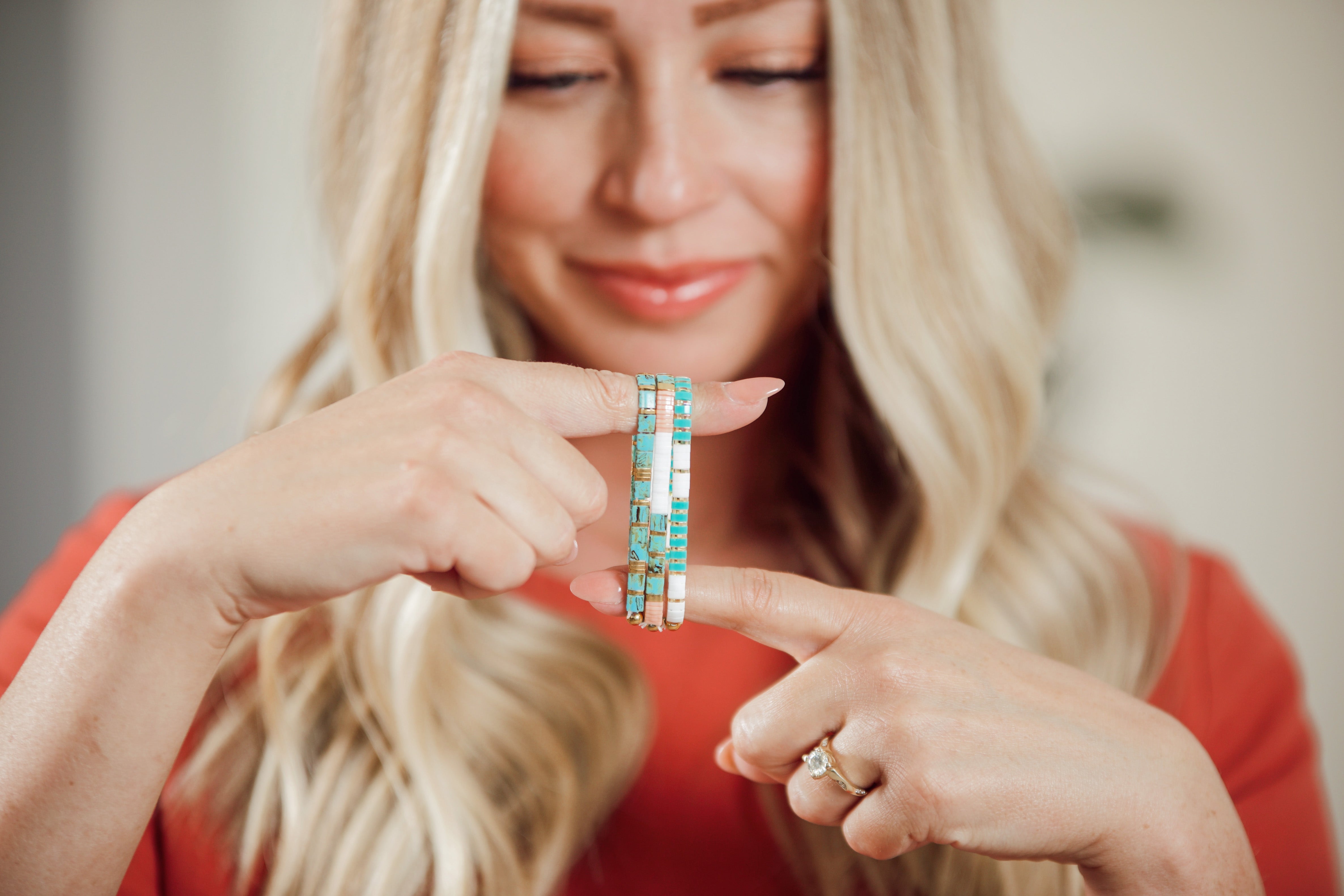
Picture a stack of tiny coins threaded on a cord instead of round or oval beads. That's heishi. Each bead sits face to face against the next, with barely any exposed cord between them. The result reads as smooth and stacked next to a chunkier round-bead bracelet.
According to background on the style from Wikipedia's entry on heishi beads, the technique traces back to Indigenous Southwestern jewelry making, long before polymer clay versions became a craft-store staple. That history is worth knowing. For most people shopping today, though, the real question is simpler: which material and size actually work for the bracelet you want to make.
What materials are heishi beads made from?
Heishi beads come in three main materials: polymer clay, natural shell, and stone. Each one changes the weight, price, and color range of a finished bracelet, so the "right" material really depends on the look and durability you're after.
Polymer clay heishi beads
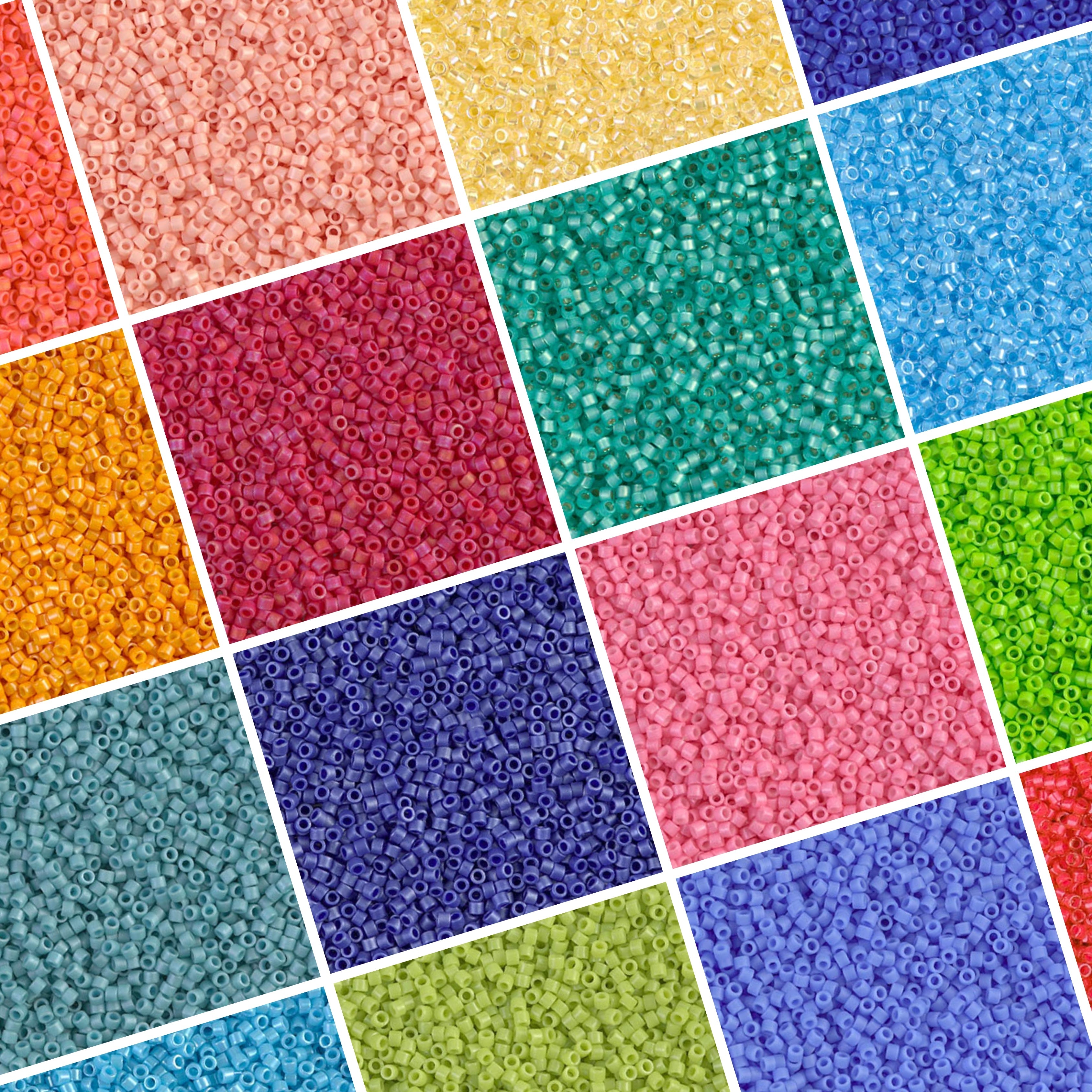
Polymer clay is the most common heishi material in stretch bracelets today. It's lightweight, holds saturated color well, and comes in nearly any shade or pattern, from solid pastels to marbled swirls. It costs less than shell or stone and won't chip the way a natural material can if it gets knocked around in a bag. The tradeoff: it's still plastic, so it skips the one-of-a-kind variation you get with shell or stone.
Shell heishi beads
Shell heishi keeps the material closest to the style's original roots. Each bead carries slight natural variation in color and sheen, so two shell bracelets never look quite identical. Shell tends to run lighter (creams, tans, soft pinks) and pairs well with beachy or neutral palettes. It's pricier than clay, too, and can be more delicate over years of daily wear.
Stone heishi beads
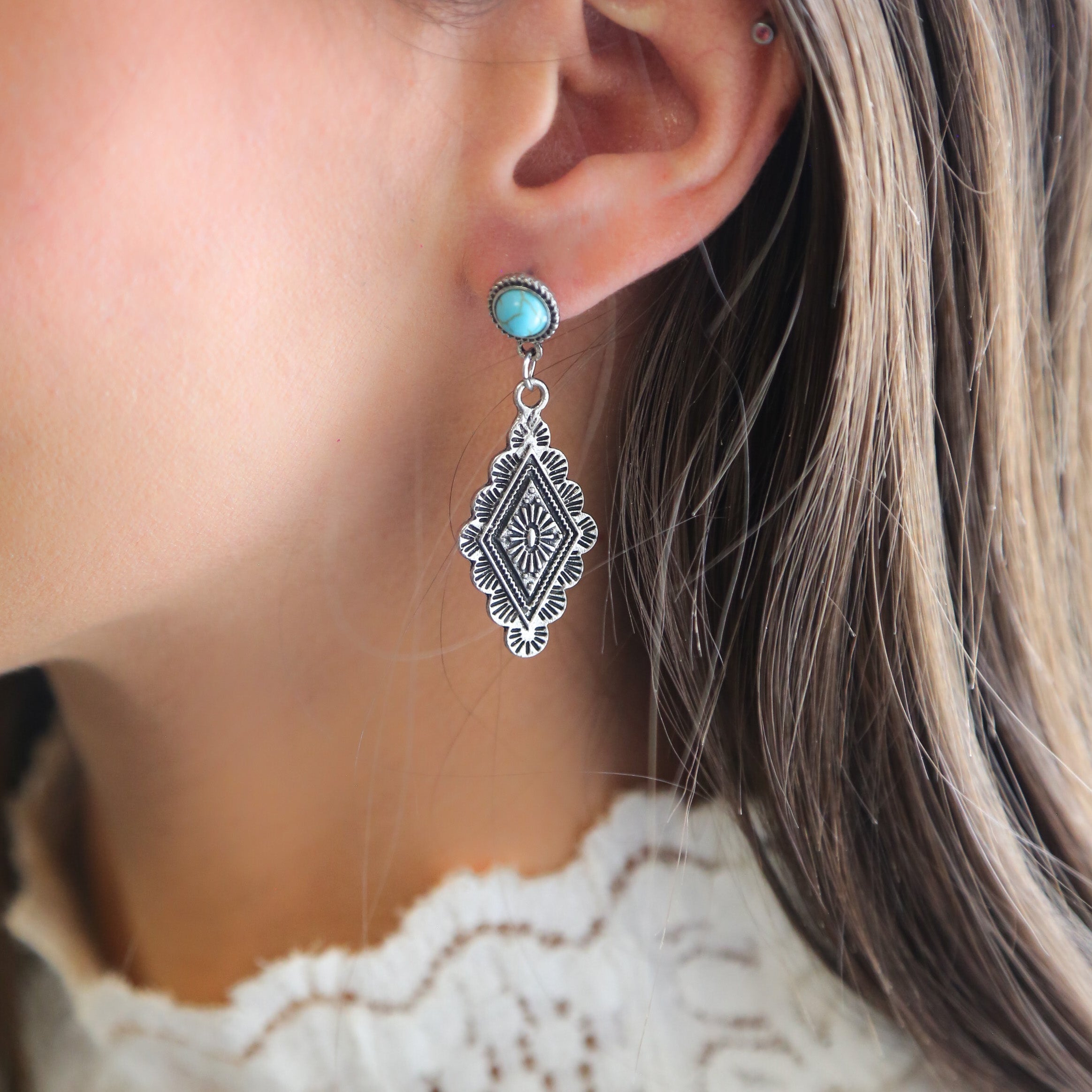
Stone heishi, cut from materials like turquoise or dyed howlite, adds texture and a heavier feel. It's the priciest of the three and shows up more in necklaces and layered pieces than everyday stretch bracelets, since stone doesn't flex and adds real weight over longer strands.
Halstead, a jewelry-making supplier, notes that material choice is usually the biggest single factor in a finished piece's price and durability, and that holds true for heishi: clay costs less and wears easy, shell and stone cost more and wear differently.
What sizes do heishi beads come in?
Heishi beads typically run from about 4mm to 10mm across, with 4mm to 6mm being the most common range for everyday stretch bracelets. Smaller beads stack more of them per inch for a finer, more detailed look, while larger sizes show up more in statement necklaces than in wrist wear.
Size changes more than just scale. Here's roughly how it breaks down:
- 4mm heishi: the most delicate option, gives a fine, almost woven texture on a bracelet.
- 5mm to 6mm heishi: the sweet spot for most finished bracelets, small enough to stay comfortable on a wrist but substantial enough to show color and pattern clearly.
- 8mm and up: chunkier, more of a statement look, more common in necklaces or layered stacks than a single everyday bracelet.
If you're not sure where to start, 5mm to 6mm is the safest default for a first heishi bracelet. It's the size most ready-to-wear bracelets use, so it's proven to hold up to daily wear without feeling heavy on the wrist.
How do you use heishi beads in a bracelet?
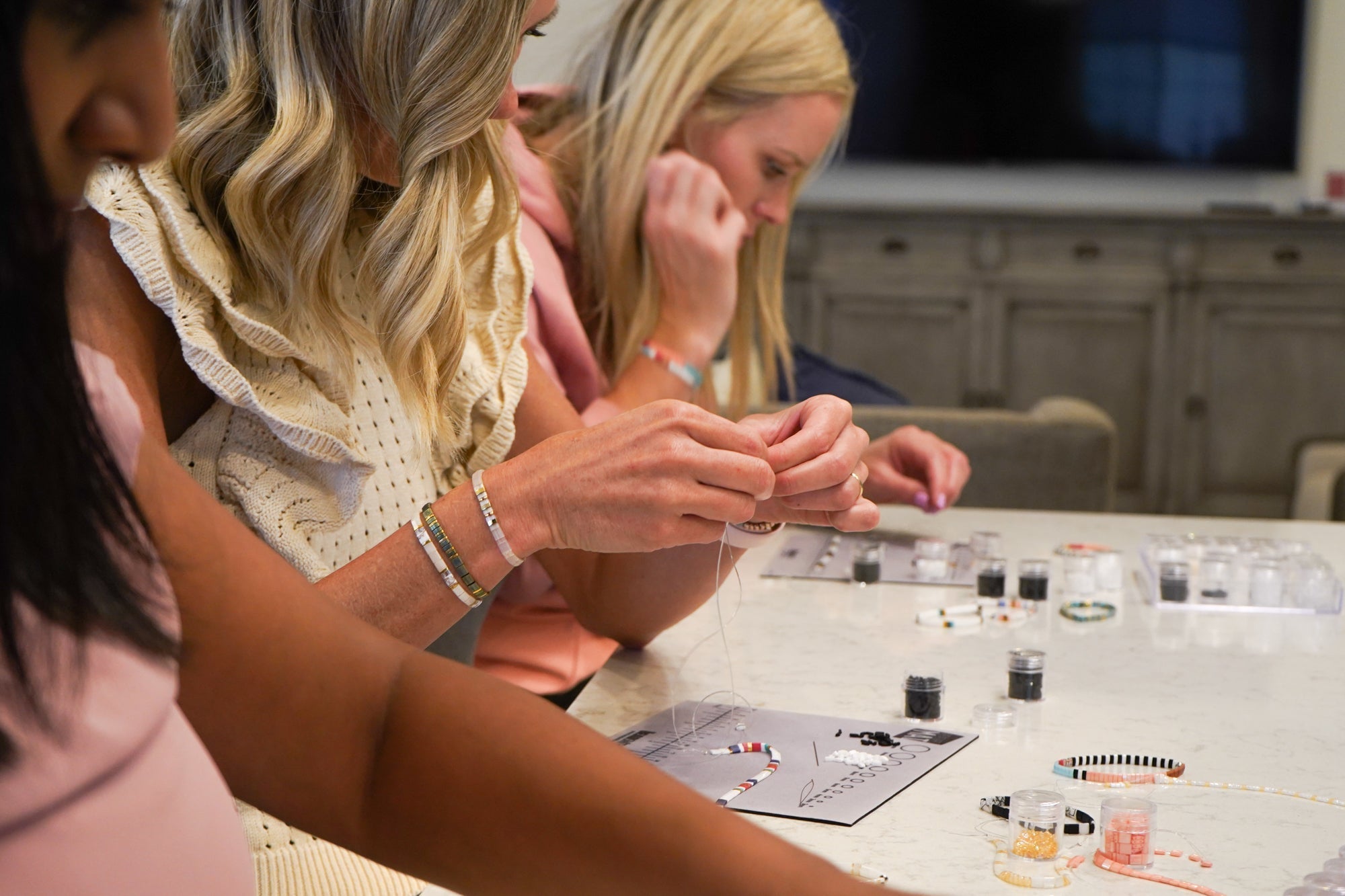
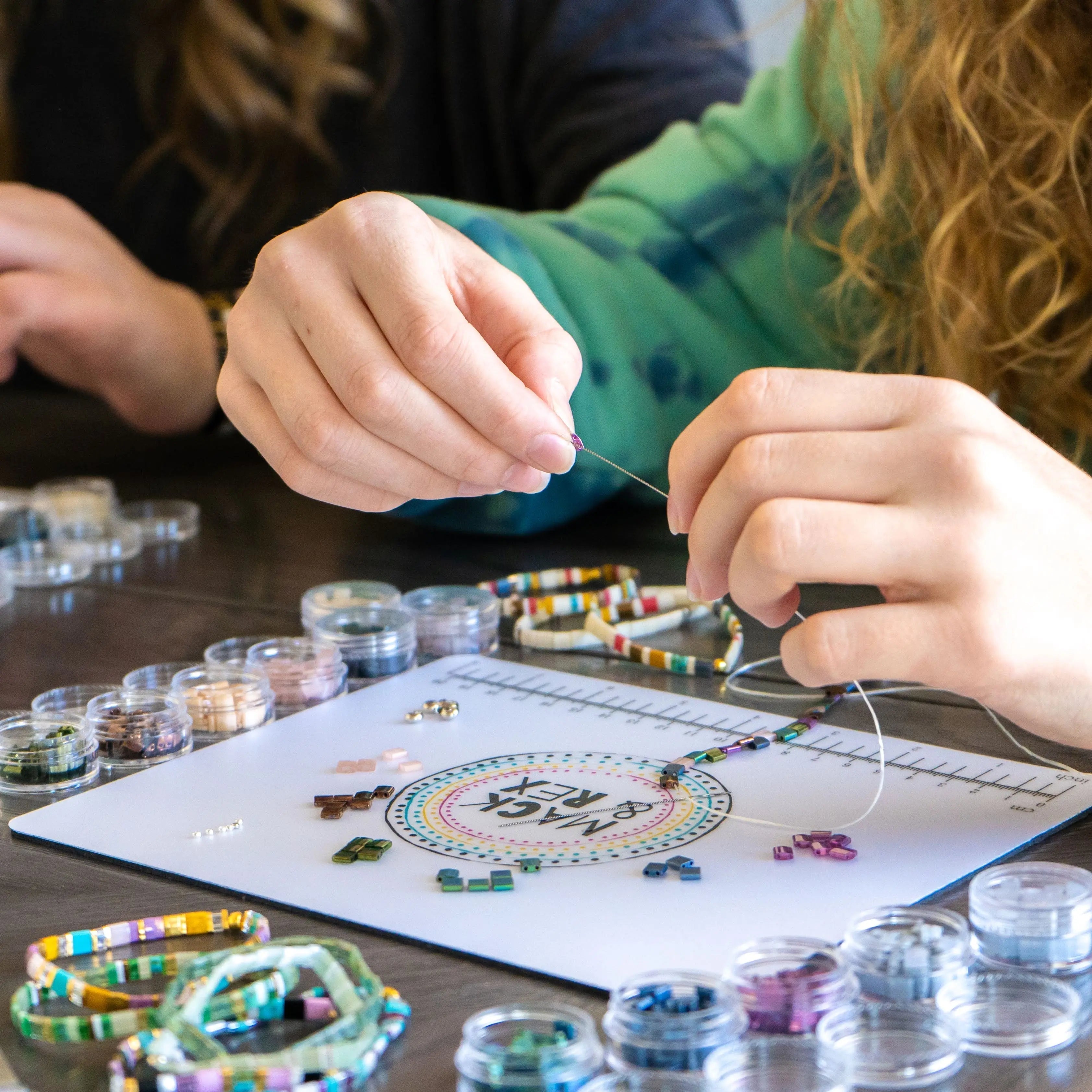
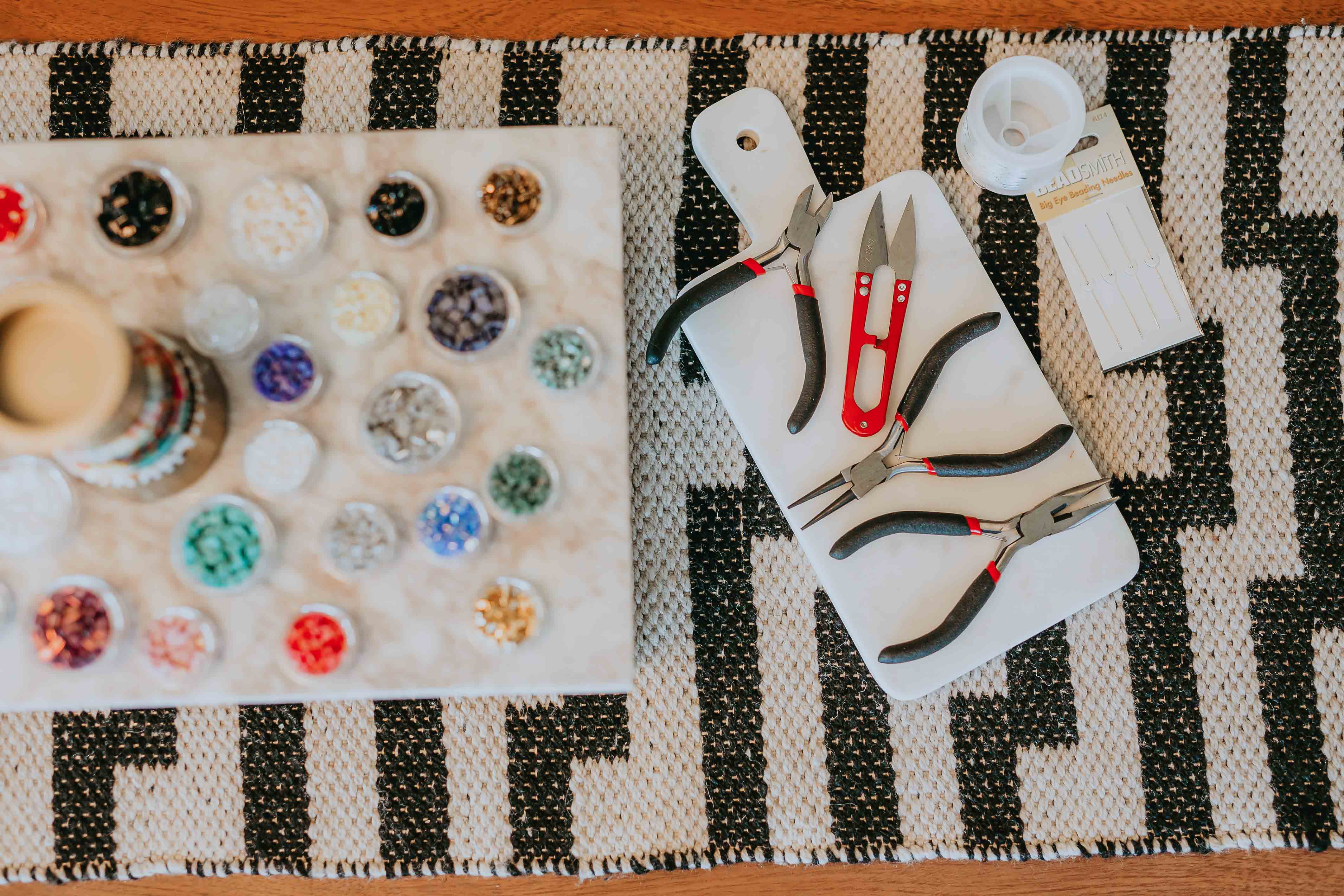
Heishi beads string onto stretch cord the same way round beads do, just with the flat sides facing each other so the disc shape stacks cleanly. A single strand of quality elastic threaded through a run of same-size heishi beads, tied off snug to your wrist, is really all a basic heishi bracelet takes.
Do you need uniform bead sizes?
Keeping every bead the same diameter matters more with heishi than with round beads, since the flat faces need to line up evenly for that clean, stacked look. Mixing sizes on one strand tends to leave gaps rather than the smooth finish heishi is known for.
What cord works best with heishi beads?
A thicker or doubled elastic cord holds up better than a single thin strand, since flat beads have sharper edges than round ones and can wear thin cord faster. Sizing the bracelet snug to your actual wrist, rather than stretching a loose one over your knuckles every time, cuts down on that wear too.
Can you mix heishi with other bead styles?
Yes. Heishi pairs well with round seed beads, accent charms, or a few larger focal beads mixed in for contrast. A run of solid-color heishi with one or two accent beads adds personality without losing that clean, layered look.
How do you choose the right heishi beads for your project?
Start with the look you want, then work backward to material and size. A beachy, neutral bracelet points toward shell or light clay in 5mm to 6mm. A bold color-stack points toward polymer clay in a wider mix of shades. A necklace or statement piece can handle larger stone heishi in 8mm or up.
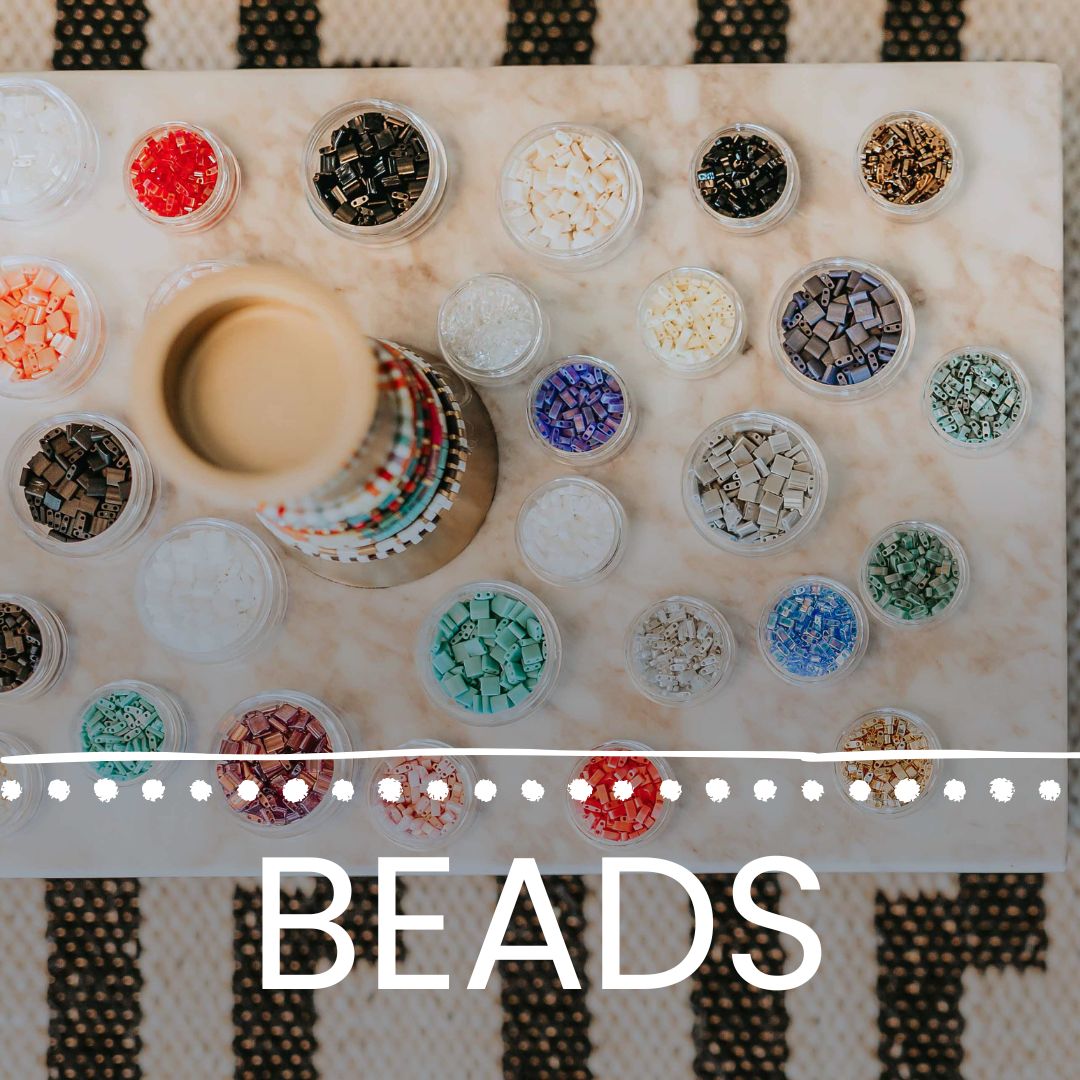
Budget matters too. Polymer clay heishi is the most affordable way to try the style and comes in the widest color range, which is why it's the material behind most ready-to-wear heishi bracelets on the market. Shell and stone cost more and suit pieces where the natural material itself is part of the appeal.
Want to skip the sourcing and sizing math? Mack & Rex's heishi beads and heishi bracelet collection comes pre-sorted by color and size, so you're choosing a finished look rather than guessing at bead counts.
Are heishi bead bracelets safe for kids to make?
Heishi beads are small enough to be a choking hazard, so bracelet making with heishi is best treated as an activity for older kids and adults, always with supervision, and never left within reach of babies or toddlers who might put beads in their mouths. Loose beads and finished bracelets should be stored out of reach of very young children.
Where can you buy heishi beads and bracelets?
You can find heishi beads through craft retailers and specialty bead suppliers like Potomac Beads, or you can skip the loose-bead sourcing and go straight to a finished bracelet or a kit built for the job. Mack & Rex carries both: ready-to-wear heishi bead bracelets for anyone who wants the look without the stringing, and kits for anyone who wants to make their own.
Sizing runs XXS to 5XL on the finished bracelets, so you're picking a size that actually fits rather than settling for whatever's in stock. Buy three finished bracelets and a fourth is free, no code needed, so it's an easy way to try a heishi style next to a couple of your other favorites. Mack & Rex ships internationally, with shipping and any customs or duties calculated at checkout, and free shipping applies to US orders over $100.
Ready to see the colors in person? Shop the heishi beads and bracelet collection and find a size and shade that fits your wrist and your style.
Frequently Asked Questions
What are heishi beads?
Heishi beads are small, flat, disc-shaped beads that stack close together on a strand. The name comes from a Puebloan word for shell, since the earliest versions were cut from shell, though today most heishi beads are made from polymer clay, stone, or shell.
What is the difference between heishi beads and regular round beads?
Heishi beads are flat discs, while regular beads are usually round or barrel-shaped. The flat shape lets heishi beads sit edge to edge with almost no gap, giving a bracelet a smoother, more layered look than round beads strung on the same length of cord.
What size heishi beads are best for a bracelet?
Most heishi bracelets use beads between 4mm and 6mm across, which is small enough to stack neatly on a standard wrist without looking bulky. Larger 8mm to 10mm heishi beads show up more in statement pieces and necklaces than in everyday stretch bracelets.
Are polymer clay heishi beads good quality?
Yes. Polymer clay heishi beads are lightweight, hold color well, and cost less than shell or stone, which is why they're the most common option in everyday stretch bracelets. They won't chip like stone or fade like some dyed shell, and they come in far more colors.
Does Mack & Rex sell heishi beads and bracelets?
Yes. Mack & Rex carries finished heishi bead bracelets and heishi bracelet-making kits, sized from XXS to 5XL, with buy-3-get-1-free on finished bracelets and free US shipping on orders over $100.