

What Are Tila Beads? A Complete Guide to the Two-Hole Bead
What Are Tila Beads?
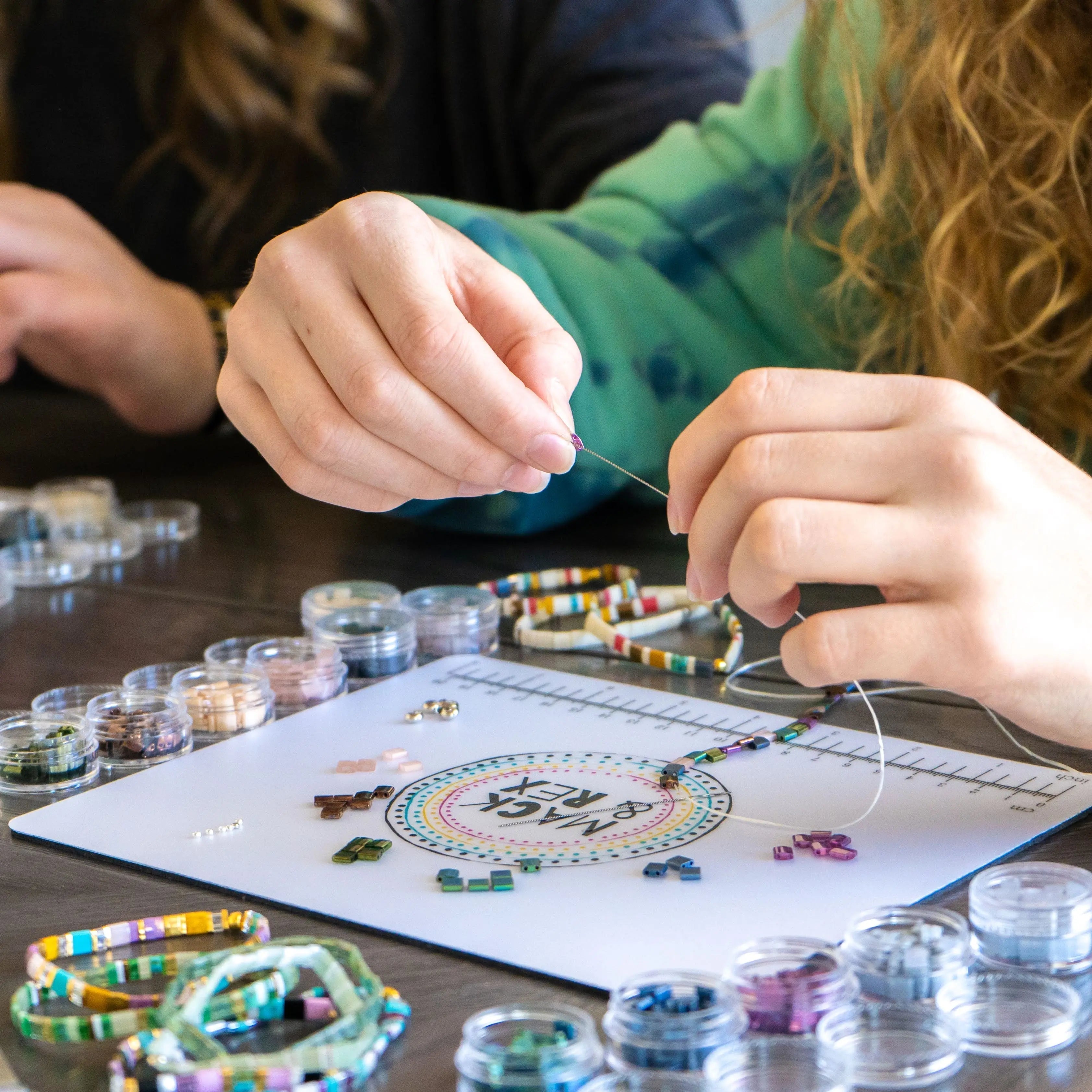
Tila beads are a flat, square Japanese glass seed bead made by Miyuki, measuring 5mm by 5mm with two parallel holes running through the flat face instead of one hole through the center. Crafters use them to build bracelets, earrings, and woven patterns where rows need to sit flush against each other. The two holes are the whole point: they let each bead lock into the next one so the finished piece stays flat rather than curling.
If you've searched "tila beads" while shopping for a bracelet-making kit, you've probably also seen the word "tile bead" used almost interchangeably. Tila is Miyuki's specific trademarked product. Generic "tile beads" from unnamed manufacturers copy the shape but not always the tolerances. More on that distinction below, but the short version: Tila is a brand name, and it's worth knowing whether you're buying the real thing.
How Big Is a Tila Bead, and What Do the Two Holes Actually Do?
A standard Tila bead measures 5mm x 5mm x 1.9mm thick, roughly the size of a small pea flattened into a square. Two holes, spaced about 2.4mm apart, run parallel through the flat side rather than through the center like most seed beads.
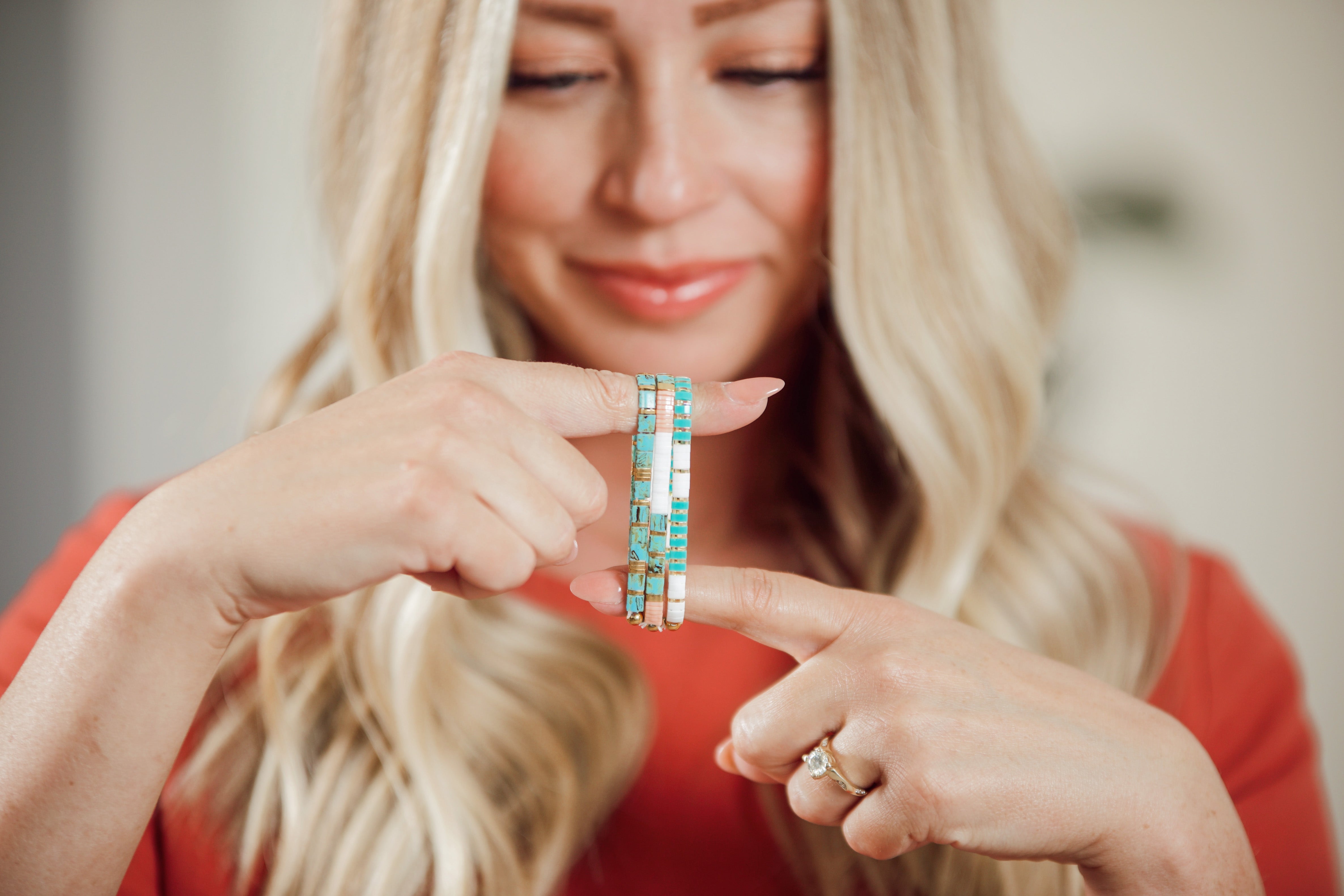
That second hole isn't decorative. On a single-hole round bead, thread passes through once, and the bead can spin or twist on the cord. With two holes, a Tila bead threads through both, which locks its rotation in place. String a row of them side by side and you get a flat, brick-like band with almost no gap between beads, which is exactly the look behind Mack & Rex's stackable bracelet designs. Try that with round seed beads and you'll get a looser, bumpier row with visible thread between each bead.
The practical upshot: Tila beads are built for pattern work where flatness and alignment matter. A tennis-bracelet-style stack, a geometric color block, a name spelled out in beads. All of that depends on the bead staying put row after row, which single-hole beads can't do as cleanly.
How Are Tila Beads Different From Round Seed Beads or Heishi Beads?
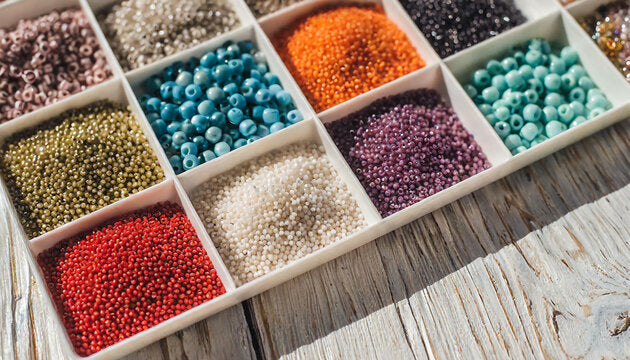
Three different beads, three different jobs. Round seed beads (often called "rocailles") are small, donut-shaped glass beads with one hole. They're the classic bead most people picture when they hear "seed bead," and they're great for curved, textured, or beaded-loom work where a rounded surface reads fine.
Heishi beads are flat discs, usually made from clay, shell, resin, or stone, with a single center hole. "Heishi" is a term borrowed from Native American shell-bead tradition, and the beads have a slightly organic, pebbly look when strung. They stack into a rounded, tactile row that's different from the crisp, tile-like grid a Tila bead produces. Tila beads sit in a category of their own: flat, square, two holes, made of glass. According to the Wikipedia entry on seed beads, Japanese manufacturers have long led the category on precision sizing, and that shows up clearly when you compare a batch of Tila beads to a generic round seed bead in the same color. The Tila's edges line up. A round bead's edges never fully will.
None of these beads is "better" across the board. A round seed bead handles curves and fringe work a Tila can't. A heishi bead gives you a natural, earthy texture a glass Tila won't match. Tila beads win specifically at flat, geometric, stackable designs, which is most of what shows up in the STAINED, BEACHY, RETRO SUNSET, and EVERGREEN EDIT bracelet lines at Mack & Rex.
What Finishes Do Tila Beads Come In?
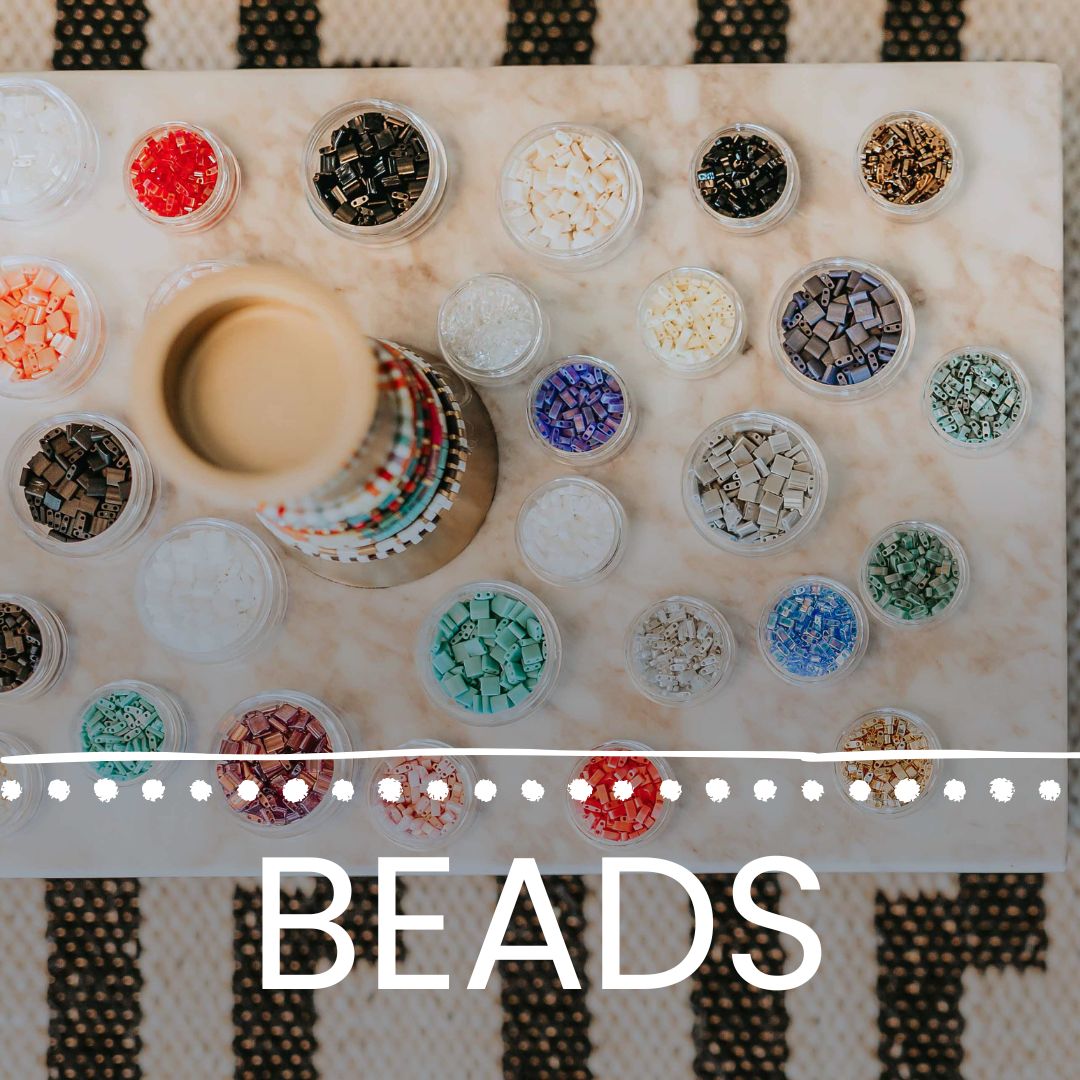
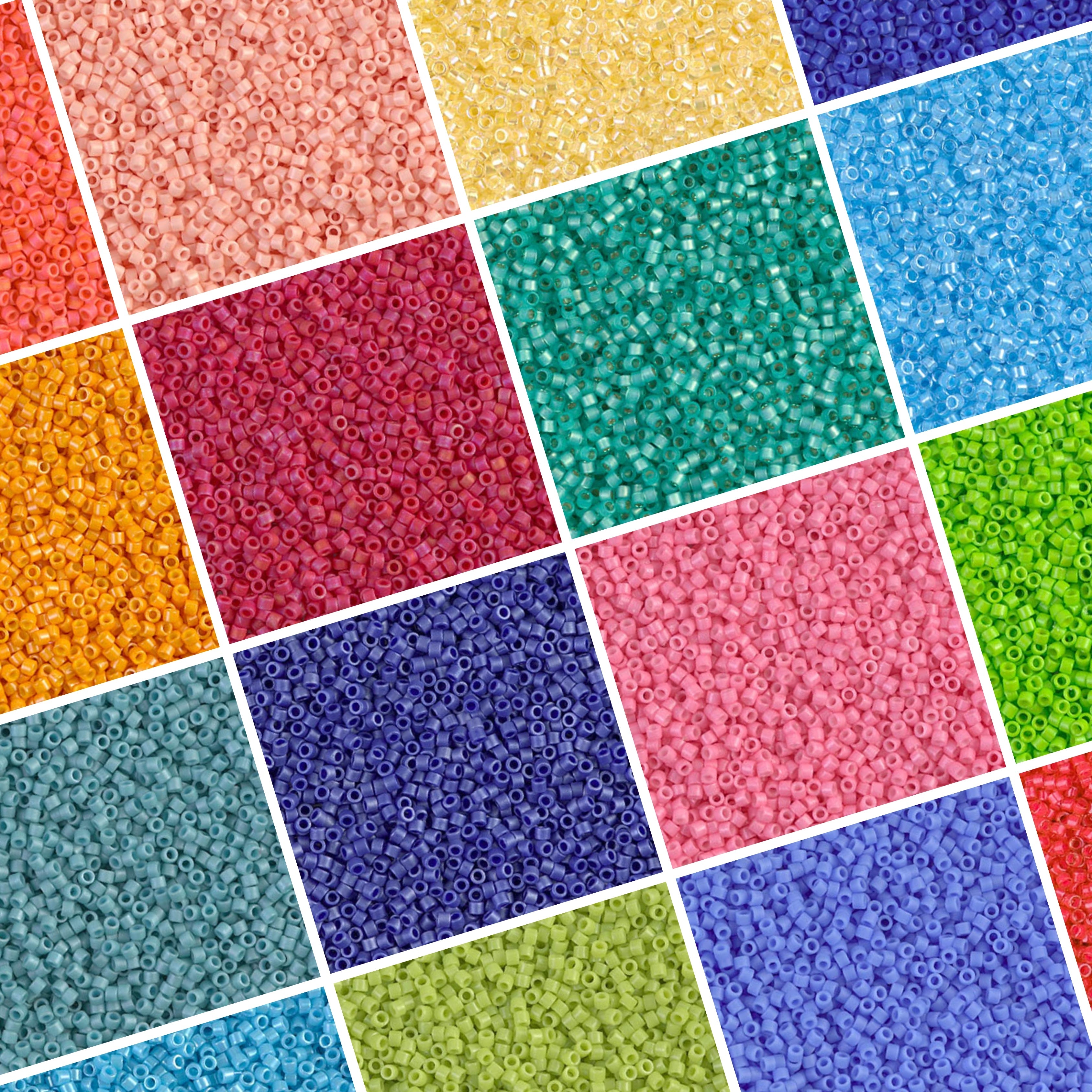
Quite a few. Matte finishes have a soft, chalky surface and read modern and casual, good for everyday stacking. Opaque colors are solid all the way through and hold their look the longest under regular wear. Transparent and crystal finishes let light pass through for a glassy, jewel-like effect, though they show scratches sooner than an opaque bead does. Metallic and iris finishes add a coated shine, and specialty finishes like Picasso (a mottled, weathered coating) give a bead an earthy, almost antique texture. Miyuki also releases seasonal and limited colorways, which is part of why bead shoppers hunt for specific color codes rather than just a color name.
One Mack & Rex customer, reviewing a bead purchase, put it simply: "Glad there is a website which carries the hard to find bead colors I'm looking for." That's the finish hunt in a sentence. Once you know the shape and size are locked in, color and finish become the fun part of building a project. Mack & Rex stocks individual Tila colors and curated mixes on the Tila beads collection page, updated with new drops through the year.
Should a Beginner Start With a Tila Bead Kit or Loose Beads?
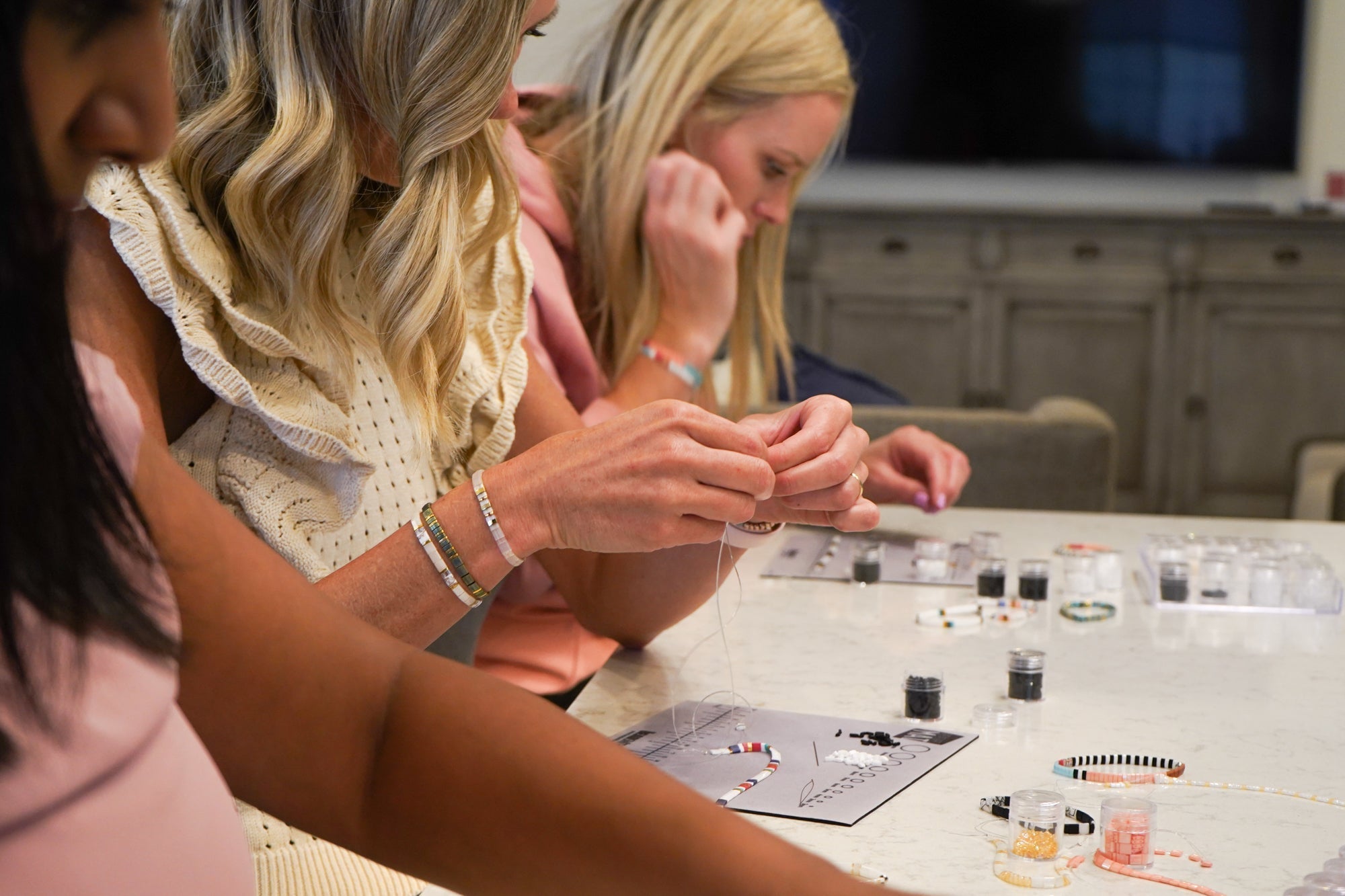
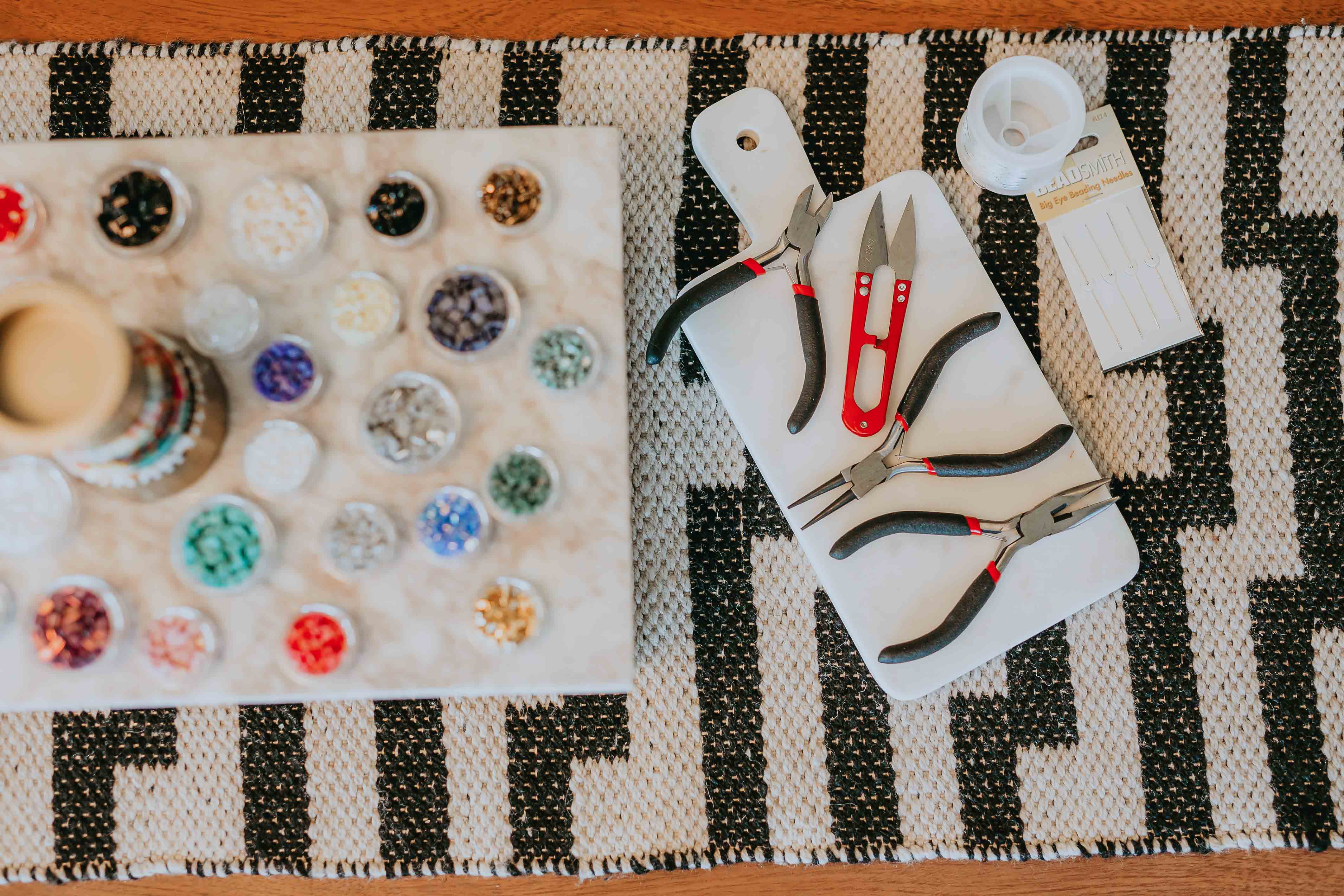
Start with a kit. A kit bundles the beads, the stretch cord, and often a clasp and needle into one package, so there's no separate trip to figure out what gauge cord you need or how much length to cut. That matters more than it sounds like when you're brand new. Half the frustration in a first bead project comes from missing supplies, not the beading itself.
Loose beads make more sense once you've got a pattern in mind and already own cord and tools. A Mack & Rex trio kit runs $44.99 and makes three bracelets, which is enough to test a few color combinations without committing to a full palette. Loose Tila bead mixes run about $5-9 a pack for crafters restocking a specific color or building something outside the kit patterns. Either way, the two-hole design is forgiving. Because the bead can't spin freely on the cord, your tension stays more even than it would with round beads, and mistakes are easier to spot and fix before you finish a row.
For sourcing, buy from a retailer who names Miyuki specifically rather than a vague "tile bead" listing. The Miyuki company's own site and general bead-industry references like Fire Mountain Gems' Encyclobeadia are useful if you want to dig into color codes and glossary terms before you shop. Mack & Rex resells genuine Miyuki Tila beads; it doesn't manufacture them, and it says so plainly.
Frequently Asked Questions
What are Tila beads made of?
Tila beads are made of Japanese glass, manufactured by Miyuki. They're pressed into a flat square shape with two parallel holes rather than the single center hole you'd find on a round seed bead. Mack & Rex sells genuine Miyuki Tila beads as loose packs, mixes, and inside DIY bracelet kits.
What size are Tila beads?
A standard Miyuki Tila bead measures 5mm by 5mm and about 1.9mm thick. That flat, square footprint is what lets rows sit edge to edge with almost no gap, which is why Tila beads look so clean in a finished bracelet.
Are Tila beads good for beginners?
Yes. The flat shape sits still while you string it, unlike a round seed bead that can roll off a table or a needle. A kit that includes pre-cut cord and a clasp removes the guesswork of measuring and setup, so a first-timer can finish a bracelet in one sitting.
What's the difference between a Tila bead and a heishi bead?
A Tila bead is square with two holes and made of glass. A heishi bead is typically round or disc-shaped with a single center hole and is often made of clay, shell, or stone. Tila beads stack into flat, tile-like rows; heishi beads stack into rounded, pebbly rows. They're different materials built for different looks.
Can I buy loose Tila beads rather than a kit?
Yes. Mack & Rex sells loose Tila beads and curated color mixes for around $5-9 a pack for crafters who already have cord, tools, and a pattern in mind. First-timers usually do better starting with a kit, since it bundles the beads with the cord and clasp needed to finish a bracelet.
Ready to see the shape and colors for yourself? Browse the Mack & Rex Tila beads collection for loose packs, curated mixes, and the trio kits that come with everything you need to make your first stack. US orders over $100 ship free, and international orders ship too, with duties and shipping calculated at checkout.