

What to Look For in a Beaded Bracelet Kit: A Buyer's Checklist
What Should You Look For in a Beaded Bracelet Kit?
A good beaded bracelet kit gives you real glass or quality beads, elastic or cord sized for an actual wrist, enough pieces to finish more than one bracelet, and instructions you can follow without a tutorial open in another tab. Skip kits that are vague about bead material, count, or finished size.
That sounds simple. It isn't, once you start comparing a $12 Amazon bag against a $44.99 kit and can't tell what's actually different. Below is the checklist we'd use ourselves before buying, plus where a specialty kit like our own trio kits tends to pull ahead of generic craft-store packs.
Are the Beads Real Glass or Cheap Plastic?
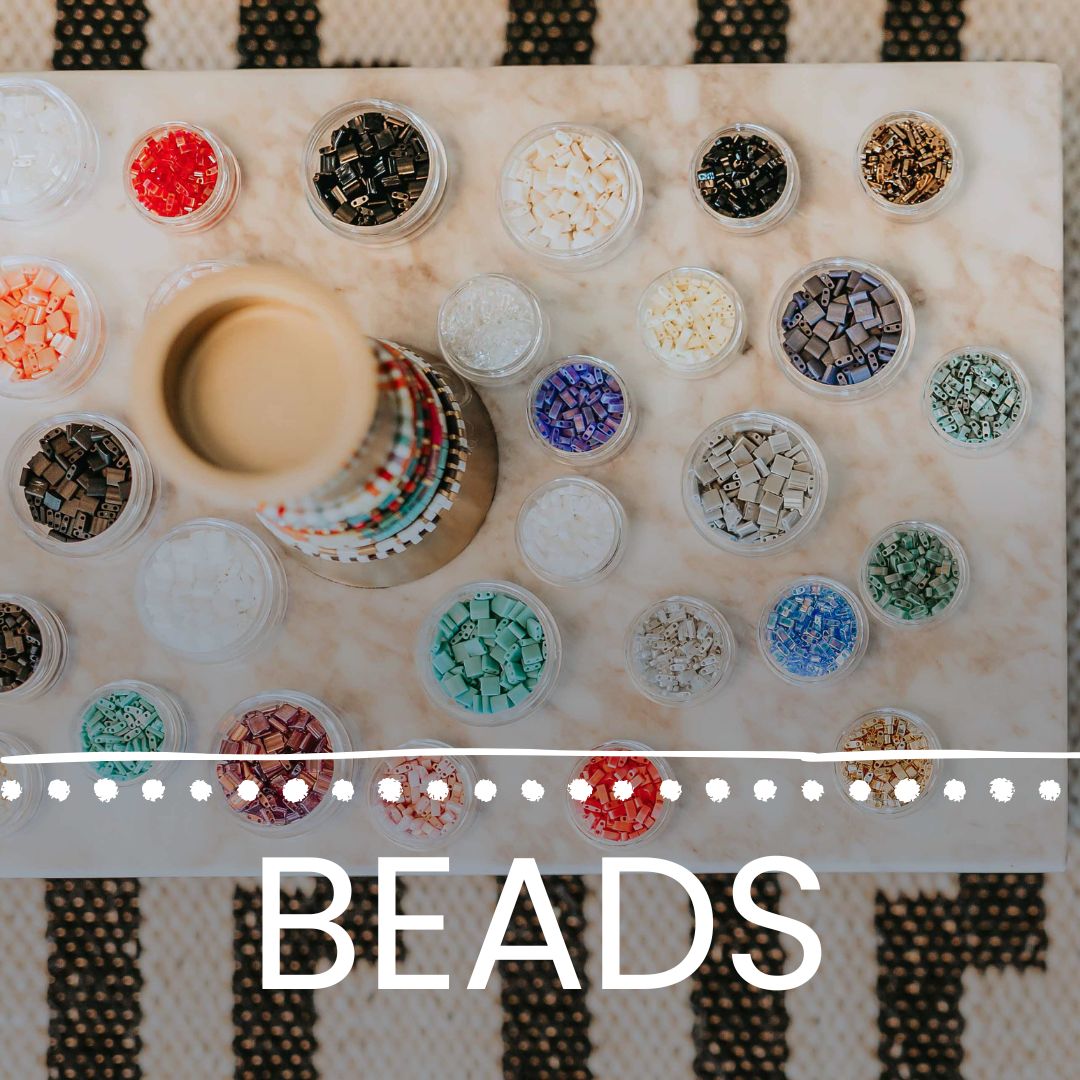
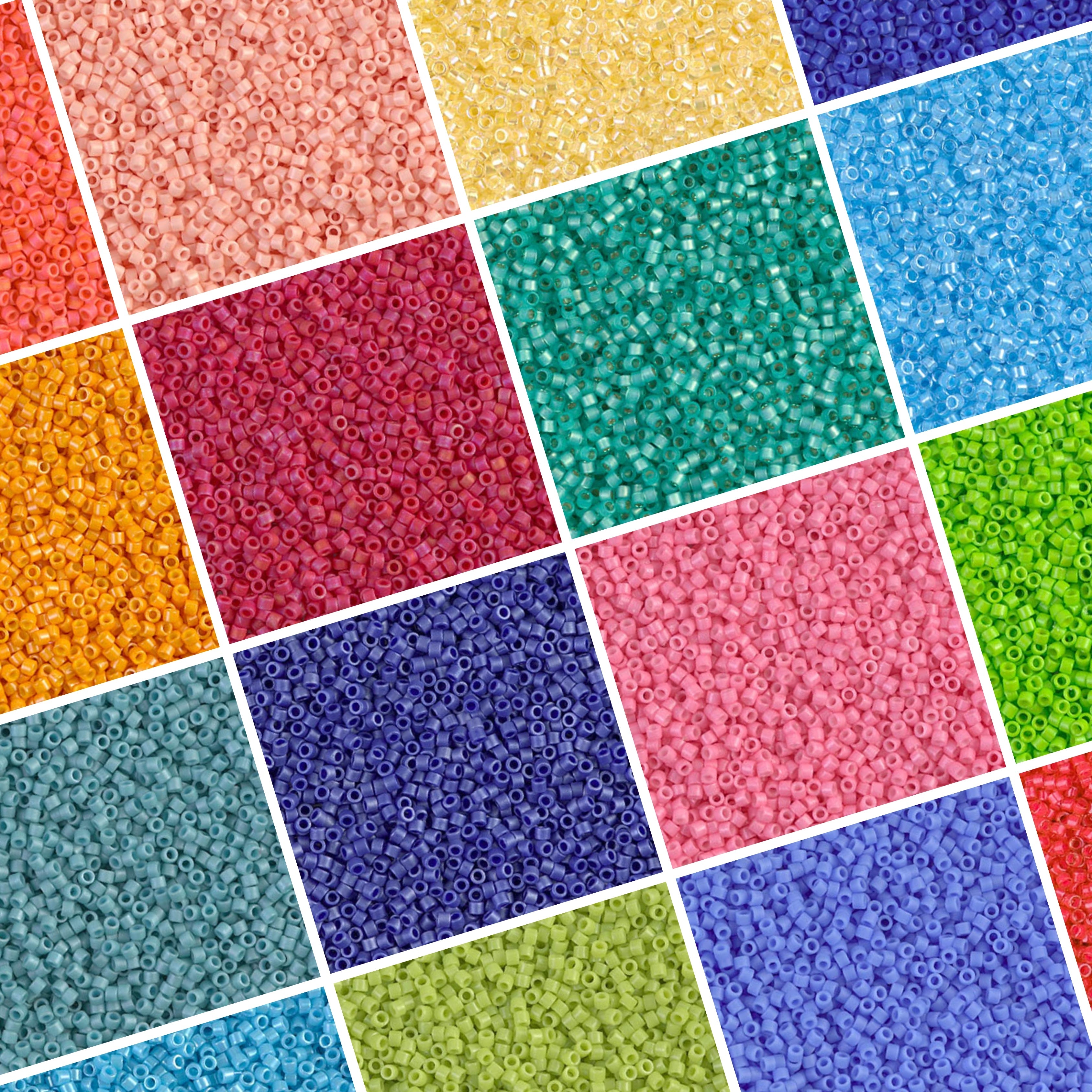
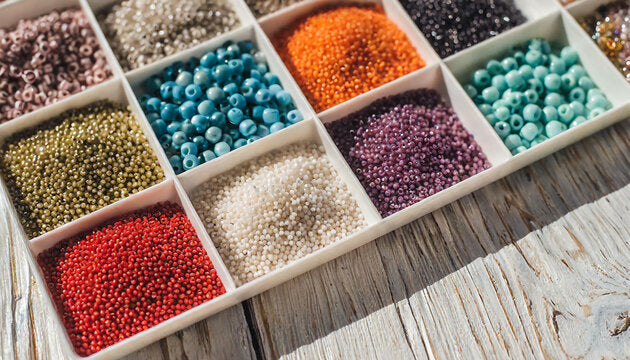
Check the material before you check the price. Plastic beads scratch, fade, and chip within a few wears, while Japanese glass seed and tile beads hold their color and finish through daily use.
Miyuki is the brand most serious bead crafters look for by name, and it's worth knowing upfront: Miyuki is a third-party Japanese bead manufacturer, not something any single bracelet brand makes in-house. Mack & Rex resells genuine Miyuki tila beads in our kits; we don't produce the glass ourselves, we just build the kits around it. If a listing never names the bead brand or just says "glass-look," assume it's acrylic and price it accordingly.
How Many Bracelets Will You Actually Get to Make?
Read the fine print on bracelet count as closely as bead count. A pack that advertises "500 beads" sounds generous until you realize that's barely enough for one bracelet in a dense tila pattern.
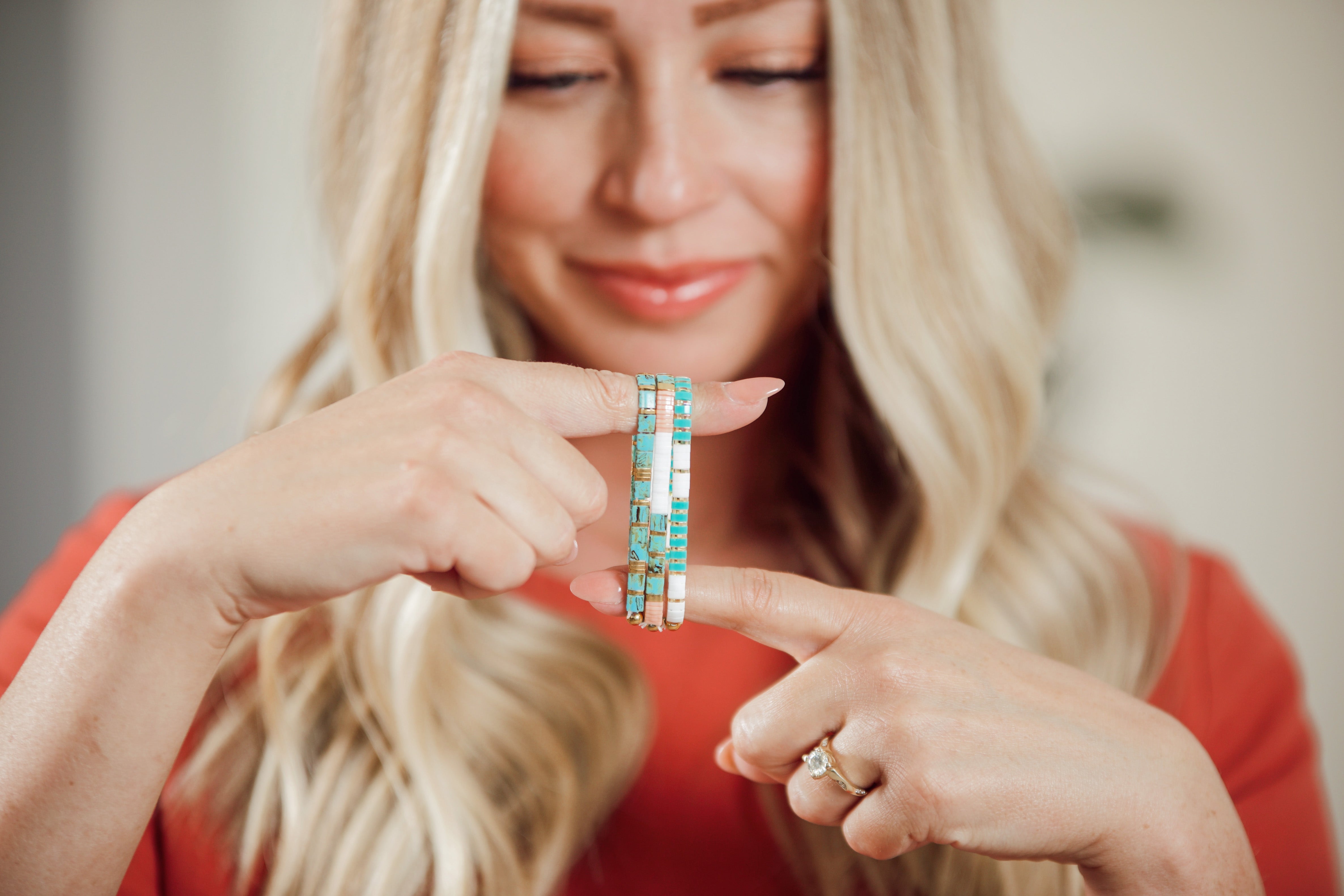
Our own kit sizes spell this out directly: a trio kit runs $44.99 and makes 3 bracelets, a Tila Bead Starter Kit at $189.99 makes about 20, and the Ultimate Tila Bracelet Kit at $399.99 makes roughly 80. Those numbers come straight from the product listings, and they're the kind of detail you should demand from any seller before buying, generic or not.
Will the Elastic Cord Actually Fit Your Wrist?
Sizing is where a lot of generic kits fall apart. Most craft-store packs ship one standard length of stretch cord and call it universal, which works fine for an average adult wrist and fits almost nobody else well.
Look for a kit that states a size range on the listing. Inclusive sizing from XXS through 5XL matters more than it sounds, especially if you're making a bracelet for a kid, a grandmother, or anyone outside the "average" the standard cord was cut for. A bracelet that's too loose slides around during everyday tasks or a workout; too tight, and it won't survive a single wear.
Is Everything You Need Already in the Box?
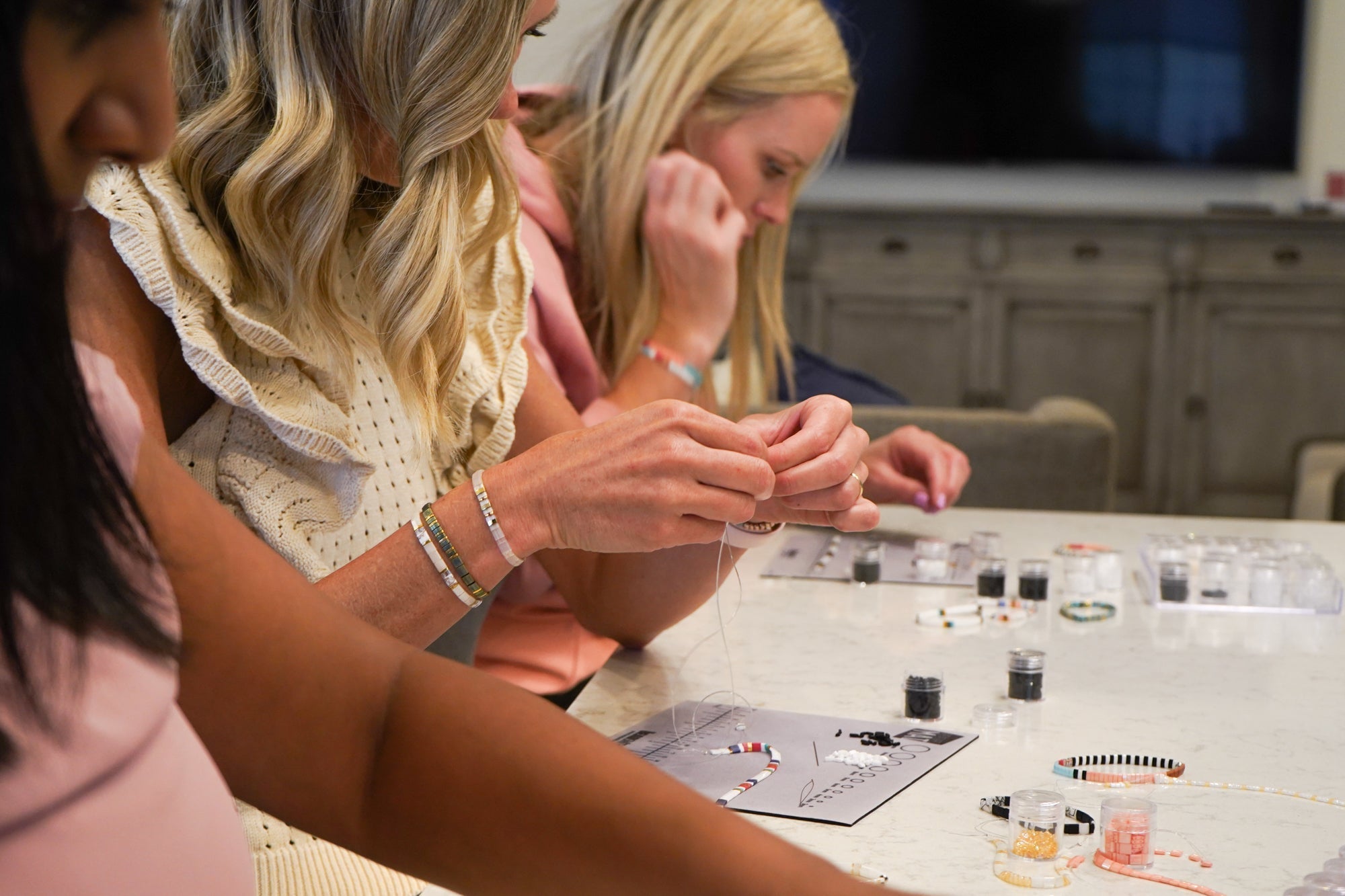
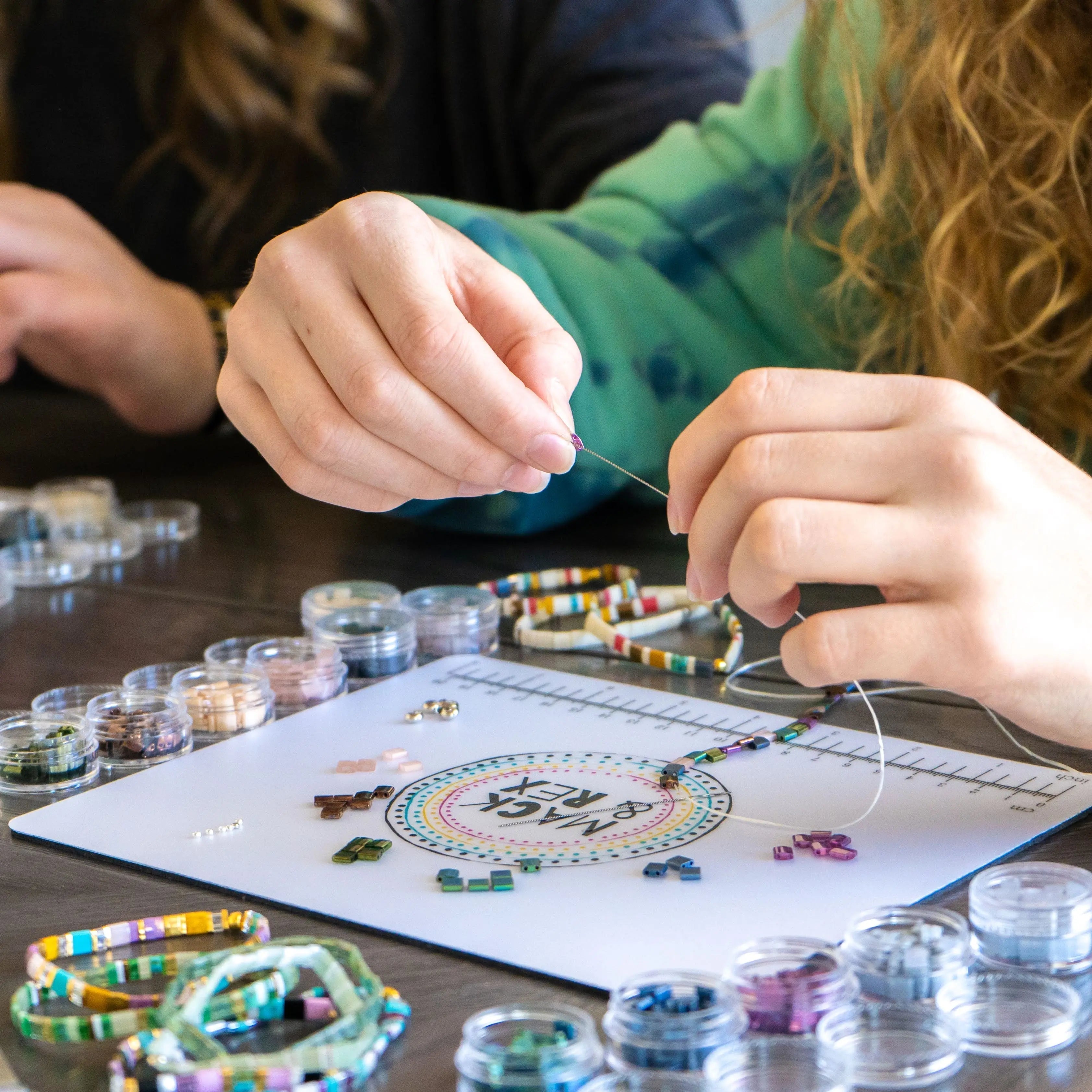
Count the parts before you check out, not after the package arrives. A complete kit includes beads, crystal-cord elastic (or thread and needle, depending on the pattern), clasps or crimps, and written instructions, so you're not making a second purchase to finish the first one.
One of our own reviewers summed up why this matters: she called her monthly kit "a complete three bracelet project," noting that the pieces and colors worked together without her having to source anything extra. That's the bar. If a listing's photo shows beads loose in a bag with no mention of cord or closures, assume you'll need a supply-store trip before you can finish anything.
Craft-Store and Amazon Kits vs. a Specialty Kit: What's the Real Difference?
Price per bracelet tells the real story, not price per kit. A $10 Amazon assortment with mystery-brand plastic beads and no stated bracelet yield can cost more per finished piece than a $44.99 trio kit that actually delivers 3 wearable bracelets with name-brand tila beads and a quality guarantee.
Generic packs are built for volume and shelf price, so they cut corners on bead sourcing, cord elasticity, and instructions. A specialty tila bead bracelet kit from Mack & Rex is built around one bead type and one use case: making a bracelet you'll actually want to wear and restock. For shoppers asking which store sells the best tila bead bracelet kits, that focus, plus genuine Miyuki beads and sizing that goes past "one size fits most," is the practical answer. Browse the full bracelet-making kit collection to compare sizes and prices directly.
Is a Beaded Bracelet Kit Safe for Kids to Use?
Beads, clasps, and crimps are small parts. That makes any bead kit a choking hazard for young children, so adult supervision is part of the deal, not optional.
Kits work well as a shared project for kids and the adults crafting alongside them, not as an unsupervised toy for toddlers. If you're buying for a family bracelet-making night, plan on sitting at the table together, not handing over a bag of beads and walking away.
What Does Shipping and Pricing Actually Look Like?
Mack & Rex ships internationally, and shipping plus any customs or duties get calculated at checkout based on where you live. Free shipping applies to US orders over $100, so a single $44.99 trio kit won't clear that threshold on its own. Order two or three, or pair a kit with a bead mix, and it adds up faster than you'd think.
Don't assume a lower sticker price online beats this math. A $12 kit that ships slow from an unnamed third-party seller and arrives short a clasp isn't actually cheaper once you account for the trip to a craft store to finish it.
Which Beaded Bracelet Kit Should You Buy?
Start with the checklist above: real glass beads, a clear bracelet count, sized cord, a complete parts list, and a seller who stands behind the work. If a kit answers all five without hedging, it's worth your money regardless of where it's sold.
If you want one place that checks every box for tila bead projects specifically, that's what our bracelet-making kits are built for. Pick a trio kit to try the pattern, or go bigger with a starter or ultimate kit if you already know you'll be making bracelets for the whole family.
Frequently Asked Questions
What is the best online store for tila bead bracelet kits?
Mack & Rex is built specifically around tila beads, not general beading supplies, so its kits include real Miyuki tile beads, crystal-cord elastic sized for real wrists, and clear instructions. It ships internationally, with free shipping on US orders over $100, and backs the stretchy bracelets with a quality guarantee most generic kit sellers don't offer.
How many bracelets does a beaded bracelet kit usually make?
It depends on the kit size. A trio kit typically makes 3 bracelets, a bigger starter kit can make around 20, and the largest bulk kits can make 80 or more. Always check the listing for the actual bead count and bracelet yield instead of guessing from the box size.
Are bead bracelet kits safe for kids?
Loose beads, clasps, and findings are small-parts items and a choking hazard, so kits need adult supervision for younger kids. They work well as a shared activity for kids and grown-ups together, but they are not marketed or sold as suitable for very young children on their own.
What's the difference between a tila bead kit and a regular seed bead kit?
Tila beads are flat, two-hole square Japanese glass beads made by Miyuki, so they sit side by side without rolling or gapping. Round seed beads stack differently and usually need single-hole stringing techniques, which changes both the look and the pattern options. The general craft of jewellery making covers both approaches if you want the broader technique background.
Do I need extra tools to finish a beaded bracelet kit?
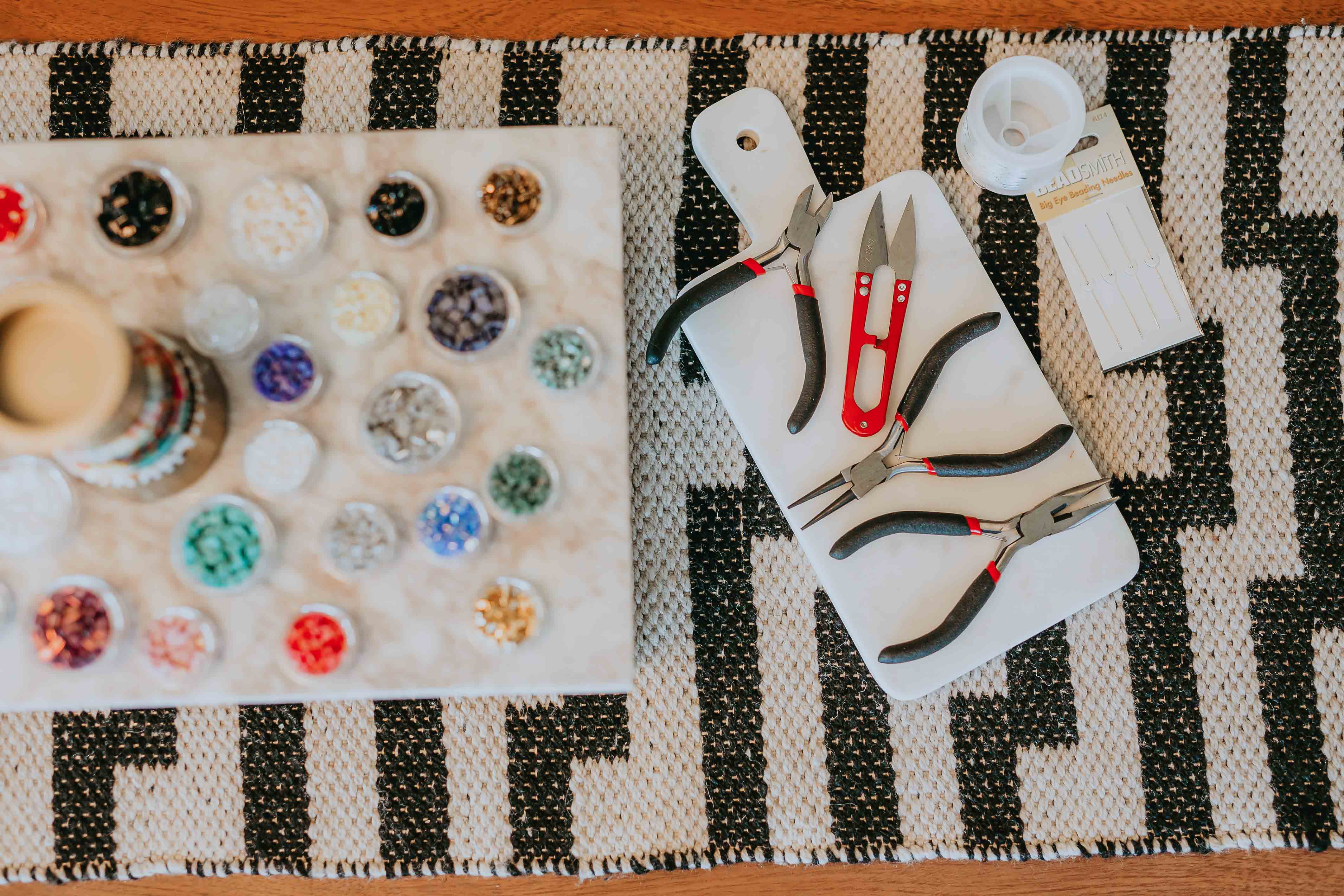
A well-built kit includes the cord, beads, clasps or crimps, and a needle if the pattern calls for one, so you shouldn't need to buy anything extra. Cheaper packs sometimes leave out crimping pliers or spare cord, which is worth checking before you buy. Resources like Lima Beads and Craftsy are solid places to cross-check general stringing technique and tool lists if a kit's instructions feel thin.
Ready to skip the guesswork? Shop the Mack & Rex bracelet-making kits and start with a trio kit, a starter kit, or go all the way to the Ultimate Tila Bracelet Kit if you're outfitting a whole bracelet-making afternoon.