

Are Heishi Bead Bracelets Waterproof? Everyday Wear & Care Guide
Are Heishi Bead Bracelets Waterproof?
No, heishi bead bracelets are water-resistant, not waterproof: a quick hand rinse, a splash from the sink, or a few minutes of light rain won't hurt a well-made bracelet. Regular soaking, swimming, or long, hot showers wear down the elastic cord over time and shorten how long the bracelet lasts.
That distinction matters more than it sounds like it should. "Waterproof" implies you could wear one in the shower every day for years with zero change. That's not realistic for any stretch bracelet, heishi or otherwise, because the weak point isn't usually the beads. It's the cord holding them together.
Can You Shower With a Heishi Bracelet On?
You can for a quick rinse, and a lot of people never take theirs off at all. But if you're asking because you want to know the honest tradeoff: a daily hot shower with soap and shampoo is harder on elastic cord than most people expect. Heat softens the material slightly, and soap residue can collect in the gaps between beads and dry there.
If you wear a heishi bracelet as a daily piece and shower with it on, that's a personal call and plenty of customers do it. If you want it to look sharp for years, sliding it off before a longer shower and setting it on the counter takes two seconds and adds real life to the cord.
What Happens If Heishi Beads Get Wet in a Pool or Ocean?
Pool and ocean water hit harder. Chlorine is a chemical treatment meant to break down organic material, and elastic cord doesn't hold up well against repeated exposure to it. Salt water carries fine grit that can work its way into the stretch of the cord and act like sandpaper from the inside out. Neither will destroy a bracelet in one swim, but a summer of pool days with it left on will visibly age the cord faster than normal wear.
The simple move: take it off before you swim. It takes a second, and it's the single biggest thing you can do to protect the elastic long-term.
Does Sweat or Sunscreen Damage a Heishi Bracelet?
Sweat is mostly water and salt, so the same logic applies: fine occasionally, not ideal for hours on end. A workout here and there won't hurt anything. What adds up is a bracelet worn to the gym daily and never wiped down afterward. Sweat that dries on the beads and cord leaves salt residue behind, and over weeks that residue can stiffen the cord.
Sunscreen and lotion are actually a bigger everyday risk than water. Chemical sunscreens especially can react with elastic cord and with some bead finishes, gold-plated accent beads in particular. If you're headed to the pool or beach, put your bracelet on after sunscreen has fully absorbed, or take it off while you apply it.
How Do You Clean a Heishi Bead Bracelet?
Here's the actual routine that works, not a hypothetical one:
Wipe the beads with a soft, dry cloth after wearing them, especially after a workout or a warm day. If they look dull, dampen the cloth slightly with mild soap and water, wipe, and dry immediately with a clean cloth. Don't run the bracelet under the tap or drop it in a bowl of soapy water. Lay it flat to dry completely before you store it or put it back on. Keep it away from chlorine, salt water, nail polish remover, and hairspray, all of which are harder on the cord than plain water. Fire Mountain Gems' stretch cord guide covers the same core rule for any elastic-strung piece: moisture and heat are what age the cord, not the beads themselves.
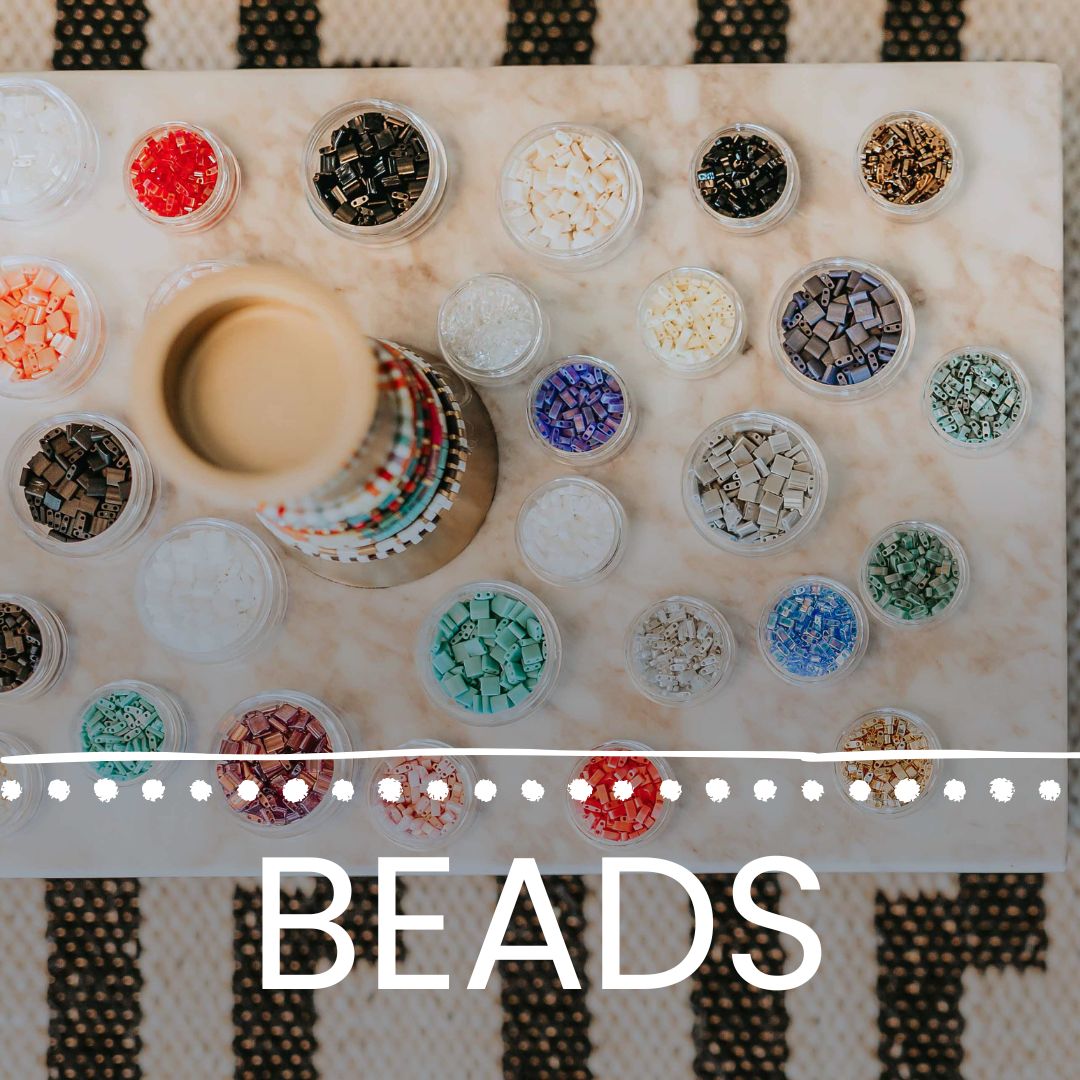
Polymer clay heishi, which is what most modern heishi bracelets, including ours, are made from, holds up to that light cleaning routine well. Polymer clay is a synthetic modeling compound that's baked to a solid, low-porosity finish, so it doesn't absorb water the way natural materials like coconut shell or unsealed stone can. It's still not chemical-proof, so the same cautions around acetone and chlorine still apply.
Why Does the Elastic Cord Matter More Than the Beads?
Ask most jewelry makers what fails first on a stretch bracelet and the answer is almost always the cord, not the beads. Soft Flex Company's guide to stretch cord lays out why: elastic is a polymer, and polymers degrade with repeated exposure to heat, UV light, and moisture. Every wet-then-dry cycle stresses the material a little. It's not damage you'll notice in one week. It shows up months down the line as looser stretch or a cord that feels slightly tacky.
That's why a bracelet built on quality elastic cord, kept reasonably dry and clean, will outlast one strung on cheaper stretch cord even with identical wear. It's also why we'd rather be upfront about care than promise something that isn't realistic. A heishi bracelet is meant for real, everyday life, workouts, showers on occasion, hand washing dishes, not for treating like dive gear.
How Long Does the Elastic Cord Last With Regular Wear?
There's no single number here because it depends entirely on how the bracelet is worn and cared for. A bracelet that's worn daily but wiped down, kept off during swims, and stored dry can last a long time. One that's worn in the shower every day, in the pool all summer, and tossed in a damp gym bag will show wear faster, sometimes within a season.
Watch for the tells: the stretch feels noticeably looser than when it was new, the cord looks thin or discolored near the knot, or the bracelet has been through a lot of wet exposure lately. Any of those means it's closer to the end of its life than the beginning.
Where's the Best Place to Store a Heishi Bracelet?
Keep it flat, dry, and shaded. A small dish on your dresser or a soft pouch both work fine. Avoid balling it up tightly or looping it around something, since that puts constant tension on the cord even when you're not wearing it. A sunny windowsill is also worth avoiding; UV exposure and heat both make elastic brittle faster than normal wear does.
Ready for a Heishi Bracelet Built to Actually Wear?
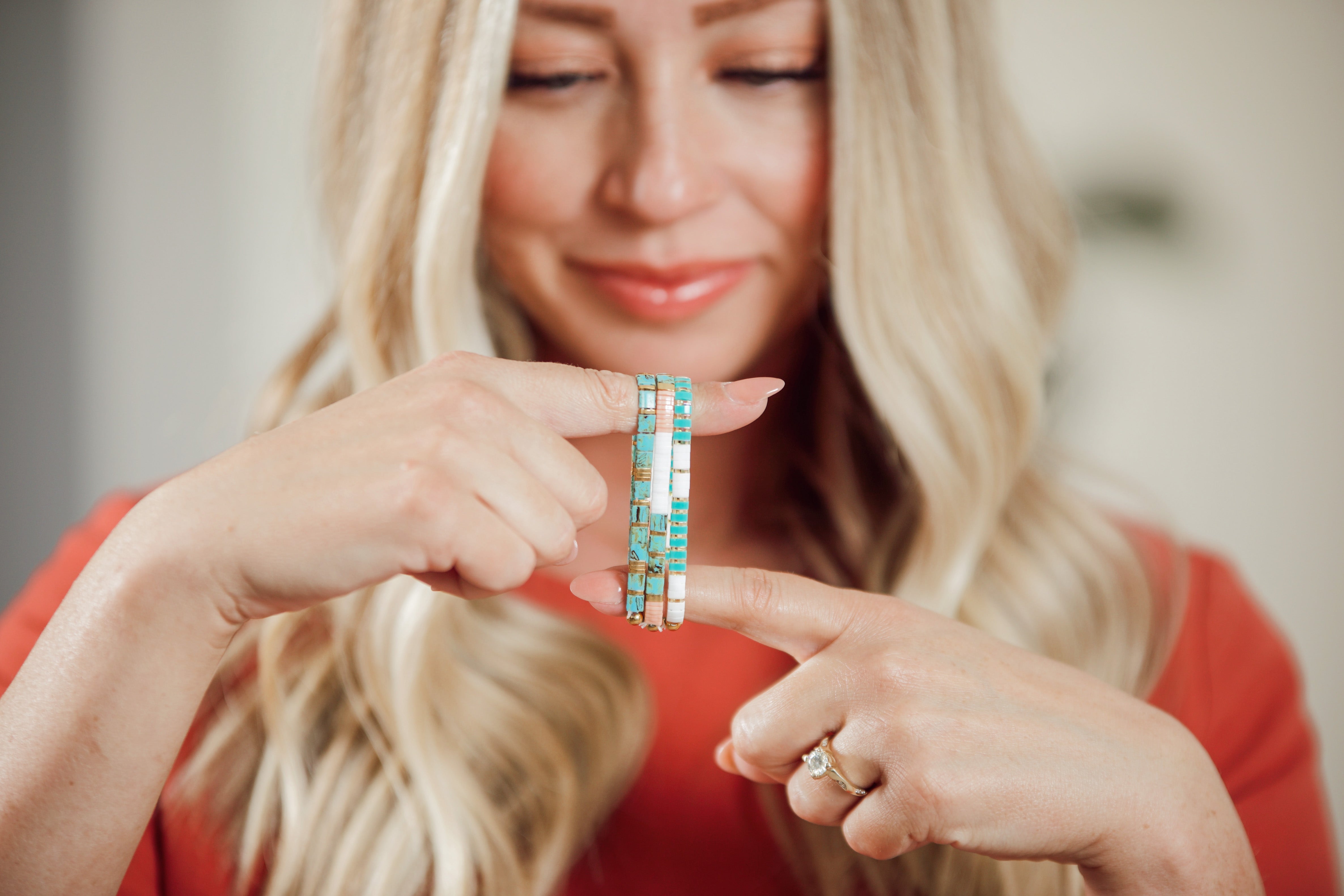
Our accent bracelet collection includes the BOHO Heishi Collection, made with polymer clay heishi beads and gold accent beads on stretchy elastic, designed for real, everyday wear rather than a shelf. Follow the basic care above (wipe it down, skip the pool, dry it flat) and it'll hold up through normal life for a long time.
Buy 3 bracelets and get 1 free, no code needed, so it's an easy way to build a stack without overthinking it. Orders over $100 ship free within the US.
Frequently Asked Questions
Are heishi bead bracelets waterproof?
No, they're water-resistant, not waterproof. A splash of water or a quick handwash won't hurt a heishi bracelet, but soaking it, wearing it in a pool, or leaving it wet stresses the elastic cord and can dull the beads over time. Treat it like most stretch jewelry: fine for everyday moments, not built for full submersion.
Can you shower with heishi bracelets on?
You can, and plenty of people do without issue for an occasional quick rinse. For a longer or hotter shower, it's better to take it off. Heat and prolonged moisture are the two things that age elastic cord fastest, and soap and shampoo residue can build up between the beads.
Will a heishi bracelet get ruined if it gets wet once?
One wet moment, caught in the rain, splashed while washing hands, won't ruin it. Just dry it off and let it air out flat before you put it back on or store it. The risk comes from repeated soaking or leaving it wet against your skin for hours, not a single accidental splash.
Can you wear a heishi bracelet in the pool or ocean?
It's best to take it off first. Chlorine and salt water are harder on stretch elastic than plain water, and sand can work into the stretch cord and wear it down from the inside. Slip it off before you swim and it'll last a lot longer.
How often should you replace the elastic on a heishi bracelet?
There's no fixed schedule since it depends on how often it's worn and how it's cared for. Watch for signs: the stretch feels looser, the cord looks thin or discolored near the clasp knot, or it's been through repeated wet exposure. Any of those is a signal it's near the end of its life.