

Are Miyuki Tila Beads Worth the Price? A Quality Breakdown
Are Miyuki Tila Beads Actually Worth the Higher Price?
Yes, and the gap between genuine Miyuki Tila beads and cheap imitations is wider than the price tag suggests. Authentic Miyuki Tilas are manufactured in Japan to tight tolerances: every bead in a batch measures 5mm x 5mm x 1.9mm, the two holes are centered and parallel, and the glass finishes are built to last through regular wear. You pay more because you get a bead that behaves predictably and looks good for a long time.
The case for cheap alternatives looks reasonable until you make a bracelet with them. Then the differences show up fast. Here's what actually matters when you're comparing quality.
Why Does Glass Consistency Matter So Much?
Uniform glass is the whole game with flat tile beads.
Miyuki Tila beads are produced with tightly controlled dimensions. According to Miyuki's product specifications, a full Tila measures exactly 5mm x 5mm x 1.9mm. When every bead in a strand is that consistent, they sit flush against each other and the finished bracelet lays flat. That's not a minor aesthetic detail. A bracelet that doesn't lay flat shifts around on your wrist and looks less finished from the start.
Generic tile beads from discount suppliers are made with less precision. A single bag can have beads that vary by half a millimeter or more in width or thickness. String 30 of those together and you'll see the difference in the finished piece: slight gaps, uneven edges, a surface that looks more textured than smooth. For a bracelet meant to stack and wear daily, that inconsistency adds up.
Does Hole Placement Really Make a Difference?
More than most people realize before they try both.
Tila beads have two parallel holes, and the quality of that hole placement affects how the bead strings and how the finished strand behaves. In genuine Miyuki Tilas, the holes are centered and consistently placed across the batch, so each bead threads smoothly and sits at the same angle on the cord. Beads with off-center or poorly drilled holes can tilt or twist when strung, especially on a stretch bracelet where the cord tension is doing all the work.
The bead type reference at Beadaholique explains this well in the context of two-hole beads generally. Consistent hole placement is listed as one of the main quality indicators for precision beads, and it's one reason Japanese manufacturers like Miyuki hold such a strong reputation in the craft.
How Do Finishes and Colors Hold Up Over Time?
This is where cheap beads lose the most ground.
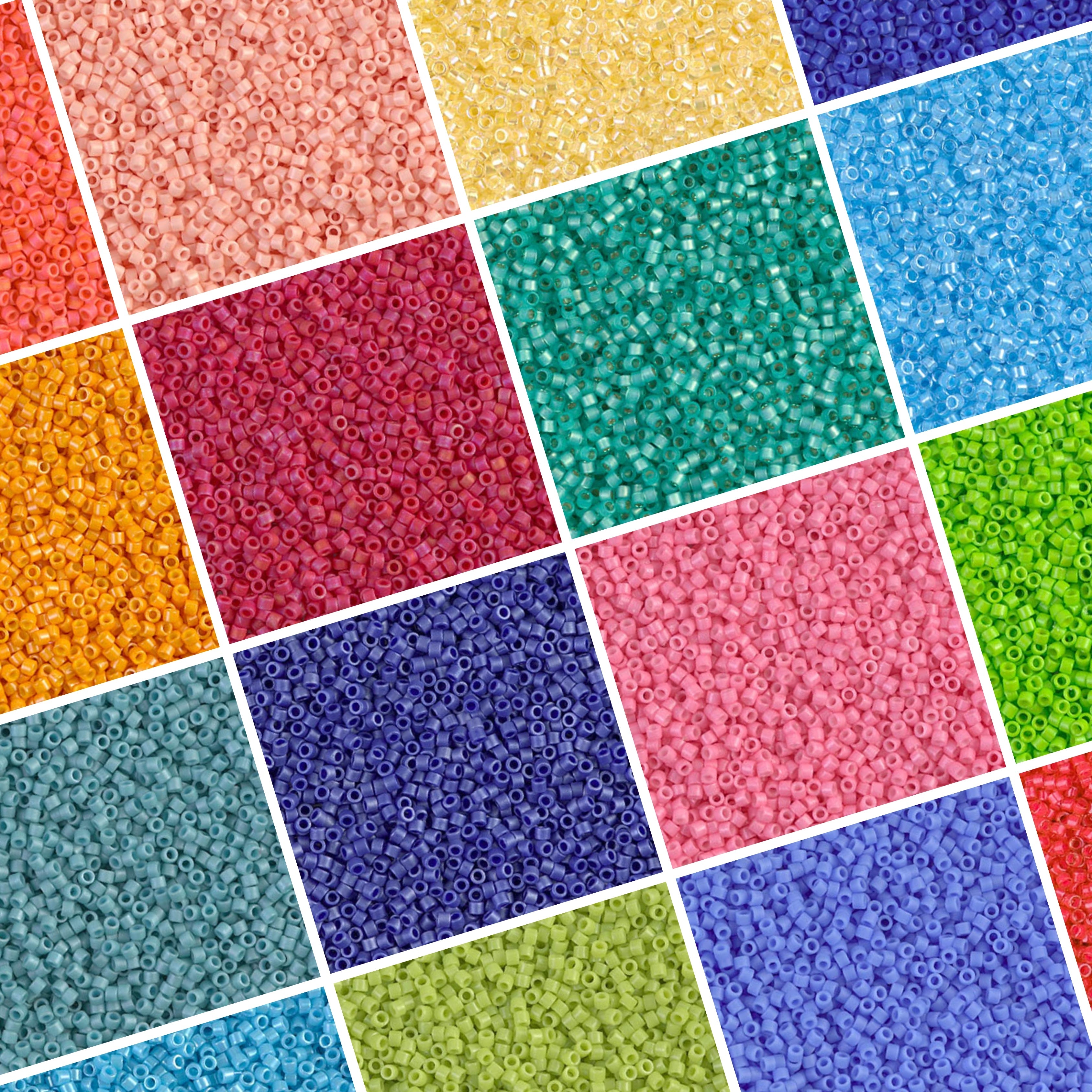
Miyuki produces Tila beads in a wide range of finishes: opaque, transparent, luster, matte, Picasso, metallic, AB (aurora borealis), and more. Each finish type goes through a specific coating or firing process that's been refined over decades of production. The result is color that stays consistent from bead to bead within a batch and holds up through regular contact with skin, light, and moisture.
Generic tile beads often use surface coatings applied with less control. Metallic and AB finishes are particularly prone to chipping or dulling on lower-quality beads because the coating is thinner and less adhered to the glass. A bracelet that looks vibrant on day one can look noticeably worn within a few months of daily wear.
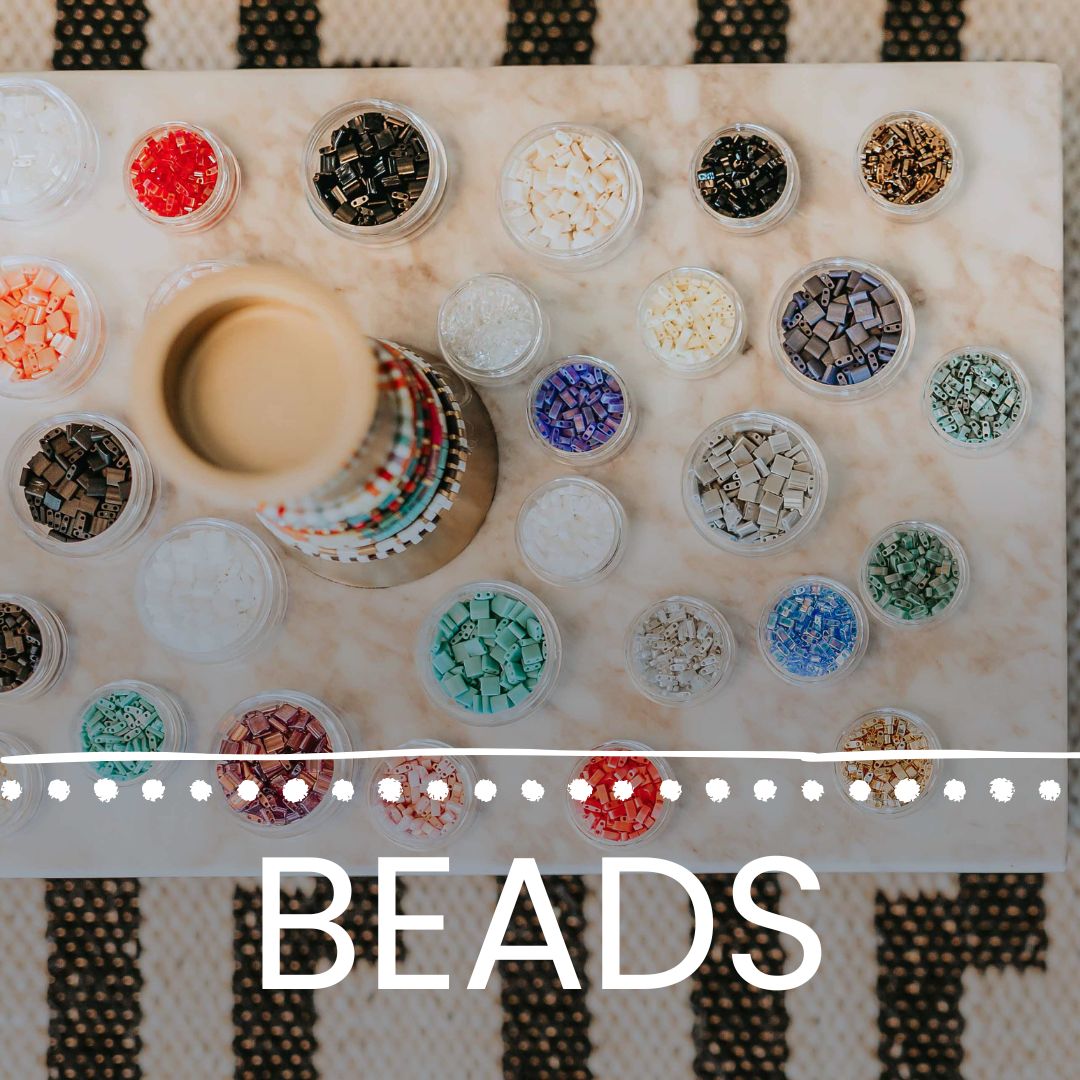
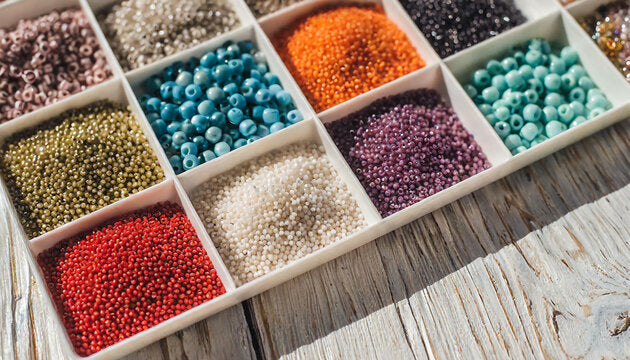
Miyuki's color range is also extensive. The company produces hundreds of colors and finish combinations for Tila beads, which means you can find specific palettes rather than settling for whatever a discount supplier happens to carry. The Spruce Crafts has a useful rundown on seed and precision bead finishes that gives good context for what different finish names actually mean and how they differ in wear.
What Makes the Color Range Worth Paying For?
Hundreds of options, not dozens.
Miyuki catalogs more than 400 standard colors for their Tila bead line, across every major finish type. That depth means you can build a specific color story for a bracelet stack, match a palette to a season or outfit, or find nuanced versions of common colors (warm white vs. cool white, matte navy vs. glossy navy) that cheap suppliers don't offer. When you're making multiple bracelets meant to stack together, that level of choice matters for the finished look.
Generic alternatives typically offer 20 to 50 colors at most, and the batch-to-batch variation means the "same" color can look different between orders. For a one-off project that's manageable. For a regular practice or a curated bracelet stack, it becomes a real limitation.
So Where Does Mack & Rex Fit In?
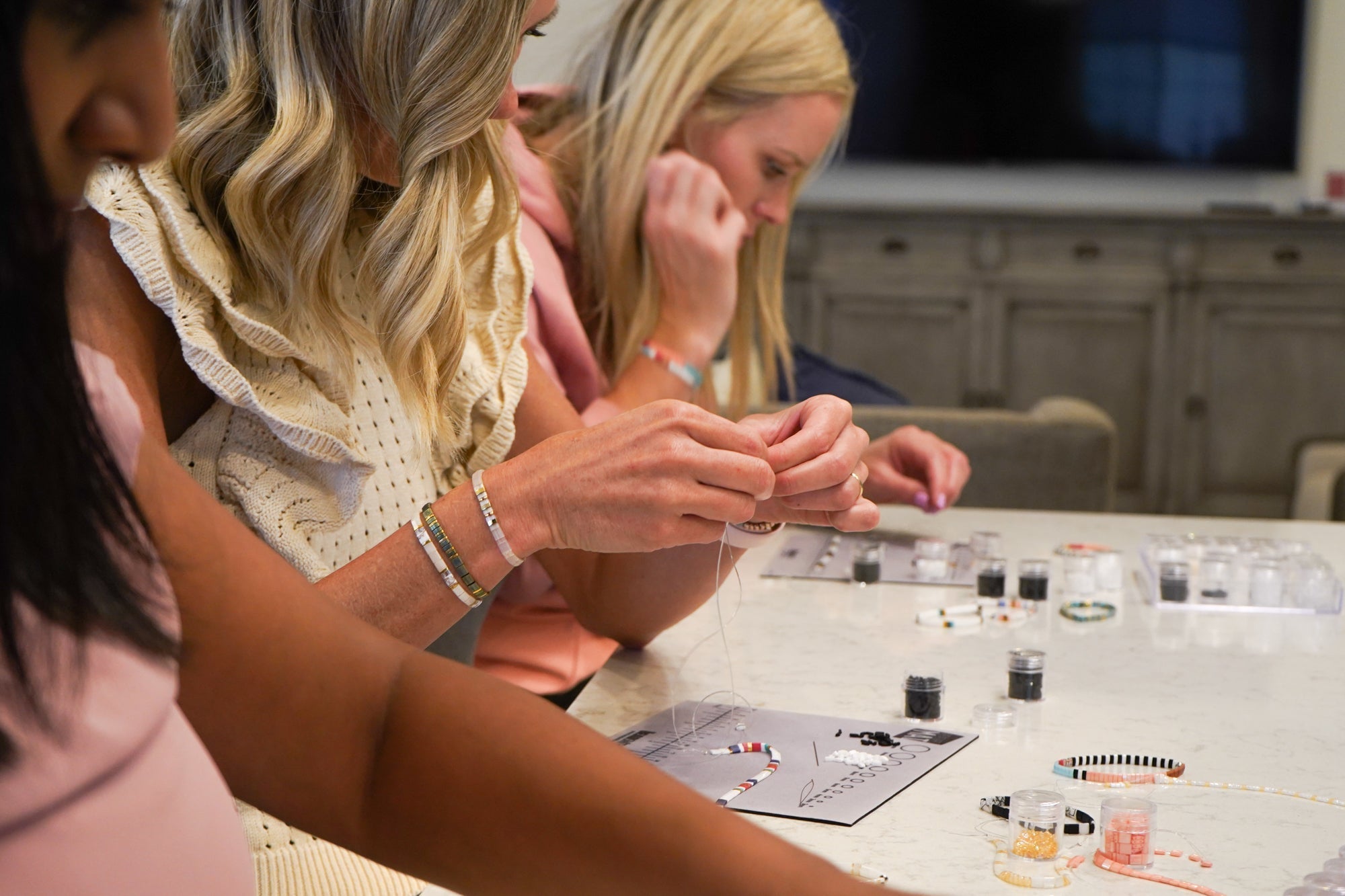
If the quality case for real Miyuki Tilas is clear but sourcing loose beads sounds tedious, Mack & Rex kits are the straightforward answer.
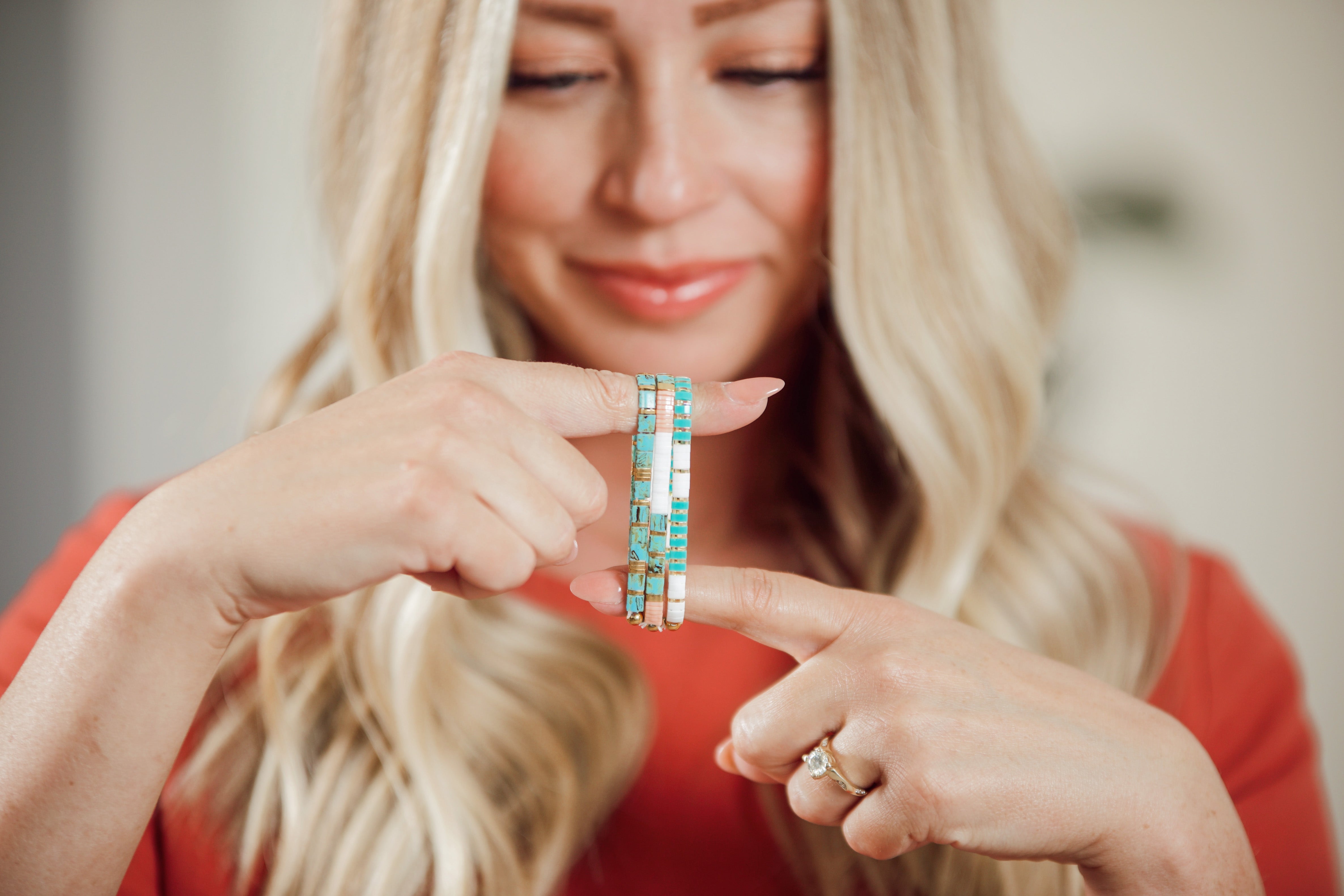
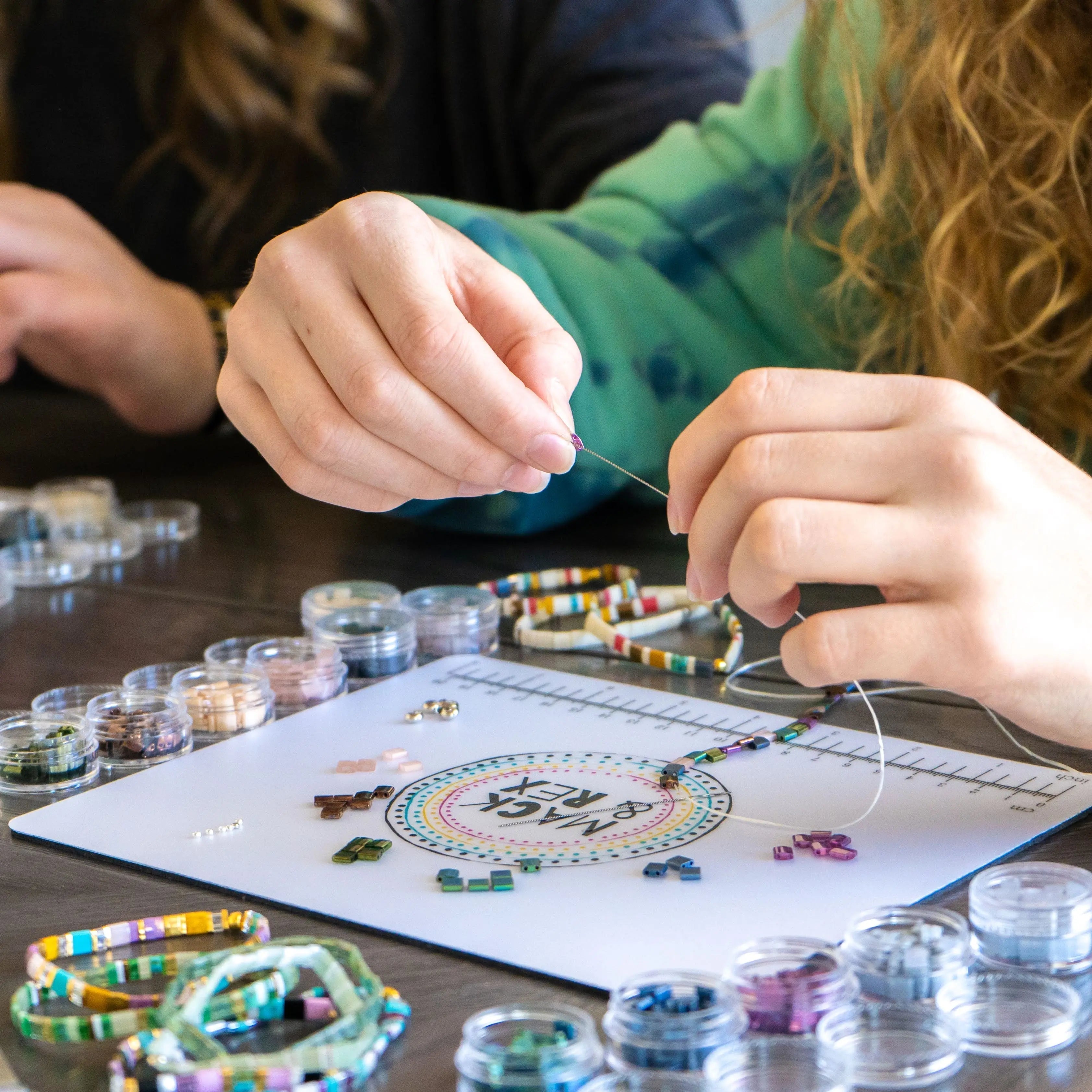
Mack & Rex uses genuine Japanese Miyuki Tila beads in all their kits and finished bracelets. They resell Miyuki beads and build kits around them, pre-sorted by color palette so you don't have to count, source, or organize anything. That means you get the real bead quality without the overhead of building a bead inventory from scratch.
Their Tila bead mixes and collections run in the $5 to $9 range per mix and cover curated palettes across the full Miyuki color spectrum. Kits include crystal-cord elastic and size guidance from XXS to 5XL. If you're buying enough to tip over $100, US shipping is free. And if you're picking up finished bracelets to stack alongside your DIY ones, the buy 3 get 1 free offer (no code needed) is a solid way to build a stack fast.
The inclusive sizing is worth noting specifically. Mack & Rex kits go from XXS through 5XL, so whoever you're making for (or buying for) gets a bracelet that actually fits their wrist, which is something most generic bead suppliers and kit brands don't address at all.
Frequently Asked Questions
Are Miyuki Tila beads worth the higher price?
Yes. Genuine Miyuki Tila beads are manufactured in Japan to tight tolerances, which means consistent sizing, centered holes, and rich color finishes that hold up over time. Cheap imitations vary in size, have off-center holes, and use finishes that fade or chip faster. If your finished bracelet needs to lay flat and wear well, the quality difference shows.
What is the standard size for a Miyuki Tila bead?
A full Miyuki Tila bead measures 5mm x 5mm x 1.9mm with two parallel 0.8mm holes. That precise sizing is part of what makes them predictable to string. Miyuki also makes Half Tila (5mm x 2.3mm x 1.9mm) and Quarter Tila (5mm x 1.2mm x 1.9mm) versions for more detailed projects.
How many Miyuki Tila beads do I need for one bracelet?
The count depends on your wrist size and whether you use full or half Tilas. A typical adult bracelet in a medium size uses roughly 28 to 35 full Tila beads. Mack & Rex bead mixes include enough to make 20 or more bracelets per pack, which makes them a practical buy if you plan to make several.
What is the difference between Miyuki Tila beads and generic tile beads?
Miyuki Tila beads are made in Japan with controlled sizing and certified colorfast finishes. Generic tile beads are typically made with less precision: size variation bead-to-bead, holes that aren't perfectly centered, and color coatings that wear off faster. The visual result is that Miyuki bracelets lay flat and look polished; generic ones can look uneven and the color can dull after regular wear.
Where can I buy genuine Miyuki Tila beads without sourcing loose beads myself?
Mack & Rex sells ready-to-use Miyuki Tila bead mixes pre-sorted by color palette, so you don't have to source, count, or sort loose beads. Browse their bead collections at mackandrex.com/collections/all-seed-beads.
Ready to Work with Real Miyuki Tila Beads?
Mack & Rex takes the sourcing work off your plate. Their bead mixes use genuine Japanese Miyuki Tila beads, pre-sorted into color palettes you can string straight from the bag. No counting, no hunting for the right colors, no wondering if you got the real thing.
Browse the full range of Tila bead mixes and kits at mackandrex.com and find the palette that fits your next project.