

Bead Making Kit Buyer's Guide: What's Actually Inside (and What to Skip)
Wait: Are You Actually Making Beads?
Probably not. Most people searching "bead making kit" aren't looking to manufacture glass beads from scratch. They want to make beaded jewelry, usually bracelets, using beads that already exist. That distinction matters when you're shopping, because it changes what you're actually looking for.
The term gets used loosely. "Bead making kit," "bracelet making kit," "beaded jewelry kit": these all often describe the same thing: a set of components you use to assemble a finished bracelet. You're stringing and knotting, not molding or firing. If you've seen a kit that includes clay or a kiln, that's genuinely a bead-making kit and a different product entirely. For most shoppers, though, the goal is a bracelet you can wear by the end of the afternoon.
So let's talk about what a genuinely complete beaded bracelet kit looks like, and what to skip.
What Should a Complete Beginner Kit Actually Include?
A good bead making kit for bracelets has six things. Miss any of them and you'll be making a trip to the craft store mid-project.
Quality Glass Beads
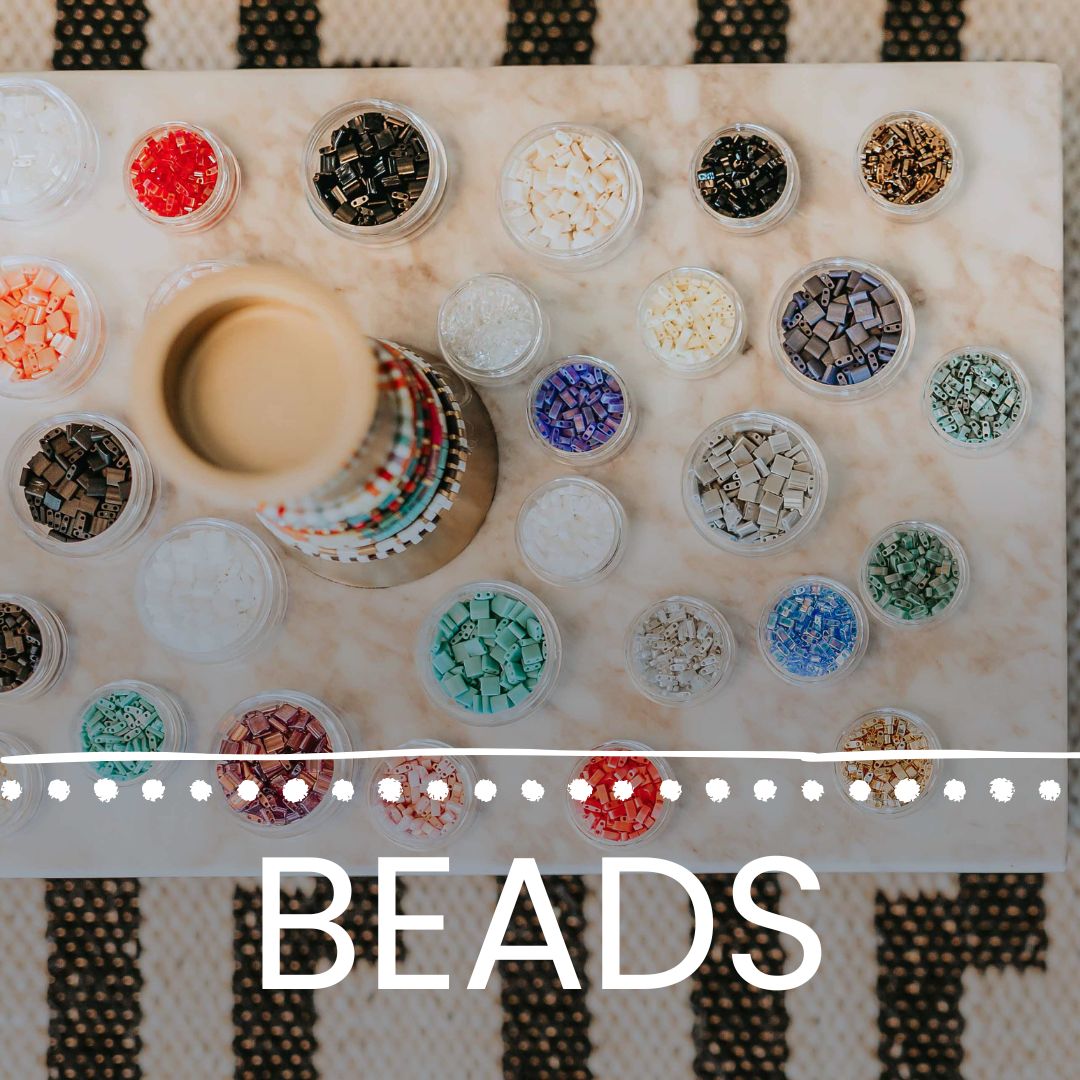
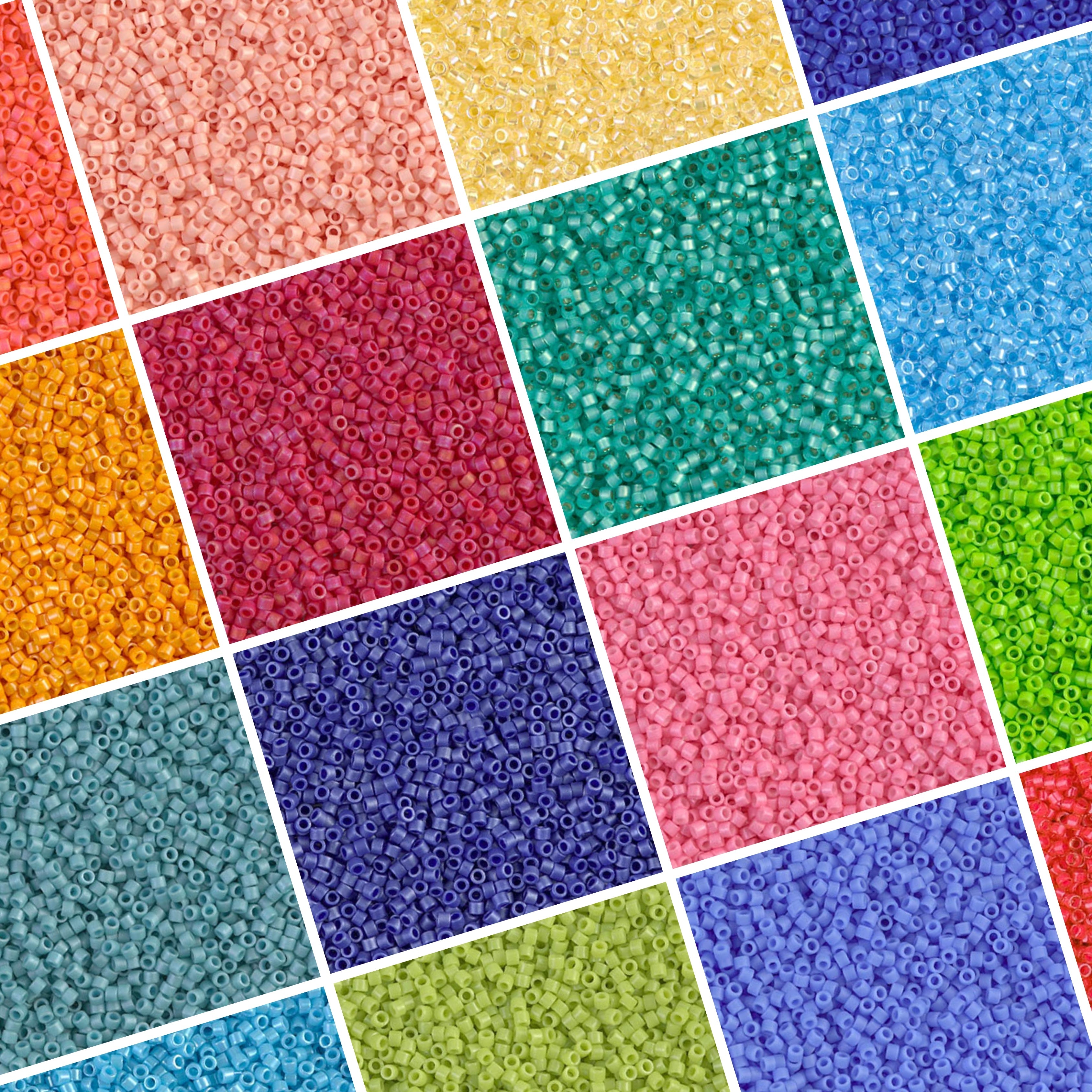
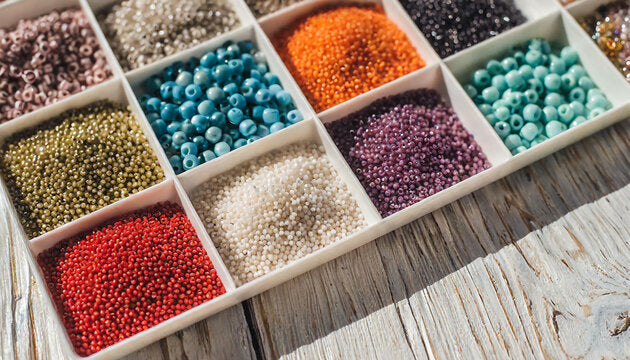
This is where most budget kits cut corners. Plastic beads look fine in photos. In person, the finish fades, the holes chip, and the whole bracelet starts looking cheap after a few wears. Japanese glass beads, like the kind documented in dedicated jewelry-making resources, are made to tighter tolerances and hold their color reliably.
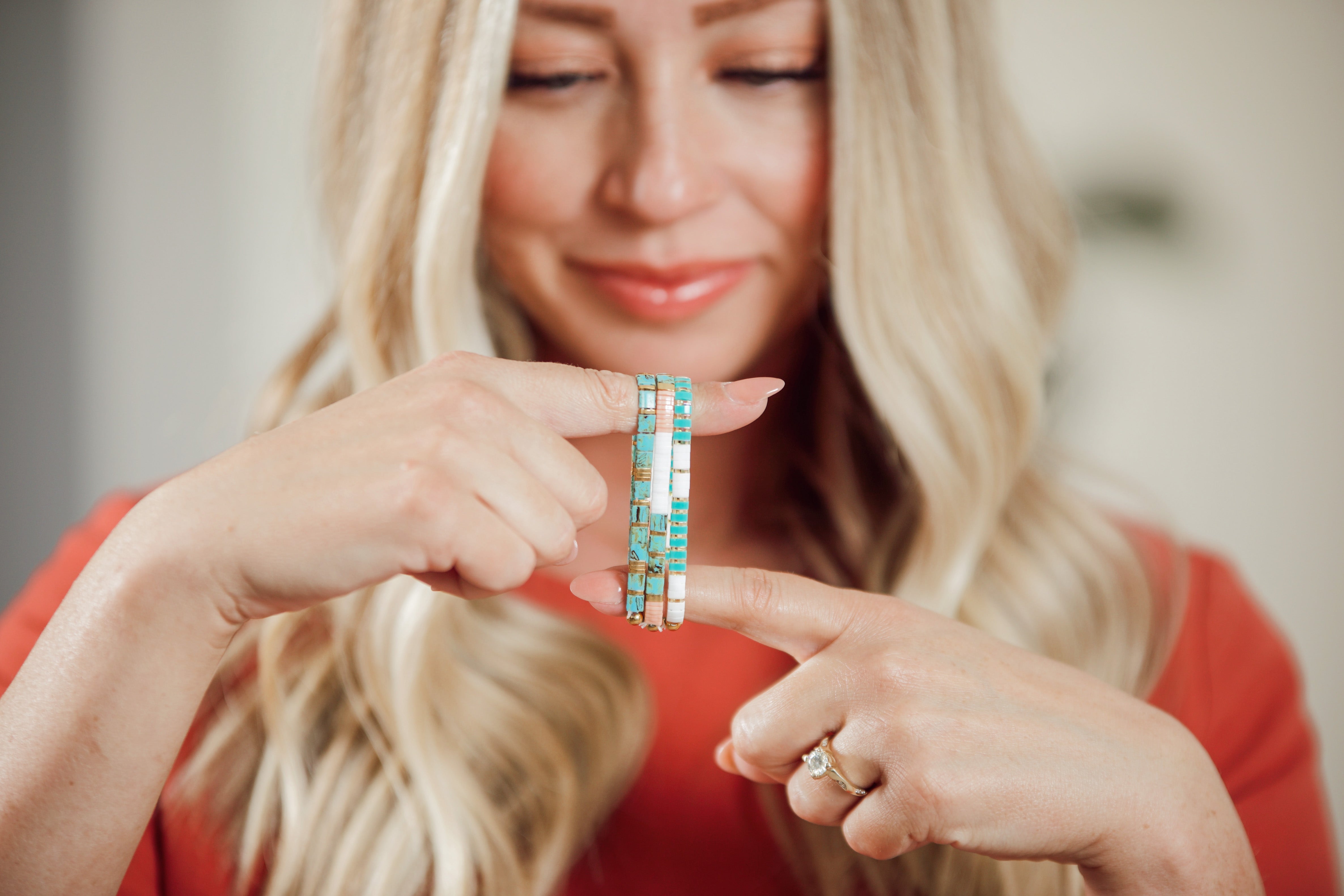
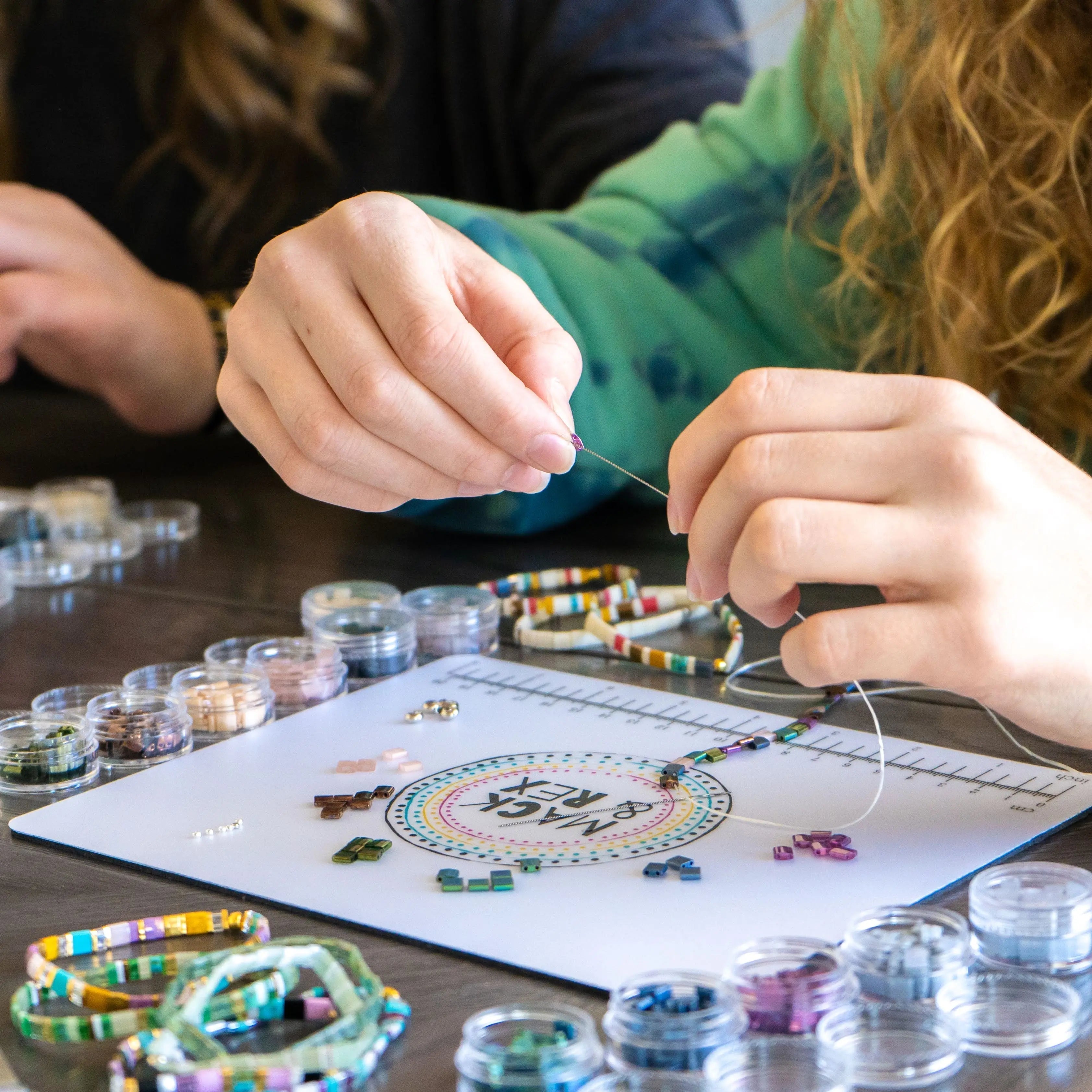
Miyuki Tila beads are worth calling out specifically. They're flat, two-hole, rectangular tiles that stack cleanly and thread predictably. For a beginner, that consistency is the difference between a frustrating afternoon and one that actually goes the way you pictured. Mack & Rex uses Miyuki Tila beads (a Miyuki trademark product) in its kits: we source and resell them, not manufacture them.
Crystal-Cord Elastic
Regular nylon thread breaks. Cheap elastic stretches out. Crystal cord (the stiff, clear, strong stuff) is the right material for a stretch bracelet because it holds a knot cleanly and bounces back to shape. If a kit doesn't specify what type of elastic it includes, that's a red flag. You want to know what you're working with before you start.
One practical thing beginners miss: elastic thickness matters. Too thin and the knot slips. Too thick and it won't thread through smaller bead holes. A quality kit pairs the elastic to the bead type, so you don't have to figure that out yourself.
A Bead Board or Bead Mat
Tiny glass beads on a hardwood table roll straight onto the floor. A bead mat (a small piece of flocked fabric) keeps beads in place while you work and makes it easy to pick them up one at a time. A bead board goes further: it has channels that let you lay out a bracelet design before you string it, which is useful for color planning.
Not every kit includes one, but it's a meaningful quality signal. If a kit leaves this out, factor in the cost of buying one separately.
Findings
Findings are the small hardware pieces. In the context of a stretch bracelet kit, this mostly means anything used to finish the ends. Some kits also include a clasp option or decorative end caps. They're minor components, but a kit that skips them entirely is leaving the finishing step to you.
Clear Instructions with Sizing Guidance
A photocopied sheet that says "string beads and tie a knot" isn't instructions. Good instructions walk you through the steps, tell you how many beads to use per wrist size, and explain how to tie a secure knot that doesn't pop loose after a few wears. Sizing guidance is especially important: adult wrists vary more than most people expect, and a bracelet that's too tight is uncomfortable while one that's too loose looks sloppy.
Look for kits that address sizing explicitly. Some of the bracelet making kits at Mack & Rex include sizing guidance that covers wrist sizes from XXS all the way to 5XL, which is rare in this category and genuinely useful when you're making bracelets for a group or buying a kit as a gift.
Enough Beads to Finish (and Maybe Mess Up Once)
A first bracelet doesn't always go perfectly. You might miscalculate the count, or the knot slips before you get it tied, or you just want to change the color arrangement halfway through. A kit with exactly the right number of beads for one bracelet leaves no room for any of that. Look for a little extra in the bead count. That buffer is the difference between a kit that's forgiving and one that punishes every mistake.
What to Skip
Filler is real. Some kits pad their contents to look more impressive than they are.
Plastic accent beads mixed in with glass. Sometimes presented as variety. Usually just a way to reduce costs while keeping the bead count high. If you can't tell from the product listing whether the beads are glass or plastic, ask. Or skip it.
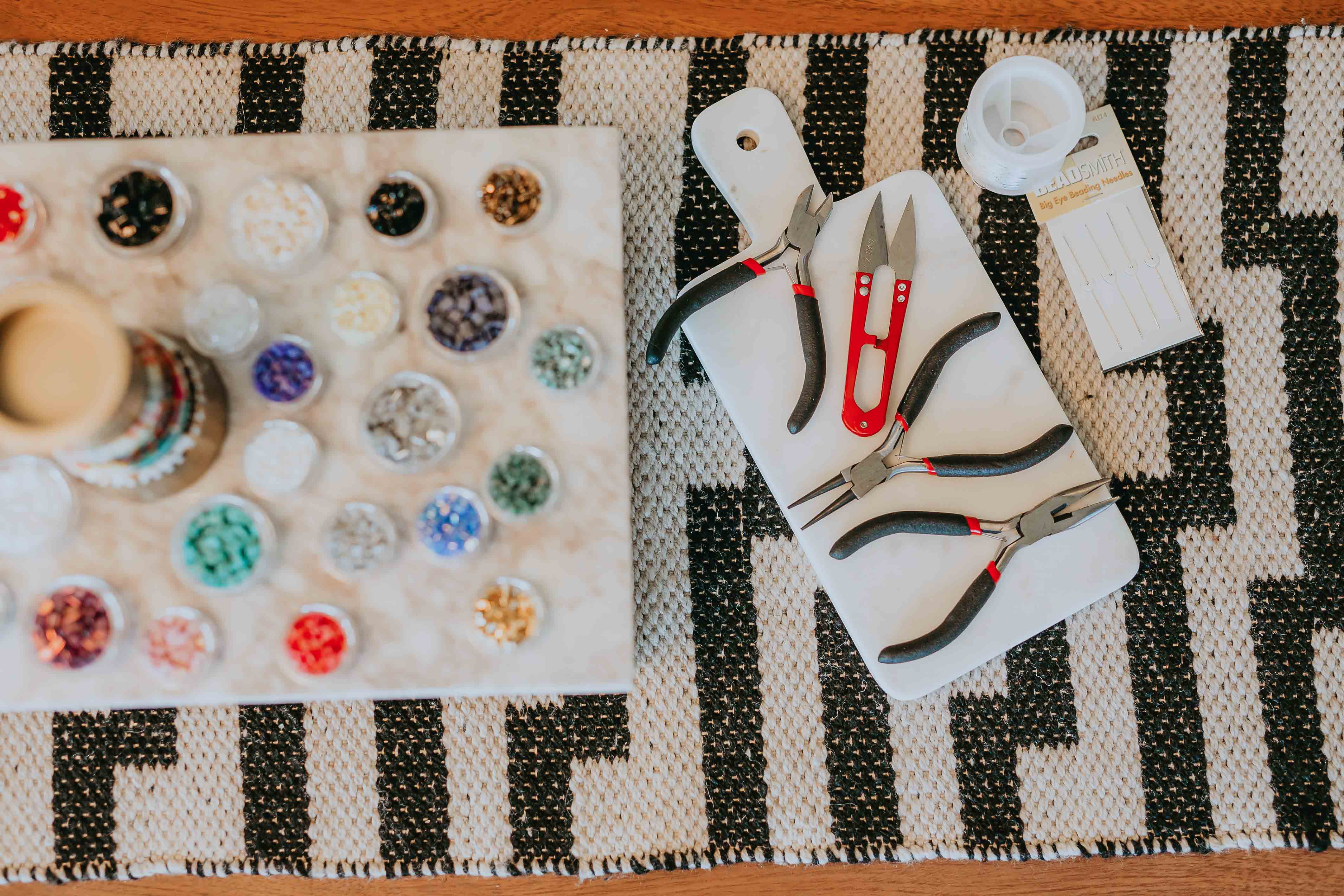
Tools you'll never use. Beading needles for elastic cord bracelets are usually unnecessary. Specialty clamps designed for a different project type get tossed in the box and never touched. A good elastic bracelet kit doesn't need a lot of tools: the elastic threads directly through most bead holes.
Nylon thread sold as stretch cord. It's not the same. Thread breaks faster and ties differently. If the kit listing says "thread" rather than "elastic cord," it's probably not built for the kind of stretch bracelets you're imagining.
Instructions that skip size guidance entirely. If the instructions don't mention wrist size at all, the kit was designed for someone else to figure it out. That's extra work you shouldn't have to do on a first project.
A Note on Kids Doing This Activity
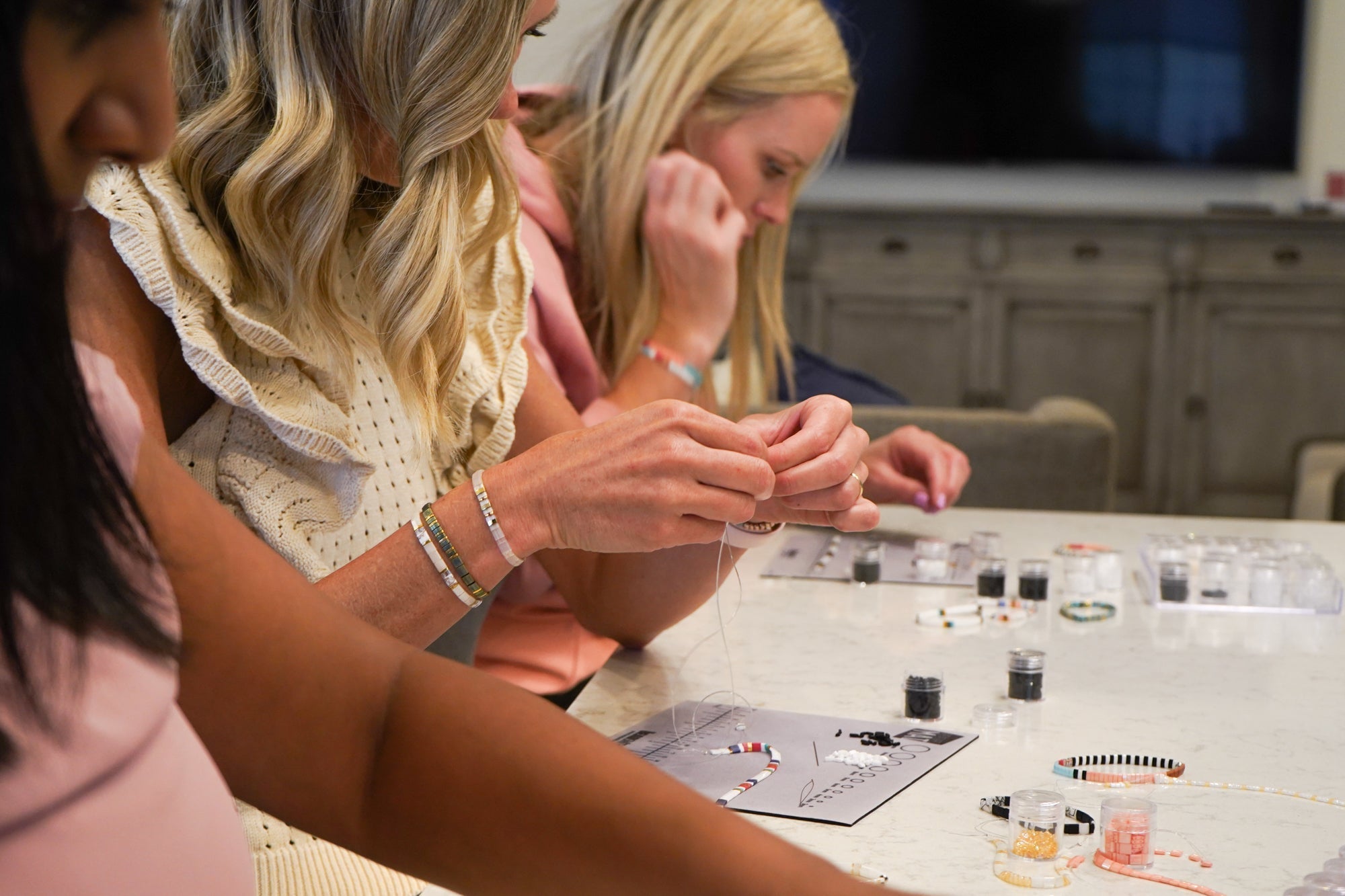
Beaded bracelet kits are popular for family craft nights, and that makes sense. It's satisfying to make something together. That said, glass beads and small findings are choking hazards. Adult supervision is required any time younger children are involved. This isn't a project to set up and walk away from with kids at the table.
Craftsy's general crafting resources and Interweave's jewelry-making content both cover safe material handling as a baseline for any beading project. Worth a read if you're setting this up with kids for the first time.
How Do You Know If a Kit Is Actually Worth the Price?
Compare what's inside against the six-item checklist above. Then check the bead type. Then look at the instructions: can you read them in the listing preview? A seller who's confident in their instructions will show them. One who isn't will describe them vaguely.
Price range varies widely. Basic starter kits run around $165, with more complete options closer to $345. Trio kits, built to make three finished bracelets, run around $44.99 and are a solid middle option for someone who wants a real project without a huge investment. Finished ready-to-wear bracelets are another option if you want the look without the DIY; those run roughly $20-25 each.
One thing worth knowing about the Mack & Rex stretch bracelets specifically: they come with a quality guarantee. If the elastic gives out, that's on the product, not you. That kind of backing matters when you're deciding whether a bracelet is worth wearing every day.
Frequently Asked Questions
What is a bead making kit, and is it the same as a bracelet kit?
They're often the same product, just marketed differently. Most shoppers searching "bead making kit" actually want to make beaded jewelry, usually bracelets. You're assembling beads onto cord, not manufacturing the beads themselves. A bracelet kit and a bead making kit are effectively the same thing in most cases.
What should a complete bead making kit include for a beginner?
A solid beginner kit needs quality glass beads (Japanese Miyuki Tila beads are a good benchmark), crystal-cord elastic that holds a knot cleanly, a bead mat or board to keep things organized, and clear step-by-step instructions with sizing guidance. Anything missing from that list is a gap you'll have to fill yourself.
What filler items should I watch out for in a bead kit?
Watch for thin nylon thread passed off as stretch cord, plastic accent beads mixed with glass, overly generic instructions with no size guidance, and excessive tools you'll never use. A good kit is tight: every component earns its place.
How do I know if a bead kit will fit my wrist?
Look for kits that include actual sizing guidance, something beyond a generic "one size." Better kits tell you how many beads to use per wrist circumference, or include enough elastic cord to adjust. Mack & Rex kits cover wrist sizes from XXS to 5XL, so you're not guessing.
Are Miyuki Tila beads worth it for a beginner bracelet kit?
Yes. Miyuki Tila beads are two-hole, flat glass tiles made in Japan to tight tolerances. They line up consistently and thread predictably, which makes the bracelet-making process much more forgiving for beginners than irregular plastic or acrylic beads.