

What Makes a Bracelet Making Kit for Adults Actually Good? A Quality Checklist
What Makes the Best Bracelet Making Kit for Adults?
A genuinely good adult bracelet kit comes down to six things: real Miyuki or Tila glass beads (not painted plastic), crystal-cord elastic that survives daily wear, a bead count that matches its bracelet claims, tools you can reuse, instructions a first-timer can follow without a video tutorial, and sizing that fits more than one wrist. Skip any kit missing more than one of those.
Most kits look the same in a product photo. The differences show up three weeks later, when the bracelet either stretches out or is still going strong.
Are the Beads Actually Miyuki or Tila, or Just "Tila-Style"?
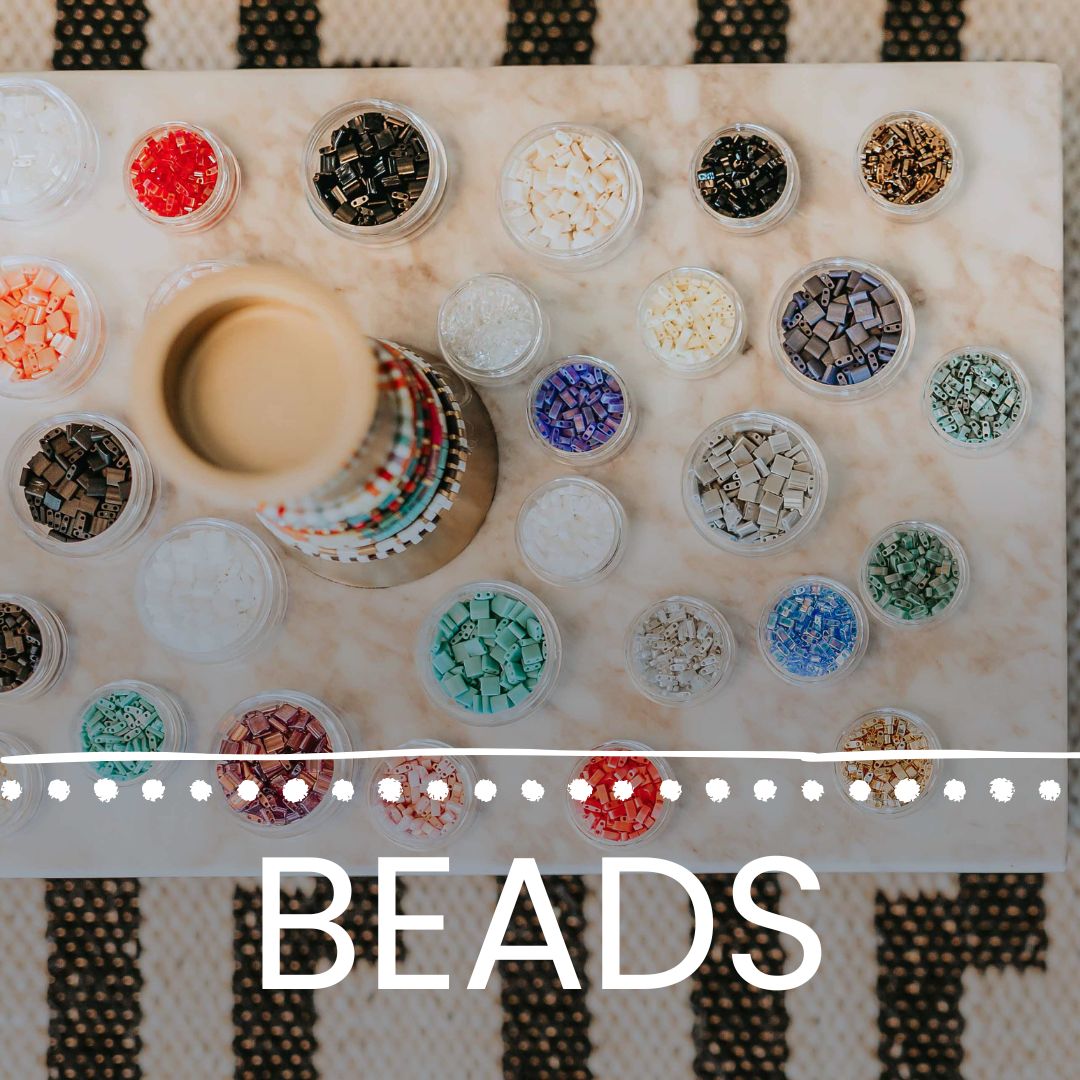
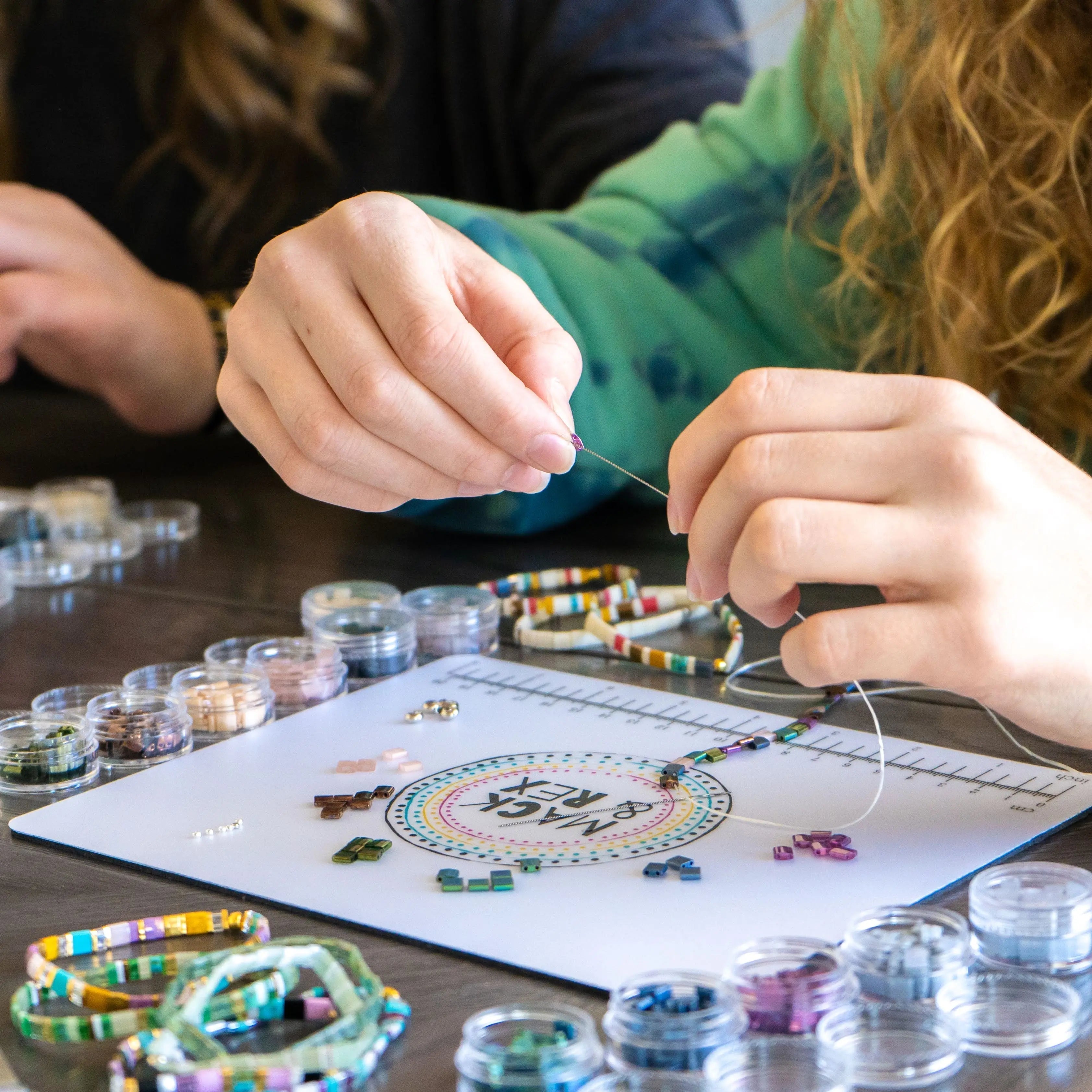
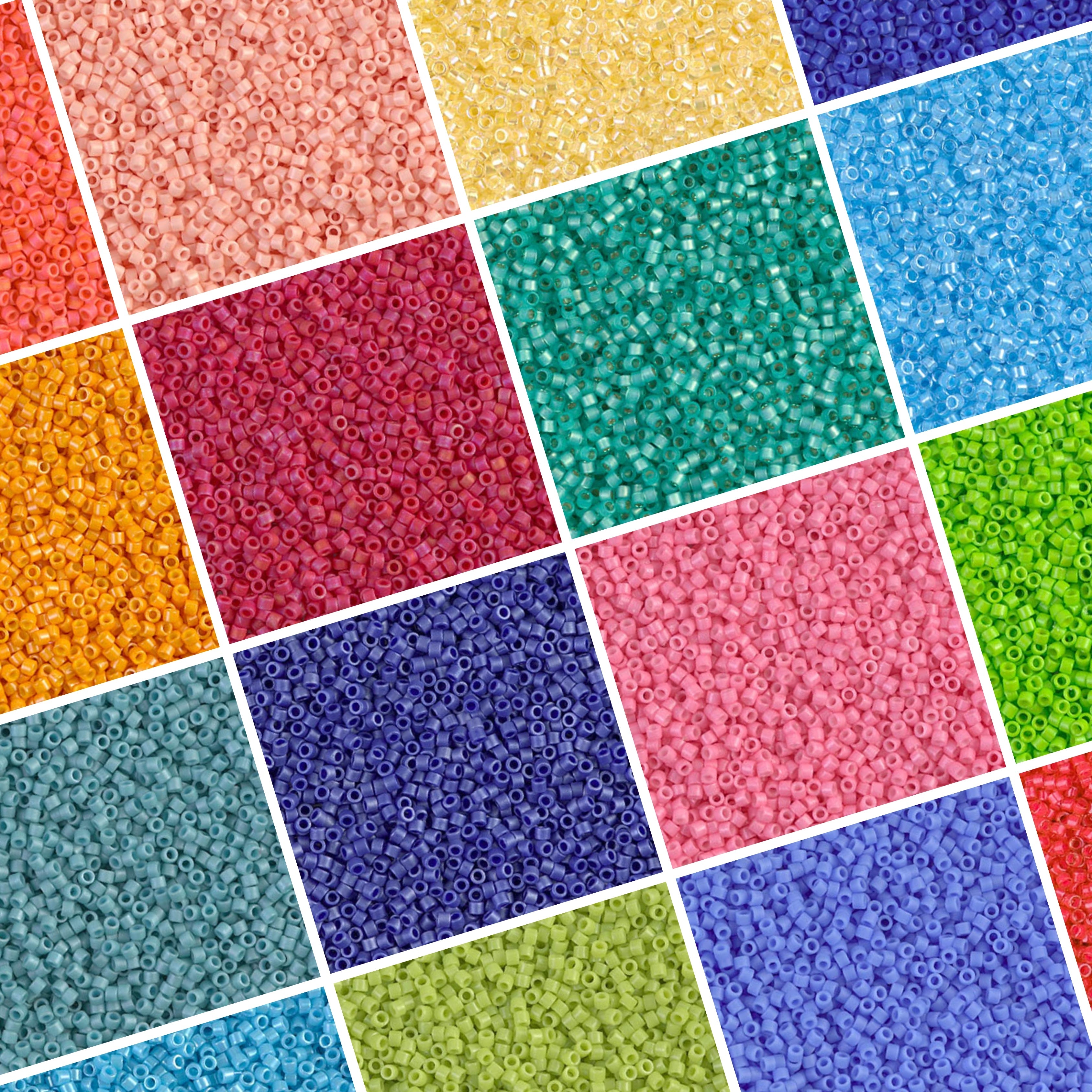
Real Miyuki and Tila beads are cut from Japanese glass with tight, consistent tolerances, so they sit flush against each other with almost no gap. "Tila-style" or generic tile beads are usually acrylic or lower-grade glass, and the edges won't line up the same way once you're a few rows into a pattern.
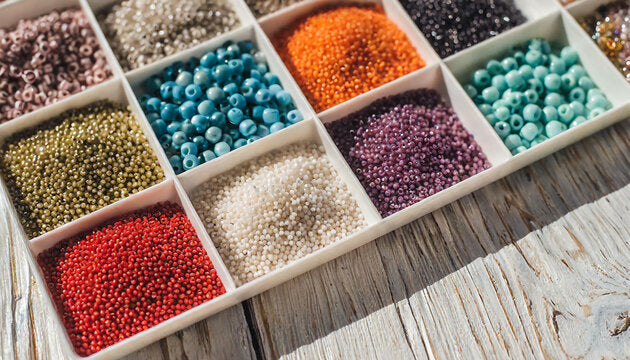
Hold two beads side by side if you can. Genuine Miyuki has a slight weight and a clean, matte or glossy finish depending on the coating; cheap knockoffs feel light and the color coating tends to chip at the holes after a little handling. Seed and tile beads have been made this precise way for well over a century, and the manufacturing consistency is part of why crafters pay more for the real thing (Wikipedia has a solid overview of seed bead history and materials). Mack & Rex resells authentic Miyuki and Tila beads sourced from the brand. We don't manufacture them ourselves, and we wouldn't want to.
Will the Cord or Elastic Actually Hold Up?
Cord matters more than color. Cheap stretch string is the single biggest reason "cute" bracelet kits die in a month, so look for a crystal-cord elastic rated for daily stretch and recovery, not a thin hobby cord meant for one-time stringing projects.
Stretch cord loses elasticity through repeated flexing and UV exposure, which is exactly why the cord matters as much as the beads (Fire Mountain Gems' Encyclobeadia breaks down stringing material differences in more depth). A bracelet that snaps during a workout or in the shower isn't a fluke. It's usually the cord grade catching up with you.
Does the Bead Count Match What You're Paying For?
Do the math before you buy. A kit that claims "20+ bracelets" should include enough beads to actually get you there, not just enough for a dozen if you're generous with the pattern.
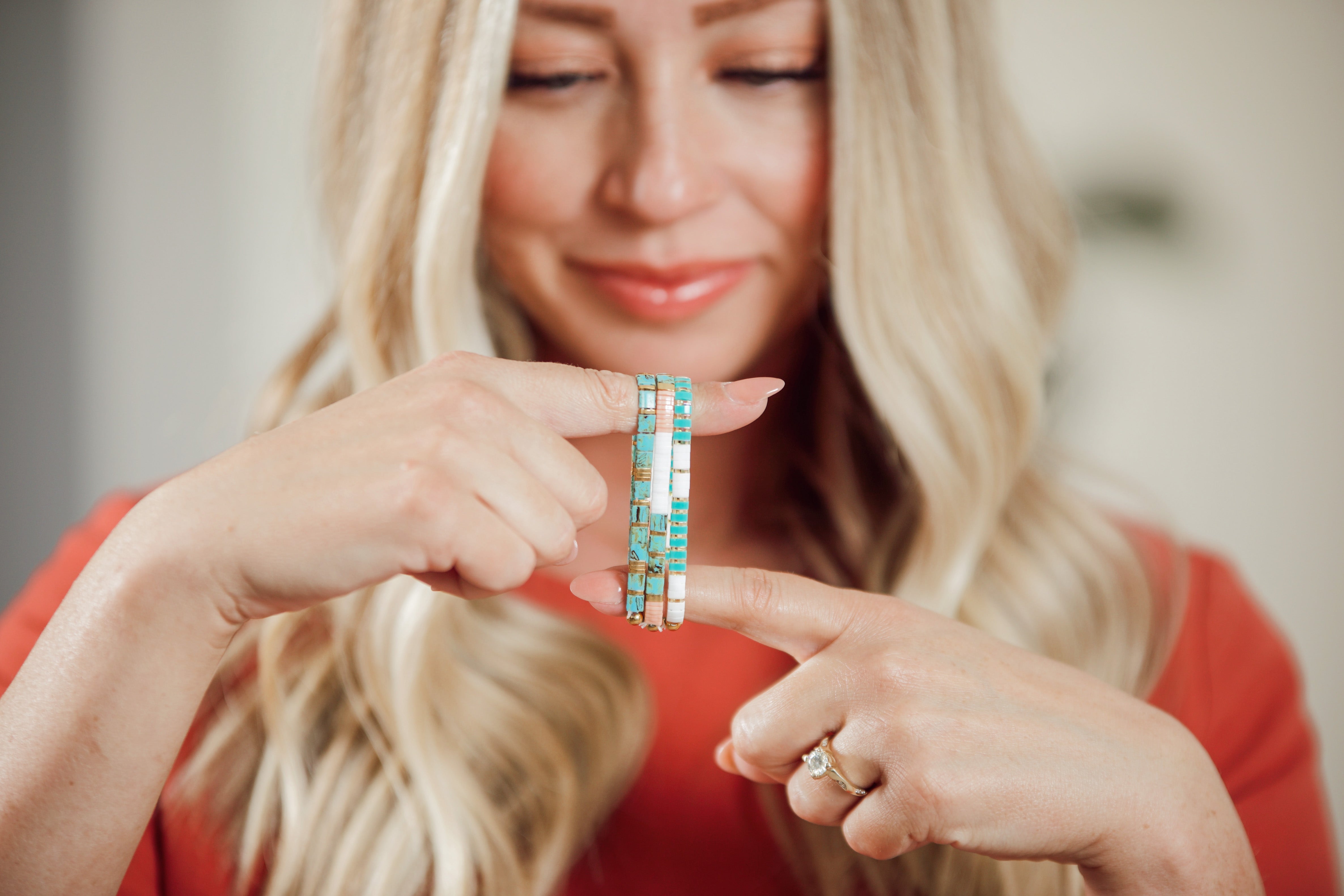
On the Mack & Rex site, a Trio kit ($44.99) makes 3 bracelets, the DIY Bracelet Kit Club ($36.99) also covers 3, the Tila Bead Starter Kit ($189.99) is built for around 20 bracelets, and the Ultimate Tila Bracelet Kit ($399.99) scales up to about 80. Divide the price by the bracelet count and compare it against what a single finished bracelet costs elsewhere (roughly $20 to $25 for a ready-made one). That's the real test of value, not the sticker price alone.
Can You Reuse the Tools After the Kit Is Gone?
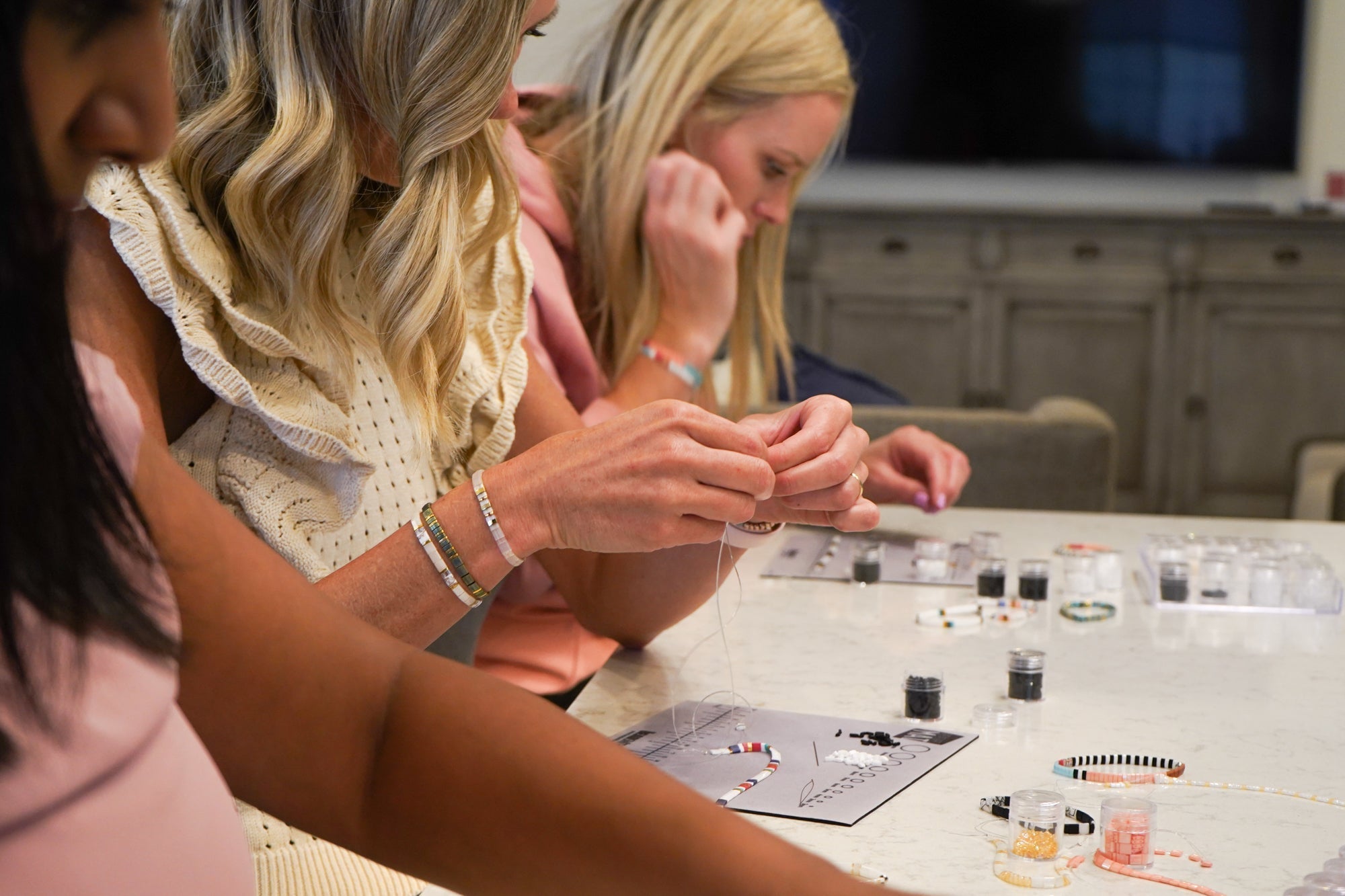
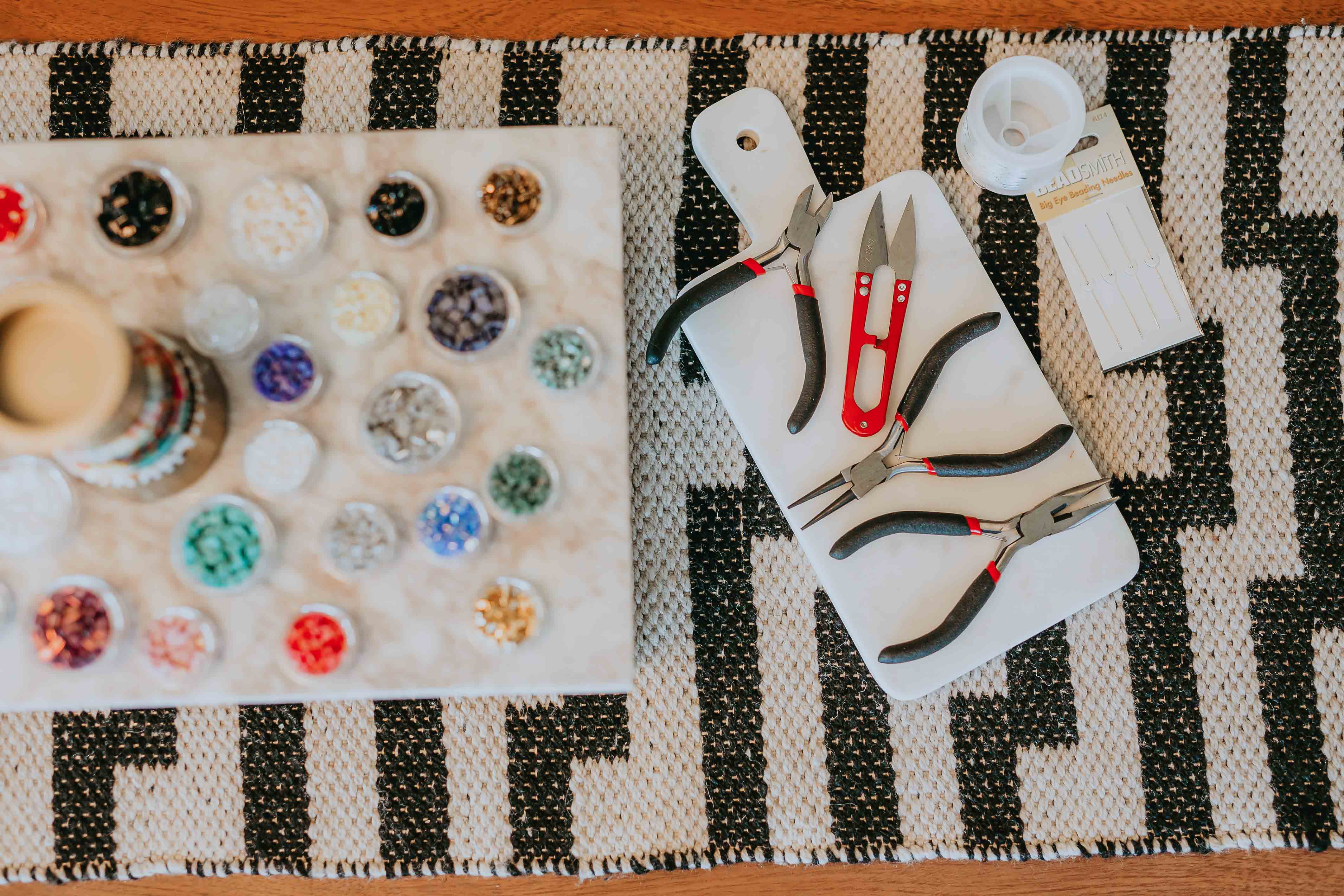
A one-and-done kit is a worse deal than it looks. Needles, a bead mat, clasps, and crimping tools should outlast the first project so your next bead pack doesn't require buying a whole new supply set.
An All-in-One tools and supplies kit (roughly $39.99 to $43.99) is worth adding once, then reusing every time you restock beads. One reviewer put it simply: "I like the kit in a can monthly as it is a complete three bracelet project for me. The pieces and colors work so well together I love it." That's the kind of repeat value a good kit should offer, month after month, not just the first time.
Are the Instructions Actually Clear for a First-Timer?
Bad instructions waste good beads. If you need to search YouTube to understand step three, the instructions failed. Good written directions walk through cord length, bead order, and finishing the clasp in plain language, with enough detail that someone who has never strung a bead can finish in one sitting.
Quick note if kids or grandkids are joining in: beads are a small-parts choking hazard. Adult supervision, always, not a kit for toddlers.
Does the Kit Actually Fit Your Wrist? (Inclusive Sizing)
Wrist size varies enormously, and most bracelet kits are cut for one average measurement. That's fine until you're the person whose bracelet slides down to your knuckles or cuts off circulation by lunch.
Mack & Rex builds sizing from XXS through 5XL into its kits and finished bracelets, backed by a quality guarantee if something doesn't hold up. That range matters more than most product photos let on.
Why Mack & Rex Kits Check Every Box
Every checklist item above is the standard we hold our own kits to: authentic Miyuki and Tila beads, crystal-cord elastic, bead counts that match the bracelet math, reusable tools, plain-language instructions, and XXS to 5XL sizing. It started with a mom and her two daughters, Mack and Rex, wanting an easy project to do together, and that's still the bar.
Browse the current lineup, including trio kits, the Tila Bead Starter Kit, and the Ultimate Tila Bracelet Kit, at Mack & Rex's full collection. A quick reminder on the fine print: free shipping kicks in over $100 within the US only, and "buy 3, get 1 free" applies to finished bracelets, not kits or loose beads.
Frequently Asked Questions
What is the best bracelet making kit for adults?
The best adult bracelet kit uses real Miyuki or Tila glass beads (not painted plastic), crystal-cord elastic rated for daily wear, an honest bead count you can check against the finished-bracelet math, reusable tools, and clear written instructions. Mack & Rex kits are built around all six of those points.
What should I look for in a bracelet kit before buying?
Check the bead brand and material first (Miyuki/Tila glass versus generic acrylic), then the cord type, the number of bracelets the bead count actually supports, whether tools are reusable, how clear the instructions are, and if sizing covers more than one standard wrist size.
How do I choose an adult bracelet kit that will actually hold up?
Choose a kit with crystal-cord or similar elastic (not thin hobby string), glass tile beads with clean, uniform edges, and a stated quality guarantee. Cheap stretch cord and soft plastic beads are the two most common reasons kits fall apart within weeks.
Are Miyuki and Tila beads worth paying more for in a kit?
Yes, for most crafters. Miyuki is a Japanese glass bead manufacturer known for precise, consistent bead sizing, and Tila is its two-hole tile bead line (general beadwork technique and material background here). Kits built with genuine Miyuki/Tila beads, resold rather than manufactured by retailers like Mack & Rex, lay flatter and stack more evenly than generic tile-style lookalikes.
Do bracelet kits fit all wrist sizes?
Not all of them. Many kits are cut for one average wrist size, which shortchanges smaller or larger wrists. Mack & Rex kits are built with inclusive sizing from XXS to 5XL so the finished bracelet actually fits instead of sliding or pinching.
Ready to see the difference for yourself? Shop the full Mack & Rex collection and pick a kit that checks every box on this list.