

Why Real-Bead Bracelet Kits Beat Toy-Store Kits (A Quality Breakdown)
What's the Real Difference Between a Toy-Store Bracelet Kit and a Real-Bead Kit?
A toy-store bracelet kit is built around plastic pony beads, snap-apart charms, and thin cord that's meant to be used once and forgotten. A real-bead kit is built around genuine glass beads, stronger elastic, and a color palette designed to look intentional. Both will get you a bracelet in an afternoon. Only one holds up past the car ride home.
If you've bought a toy-aisle kit for a birthday party or a rainy Saturday, you already know the pattern: fun for an hour, then the string frays, a bead cracks, and it ends up in a junk drawer. That's not a knock on the kids who loved making it. It's a materials problem, and it's fixable.
What's Actually in a Bracelet Kit from the Toy Aisle?
Mostly plastic. Toy-store bracelet kits are typically built around pony beads or acrylic charm pieces, a length of thin stretchy string, and a plastic organizer tray. The bead counts on the box look generous because plastic is cheap to mold in bulk.
The catch shows up fast. Pony beads are lightweight, the color sits on the surface rather than running through the material, and the string is usually the first thing to snap. Snap-apart charm bracelets are worse for durability since the closures loosen with wear. These kits aren't bad at what they're built for: a low-cost, low-stakes activity. They're just not built to produce a bracelet anyone reaches for a month later.
What's Inside a Real-Bead Bracelet Kit Like Mack & Rex's?
Something built for the finished product. A real-bead kit is better quality than kids toy bracelet making kits for three reasons: the beads, the cord, and the color work.
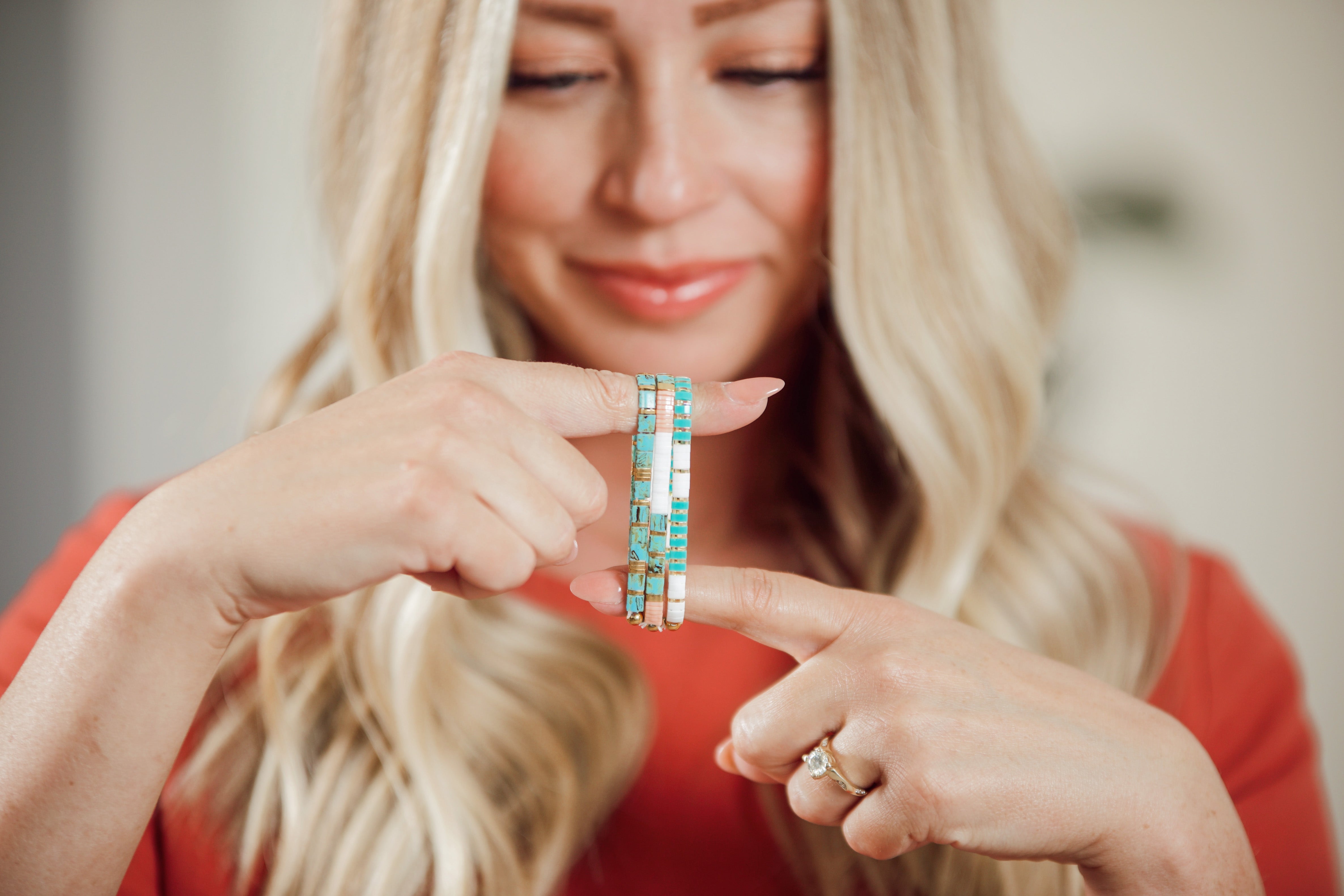
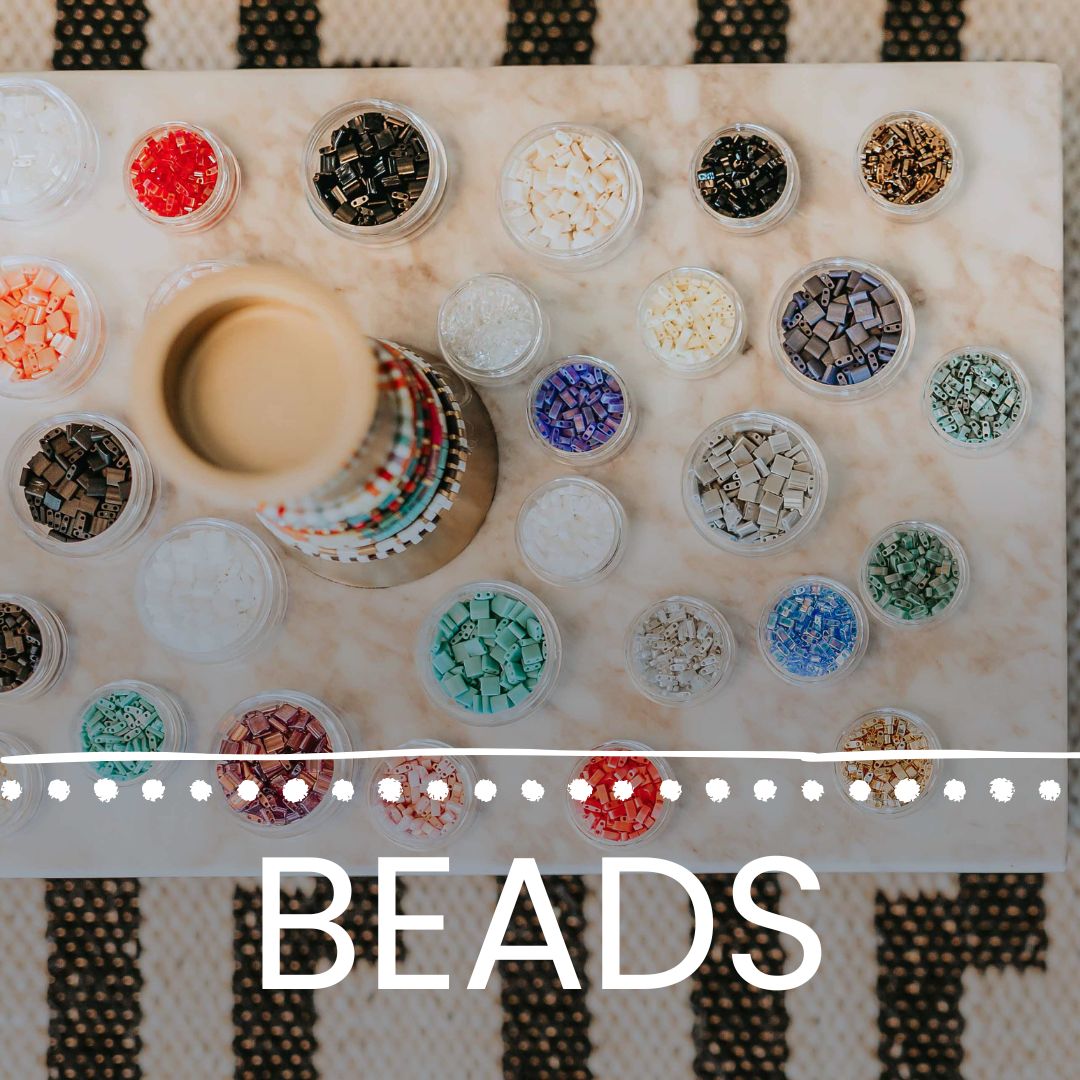
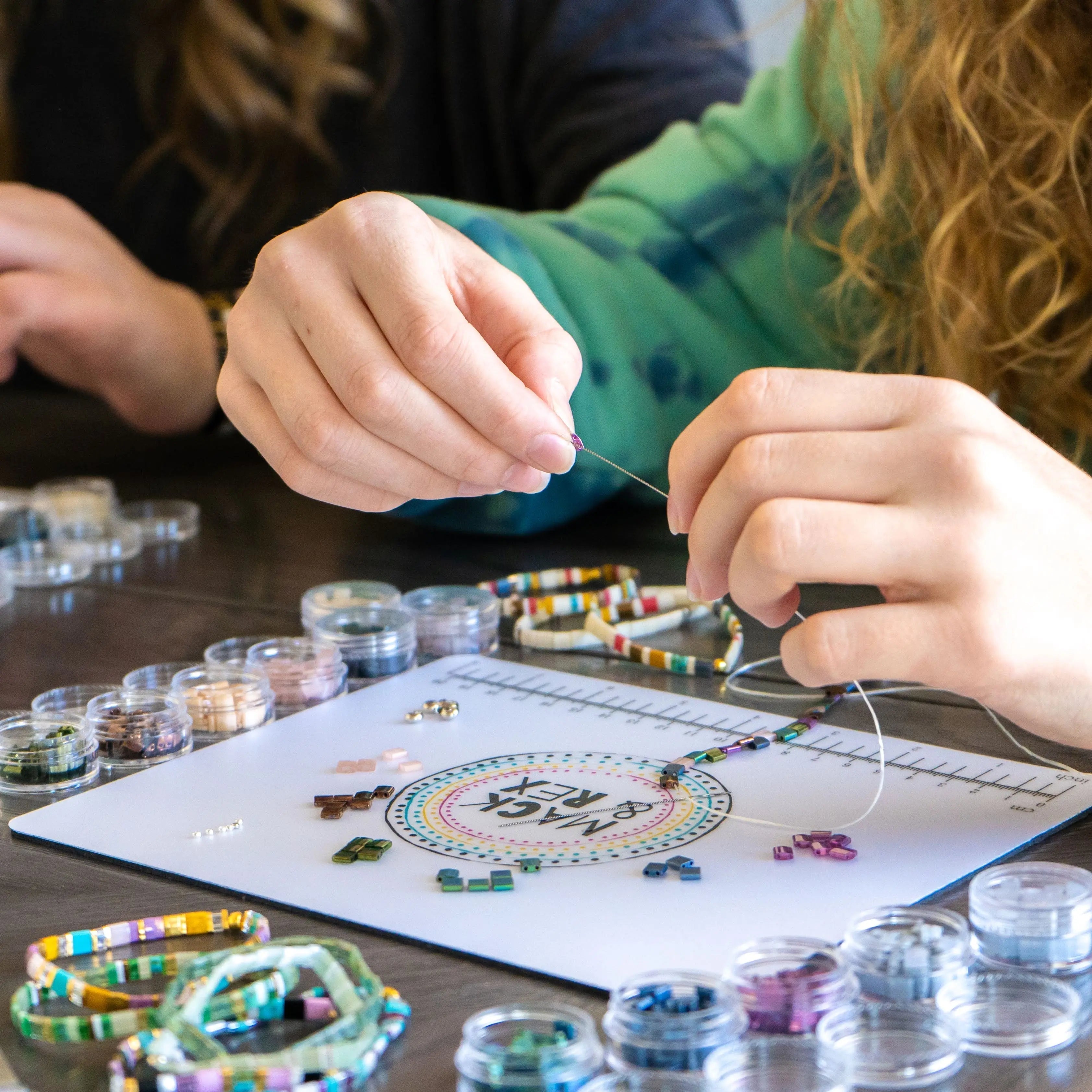
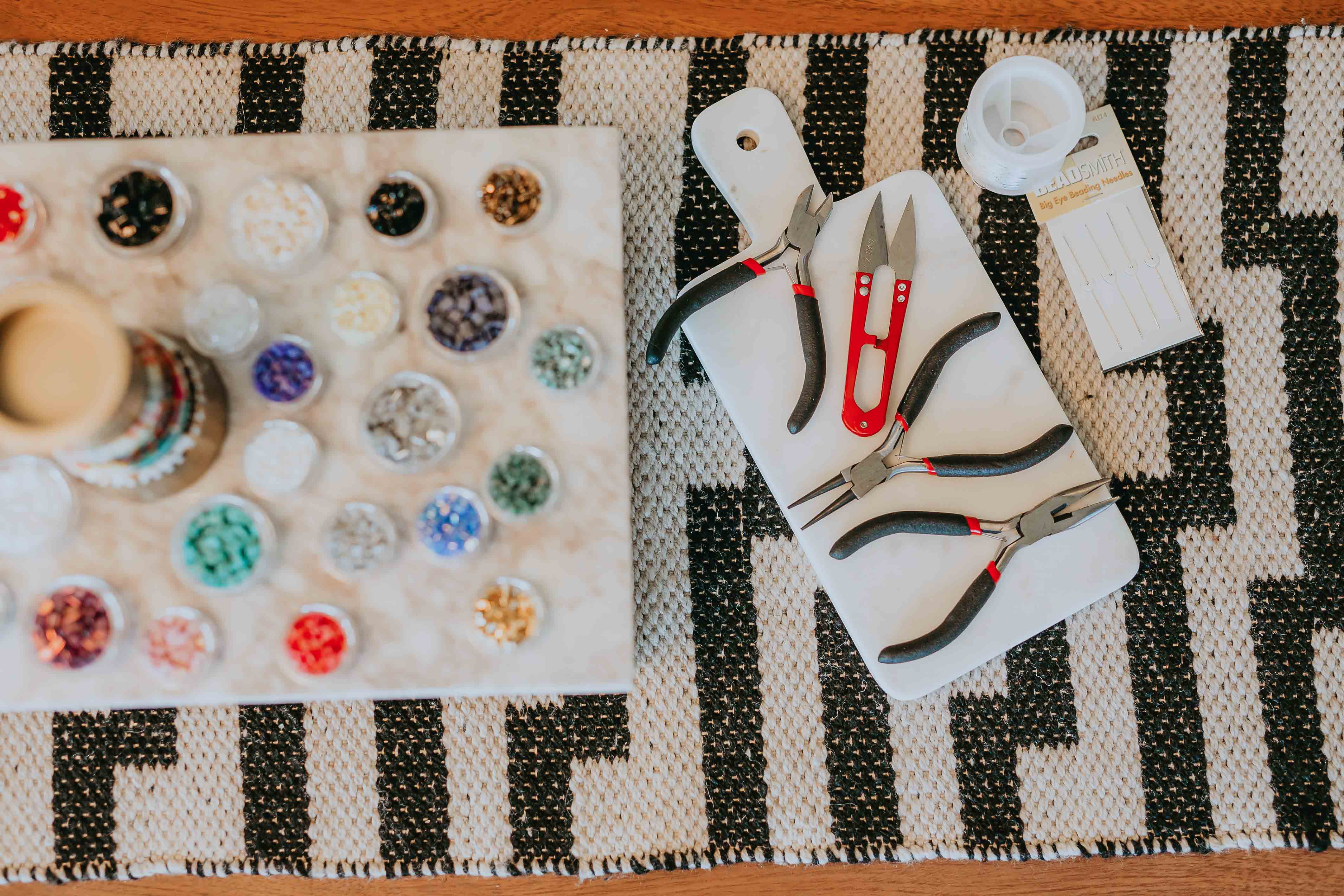
Mack & Rex kits are built around genuine Miyuki Tila beads, a Japanese glass bead that Mack & Rex sources and resells (Miyuki is a third-party brand, and "Tila" is a Miyuki trademark, not a Mack & Rex product). Tila beads are flat, two-hole, tile-shaped pieces with a consistent size that plastic pony beads can't match. The stretchy cord is crystal-cord elastic, which has noticeably more memory and strength than the thin string bundled into toy kits.
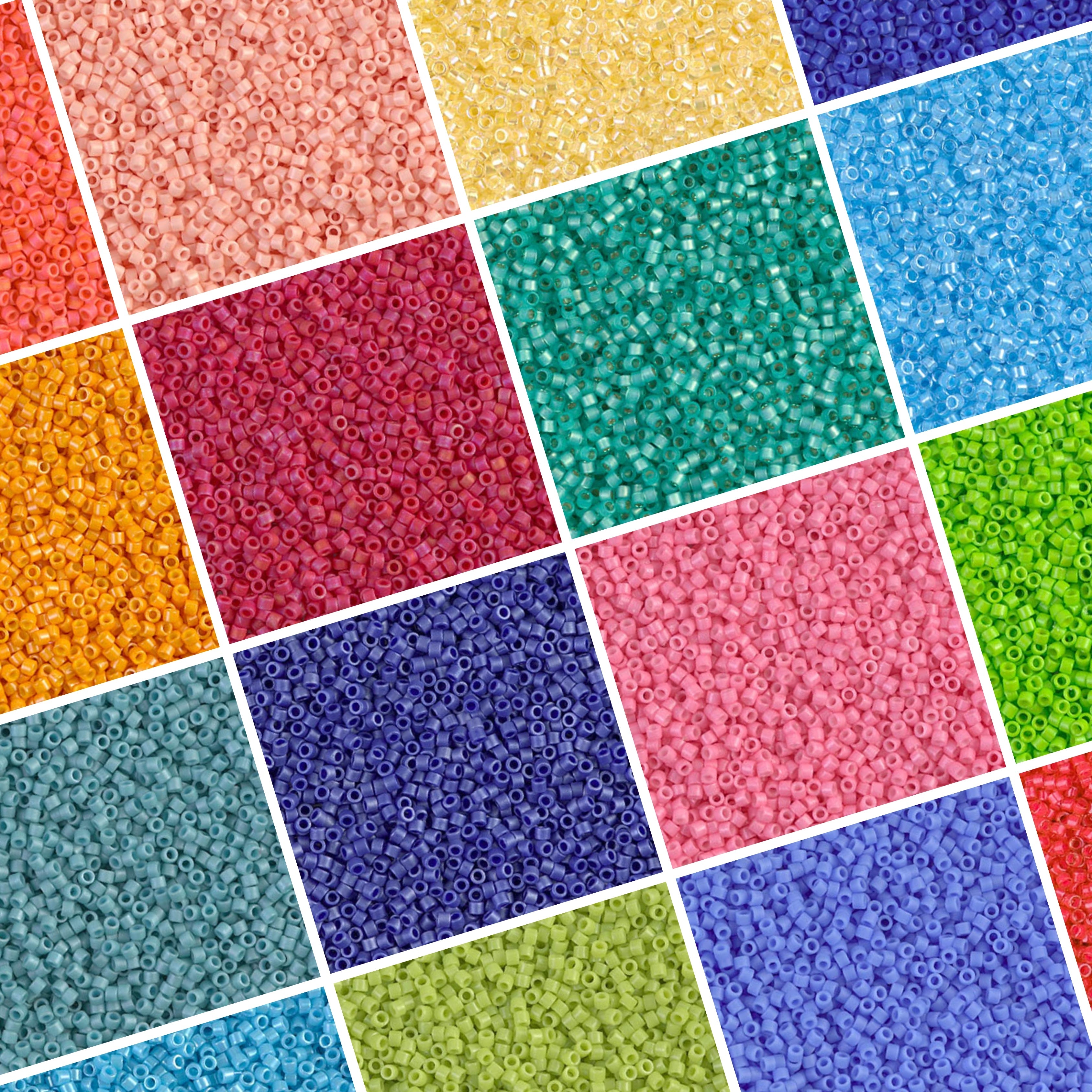
Colors are already curated too. Trio kits come in named color stories like STAINED, BEACHY, RETRO SUNSET, and EVERGREEN EDIT, so there's no sorting through a mixed bag trying to make something that looks put-together. You browse the full lineup on the bracelet making kits collection and pick a palette rather than a grab bag.
Do Glass Beads Really Hold Up Better Than Plastic Ones?
Yes, and it's not subtle once you've worn both. Genuine Miyuki glass beads are manufactured to tight, uniform dimensions, which is part of why serious bead crafters specifically seek them out for finished jewelry.1 That consistency means the beads sit flush, the pattern lines up, and the bracelet lies flat on the wrist rather than twisting.
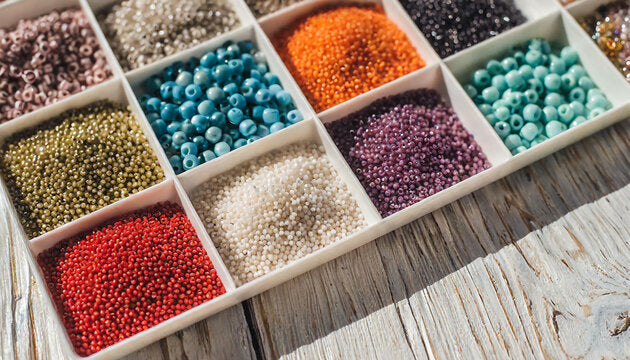
Plastic pony beads vary more from piece to piece, and their color is usually a coating rather than something that runs through the bead. Scratch a plastic bead enough times and the color underneath starts to show. A glass bead looks the same after six months of daily wear as it did on day one. That's the whole reason the price difference exists: you're paying for a material that doesn't quietly fall apart.
Why Does the Elastic Cord Matter So Much?
Cheap string fails first. It's almost always the first part of a toy-aisle bracelet to go, snapping or going slack within weeks of regular wear.
Quality stretch cord, the kind used in crystal-cord elastic, holds its shape and snap-back over far longer stretches of daily wear, especially when it's properly pre-stretched before the beads go on, a standard step in real jewelry-making that toy kits usually skip entirely.2 That's the difference between a bracelet you can work out in and one that's stretched out by lunchtime.
Is a Real-Bead Bracelet Kit Safe for Kids to Use?
Beads are small parts. That's true whether they're plastic or glass, and it's the single most important thing to know before handing any bracelet kit to a child. Beads present a real choking hazard, and small-parts safety guidance consistently points to close adult supervision as the standard, not an optional extra, whenever kids are working with anything bead-sized.3
Real-bead kits from Mack & Rex are best suited to tweens, teens, and adults, with adult supervision any time younger kids are at the table. They're not appropriate for very young children, and that's not a claim about what beading teaches a kid. It's just a safety fact worth taking seriously with any small-parts craft, toy-aisle or not.
Can the Whole Family Use the Same Kit Together?
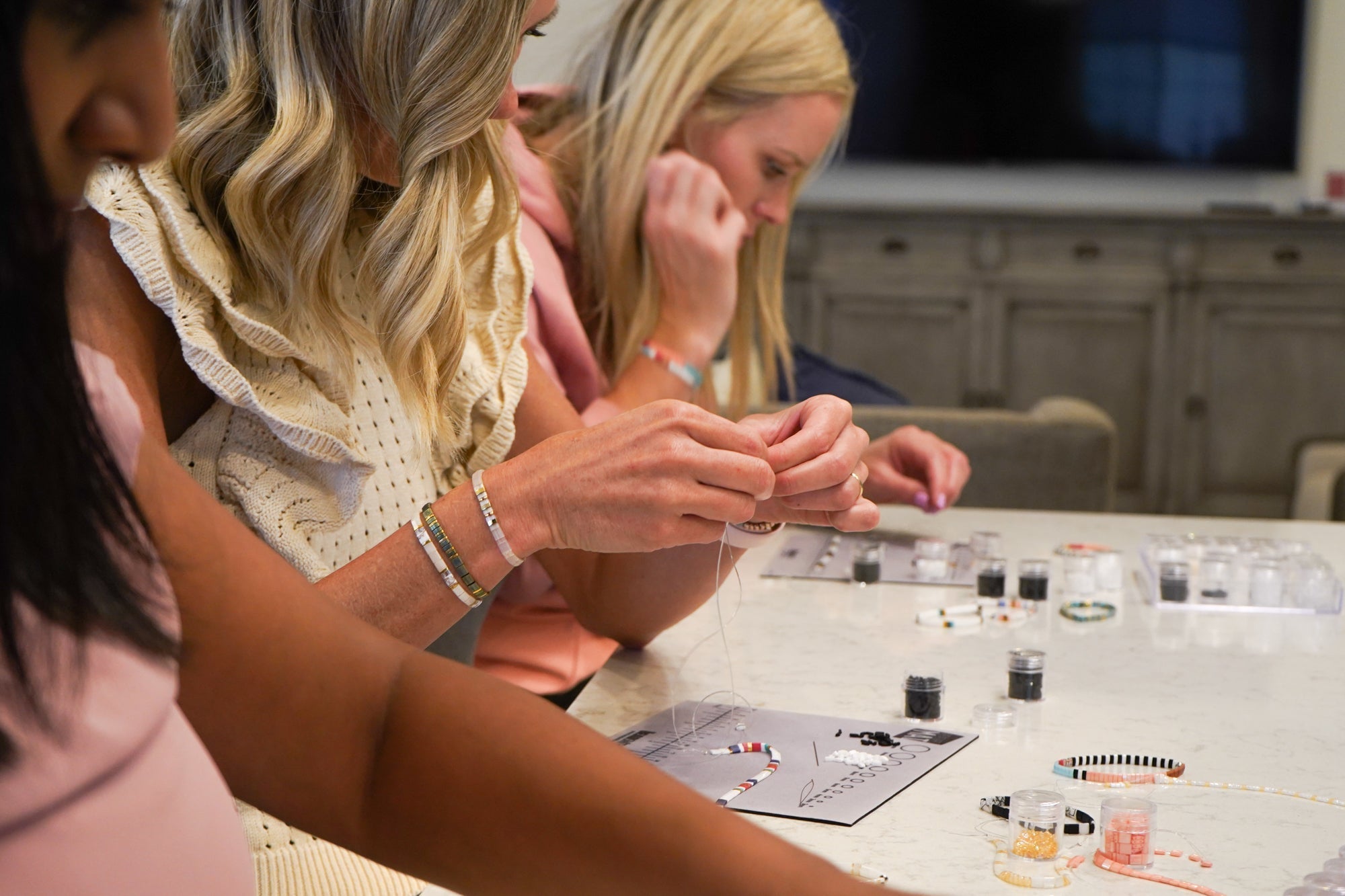
That's the point. Mack & Rex started as a mom making bracelets with her two daughters, Mack and Rex, and the "make it together" idea is still built into how the kits work: one kit, one shared table, everyone walks away with something to wear.
Finished bracelets come in inclusive sizing from XXS to 5XL, so a grandmother, a mom, and a tween can each make a bracelet that actually fits their own wrist instead of guessing at string length. Mack & Rex also runs live bracelet-making classes for anyone who wants a guided version of that same shared session. One customer summed up the pull of it well: "I got my first 3 bracelets a year ago and since then my daughter is in love with them also." A quality kit tends to turn into a habit, not a one-off.
Is the Extra Cost Worth It Compared to a Toy-Store Kit?
Depends on what you're actually trying to get out of it. A toy-aisle kit is the cheaper choice for a single afternoon of low-stakes fun, and there's nothing wrong with that. A real-bead kit costs more because the materials cost more, and because you're building toward a bracelet that survives past the craft table.
A Mack & Rex trio kit is $44.99 and makes 3 bracelets. The All-in-One tools and supplies kit runs $43.99. The DIY Bracelet Kit Club subscription is $36.99 a month for 3 bracelets delivered on a recurring basis. For bigger projects or group crafting, the Tila Bead Starter Kit is $189.99 and makes 20 bracelets, and the Ultimate Tila Bracelet Kit is $399.99 and makes 80. Every kit is backed by Mack & Rex's quality guarantee on the finished bracelets.
A few honest notes on the fine print: shipping is free on orders over $100, so a single $44.99 kit won't clear that threshold on its own. And the buy-3-bracelets-get-1-free offer applies to finished, ready-to-wear bracelets only. It doesn't apply to kits.
So Which Bracelet Kit Should You Actually Buy?
For a low-stakes rainy-day activity with young kids under close supervision, a basic toy-store kit still has its place. For a bracelet worth wearing once the project's done, and a crafting session that doesn't end in a snapped string, a real-bead kit is the better upgrade.
Mack & Rex kits are built around genuine Miyuki Tila glass beads, crystal-cord elastic, and curated color stories like STAINED, BEACHY, RETRO SUNSET, and EVERGREEN EDIT. Sizes range from a $44.99 trio kit up to the 80-bracelet Ultimate kit, so there's a starting point whether you're crafting solo, with a tween, or hosting a whole table.
Browse the Mack & Rex bracelet making kits collection and pick a color story worth the extra care. Grab one for yourself, one for a grandkid old enough to help, or one to split across a family crafting night.
Frequently Asked Questions About Real-Bead vs. Toy-Store Bracelet Kits
What actually makes a bracelet kit "better quality" than a toy-store kit?
The materials. A better-quality kit uses real glass beads, not plastic ones, plus crystal-cord elastic in place of thin string, and a color palette that's already been worked out. A toy-store kit is built to hit a low price point. A real-bead kit is built to produce a bracelet you'd actually keep wearing.
Are real glass bead bracelet kits safe for kids to use?
Beads of any kind, glass or plastic, are small parts and a choking hazard. Real-bead kits are best for tweens, teens, and adults working with adult supervision, and they're not appropriate for very young children. This is true of any bracelet kit, toy-aisle or otherwise.
Can adults and kids use the same bracelet kit together?
Yes, with supervision for younger crafters. Mack & Rex kits are built for a shared crafting session between a parent or grandparent and a tween or teen, and finished bracelets come in inclusive sizing from XXS to 5XL so every wrist at the table gets a proper fit.
How much more does a real-bead kit cost than a toy-aisle kit?
A Mack & Rex trio kit runs $44.99 and makes 3 bracelets, more than a toy-aisle kit that might run $10 to $15. The gap covers genuine Miyuki Tila glass beads, crystal-cord elastic, and curated colors rather than a bin of loose plastic parts. Larger kits scale up from there, including a Tila Bead Starter Kit at $189.99 that makes 20 bracelets.
What's included in a Mack & Rex bracelet kit?
Genuine Miyuki Tila glass beads in a curated color story, crystal-cord elastic, and instructions. Trio kits make 3 coordinating bracelets for $44.99, and the collection scales up to a Tila Bead Starter Kit ($189.99, makes 20) and the Ultimate Tila Bracelet Kit ($399.99, makes 80) for bigger crafting sessions or gifting.