


Bracelet Making Set vs. Buying Supplies Separately: What's Actually Worth It
Is a Bracelet Making Set Worth It, or Better to Buy Bracelet Supplies Separately?
For most people, yes. A bracelet making set bundles matched beads, cord, and findings for a set number of bracelets at one price, while buying supplies separately usually means paying for a full spool of cord and a full bead mix sized for far more bracelets than you're actually making. The set wins on cost-per-project, leftover waste, and how fast a beginner gets started.
That's not the whole story, though. Buying piece by piece still makes sense for a specific type of crafter. Below is the honest breakdown: what a bracelet making set actually gets you, what sourcing everything separately actually costs, and who's better off doing it the other way.
What does buying bracelet supplies separately actually cost you?
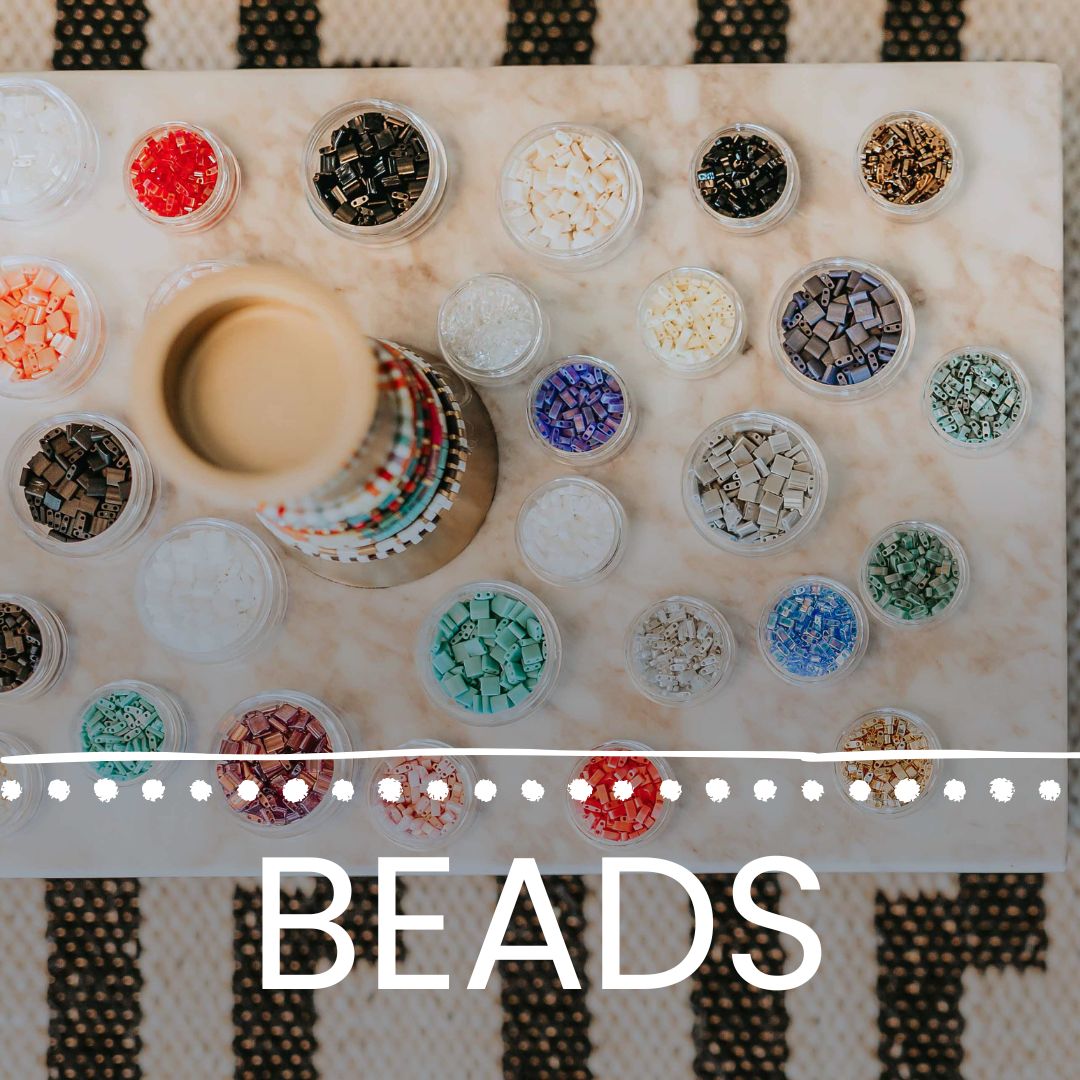
More than the sticker price on any single item. When you shop for a bracelet piece by piece, cord is one purchase, a bead mix is another, and clasps or crimps are a third, often from three different pages or three different stores. Mack & Rex's own Tila bead mixes run about $5 to $9 each, and that's before you've bought a spool of stretch cord or a single finding to go with it.
Each item also comes sized for a different quantity than you need. A spool of cord might string 15 bracelets. A bead mix might cover 8. You're not buying a bracelet's worth of anything, you're buying whatever package size the supplier decided to sell, then figuring out how much of it your one project actually uses.
Shipping stacks the cost further. Order cord from one shop and beads from another and you're often paying two shipping charges for one project, unless each individual order happens to clear that store's own free-shipping threshold on its own.
What's actually inside a bracelet making set?
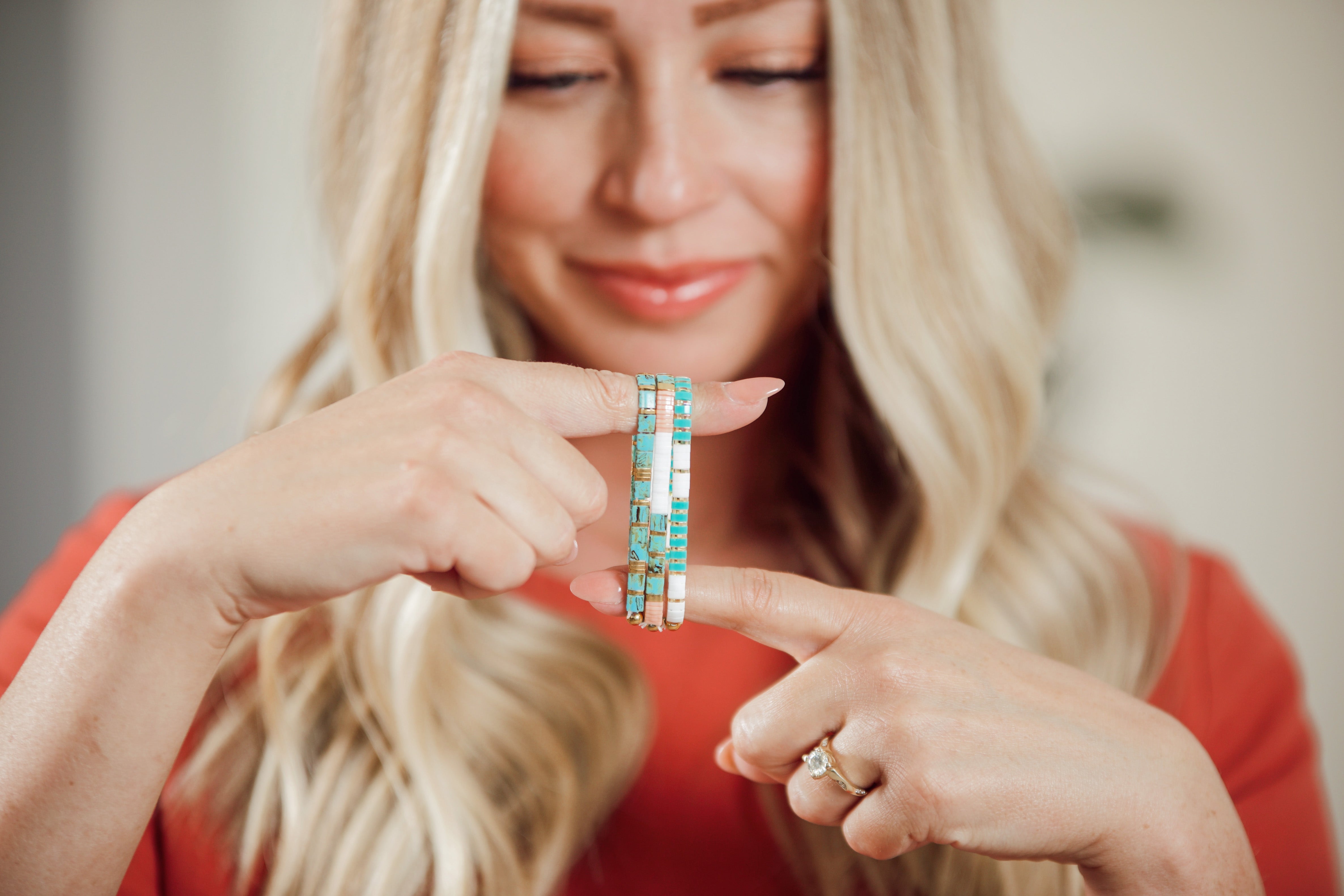
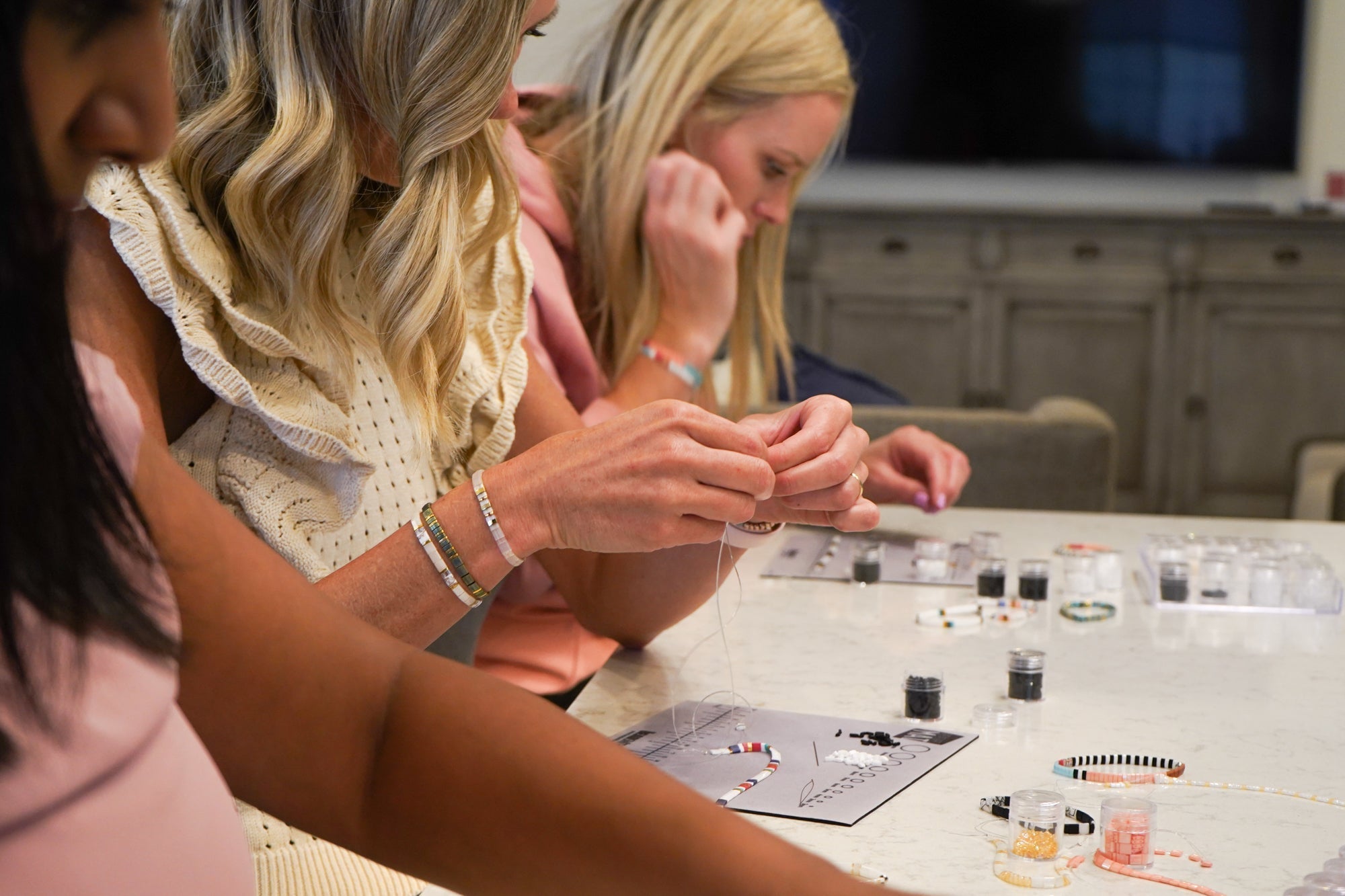
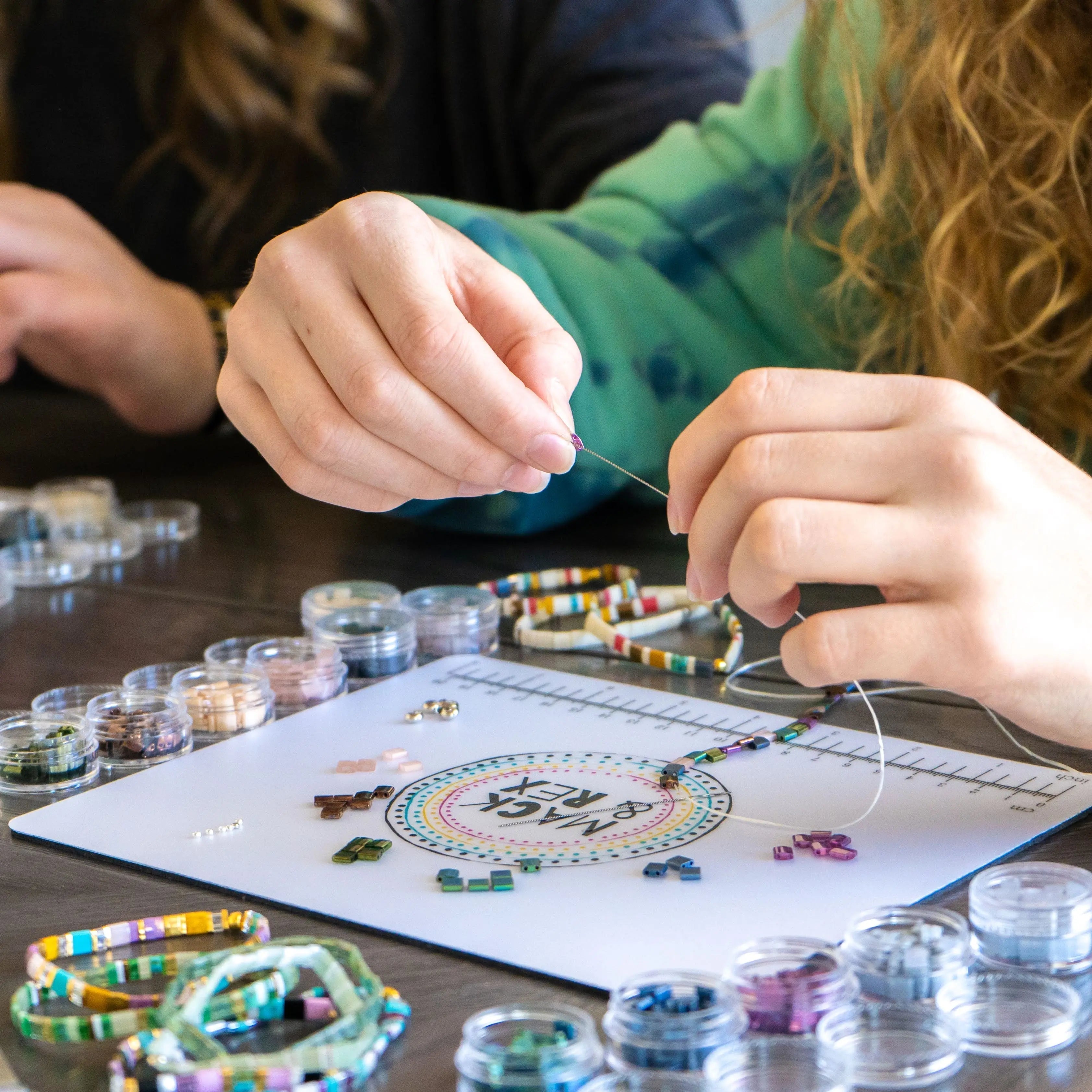
One box, one price, no guessing. A Mack & Rex bracelet making set pairs genuine Miyuki Tila beads in a matched palette with crystal-cord stretch elastic and the findings needed to finish each bracelet, all portioned for the number of bracelets the kit is built to make.
The trio kits ($44.99) and the monthly DIY Bracelet Kit Club ($36.99) each make 3 bracelets from one coordinated bead mix and pattern. Step up to the Tila Bead Starter Kit ($189.99) for 20 bracelets, or the Ultimate Tila Bracelet Kit ($399.99) for 80 if you're stocking up or hosting a group. Every tier uses the same crystal-cord elastic described in general terms in Soft Flex's guide to stretch bracelets and stretchy cord, so the stringing technique carries over no matter which tier you buy.
One 5-star review sums up the appeal of the smallest tier well: "Excellent deal for the price." That's the pitch for a set in one line. You're not paying for a bulk spool you'll use once, you're paying for exactly enough to finish the bracelets in front of you.
Bracelet making set vs. supplies bought separately: the real numbers
| Factor | Bracelet making set | Supplies bought separately |
|---|---|---|
| Price for a small project | $44.99 for a trio kit, 3 bracelets | Cord + bead mix + findings, each priced and shipped on its own |
| Leftover materials | Little to none, portioned per kit | Partial spools and extra beads are common |
| Shipping | One order, one shipment | Often two or three orders, two or three shipments |
| Beginner friction | Colors and quantities already matched | You choose quantities, colors, and cord gauge yourself |
| Best for | First projects, gifts, group crafting nights | Custom color mixing, restocking one specific item |
Line these up and the set wins on almost every column for a first project. The gap narrows fast once you're not a beginner anymore, which is the point of the next section.
Where does buying supplies separately actually create waste?
In the drawer, mostly. Ask any crafter with a few years of bracelet-making behind them and they'll show you a bin of half-used cord spools and loose beads from mixes that didn't get finished. That's the quiet cost of buying separately: not the price tag, the leftovers.
A set avoids this because it's built backward from the finished project. Mack & Rex portions each kit for the exact number of bracelets it's designed to make, so a trio kit leaves you with a finished project, not two-thirds of a spool you'll forget about by next season. General stringing guides like Beadaholique's stringing basics guide cover why measuring cord length correctly matters, and a pre-measured kit removes that guesswork entirely.
Who's actually better off buying supplies separately?
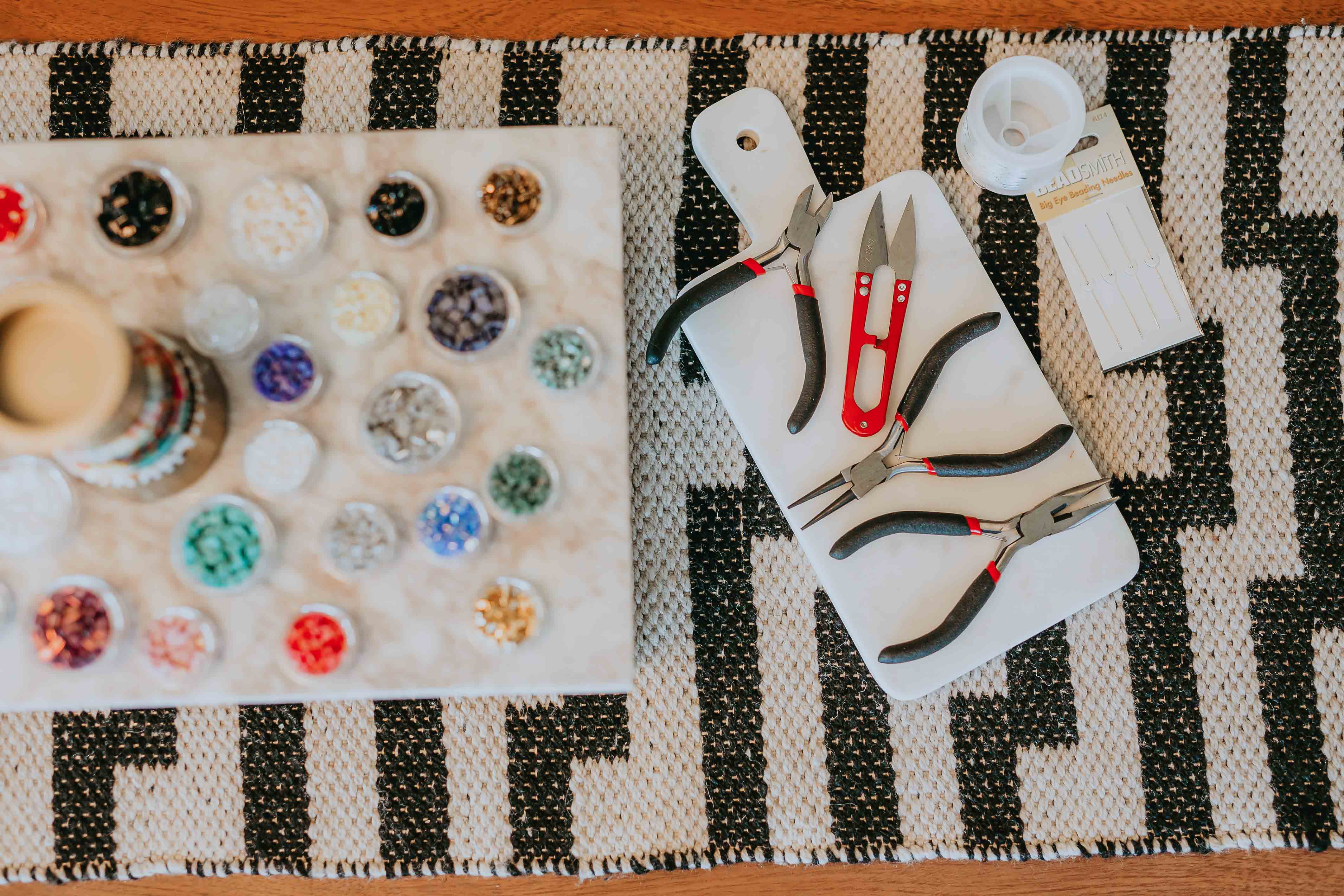
Experienced crafters, mostly. If you already know your preferred cord gauge, want to mix beads from more than one source, or need a specific finding for a repair rather than a new bracelet, buying piece by piece gives you control a set doesn't. Findings in particular vary a lot by project, and a general reference like The Bead Chest's guide to jewelry findings is worth a look if you're sourcing clasps and crimps for something outside a standard stretch bracelet.
Someone restocking a single color they've already committed to also does fine buying loose. A Mack & Rex customer put it simply in a review: "Glad there is a website which carries the hard to find bead colors I'm looking for!" That's a supplies-separately use case, not a set use case, and it's a real one.
A quick safety note for sets and loose beads with kids
Small beads and findings are a choking hazard whether they came from a kit or a loose bead bag. Keep any bracelet making set within an adult's reach when kids are crafting, and don't hand a kit or loose beads to a very young child unsupervised. This applies at every kit tier, from a single trio kit to the Ultimate Kit spread across a table of grandkids.
Which one should you actually buy?
Start with a set if this is a first project, a gift, or a group activity. Buy separately once you know your preferences well enough to shop for exactly what you want, and not a spool more. Browse the full lineup on the bracelet making kits collection and grab the trio kit or Kit Club for your first try, then decide from there whether sourcing pieces yourself is worth the extra legwork.
Frequently Asked Questions
Is a bracelet making set worth it, or should I buy supplies separately?
For most people, a bracelet making set is worth it. You pay one price for matched beads, cord, and findings instead of guessing quantities across several separate purchases, and you skip the leftover materials that pile up when items are sized for a different project than yours.
What's the real cost difference between a bracelet making set and buying supplies piece by piece?
A Mack & Rex trio kit runs $44.99 and makes 3 bracelets with everything matched and measured. Sourcing the same project separately usually means buying a full spool of cord, a full bead mix, and findings sized for far more than 3 bracelets, so you pay for volume you won't use on a first project.
Do bracelet making sets waste less than buying supplies separately?
Usually, yes. A set is pre-portioned for a set number of bracelets, so there's little leftover. Buying separately means a spool of cord sized for dozens of bracelets and a bead mix sized the same way, which leaves partial spools and stray beads sitting in a drawer after one project.
What comes in the Mack & Rex bracelet making kits?
Mack & Rex kits pair genuine Miyuki Tila beads in a coordinated palette with crystal-cord stretch elastic and the findings needed to finish each bracelet. Trio kits ($44.99) and the DIY Bracelet Kit Club ($36.99/month) make 3 bracelets each; the Tila Bead Starter Kit ($189.99) makes 20; the Ultimate Tila Bracelet Kit ($399.99) makes 80.
Are bracelet making sets safe for kids to use?
Bracelet making sets contain small beads and findings that are a choking hazard, so kids should always use them with adult supervision. They aren't marketed or intended as a product for very young children to handle unsupervised, whether the beads come from a set or were bought loose.
Ready to skip the guesswork? Shop the full bracelet making kits collection and get matched beads, cord, and findings in one order. Orders over $100 ship free in the US, and the 20-bracelet Starter Kit and 80-bracelet Ultimate Kit both clear that mark on their own.