

Bracelet Making Supplies Checklist: Everything You Need to Start
What Supplies Do You Actually Need to Make a Beaded Bracelet?
A beginner needs six things: beads, crystal-cord elastic, a beading needle, small scissors, a bead mat, and a couple of findings like crimp beads or knot covers. That's the full list. Nothing else is required to sit down and finish a stretch bracelet from start to end, whether you buy each piece separately or grab an all-in-one kit.
Search "all in one beaded bracelet tools and supplies" and you'll get plenty of tutorials showing off a table full of gear: pliers, wire cutters, a dozen bead trays, specialty glue. Most of that is overkill for a first bracelet. Below is the real checklist, what each item does, and where you can safely skip a purchase.
Which Beads Belong on a Beginner's Shopping List?
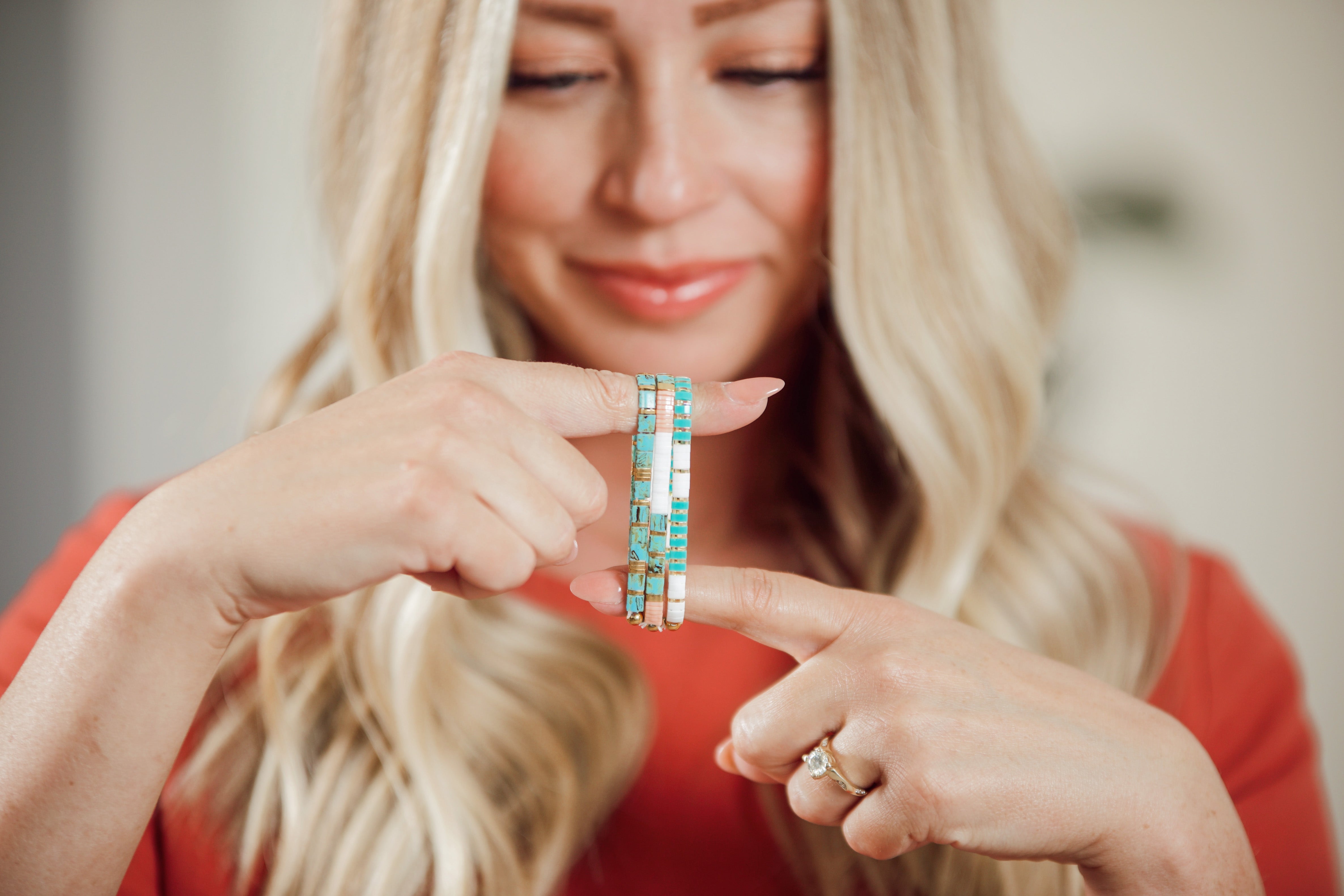
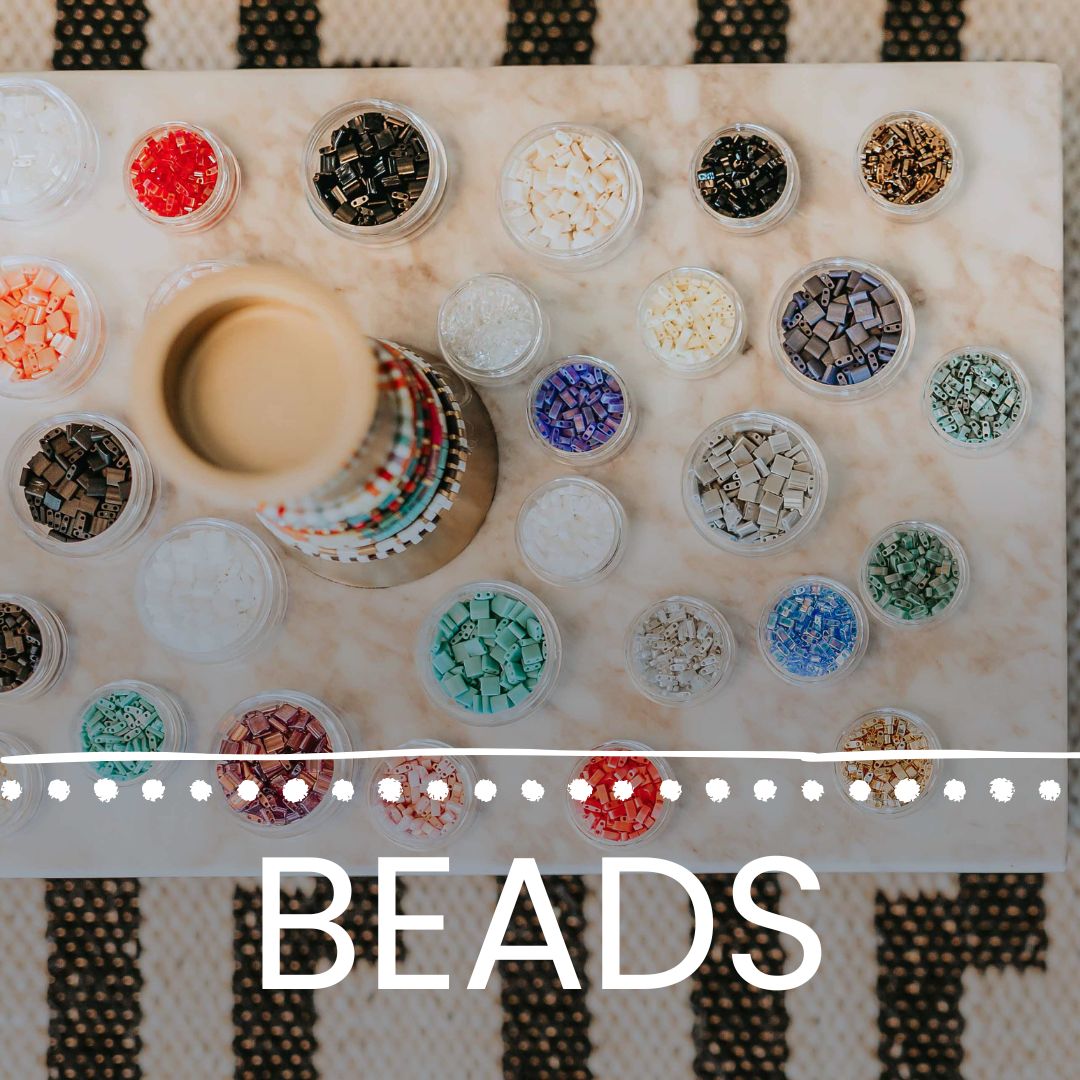
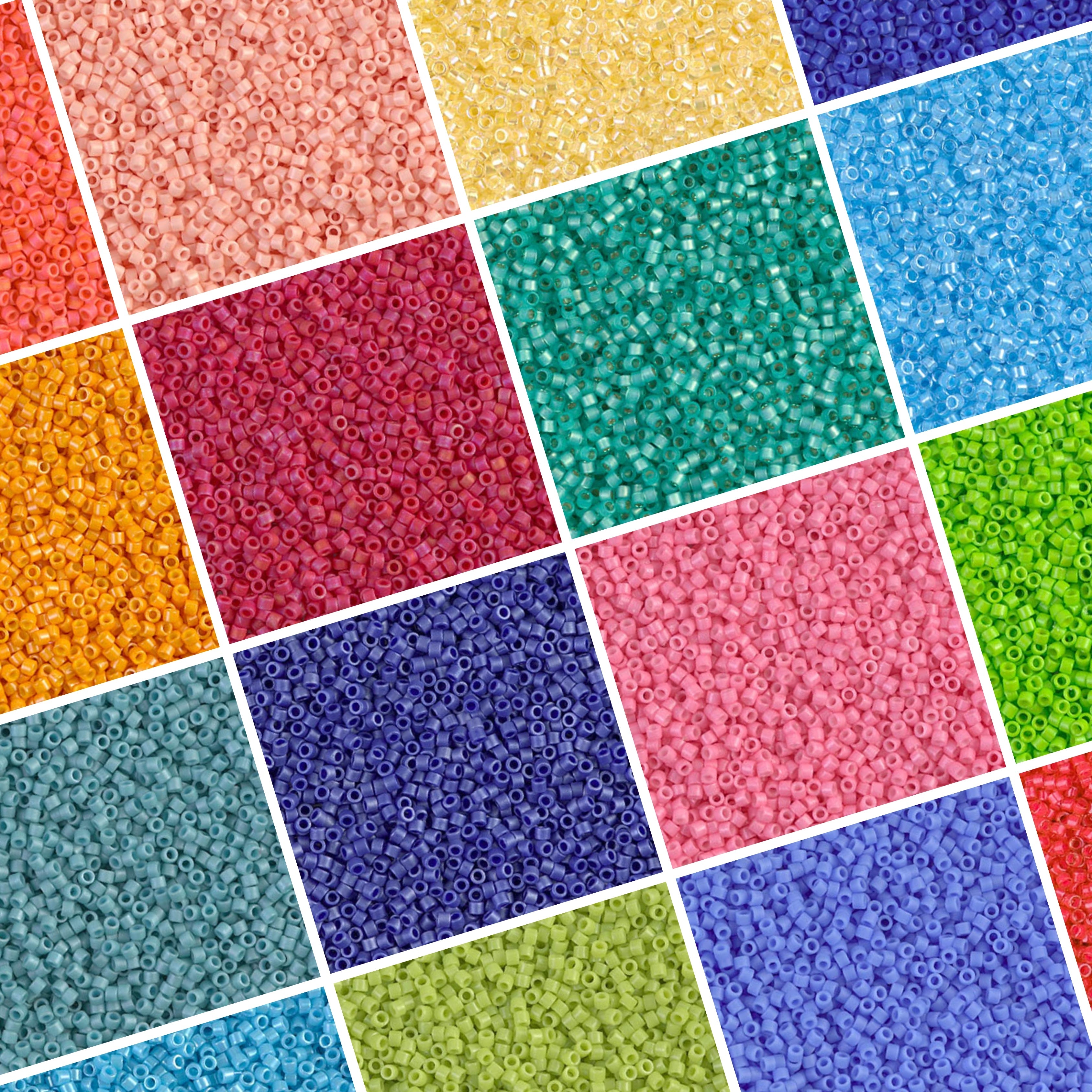
Start with one of two bead types. Round seed beads give a fine, textured look and work well as spacers. Flat, two-hole Miyuki Tila beads sit close together for a smooth, tiled style that's become the signature Mack & Rex look.
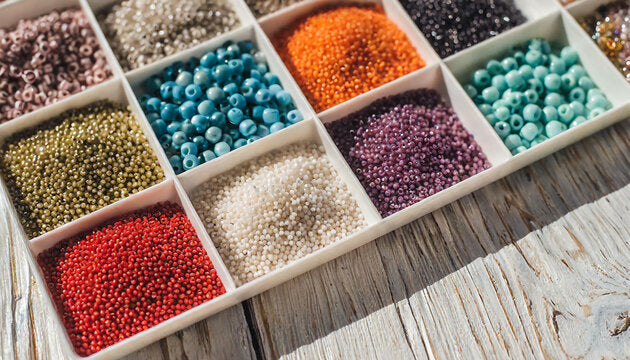
Seed beads are sized by an "aught" system (written like 11/0 or 8/0), where a bigger number means a smaller bead. The scale runs roughly from 1/0 down to 24/0, and the standard varies a bit between manufacturers, so a size 8 from one brand isn't always identical to another's (per Wikipedia's seed bead entry). Glass beads themselves aren't new. People have made and traded glass beads for thousands of years, and the craft goes back to early Egyptian and Roman glassworking (Wikipedia has a solid overview of the history).
Miyuki, the Japanese company behind Tila and Delica beads, isn't a Mack & Rex product line. It's a third-party brand Mack & Rex resells because the beads hold consistent size and shape, bag after bag. That consistency is what makes a pattern line up instead of wobbling. Skip generic bulk-mix bags if the listing doesn't say the hole sizes are uniform; a bag with mismatched holes fights you the whole way through a bracelet.
Browse the full range of loose beads and themed seed beads at Mack & Rex if you want to build your own color story rather than start from a pre-mixed pack.
What Do You String the Beads On?
Crystal-cord elastic. For a beginner's first bracelet, it's the right call almost every time.
Beadwork, broadly, means attaching beads to a thread or thin wire with a needle, whether the finished piece is strung, woven, or embroidered (Wikipedia's beadwork overview covers the main techniques). Stringing on elastic is the simplest of those techniques because there's no clasp to attach and no tension to fuss over. A .5mm crystal-cord elastic, the same weight Mack & Rex uses in its own bracelets, holds up through daily wear and a decent number of workouts before it needs replacing.
Beading thread (nylon options like FireLine) and memory wire exist for other bracelet styles, woven cuffs or wire-wrapped bangles mostly, but they need a clasp and more technique to finish properly. Don't buy thread or wire for a first stretch bracelet. It's the wrong tool for the job and adds steps you don't need yet.
Do You Need Findings and Closures?
Not many, and that's good news for a beginner's budget.
A stretch bracelet doesn't need a clasp since the elastic itself opens and closes over the hand. What it does need is a way to end the knot cleanly: crimp beads to keep the last bead from slipping off, and knot covers to hide the tied end. Both are small, cheap, and reusable in the sense that a single pack covers many bracelets. Skip lobster clasps, toggle clasps, and jump rings entirely unless you're branching into a woven or wire design later.
What Tools Round Out the Kit?
Three tools, and you likely own one already.
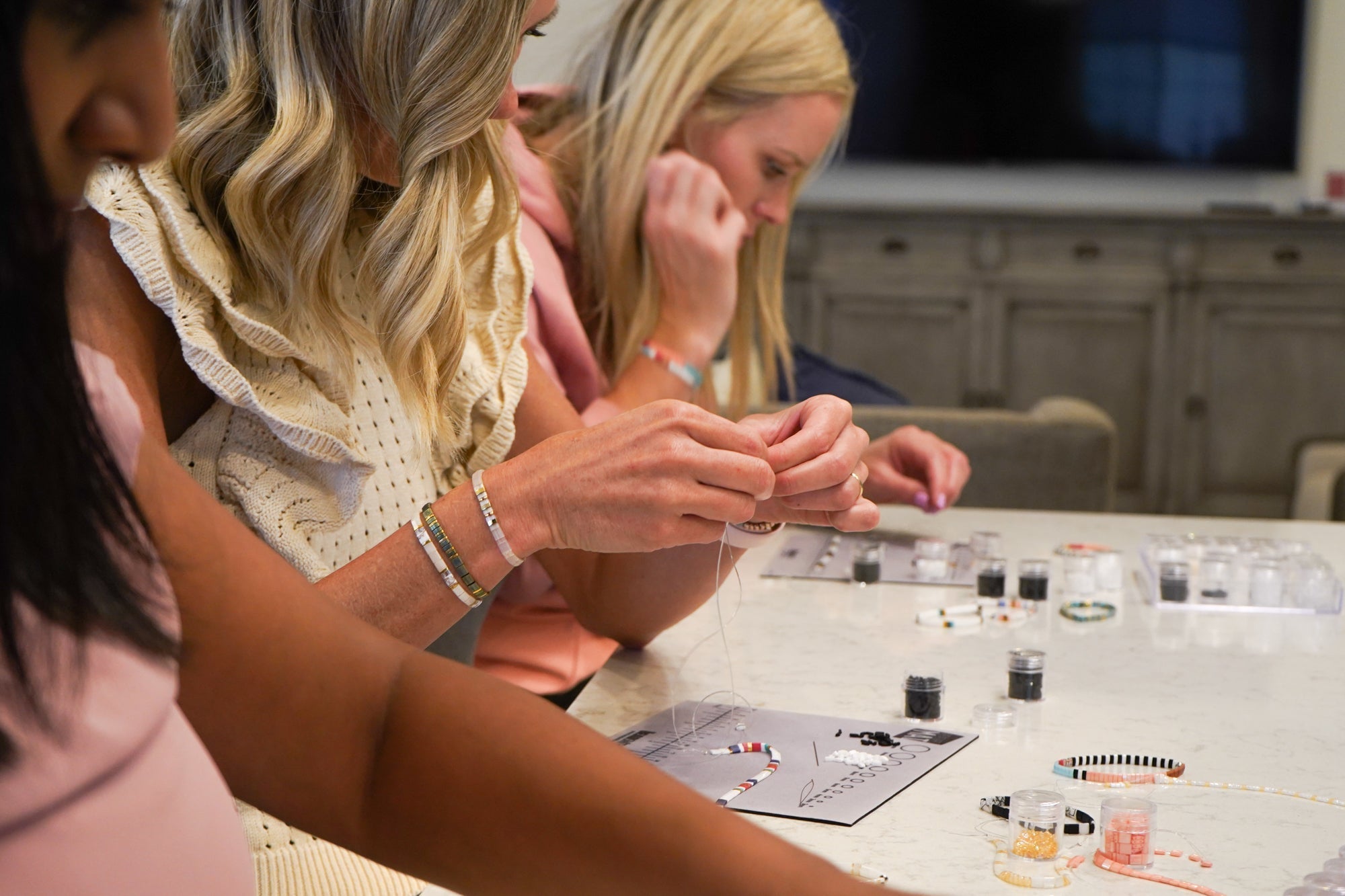
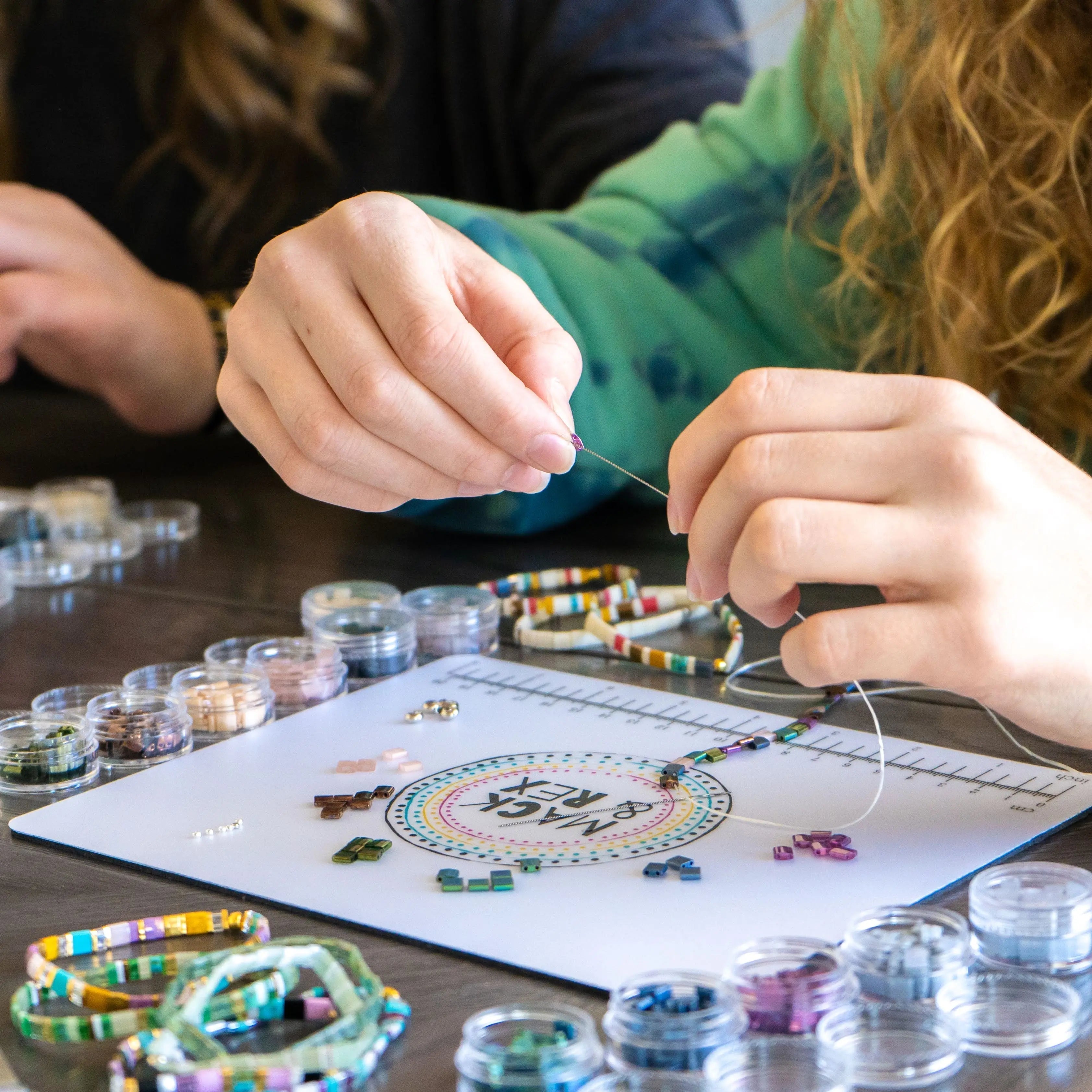
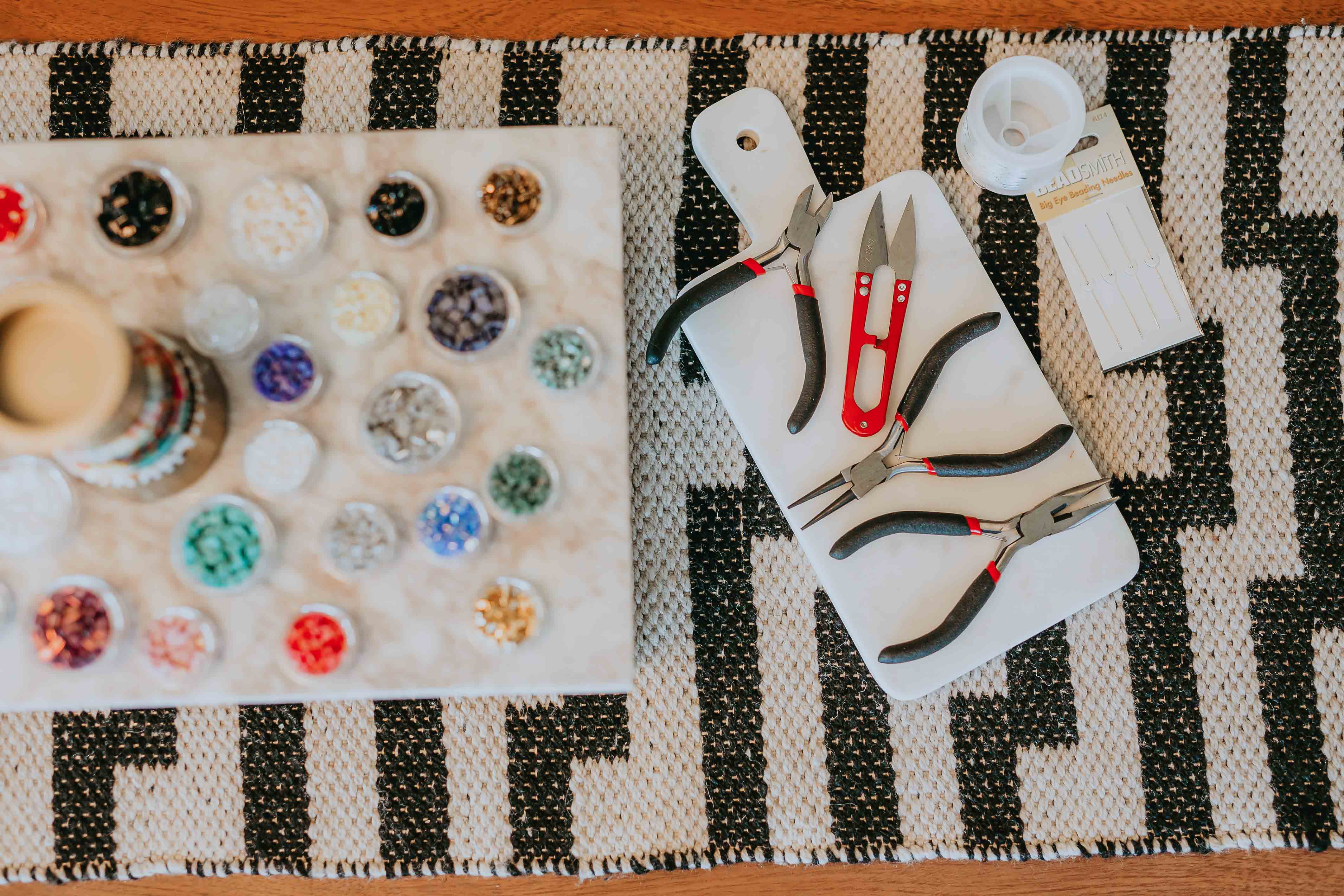
A beading needle, ideally the collapsible-eye kind, threads elastic through tiny bead holes without you squinting and cursing. Small, sharp scissors trim cord cleanly; kitchen scissors leave a frayed end that's hard to thread through a crimp bead. And a bead mat or tray, a soft surface with a bit of texture, keeps beads from rolling off the table mid-project and lets you lay out your color pattern before you string a single one.
A ruler helps too, mostly for measuring wrist size before you cut your elastic. It's not strictly required, but guessing on length is one of the most common beginner mistakes.
What Should Beginners Skip Buying?
Skip anything built for a technique you're not using yet.
Wire cutters and round-nose pliers matter for wire-wrapped jewelry, not for a stretch bracelet. Bead looms are for woven patterns, a different project entirely. Fancy multi-tier bead organizers look nice in photos, but a $5 mat does the same job for a beginner's first few projects. And don't buy a beading needle set with a dozen sizes; two or three needles cover almost every bead hole you'll run into as a beginner.
Is an All-in-One Kit the Faster Way to Start?
For most beginners, yes.
Piecing together beads, elastic, a needle, a mat, and findings from separate listings adds up in both cost and separate shipping charges. Mack & Rex's All-in-One Beaded Jewelry Making Kit bundles the tools and supplies side of the checklist (elastic, a needle four-pack, a bead mat, and a full tool set) for $39.99 to $43.99, and you just add beads. Pair it with a themed color pack or a mix from the Tila bead mixes, which run about $5 to $9 per pack, and you're set for well under what buying loose from five different retailers would cost.
If you'd rather have beads and tools together in one box, the bracelet making kits collection covers that too, from small trio kits up to a starter pack that makes 20 bracelets. One note on shipping: a single $43.99 supplies kit doesn't clear the $100 free-shipping threshold on its own (that offer ships free within the US on orders over $100), so pair it with a bead mix or two if you want to hit that mark in one order.
Frequently Asked Questions About Bracelet Making Supplies
What is the minimum supply list for a first bracelet?
Beads, crystal-cord elastic, a needle, scissors, and a bead mat. That's five items, and most beginners already own scissors. Crimp beads and knot covers are optional for a stretch design since the elastic holds the bracelet closed without a clasp.
Do I need Miyuki beads specifically, or will any seed bead work?
Any glass seed bead works, but Miyuki beads (a Japanese brand Mack & Rex resells, not manufactures) are known for consistent sizing and roomy holes, so cord slides through cleanly. Cheaper mixed-brand beads can vary in hole size within the same bag.
Is an all-in-one supplies kit worth buying rather than piecing it together?
If you don't already own beading tools, yes. A kit bundles elastic, needles, a bead mat, and pliers for one price, which usually costs less than buying each item separately at retail and skips several separate purchases and shipping charges.
Are bracelet making supplies safe to use with kids?
Loose beads, crimp beads, and findings are small parts and a choking hazard, so they are not appropriate for young children without close adult supervision. Keep loose supplies away from babies and toddlers, and supervise the whole project with older kids.
Ready to stop guessing what's in your cart? Start with the beads at Mack & Rex's seed bead collection, or grab the All-in-One kit if you want the tools handled for you. Either way, you'll have everything you need to sit down and finish your first bracelet this weekend.