

Colorful Stackable Tila Bead Bracelets for Women: How to Build Your Stack
How do you build a colorful stackable tila bead bracelet stack?
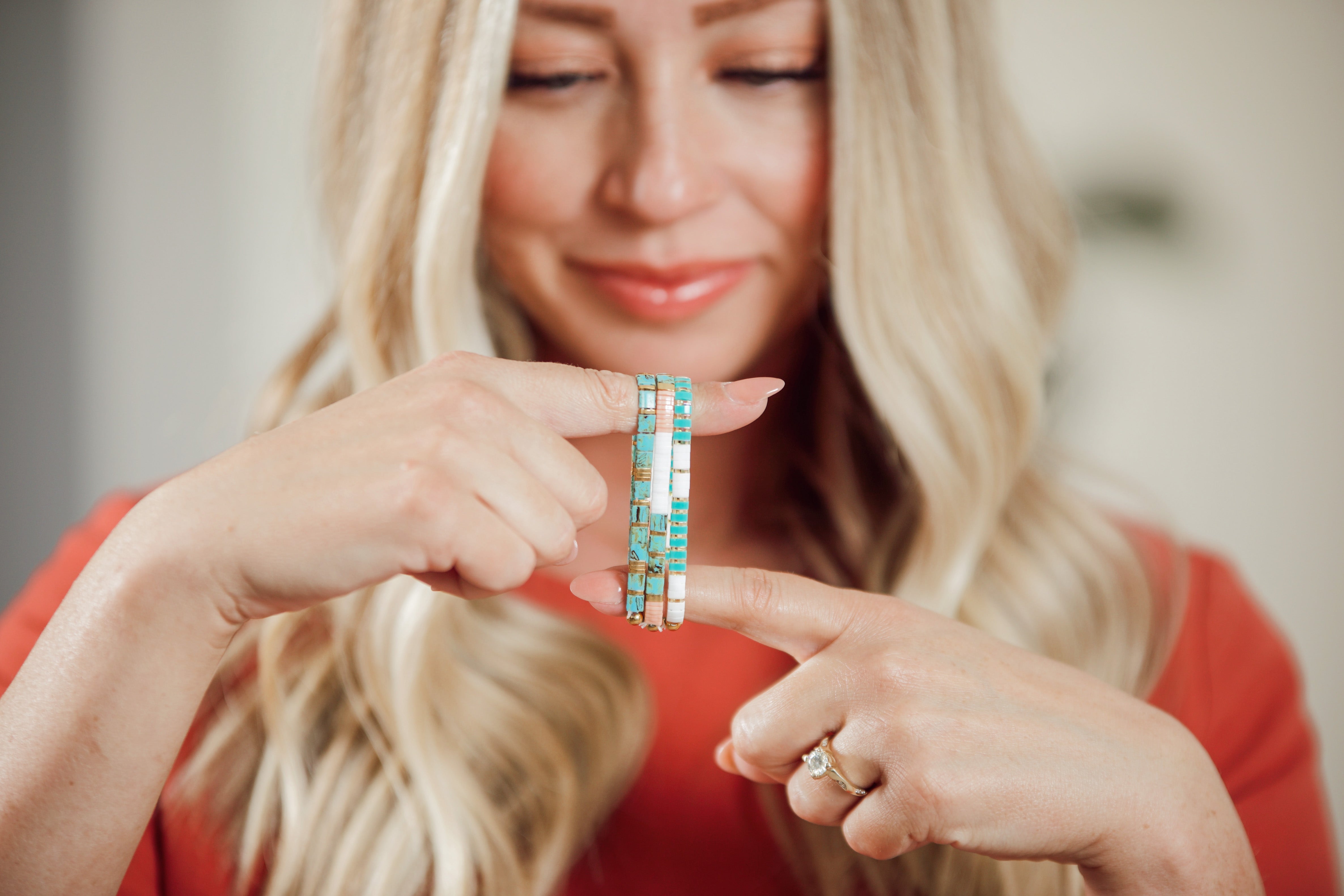
Pick three to five bracelets, anchor the group with one neutral base, add one or two hero colors, and tie it together with a multi-color connector. Mix widths and finishes so the eye has something to follow. That's the whole method, and it works whether you're stacking two bracelets or seven.
Colorful, stackable tila bead bracelets for women have become a small style choice that says a lot without trying too hard. A good stack looks intentional, not thrown together, and getting there is more about a formula than an eye for design. Below is that formula, plus the color, width, and fit details that separate a flat stack from a finished one.
What exactly are tila beads, and does Mack & Rex make them?
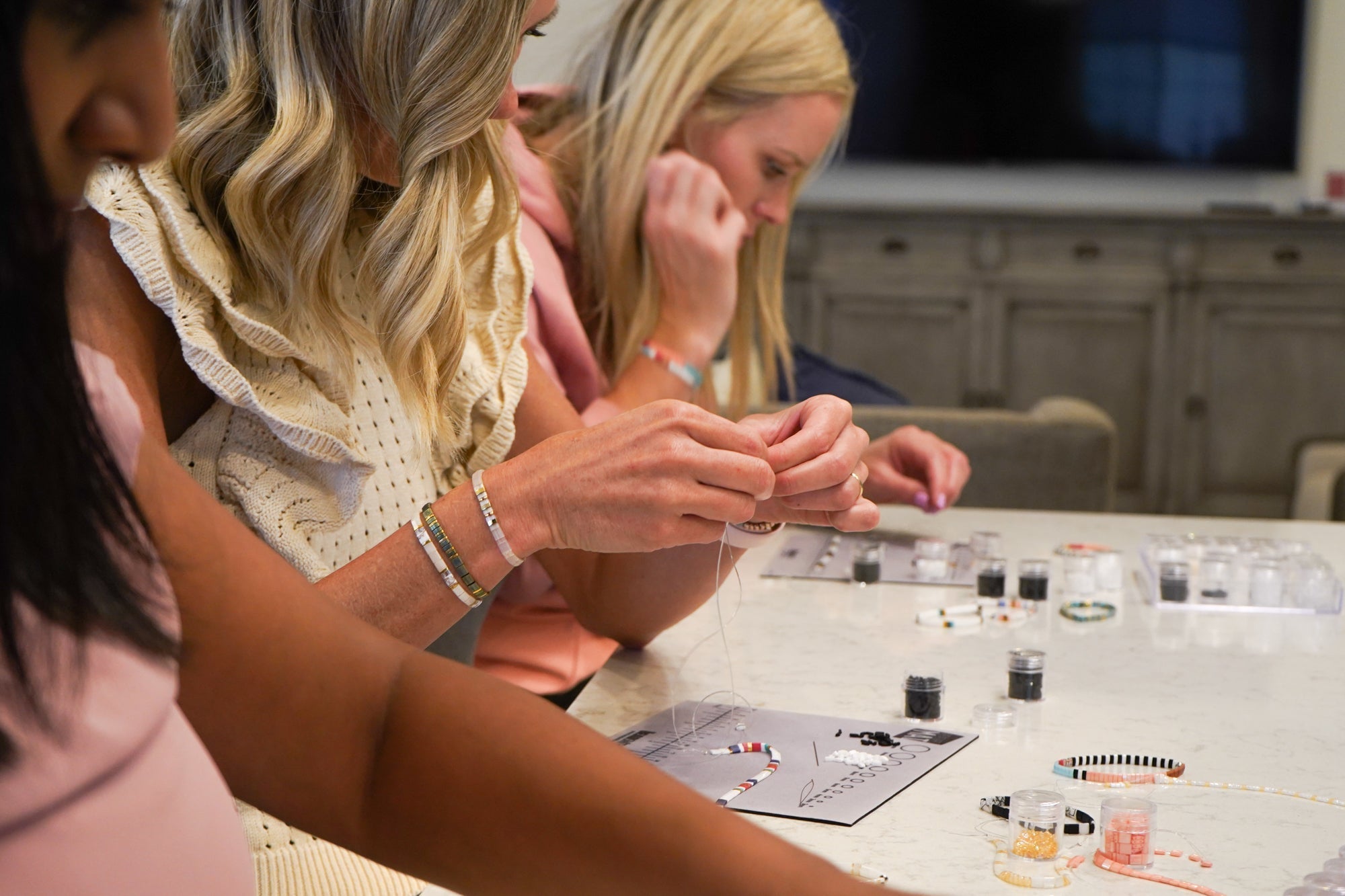
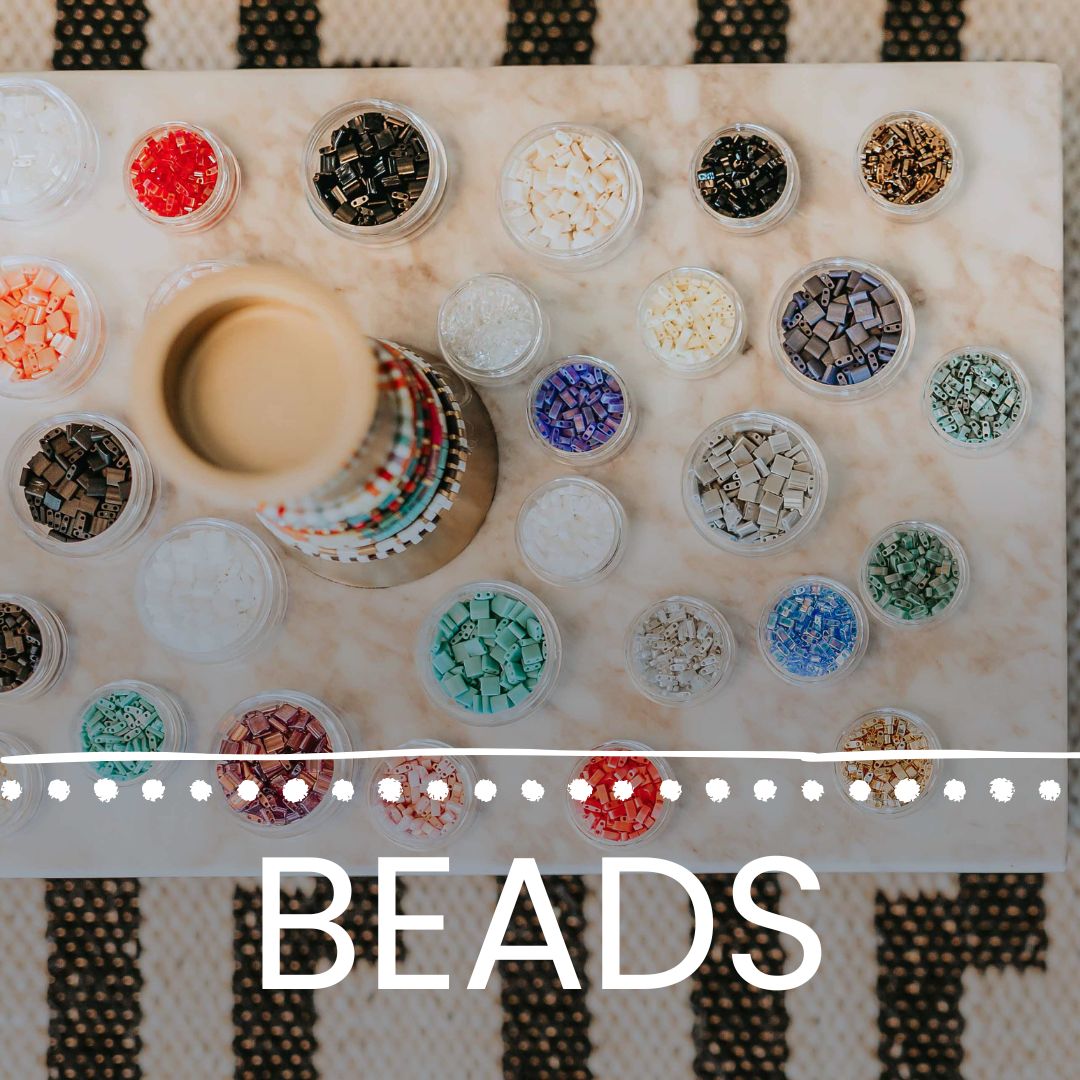
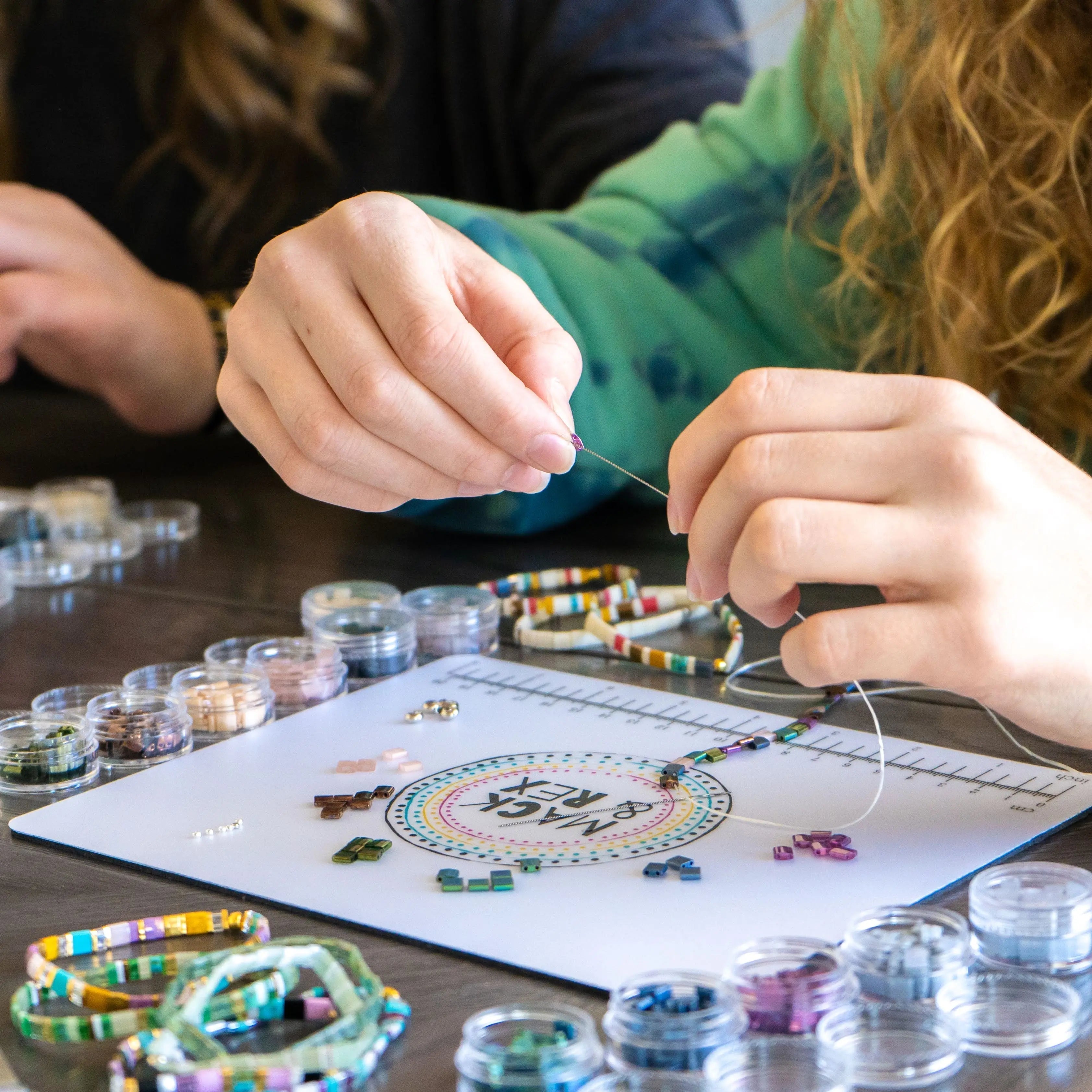
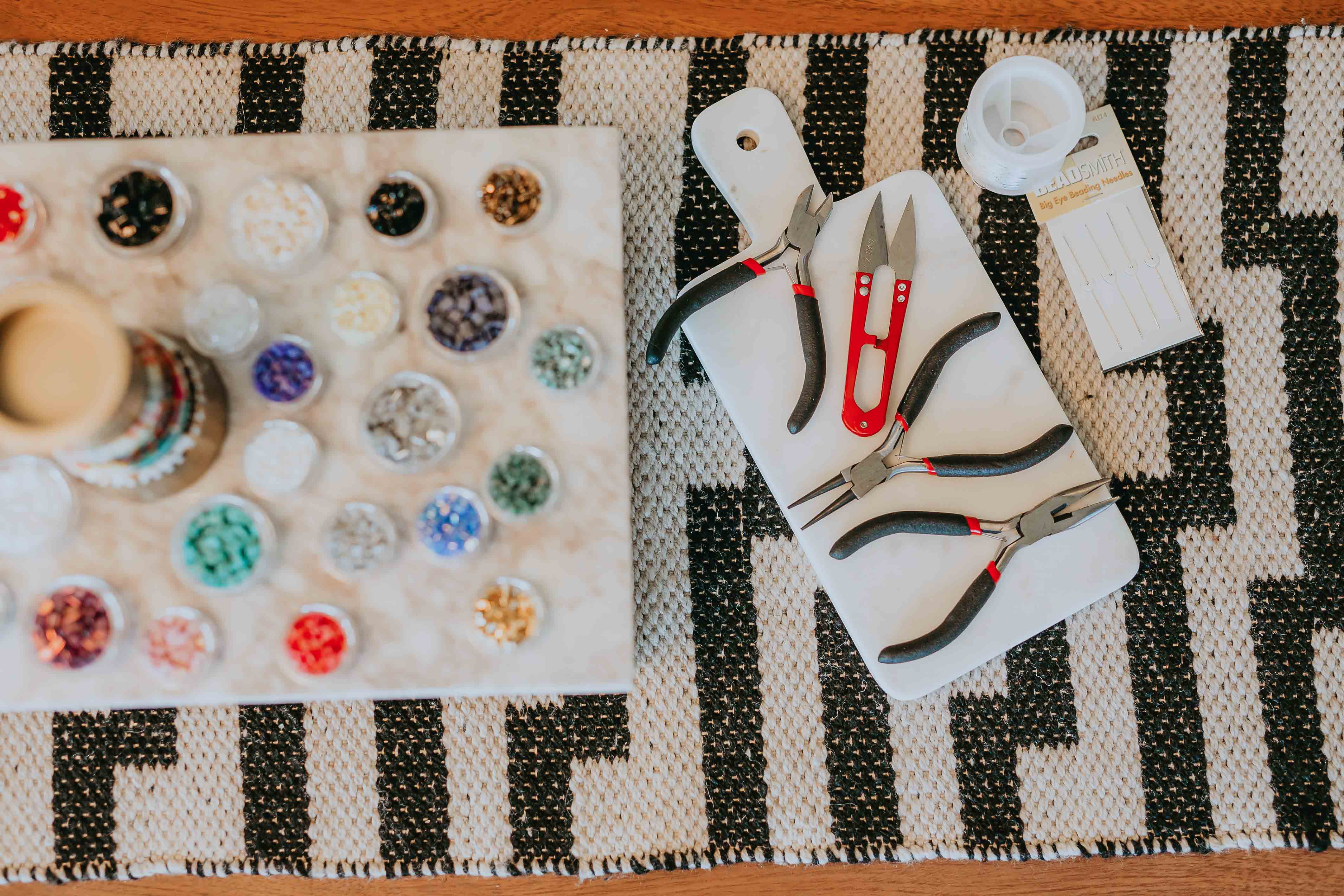
Tila beads are flat, two-hole glass beads produced by Miyuki, a Japanese bead maker. Mack & Rex doesn't manufacture the beads ourselves. We source these Japanese glass tiles and string them onto crystal-cord elastic to build the finished bracelets in our collections.
That flat, square shape is exactly why tila stacks look so clean. According to Potomac Beads, the flat square design came out of years of research by Miyuki, and the beads are sold in curated collections across matte, opaque, crystal, and metallic finishes, often with several coordinated colors packed together. Each bead sits flush against the next, so a finished bracelet lies flat against your wrist rather than bunching or twisting.
How many bracelets should go in your stack?
Three is the minimum for a look that actually reads as a "stack." Five is the upper limit before it starts feeling busy on most wrists. An odd number tends to look more deliberate than an even one, which is why three, four, or five is the range worth aiming for rather than two matched pairs.
Start smaller than you think you want. Add one bracelet at a time and check it against your daily routine. A stack that looks great on a dresser can feel like a lot once you're typing at a keyboard.
How do you pick colors that actually go together?
Decide on a mood before you decide on colors. That single choice does most of the work for you.
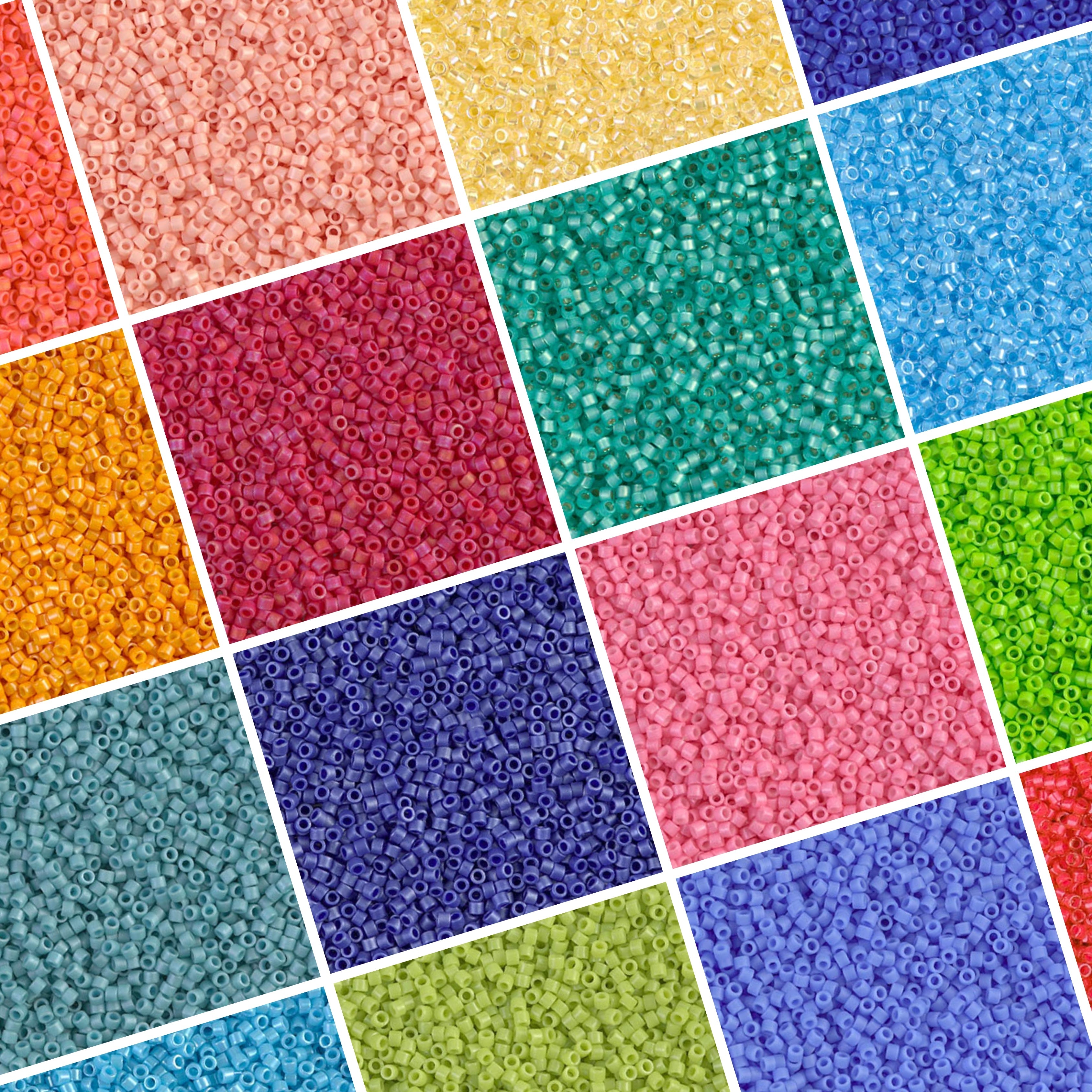
Color theory splits into two camps here. Analogous colors sit next to each other on the color wheel, like coral, orange, and gold, and they read as calm and cohesive, the kind of palette you see in a sunset. Complementary colors sit across from each other, like teal and coral, and they read as bold and high-contrast. Wikipedia's entry on analogous colors notes that analogous schemes are common in nature and tend to lack the harsh contrast of complementary pairings, which is why they've long been a favorite for painters and designers who want a unified look.
- Pick a neutral base. Cream, sand, gray, or black anchors the stack and keeps brighter colors from competing.
- Choose one or two hero colors. This is the personality of the stack. Warm coral and gold for summer, deep green and rust for fall.
- Add a connector. A metallic bracelet or a multi-color mix that borrows from each hero color pulls the whole thing together.
Hold your bracelets side by side before you commit. Colors read differently stacked against skin than they do in a photo.
How do you mix widths and finishes for texture?
Color gets all the attention, but width and finish are what make a stack look expensive. A row of matte olive next to a glossy cream next to a metallic gold band has more depth than three glossy bracelets in different colors ever will.
Tila beads come in matte, opaque, glossy, and metallic finishes, and each bounces light differently, so pairing two or three finishes in one stack adds contrast without adding more colors. Pair a slim single-row bracelet with a wider multi-row one for the same reason. A styling guide from Blue Nile makes a similar point about stacking jewelry generally: varying proportions and alternating finishes keeps each piece reading as its own.
Our EVERGREEN EDIT collection is a good example of this in practice. It leans on a matte olive base, a glossy cream connector, and a touch of metallic gold, so the whole stack has three different textures without ever feeling mismatched.
How do you make sure the stack fits and stays put?
Fit is the step people skip. And it's the one that decides whether you actually wear the stack past week one. Too loose, and it slides over your hand all day. Too tight, and it pinches by lunch.
Mack & Rex bracelets are strung on a crystal-cord elastic and come in inclusive sizing from XXS to 5XL, backed by our quality guarantee. To find yours, measure the widest part of your hand, not your wrist, and check it against the size chart on the product page. Do this for every bracelet you add. A stack is only as comfortable as its loosest or tightest piece.
Which Mack & Rex colorways make the easiest stacks?
If picking colors from scratch sounds like more work than you want, start with a collection someone else already balanced. Zero guesswork. That's the whole appeal of a named palette.
Our STAINED collection leans into deep jewel tones (garnet, amethyst, emerald) for a stack with drama. BEACHY runs light and sandy with turquoise accents, built for a coral-and-teal complementary palette. RETRO SUNSET mixes warm coral, gold, and burnt orange for an analogous, sunset-toned stack. EVERGREEN EDIT, mentioned above, keeps things earthy with olive, cream, and gold. Each is already built around the base-hero-connector formula, so you can grab three or four pieces from one collection and have a finished stack without guessing.
You can browse the full lineup, along with the trio kits and monthly drops, on our bracelets collection page. Right now, buy 3 bracelets and get a 4th free, no code needed, which is an easy way to build out a whole stack at once. US orders over $100 also ship free.
Pick a mood, grab a base, a hero, and a connector, and let the buy-3-get-1 offer round out the rest of your stack.
Frequently asked questions
How many tila bracelets should I stack for a colorful look?
Three to five bracelets is the range most women land on. Three keeps things clean and easy to wear daily, while five gives a fuller, more layered look. Go with an odd number and mix in at least one neutral so the colors have room to breathe.
Are Mack & Rex tila beads made in house?
No. Tila beads are a Japanese glass bead made by Miyuki, a third-party bead manufacturer. Mack & Rex sources these beads and strings them onto crystal-cord elastic to build the finished, ready-to-wear bracelets sold in our collections.
What is the easiest way to pick colors that go together?
Pick a mood first. Analogous colors, ones that sit next to each other on the color wheel, like coral and orange and gold, feel calm and cohesive. Complementary colors, ones across from each other, like teal and coral, feel bold and punchy. Choose one approach, then build your bracelets around it.
Will a stretch tila bracelet stack stay in place all day?
A properly sized one will. Mack & Rex bracelets use a crystal-cord elastic and come in inclusive sizing from XXS to 5XL, so you can match the fit to your actual hand rather than settle for a single generic size.
Is there a deal for building a full bracelet stack?
Yes. Mack & Rex currently runs a buy 3 bracelets, get 1 free offer on finished bracelets, no code needed, which is an easy way to build a 4-piece stack at once. US orders over $100 also ship free.