



Common Bracelet Making Kit Mistakes Beginners Make (And How to Avoid Them)
Common Bracelet Making Kit Mistakes Beginners Make (And How to Avoid Them)
The most common bracelet making kit mistakes are picking a kit built for the wrong skill level, stringing the elastic too tight or too loose, and skipping the pattern layout entirely. Each one has a simple fix: match the kit to your patience level, size the stretch loosely around two fingers, and read the pattern before you start threading.
What's the Most Common Bracelet Making Kit Mistake Beginners Make?
Wrong kit, wrong day. Buying a kit sized for a different kind of afternoon than the one you actually have is the top offender. A trio kit built for one sitting isn't the same commitment as a kit built to make 80 bracelets, and grabbing the wrong one is why a lot of first kits end up half-finished in a drawer.
Here's the range, roughly, in real terms. A Trio bracelet kit ($44.99) makes 3 bracelets and fits into an evening. The DIY Bracelet Kit Club ($36.99 a month) sends a fresh 3-bracelet kit on a schedule if you like the habit but don't want to plan ahead. The Tila Bead Starter Kit ($189.99) makes around 20 bracelets, and the Ultimate Tila Bracelet Kit ($399.99) makes around 80, which is a lot of beads to have sitting around if you've never strung one before.
New to this? Start with a trio kit. Find out whether you actually enjoy the stringing part before you commit to a kit built for a whole season of bracelet-making.
Why Does the Elastic Cord Keep Snapping or Slipping Loose?
Usually because the stretch was measured too tight or too loose before it ever got knotted. Crystal-cord elastic needs a little give: tie it snug against bare skin and it strains every time you flex your wrist, tie it loose and the knot works itself apart within a week.
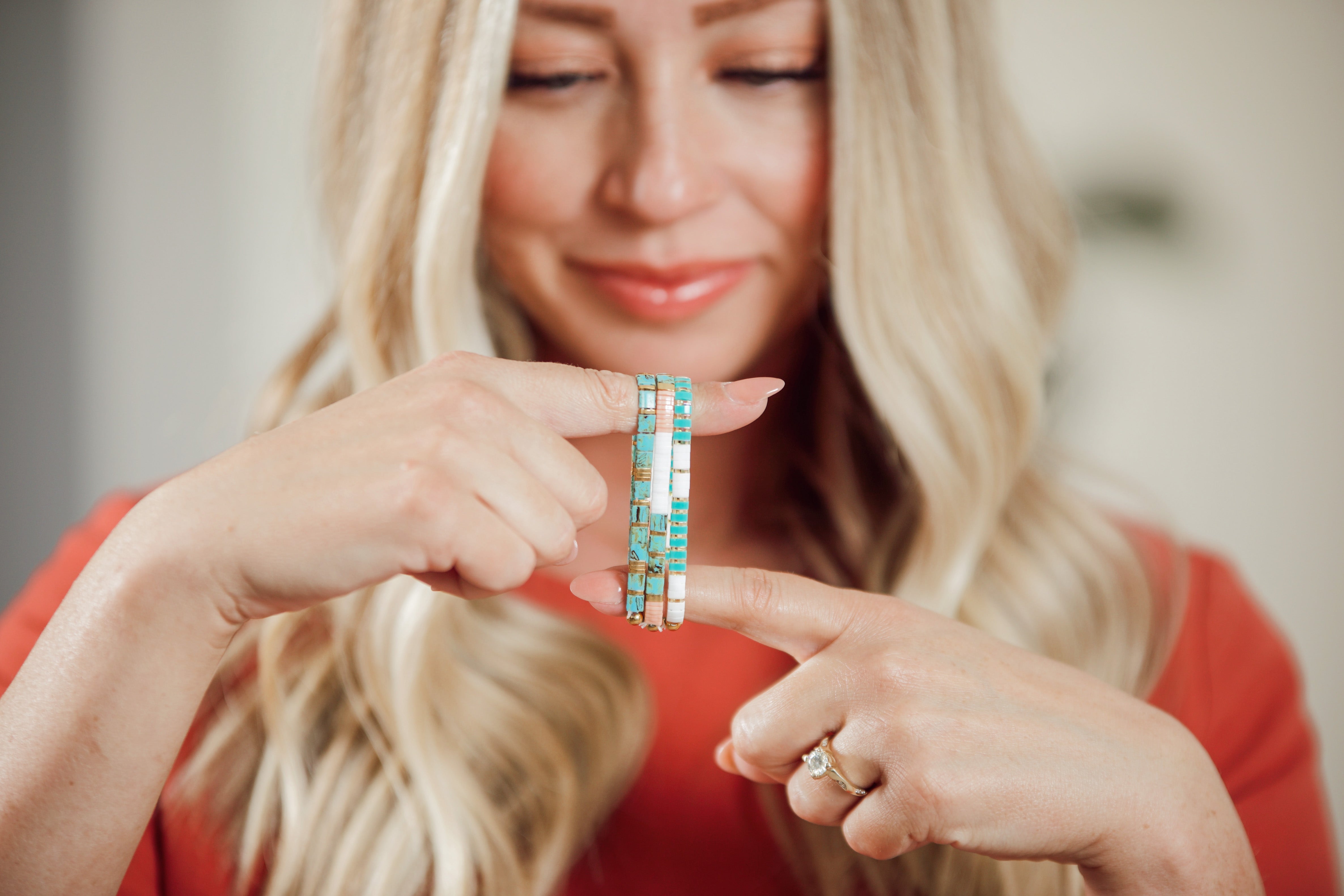
The fix is boring but it works. Two fingers of slack, that's the whole trick. Wrap the strung beads around your wrist with two fingers tucked underneath, mark where the ends meet, and knot there rather than pulling it drum-tight. Tie a double knot (a surgeon's knot, if you know it), tug each side firmly to test it, then trim the tails short. Beads and stretch cord have been around a long time as a craft material for exactly this reason: elastic cord gives a beaded piece flexibility that a rigid wire never could (Wikipedia: bead).
Are You Skipping the Pattern Before You Start Threading?
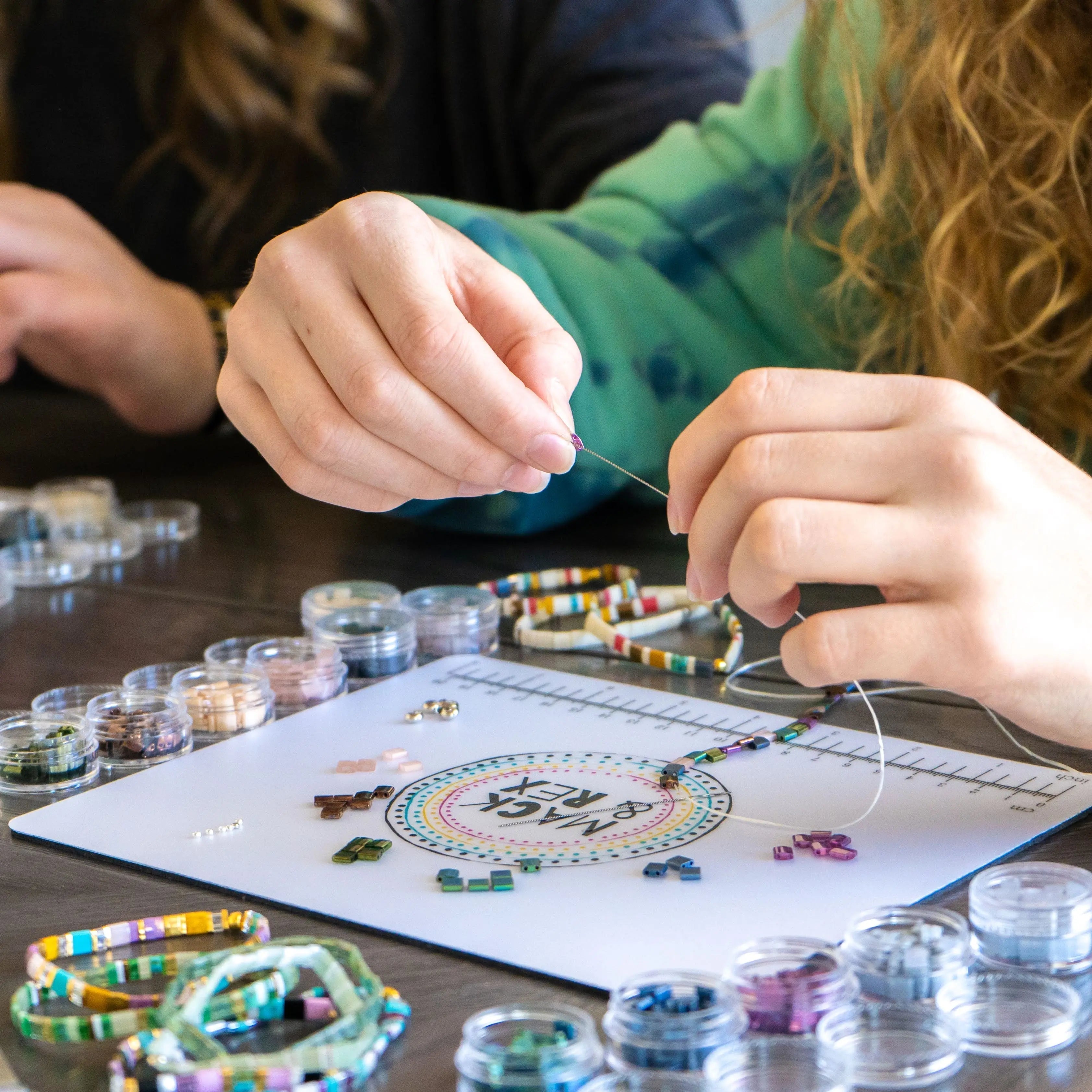
Probably, and it's the fastest way to end up with a lopsided color run halfway through a bracelet. Every Mack & Rex kit ships with a color-coded pattern layout for a reason. Read it once before opening a single bag of beads.
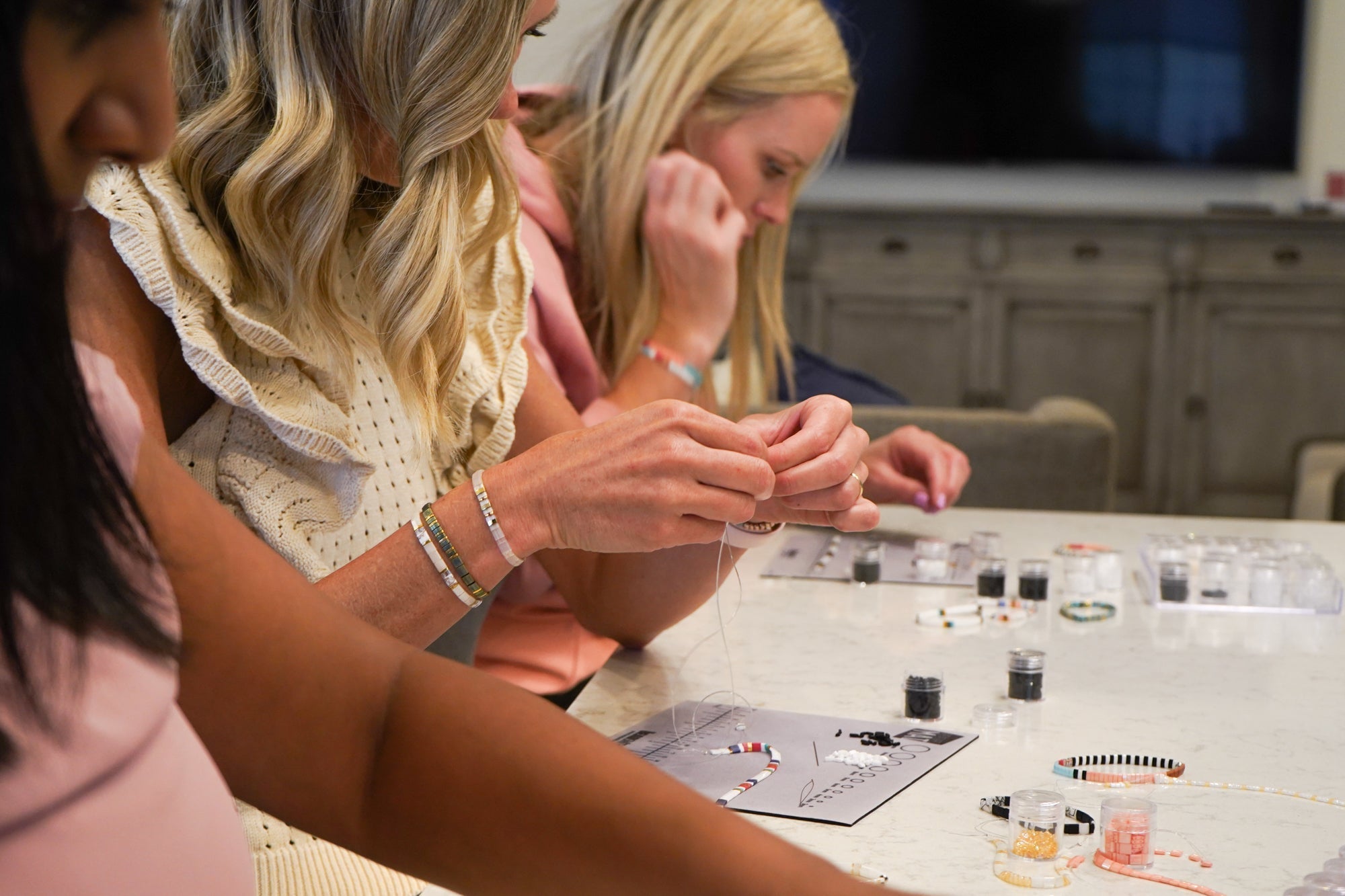
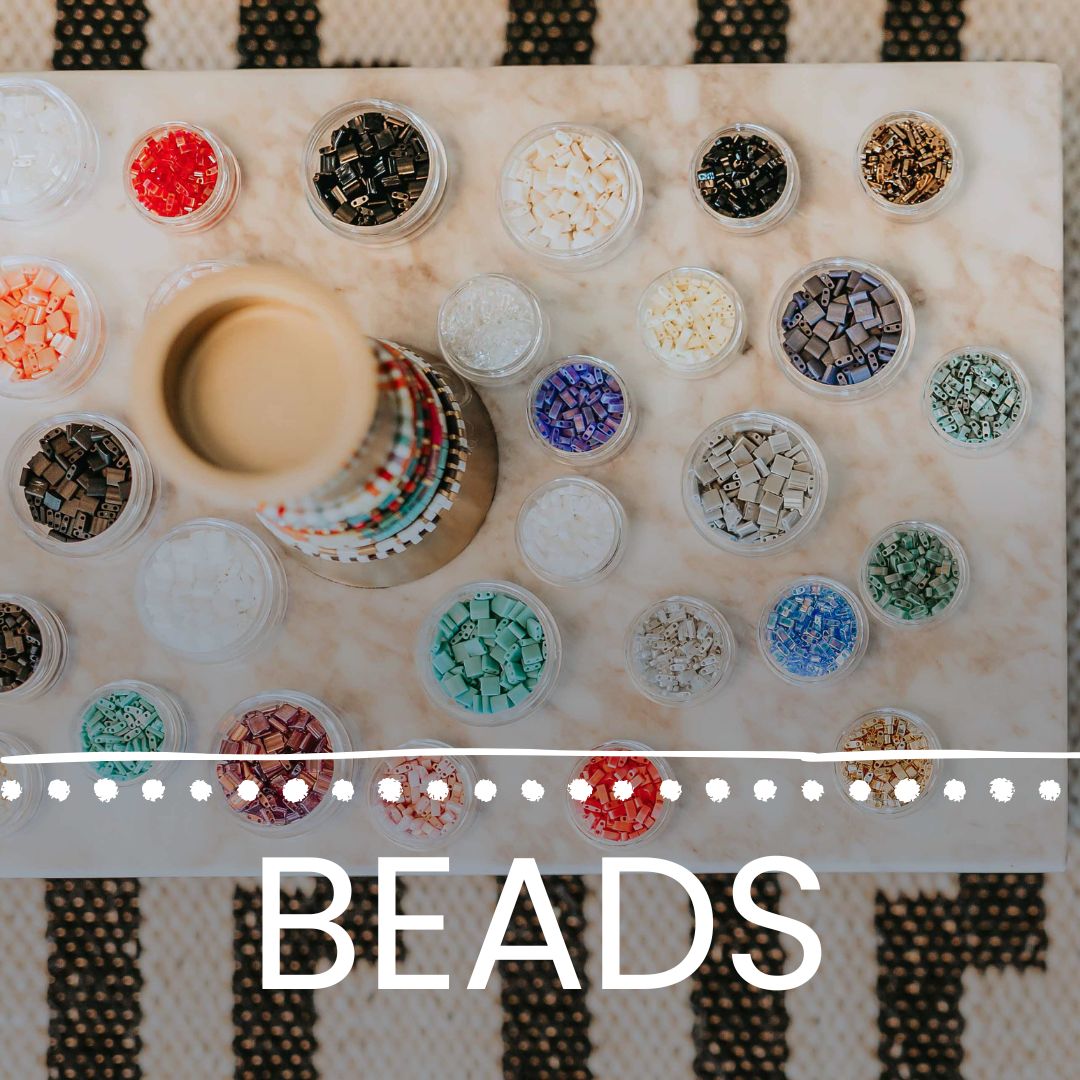
Lay the beads out on a flat tray or a folded towel in the order the pattern shows, left to right. Count them before you thread the first one, especially on a trio kit where three color palettes sit side by side and it's easy to grab from the wrong pile. A five-minute setup here saves you from unstringing an entire row later, which is a far more annoying five minutes.
What Safety Mistake Do Parents Make With a Bracelet Making Kit?
Not a solo activity. The mistake is treating it as something young kids can do unsupervised. Beads, cord tips, and other small findings are a choking hazard, and that risk doesn't change based on how simple the kit looks on the box. Any session with a young child needs an adult at the table the whole time, with loose beads kept off the floor and out of reach when nobody's actively stringing.
Older kids and teens can usually manage the stringing themselves with light supervision. Younger ones do better picking colors while an adult handles pouring the beads and passing them over one at a time. The U.S. Consumer Product Safety Commission has general guidance on small-parts risk in craft materials worth a skim if you're crafting with a mixed-age group (CPSC toy safety guidance).
FAQ
What's the easiest bracelet making kit mistake to fix?
Skipping the pattern. It costs nothing to lay the beads out and check the color order before threading, and it's the single fastest way to avoid unstringing a finished row because the sequence went sideways.
How tight should the elastic cord be?
Loose enough to fit two fingers under the strung beads when they're wrapped around your wrist. Tie the knot there rather than pulling it snug against the skin, so the finished bracelet has room to move without straining the cord.
Can I mix beads from different Mack & Rex kits?
You can, once you've made a few bracelets and have a feel for how the palettes pair. For a first project, stick to the pattern that shipped with your kit. It's designed so the colors work together without any guesswork.
Are Mack & Rex bracelet making kits made with real Miyuki beads?
Yes. Mack & Rex kits use genuine Miyuki Tila beads, a Japanese glass bead brand. Mack & Rex sources and assembles the kits, it doesn't manufacture the beads itself, and that distinction matters if you're comparing where a kit's materials actually come from (Miyuki, official site).
Is a bracelet making kit safe for a young child to use alone?
No. Beads and small findings are a choking hazard, so a bracelet making kit should always be used with a supervising adult present when young children are involved, not handed over as a solo activity.
Ready to try a first kit without overthinking it? Browse the full lineup of bracelet making kits at Mack & Rex, starting with a trio kit if this is your first time stringing a bead.
Sources: bead and elastic-cord material background from Wikipedia, small-parts safety guidance from the U.S. Consumer Product Safety Commission, and Miyuki bead sourcing confirmed via Miyuki's official site.