

How to Spot High-Quality Miyuki Tila Beads for Bracelet Making
What are Miyuki Tila beads, exactly?
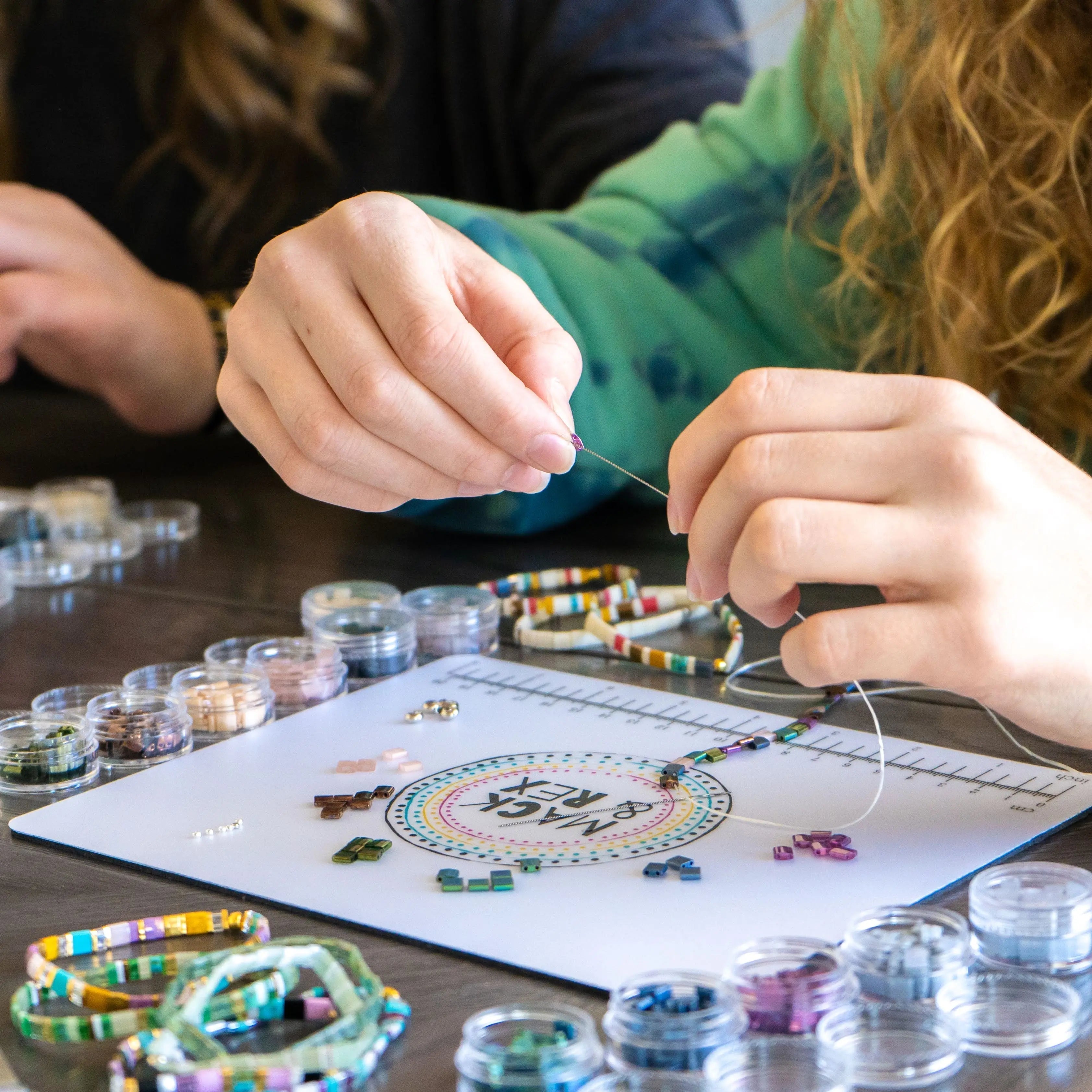
Miyuki Tila beads are two-hole, flat square glass beads made by Miyuki in Japan, each measuring 5mm x 5mm x 1.9mm. The flat shape and two parallel holes let them lock together side by side instead of rolling around like a round seed bead, which is exactly why they're the standard choice for stretch bracelets that need to sit flat on the wrist.
The name comes from the bead's Japanese trade name, and Miyuki is the company that makes them, not a generic bead style. Real Tila beads carry Miyuki color codes (think TL0131 for crystal, TL2000 for matte black) printed right on the tube or the listing. According to Miyuki's own seed bead catalog, the company has manufactured Japanese glass beads for decades, and the Tila line sits inside that broader seed bead family as a two-hole flat tile format.
If you're new to beadwork, it helps to know Tila beads are one style within a much bigger category. Wikipedia's entry on seed beads covers the wider world of small glass beads used in jewelry, which is useful background if you're trying to understand how Tila fits next to Delica, Toho, or round rocaille beads.
What does a high-quality Tila bead actually look like?
Three things, checked fast. Size and shape consistency across the pack. Hole placement that lines up bead to bead. A finish that reads the same color from the first bead to the last. Miss any of the three and stringing gets frustrating fast.
Start with the shape. Pour a few beads into your palm and look at them edge-on. Genuine Miyuki Tila beads keep that exact 1.9mm thickness across the whole batch. If you spot beads that are noticeably thicker or thinner than their neighbors, or edges that look rounded on one and sharp on another, that's a batch with loose tolerances. Cheap tile beads made without Miyuki's controls tend to drift in thickness because the molds and glass runs aren't held to the same standard.
Next, check the holes. Hold a handful up to a light. Both holes on each bead should sit in matched positions, centered and parallel, so the bead threads the same way every time regardless of which way you pick it up. Off-center or crooked holes are a real problem for Tila work specifically, because the beads have to nest flat against each other in a row. A single crooked hole throws off the whole line.
Finish is the last check and the easiest one. Line beads up on a white surface. Genuine Miyuki color and coating should look uniform: matte finishes stay matte across every bead, metallics keep an even sheen, and opaque colors don't fade toward the bottom of the tube. Patchy color, dull spots, or a finish that looks worn straight out of the package is a sign of a lower-grade product.
Why does bead consistency matter for a bracelet that lays flat and lasts?
Consistency isn't cosmetic. A stretch bracelet only lays flat and wears evenly when every bead is close to the same size and hole position, because the whole row depends on each piece pulling its own weight the same way. Get that wrong and the bracelet shows it fast.
Here's what happens with mismatched beads. A slightly thicker bead in the middle of a row bunches the elastic cord tighter at that one spot. Over weeks of wear, that spot takes more stress than the rest of the bracelet and stretches out first, which is often why a bracelet suddenly feels loose in one section while the rest still fits fine. Crooked holes do something similar: the cord runs at a slight angle through that bead, adding friction every time the bracelet flexes on your wrist.
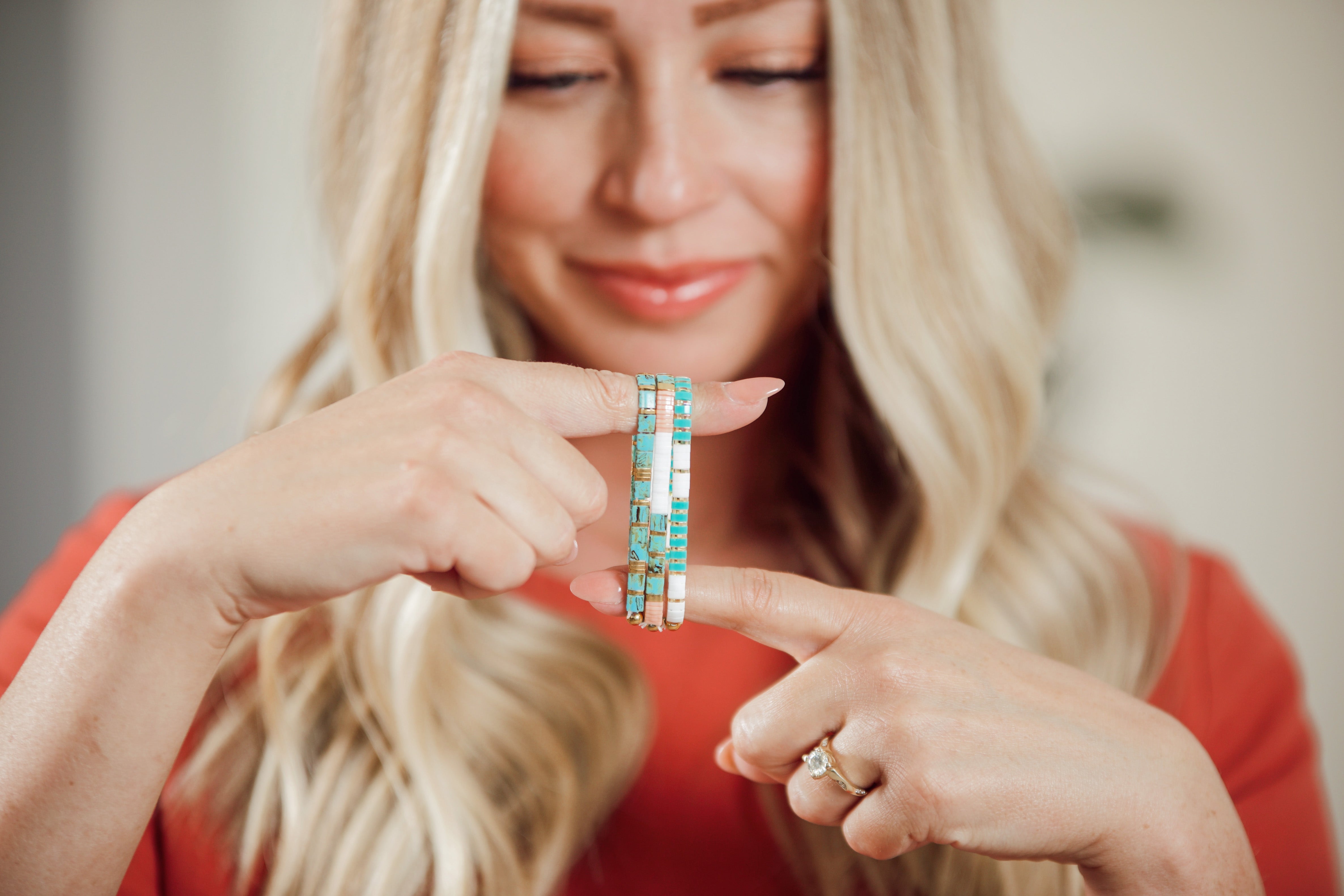
The visual difference is just as real. A row of consistent Tila beads sits smooth and reflects light evenly across the whole bracelet. A row with even small variations in thickness creates a subtle wave, and you'll notice it especially in matte or opaque colors where there's nothing to distract the eye from an uneven surface.
This is the whole case for buying genuine Miyuki over an unbranded substitute. You're not paying for a name. You're paying for a bead that behaves the same way a thousand times in a row, which is what a bracelet actually needs.
How do you judge if the glass itself is durable?
Tap test, scratch test, color test. None of these require special tools, just a few minutes before you commit to a color for a full project.
Tap a bead gently against another bead or a hard surface. Good glass makes a clean, slightly bright click. Lower-quality glass sometimes sounds duller or feels almost chalky, which can point to a softer glass composition that chips more easily under everyday wear. Miyuki beads are made from a glass formula the company has refined for finish durability, and that shows up as beads that resist chipping at the edges where they rub against each other on a bracelet.
A light scratch test tells you more. Run a fingernail lightly across a metallic or luster finish. On genuine Miyuki, the coating holds. On weaker substitutes, you can sometimes see the finish dull or thin under light pressure, which means it won't survive months of contact with skin, water, and lotion.
Color holding matters too, especially for anyone buying a bracelet meant for daily wear rather than a single occasion. One Mack & Rex customer put it simply in a review: "The color of this bead is true to the pictures. Very nice color and made a beautiful accent to my bracelet." Another wrote, "I love the color of the tila bead. It is a very beautiful Aquamarine." Both point to the same thing crafters care about: what you see online should be what shows up in your hand, and it should still look that way after the bracelet's been worn a while.
Where can you buy genuine, high-quality Miyuki Tila beads for bracelet making?
Buy from a retailer that names Miyuki directly. That's the single fastest quality check available before you even open the package. A listing that says "tile beads" or "Tila-style" with no brand attribution is telling you, upfront, that it isn't the real thing.
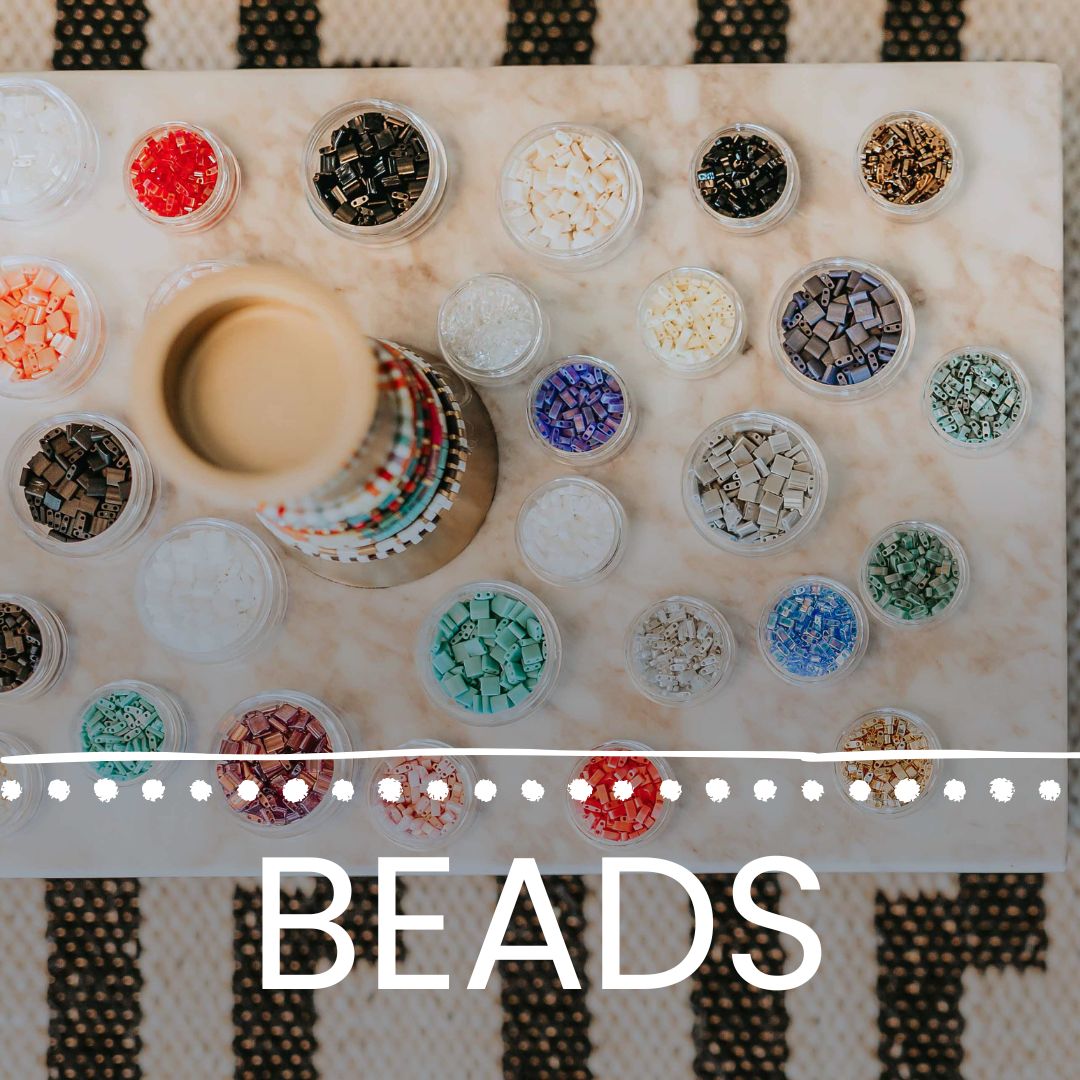
Mack & Rex stocks genuine Miyuki Tila beads and curated color mixes on the seed bead collection page, with individual colors and coordinated mixes priced around $5-9 per pack. The shop resells authentic Miyuki product; it doesn't manufacture the beads, and the listings reference Miyuki by name so you know exactly what you're buying before it ships. For crafters who want a head start on a palette rather than buying single colors one at a time, the curated mixes group Miyuki shades that already work together, which saves the guesswork of matching finishes and undertones yourself.
If you're comparison shopping, specialty bead retailers like Lima Beads are another place that lists Miyuki products by name and code, which is a reasonable way to cross-reference pricing and confirm you're looking at genuine stock before you buy anywhere.
A quick note if kids will be anywhere near your beading table: loose beads are small parts and a choking hazard, so keep them away from very young children and supervise any bracelet-making session closely.
Frequently Asked Questions About High-Quality Miyuki Tila Beads
What are Miyuki Tila beads?
Miyuki Tila beads are two-hole, flat square Japanese glass beads made by Miyuki, measuring 5mm x 5mm x 1.9mm. The flat tile shape and parallel holes let them sit side by side without rolling, which is why they're a favorite for stretch bracelets that need to lay smooth against the wrist.
How can you tell if Tila beads are high quality?
Look at size and shape consistency, hole placement, and finish. Every bead in a good batch should measure the same, the two holes should sit in matched positions on every piece, and the color or coating should look uniform across the whole pack rather than patchy or faded.
Why does bead consistency matter for a bracelet?
A stretch bracelet only lays flat and wears evenly if every bead is close to the same size and hole position. Uneven beads bunch, twist, or put more strain on the elastic in certain spots, which shortens the life of the bracelet and looks sloppy on the wrist.
Are Miyuki Tila beads worth buying over cheaper tile beads?
For most bracelet projects, yes. Genuine Miyuki glass holds tighter size tolerances and more even finishes than unbranded tile beads, so your rows sit flatter and the color holds up longer. The price difference is small, usually a few dollars per pack, against a bracelet that looks better and lasts longer.
Where can I buy genuine high-quality Miyuki Tila beads?
Buy from a retailer that names Miyuki directly rather than a generic listing for "tile beads." Mack & Rex stocks genuine Miyuki Tila beads and curated color mixes, priced around $5-9 per pack, on its seed bead collection page.
Ready to see the quality difference for yourself? Browse genuine Miyuki Tila beads and curated color mixes on the Mack & Rex seed bead collection. US orders over $100 ship free.