

How to Compare Beaded Bracelet Kits: The First-Time Buyer's Checklist
What actually separates a good beaded bracelet kit from a disappointing one?
When you're comparing beaded bracelet kits for the first time, the criteria that matter most are bead quality and brand, cord strength, how many bracelets the kit actually produces, what tools are included, and how clear the instructions are. Those five things determine whether a kit is genuinely enjoyable or frustrating from the first bead to the last knot.
Most buyers get distracted by price or package size. A lower price doesn't mean better value if the elastic snaps after three wears or the beads are uneven and hard to thread. Here's how to cut through the noise and pick the right kit before you buy.
Does bead material really matter that much?
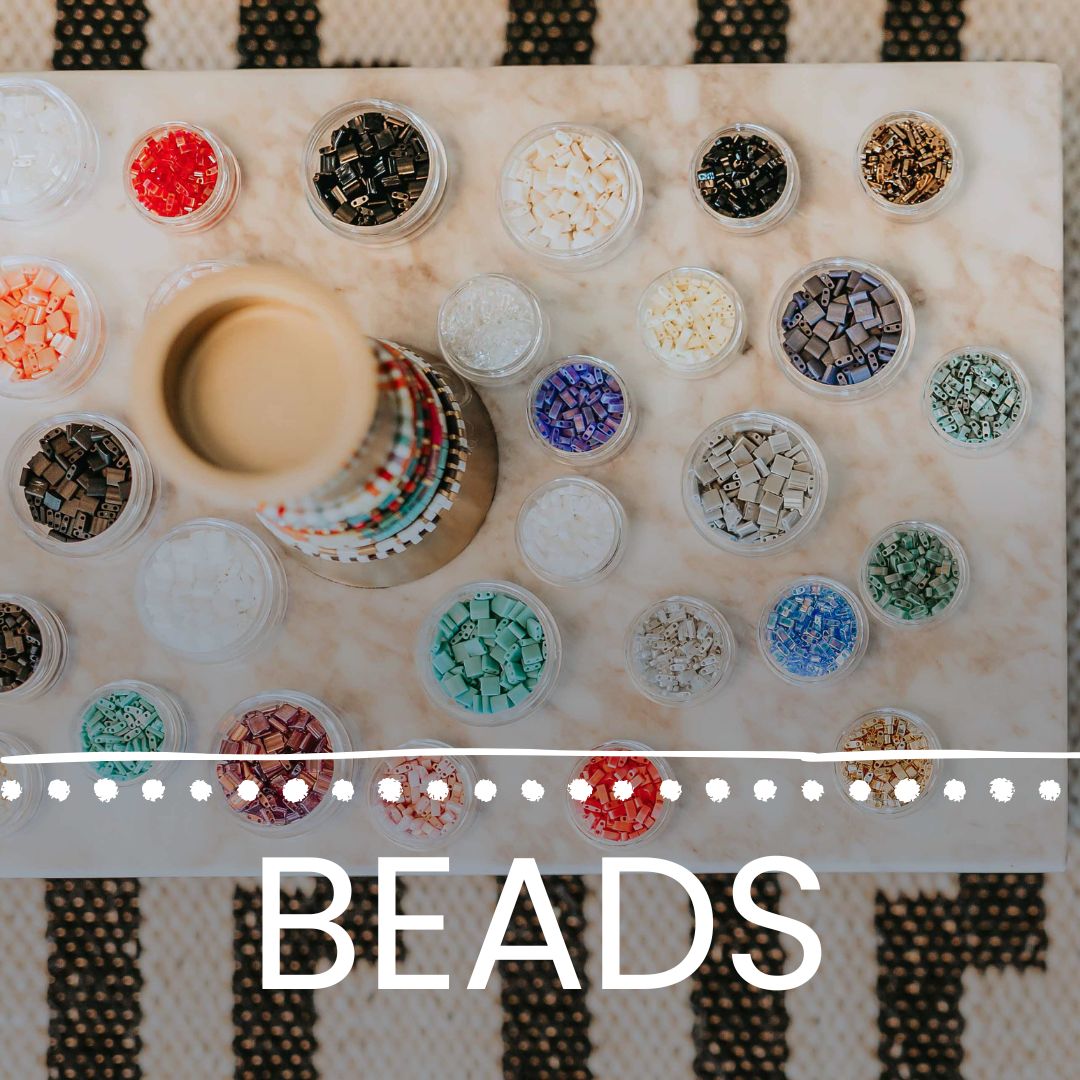
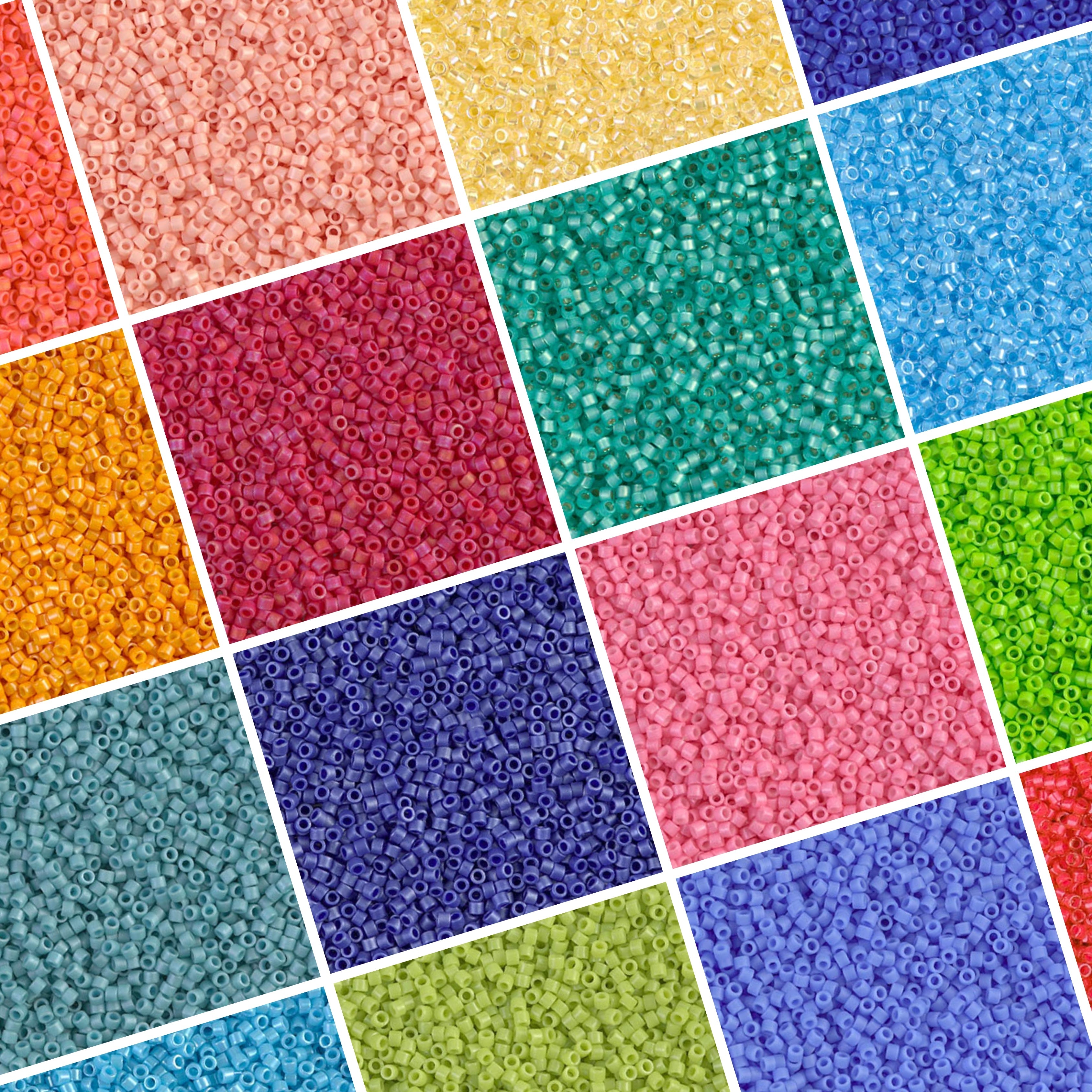
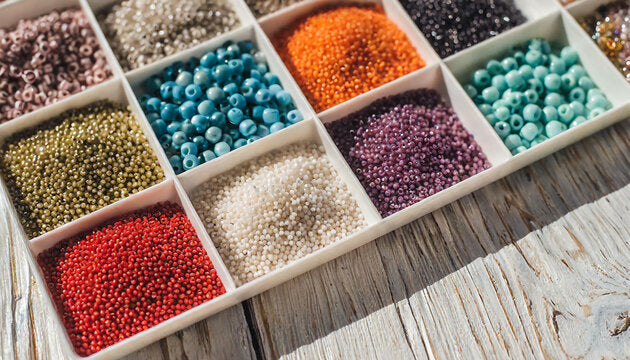
Yes. Short answer: the bead material is the single biggest quality signal in any bracelet kit. Japanese glass beads like Miyuki Tila beads are precision-cut to consistent dimensions, which means they sit flat against the wrist, thread smoothly, and produce a bracelet with clean, even rows. Generic beads, often made from lower-grade glass or plastic, vary in size and hole placement. That variation makes threading slower and the finished piece look inconsistent.
Miyuki is a Japanese manufacturer, and the Tila bead is their flat, two-hole tile bead. Mack & Rex kits use Miyuki Tila beads, which the brand sources as a reseller. When you see a kit that calls out the specific bead brand, that's a good sign the seller knows what they're selling and has thought about the end result. If the kit just says "glass beads" with no further detail, dig deeper before committing.
One customer said it plainly: "These beads are beautiful and easy to work with." That's what consistent, quality-made beads feel like in practice.
How do you compare cord and elastic quality?
Cord matters more than most kits advertise. Stretch bracelets rely on elastic that can be pulled on and off dozens of times without losing tension or breaking. Thin, single-strand elastic from a craft bin tends to fail at the knot within weeks. Crystal-cord elastic, the type Mack & Rex uses in their kits and finished bracelets, is thicker, more durable, and holds a knot well.
Ask these questions when reading a kit description:
- What is the cord type? (elastic, beading thread, tigertail?)
- Is cord thickness or weight listed?
- Does the listing mention knot security or cord strength?
If none of that information is present, the seller may not consider cord quality a selling point. That's worth noting.
How many bracelets should a kit actually make?
Three to twenty-plus, depending on the tier. This is where most first-time buyers get surprised.
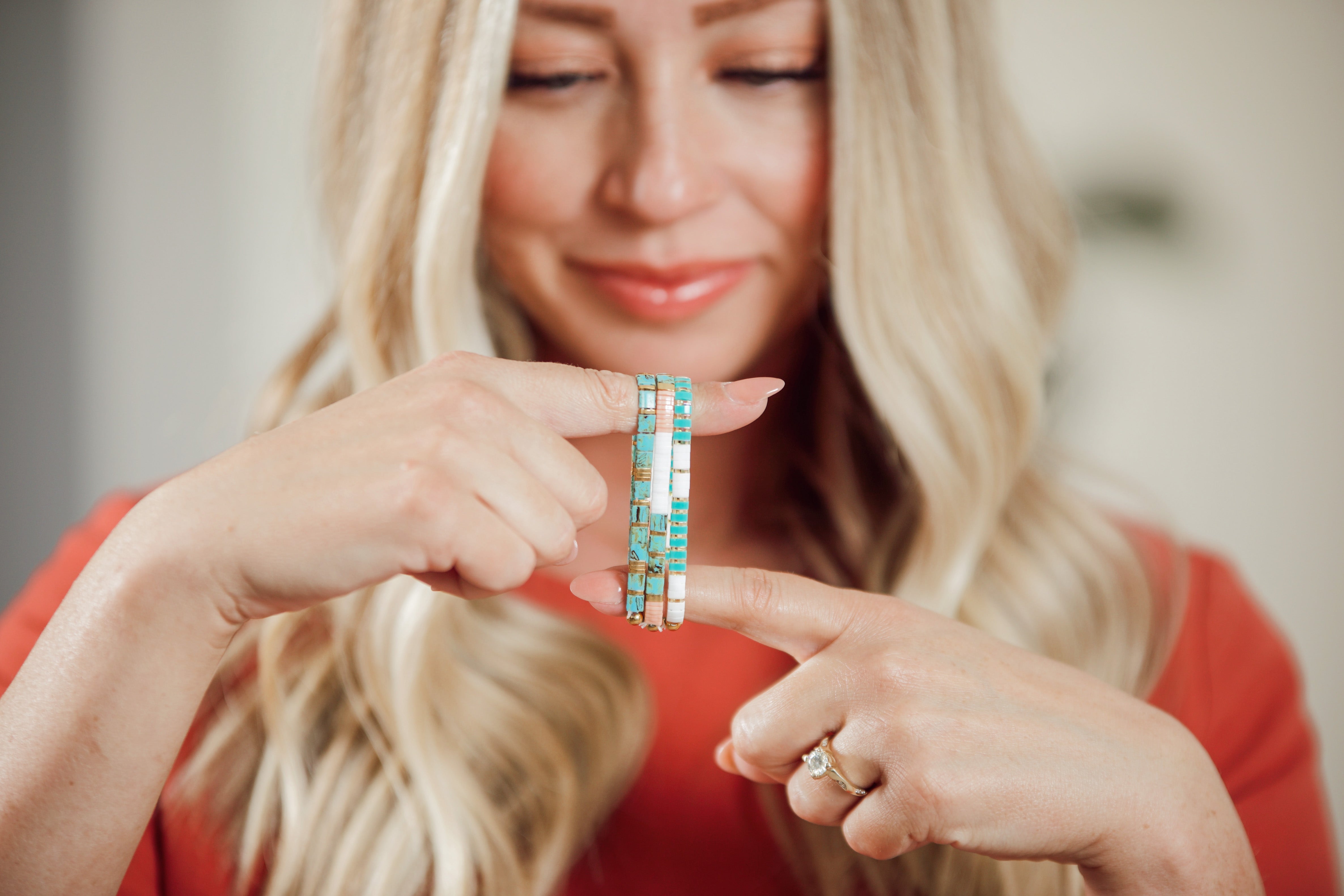
A trio kit, like the Mack & Rex Trio Kit priced at $44.99, is designed to make exactly 3 bracelets with coordinated bead colors chosen to stack together well. It's a curated, low-commitment starting point. A larger starter or ultimate kit gives you more bead colors and more cord, which means more bracelets but also more planning and decision-making.
The right question isn't "which kit is biggest" but "how many bracelets do I actually want to make?" If you're testing the hobby or making a focused gift, a trio kit makes sense. If you want to build a full stack or share the activity with a group, a larger kit with enough beads for 20+ bracelets covers more ground.
Always look for an explicit bracelet count in the product listing. Bead weight alone (grams or ounces) tells you very little unless you know the bead type and bracelet length.
What tools should a beaded bracelet kit include?
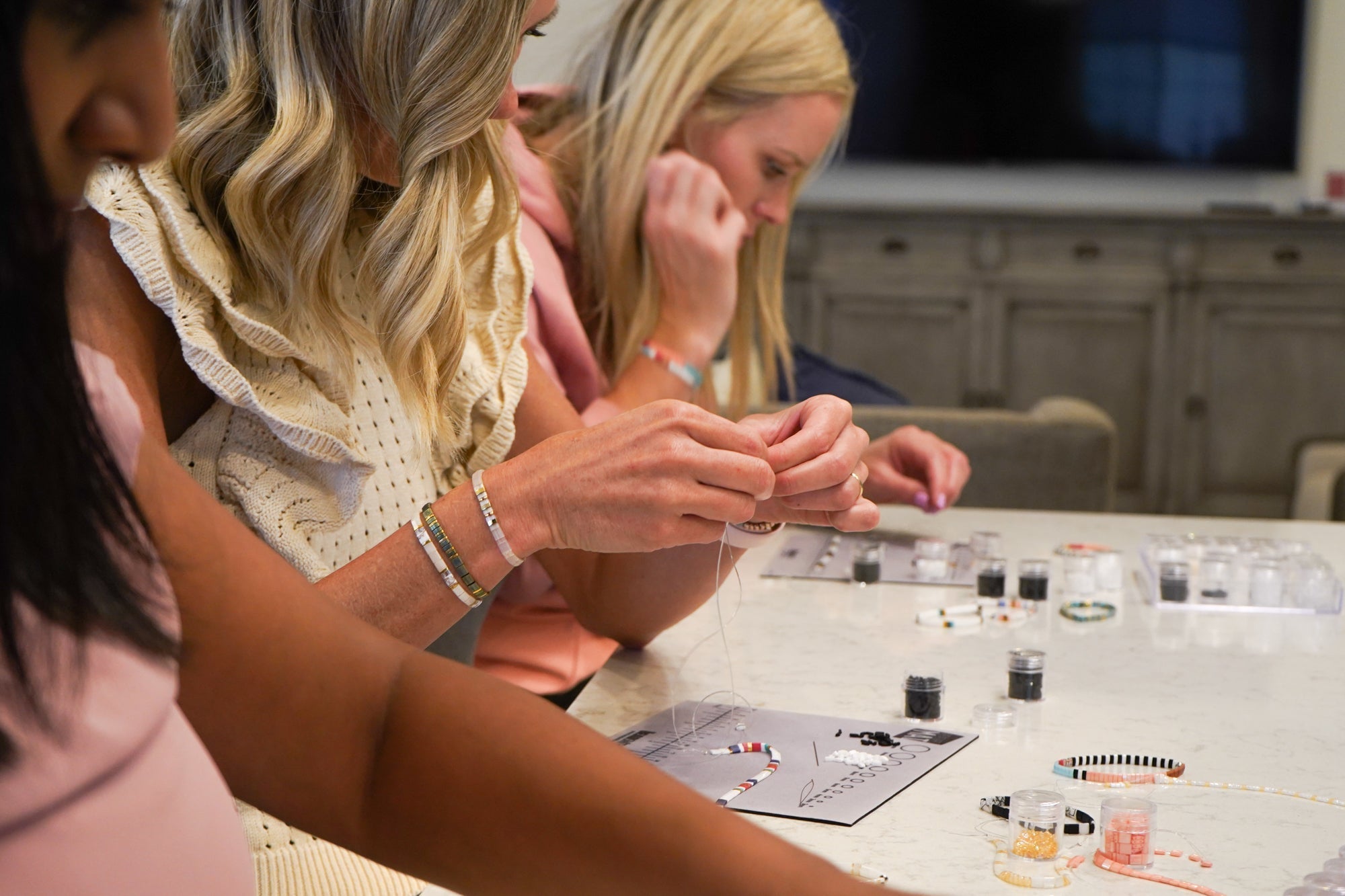
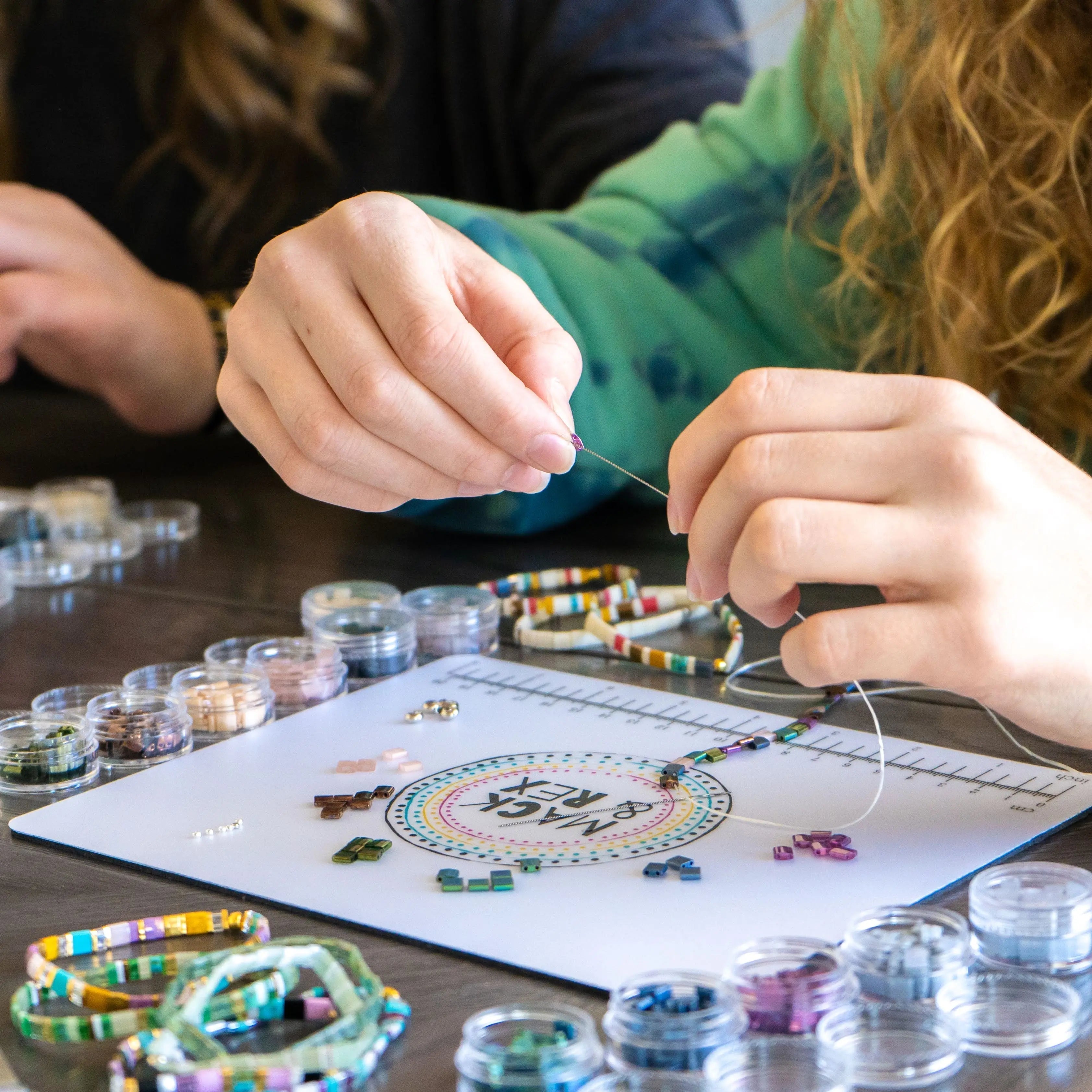
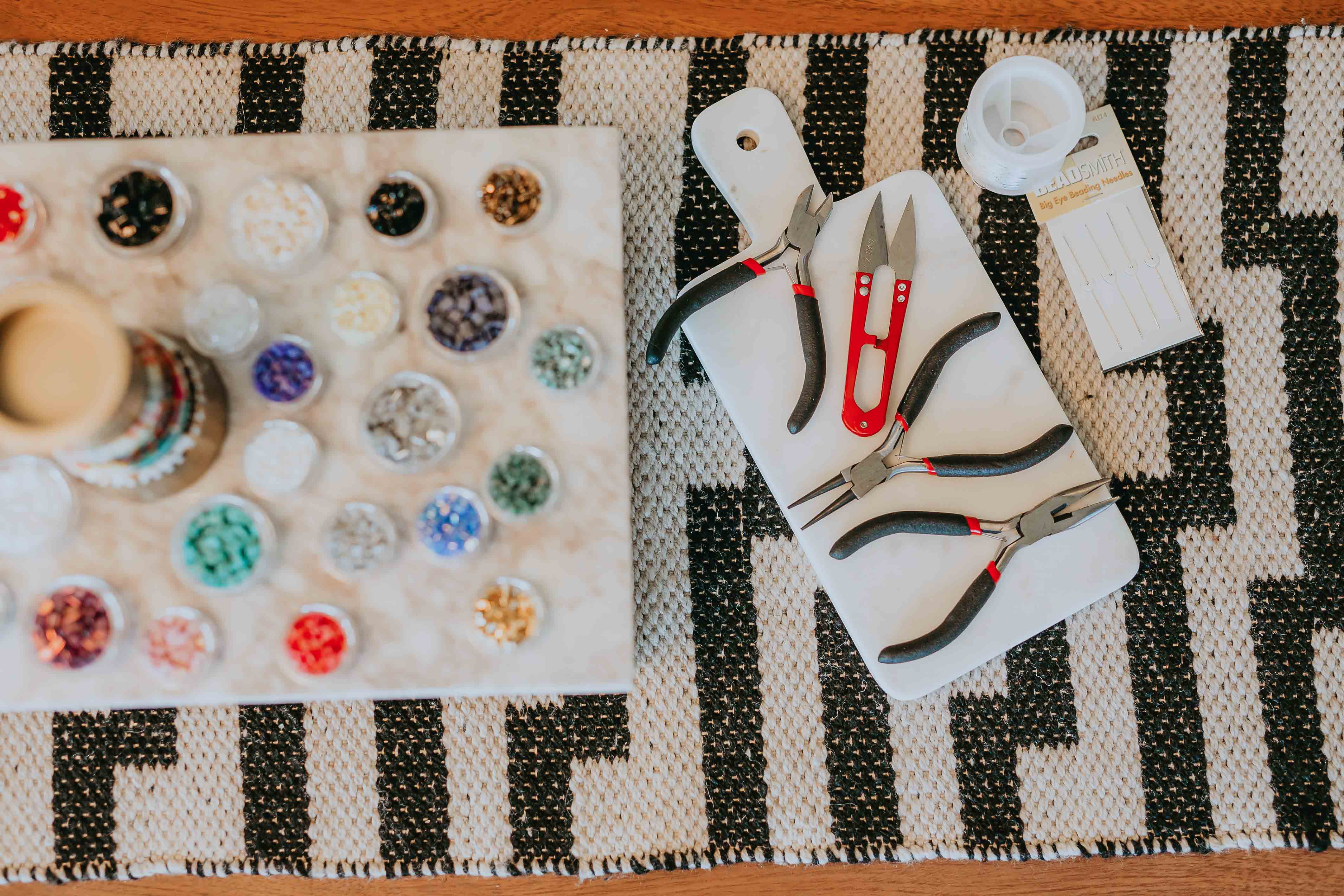
At minimum, a beginner-friendly kit should include beads, elastic or cord, and instructions. Better kits add a beading needle (some Tila bead patterns need a long beading needle to pass cord through twice), scissors or a cord cutter, and sometimes a bead mat to keep beads from rolling off the table.
Before buying, check whether you already own any of these. If you have beading needles and scissors, you won't need a kit that bundles them in at a higher price. If you're starting from scratch, an all-in-one kit saves you a separate supply run.
One reviewer mentioned exactly this: "I am new to beading so this kit is helpful to know what you need to make bracelets. It allows you to have everything you need at the beginning instead of being disappointed." That kind of completeness is worth paying attention to.
How important are the instructions?
More than most buyers expect. A bracelet kit with vague instructions or a single diagram wastes the quality of whatever beads are inside. Good instructions walk you through each step, show you how to tie off the elastic, and explain how to fix a mistake without starting over.
Video support is a real differentiator. Mack & Rex provides video tutorials for their bracelet-making kits, so if you get stuck mid-pattern, you're not relying on a printed insert. One buyer put it well: "The videos on making these bracelets is a lifesaver if you're stuck on a step like I was."
When comparing kits, check whether the brand has a YouTube channel, a blog with tutorials, or at minimum a detailed instruction booklet. A kit with a strong support system is worth more than one with better packaging and weaker follow-through.
How do you calculate real value across kits?
Divide the kit price by the number of finished bracelets it produces. That's your cost per bracelet. Then factor in bead quality, cord durability, and what tools are included.
A $15 kit that makes one low-quality bracelet is worse value than a $44.99 trio kit that makes 3 well-designed bracelets from Japanese glass beads on quality cord, with video instructions included. The per-bracelet math and the materials story both count.
One more thing: consider the repeat purchase pattern. A buyer who had a good experience with their first kit tends to come back. Poor first-kit experiences discourage the whole hobby. Investing a little more upfront in a kit with solid materials and clear instructions often pays off the first time you actually finish a bracelet and want to make another one.
Where to find beaded bracelet kits that check all the boxes
Mack & Rex offers kit tiers designed for different starting points. The trio kit at $44.99 gives first-time makers a curated three-bracelet set with Miyuki Tila beads, quality cord, and video support. Larger starter and ultimate kits scale up for buyers who want to make more bracelets or try more color combinations. All kits ship within the US, and orders over $100 qualify for free shipping.
Browse the full range at Mack & Rex bracelet-making kits and use this checklist before you add anything to cart: bead brand and material, cord type, bracelets per kit, tools included, and instructions quality. Those five points will steer you toward a kit you'll actually enjoy.
Note: Beads are small parts and present a choking hazard. When crafting with children, adult supervision is required.
Sources
- The Spruce Crafts: How to Make Stretch Bracelets (general technique reference)
- Beadaholique: Stretch Magic Elastic Cord Guide (elastic cord material reference)
- Wikipedia: Seed Bead (background on glass bead types and manufacture)
Frequently asked questions about comparing beaded bracelet kits
What should I look for in a beaded bracelet kit?
Focus on bead quality (a named brand and material, like Japanese glass Miyuki Tila beads), cord strength, how many finished bracelets the kit produces, what tools are included, and how clear the instructions are. Price per finished bracelet is the most honest value comparison.
How many bracelets should a good bracelet kit make?
It depends on the tier. A trio kit typically yields 3 finished bracelets. Larger kits can produce many more. Always check the listing for an explicit bracelet count rather than relying on bead weight or package size alone.
Are Miyuki Tila beads better than generic beads for bracelet kits?
Miyuki Tila beads are manufactured in Japan to tight tolerances, producing consistent sizing, uniform hole placement, and reliable finishes. Generic beads vary more in size and shape, which makes threading harder and the finished bracelet look less even. Miyuki and Tila are Miyuki brand trademarks; Mack & Rex resells them as part of their kits.
Do beaded bracelet kits include everything you need?
Not always. Some kits include only beads and cord; others add needles, scissors, and instructions. Read the kit contents carefully. The best beginner kits list every included item and offer video tutorials so you're not hunting for supplies partway through.
Is a beaded bracelet kit a good gift for adults?
Yes, particularly for adults who enjoy creative or hands-on projects. A trio kit at an accessible price point works as a standalone gift. Larger kits suit someone who's already interested in making several bracelets or exploring the hobby more fully.
Ready to put the checklist to work? Shop Mack & Rex bracelet-making kits at mackandrex.com/collections/bracelet-making-kits. If you buy 3 bracelets, you get 1 free, no code needed. Orders over $100 ship free within the US.