

Is There an AA vs A Grade for Miyuki Tila Beads? What Bead Quality Actually Means
Does Miyuki Grade Its Tila Beads AA vs A?
No. Miyuki doesn't publish an AA or A grading system for Tila beads, or for any of its other seed beads. That kind of labeling shows up mostly on generic, made-in-China imitation tila beads marketed as "Grade A." Genuine Miyuki Tila beads aren't graded at all: they're simply made to one tight manufacturing spec, batch after batch.
If you've seen a shop claim their Tila beads are "AA-grade," it's worth asking what that actually means, because Miyuki itself has never defined those terms. It's a marketing label borrowed loosely from gemstone and pearl grading, applied to a product category that doesn't use it. That doesn't mean quality doesn't vary between sellers. It absolutely does. It just means the real differences show up somewhere else: in the bead's holes, its cut, its finish, and how consistent one bag is from the next.
What Actually Makes One Batch of Tila Beads Better Than Another?
Four things separate a genuinely well-made Tila bead from a mediocre one: hole consistency, cut and dimensional uniformity, finish durability, and color-lot matching. None of these show up on a label. You have to look at the beads themselves, or trust a seller who has already checked.
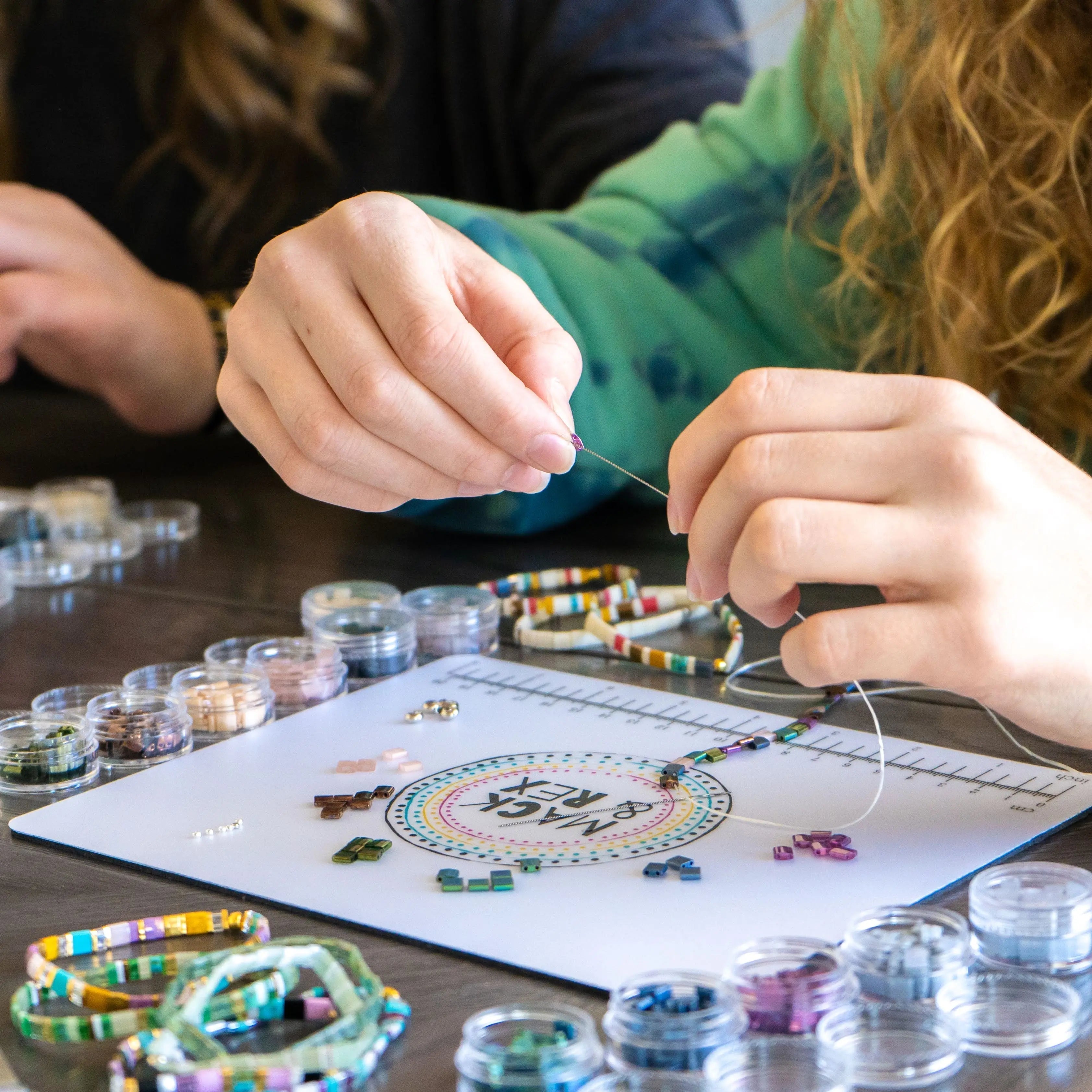
Hole consistency. A Tila bead is a flat square with two parallel holes running through it, made for stringing multiple strands side by side. Miyuki's tolerance control on hole diameter and placement is what lets beads sit flush against each other in a woven or stacked pattern. A cheaper import often has holes that drift off-center or vary in width from bead to bead, and that shows up immediately as gaps or crooked rows in a finished bracelet.
Cut and dimensional uniformity. Genuine whole Tila beads measure 5mm by 5mm, with half and quarter sizes cut proportionally. Precision-cut edges are what give the bead its clean, flat, stackable look. Beads with soft or rounded edges, or slight size drift across a batch, come from looser manufacturing tolerances, and they're usually the imitation product, not genuine Miyuki.
Finish durability. Metallic, galvanized, and picasso finishes are popular on Tila beads, and they're also the finishes most likely to show quality gaps. A well-made finish resists flaking and fading with normal wear. A poorly bonded one can rub off on skin or fabric within weeks. This is a detail you mostly notice after you've already worn the bracelet a few times, which is exactly why it matters to buy from a source you trust upfront.
Color-lot consistency. Glass is dyed and finished in batches, and even genuine Miyuki beads can show minor lot-to-lot variation over time. What separates a good supplier is how they manage that: selling by consistent color-code lots, weighing and packing beads accurately, and standing behind the product if something looks off.
How Do Real Miyuki Tila Beads Compare to Generic Imitations?
Japan is one of two countries that dominate high-end seed bead manufacturing, the other being the Czech Republic, and Japanese brands built their reputation on exactly the kind of precision described above (Wikipedia's overview of seed bead manufacturing). Miyuki is one of the oldest and most established of those manufacturers, and its size and shape specs for Tila beads are published directly by the company (Miyuki's own size and shape reference).
Generic "tila-style" beads, often produced in China, can look nearly identical in a product photo. Once you handle them, the gap is obvious: thicker bead walls that make the holes look less transparent, more size variation within a single pack, and finishes that don't hold up the same way. They're not necessarily bad beads for casual stringing or spacer work, but they're not genuine Miyuki, and a seller who calls them "AA-grade Miyuki" is misdescribing the product.
This is also why an authenticity guarantee from your supplier matters more than a made-up grade. Reputable seed bead sellers, including established craft retailers covered in general seed bead buying guides, will tell you plainly whether a bead is genuine Miyuki or a lower-cost alternative. If they won't say, assume it's not genuine.
How Can You Check Bead Quality Before You Buy?
Run through a short checklist. Does the listing state plainly that the beads are genuine Miyuki, made in Japan? Do the photos show clean, parallel holes and sharp square edges? Does the seller mention weighing and packing beads by color lot rather than just scooping from a bulk bin? If you can hold the beads before buying, check that a handful from the same pack look and feel the same, and gently rub a bead between your fingers to see if any finish comes off.
None of this requires a made-up grading scale. It just requires a supplier willing to be specific about what you're getting.
Where Mack & Rex Fits Into This
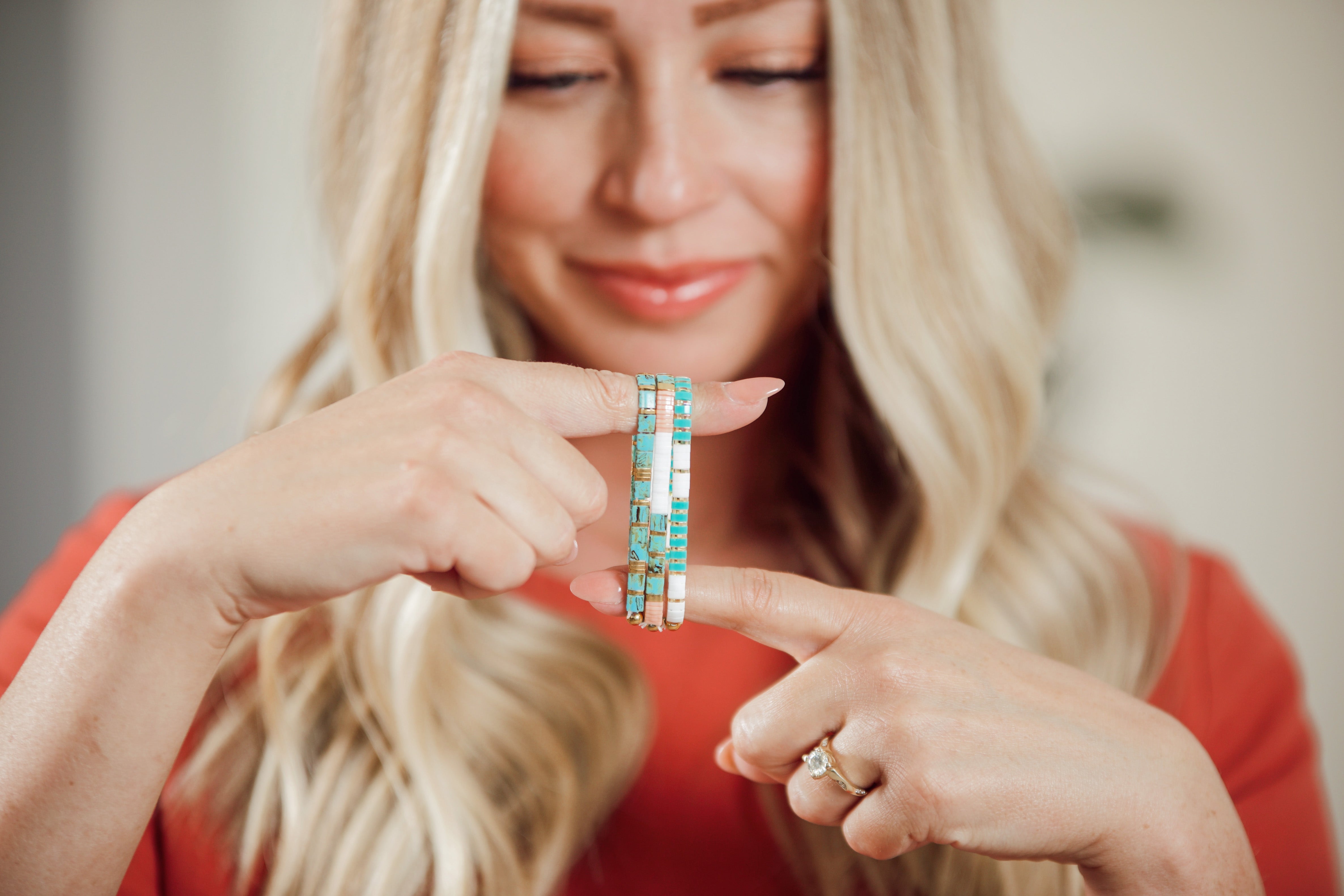
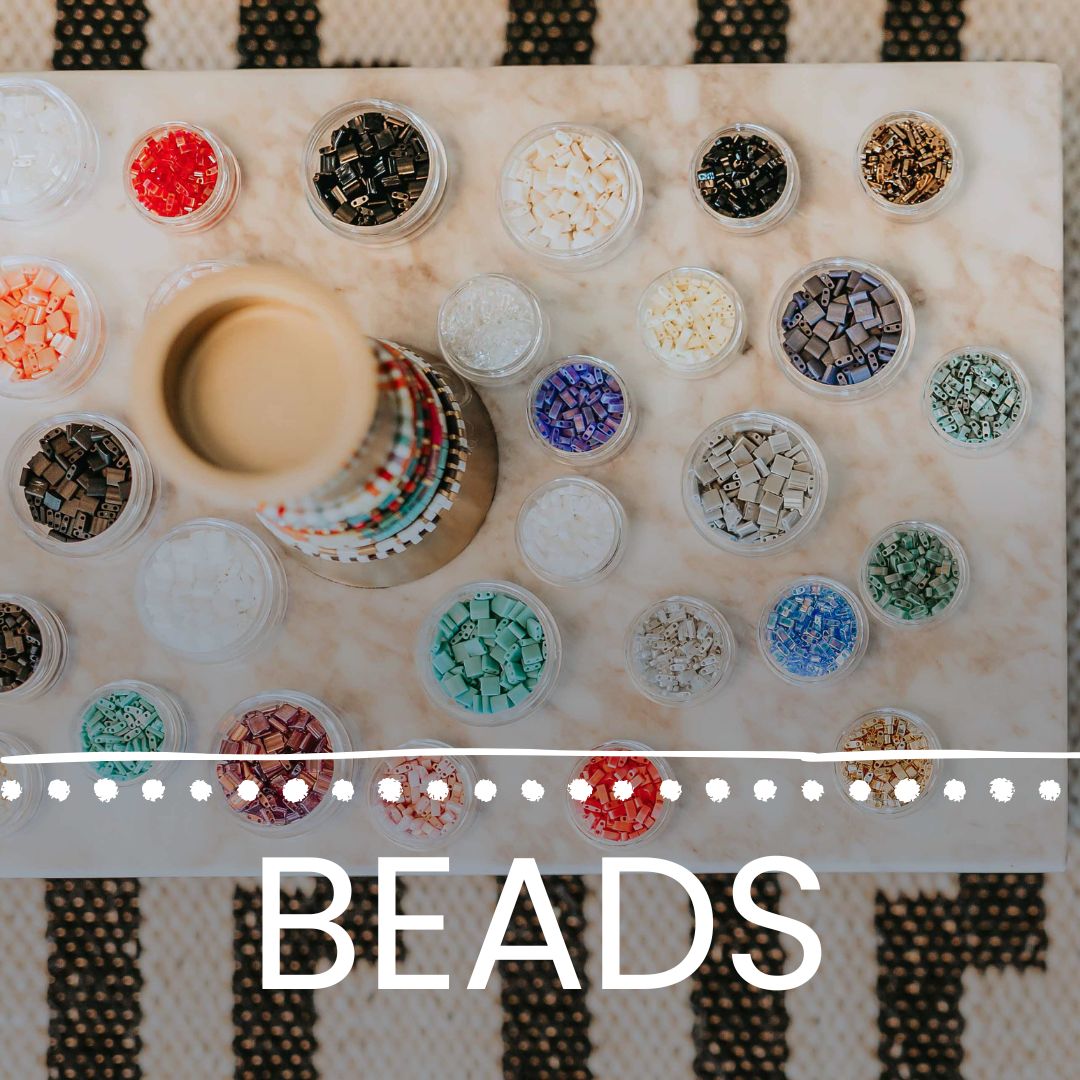
Every whole, half, and quarter Tila bead in our Tila and seed bead collection is guaranteed to be authentic Miyuki Tila, manufactured in Japan. We stand behind that authenticity and quality, and we weigh and pack every order rather than shipping generic imitation stock under a Miyuki label. We don't use an "AA" or "A" grade on our listings, because Miyuki doesn't either. What we do instead is tell you the real specs: official Miyuki color code, exact size in millimeters, and roughly how many pieces per gram, so you know precisely what's in the bag before it ships.
One customer put it simply after a recent order: "Beautiful bead mix! Perfect for upcoming Valentine jewelry I plan on making. Excellent quality, service and delivery too!" That's the kind of consistency you're actually paying for when you buy genuine Miyuki, not a letter grade nobody at Miyuki ever assigned.
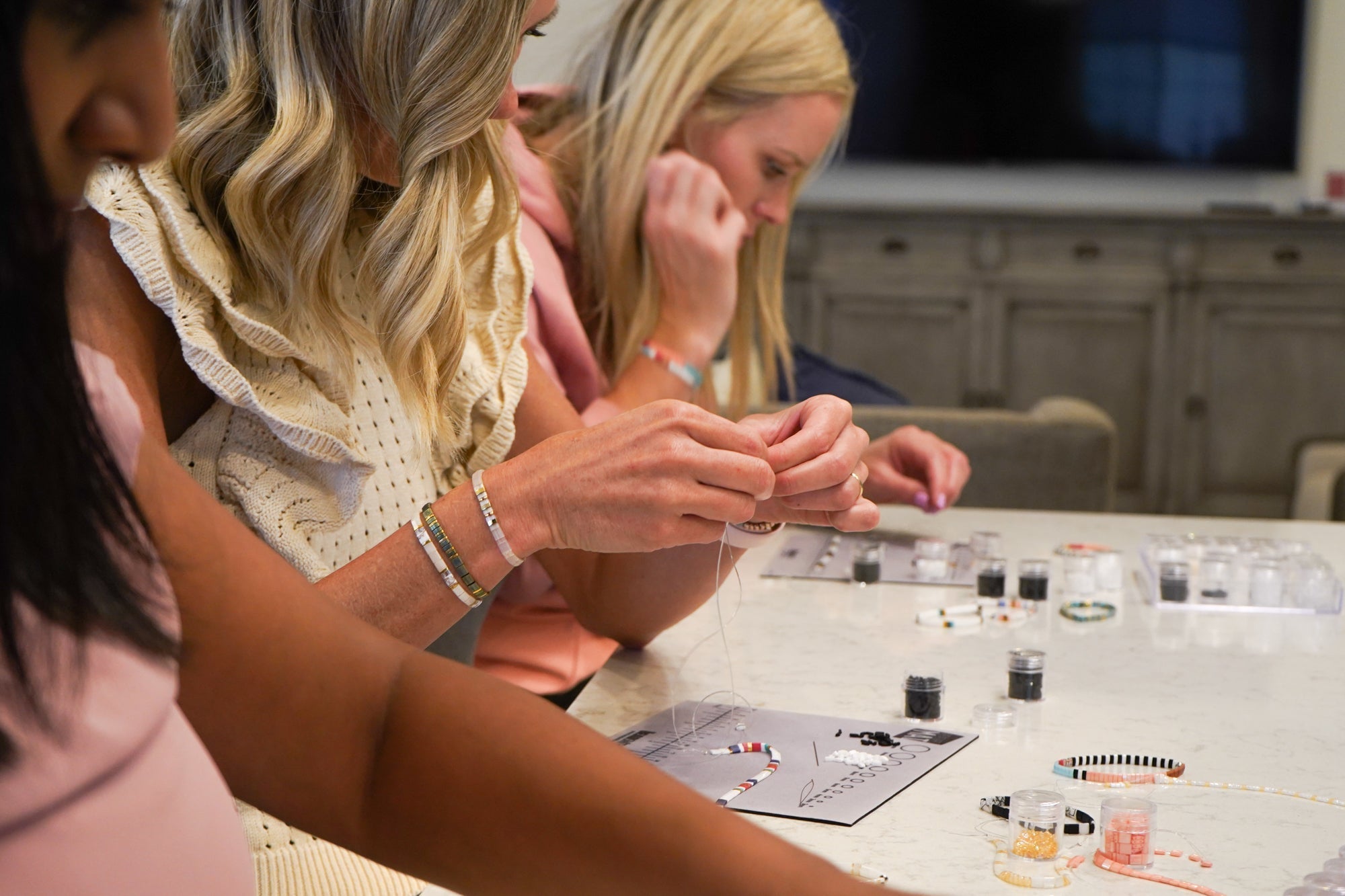
A quick safety note if little hands are helping you sort or string beads: Tila beads and other seed beads are a small-parts choking hazard, so keep loose beads away from young children and supervise any bracelet-making session closely.
Frequently Asked Questions
Does Miyuki have an official AA or A grading system for Tila beads?
No. Miyuki doesn't publish or use an AA vs A grading system for Tila beads or any other seed bead product. "Grade A" is a term more commonly attached to generic imitation tila-style beads made outside Japan, not to genuine Miyuki product.
What's the real difference between genuine Miyuki Tila beads and "Grade A" imitation tila beads?
Genuine Miyuki Tila beads have tighter hole consistency, sharper precision-cut edges, more durable finishes, and closer color-lot matching. Imitation beads often have thicker bead walls, more size variation, and finishes that wear faster, even when they're marketed with an "AA" or "A" label.
How can I check Tila bead quality before I buy?
Look for a seller who states plainly that the beads are genuine Miyuki made in Japan, check that hole placement and bead edges look clean and consistent in photos, and if possible compare a handful of beads from the same pack for size and finish match.
Are more expensive Tila beads always higher quality?
Not automatically. Price can reflect color rarity or finish complexity as much as manufacturing quality. The more reliable signals are an explicit authenticity guarantee, accurate weight and count per pack, and consistent hole and edge quality, not price alone.
Does Mack & Rex sell genuine Miyuki Tila beads?
Yes. Every whole, half, and quarter Tila bead in the Mack & Rex seed bead collection is guaranteed authentic Miyuki, manufactured in Japan, weighed and packed to order.
Shopping for genuine Miyuki Tila beads for your next bracelet project? Browse the full Mack & Rex Tila and seed bead collection for authenticity-guaranteed colors, mixes, and finishes, with free US shipping on orders over $100.