

Tila Beads vs Seed Beads: Which Is Better for Bracelet Making?
Tila beads or seed beads: which one should you use for a bracelet?
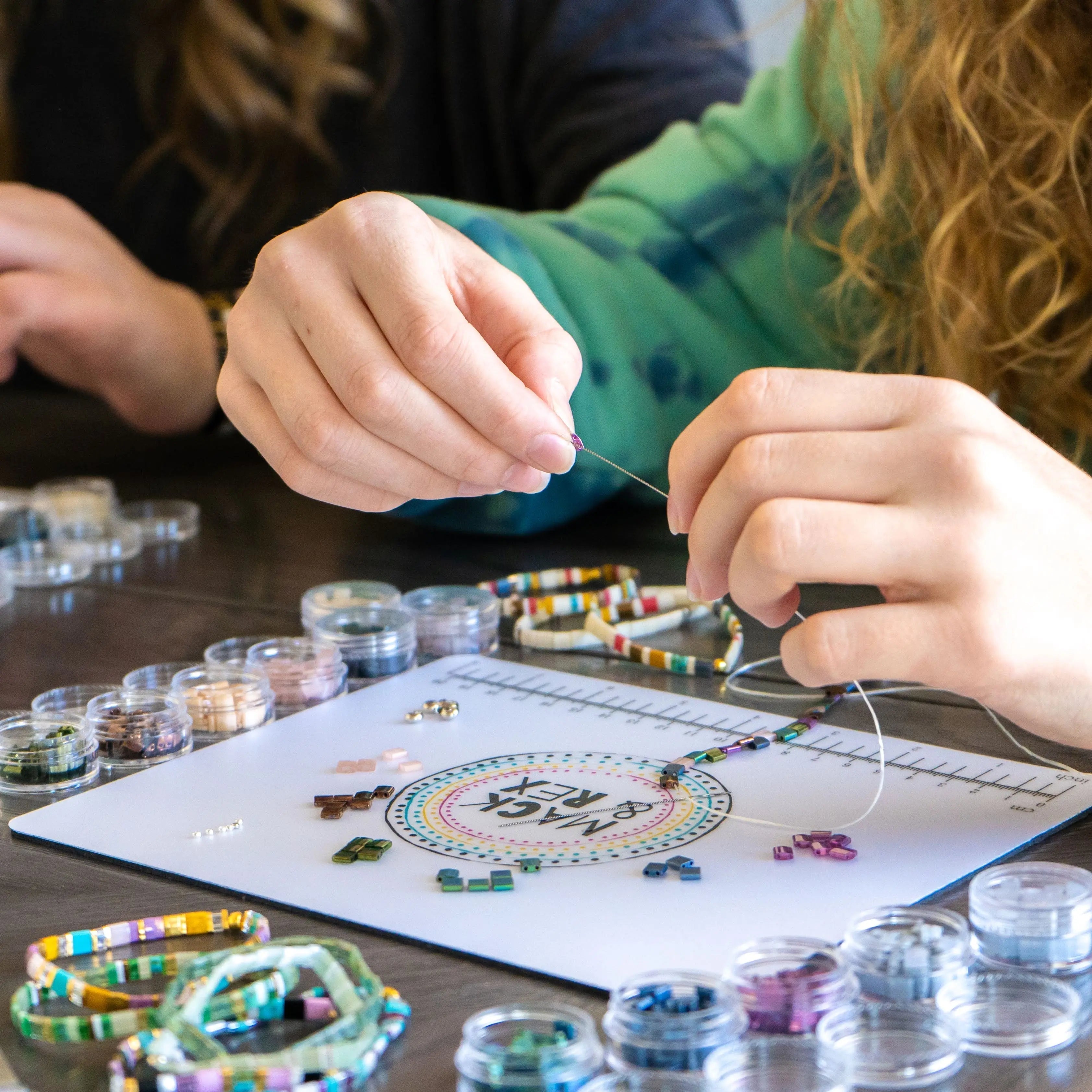
Tila beads are flat, square, two-hole glass beads that give a bracelet a bold, mosaic look in fewer stitches. Seed beads are small, round, single-hole beads that build a finer, more traditional texture but need far more of them to cover the same space. Pick tila for a quicker, statement-style bracelet; pick seed beads for a delicate, classic strand, or combine both for texture.
Neither bead is the "right" answer on its own. They're built for different jobs. Someone who wants a chunky, geometric stack finished in twenty minutes reaches for tila. Someone who wants a fine, shimmering rope of tiny color reaches for seed beads and settles in for a longer session. Most experienced crafters end up using both, often on the same wrist.
What actually makes a tila bead different from a seed bead?
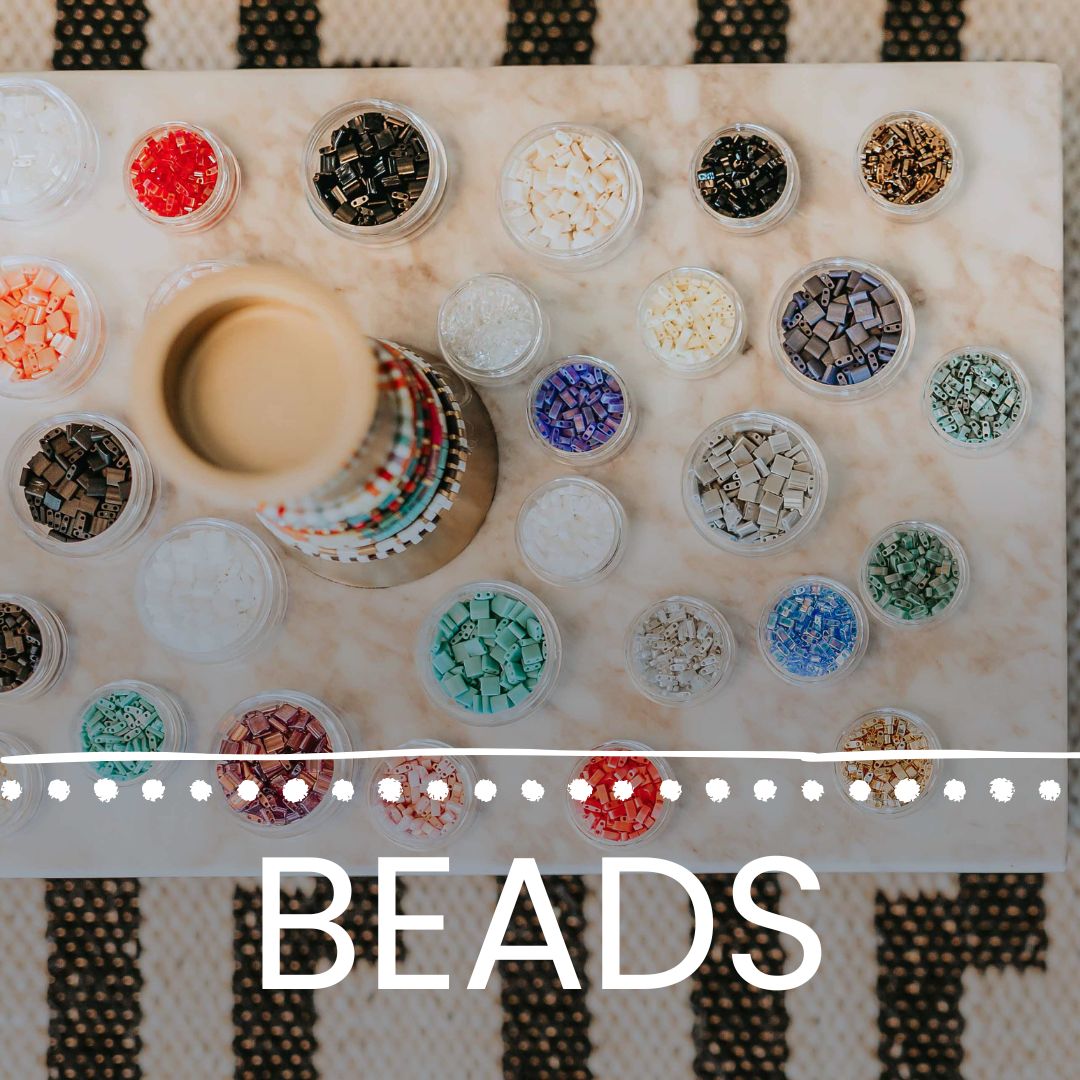
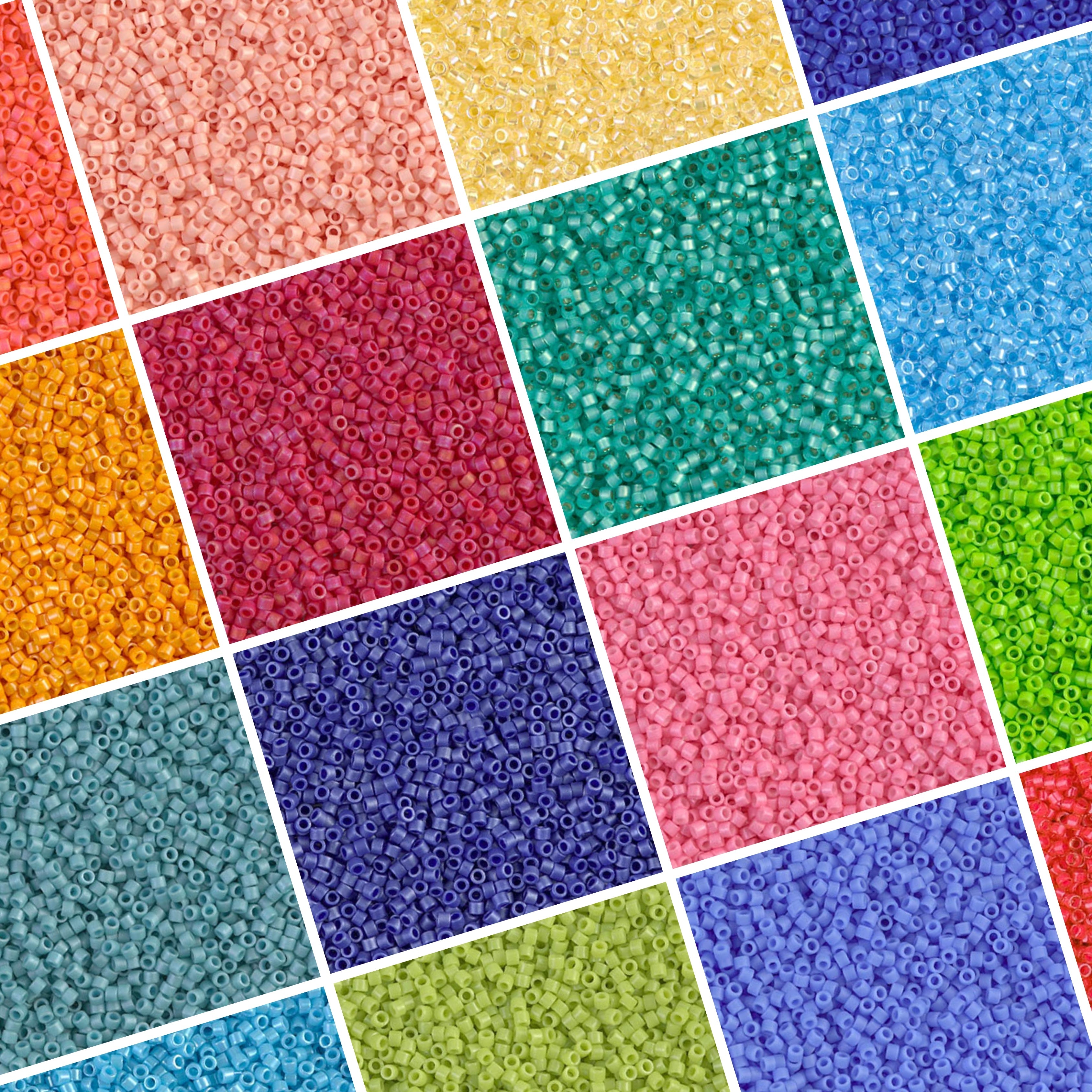
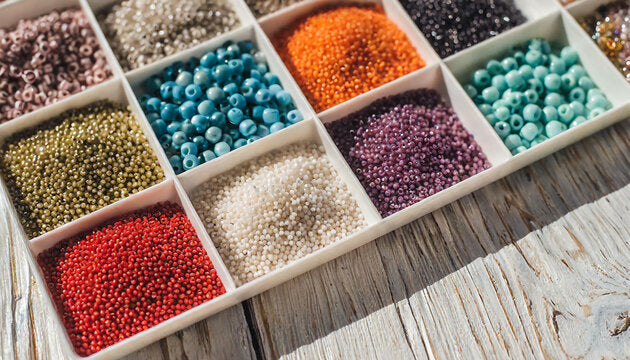
Shape and hole count are the core difference. A tila bead is a flat square, about 5mm by 5mm, cut by Miyuki with two parallel holes running through it side by side. A seed bead is small, round, and single-hole, typically sized 11/0 (roughly 2mm) for bracelet work, though the aught sizing scale runs from about 6/0 down to 15/0 and smaller.
That second hole is what separates tila from almost every other bead on the market. According to PotomacBeads' overview of Miyuki tila beads, the flat, two-hole design opens up "versatile opportunities in bead weaving, stringing, and beyond," letting a single tile connect in two directions at once rather than threading along a single line. Fire Mountain Gems' resource on tila beads describes the same flat, square shape with dual beading holes as the feature that lets tila tiles sit edge to edge with almost no gap, which is exactly what creates that tight, mosaic surface. Seed beads, by contrast, are round and single-hole. They roll, they gap slightly no matter how tight you string them, and they've been made this way since long before tila existed. Wikipedia's overview of seed beads notes Japanese manufacturers became known after World War II for beads with better uniformity and larger holes than the older Czech and Bohemian rounds, which is part of why Miyuki seed beads remain a standard choice today alongside tila.
Which one is harder to string, and which finishes faster?
Tila beads finish faster, plain and simple. A single stretch bracelet might call for 15 to 20 tila tiles, strung and knotted in well under half an hour. The same size bracelet in seed beads can take a hundred beads or more, since each one covers a fraction of the space a tila tile does.
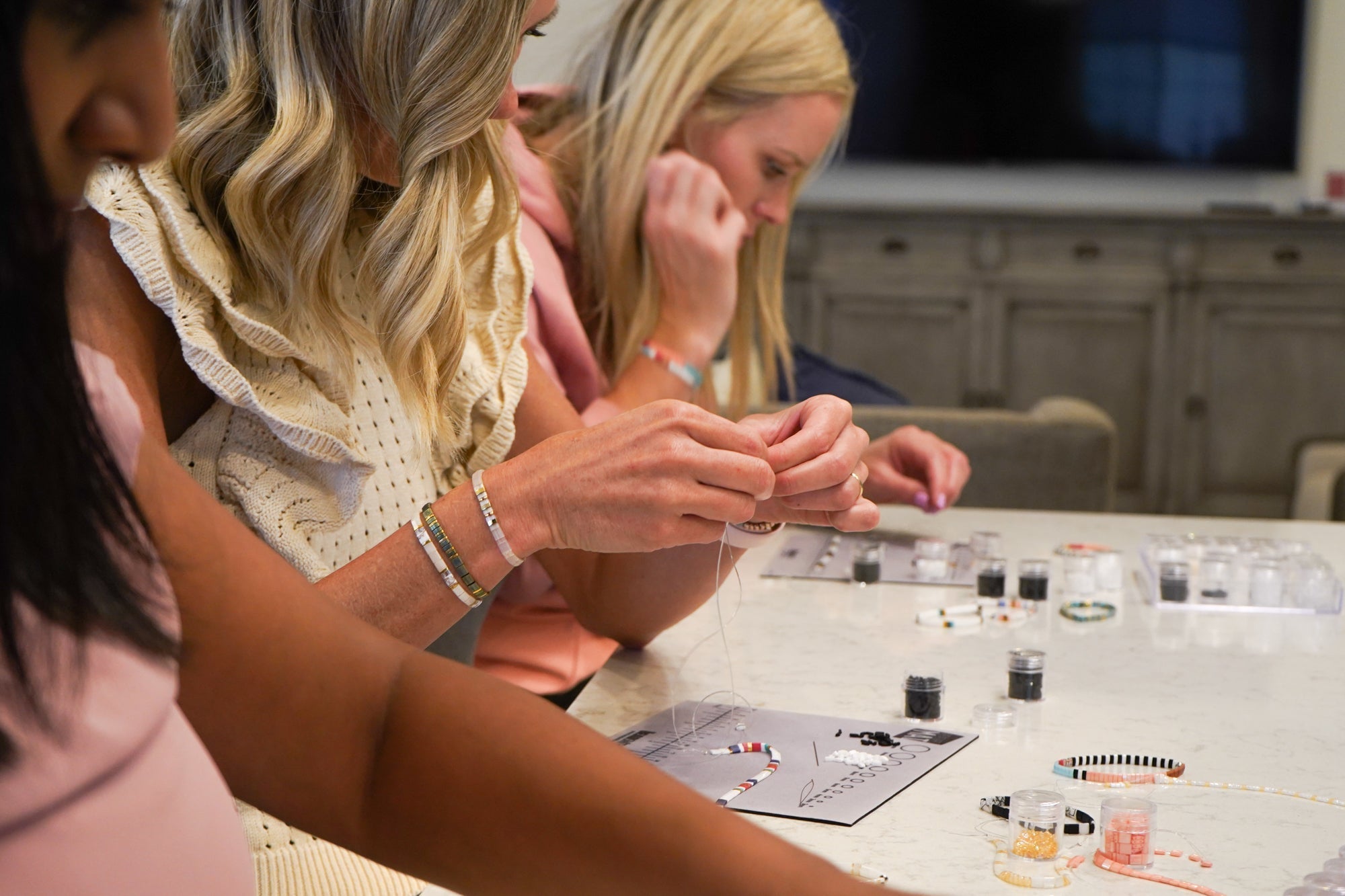
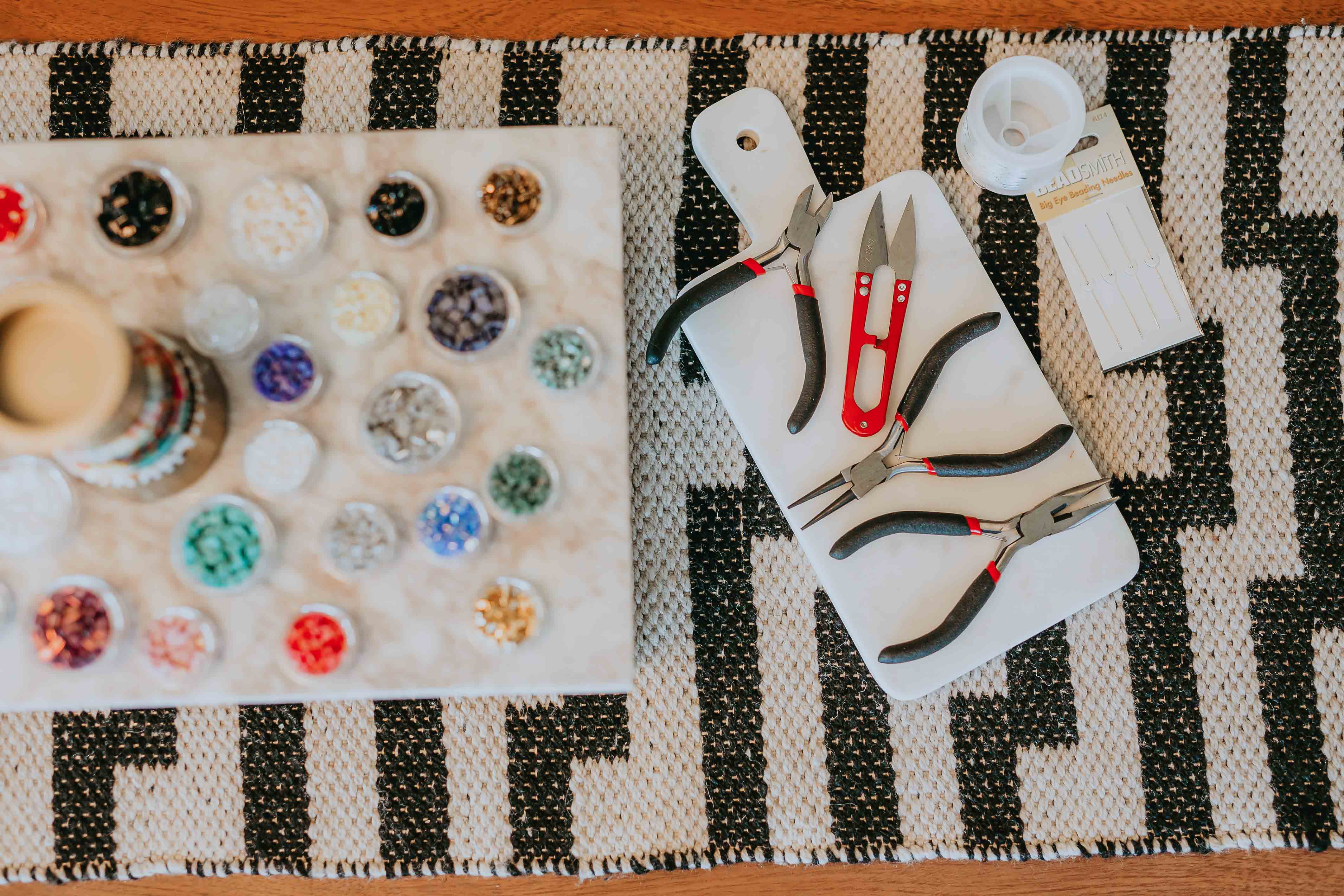
That math changes the whole experience of making the bracelet, not just the time on the clock. Tila's larger holes (about 0.8mm, sized to standard beading needles and elastic cord) thread quickly and forgive a little wobble in your hand. Seed beads need steadier tension and more patience, since a dropped bead thirty beads in means starting that section over. Neither is technically difficult. It's a question of how much sitting-still time you want in one session. A first-timer, or a kid crafting alongside a parent, usually has an easier and more satisfying first project with tila.
Does the finished bracelet actually look different?
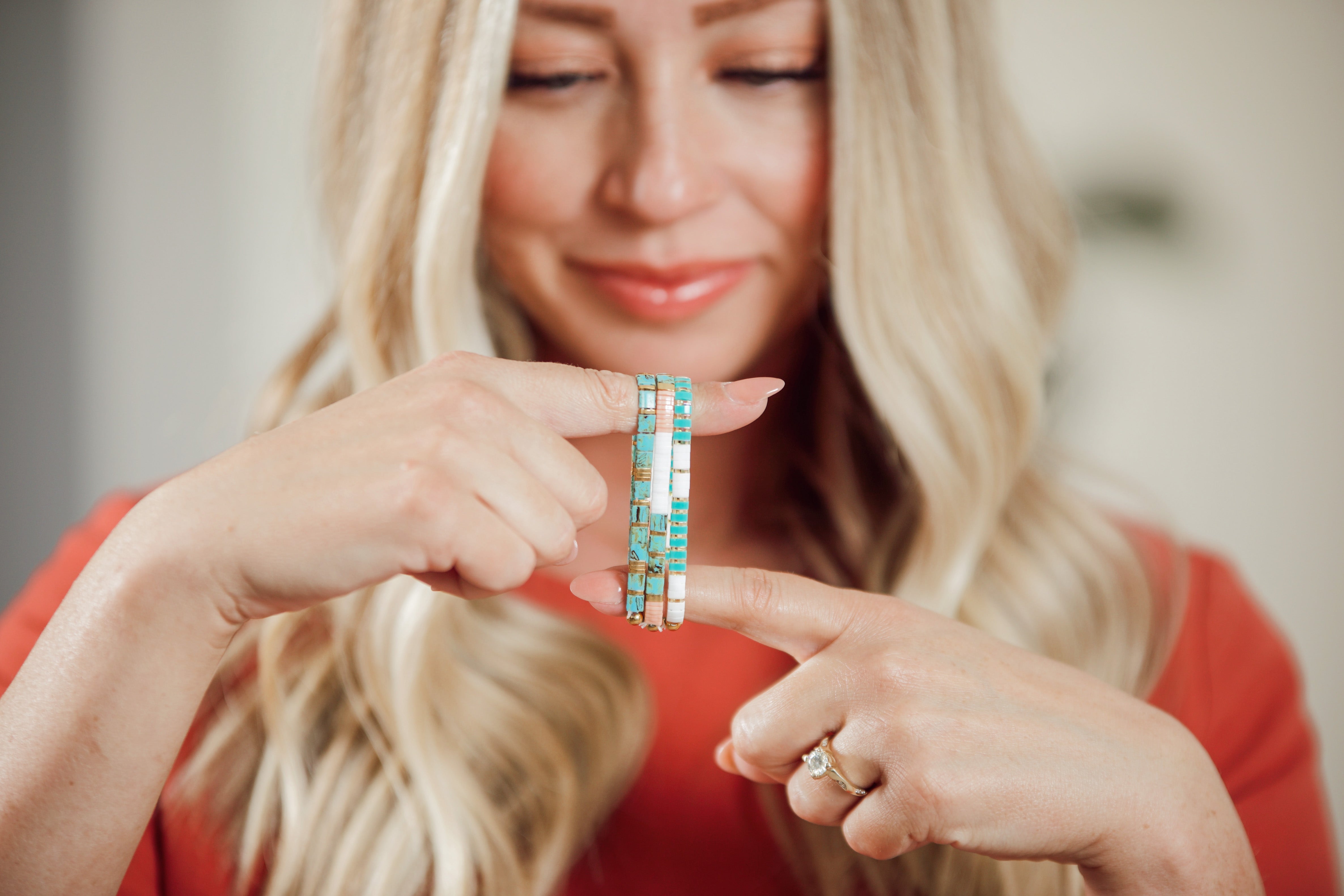
Yes, noticeably. Tila creates a flat, geometric, almost mosaic-tile surface with visible squares and clean lines between colors. Seed beads create a rounder, more textured, traditional beaded look, closer to what most people picture when they think "beaded bracelet."
Neither look is more "finished" than the other, they read differently on the wrist. A single-color tila bracelet can look almost architectural, especially in a solid or Picasso finish. A seed bead bracelet in the same color leans softer and more traditional, with light catching dozens of small rounded surfaces rather than a few flat ones. One Mack & Rex customer put it this way about a matte tila set: "These matte tilas make great stacks. There are many matte colors, which when mixed with black and white give a great African vibe. I so appreciate the easy way these beads blend and contrast." That contrast effect (clean blocks of color sitting next to each other) is something round seed beads can't quite replicate, since their curved surfaces blend colors more softly at the edges.
Which one holds up better to daily wear?
Genuine glass, whether it's shaped as a tila tile or a round seed bead, resists chipping and holds its color for years either way. The real durability variable is the cord, not the bead shape. A tila bracelet has fewer connection points (15 to 20 beads instead of a hundred-plus), so there are fewer spots where wear can concentrate over time.
One long-time customer described a bracelet worn daily through multiple seasons: "This is the 4th bracelet I've purchased and I wear it daily. The elastic has not stretched out and the tiles are as beautiful as the day I got it." That's the standard crystal-cord elastic is built to meet, on tila and seed bead pieces alike. Seed bead bracelets aren't more fragile just because there are more beads on the strand, but a broken cord on a hundred-bead bracelet means picking up a lot more loose beads off the floor than a broken cord on a fifteen-bead one. Worth knowing before a bracelet ends up snapping mid-workout.
Which should you actually choose for your next project?
Choose tila if you want a bold, quick, statement piece, something you can start and finish in one sitting, or a first project for a beginner or a kid. Choose seed beads if you want a finer, more delicate look and don't mind a longer stringing session. Choose both if you want texture, since seed beads make excellent spacers between tila tiles and let more of the elastic cord peek through.
Mack & Rex builds around that last option more than either extreme. Most of the named collections and stack sets pair tila tiles with seed bead spacers, so you get the bold geometric anchor points plus the softer texture in between, rather than picking one bead type and living with it for the whole bracelet. If tila is the shape you keep coming back to, a trio kit is the easiest way to try a few color combinations without committing to a full bracelet wardrobe at once.
Browse Mack & Rex's tila bead bracelets collection to see the mix in person, finished stacks, single tila pieces, and kits that pair tila tiles with seed bead spacers in curated color stories.
Small-parts note: both tila and seed beads are a choking hazard on their own. If kids are helping with a project, keep loose beads supervised and off the floor between sessions.
Sources
- Wikipedia: Seed Bead (general material, sizing, and manufacturing background)
- Fire Mountain Gems: Tila Beads (general shape and design reference)
- PotomacBeads: Miyuki Tila Beads (general two-hole design reference)
Frequently asked questions about tila beads vs seed beads
Are tila beads better than seed beads for bracelet making?
Neither is better across the board, they solve different problems. Tila beads are flat, two-hole squares that give a bracelet a bold, geometric, mosaic-like look with fewer beads and less stringing time. Round seed beads give a finer, more traditional beaded texture but take far more beads and patience to cover the same wrist space.
What is the difference between tila beads and seed beads?
Tila beads are flat, square, two-hole glass beads made by Miyuki, roughly 5mm by 5mm. Seed beads are small, round, single-hole glass beads sized on the aught scale, with size 11/0 (about 2mm) being the most common for bracelets. Tila's flat shape and dual holes let it interlock into patterns; seed beads roll and string more like tiny spacers.
Are tila bead bracelets more durable than seed bead bracelets?
Durability comes down to the cord and the glass quality more than the bead shape itself. Genuine Miyuki glass, whether tila or seed, resists chipping and holds its color. Tila's larger, flatter surface distributes wear differently than a strand of tiny round beads, and fewer beads per bracelet means fewer connection points that could work loose over time.
Which is easier for a beginner, tila beads or seed beads?
Tila beads are the easier starting point for most beginners making a stretch bracelet. Fewer, larger beads string up faster and forgive a slightly uneven hand. Seed beads demand more patience, a finer needle, and steadier tension, since a single bracelet can call for a hundred or more tiny beads.
Can I combine tila beads and seed beads in the same bracelet?
Yes, and it's one of the most popular ways to wear both. Seed beads work well as spacers between tila tiles, breaking up the flat squares with texture and letting more of the elastic cord show. Mack & Rex's stack sets and mixed color packs are built with exactly that combination in mind.
Ready to see the difference for yourself? Shop Mack & Rex's tila bead bracelet collection for finished stacks, single pieces, and kits that pair Miyuki tila tiles with seed bead spacers. Buy 3 bracelets, get 1 free, no code needed, and orders over $100 ship free within the US.