

Types of Bead Bracelets: A Buyer's Guide to Choosing Your Stack
What are the different types of bead bracelets?
Bead bracelets fall into four main categories: tila (flat Japanese glass tile beads), heishi (thin disc-shaped beads), seed and rocaille bracelets (small round glass beads), and ball or accent bracelets (metal or gemstone spheres). Each type looks and wears differently, and most people who love a good stack end up owning all four.
Walk into any bead shop, or scroll a bracelet brand's site for five minutes, and the terminology gets confusing fast. Tila. Heishi. Rocaille. Delica. What do any of these words actually mean, and does it matter which one you buy? It does, a little. The bead shape changes how a bracelet drapes, how loud its pattern reads, and how well it survives daily wear. Below is a breakdown of each type, what makes it different, and where to look if you want a real example instead of a stock photo.
What are tila bead bracelets, and why are they everywhere right now?
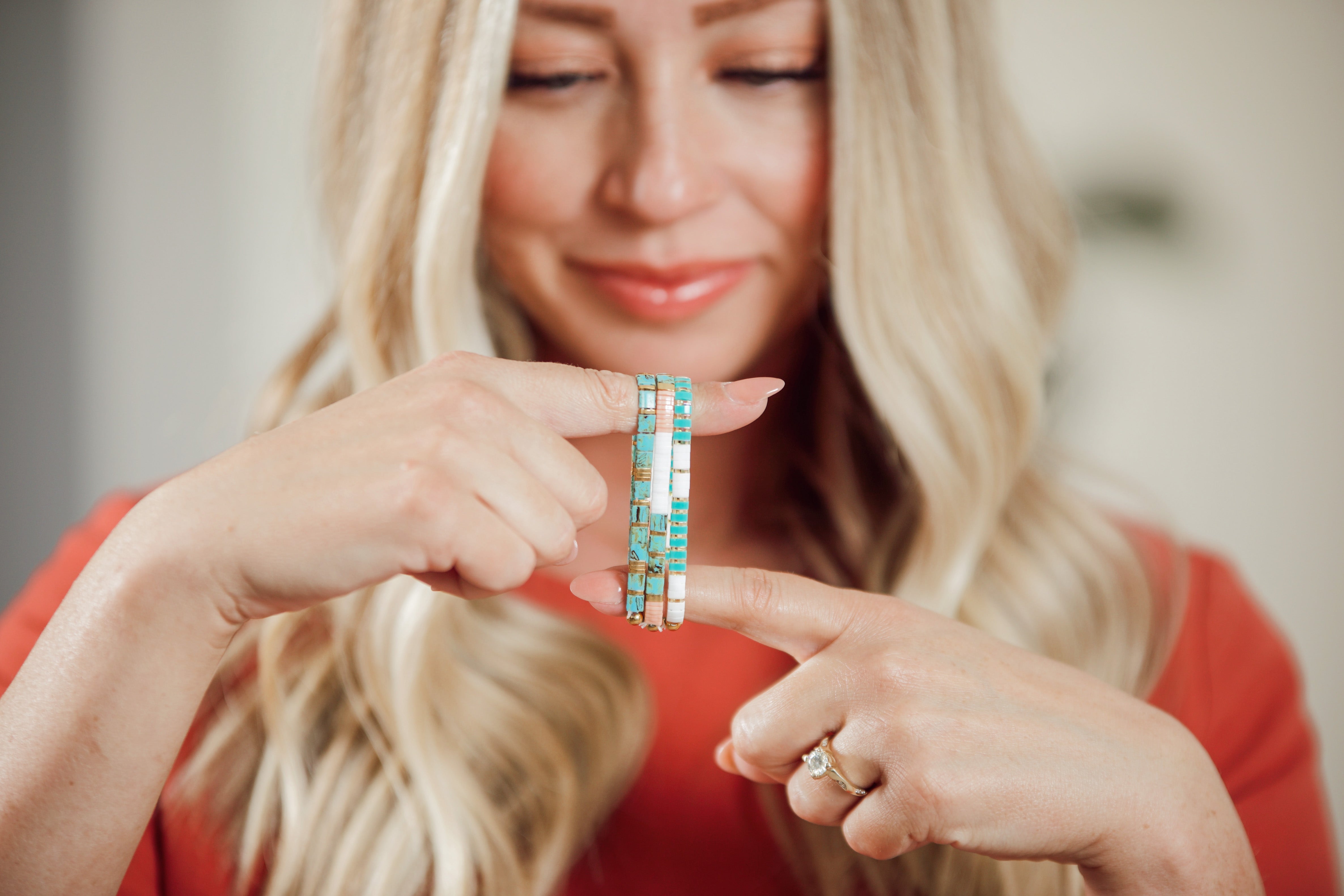
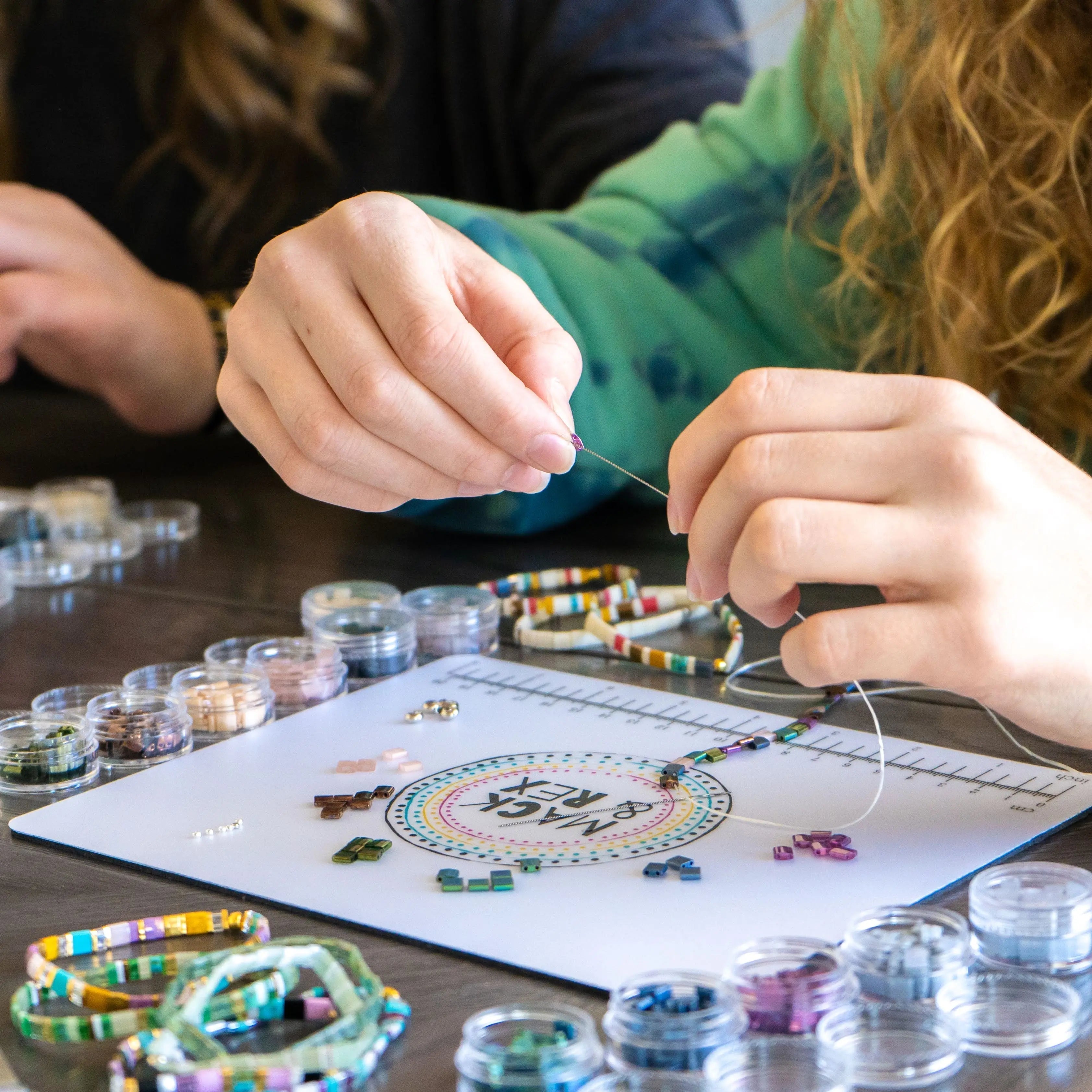
Tila beads are flat, square Japanese glass tiles, roughly 5mm x 5mm, with two parallel holes that let them sit side by side in tight, mosaic-like rows. They're manufactured by Miyuki, a Japanese glass company, and sold through retailers who stock the beads rather than make them. Mack & Rex is one of those retailers: the shop carries genuine Miyuki Tila beads plus finished tila bracelets in named collections like STAINED, BEACHY, RETRO SUNSET, and EVERGREEN EDIT.
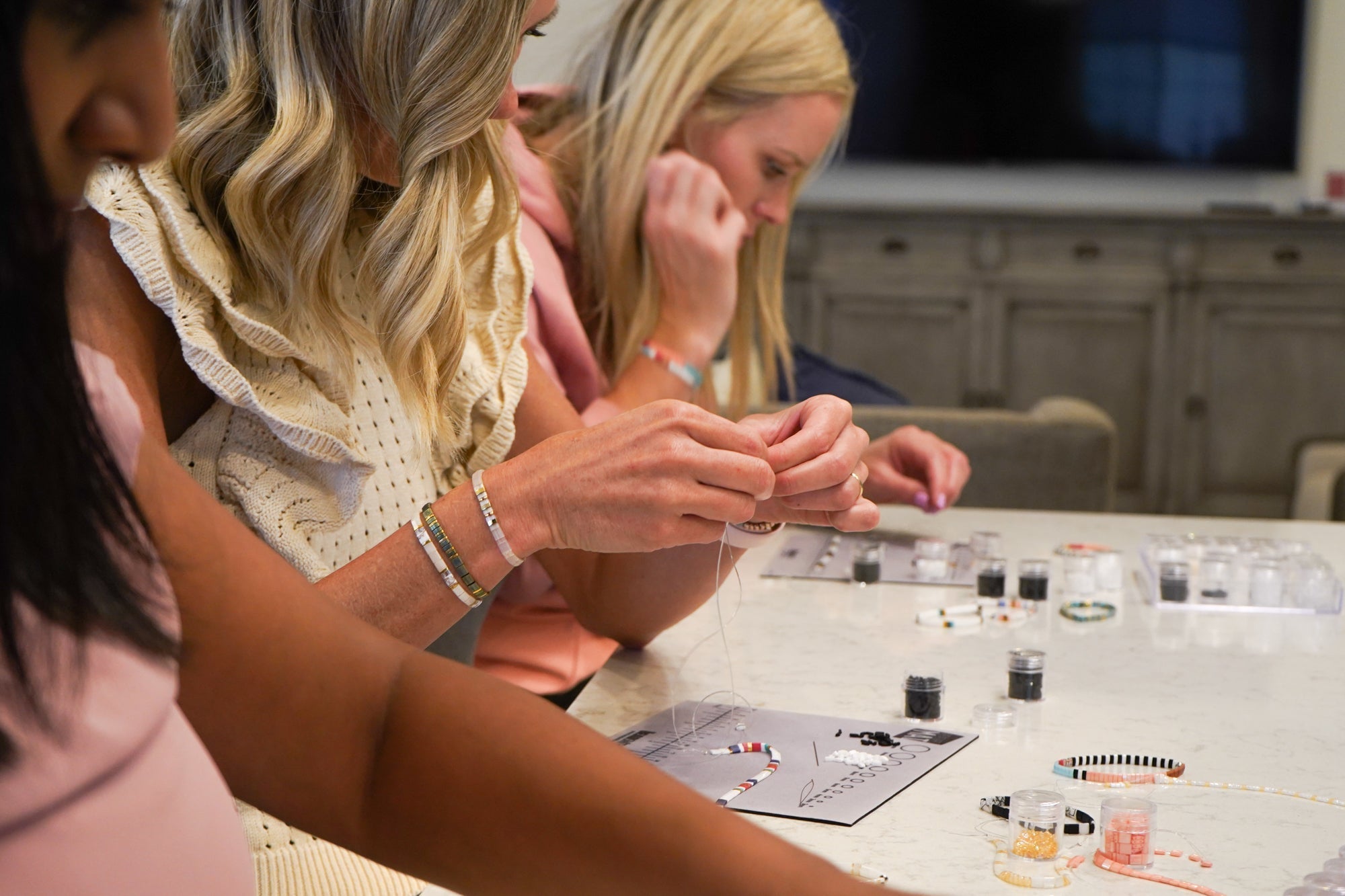
What makes tila bracelets popular is the pattern density. Because the beads are flat and sit flush against each other, a single bracelet can carry a striped, ombre, or checkerboard design that a round bead simply can't hold. Mack & Rex builds its finished tila bracelets on crystal-cord elastic, sized XXS through 5XL, so the fit holds up whether you're at your desk or mid-workout. If you'd rather build your own, the trio kits (three bracelets per kit) come with beads, cord, and instructions already sorted by color story.
What are heishi bead bracelets?
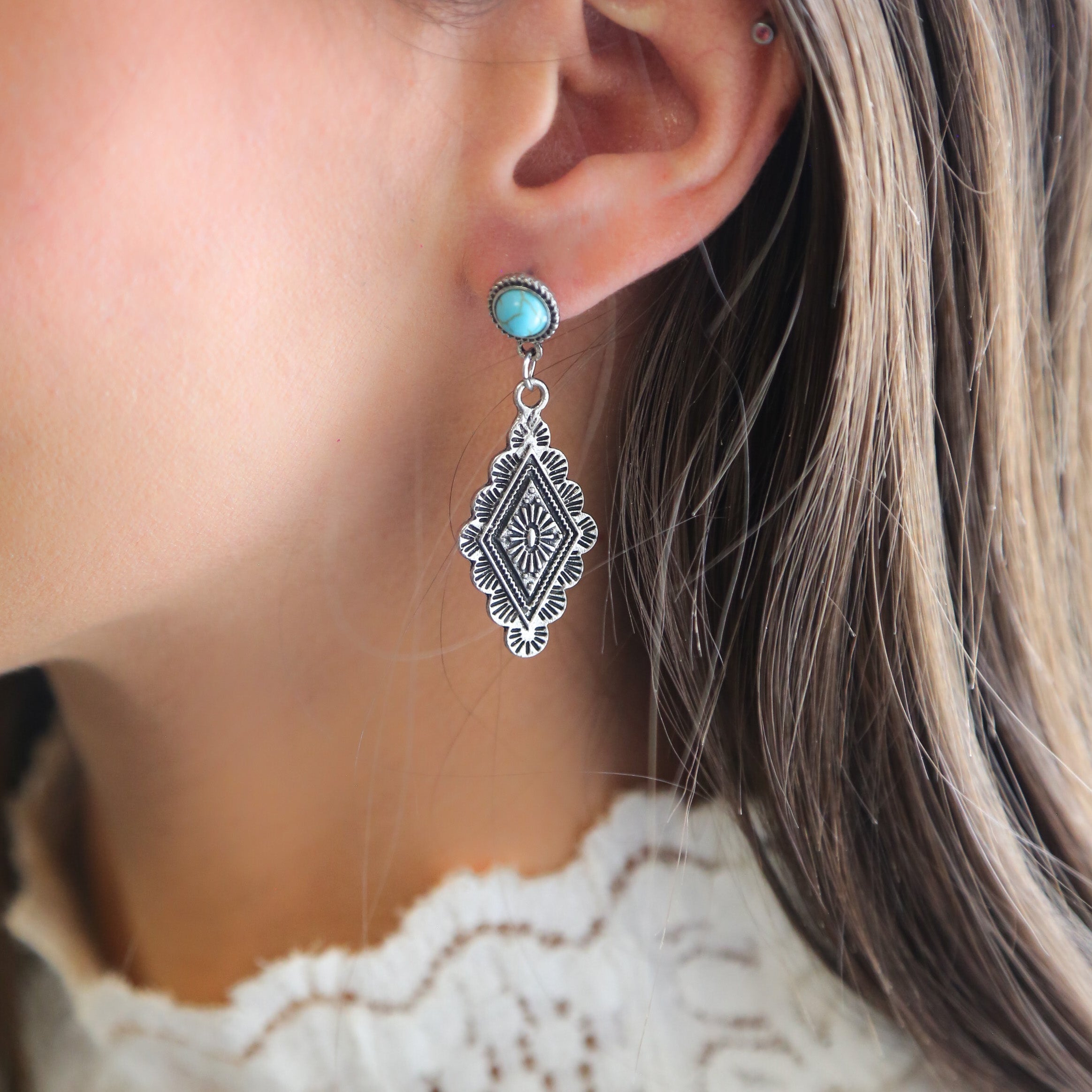
Heishi beads are thin, flat discs, originally a term tied to hand-cut shell and stone beads made by Southwestern Pueblo artisans, and now used broadly for any small disc-shaped bead strung close together. According to Wikipedia's entry on heishi, the technique dates back centuries and traditionally used shell, turquoise, and other natural materials shaped into uniform discs and drilled through the center.
On a bracelet, heishi beads stack into a smooth, almost woven-looking band that reads more boho and organic than the geometric punch of tila. Mack & Rex's BOHO Heishi Collection uses this shape in polymer clay and glass finishes, and it's a solid pick if you want a stack piece that's more texture than pattern. Heishi bracelets layer especially well next to a bolder tila or accent piece, since the flat discs give your eye a place to rest.
What's the difference between seed beads and rocaille beads?
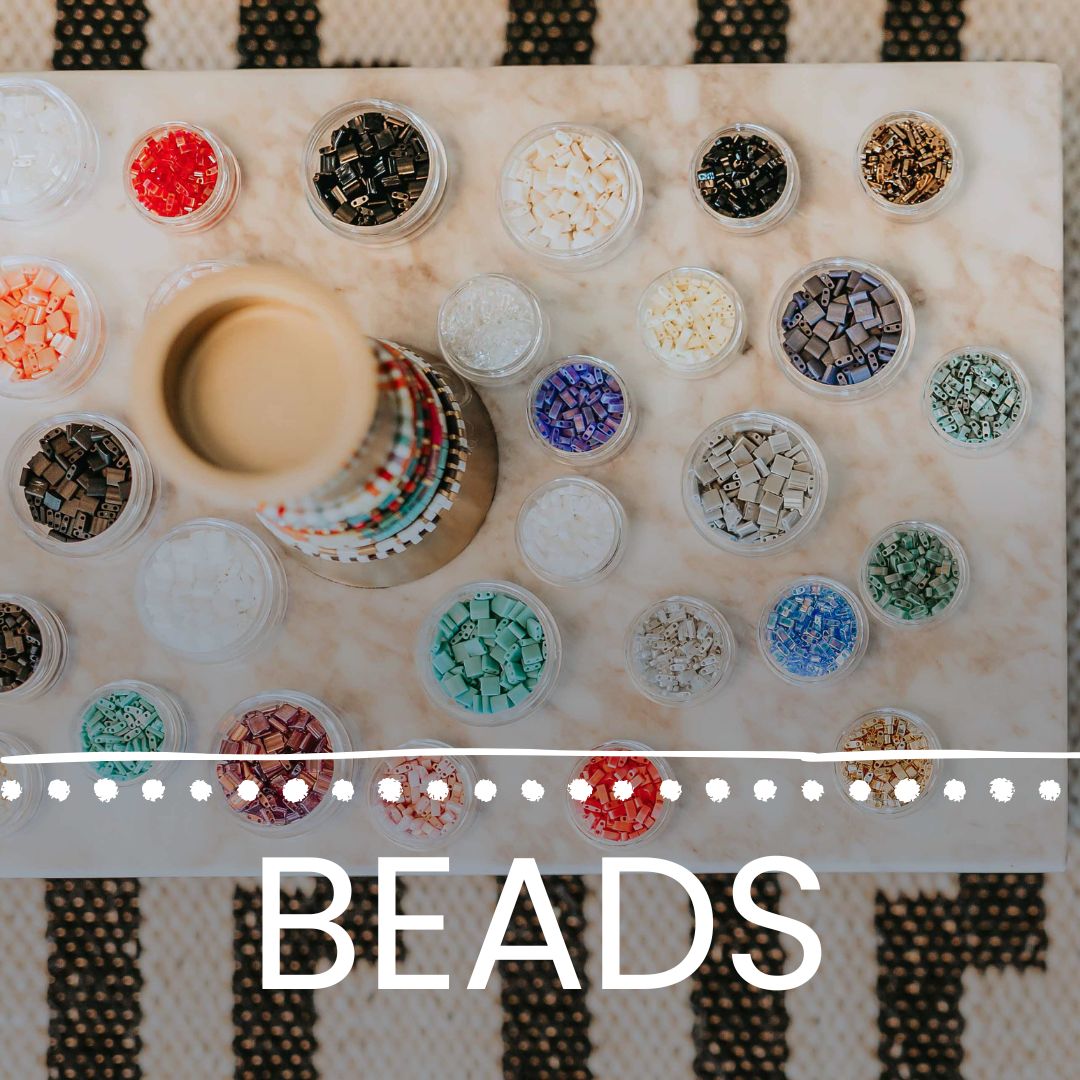
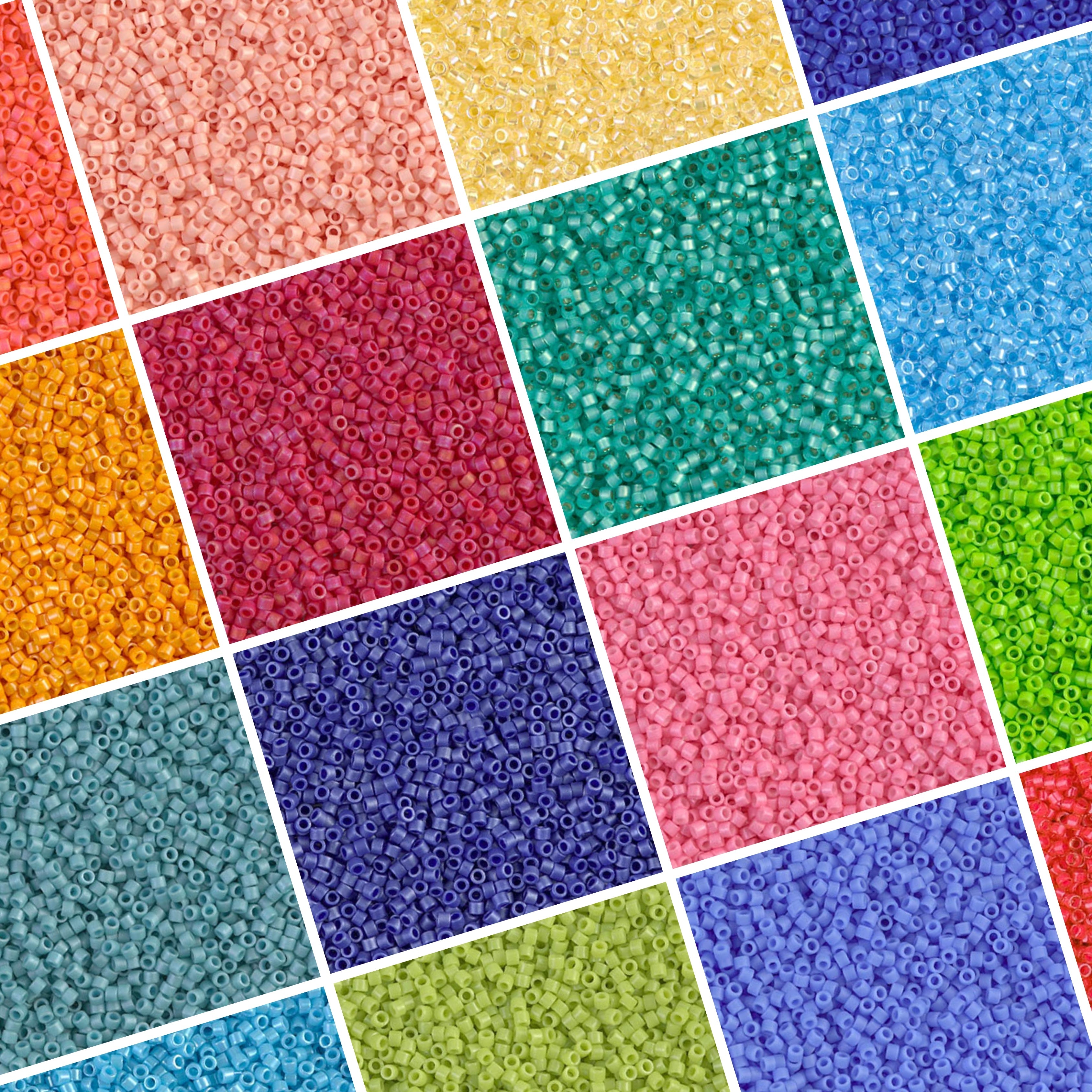
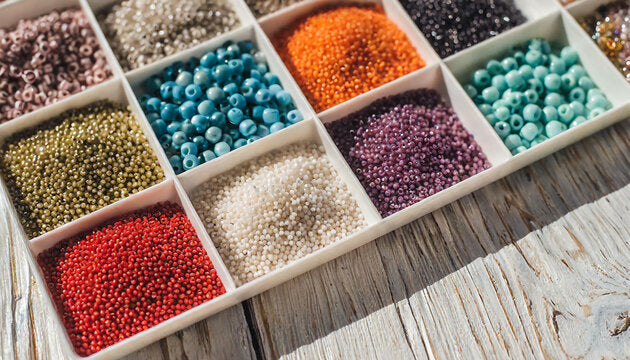
Seed beads are small, round glass beads used to fill in a bracelet's background or build fine, detailed patterns. Rocaille is a specific seed bead shape with a slightly rounded, doughnut-like profile and a larger hole relative to its size, which makes it easier to string in tight repeating rows. Delica beads, a third common term, are cylinder-shaped Miyuki seed beads with very uniform sides, prized for precision beadwork. Wikipedia's overview of seed beads traces the category back to early European and Venetian glasswork, long before Japanese manufacturers like Miyuki refined the modern sizing standards. Fire Mountain Gems' rocaille bead reference is a good place to see the shape up close if you want to compare it to a standard round seed bead.
Mack & Rex stocks loose Miyuki rocaille and Delica seed beads for crafters who want to add fine detail work to a tila project, plus finished pieces like the SPRINKLES rainbow seed bead accent bracelet for anyone who wants the look without threading a single bead themselves. Seed bead bracelets tend to be thinner and quieter than tila, which makes them a natural stacking partner rather than a standalone statement piece.
What are ball and accent bracelets, and where do they fit in a stack?
Ball bracelets keep it simple. They use small round beads, usually metal (gold, silver, or gold-filled) or polished stone, strung close together on stretch cord. That simplicity is the whole point. A ball bracelet doesn't compete for attention. It fills space between your statement pieces and keeps the whole stack from looking crowded.
Mack & Rex's accent bracelet lineup covers this ground with pieces like the Sterling Silver 3mm Ball Bracelet, Gold Filled Ball Bracelet, and stone-based options like the Stoned Heart and Howlite accent styles. If you're new to stacking, a ball or accent bracelet is often the easiest starting point: pick one metal tone, add it to any tila or heishi bracelet you already own, and you've got a stack that looks intentional, not thrown together.
How do you choose the right bead bracelets for your stack?
Start with fit. A bracelet that's too loose slides around all day and a bracelet that's too tight leaves marks by dinner. Measure your wrist and match it to the brand's size chart rather than guessing from a product photo. Mack & Rex runs sizing from XXS to 5XL, which covers a wider range than most bracelet brands bother to stock.
Next, decide how many "voices" you want in the stack. A good rule of thumb: one pattern piece (tila), one texture piece (heishi or seed bead), and one quiet piece (ball or accent) reads as a finished look without any single bracelet fighting for attention. Buying finished bracelets is the fastest route to a coordinated stack; buying kits or loose beads works better if you want to build your own color story from scratch or turn it into a project with the kids.
On that note: if little hands are involved, keep an adult supervising the whole time. Loose beads, clasps, and findings are small enough to be a choking hazard, and bracelet-making is a "do it together" activity, not one to hand off unsupervised to a toddler.
On cost, single finished bracelets typically run in the $20 to $25 range and bead mixes run $5 to $9, though prices move with monthly drops so check the live listing before you buy. Shipping is free on US orders over $100. Right now, buying 3 finished bracelets gets you a 4th free, no code needed, which makes building a full stack in one order the better value than buying pieces one at a time. Ready to see the full range side by side? Head to the Mack & Rex bead bracelet collection and filter by style until you find your three.
Bead bracelet FAQs
What are the different types of bead bracelets?
The main types are tila (flat glass tile beads), heishi (thin disc beads), seed and rocaille bracelets (small round glass beads), and ball or accent bracelets (metal or stone spheres). Most stacks mix at least two types for contrast.
What is the best bead bracelet to buy for everyday wear?
A stretchy tila bracelet or a simple ball accent bracelet tends to hold up best day to day, since both are built on durable stretch cord. Mack & Rex uses crystal-cord elastic across its finished bracelets, sized XXS to 5XL.
Can you mix different types of bead bracelets in one stack?
Yes. A common combination is one tila bracelet for pattern, a heishi bracelet for texture, and a thin ball or seed bead accent bracelet to round it out. Mixing types is standard practice, not an afterthought.
How do I know what size bead bracelet to order?
Measure your wrist and check it against the brand's size chart before you order. Mack & Rex sizes run XXS through 5XL, and a properly sized stretch bracelet should stay snug without sliding during normal activity.
Are bead bracelets safe for kids to make?
Bracelet-making is a fun family project, but loose beads and small findings are a choking hazard, so kids should always be supervised by an adult while making or wearing them. They're not marketed or intended as unsupervised toys for very young children.