

What Are Delica Beads? A Complete Guide to Miyuki's Precision Cylinder Beads
What Are Delica Beads, Exactly?
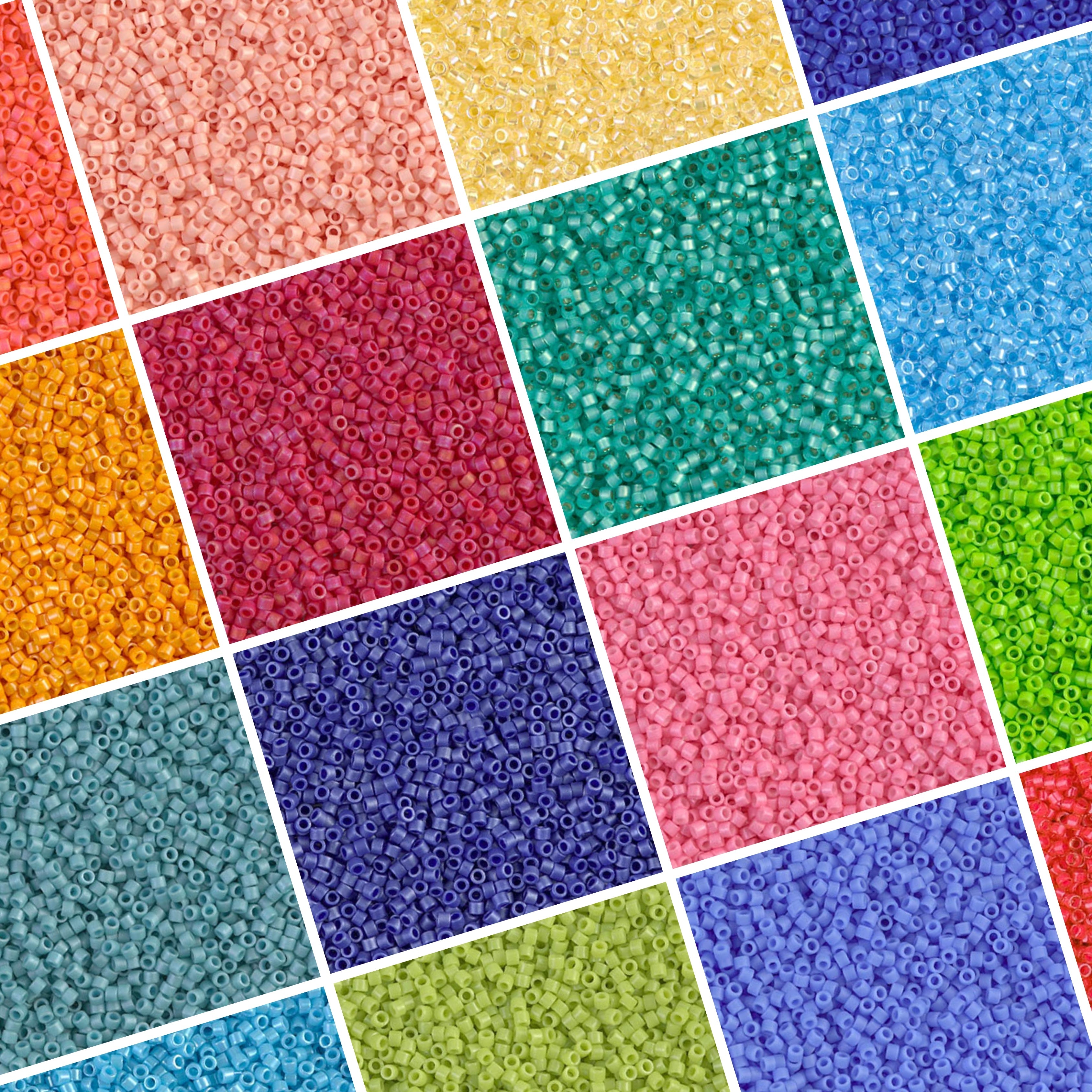
Delica beads are precision-cut glass cylinders made by Miyuki, a Japanese manufacturer that has produced seed beads since 1949. Each bead has thin, uniform walls, flat ends, and a wide hole relative to its diameter. Those properties let them stack flush against each other with almost no gap. That tight fit is why weavers reach for them over round seed beads when a project demands consistent alignment and clean pattern work.1
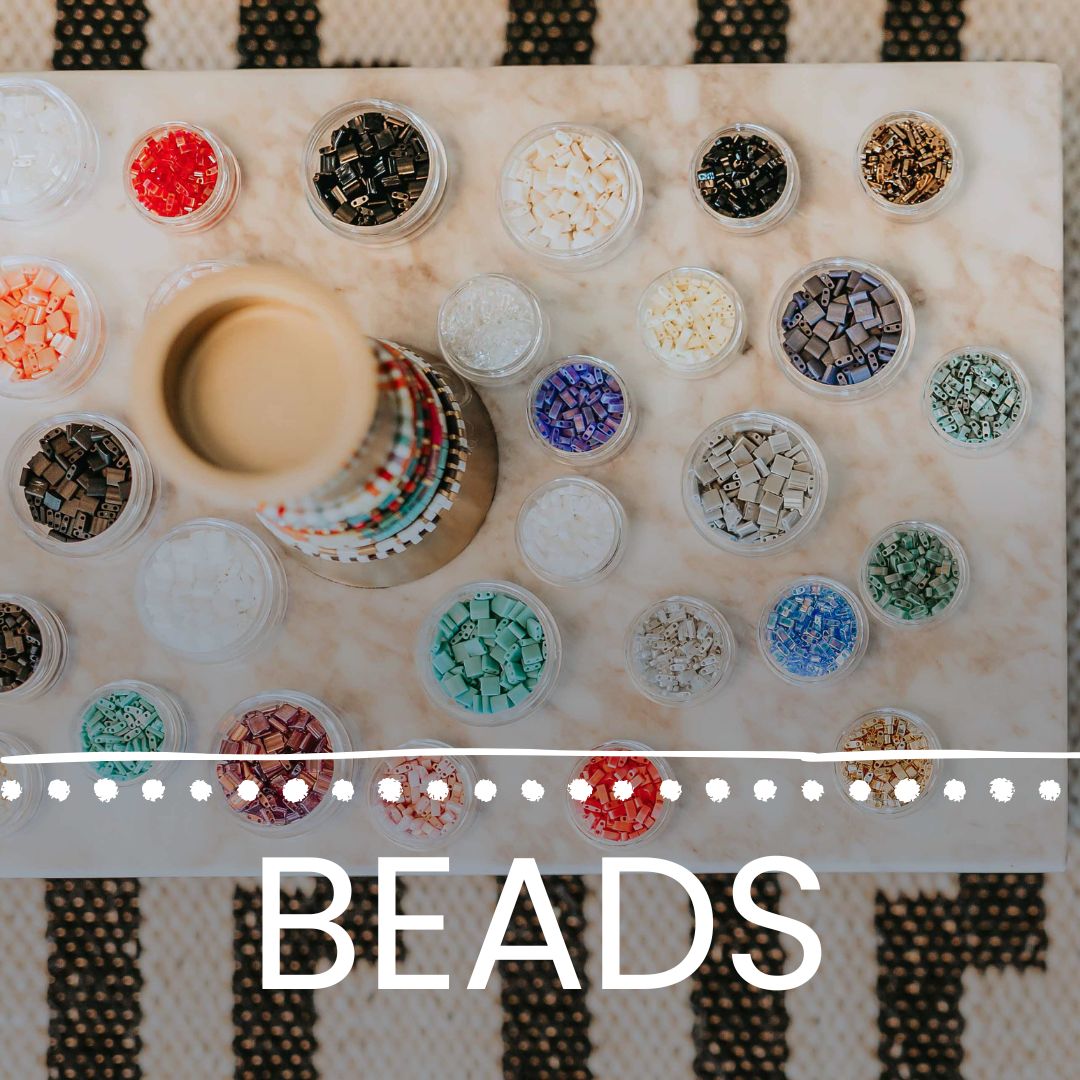
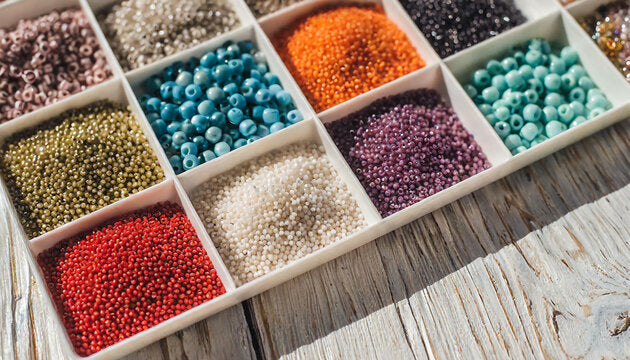
They're sold in hundreds of finishes (matte, metallic, AB, color-lined, and more) across three standard sizes. Mack & Rex carries a curated selection of Miyuki seed beads in the seed bead shop for crafters who want the real thing, not a generic substitute.
How Do Delica Beads Differ from Round Seed Beads?
Shape is everything here. Round seed beads look like tiny donuts: rounded exterior, thick walls, small holes relative to the bead's overall size. Delica beads are cylinders with straight sides, flat ends, thinner walls, and a noticeably larger hole.
That hole size matters in practice. You can pass a needle through a Delica multiple times during a peyote or loom pattern, which is often necessary. With a round seed bead, the smaller hole fills up faster and can block your needle on the second or third pass.
The flat ends of Delicas also let them interlock. When you weave them together in peyote stitch or brick stitch, the beads sit face-to-face with almost no gap, creating a smooth fabric that holds pattern edges crisply. Round seed beads leave slightly more space between each bead, giving a softer, more rounded look. Fine for many projects, yet not ideal when you need precise color blocks or pixel-style images.2
Both types have a place. Round seed beads are excellent for stringing, free-form netting, and spiral rope work. Delicas are the choice when you're weaving structured patterns.
What Sizes Do Miyuki Delica Beads Come In?
Three sizes, each suited to different work.
Size 11/0 (DB) is the workhorse. About 1.6 mm in diameter, it's what most weavers mean when they say "Delica." Nearly every Delica color and finish is available in this size, and the vast majority of peyote and loom patterns are designed for it.
Size 8/0 (DBL) runs about 3 mm across, roughly twice the diameter of an 11/0. Good for chunkier pieces, beginners working on coordination before moving to smaller beads, and projects where you want a bolder pattern visible from a distance.
Size 15/0 (DBS) is the smallest Delica size at about 1.3 mm. Used for fine detail work and miniature patterns. Harder to find, harder to thread, and not the starting point for most crafters.
For most people getting into Delica beadwork, size 11/0 is the right place to start.
What Finishes Are Available on Delica Beads?
Miyuki's finish range is one of the reasons Delicas have such a following. A few categories worth knowing:
- Opaque: Solid, no transparency. The most consistent color payoff; good for bold color-blocked patterns.
- Transparent: Glass lets light through. The color shifts with lighting conditions and looks richer when backed against other colors.
- Matte: A frosted, non-reflective surface applied to opaque or transparent beads. Gives a soft, modern look and reduces the "plastic-y" feel some glossy finishes can read as.
- Metallic: A metallic coating over the glass in silver, gold, bronze, or gunmetal. Durability varies by color; some metallics are more resistant to wear than others.
- AB (aurora borealis): An iridescent surface coating that creates a rainbow shift when the bead catches light. Often layered over transparent or metallic bases.
- Color-lined: The inside of the hole is coated in a contrasting color that shows through the transparent glass. Creates a two-tone effect without a surface coating.3
Finish durability matters if you're making wearable pieces. Opaque and matte finishes tend to hold up well over time. Some galvanized metallics can wear at friction points, so check the specific colorway before committing a full project to it.
How Do Delica Beads Compare to Tila Beads?
Different beads, different jobs. Both are Miyuki products. The similarities stop there.
Delica beads are small cylinders with a single hole, designed for woven beadwork: peyote stitch, brick stitch, loom work. They create a flexible, fabric-like surface.
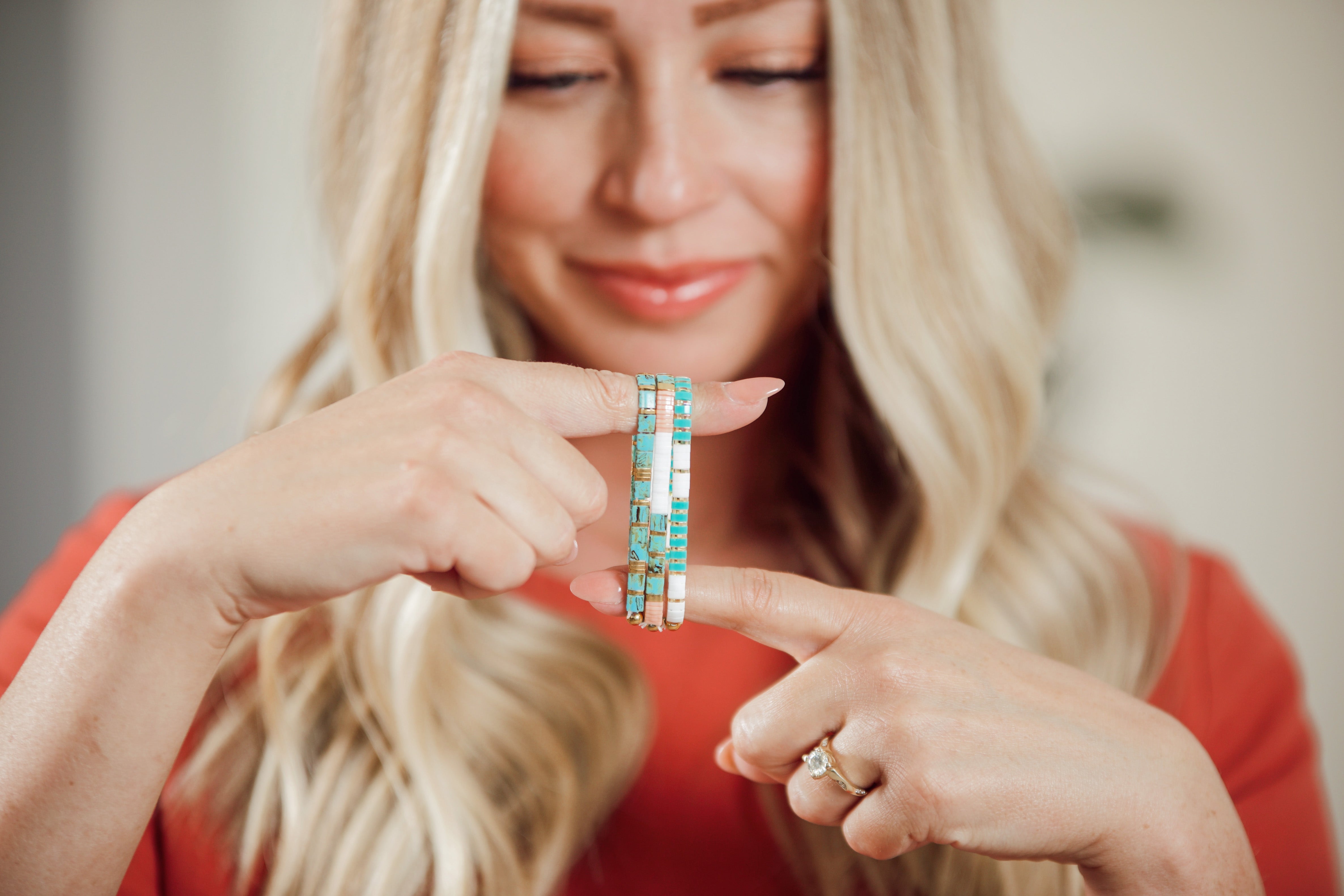
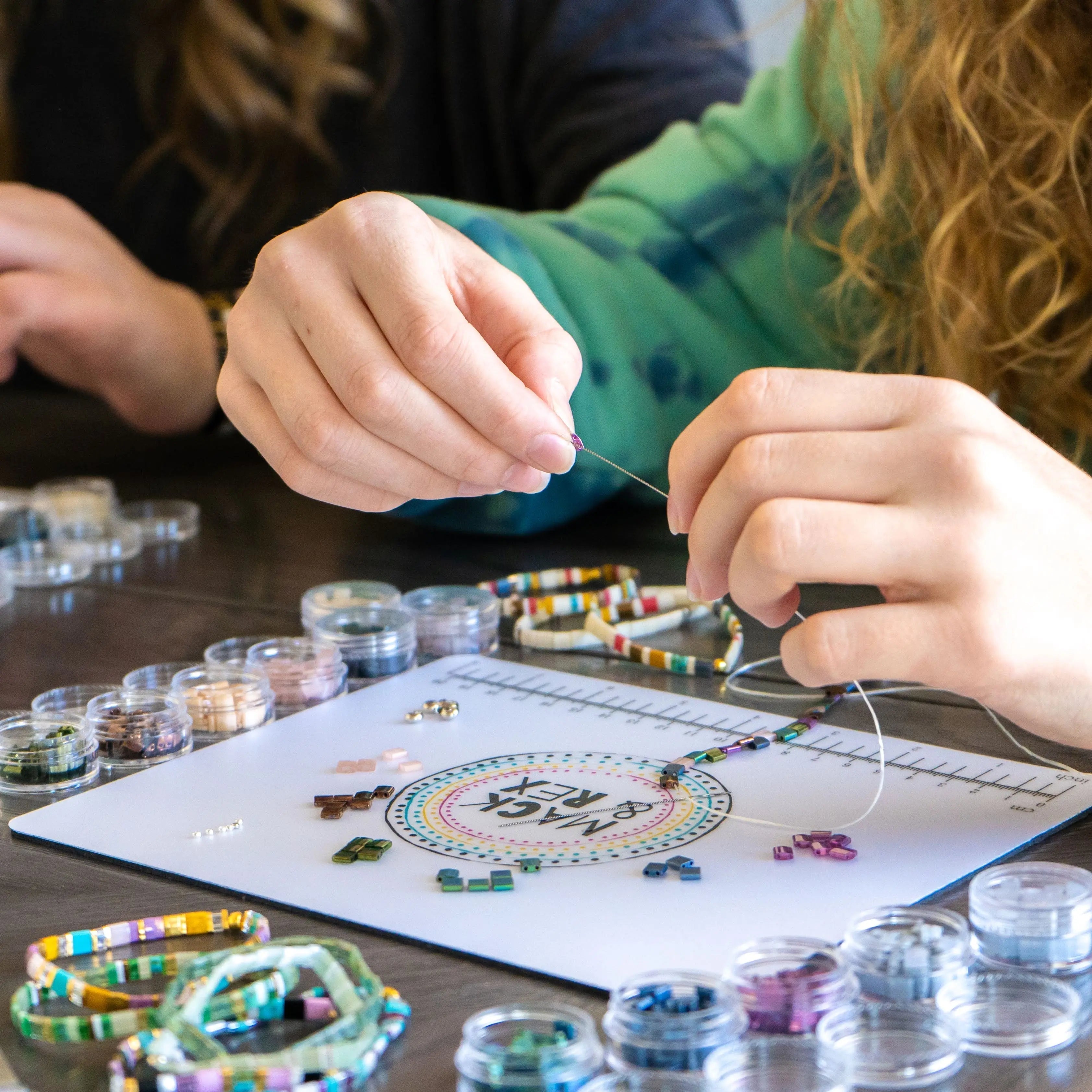
Tila beads are flat, square two-hole glass beads. Each bead is about 5 mm x 5 mm with two parallel holes running through the width. Because of their flat profile and dual holes, Tila beads sit perfectly flush on a wrist when strung on elastic cord. They tile together like a mosaic with no twist or gap. That geometry is what makes them ideal for stretch bracelets and stacking.
Mack & Rex builds its bracelet line around Miyuki Tila beads for exactly this reason: the bead's structure produces a wrist-hugging, flat profile that wears comfortably and stacks cleanly. If you're here to make bracelets and not woven beadwork, Tila beads are the bead to look at.
What Are Delica Beads Best Used For?
Four project types where Delicas genuinely shine:
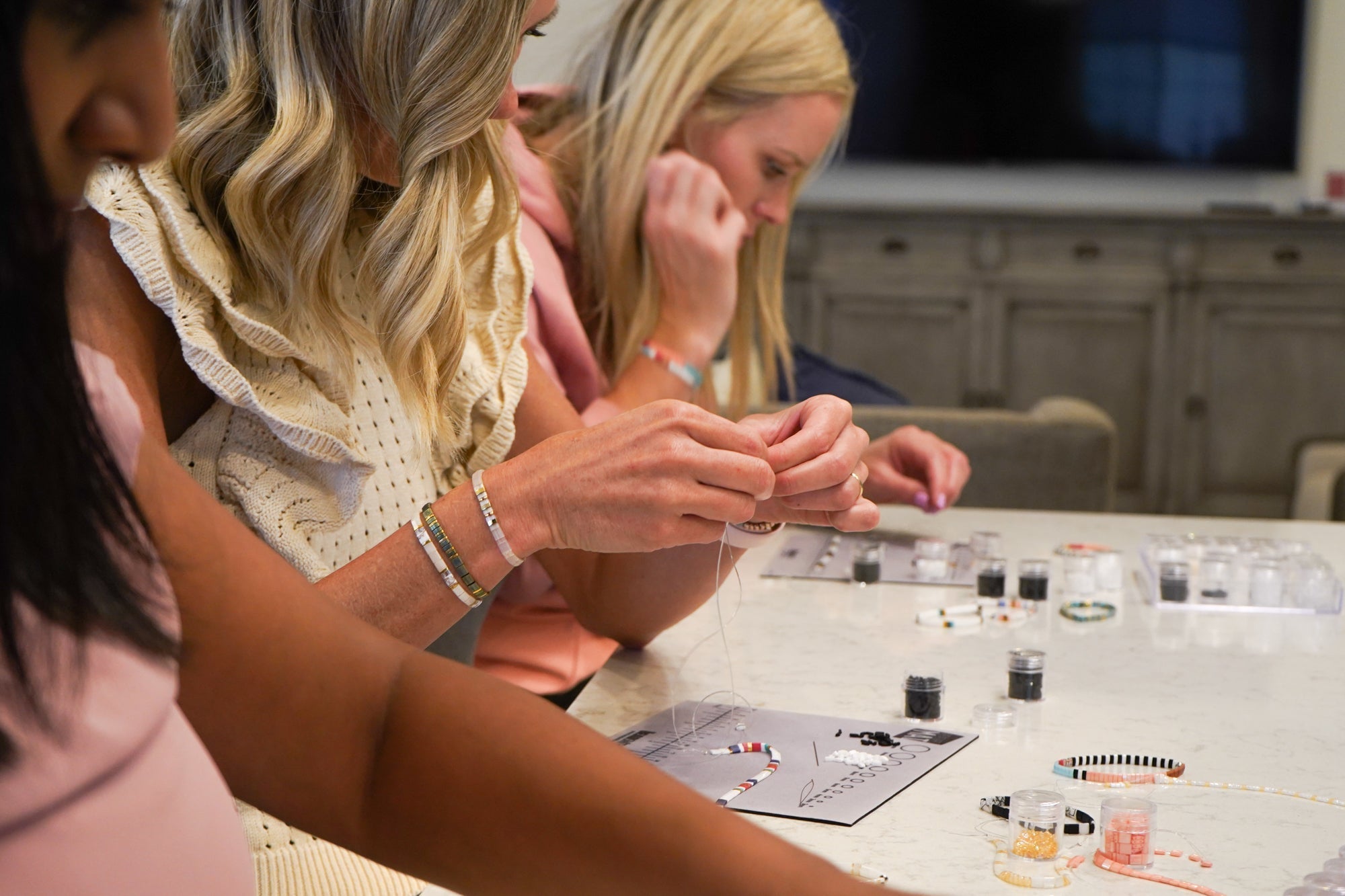
Peyote stitch. The most common Delica application. The cylinder shape locks into peyote rows with almost no visible gap, making it easier to follow color charts and keep edges tidy. A curved peyote cuff in Delicas looks polished in a way that round beads can't quite match.
Loom weaving. Delicas were designed with loom work in mind. Their uniform height (all 11/0 Delicas are 1.6 mm tall) means rows line up consistently across the warp threads. Even tension, even rows.
Brick stitch. Similar logic to peyote: the flat ends give a clean join between each row. Brick stitch earrings and pendants are a popular starting point for Delica newcomers because the pieces are small enough to finish quickly.
Bead embroidery. Delicas are flat enough to lie close to fabric when couched or backstitch-embroidered onto a surface. Good for detailed pattern work on a backing material.
For stretch bracelets, stringing, and free-form work, round seed beads or Tila beads tend to be a better fit than Delicas.
Where Can I Buy Miyuki Delica Beads?
Buy from a source that stocks actual Miyuki product, not a generic "cylinder bead" sold under a different label. The quality difference is real: Miyuki's tolerance control on bead height and hole diameter is what makes consistent pattern work possible. A cheaper substitute will have more variation bead-to-bead, which shows up as uneven rows in a finished piece.
Mack & Rex carries Miyuki seed beads. Browse the full seed bead collection to find the colors and finishes that fit your project. Orders over $100 ship free (US only).
Frequently Asked Questions
What are Delica beads?
Delica beads are precision-cut glass cylinder beads made by Miyuki. Thin walls, flat ends, and a large hole relative to their size let them sit flush against each other in woven beadwork. They come in three sizes (11/0, 8/0, 15/0) and hundreds of finishes.
What is the difference between Delica beads and round seed beads?
Round seed beads have a rounded shape, thicker walls, and smaller holes. Delica beads are cylindrical with flat ends, thinner walls, and larger holes. Delicas produce tighter, more aligned woven fabric; round seed beads work better for stringing and free-form techniques.
What is the most common Delica bead size?
Size 11/0 is standard. About 1.6 mm in diameter, it's what most patterns are designed for and where the widest color selection lives. Size 8/0 is larger; size 15/0 is for fine detail work.
Can you use Delica beads for bracelets?
Yes, for woven cuffs in peyote or brick stitch. For stretchy stacking bracelets, Miyuki Tila beads are the better choice. Their flat square shape and two holes create a clean, flush profile on elastic cord.
Are Delica beads the same as Tila beads?
No. Both are Miyuki products, yet they're different shapes. Delicas are small single-hole cylinders for woven beadwork. Tila beads are flat, square, two-hole beads suited to stretch bracelets and stacking.