

What Are Tila Beads Made Of? A Clear Guide for Beaders
What Are Tila Beads Made Of? A Clear Guide for Beaders
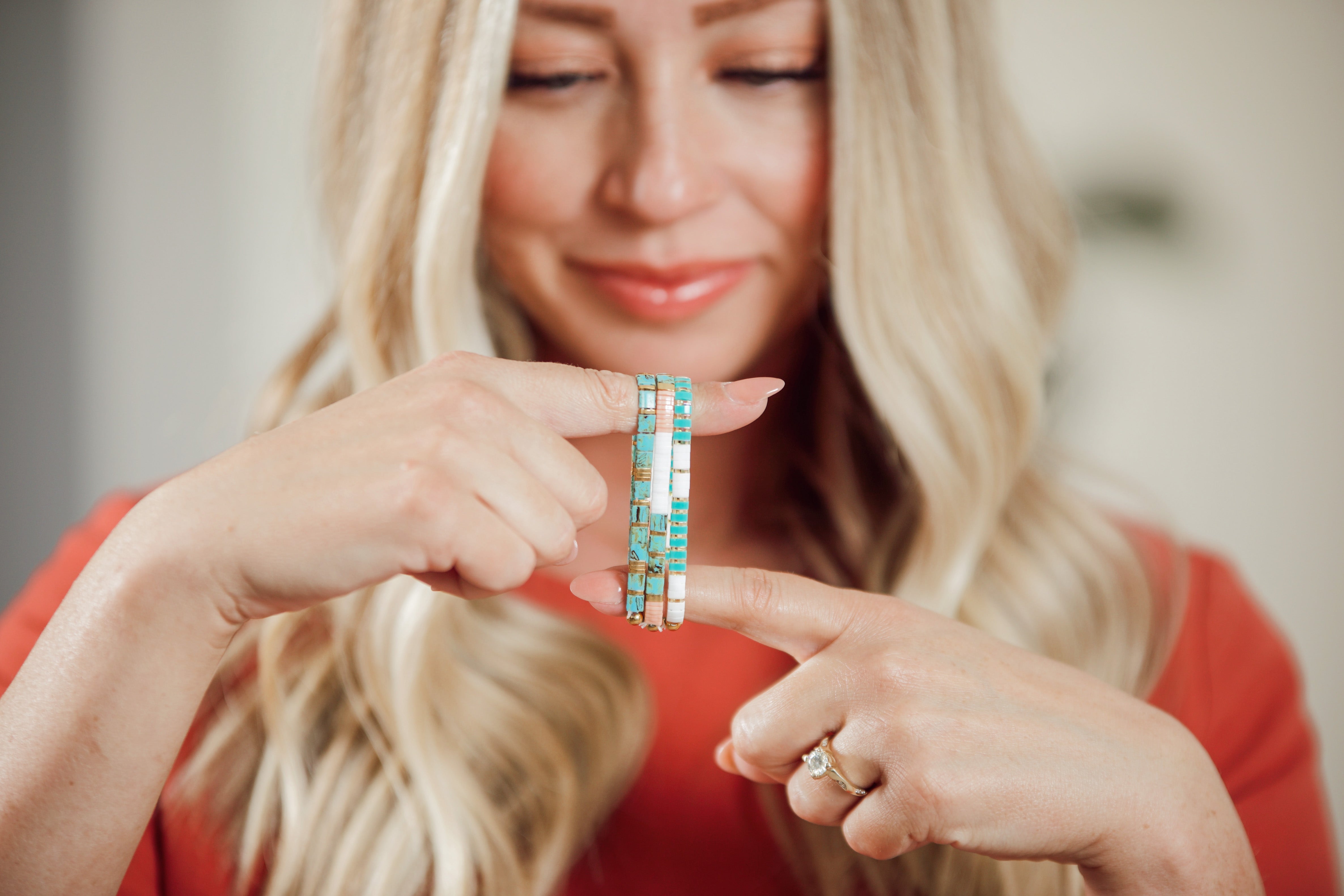
Tila beads are made of glass. Specifically, they are a flat, square glass bead with two parallel holes, pressed and finished by the Japanese bead manufacturer Miyuki. If you have ever picked up a Tila bracelet and wondered why the beads sit so flat and catch the light so evenly, the answer starts with the glass itself and the precision that goes into shaping it.
This guide breaks down what tila beads are actually made of, who manufactures them, the sizes and shapes you will run into while shopping, and why glass quality has a real effect on how a finished bracelet looks and wears.
What Are Tila Beads Made Of?
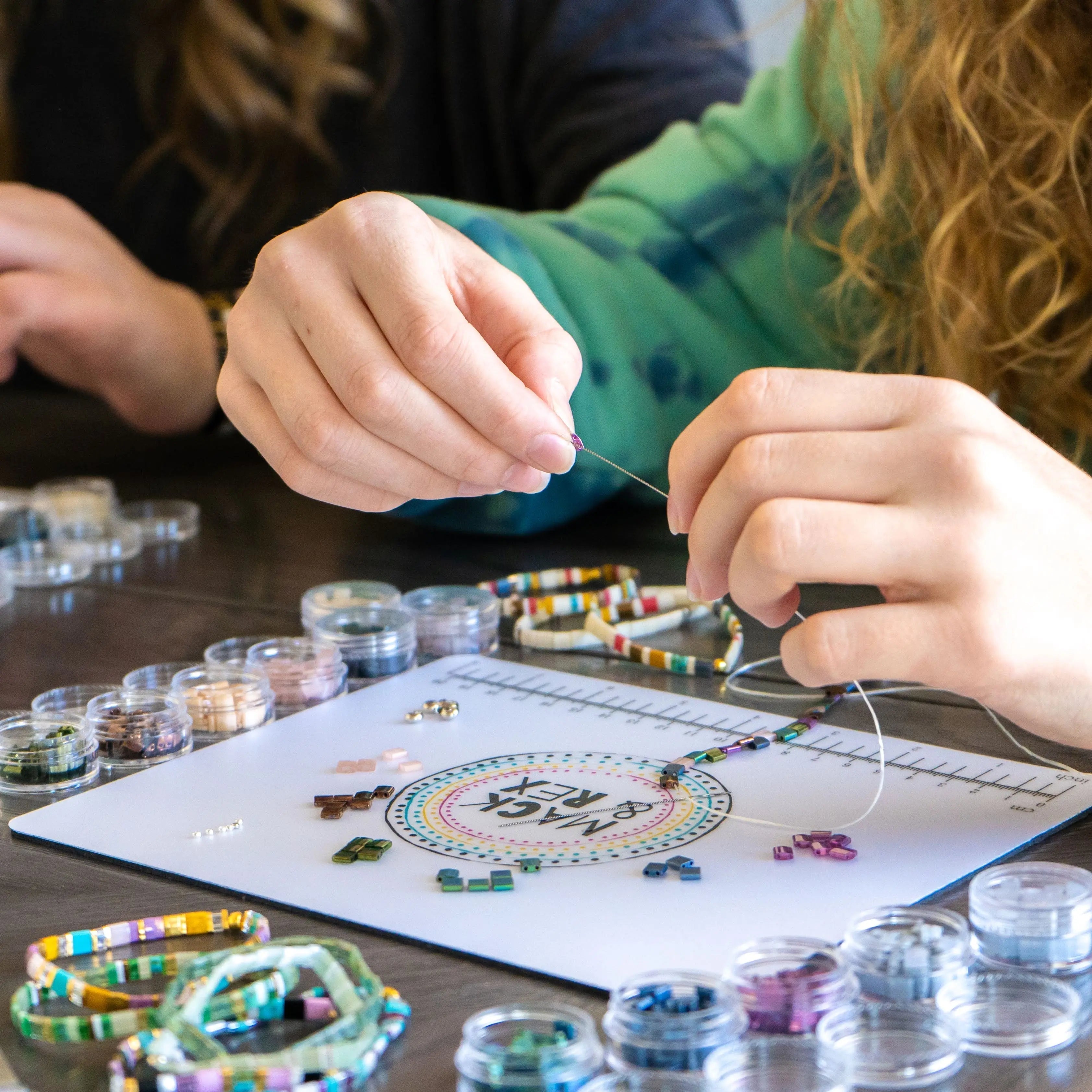
Tila beads are glass beads. Glass itself is typically made by melting silica (sand), soda ash, and lime at high temperatures until it forms a workable, moldable material1. Bead manufacturers color and shape that molten glass into specific forms, and for Tila beads, the result is a flat square with two holes running through it rather than one center hole.
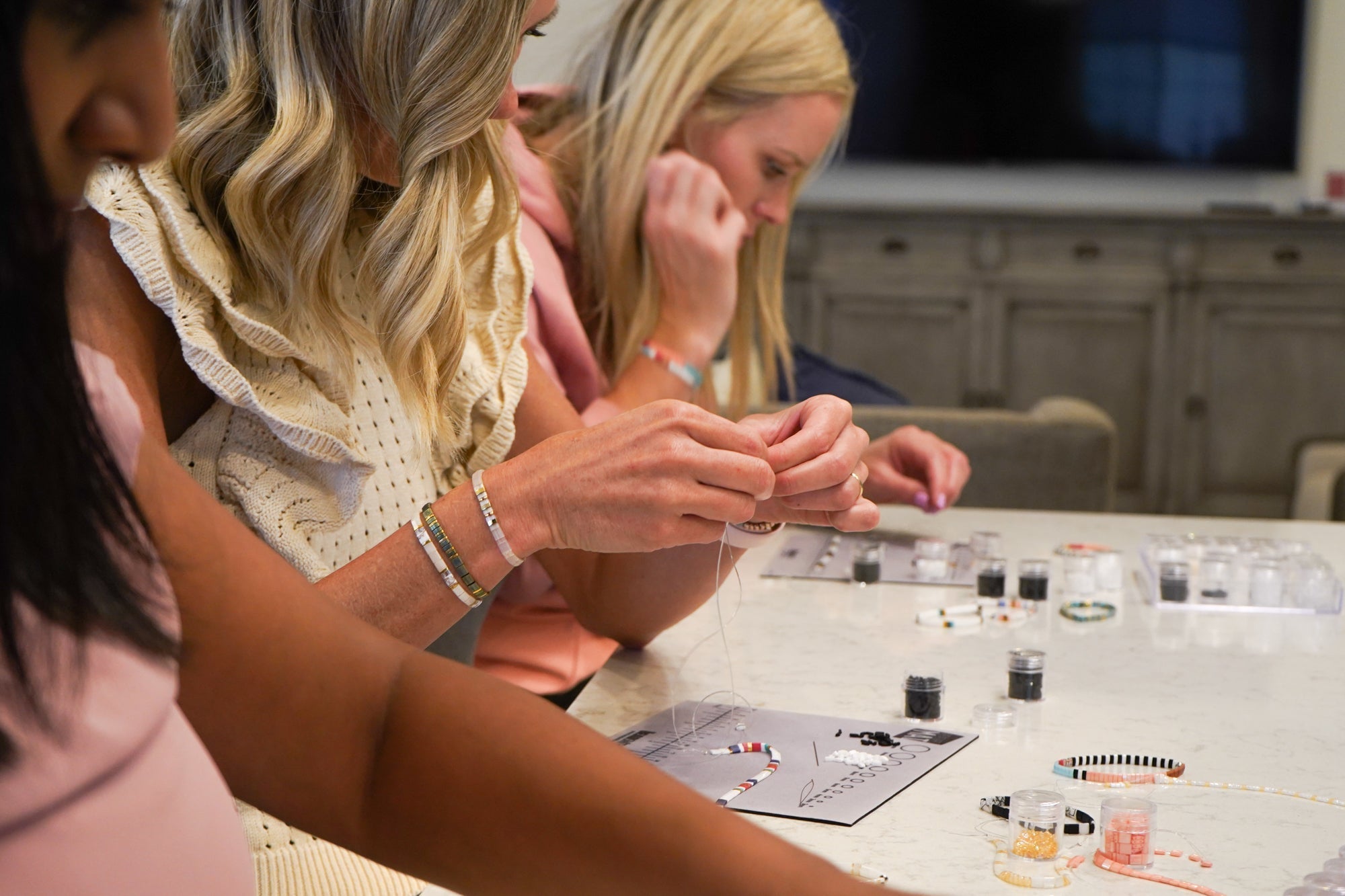
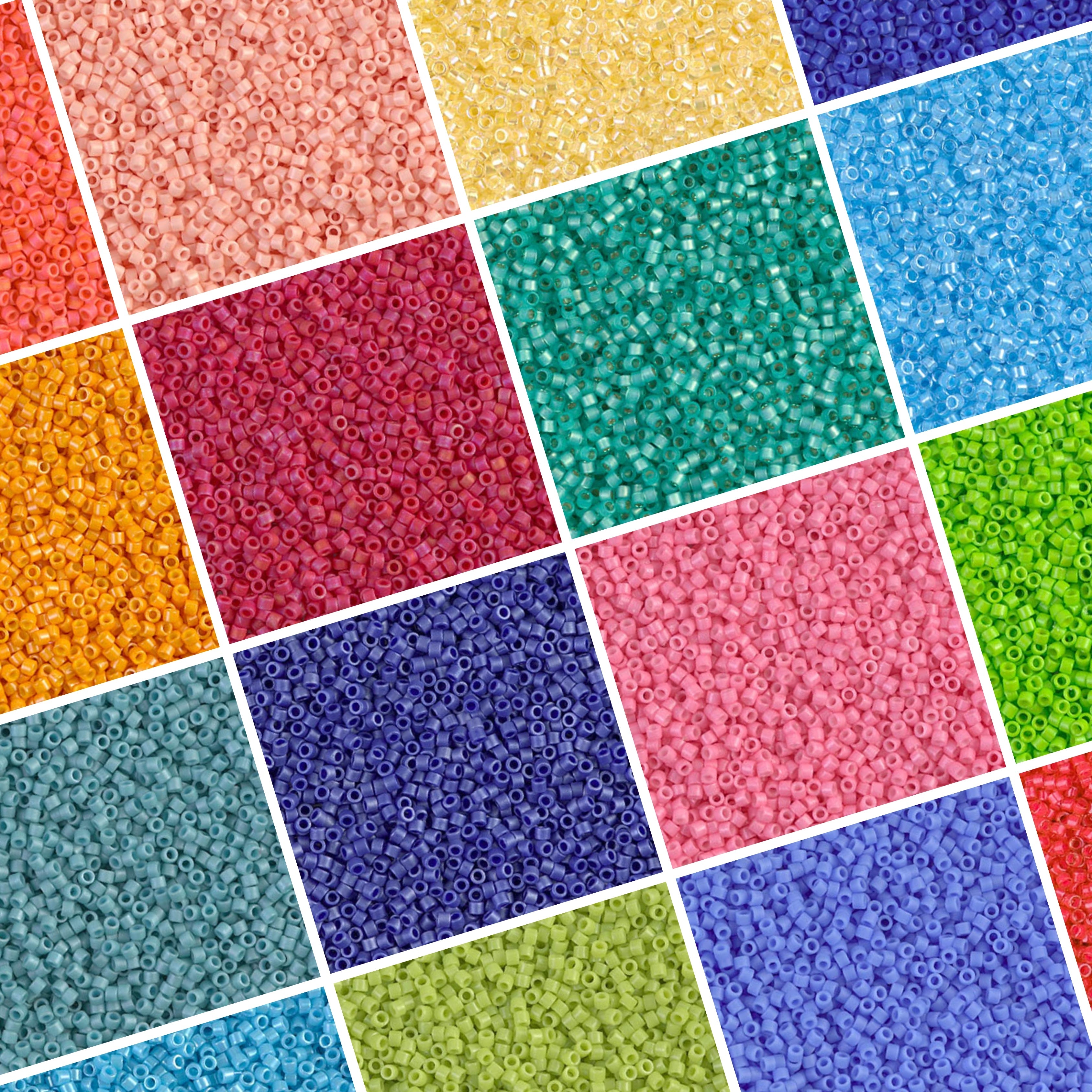
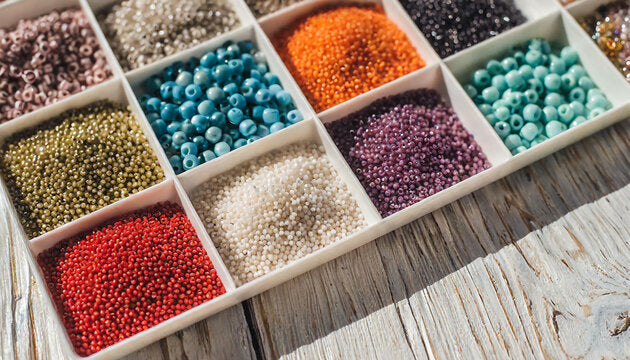
That two-hole, flat-sided design is what makes Tila beads different from most seed beads you will see in a bead shop. Seed beads, as a broader category, are small glass (or sometimes other material) beads used for weaving, stringing, and embroidery, and they come in many shapes and finishes depending on how the glass is cut, pressed, or drawn2. Tila beads sit within that seed bead family, but their flat square shape and dual holes make them better suited to brick stitch, peyote stitch, and other patterns where a flat surface and secure, even placement matter.
Because they are glass, Tila beads share the general properties of glass beads: they are rigid, they hold color and finish well (matte, metallic, iris, opaque, and translucent finishes are all common), and they do not stretch or warp the way some plastic or resin beads can over time.
Who Makes Tila Beads?
Tila beads are manufactured by Miyuki, a Japanese company known for precision glass seed beads3. "Tila" and "Miyuki" are trademarks of Miyuki, and the company is the sole source for genuine Tila beads. When you see Tila beads for sale anywhere, including at Mack & Rex, you are looking at a Miyuki product.
It is worth being clear about this: Mack & Rex does not manufacture Tila or Miyuki beads. Mack & Rex sources and resells genuine Miyuki Tila beads and builds finished bracelets using them. The craftsmanship in a Mack & Rex bracelet is in the design, stringing, and assembly, not in producing the glass bead itself. That distinction matters if you care about buying authentic materials versus imitation flat beads that sometimes show up under generic names.
What Sizes and Shapes Do Tila Beads Come In?
The standard Tila bead measures about 5mm square with two holes, each roughly 0.8mm across, spaced to sit parallel to one another. That consistent sizing is part of why Tila beads work so well in patterned designs. Beaders can count on each bead being close to identical in size, which keeps rows straight and patterns lining up correctly.
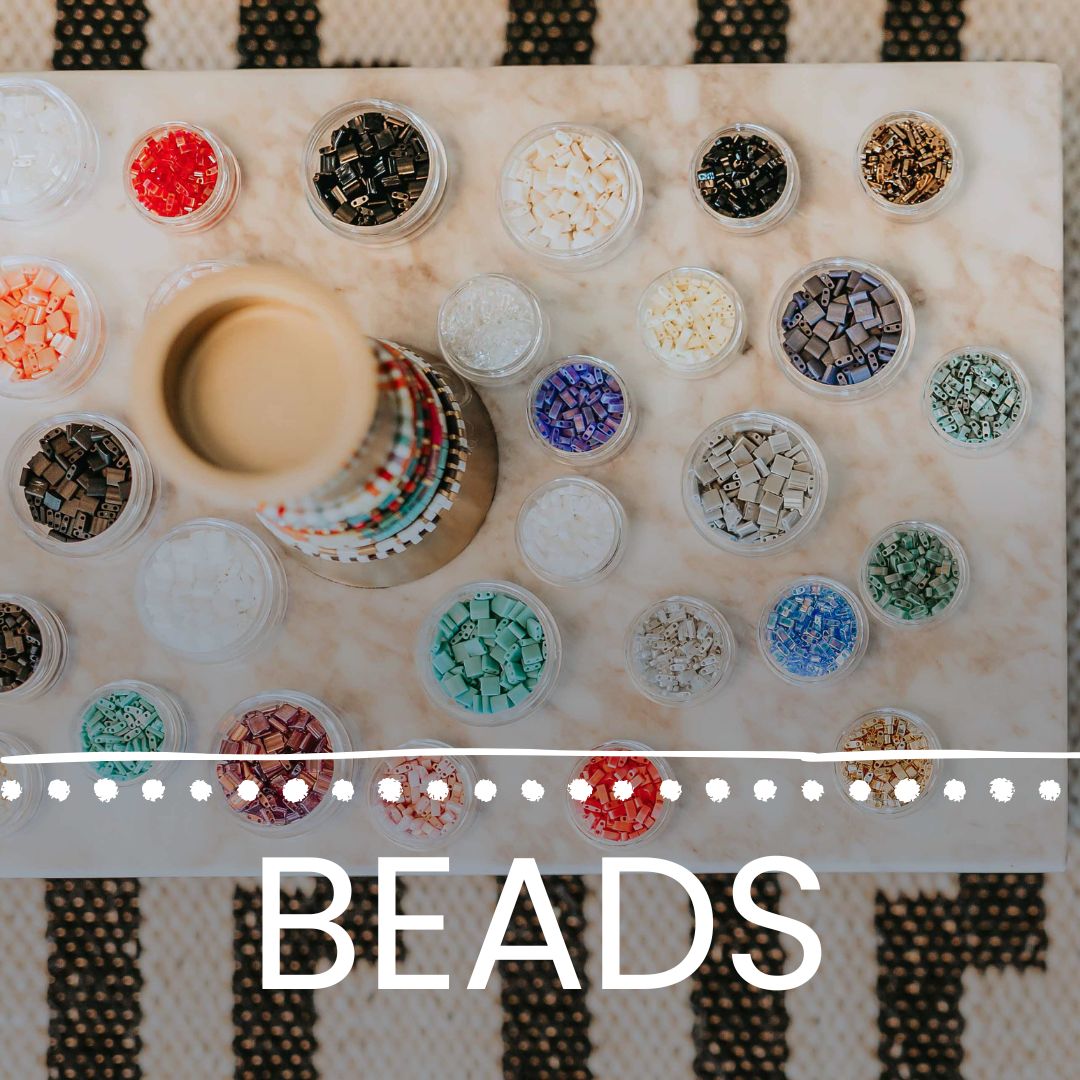
Beyond the standard square, Miyuki also produces related flat bead shapes often grouped with Tila, including half Tila beads (roughly half the width of a standard Tila, useful for filling gaps in a pattern) and other two-hole flat glass shapes. Finishes vary widely: matte, opaque, transparent, metallic, and iris or AB (aurora borealis) coatings are all common across the Tila line, which is part of why these beads show up in so many different color palettes for bracelets and other jewelry.
Why Does Bead Material Quality Matter for Bracelets?
Glass quality is not just a technical detail, it shows up directly in how a bracelet looks and holds up. A few things to know:
Consistent thickness and hole placement. When glass beads are pressed and cut with precision, the holes line up evenly from bead to bead. That consistency is what lets a strand of Tila beads sit flat against the wrist instead of twisting or gapping.
Durability. Well-made glass beads resist chipping and cracking better than lower-quality glass or beads cut with rougher tolerances. A bracelet that gets worn regularly, bumped against a desk, or tossed in a bag needs beads that can handle daily wear.
Color and finish retention. Higher-quality glass holds its coating and color better over time, so a matte or metallic finish on a Tila bead is less likely to wear off or fade with normal handling than a cheaper coated finish might.
Stringing integrity. Flat, two-hole beads like Tila distribute tension differently than single-hole round beads. If the glass or the hole placement is inconsistent, the extra stress at those contact points can lead to beads cracking at the hole edges over time. Consistent manufacturing reduces that risk.
In short, when you are choosing beads or a finished bracelet, the material behind the sparkle is doing real structural work, not just adding visual interest.
How Do Tila Beads Compare to Other Seed Beads?
Most seed beads are round or slightly faceted, with a single hole through the center, and they are typically used for even weaves like peyote or loom work. Tila beads stand apart because of their flat, square profile and two parallel holes. That shape lets beadwork designers create tile-like, mosaic patterns with very little gap between beads, which is harder to achieve with round beads alone.
The tradeoff is that Tila beads generally work best in patterns specifically designed around their flat shape and dual holes, rather than as a drop-in substitute for round seed beads. If you are shopping for a specific look, whether that is a dense, tile-like pattern or a more open, textured strand, understanding this difference helps you pick the right bead shape for the project, not just the right color.
How Should You Care for a Tila Bead Bracelet?
Because Tila beads are glass, caring for a finished bracelet is straightforward, but a few habits help it last longer. Keep glass bead jewelry away from harsh chemicals like perfume, hairspray, and household cleaners, since repeated exposure can dull certain coated finishes over time. Wipe beads with a soft, dry cloth after wear rather than scrubbing them, and store bracelets flat or gently coiled in a pouch so the beads are not compressed against other jewelry, which can chip edges on flat shapes like Tila.
It also helps to take bracelets off before swimming, showering, or heavy exercise. Glass beads themselves are not damaged by water, but the thread or cord holding them together can weaken with repeated soaking, which shortens the life of the bracelet even if the beads are in perfect shape.
Where Can You Find Tila Beads for Your Next Project?
If you want to work with genuine Miyuki Tila beads, whether loose for your own designs or already made up into a finished bracelet, Mack & Rex carries a tila beads collection with a range of colors and finishes. Trio bracelet kits are commonly priced around $44.99, though prices shift with new drops, so it is always worth checking the current listing before you buy.
A few shopping notes worth knowing up front. Mack & Rex ships internationally, and shipping costs (along with any customs or duties on international orders) are calculated at checkout. Free shipping applies only to US orders over $100. If you are building out a bracelet collection, Mack & Rex also runs a standing offer on finished bracelets: buy 3 bracelets, get 1 free, no code needed. That offer applies to finished bracelets only, not to loose beads or kits, so a single kit purchase on its own will not qualify for either the free-shipping threshold or the bracelet offer.
Frequently Asked Questions
What are Tila beads made of?
Tila beads are made of glass. They are pressed into a flat, square shape with two parallel holes, which sets them apart from rounded glass seed beads.
Who makes Tila beads?
Tila is a bead shape manufactured by Miyuki, a Japanese glass bead company. Tila and Miyuki are Miyuki trademarks. Mack & Rex sells Miyuki-made Tila beads and bracelets as a reseller, not as the manufacturer.
What sizes do Tila beads come in?
The standard Tila bead measures about 5mm square with two 0.8mm holes. Miyuki also produces half Tila beads and other related flat glass shapes in a range of finishes.
Why does glass quality matter for Tila bead bracelets?
Consistent glass thickness and precisely placed holes keep beads sitting flat and even along a strand. Uneven or poorly annealed glass can crack, chip, or cause beads to sit crooked, which weakens the finished piece over time.
Where can I shop Tila beads and bracelets?
Mack & Rex carries Miyuki Tila beads and finished Tila bracelets in its Tila beads collection online.