


What Comes in a Bracelet Kit? A Complete Buyer's Checklist
What Should Be Inside a Bracelet Kit Before You Buy?
A quality bracelet kit includes beads, elastic or nylon cord sized to fit the bead holes, a bead mat, scissors or snips, and clear step-by-step instructions. Better kits add findings (clasps or crimp covers), a beading needle, and a bracelet sizer so you can customize the fit. If a kit is missing any of those core pieces, you'll be making a supply run before you can make a single bracelet.
That's the short version. Here's the full breakdown so you know exactly what to look for.
What Types of Beads Come in a Bracelet Kit?
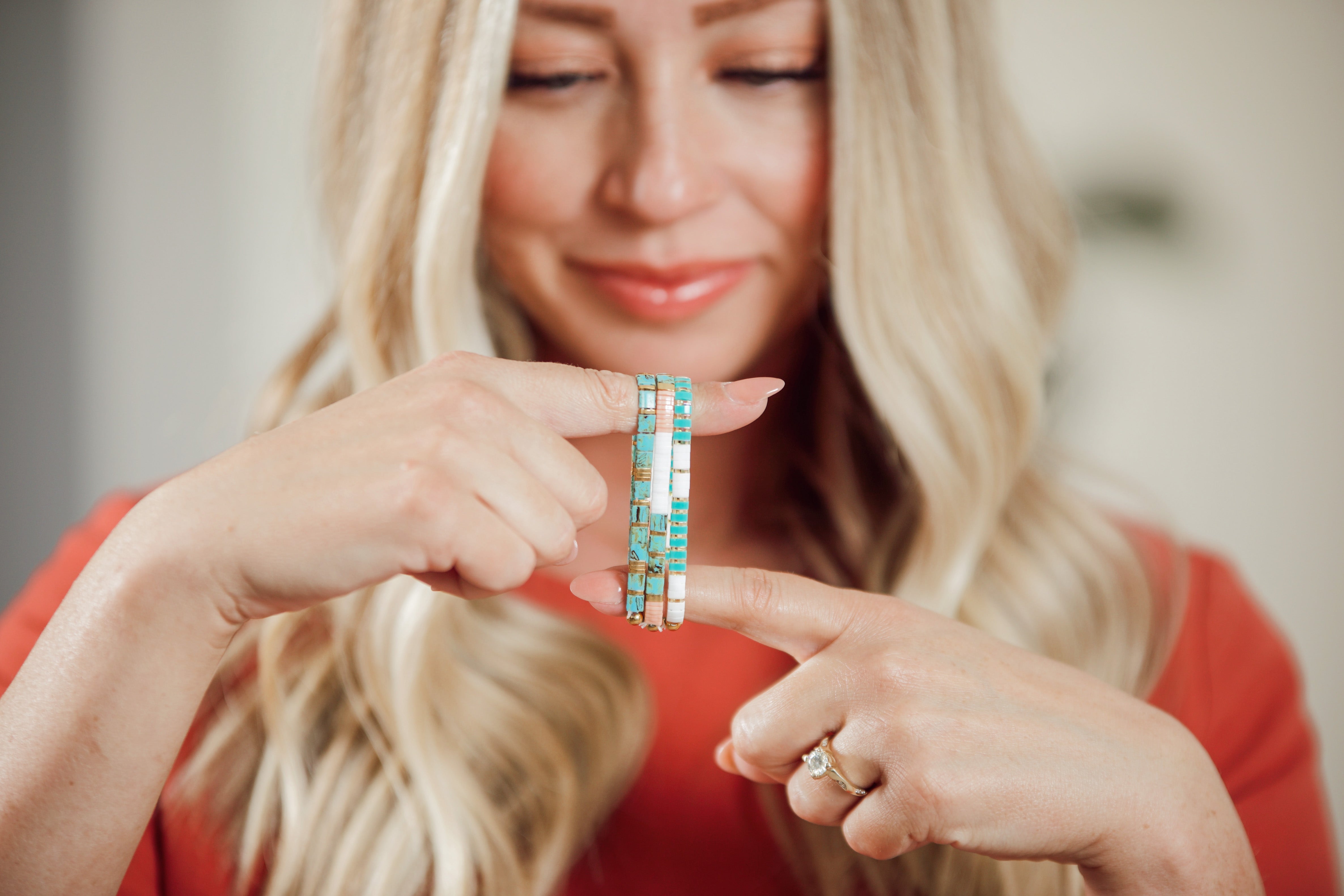
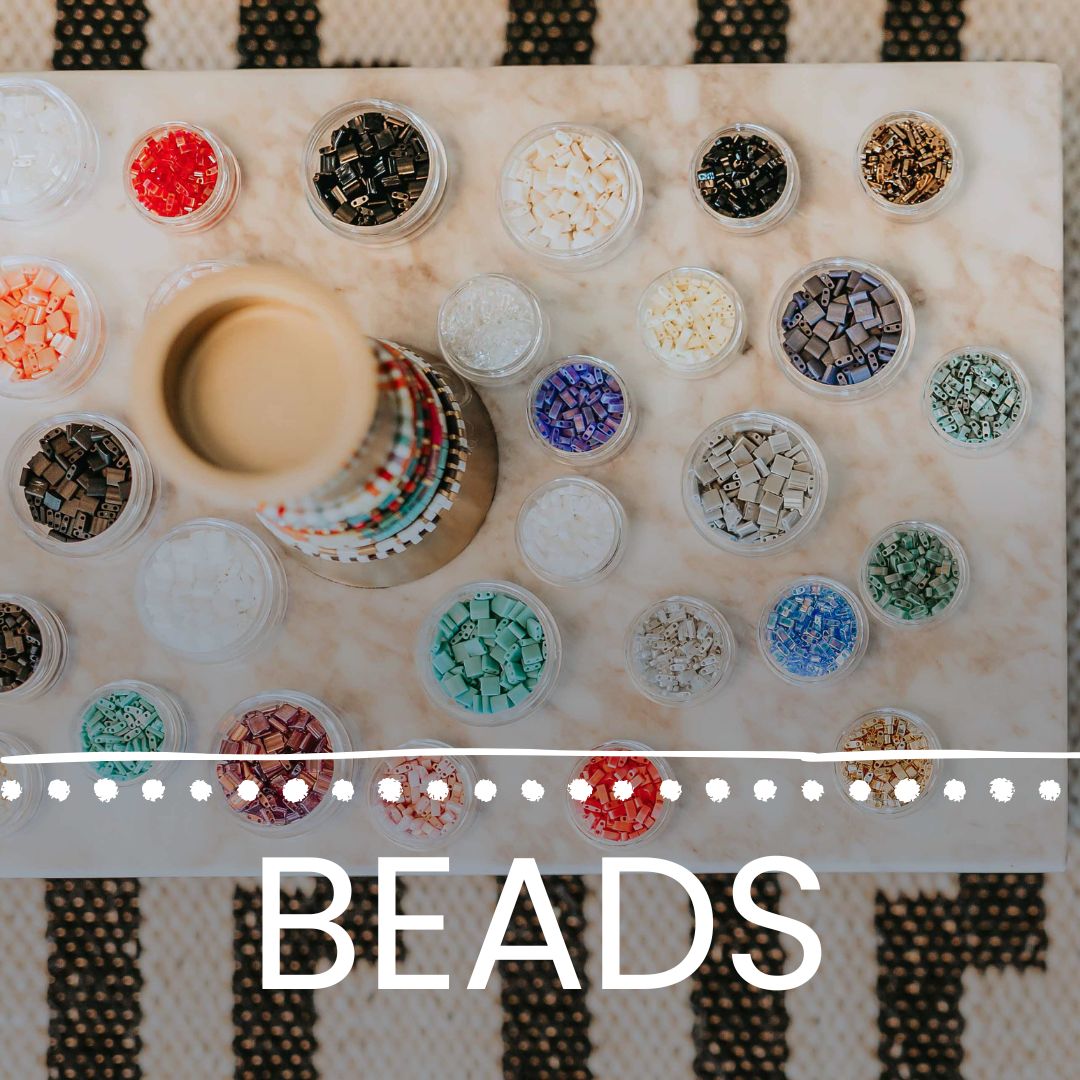
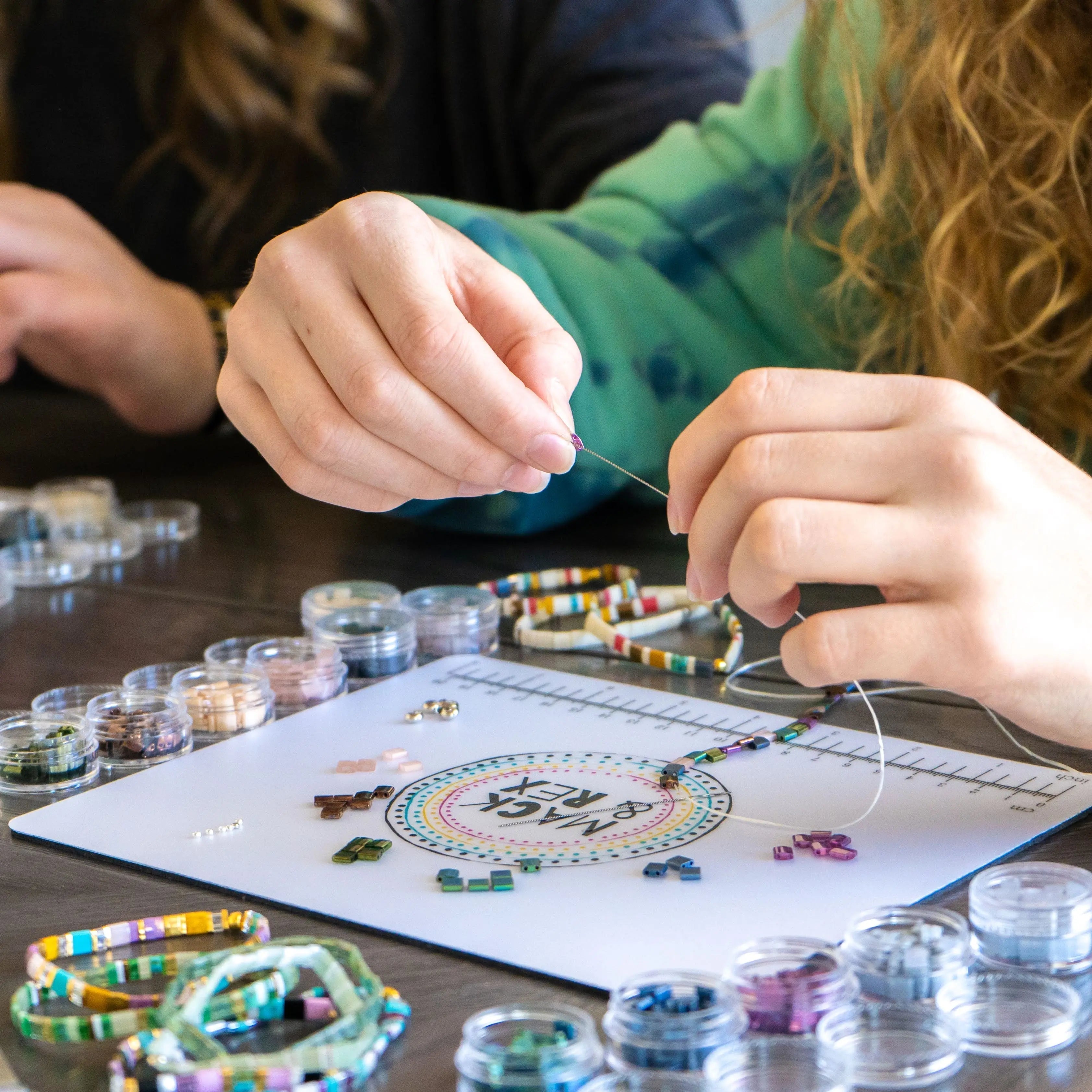
The bead type defines the entire look and feel of the project. Most quality bracelet kits use one of three bead categories: seed beads, flat tile beads, or accent beads. Mack & Rex kits are built around Miyuki Tila beads, a Japanese glass tile bead with two parallel holes. That dual-hole design locks each bead in place as you string, so the finished bracelet lies flat without bunching or rotating.
When evaluating any kit, check these bead details:
- Material: Japanese glass (like Miyuki) holds color better than plastic and has more consistent sizing bead to bead.
- Hole size: Larger holes (like the Tila's 0.8mm openings) let you double-strand elastic cord for a more secure bracelet.
- Quantity: Look at the listed gram weight or bead count against the bracelet size. A 7-inch stretch bracelet typically takes around 28 Tila beads. A kit that covers 3 bracelets should have at least 80-90 beads plus extras.
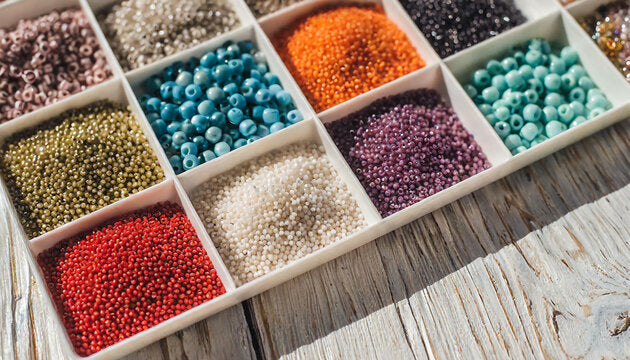
- Color variety: Themed mixes are great for stacking; single-color packs let you get precise with a design.
According to Miyuki's published bead specifications, Tila beads measure 5mm x 5mm x 1.9mm with two 0.8mm holes each, which is why they're favored for flat, structured bracelet patterns. Miyuki's product page lists full dimensional specs if you want to verify sizing before buying.
What Cord or Elastic Should a Bracelet Kit Include?
This is where kits vary a lot.
The gold standard for beginner kits is crystal-cord elastic. It's clear, stretchy, and lets the bracelet slide on and off without any clasp to fasten. You don't need a needle, you don't need crimps, and the knot tucks neatly inside a bead hole when you tie off. Mack & Rex bracelet kits use crystal-cord elastic because it's the easiest finishing method and it holds up well for everyday wear.
Nylon beading thread (like FireLine or Nymo) is the other common option. It's stronger and better for more complex weaving patterns, but it requires a needle, may need a clasp, and has more steps to finish. Most beginners don't need it for a flat Tila bracelet.
Check the listed cord diameter against the bead hole size. For Tila beads with 0.8mm holes, you want elastic in the 0.5-0.7mm range so it passes through twice. The Beadaholique beading cord guide covers how to match cord weight to bead hole size if you want a deeper reference.
What Findings and Closures Should Be in the Kit?
Findings are the small metal components that finish the bracelet. In a stretch-elastic kit, findings are minimal because you don't need a clasp. But a complete kit should still include crimp covers or bead tips so you can hide the knot cleanly.
For kits that use nylon thread or wire instead of elastic, you'll want to see:
- Lobster claw clasps or toggle clasps
- Crimp beads and a crimping tool (or at least a pair of flat-nose pliers)
- Jump rings to attach the clasp to the bracelet end
If the kit's instructions call for a specific finding and it's not in the box, that's a gap. Check the materials list before ordering.
What Tools Should Come With a Bracelet Kit?
Tools are often the first thing budget kits leave out. Here's what a complete kit includes versus what you may need to add:
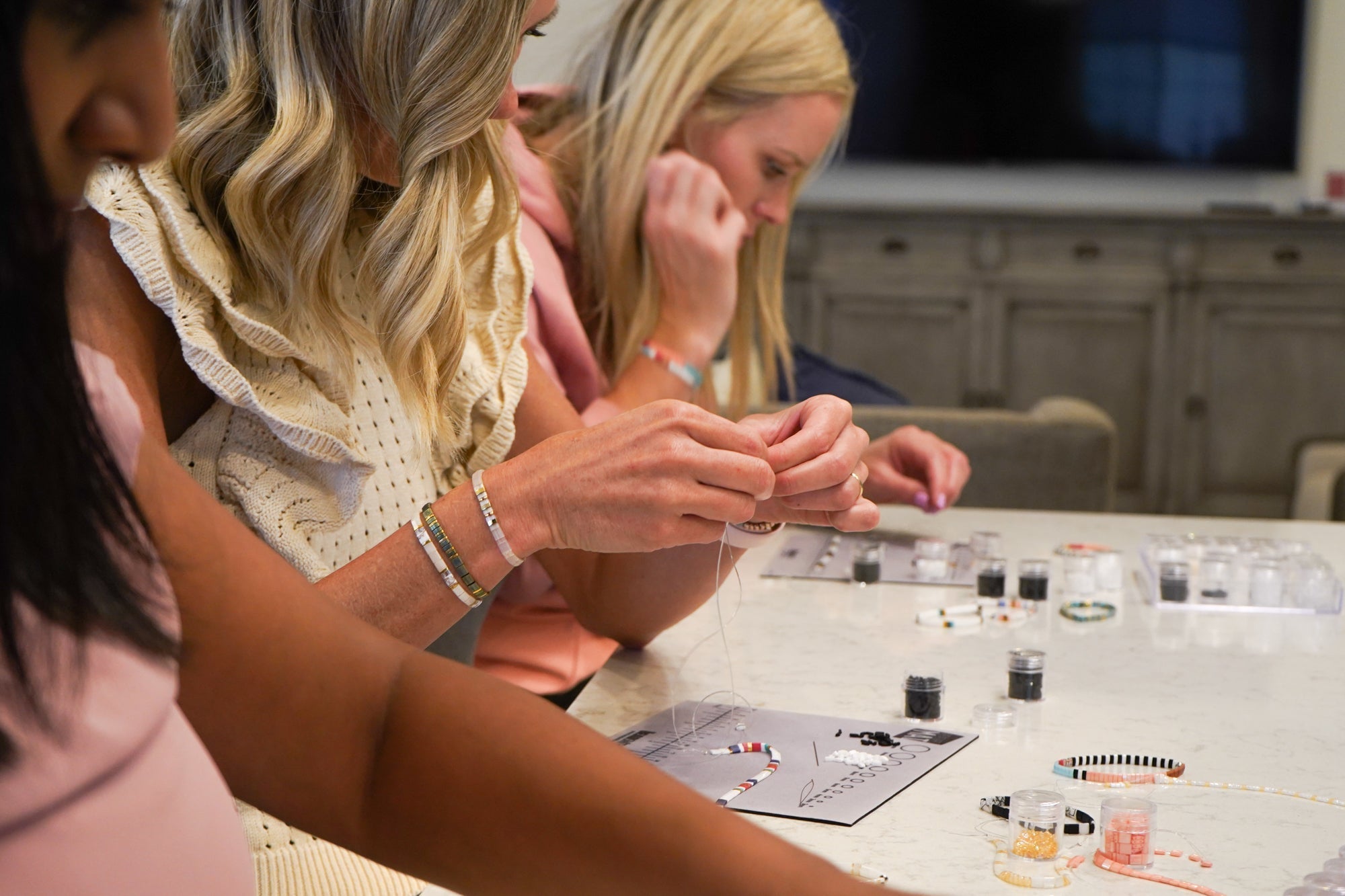
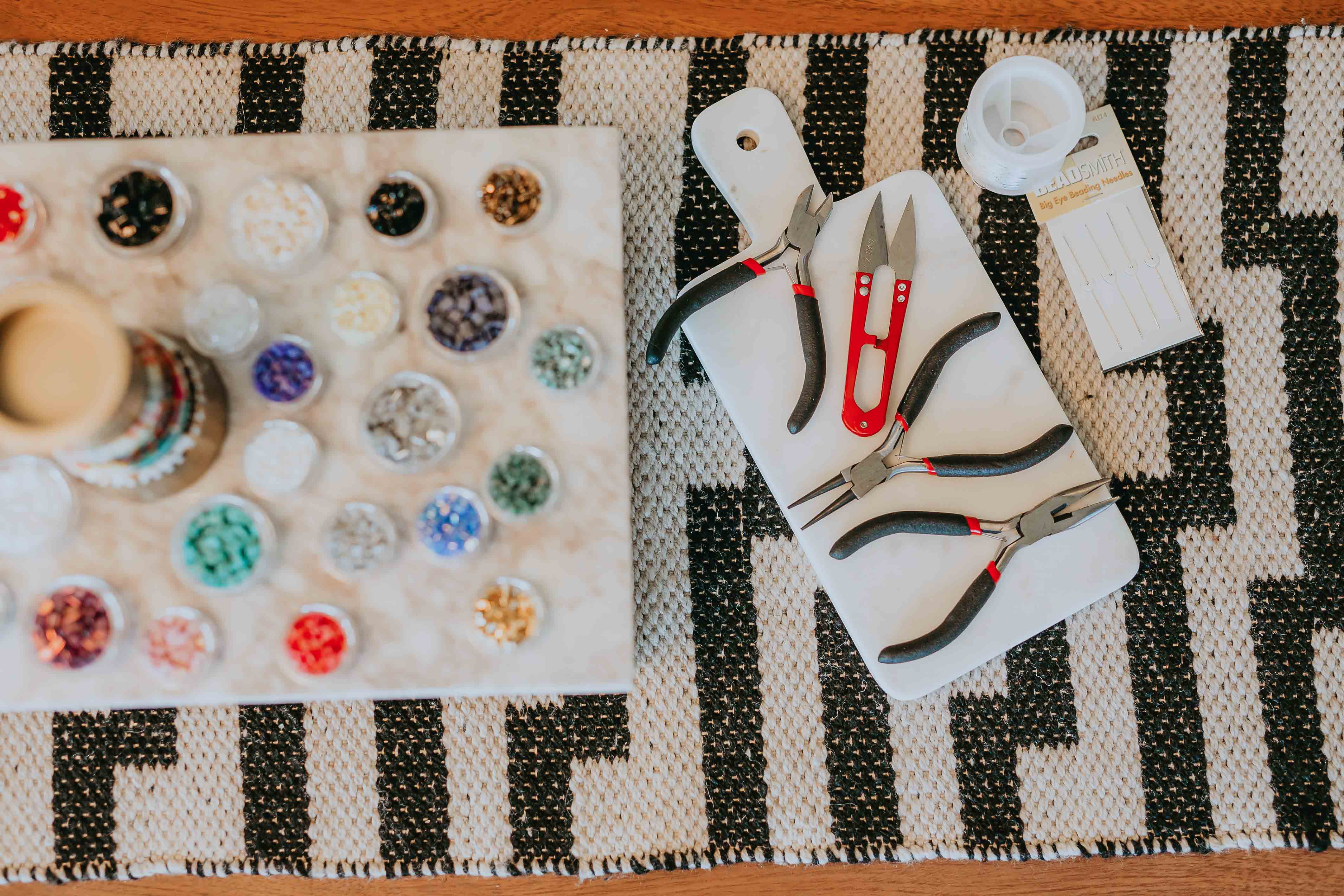
- Should include: A bead mat (keeps beads from rolling off the table), scissors or thread snips, a beading needle if the cord requires one, and a bracelet sizer or measuring tape.
- May need to add: Flat-nose pliers (for crimping or opening jump rings), a ruler, a bead tray or organizer if you're working with multiple colors.
- Nice to have: A big-eye needle for easier threading, a thread conditioner if you're using nylon thread.
The Spruce Crafts notes that a basic jewelry tool kit for beginners should include at minimum a bead mat, needle, and scissors, which matches what you'd expect from a self-contained bracelet kit. See their beginner jewelry tools guide for a full rundown.
What Instructions Should a Bracelet Kit Contain?
Clear instructions matter more than people expect.
A good kit includes written step-by-step instructions that show bead placement, stringing order, and how to tie off or finish the bracelet. Photos or diagrams are better than text alone. Some kits include a QR code linking to a video tutorial, which is especially useful for knot-tying steps that are hard to describe in writing.
Check that the instructions match the beads in the kit. A generic bracelet guide that doesn't address the specific bead type in your kit will leave you guessing on the important steps like how many beads per row, how to handle the two-hole threading pattern on Tila beads, or how to finish without a clasp.
How Do Mack & Rex Bracelet Kits Stack Up Against This Checklist?
The Mack & Rex bracelet-making kits are built to check every box on this list. The trio kit (currently $44.99) covers beads, crystal-cord elastic, and instructions specifically designed for Tila bead bracelet construction. The larger starter and ultimate kits (ranging from around $165 to $345) add more bead variety and enough supplies for significantly more bracelets.
Every kit uses Miyuki Tila beads (Japanese glass, not plastic), and the instructions are designed for the two-hole Tila stringing pattern specifically, not generic bracelet advice. That's the difference worth noting when you compare kits at similar price points.
If you're crafting with older kids or grandkids, a quick note: beads are small parts and a choking hazard, so adult supervision is a must. Mack & Rex kits are not suited for children under 3.
The "buy 3, get 1 free" deal on finished bracelets is also worth knowing if you want to pick up a few ready-to-wear pieces alongside your kit. No code needed.
What to Look for in a Bracelet Kit: Quick Checklist
Before you add a bracelet kit to your cart, run through these five checks:
- Beads included? Confirm material (glass vs. plastic), quantity, and color options.
- Cord included? Match the cord diameter to the bead hole size. Crystal-cord elastic is easiest for beginners.
- Findings included? Even stretch kits should have crimp covers or bead tips to finish cleanly.
- Tools included? At minimum: bead mat, scissors, and a needle if the cord requires one.
- Instructions specific to the kit? Step-by-step guidance for the bead type in the box, not a generic handout.
If a kit clears all five, you're set. Ready to see what's available? Browse the full Mack & Rex bracelet-making kit collection to find the right size for your next project.
Frequently Asked Questions
What comes in a bracelet kit?
A quality bracelet kit should include beads, elastic or nylon cord, a bead mat, scissors or snips, and step-by-step instructions. Better kits also include findings (clasps or crimp covers), a beading needle, and a bracelet sizer.
How many bracelets should a bracelet kit make?
It depends on the kit size. A trio kit like the Mack & Rex Trio Bracelet Making Kit is sized to make 3 bracelets. Larger starter or ultimate kits supply enough material for more. Check the bead quantity and cord length listed in the product details before you buy.
What type of cord is best in a bracelet kit?
Crystal-cord elastic is the most beginner-friendly option. It stretches on and off without clasps and hides the knot inside a bead hole. For more structured bracelets with clasps, nylon thread or FireLine paired with crimp beads is a solid choice.
Are Miyuki Tila bead kits good for beginners?
Yes. The flat, rectangular shape of Tila beads and the two consistent holes mean they line up cleanly as you string. There's far less fussing with orientation compared to round seed beads, and the uniform size keeps finished bracelets looking neat from your very first project.
Can kids use a bracelet kit?
Older kids (8 and up) can enjoy bracelet kits with adult supervision. Beads are small parts and a choking hazard. They're not suitable for children under 3. An adult should always be present during any beading project with kids.