

Are Bracelet Kits Worth It for Adults? An Honest Look
Are Bracelet Kits Worth It for Adults? An Honest Look
Short answer: a bracelet kit is worth it if you want a real hobby, control over your colors, and materials that hold up. It is not worth it if you just want a finished bracelet in your hands tonight, or if you are buying a cheap kit with beads you can't identify. The value comes down to the beads inside the box.
We get this question a lot, mostly from grown women who loved friendship bracelets as kids and are wondering if a bracelet kit is a "real" hobby or just a nostalgia purchase. Fair question. Here's the honest breakdown, including the times a kit is a bad idea.
When a Bracelet Kit Isn't Worth It
Sometimes a kit is the wrong call. If you want a bracelet on your wrist in the next ten minutes, skip the kit and buy one finished, ready to wear. If you already have a drawer full of pliers, elastic cord, and crimp beads from a past project, a kit that duplicates tools you own is paying twice for the same pliers.
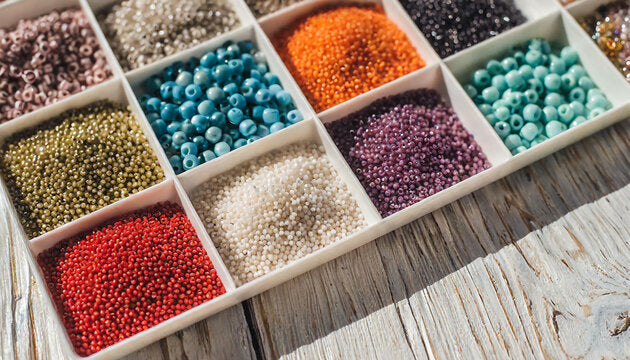
And the biggest one: cheap kits with generic "glass beads" or no brand name printed anywhere. A lot of budget kits use inconsistent, poorly-finished seed beads that chip or don't sit flush. You end up with a bracelet that looks handmade in the wrong way. If the listing can't tell you what the beads actually are, that's a signal to keep looking.
When a Bracelet Kit Is Worth It for Adults
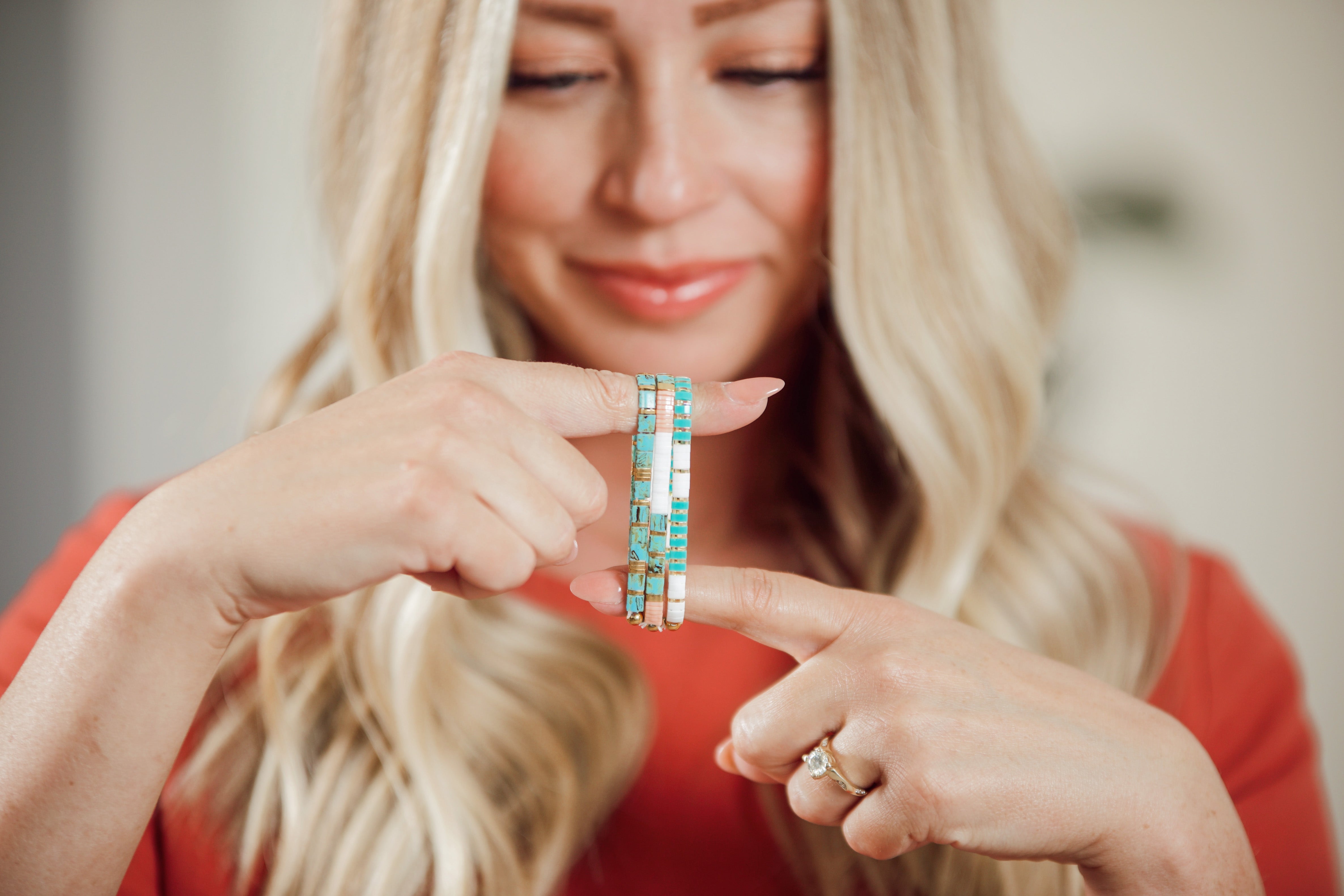
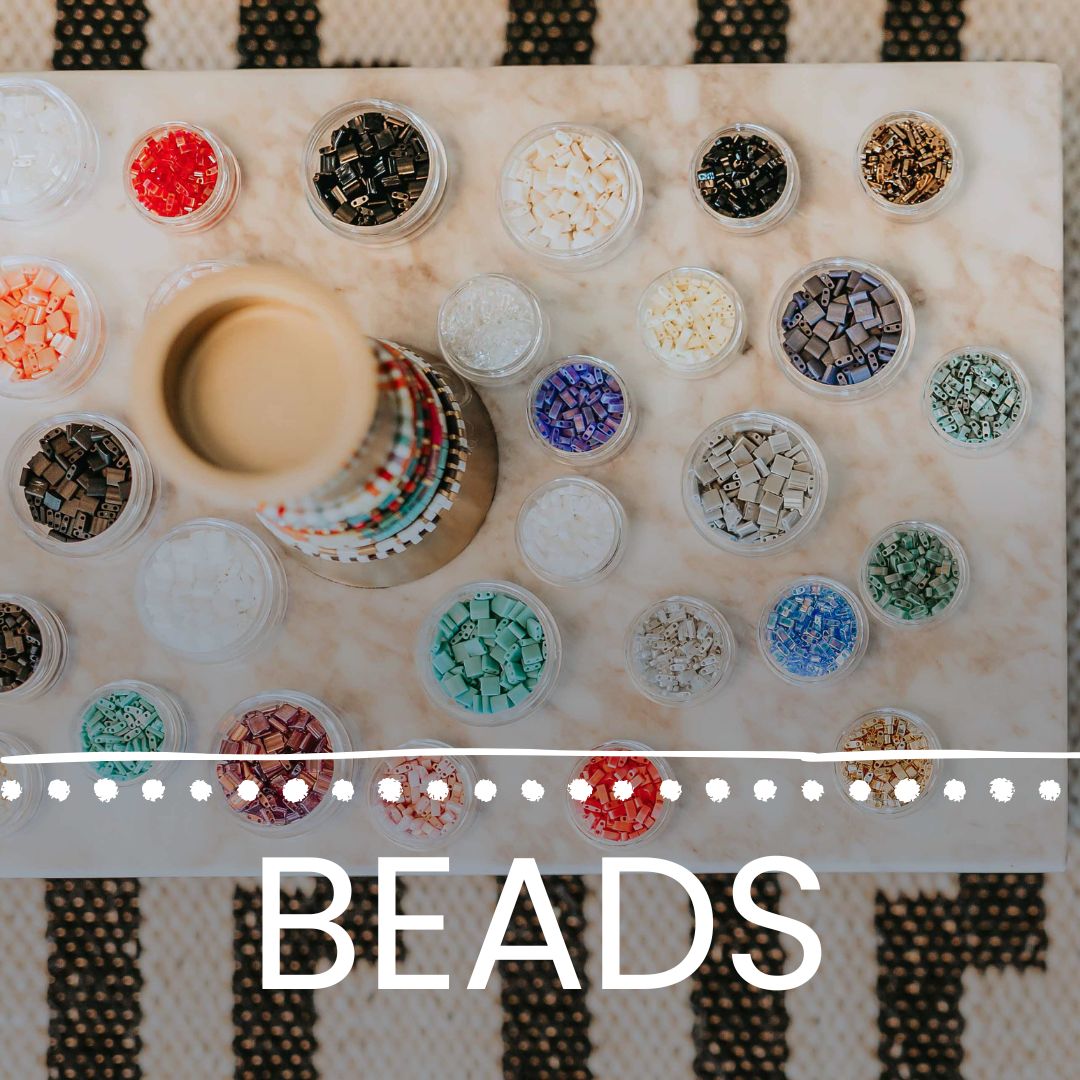
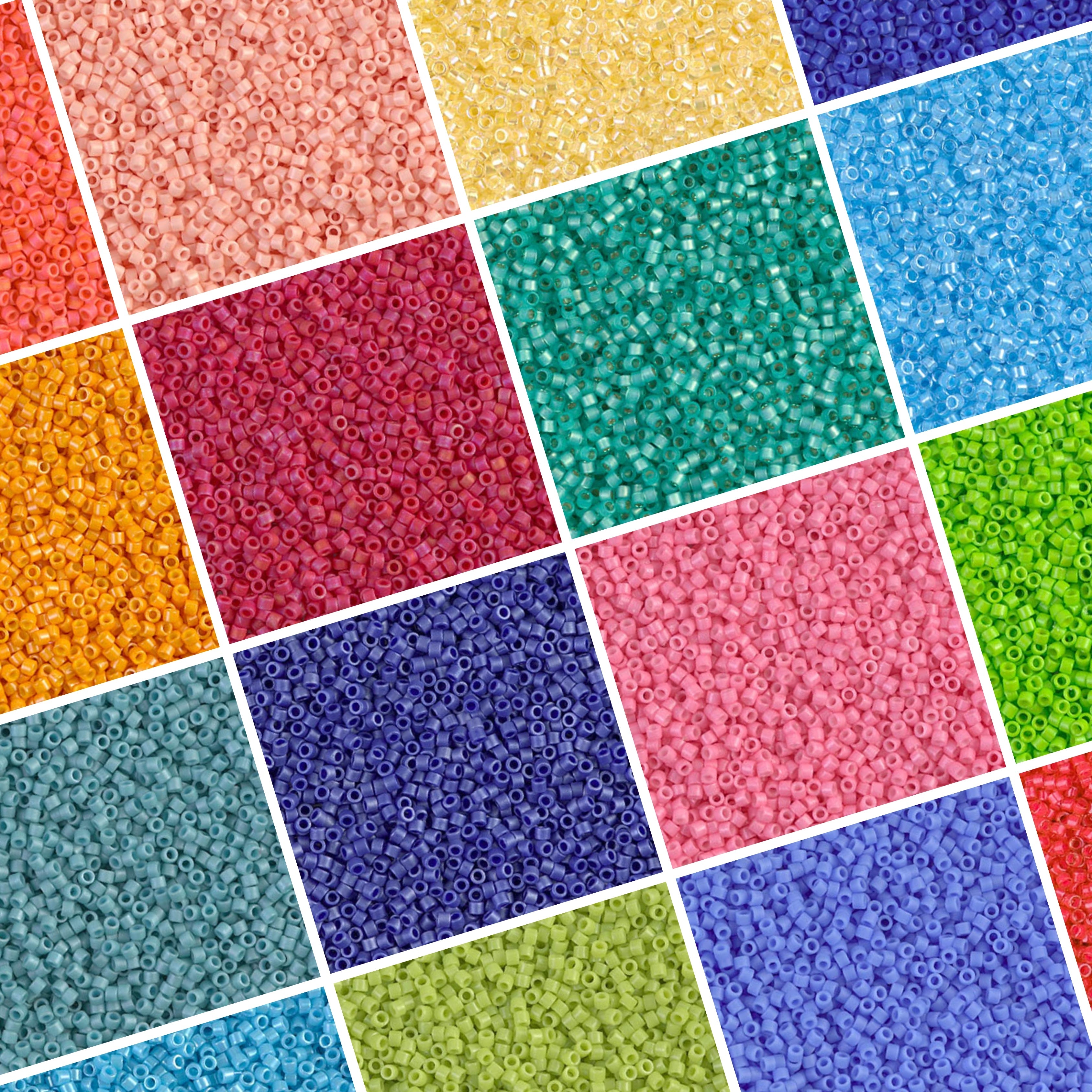
A kit earns its price when the materials are the point, not an afterthought. Genuine Miyuki Tila beads are Japanese glass beads known for uniform sizing and a flat, tile-like shape that stacks cleanly, and that consistency is why bead crafters reach for Miyuki over generic alternatives (see Wikipedia's overview of seed bead manufacturing for how bead sizing and finish quality vary by maker). Mack & Rex builds its DIY bracelet kits around genuine Miyuki beads, sourced from the brand and assembled here into color-matched kits, not made in-house. We don't manufacture the beads. We pick the palettes, pair them with real tools, and box them up so you're not guessing.
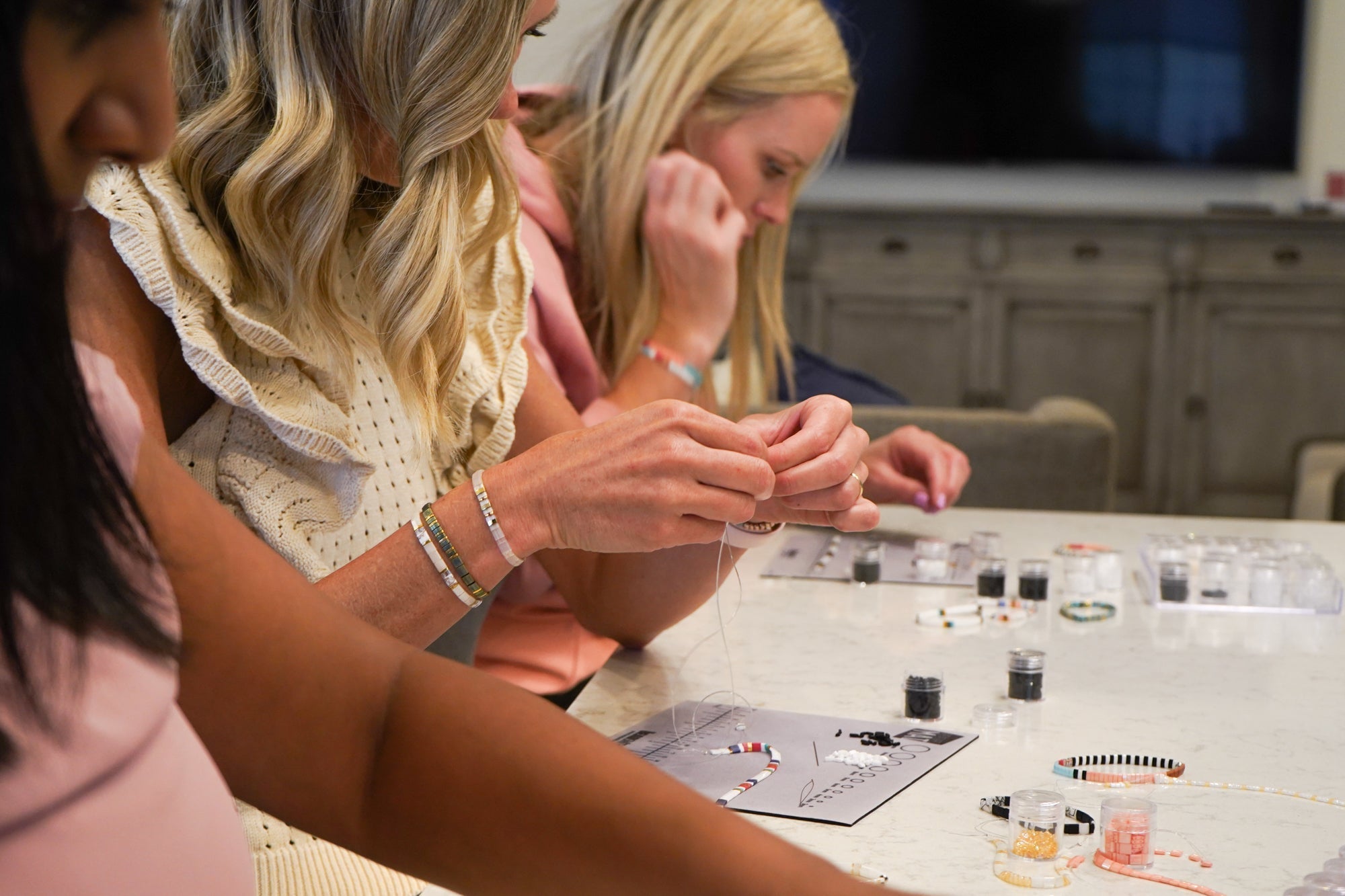
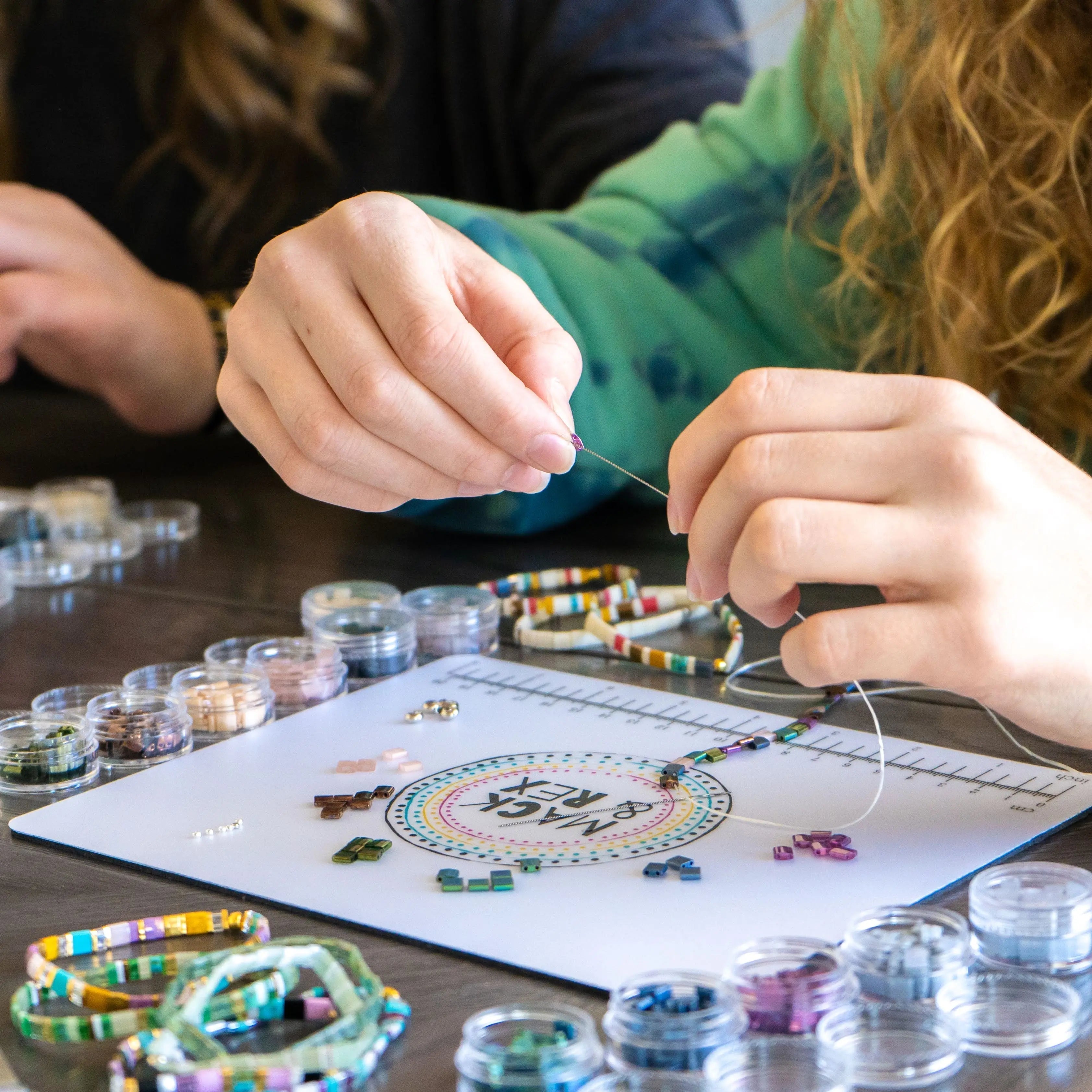
That's the actual case for a kit: you get the same crystal-cord elastic and Miyuki tile beads used in our finished bracelets, plus the process. For a lot of our customers, that process is the point. Making something with your hands, at your own table, with your daughter or your mom, is a different experience than clicking "add to cart." Both are valid. They're just different purchases.
How Much Does a Bracelet Kit Actually Cost?
Numbers help here. A single finished Mack & Rex bracelet runs about $20 to $25. Our trio bracelet kits, which make 3 bracelets, are $44.99, and the DIY Bracelet Kit Club runs $36.99 for the same 3-bracelet format. On a per-bracelet basis, that's roughly comparable to buying finished, sometimes a touch more once you count your own time, so a small kit isn't really a discount play. It's a "I want to make these myself" play.
The math shifts once you go bigger. The Tila Bead Starter Kit makes 20 bracelets for $189.99, about $9.50 each. The Ultimate Tila Bracelet Kit makes 80 bracelets for $399.99, right around $5 each. Buying 20 finished bracelets individually would run $400 or more. That's where a bracelet kit stops being a novelty and starts being genuinely the better value, especially if you're stocking up for a craft night, a bridal party favor, or gifts you'll hand out over months.
What Should Adults Look for in a Bracelet Kit?
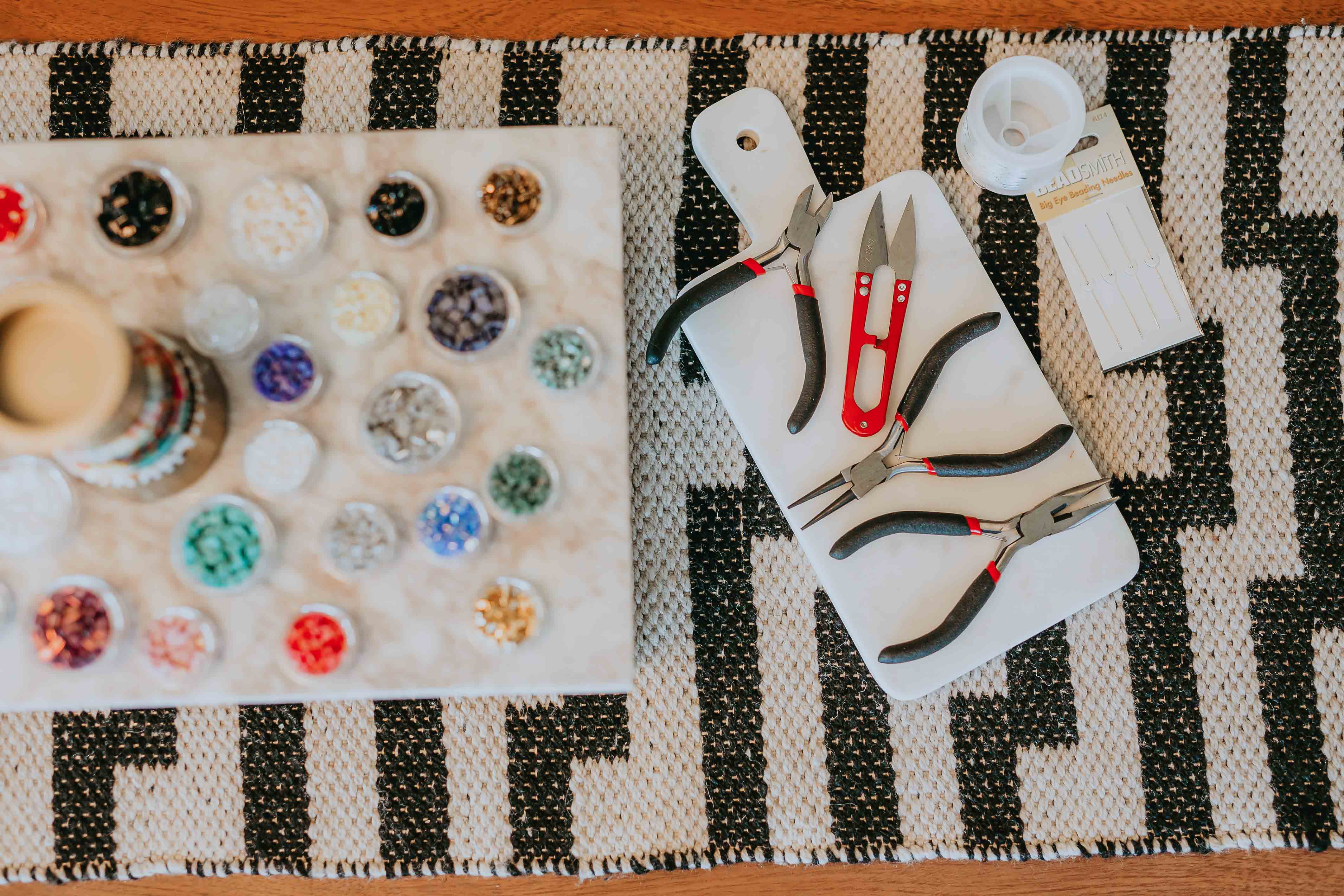
Three things matter more than the marketing photos. First, named, sourced beads (Miyuki Tila or an equivalent Japanese glass bead, not "premium glass beads" with no origin). Second, real tools included: locking beading needles, actual pliers and side cutters, crimp beads, and knot covers, so you're not sending someone out to a craft store mid-project. Third, an included tutorial, because even a well-stocked kit is a bad purchase if you can't figure out the knot. Mack & Rex kits ship with a free online tutorial for exactly that reason.
A Note on Crafting With Kids
If you're picking a kit to use with grandkids or younger family members, a quick safety note: Tila and seed beads are small parts and a choking hazard, so kits like these are built for supervised adult and older-child crafting, not for very young children to handle unsupervised. Keep beads away from toddlers and stay in the room while little hands are threading.
So, Worth It or Not?
If you want speed, buy finished. If you want the process, real Japanese glass beads, and a cost per bracelet that gets genuinely good at scale, a bracelet kit is worth it, particularly one built around named, sourced materials instead of mystery beads. Mack & Rex's bracelet-making kits are one place to start if you want to see what a curated kit looks like before you commit. Craftsy's beading classes are also a solid resource on the general tools worth owning if you plan to keep making bracelets past the first kit.
Frequently Asked Questions
Are bracelet kits cheaper than buying finished bracelets?
Not always, and not right away. A small trio kit costs about the same per bracelet as buying finished. Larger kits, like the one that makes 20 or 80 bracelets, cost significantly less per bracelet than buying that many finished pieces individually.
Do I need experience to use a bracelet kit?
No. Mack & Rex kits include a free online tutorial and the actual tools (locking needles, pliers, crimp beads) so a first-timer can follow along step by step. It's a fragment-worthy fact, honestly: no prior beading experience required.
What beads are in a Mack & Rex bracelet kit?
Genuine Miyuki Tila beads, Japanese glass beads sourced from Miyuki and assembled here into color-coordinated kits. Mack & Rex resells and curates them; the beads themselves are made by Miyuki.
How many bracelets does one kit make?
It depends on the kit. Trio kits and the DIY Bracelet Kit Club make 3 bracelets. The Tila Bead Starter Kit makes 20. The Ultimate Tila Bracelet Kit makes 80.
Can adults use a bracelet kit for a craft night or group activity?
Yes, that's one of the strongest uses for a bracelet kit. The larger kits bring the per-bracelet cost down enough to make sense for a group, and each kit includes shared tools plus a tutorial so multiple people can work from one box.