

Is a Bracelet Making Kit a Good Screen-Free Hobby for Adults?
Is a Bracelet Making Kit a Good Screen-Free Hobby for Adults?
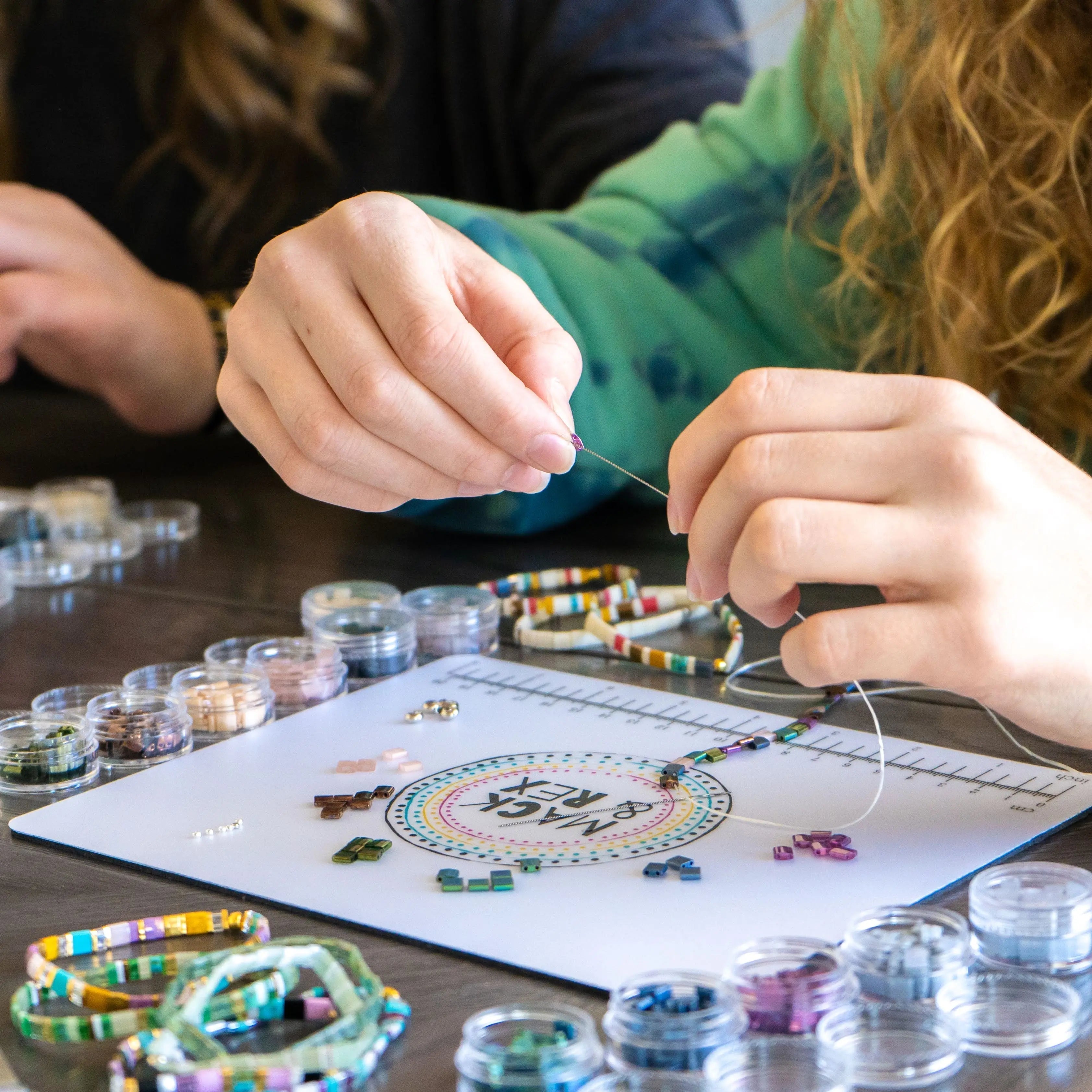
Yes. A bracelet making kit for adults gives you a hands-on, screen-free hobby you can pick up for a single evening or stick with for months, and it needs almost no setup. You open the box, sit down at the table, and start stringing beads. No app, no account, no tutorial video required once you've made your first one.
That low barrier to entry is the whole appeal. Crafting has always drawn people who want something to do with their hands that isn't a phone. Bracelet making just happens to be one of the fastest ways in: cheap materials, a short learning curve, and a finished object you can wear the same day.
Why Does Hands-On Crafting Appeal as a Screen-Free Hobby?
Hands-on crafting appeals because it gives adults a low-screen way to spend downtime that still produces something tangible. A bracelet, unlike a scrolled feed, is a physical result you can point to at the end of an hour.
Hobbies in general have been part of how people spend leisure time for centuries, and Wikipedia's overview of hobbies notes that regular, low-stakes engagement in an activity is a defining feature of what makes something a hobby rather than a chore. Bracelet making fits that description well. You are not racing a clock or chasing a score. You are threading beads onto elastic, watching a pattern build row by row, and stopping whenever you feel like stopping.
It also fills a specific gap for adults who grew up crafting as kids and drifted away from it. Beading does not need a studio, a kiln, or a dedicated room. A kitchen table and good light are enough.
What's Included in a Starter Bracelet Making Kit?
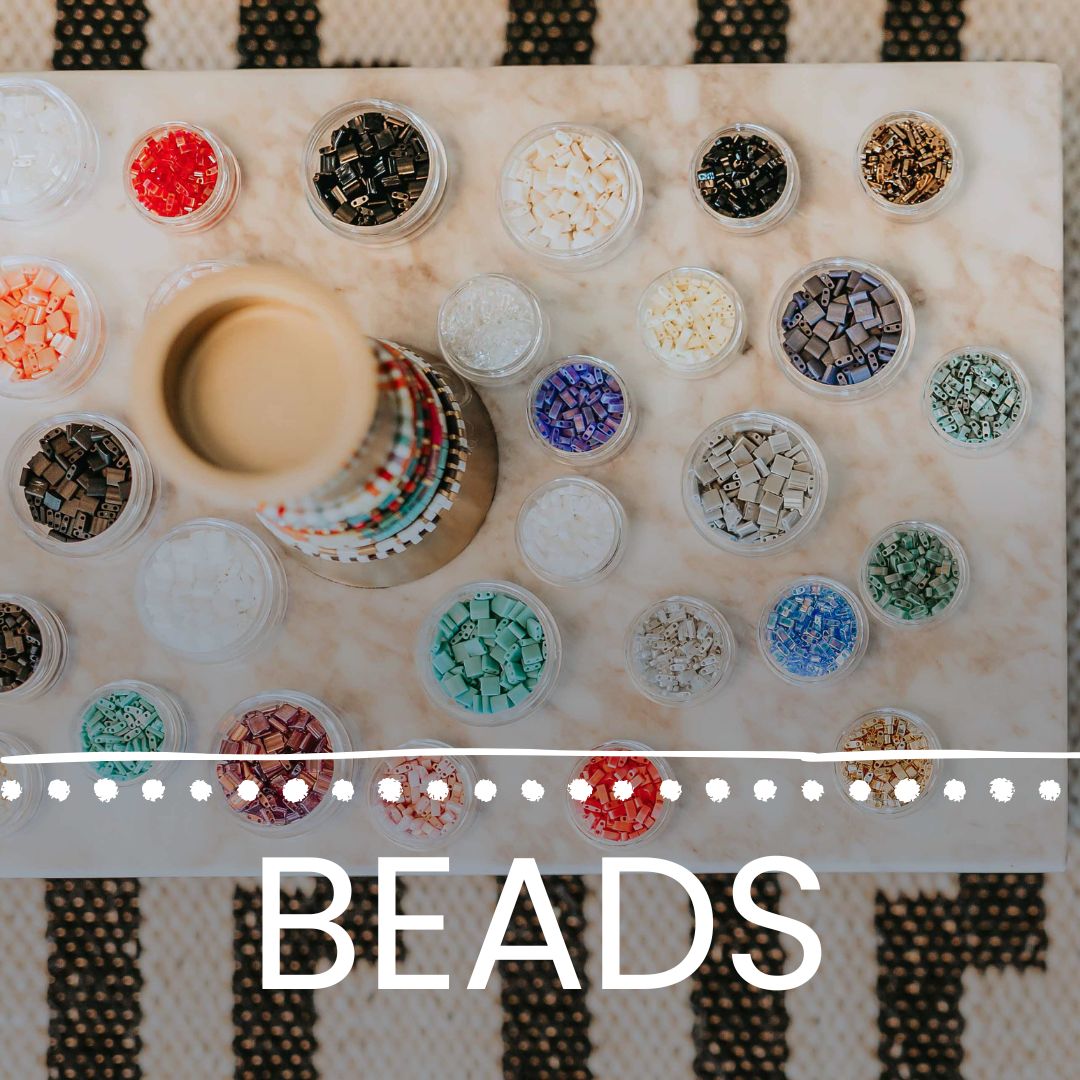
A starter bracelet making kit for adults typically includes beads, stretch cord or elastic, and instructions, sometimes with a needle or bead spinner tool. The exact mix depends on the kit, but those four pieces cover what you need to finish your first bracelet without a supply run.
Beads
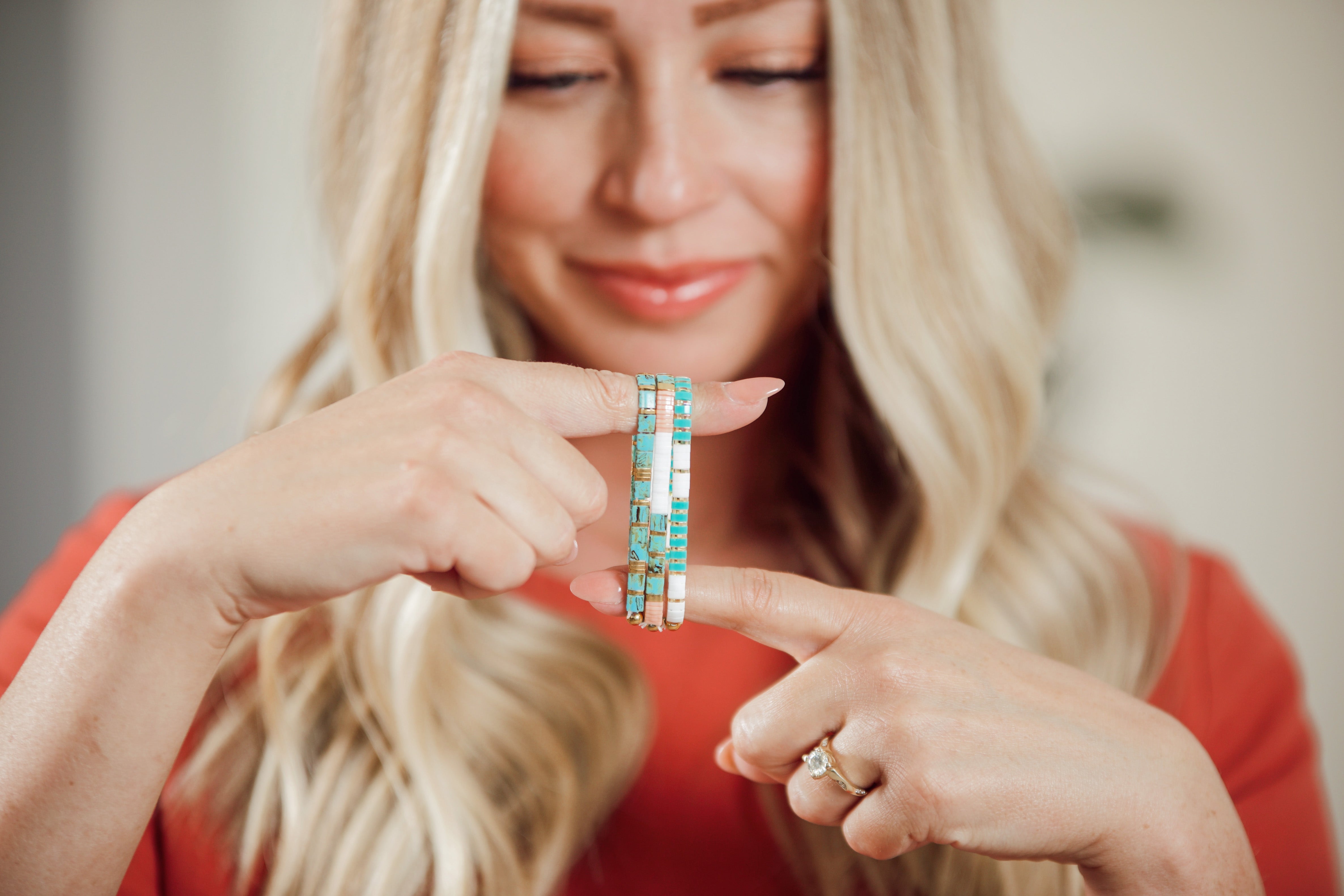
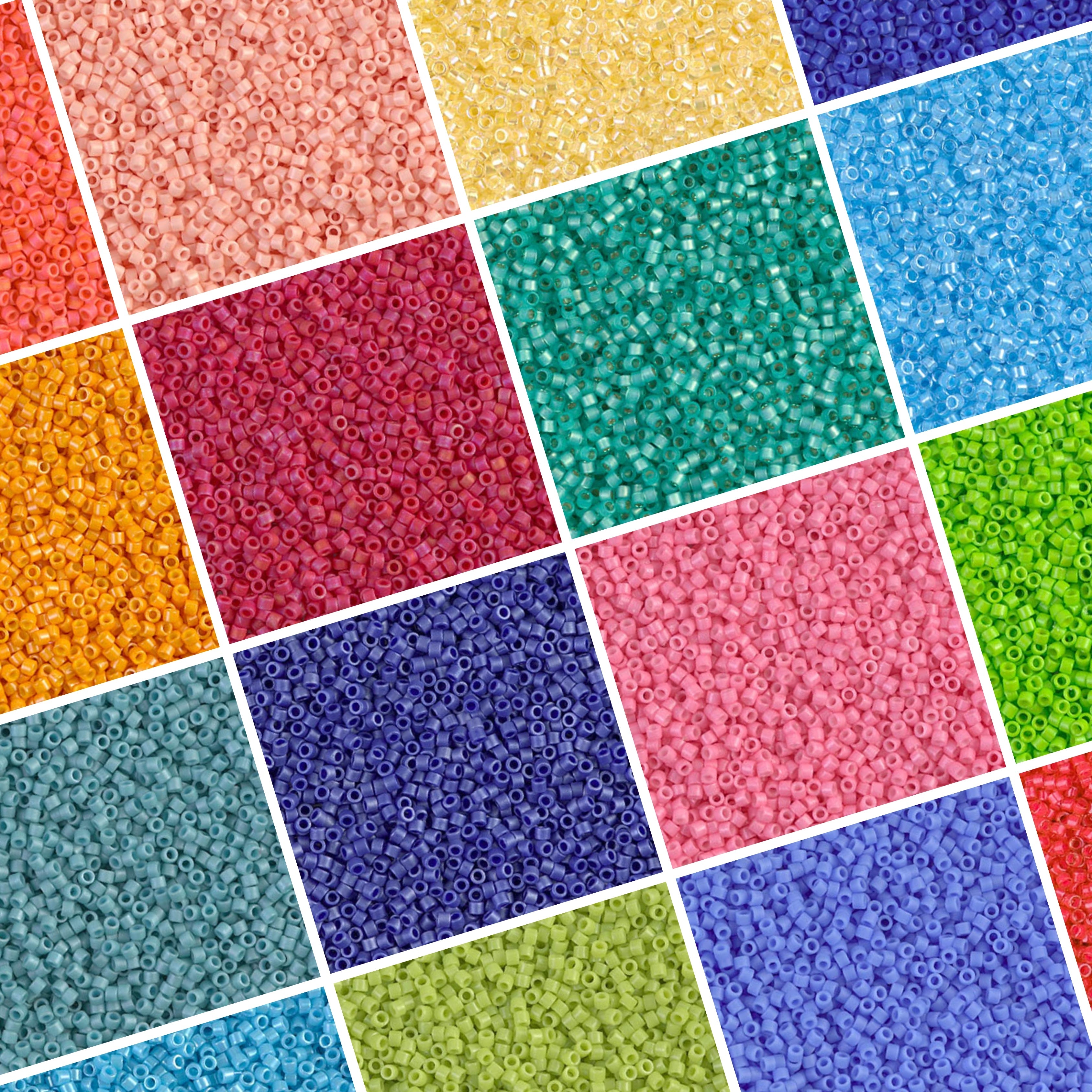
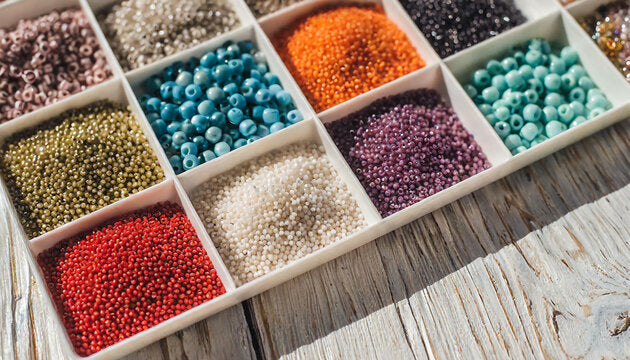
Quantity and material both matter here. Look for a kit that gives you enough beads for more than one bracelet, so a mistake on your first attempt does not end the hobby before it starts. Glass beads, like Miyuki Tila beads (a two-hole, flat-sided glass bead made in Japan and sold by third-party retailers including Mack & Rex), hold their color and shape better than plastic pony beads and give a more polished, adult-appropriate finish.
Cord or Elastic
Crystal-cord elastic is the standard choice for stretch bracelets because it skips the clasp entirely. You string the beads, tie a knot, and the bracelet slips on and off. Wire and nylon thread are options too, but they usually mean crimp beads and a clasp, which adds steps a beginner doesn't need right away.
Tools and Instructions
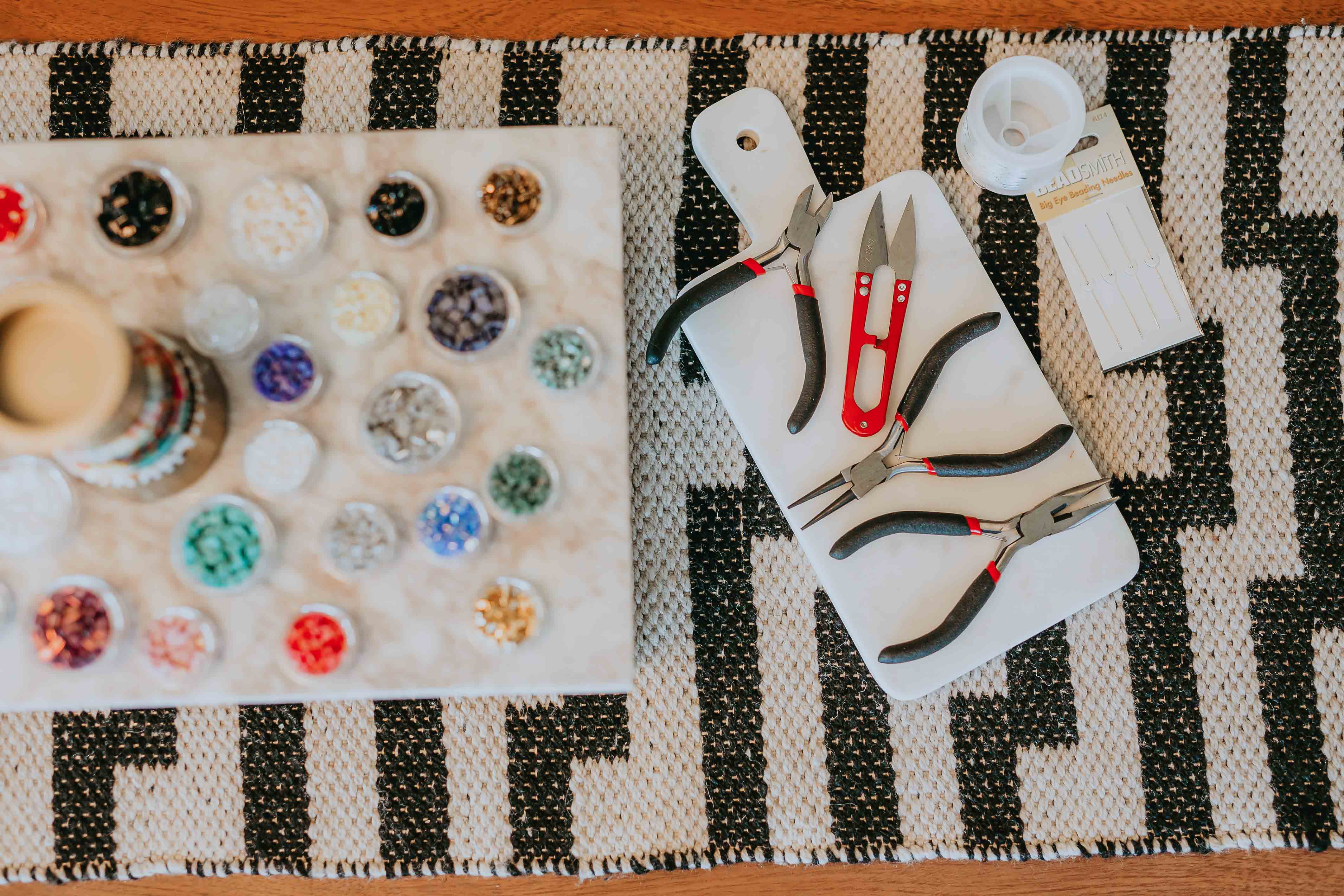
A basic kit needs almost no tools beyond a needle for threading small holes and something to trim the cord. Instructions should show at least one pattern and explain how to size the bracelet to your wrist. Mack & Rex's All-in-One kits bundle the tools and supplies together, which is worth considering if you don't already own a beading needle or scissors made for the job.
How Much Does It Cost to Try Bracelet Making as a Hobby?
Trying bracelet making costs somewhere between $37 and $45 for a first kit that makes multiple bracelets, which is on par with or cheaper than most starter kits for other creative hobbies. A Mack & Rex Trio kit runs $44.99 and makes three coordinated bracelets. The DIY Bracelet Kit Club option is $36.99 for a similar three-bracelet build. An All-in-One tools and supplies kit runs $39.99 to $43.99 if you want the hardware included.
If you get hooked and want to go bigger, the Tila Bead Starter Kit at $189.99 makes about 20 bracelets, and the Ultimate Tila Bracelet Kit at $399.99 makes around 80. Neither is necessary for a first try. Start with a trio kit and see if the hobby sticks before scaling up.
A quick note on shipping: free shipping applies to US orders over $100, so a single $44.99 trio kit will not clear that threshold on its own. Shipping and any customs or duties on international orders are calculated at checkout. If you're eyeing ready-to-wear bracelets alongside a kit, the buy-3-get-1-free offer applies to finished bracelets only, not to kits or loose beads.
How Does It Compare to Other Low-Cost Creative Hobbies?
Bracelet making sits near the cheap, fast-payoff end of the hobby spectrum, alongside things like adult coloring books and simple knitting projects, but it produces a wearable result in a single sitting rather than requiring weeks of practice.
Knitting and crochet have a real learning curve before you produce anything you'd actually use, and beginner mistakes are usually visible in the finished piece. Painting and drawing need more space and cleanup. Journaling and adult coloring are genuinely screen-free and low-cost, but they don't leave you with something to wear or give away. Bracelet making splits the difference: a short learning curve, a finished object within an hour or two, and a starter cost under $50.
wikiHow's guide to choosing a hobby points out that hobbies which combine a quick first success with room to get more skilled tend to hold people's interest longer than ones that are either too easy or too hard right out of the gate. Bracelet making is easy to start and has real room to grow into more complex patterns and bead types once you're comfortable with the basics.
Is Bracelet Making a Good "Make It Together" Family Hobby?
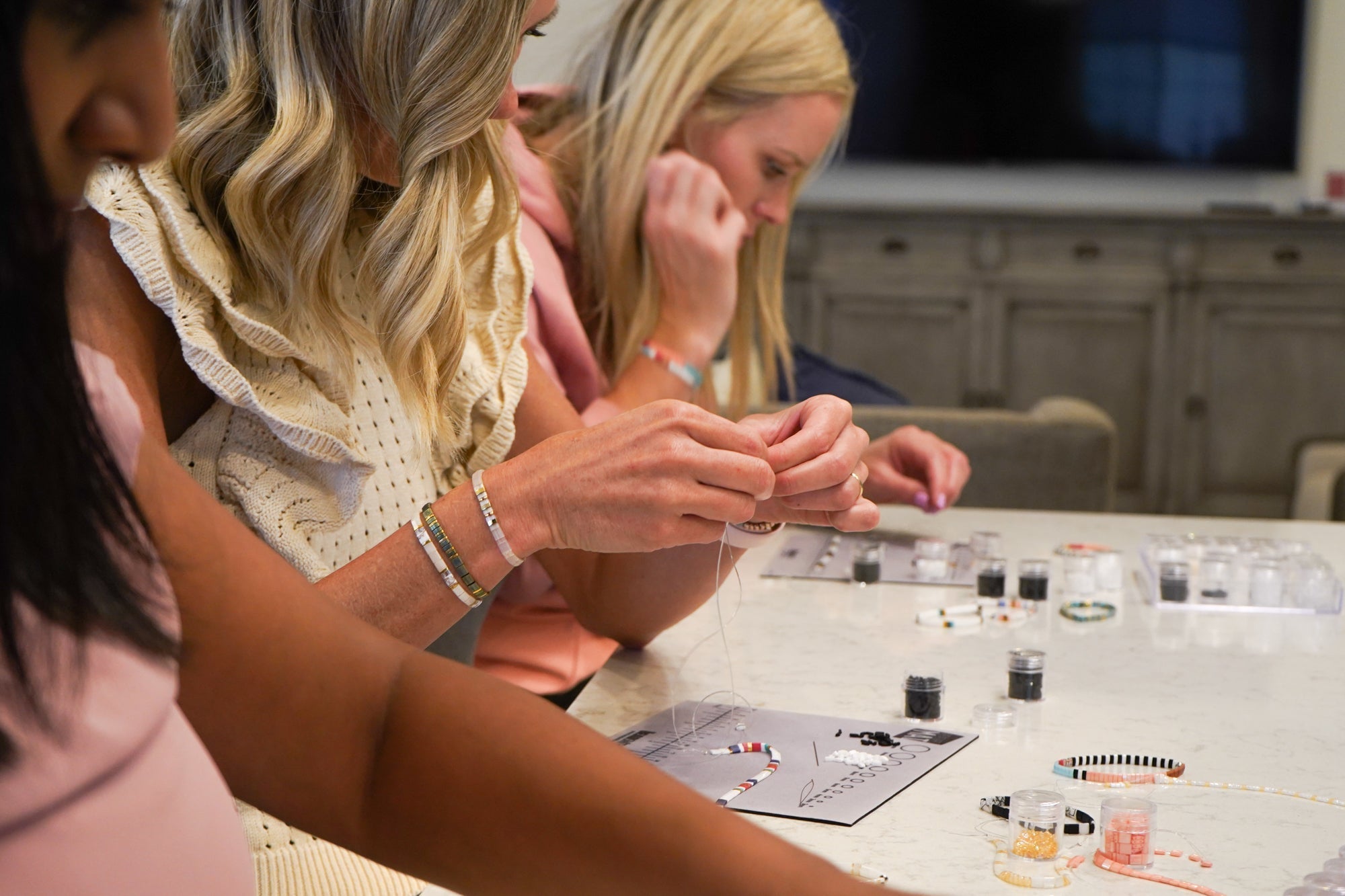
Bracelet making works well as a shared activity for adults and kids at the same table, since the process is simple enough to teach in a few minutes but flexible enough that everyone ends up with a different bracelet. It's a low-lift way to spend an hour together without a screen in sight.
Beadwork itself has a long history as a shared, teachable craft. Wikipedia's entry on beadwork traces bead decoration back thousands of years across cultures, often passed down and made in groups rather than alone. A weekend bracelet-making session with grandkids taps into that same pattern: one table, a shared pile of beads, everyone building their own thing at their own pace.
One caution worth repeating: small beads are a choking hazard. Adult supervision is required any time young children are handling loose beads, and kits like these are built for adults and older kids working alongside a grown-up, not for unsupervised use by toddlers or very young children.
Ready to Try It?
If a screen-free hobby with a real payoff in under an hour sounds appealing, a bracelet making kit for adults is a low-cost way to find out if beading is for you. Mack & Rex builds their kits around genuine Miyuki Tila glass beads with crystal-cord elastic and clear instructions, so a first try actually looks finished. Browse the bracelet making kits collection here and pick a trio kit, an all-in-one set, or a bigger bead pack if you already know you're in for the long haul.
Frequently Asked Questions
Is a bracelet making kit for adults actually different from a kids' craft kit?
Yes. Adult-focused kits typically use glass beads like Miyuki Tila beads instead of plastic pony beads, which gives a more polished, wearable result. Kids' kits are usually built around bigger, simpler beads meant for younger hands and shorter attention spans.
Do I need any special tools to start?
Not really. A beading needle and something to trim the cord cover most starter projects. All-in-One kits bundle these tools with the beads and elastic if you don't already have them on hand.
How long does it take to make one bracelet?
Most beginners finish a simple bracelet in 30 to 60 minutes, depending on the pattern and bead count. That short a timeline is part of why it works as a quick, screen-free break rather than a big weekend project.
Is bracelet making a good hobby to do with kids?
It can be, with supervision. Small beads are a choking hazard, so an adult needs to be present any time young children are handling loose beads. Older kids and adults working side by side at the same table is a good fit for the hobby.