

The Complete Bracelet Making Supplies Checklist for Beginners
What Supplies Do You Actually Need to Make a Beaded Bracelet?
A beginner needs seven things: beads, stretch elastic cord, a bead mat or tray, small scissors, a big eye needle, jewelry glue, and a soft measuring tape. Four of those (beads, cord, scissors, and something to catch your beads) are non-negotiable; the needle, glue, and measuring tape are strongly recommended but technically optional for your very first attempt.
Here's the thing about bracelet making supplies: most of the list is cheap, small, and easy to lose in a junk drawer. That's exactly why so many first-time crafters give up before they finish one bracelet, not because the technique is hard, but because they're missing a $3 tool mid-project. This checklist walks through every item, marks what's essential versus nice-to-have, and shows where a bundled kit saves you the shopping trip entirely.
Which Beads Should a Beginner Start With?
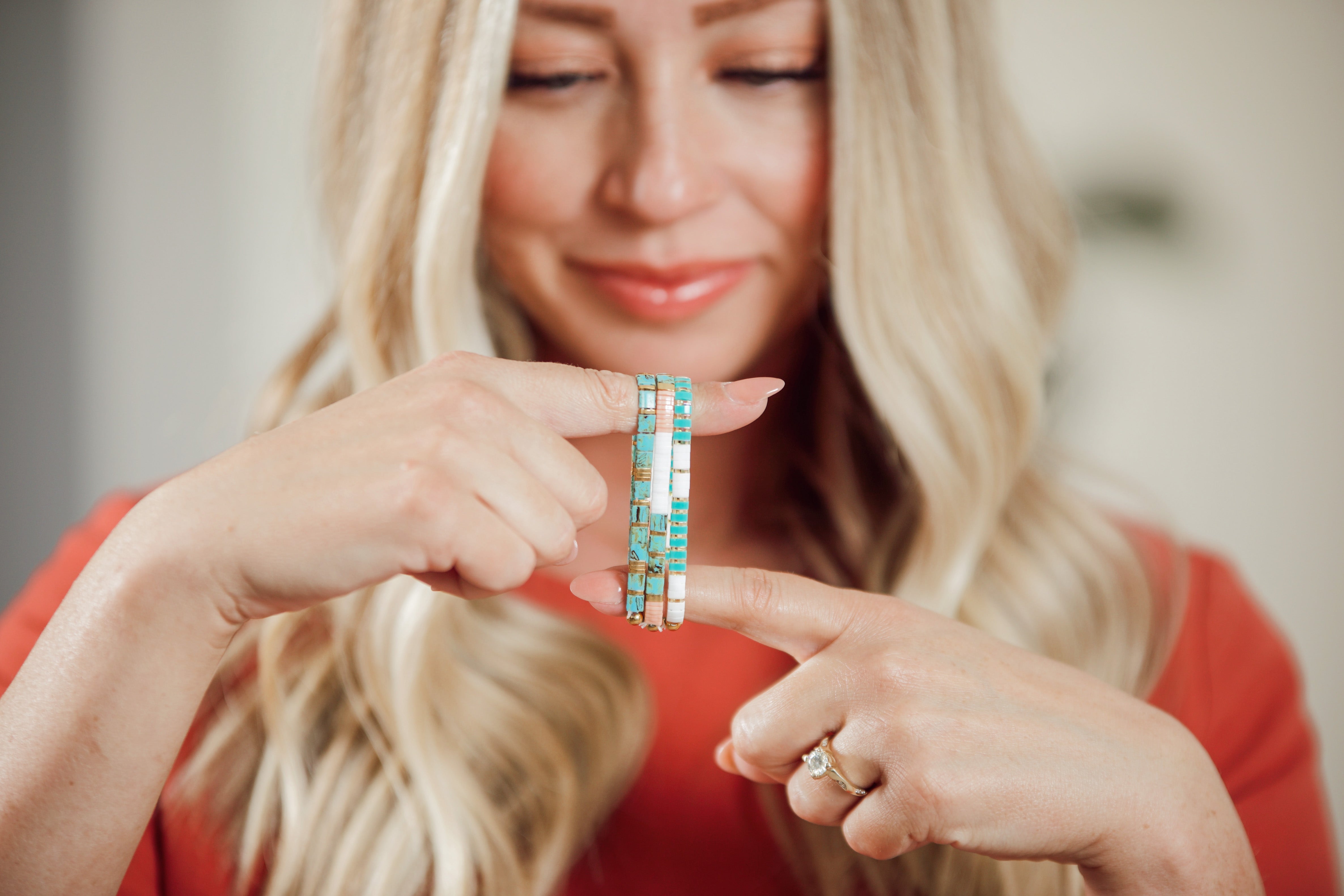
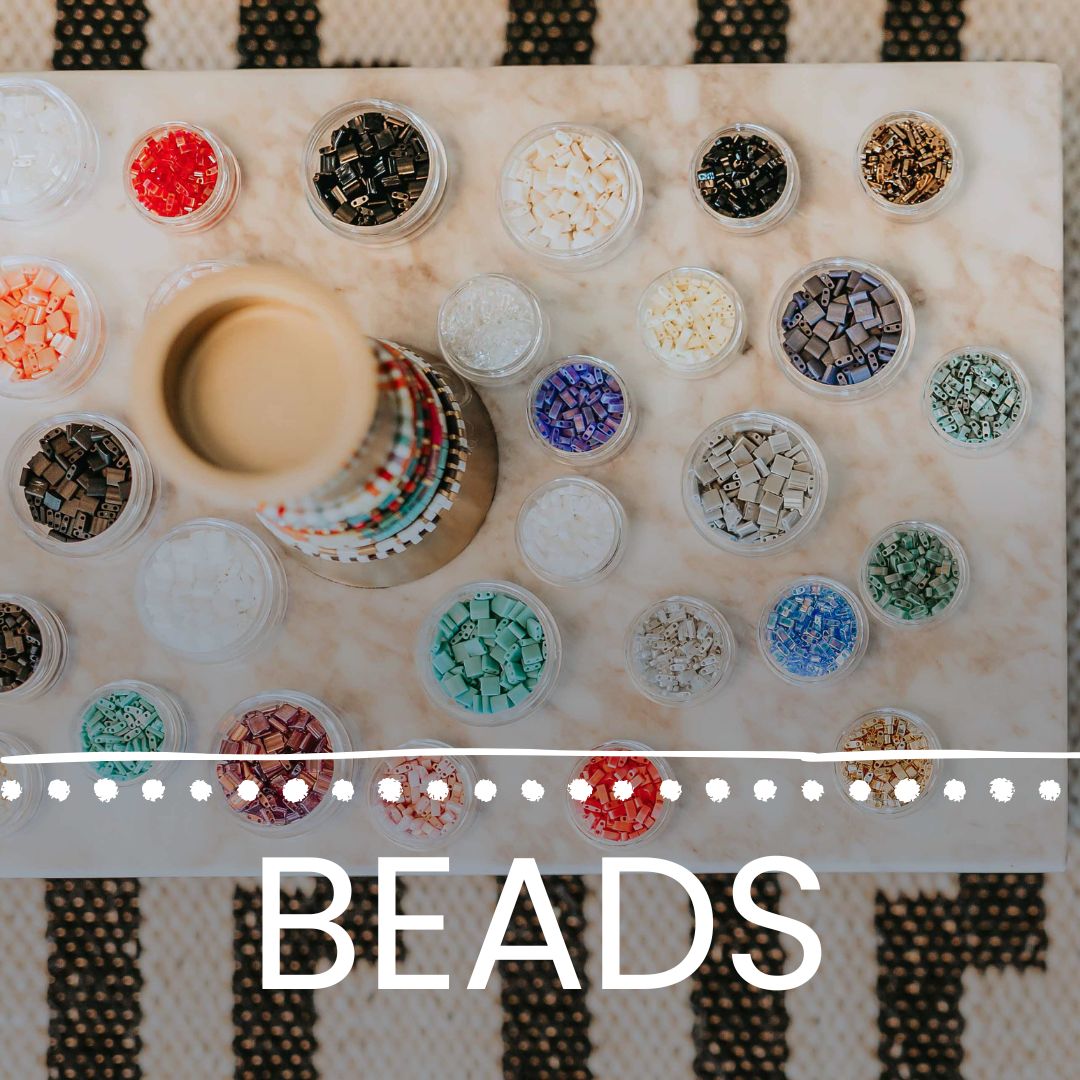
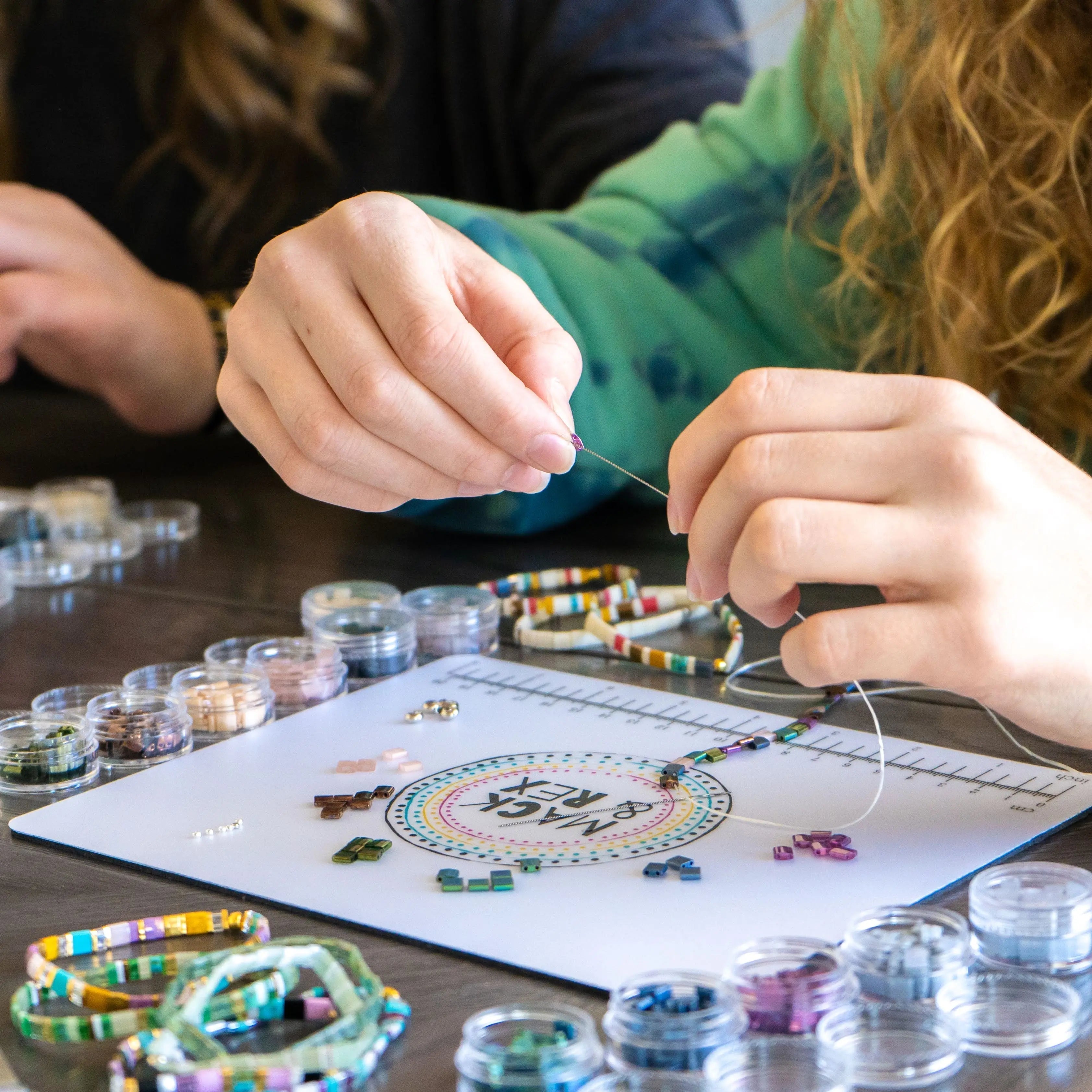
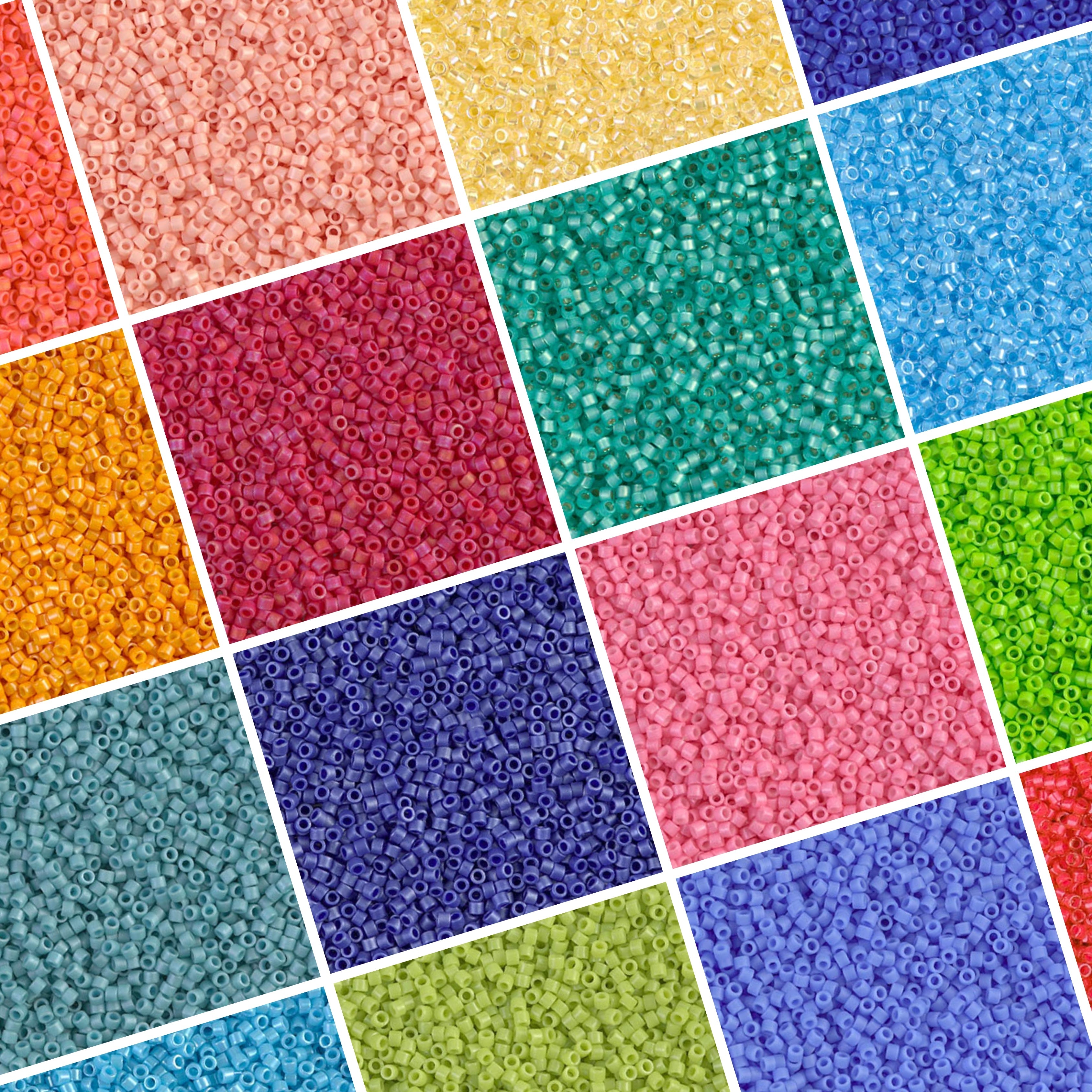
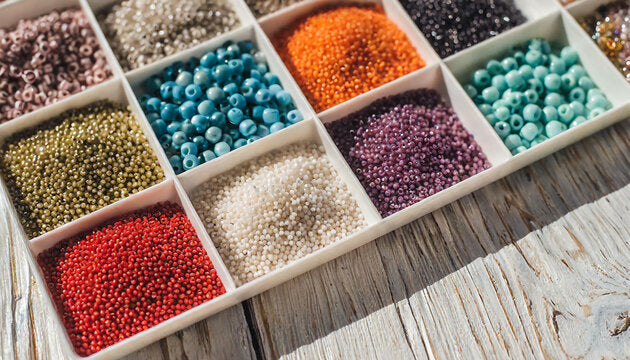
Hole size matters most for beginners. Start with beads that have a hole big enough to forgive a slightly shaky hand. Miyuki Tila beads, flat two-hole glass squares, are a popular beginner choice because their holes are wide and the flat shape makes patterns easy to plan out on a tray before you string anything. Round seed beads work too, but smaller sizes (11/0 and under) take more patience.
A themed bead mix is the easiest entry point since someone else has already picked colors that work together. Loose Tila mixes run roughly $5 to $9 depending on the color story, and one mix is usually enough for a single bracelet with beads left over for a second. Wikipedia's overview of beadwork traces how glass and stone beads have been strung for thousands of years using this same basic logic: pick a hole size, pick a cord, string. Read more on the history of beadwork here.
What Kind of Cord Actually Holds a Stretch Bracelet Together?
Elastic matters more than beginners expect. Crystal elastic cord in the 0.6mm to 0.7mm range is the standard for stretch bracelets. It's thick enough to grip a surgeon's knot without slipping loose after a few wears, and thin enough to pass through Tila and seed bead holes without forcing.
Skip round hobby elastic sold for general craft use if you can, since it tends to stretch out and go slack faster than beading-specific cord. Joann's beading cord selection breaks down the difference between flat stretch cord, round elastic, and stringing wire, which is worth a look if you're buying loose from a craft store rather than a kit. See Joann's beading elastic cord options. One real detail from experience: cord that feels "just right" snug through the bead holes when you're stringing is usually the correct gauge. If beads slide on loosely, size down.
What Tools Beyond Beads and Cord Do You Need?
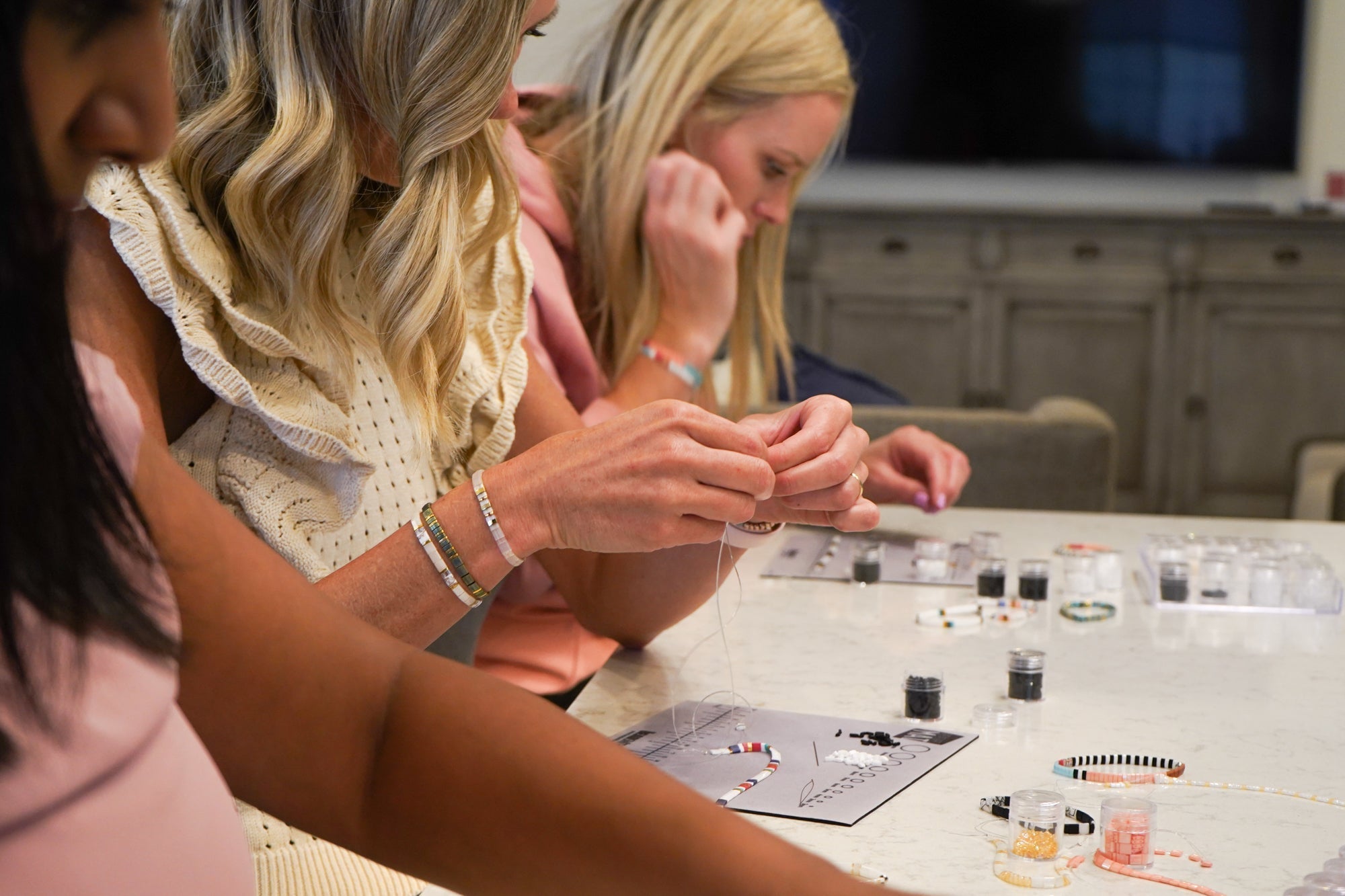
A bead mat or shallow tray isn't optional in practice, even though you could technically string beads straight off a table. Beads roll. A textured mat keeps them in place while you plan a pattern, and a tray with edges keeps a stray bead from ending up under the couch.
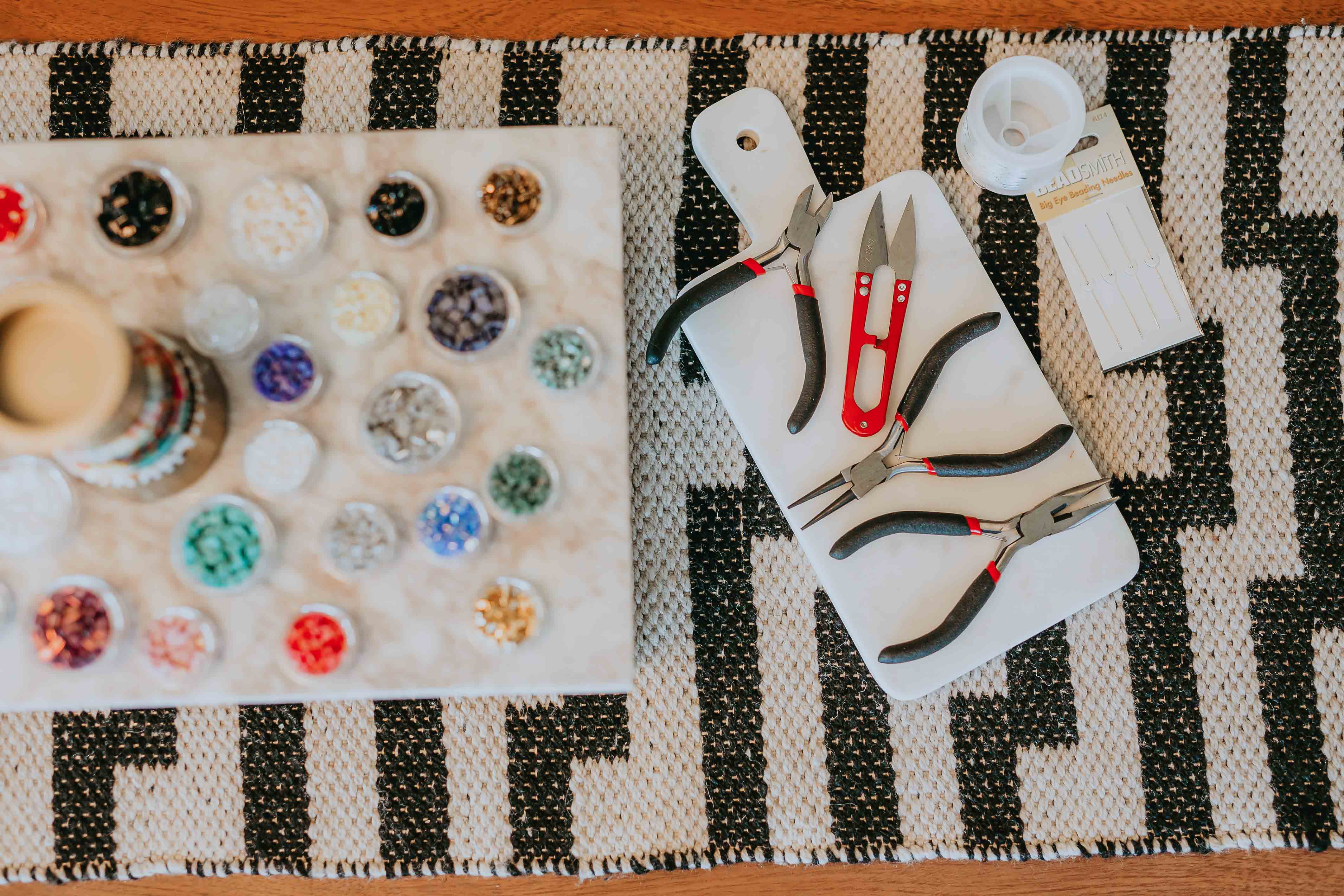
Small, sharp scissors or thread snips are essential for a clean cut on elastic cord and for trimming knot tails close to the bead. Household scissors work in a pinch but tend to leave a ragged cord end that's harder to knot.
A big eye needle is optional but genuinely useful. It's not required for larger-hole beads like Tila, since stiff elastic cord threads through on its own, but it earns its keep with smaller seed beads or once a cord tip starts to fray from handling. Jewelry glue, something like G-S Hypo Cement, is the last tool on the list and it's the one people skip most often. A small drop on the finished knot keeps a bracelet from loosening with daily wear, which matters if the bracelet is going straight into gym-bag or shower rotation.
Why Does a Measuring Tape Matter More Than People Think?
Fit is the difference between a bracelet you wear every day and one that sits in a drawer. A soft measuring tape wrapped around the wrist, plus half an inch to a full inch added for stretch, gives you the cord length to cut before you string a single bead. Guessing length by eyeballing an old bracelet is the single most common reason a first attempt comes out too tight or too loose.
Michaels' jewelry-making supply guide recommends measuring and adding stretch allowance before cutting cord for exactly this reason, since it's much easier to trim excess cord than to add more once beads are strung. See Michaels' full jewelry tool and supply list.
What's Essential vs. Optional on the Full Checklist?
Here's the complete list sorted by what you truly can't skip:
Essential (can't make a bracelet without these):
- Beads (Tila beads, seed beads, or a coordinated mix)
- Stretch elastic cord, 0.6mm-0.7mm
- Small scissors or thread snips
- Something to catch and organize beads (a mat, tray, or even a shallow bowl)
Strongly recommended (makes the process faster and the result last longer):
- Soft measuring tape, for accurate wrist sizing
- Jewelry glue, to seal the finishing knot
- Big eye needle, for smaller bead holes or frayed cord tips
Nice to have but not required for a first project:
- Bead design board with wrist-length grooves marked in inches
- Storage containers or a divided bead box
- Extra clasps, for non-stretch designs later on
How Does a Kit Replace This Whole Shopping List?
A kit is this checklist, boxed. It's pre-measured and ready to go, so instead of buying a full spool of cord for one bracelet, a bottle of glue you'll use twice a year, and a bead mix in a color you're not sure about, a kit gives you cord cut to length, a coordinated bead selection, and the small tools already portioned out. Mack & Rex's tools kit runs $39.99 to $43.99 and covers the tool side of this list (cord, scissors, needle, glue, measuring guide) in one box, while the trio kits ($44.99) and DIY Kit Club ($36.99) bundle beads with those same tools for a ready-to-go project. For someone making a real habit of it, the Tila Bead Starter Kit (makes 20 bracelets, $189.99) or the Ultimate Tila Kit (makes 80 bracelets, $399.99) work out to a lower per-bracelet supply cost than buying everything loose, piece by piece, from a craft store.
That's the shortcut worth knowing before your first trip to the craft aisle: skip assembling seven separate items from three different store sections and start with a Mack & Rex bracelet making kit.
Frequently Asked Questions About Bracelet Making Supplies
What is the minimum supply list to make a stretch bracelet?
Beads, elastic stretch cord, and scissors are the true minimum. A bead tray, needle, glue, and measuring tape all make the process faster and neater, but a first simple bracelet can technically be made with just those three items.
Do I need a needle to string a stretch bracelet?
Not always. Elastic cord is stiff enough to push through most bead holes on its own, especially larger holes like Tila beads. A big eye needle helps with smaller seed beads or a frayed cord tip, so it's worth having even if you don't use it every time.
What size elastic cord should beginners use?
0.6mm to 0.7mm crystal elastic cord is the most forgiving size for beginners. It's thick enough to hold a knot securely and thin enough to fit through standard seed bead and Tila bead holes without forcing.
Is a bracelet making kit worth it for a first project?
For a first project, yes. A kit bundles beads, cord, and tools in matched quantities so you're not guessing at cord length or buying a whole spool of elastic for one bracelet. It removes the trial and error of figuring out which supplies work together.
Can kids help gather and use bracelet making supplies?
Older kids can help lay out beads and string them with an adult supervising. Beads, clasps, and small tools are a choking hazard for young children, so keep loose supplies away from toddlers and have an adult handle scissors, needles, and glue.
Every item on this list solves a specific problem: cord that holds a knot, a tray that catches rolling beads, glue that keeps a finish from slipping. Once you've gathered them once, you've got everything you need for bracelet number two, three, and fifty.
Ready to skip the supply hunt? Browse Mack & Rex bracelet making kits for a bundle that has the whole checklist covered in one box. Free shipping on US orders over $100; buy 3 finished bracelets, get a 4th free, no code needed.