


Can You Make Anklets With a Tila Bead Bracelet Kit?
Can You Actually Make an Anklet From a Tila Bead Bracelet Kit?
Yes. A tila bead bracelet kit gives you Miyuki Tila glass beads and crystal-cord elastic, and neither one cares whether you're stringing it around a wrist or an ankle. The real work is in the sizing math: an ankle is bigger than a wrist, so you need more cord and, usually, a few more beads than the kit's per-bracelet portion allows for.
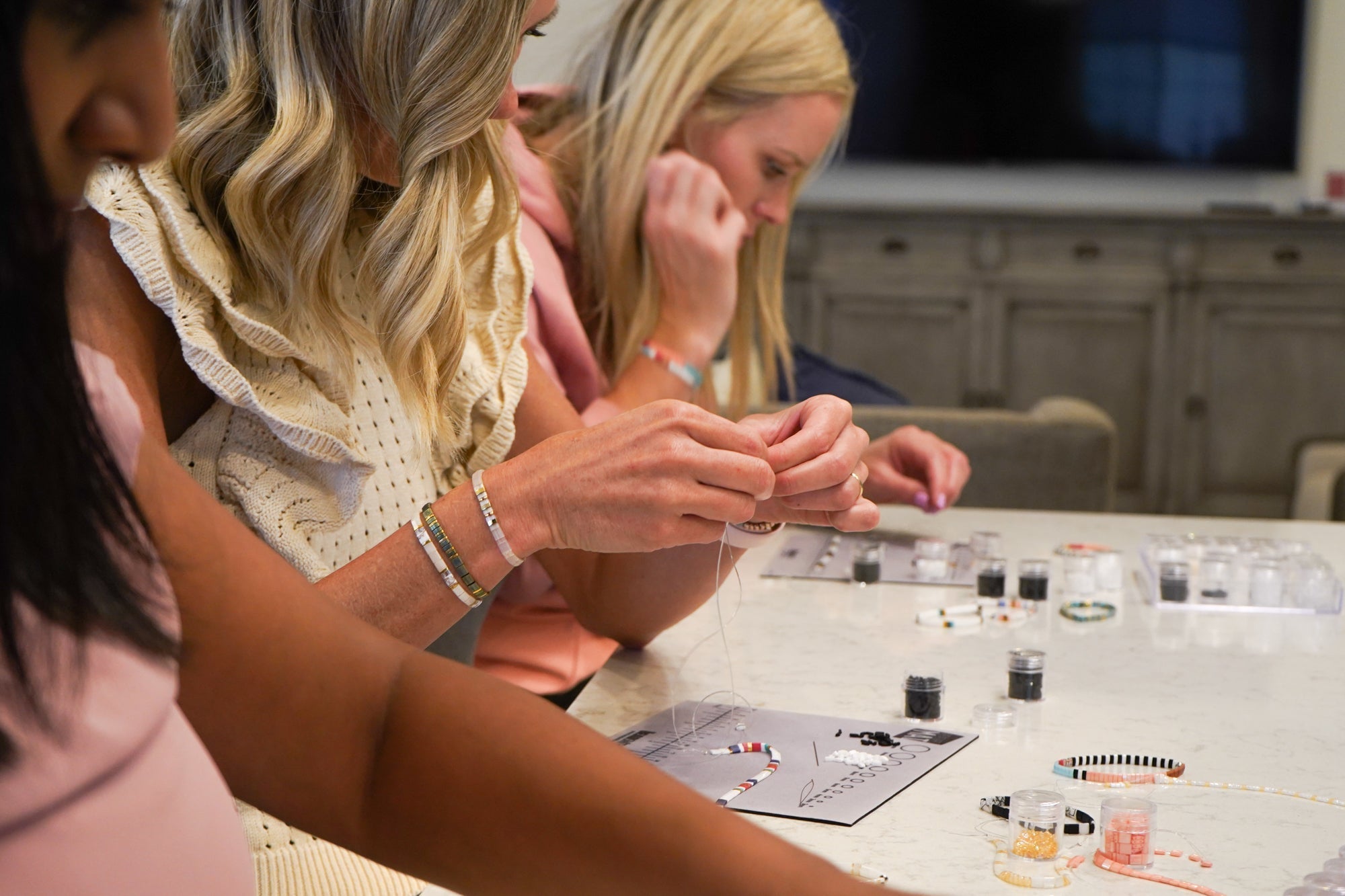
Once you get that length right, the process is identical to building a bracelet. String, tie off, done.
What's Different About Sizing for an Ankle vs. a Wrist?
One measurement. That's the entire adjustment.
A wrist bracelet is sized around the wrist, just above the bone, with a little stretch built in so it slides over the hand without gaping once it's on. An ankle works the same way, except the tape goes around the ankle bone. Most adult ankles run a couple of inches bigger around than the corresponding wrist, so if you cut cord to your wrist measurement out of habit, the anklet will come out too tight to comfortably pull over your foot.
The measuring step
Wrap a soft measuring tape (or a strip of string you then measure against a ruler) around your ankle right at the bone, where anklets traditionally sit. Standard jewelry-sizing practice adds a small ease allowance on top of the raw measurement so a finished piece isn't rigid against the joint, and that same half-inch-to-full-inch buffer applies whether you're fitting a wrist or an ankle. That final number is your cord length, cut before you start stringing beads.
Do the math on beads, not just cord
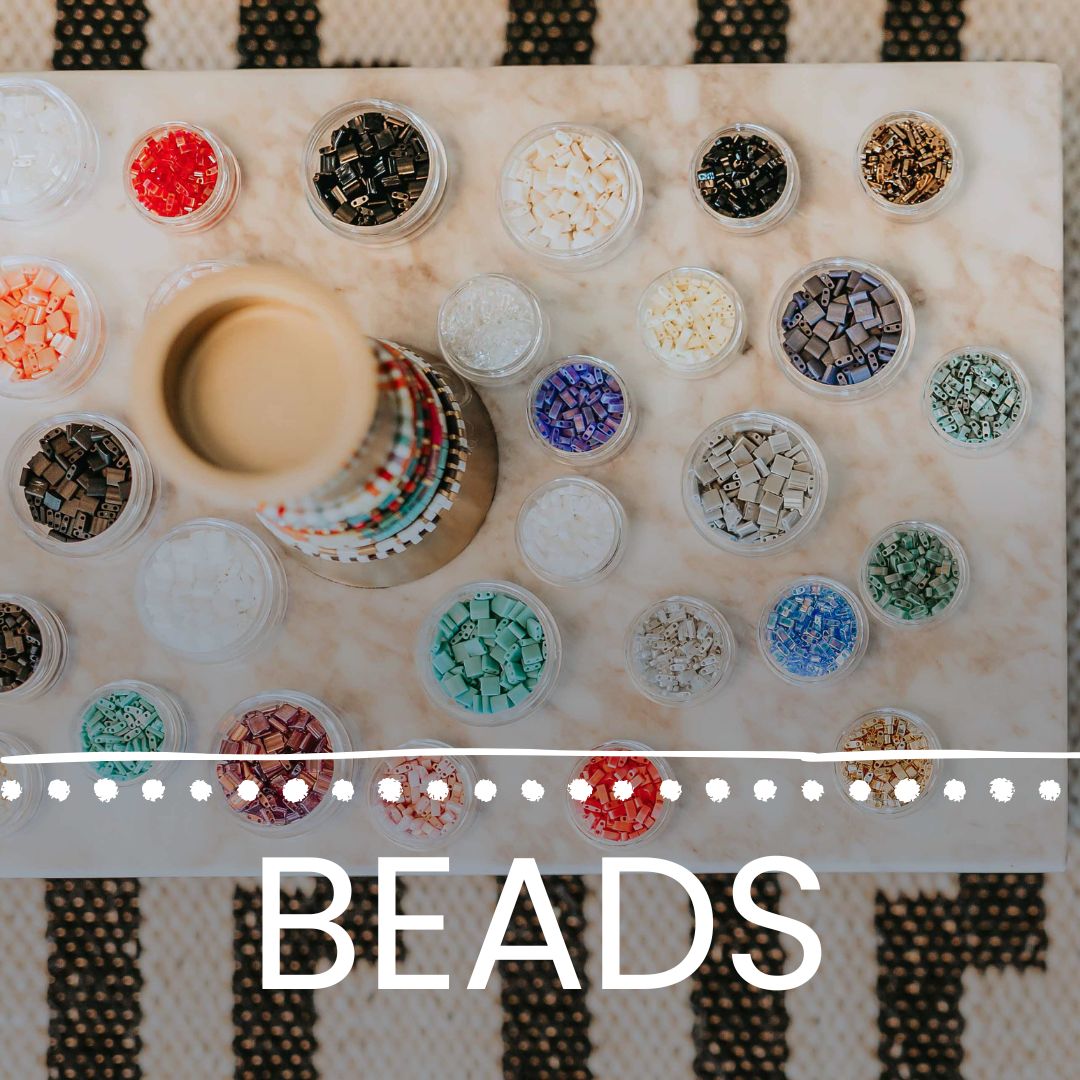
Miyuki Tila beads are flat, roughly 5mm square tiles, so every additional inch of cord takes about five more beads to fill (plus whatever spacer beads your pattern uses). If your ankle measures two to three inches bigger than your wrist, expect to use somewhere around 10 to 15 extra beads per anklet compared to a bracelet from the same kit. It adds up fast if you're making a full stack.
Will a Kit Make Fewer Anklets Than It Makes Bracelets?
Probably, and it's worth planning for before you start cutting cord. A kit's bead supply is portioned for wrist-length pieces. Since an anklet eats through more beads per piece, a kit built to yield three bracelets might only get you two full anklets before you run short.
The fix is simple: keep a loose bead pack on hand to top off the difference, rather than discovering you're a dozen beads short halfway through your last piece. Mack & Rex's bead packs are sold separately from the kits for exactly this kind of top-up, so you're not stuck buying a whole second kit just to finish one anklet.
How Durable Is a Beaded Anklet for Summer Wear?
An anklet sees more of what summer throws at it than a bracelet usually does: sand, sunscreen, pool water, sweat from sandals on a hot sidewalk. The beads themselves handle that fine. Glass doesn't absorb water or degrade from sun exposure the way some materials do. The elastic cord is the part that actually wears down, and it wears down the same way on an ankle as it does on a wrist: chlorine and salt water shorten its life faster than a quick rinse or a day at the office ever would.
Treat a beaded anklet the way you'd treat a bracelet you actually plan to keep wearing. Slip it off before a pool day, rinse the sand off after the beach, and let it dry flat rather than balled up in a beach bag. That habit alone adds real life to the cord.
How Do You Style a Tila Bead Anklet?
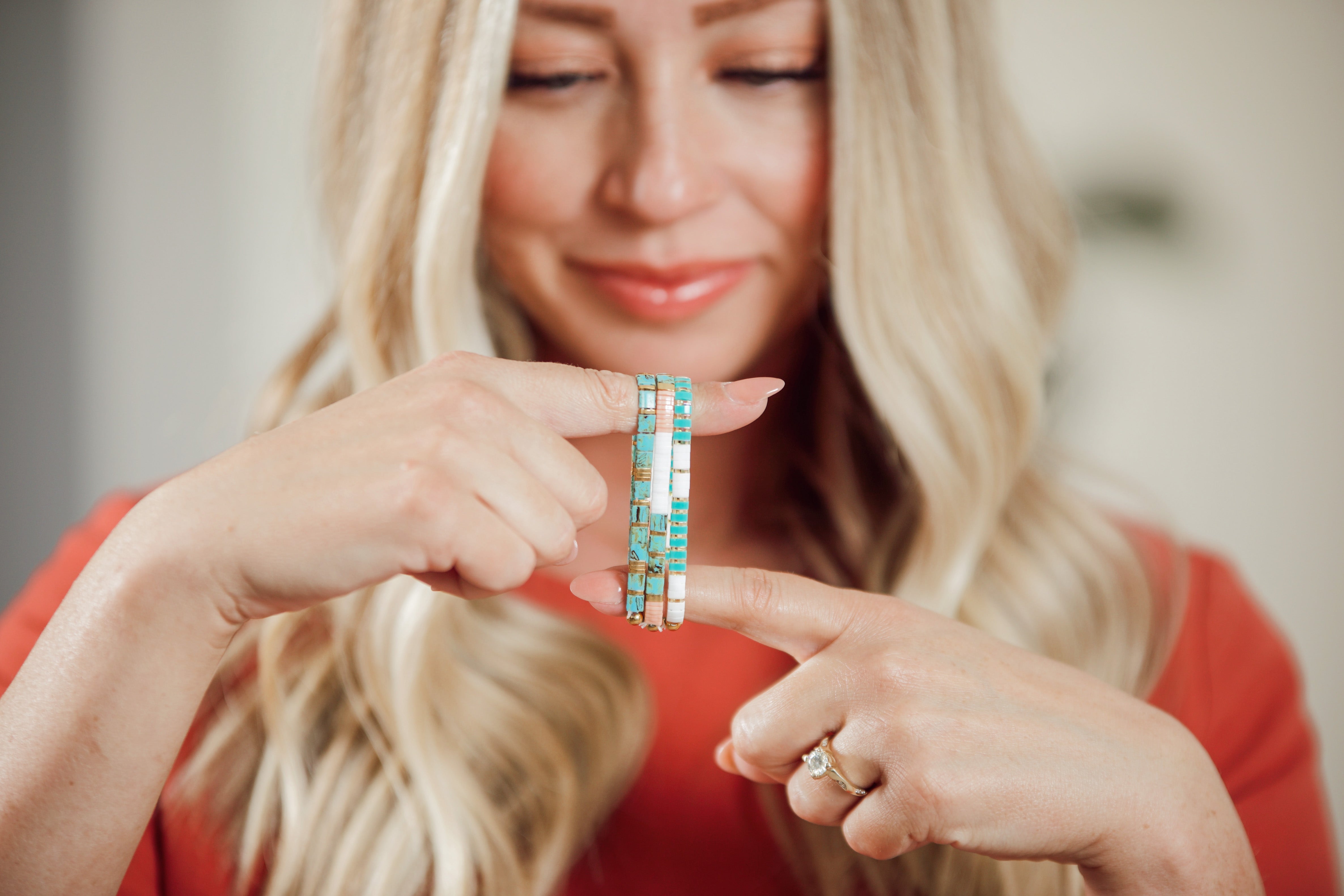
Anklets work best styled the same way Mack & Rex customers already stack bracelets: pick two or three coordinating colors from a single mix and layer them rather than wearing one anklet alone. A single anklet reads as a quiet accent with sandals or bare feet; a stack reads more like an intentional summer look.
Pulling colors from the same palette as a bracelet you already wear ties the whole thing together without much extra thought. If you're building both from the same kit, that color match happens automatically.
Where to Start If You Want to Try This
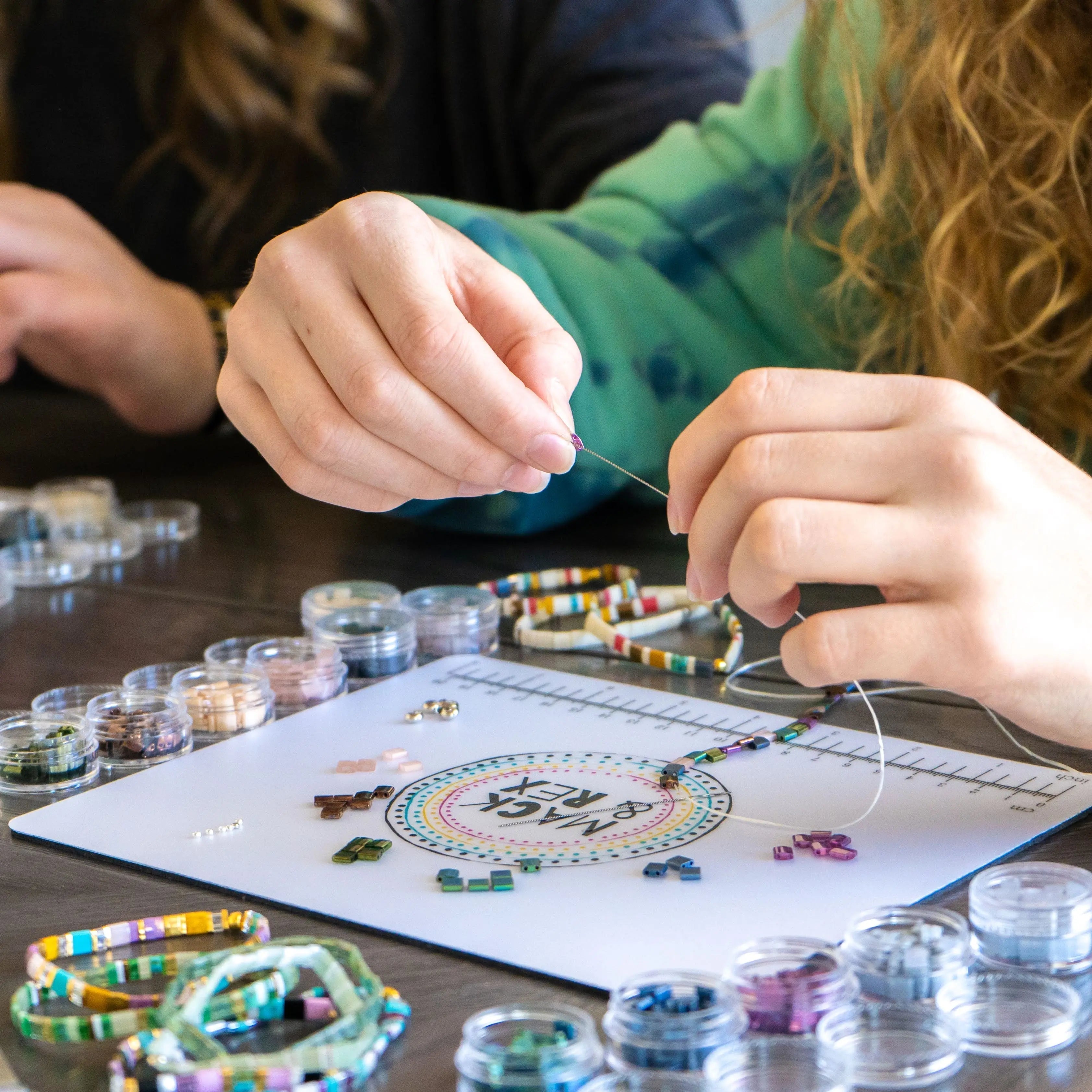
You don't need a special "anklet kit" to make one. The Mack & Rex tila bead bracelet collection has the same Miyuki Tila beads and crystal-cord elastic that already work for this, and adding an extra bead pack covers the longer length an ankle needs. Measure first, cut your cord to that number, and string the same way you would a bracelet.
Free shipping applies to US orders over $100, so pairing a kit with an extra bead pack or two is worth checking against that threshold before you check out.
Frequently Asked Questions
Can you use a tila bead bracelet kit to make an anklet?
Yes. The same Miyuki Tila beads and crystal-cord elastic that make a bracelet work just as well strung longer for an ankle. The only real difference is length: an anklet needs more cord and more beads than a bracelet built for a wrist.
How much bigger should an anklet be than a bracelet?
Most adult ankles measure a couple of inches larger around than the wrist. Measure around the ankle bone with a soft tape, add roughly half an inch to an inch for comfortable stretch, and cut your cord to that length instead of your wrist measurement.
Will one bracelet kit make fewer anklets than bracelets?
Usually, yes. A kit's bead count is portioned out for wrist-length pieces. Since each anklet uses more beads to fill the extra length, a kit built to make three bracelets may only stretch to two anklets unless you add a loose bead pack to cover the difference.
Can you wear a tila bead anklet at the beach or pool?
The glass beads themselves are water-safe, but the elastic cord is the part to protect. Chlorine and salt water break down stretch cord faster than everyday wear, so it's smart to take a beaded anklet off before you swim and rinse and dry it after a sweaty day at the sand.
How do you style a Tila bead anklet?
Stack two or three anklets in coordinating colors the same way you'd stack bracelets, or wear a single anklet as a subtle accent with sandals. Matching an anklet to a bracelet from the same color mix is an easy way to tie a summer outfit together.