

How Many Bead Colors Should Your First Bracelet Kit Include?
How Many Bead Colors Should a First Bracelet Kit Include?
Three to five coordinated bead colors is the right range for a first bracelet kit. That's enough to build a real pattern, alternating stripes, an ombre fade, or a simple color-block, without leaving a beginner sorting through a dozen tiny bags before they've strung a single bead.
Go much past five and the math works against you: more colors means more decisions, more containers to keep straight, and a higher chance the finished bracelet looks muddled rather than intentional. Go below three and you lose the ability to build any pattern at all, you're just stringing one color in a row. The sweet spot sits right in the middle, and it's exactly where most well-built trio kits land.
Why Does Color Count Matter More Than People Expect?
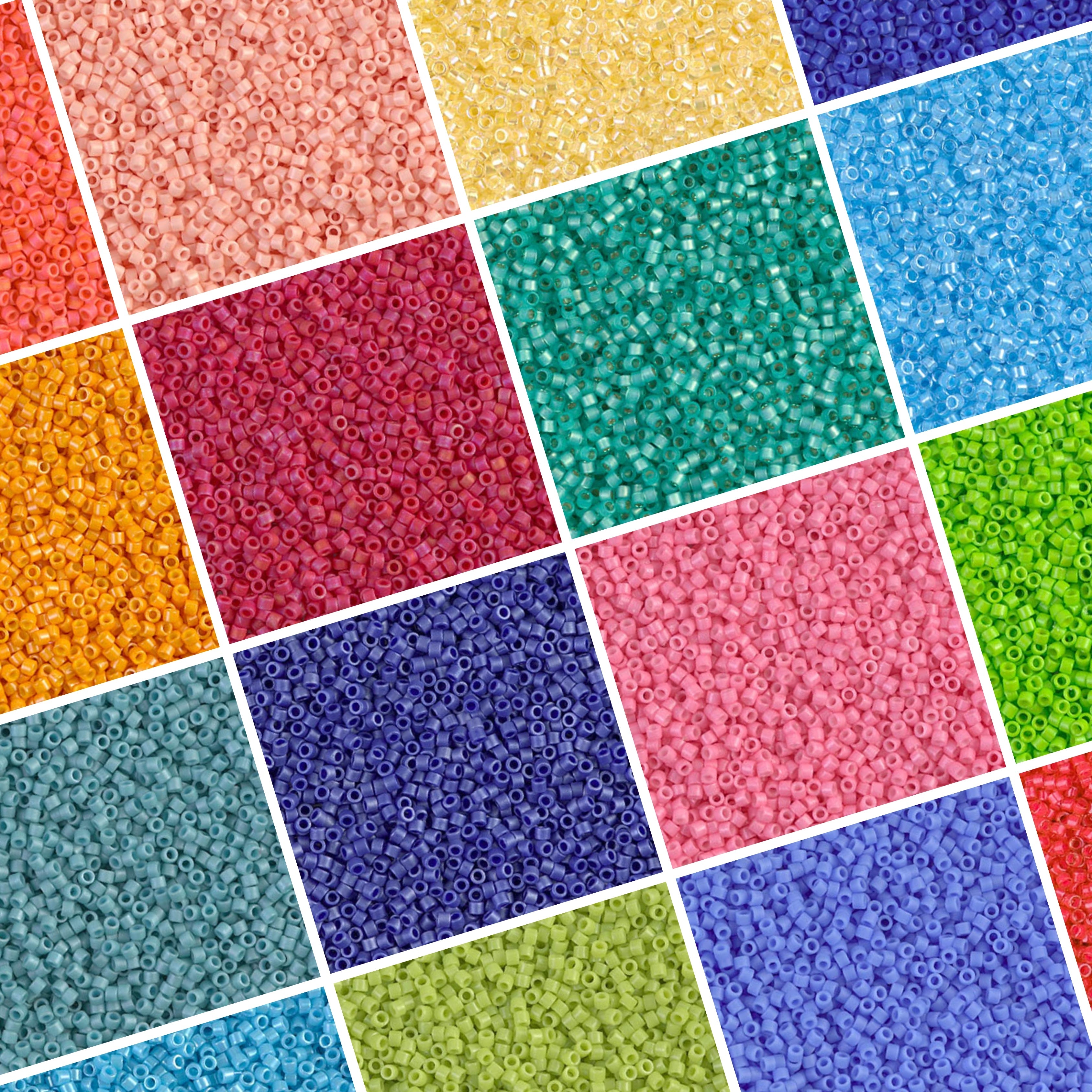
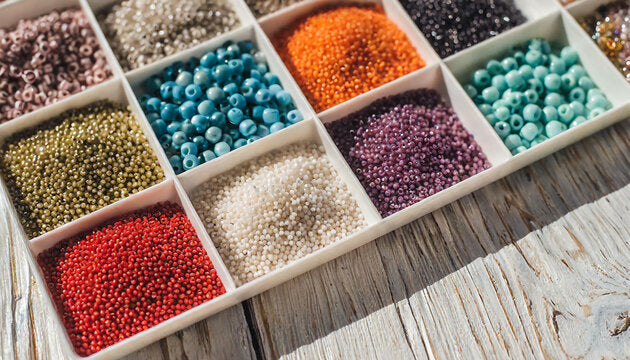
Color count decides how fast you can finish and how good the result looks. A cluttered palette slows down sorting and stringing, while too narrow a palette makes the bracelet feel flat.
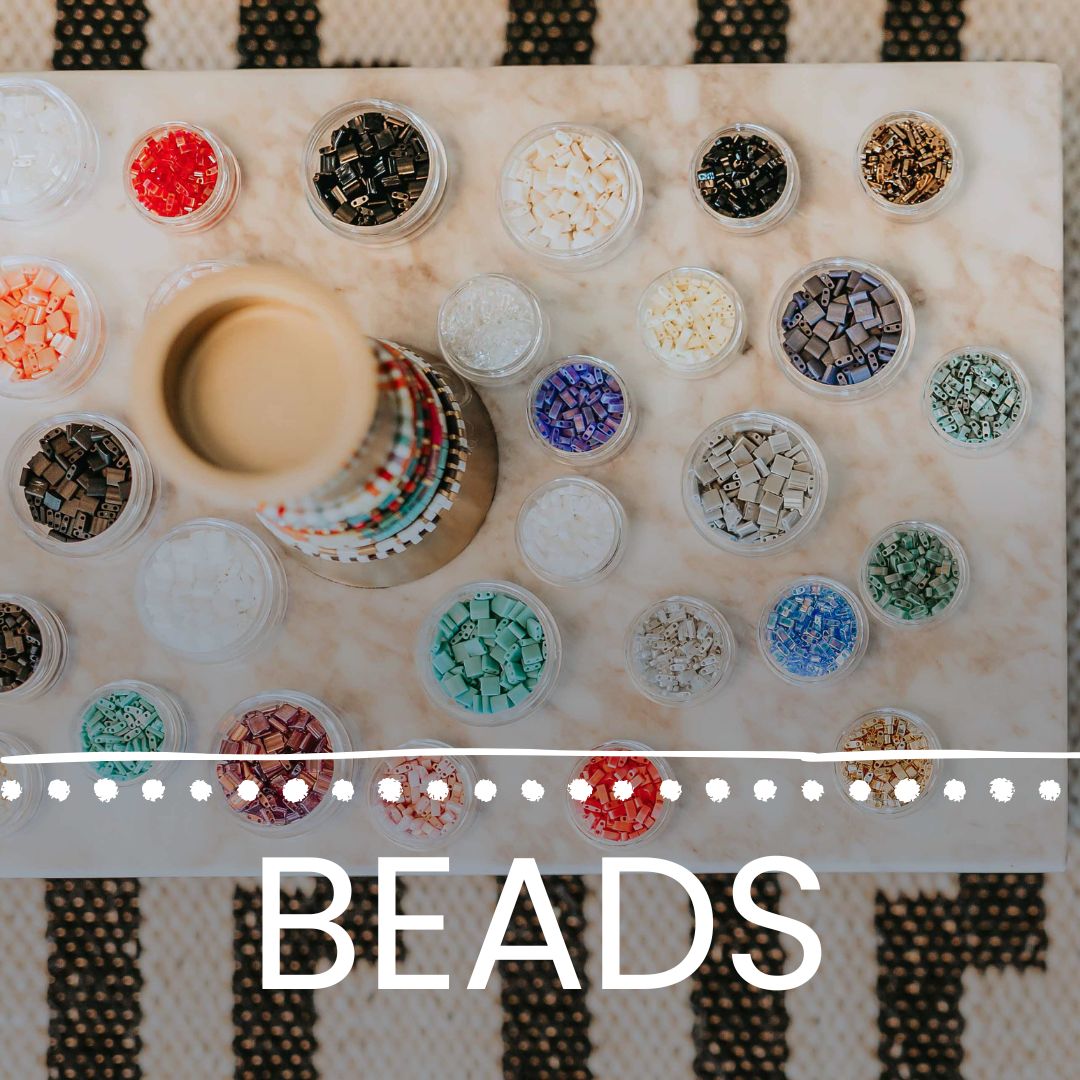
Think about the last time you opened a box of crayons with 96 colors versus one with 8. The 96-pack looks impressive on a shelf, but picking just the right shade takes forever, and half the colors never get used. Beading works the same way. A kit with 3 to 5 well-chosen colors, picked to complement each other rather than just fill space, gets you to a finished bracelet faster and with less second-guessing about which bead goes where.
How Do Trio Kits Handle This for You?
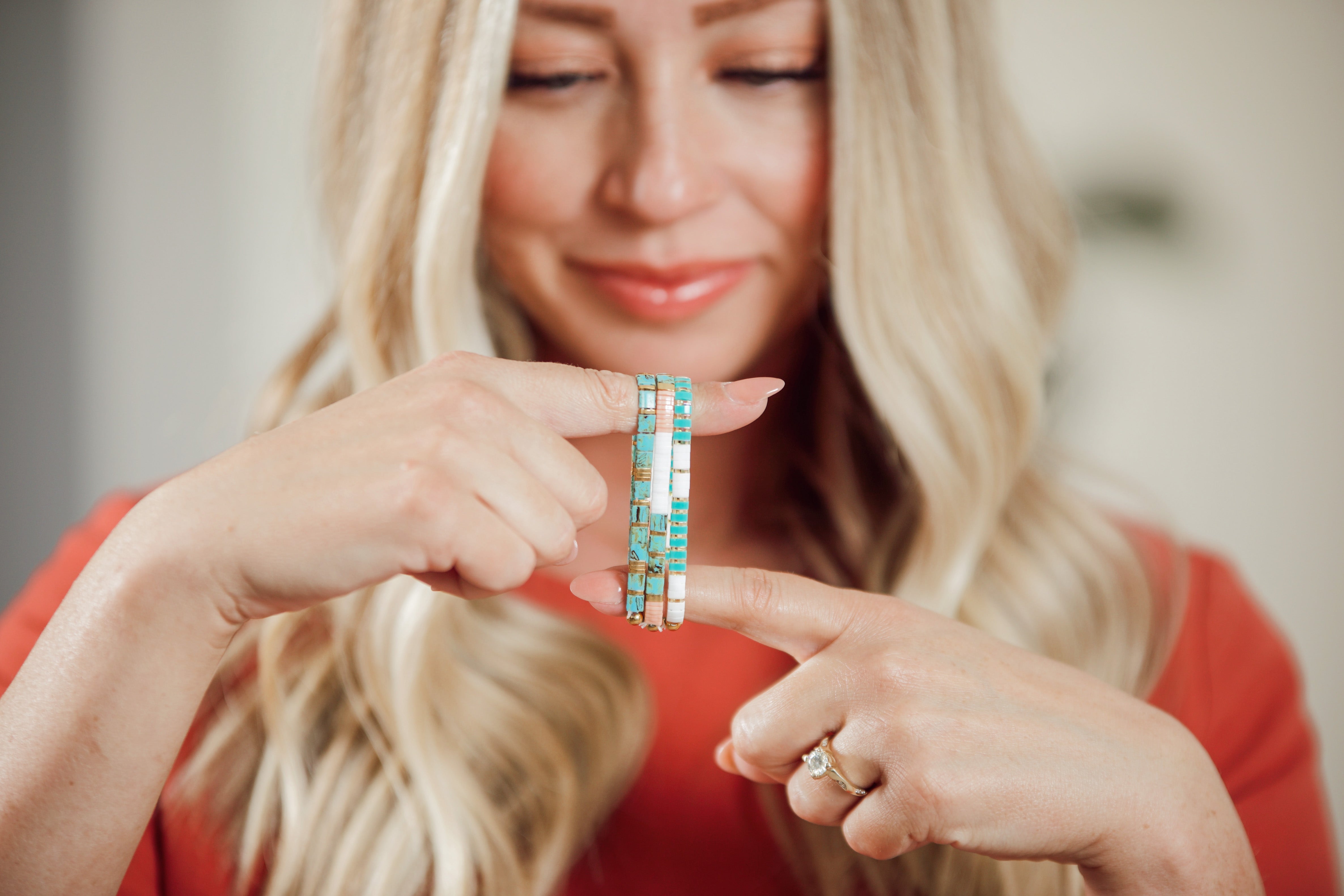
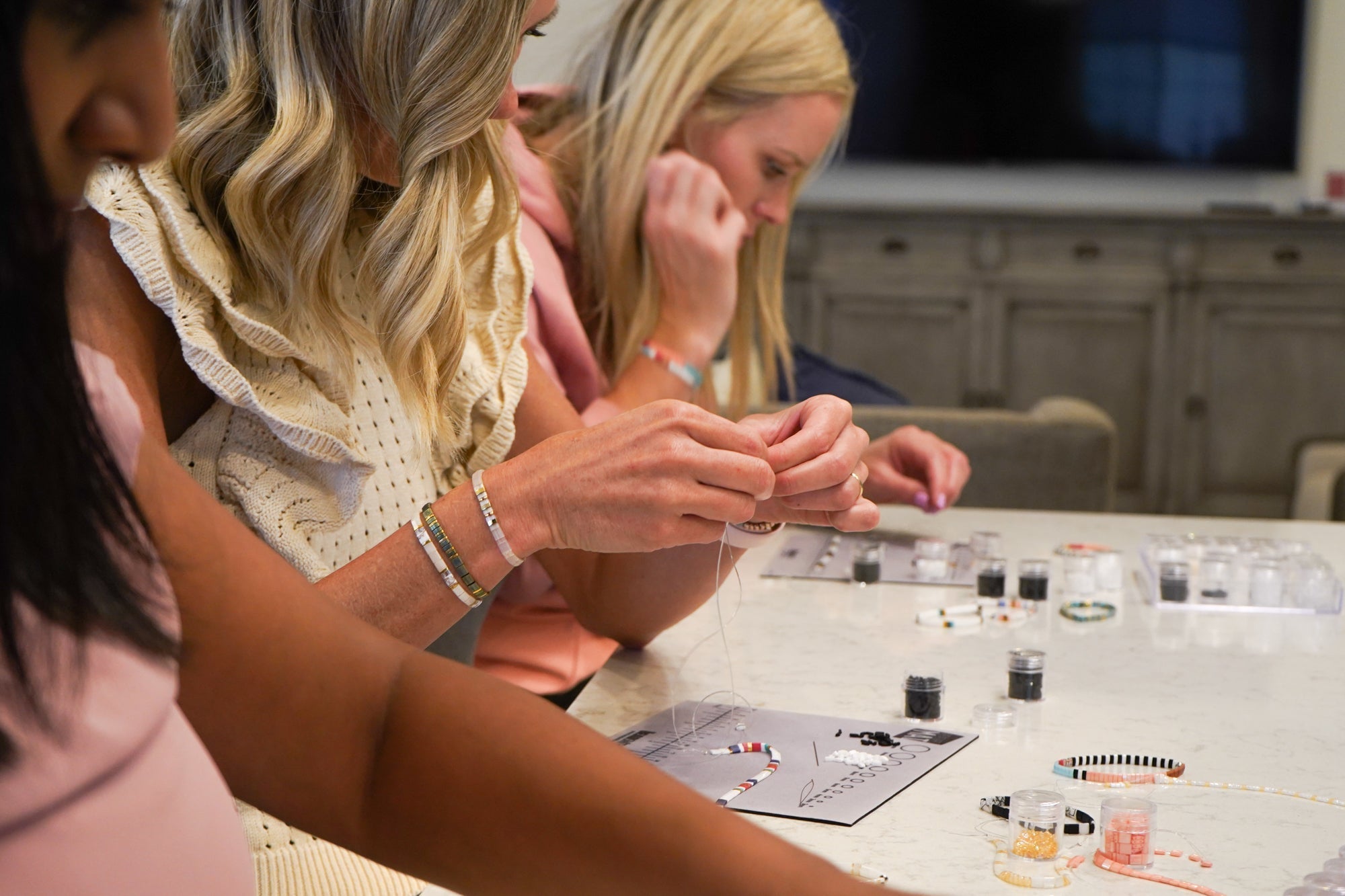
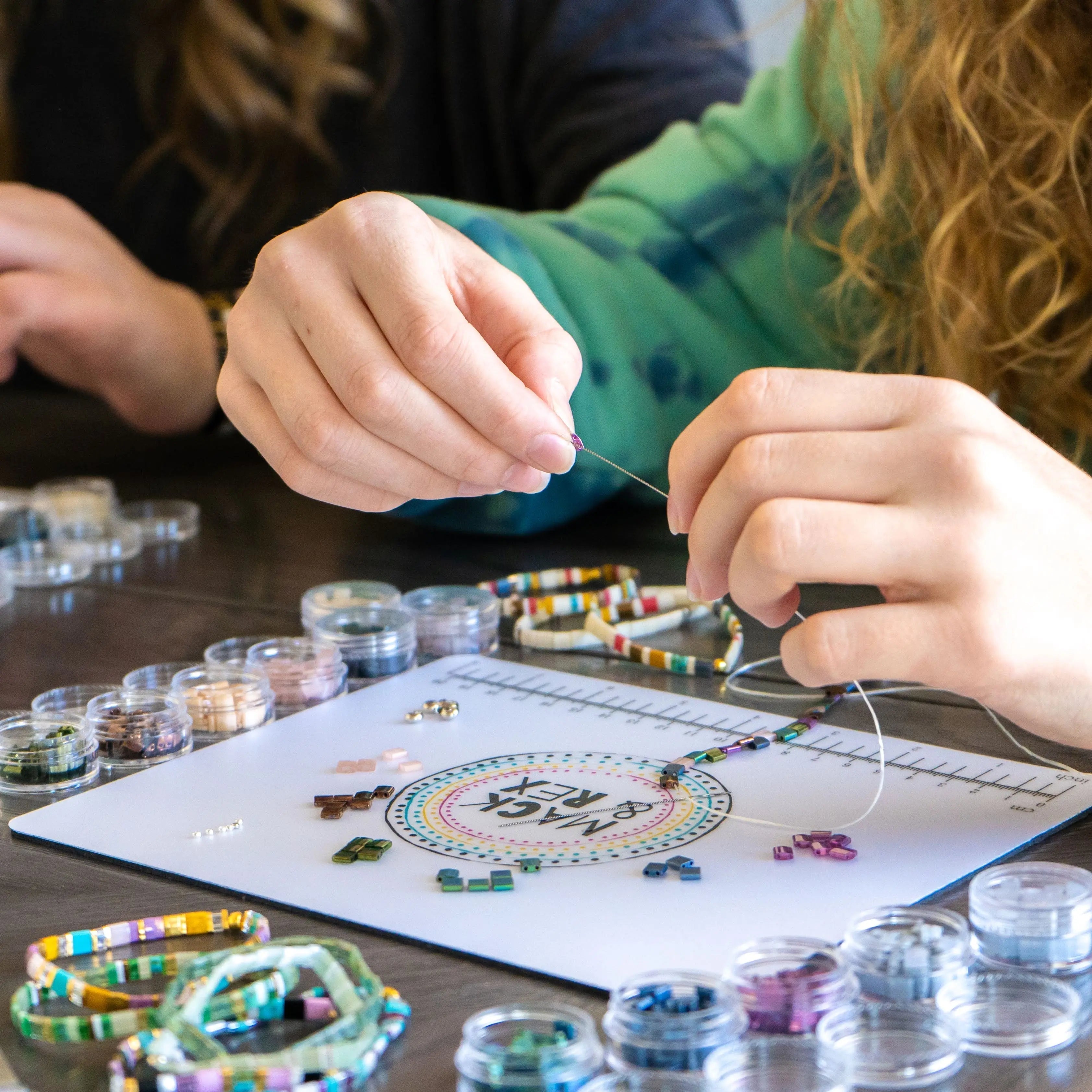
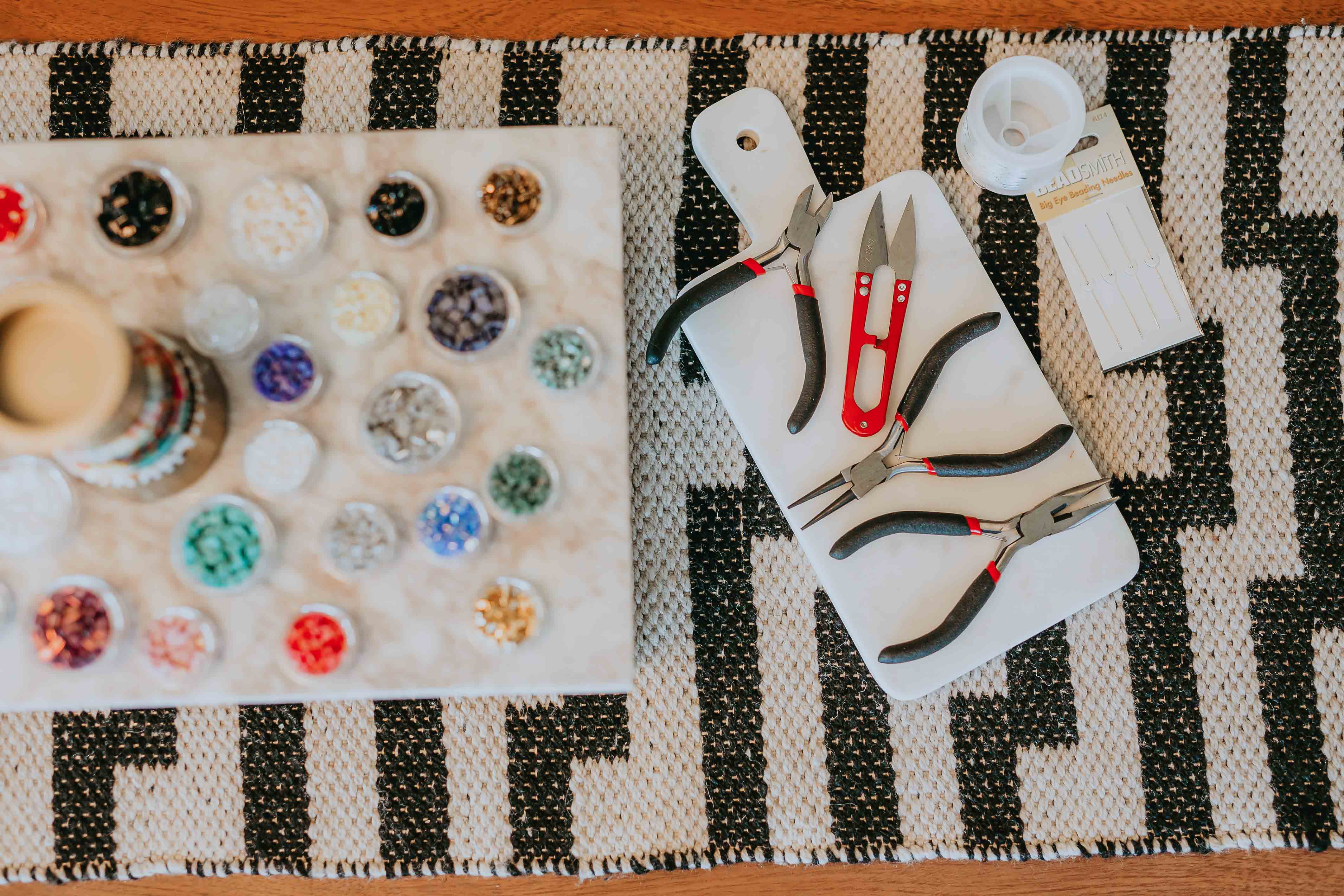
A trio kit is built around one themed color story and includes enough beads, crystal-cord elastic, and findings to finish 3 bracelets in that palette. Someone else has already made the color decision, so you're stringing, not designing from scratch.
Mack & Rex runs a rotating lineup of these, named for the palette rather than a generic SKU. STAINED GLASS leans into jewel tones, BEACHY runs soft and sandy, RETRO SUNSET pulls warm oranges and pinks, and EVERGREEN EDIT sits in deeper greens and neutrals. Each one runs $44.99 and typically works with somewhere around 3 to 5 colors per palette, coordinated so the three finished bracelets read as a set rather than three unrelated pieces. Worth flagging plainly: a single $44.99 kit sits well under the $100 threshold for free US shipping, so don't expect that perk on a solo trio order.
How Many Colors Come in a Larger Starter Kit?
Bigger kits scale the bead count, not necessarily the color count. The Tila Bead Starter Kit, which makes 20 bracelets for $189.99, lets you pick your color pack rather than forcing a fixed rainbow on you, so you can still land in that 3 to 5 color range if that's what suits your project.
This is a detail a lot of first-time buyers miss. A bigger kit doesn't automatically mean a bigger, more chaotic color mix, it usually means more of the same coordinated colors so you can make more bracelets or share the project with a group. The Ultimate Tila Bracelet Kit, which makes 80 bracelets for $399.99, works the same way at a larger scale, and an order at that size clears the $100 mark for free US shipping (international orders ship too, with duties and shipping calculated at checkout). If you'd rather ease into a bigger habit one month at a time, the DIY Bracelet Kit Club subscription ships a new 3-bracelet, coordinated-color kit for $36.99 a month.
How Do You Pick Colors That Actually Work Together?
Stick to one temperature family (all warm, all cool, or a neutral base with one accent) rather than mixing warm and cool tones at random. That single rule does more for a clean-looking bracelet than picking your five favorite colors independently.
A simple way to test it: lay your bead options out on a flat surface before you string anything and squint at them from a few feet away. If one color jumps out and fights with the rest, swap it for something closer in tone. Wikipedia's overview of color schemes is a solid, free primer on how complementary, analogous, and monochromatic groupings work if you want the underlying logic before you shop. Fire Mountain Gems' Encyclobeadia is another useful reference for general bead terminology (finish, size, hole diameter) if a listing uses terms you don't recognize yet.
Should Kids Get a Smaller Color Palette to Start?
A smaller, simpler palette works better for a first project with a kid, not because of any developmental claim, just because fewer choices means less time deciding and more time actually making something together. Three colors is plenty for a first bracelet with a grandchild at the kitchen table.
One thing that doesn't change based on age or experience level: beads, crimp beads, and other small findings are a choking hazard, full stop. Kids can absolutely help pick the colors and lay out the pattern, but the stringing and crimping should happen with an adult close by, and loose beads should get put away between sessions rather than left out where a toddler or pet could get into them.
How to Choose Bead Colors for Your First Kit
Here's the short version, in order.
- Start with a coordinated palette, not a grab bag. A themed trio kit removes the guesswork of matching colors on your own.
- Count on 3 to 5 colors. That range gives you a real pattern without decision fatigue.
- Match the palette to what you'll wear or gift. Pick warm, cool, or neutral based on your closet or the recipient's usual colors, not whatever looks flashiest in the photo.
- Size the kit to your goal. A trio tests the water; a starter or larger kit makes sense once you know a palette works for you.
Simple as that. Most of the "which kit should I buy" hesitation disappears once you settle on the color count first and let that drive the size decision.
Does Bead Type Change How Colors Read?
Yes. Miyuki Tila beads are flat, square Japanese glass beads with two parallel holes, and their glass finish holds color and shine more consistently than painted plastic tile lookalikes. Mack & Rex resells genuine Miyuki Tila beads; we don't manufacture them, and we're specific about that on every kit listing.
Glass matters more than people expect once color enters the picture. Painted plastic beads can vary slightly in shade from bead to bead within the same bag, which muddies a carefully chosen palette. Consistent glass color means the 3 to 5 shades you picked actually look like 3 to 5 distinct colors in the finished bracelet, not a smear of close-but-not-quite matches. Lima Beads, another established bead retailer, is a helpful general reference on how bead finish and glass quality affect color consistency if you want to compare options before you buy.
Ready to Pick Your Palette?
Start small, pick colors you'll actually wear or gift, and let the kit size follow from there. The full rotating lineup of trio, starter, and larger kits lives on the bracelet making kits collection, where every palette and bead count is listed so you're comparing real specs, not guessing from a product photo. Orders over $100 ship free within the US, and every order ships internationally with duties and shipping calculated at checkout.
Frequently Asked Questions
How many colors should a beginner bead bracelet kit have?
Three to five coordinated colors is the sweet spot for a first kit. That's enough to build a real pattern (alternating, ombre, or a color-blocked stripe) without overwhelming a beginner with too many bead containers to sort before they've strung a single row.
What's the best bead bracelet kit for a first-time beginner?
A trio-style kit is the easiest entry point since it's built around one coordinated palette and enough beads, cord, and findings to finish three bracelets. It lets a first-timer test a color story and the stringing process before committing to a larger kit.
Is it better to buy a kit with fewer colors or more colors as a beginner?
Fewer, coordinated colors beat a big mixed assortment for a first project. A kit with 3 to 5 colors chosen to work together produces a cleaner-looking bracelet than an assortment of a dozen shades that weren't designed to sit next to each other.
Can kids help choose the bead colors for a bracelet kit?
Yes, picking colors is a great way to get kids involved, but beads and findings are small parts and a choking hazard, so the stringing itself should happen with adult supervision. Keep loose beads away from very young children between crafting sessions.
Do more bead colors make a kit more expensive?
Not directly. Price on Mack & Rex kits tracks bead count and how many bracelets the kit makes, not the number of colors in the mix. A trio kit and a starter kit can both offer a handful of colors; the starter kit costs more because it makes more bracelets, not because it has a wider palette.