

How to Choose a Bracelet Beads Kit: 6 Things That Separate Good from Junk
What Should You Actually Look for in a Bracelet Beads Kit?
A good bracelet beads kit comes down to six things: real Miyuki Tila beads, elastic that won't stretch out in a month, a bead count that matches the price, curated colors, sizing that fits any wrist, and a real guarantee. Miss two or three and you've got a kit that looks fine in the photo and disappoints on your wrist.
Search "bracelet beads kit" and you'll get a wall of nearly identical listings. Same stock photos, similar bead counts, similar promises. The differences that matter sit underneath the surface, and most shoppers only find them after the elastic snaps. Here's what to check before you buy.
1. Are the Beads Real Miyuki Tila or a Generic Copy?
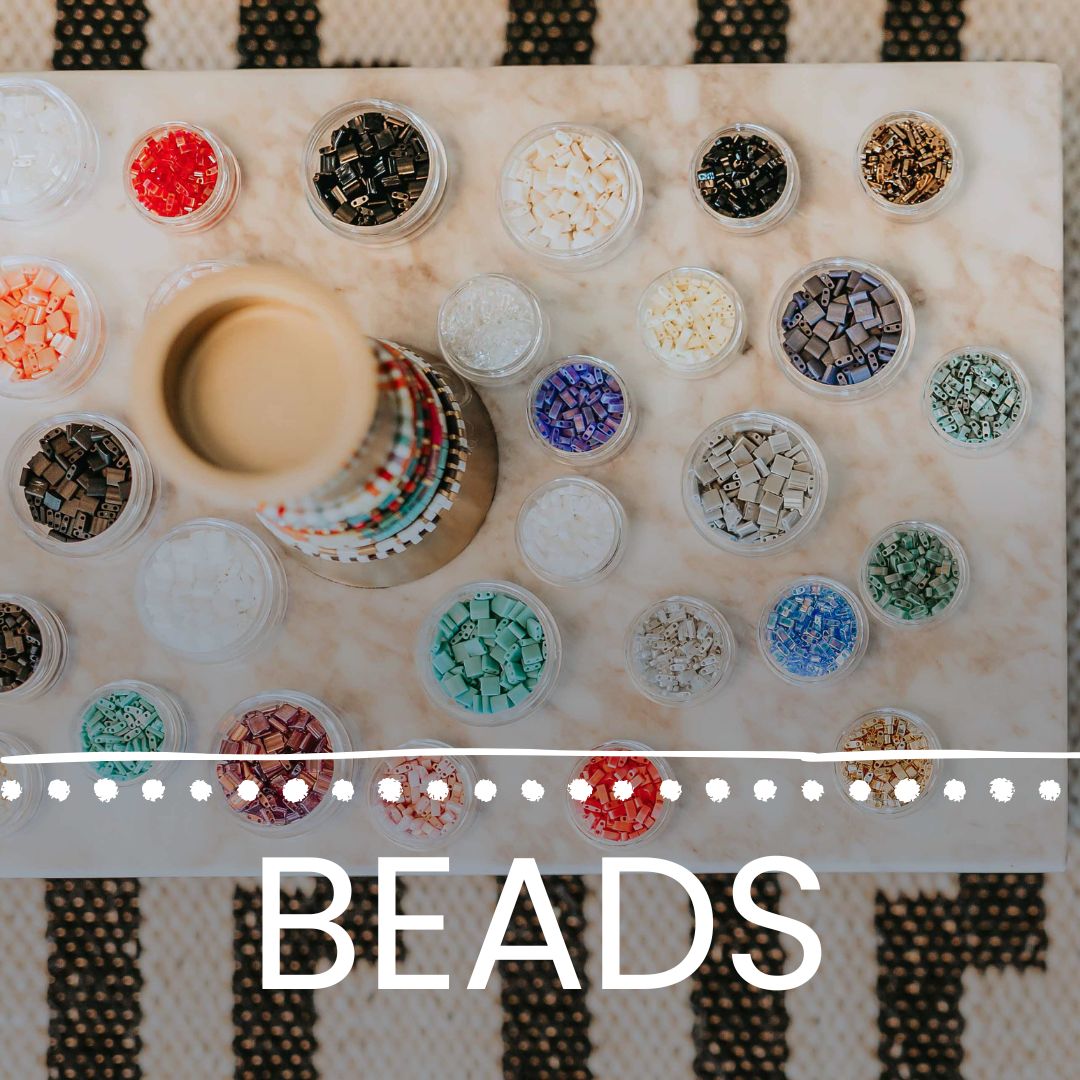
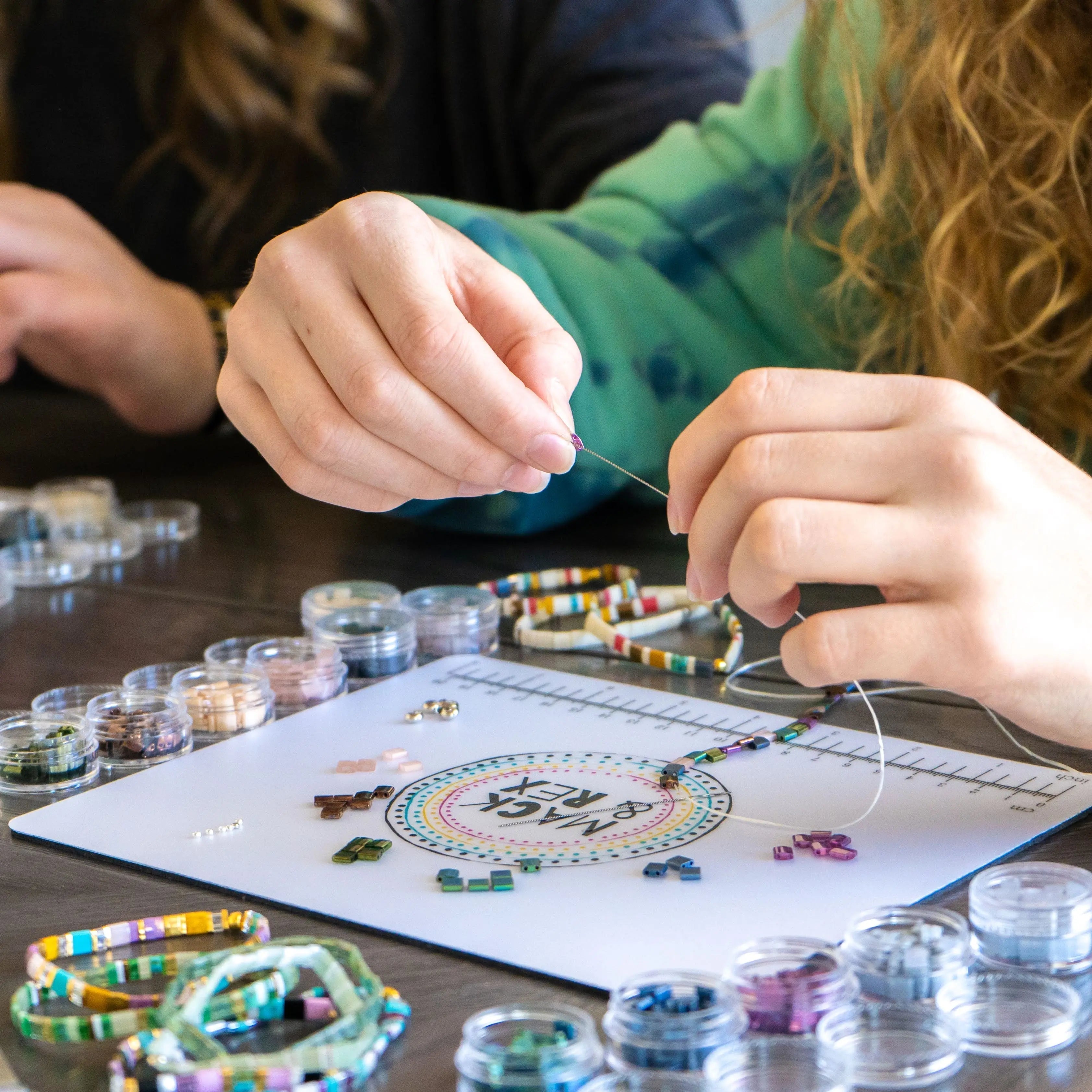
This is the one that decides everything else. Real Tila beads are made by Miyuki, a Japanese glass bead manufacturer, and they're flat, two-hole tiles with consistent dimensions bead to bead. Generic "tila-style" beads are usually plastic or resin and vary more in size, which throws off how a pattern lines up on the wrist.1
Read the listing closely. A generic copy usually says "tila-style" or "square glass beads," or skips a manufacturer name entirely. Mack & Rex kits are built around genuine Miyuki Tila beads, sourced and resold (not manufactured in-house), and the listing says so plainly. Glass also holds color better than plastic: the color runs through the bead rather than sitting on the surface, so it won't scratch dull or fade after a few months of wear.
2. Will the Elastic Actually Hold Up to Daily Wear?
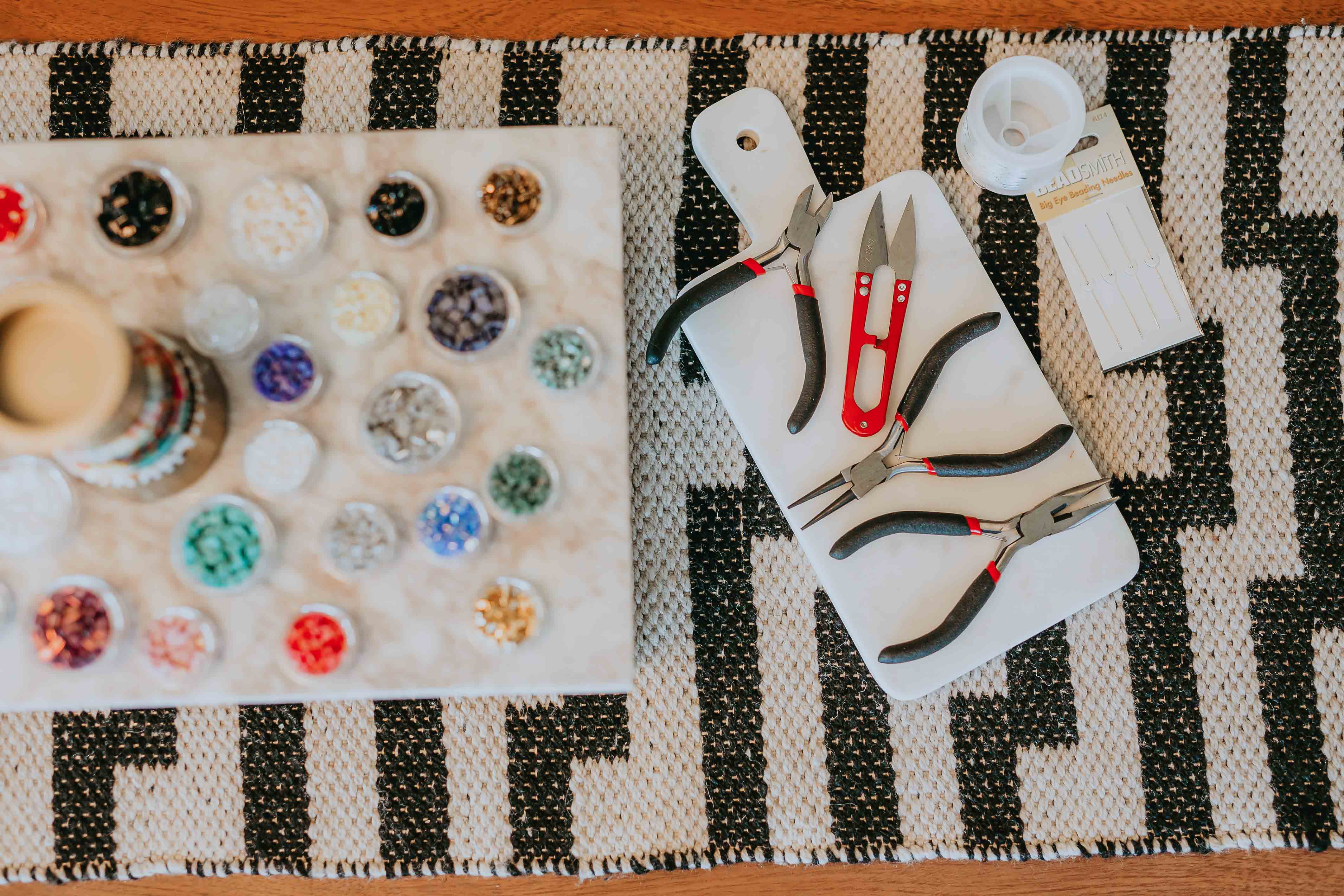
Cord matters as much as the beads. Thin, generic elastic loses its stretch fast and tends to snap right when you've settled into wearing a bracelet daily. Crystal-cord elastic, the kind used in Mack & Rex kits, has noticeably better memory and holds its shape through repeated stretching.2
One customer's review sums up what durable cord looks like in practice: "This is the 4th bracelet I've purchased and I wear it daily. The elastic has not stretched out and the tiles are as beautiful as the day I got it." That's the standard worth holding a kit to.
Listings rarely name the cord type unless it's good. A kit that just says "elastic cord included" with no further detail is probably the cheap stuff.
3. Does the Bead Count Match What You're Paying?
Bead count only means something next to material quality. A bulk bag of plastic beads sounds generous until you realize none of it survives a season of wear.
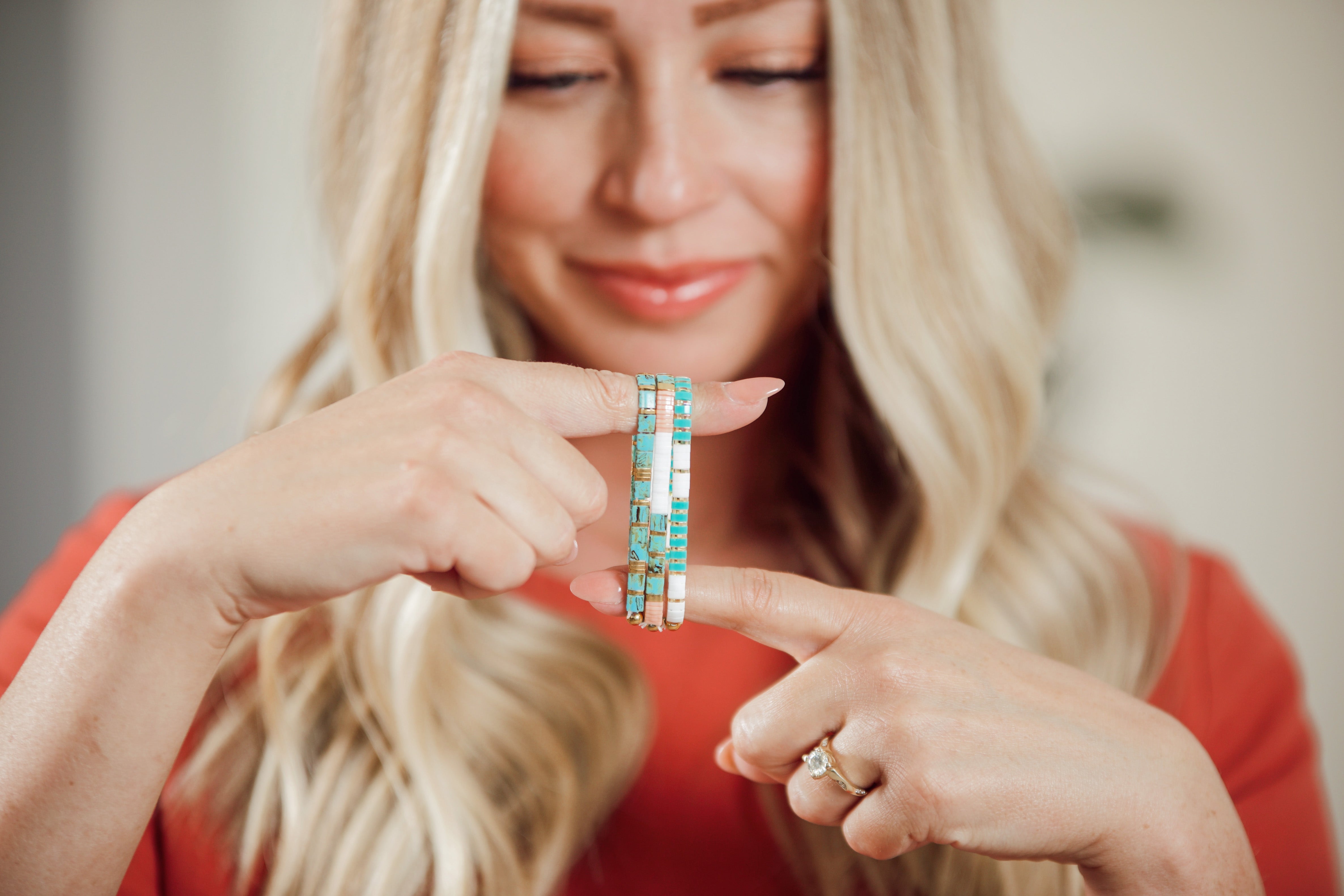
Mack & Rex's trio kits run $44.99 for three coordinating bracelets, under $15 a bracelet in genuine Miyuki Tila and crystal cord. The Tila Bead Starter Kit ($189.99) makes about 20 bracelets, and the Ultimate Tila Bracelet Kit ($399.99) scales to roughly 80, with per-bracelet cost dropping as the kit size goes up without the materials changing. Compare that math against a generic kit's per-bead price. A cheap kit producing the same bracelet count for less money is still the worse deal if half the beads chip or the elastic gives out in a month.
4. Are the Colors Curated, or Did Someone Dump a Bag of Beads Together?
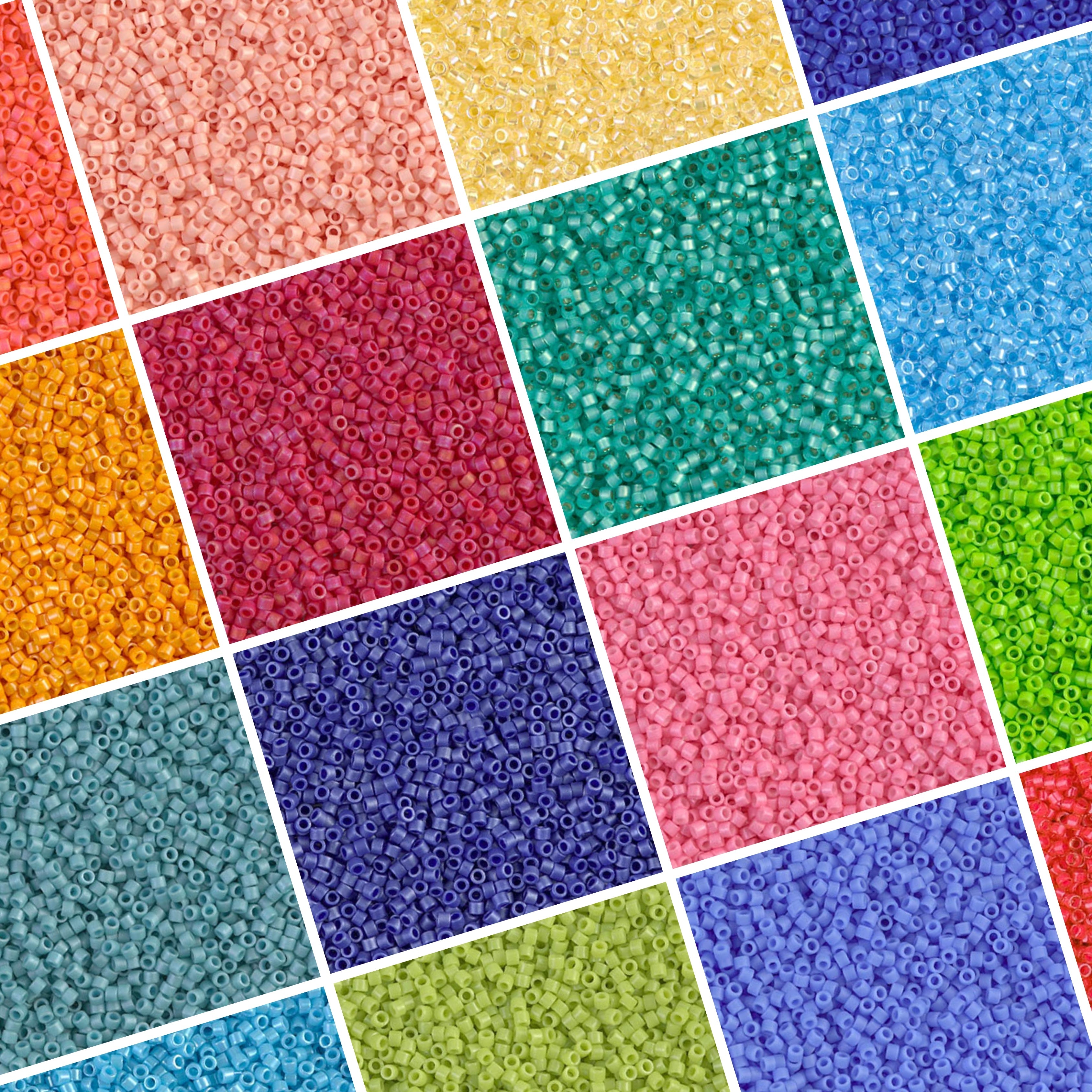
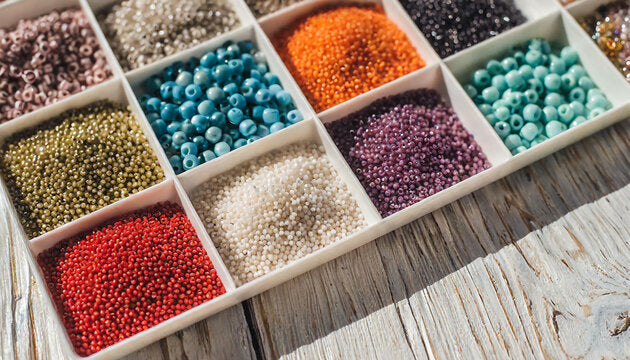
Color curation is easy to skip on a spec sheet and hard to miss once the beads are in your hands. A generic kit often groups colors by what was cheap to produce, not what looks good together, which leaves you sorting through a pile trying to make something wearable.
A curated kit removes that step. One Mack & Rex reviewer put it simply: "The pieces and colors work so well together I love it." That's the difference a planned palette makes, you open the kit and the hardest design decision is already done. Look for named color themes or collections rather than "assorted colors" on the listing. A named palette is a signal someone planned the combination instead of bagging up whatever was left over.
5. Does the Kit Fit Every Wrist, Not Just an Average One?
Fit is where a lot of kits fall short quietly. A bracelet made from a fixed-length elastic loop only fits one wrist size, and that's a problem if you're making a bracelet for a gift, a kid, or anyone whose wrist doesn't match the "standard" the kit assumes.
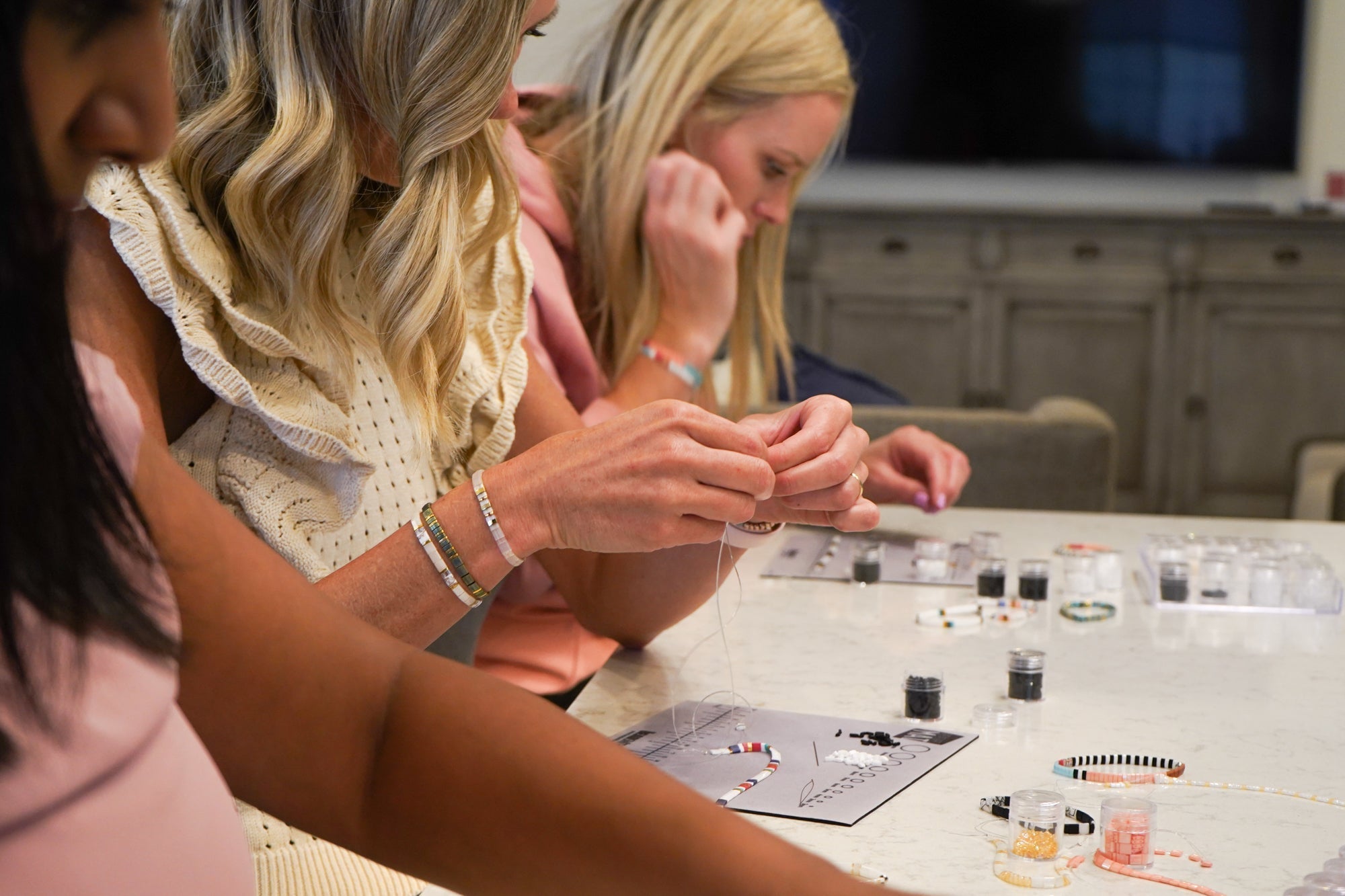
Because you cut and knot the elastic yourself, a well-built beads kit lets you size the bracelet to the actual wrist wearing it, not a generic average. Mack & Rex builds its kits around the same inclusive range as its finished bracelets, XXS through 5XL, so the sizing isn't guesswork. One reviewer noted, "The bracelet fits perfectly. The stones lay flat against your wrist which makes it very comfortable."
If you're crafting with kids or grandkids, keep in mind that beads are small parts and a choking hazard. Adult supervision is required any time children are working with them, and these kits aren't designed for very young kids.
6. Does the Kit Come With Any Guarantee at All?
Most generic kits offer none. If the elastic snaps in week two, that's your problem, not the seller's. A guarantee is a signal the maker actually stands behind the materials going into the kit.
Mack & Rex backs its bracelet beads kits with a quality guarantee on the finished bracelet. If the elastic gives out from normal wear, that's on the product, not you. It's a small line item on a listing, but it tells you whether a seller trusts their own materials enough to stand behind them, and it tends to travel with the other five factors above.
So Which Bracelet Beads Kit Should You Buy?
Run any kit you're considering through the six checks above: real Miyuki Tila beads, durable elastic, a bead count that matches the price, curated colors, sizing that fits the actual wrist, and a guarantee behind the whole thing. A kit that clears all six is a premium alternative to the generic tila bead kits crowding search results, worth the difference in price.
Browse Mack & Rex bracelet beads kits for the trio, starter, and ultimate sizes, all built on genuine Miyuki Tila beads and crystal-cord elastic, sized XXS through 5XL, and backed by a quality guarantee. US orders over $100 ship free, so pairing a starter or ultimate kit with a finished bracelet or two clears that line easily.
Frequently Asked Questions
What's the single biggest factor in choosing a bracelet beads kit?
Bead material. A kit built on real Miyuki Tila glass beads outlasts one built on plastic or resin lookalikes, and that one factor drives most of the other differences on this list.
How can I tell if a kit uses real Miyuki Tila beads or a generic copy?
Check whether the listing names Miyuki specifically, not just "tila-style" or "square glass beads." Genuine Miyuki Tila beads are uniform, two-hole, flat glass tiles made in Japan. Generic copies are often plastic, slightly irregular in size, and the listing usually avoids naming a manufacturer at all.
Does a higher bead count always mean better value in a bracelet beads kit?
Not on its own. A big bead count with plastic beads and thin cord is still a low-value kit. A kit that makes fewer bracelets from real Miyuki Tila glass and crystal-cord elastic is usually worth more than a bulk kit that won't hold up.
Are bracelet beads kits safe for kids to use?
Bracelet beads kits work well for older kids, teens, and adults with supervision. Beads are small parts and a choking hazard, so adult supervision is required whenever children are crafting with them, and these kits aren't made for very young kids.
What does Mack & Rex include in its bracelet beads kits?
Mack & Rex bracelet beads kits include genuine Miyuki Tila beads in curated color combinations, crystal-cord elastic, and instructions, sized to fit any wrist from XXS through 5XL, and backed by a quality guarantee.