

How to Clean Heishi Beads Without Wrecking the Cord
What Are Heishi Beads, and Why Do They Get Dirty So Fast?
Heishi beads are the flat, disc-cut beads packed edge to edge on a strand, and they show grime faster than round beads because so much of their surface touches your skin. If your heishi bead bracelet looks dull or waxy after a summer of sunscreen and lotion, the beads themselves are usually fine. The cord is what needs attention.
The word "heishi" comes from a Kewa Pueblo term for shell, and the earliest versions were hand-cut from shell, then strung and sanded down into that smooth, almost solid-looking column of discs (Wikipedia has a good rundown of the tradition). Today most heishi bead bracelets use polymer clay, resin, wood, or natural stone discs instead of shell, but the shape hasn't changed. Every disc sits flush against the next one, which means lotion, sweat, and sunscreen have nowhere to go except into the tiny seams between beads.
Why Do Heishi Bead Bracelets Get Grimy So Fast?
Sunscreen and lotion leave a thin film on skin that transfers straight onto anything you wear against it, and heishi beads trap that film in the gaps between discs rather than letting it wipe away. Give it a few weeks of daily wear and the beads start to look cloudy even though nothing about the material itself has changed.
Body oil does the same thing over time, just slower. The American Cleaning Institute notes that everyday skin oils and personal care residue are a common reason jewelry looks dull long before the materials actually wear out (American Cleaning Institute). Heat makes it worse. A hot car console or a beach bag left in the sun softens sunscreen residue and pushes it deeper into the cord, which is why bracelets worn all summer usually need more attention than the ones you wear a couple of times a month.
How Do You Clean Heishi Beads Without Ruining Them?
Warm water, a drop of mild dish soap, and a soft toothbrush handle almost every heishi bead bracelet safely. Dampen the brush, work it gently along the strand for 30 to 60 seconds, rinse under a light stream of water, then blot dry with a soft cloth and lay the bracelet flat to finish drying.
A few things to skip: don't soak the whole bracelet, since standing water gets into the drill holes and weakens cord or elastic from the inside out. Skip ultrasonic jewelry cleaners too. They're fine for solid metal, but the vibration can crack resin, clay, or stone heishi beads, and jewelry-care writers generally recommend gentler hand methods for porous or layered materials (Good Housekeeping). If a bracelet has metal spacers or charms mixed in, clean those separately with a jewelry cloth so you're not scrubbing soft beads against hard metal edges.
For everyday upkeep, a dry microfiber cloth after each wear does more good than people expect. Thirty seconds of wiping keeps sunscreen from ever fully setting into the beads, so you need the deeper soap-and-brush clean less often.
What Actually Wrecks the Cord on a Heishi Bracelet?
Chlorine is the biggest one. Pool water breaks down elastic and cord fibers fast, and it does it quietly. You won't notice until the bracelet suddenly feels loose or a strand snaps. Hot showers are close behind, since heat softens the glue or knots holding a bracelet together and speeds up wear on stretch cord.
Sleeping in a bracelet is another habit worth dropping. The constant flexing at the wrist during sleep stresses the cord in the same spot, night after night, and that repeated bend is often where a strand eventually gives out. Hairspray and perfume matter too. The alcohol in both can dry out cord and dull the finish on painted or dyed heishi beads. A simple rule covers most of this: if it's going on your skin, take the bracelet off first, and put it back on last.
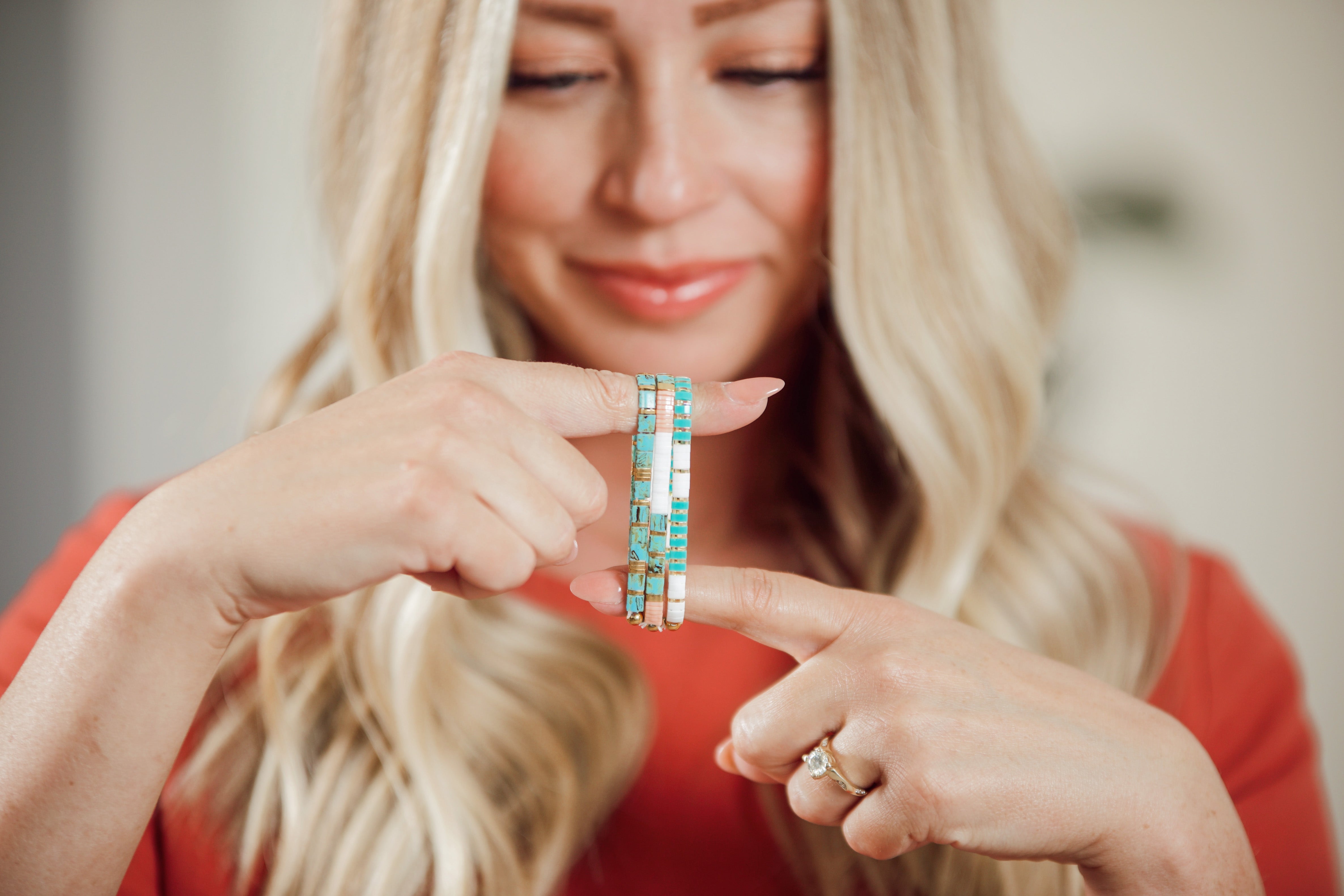
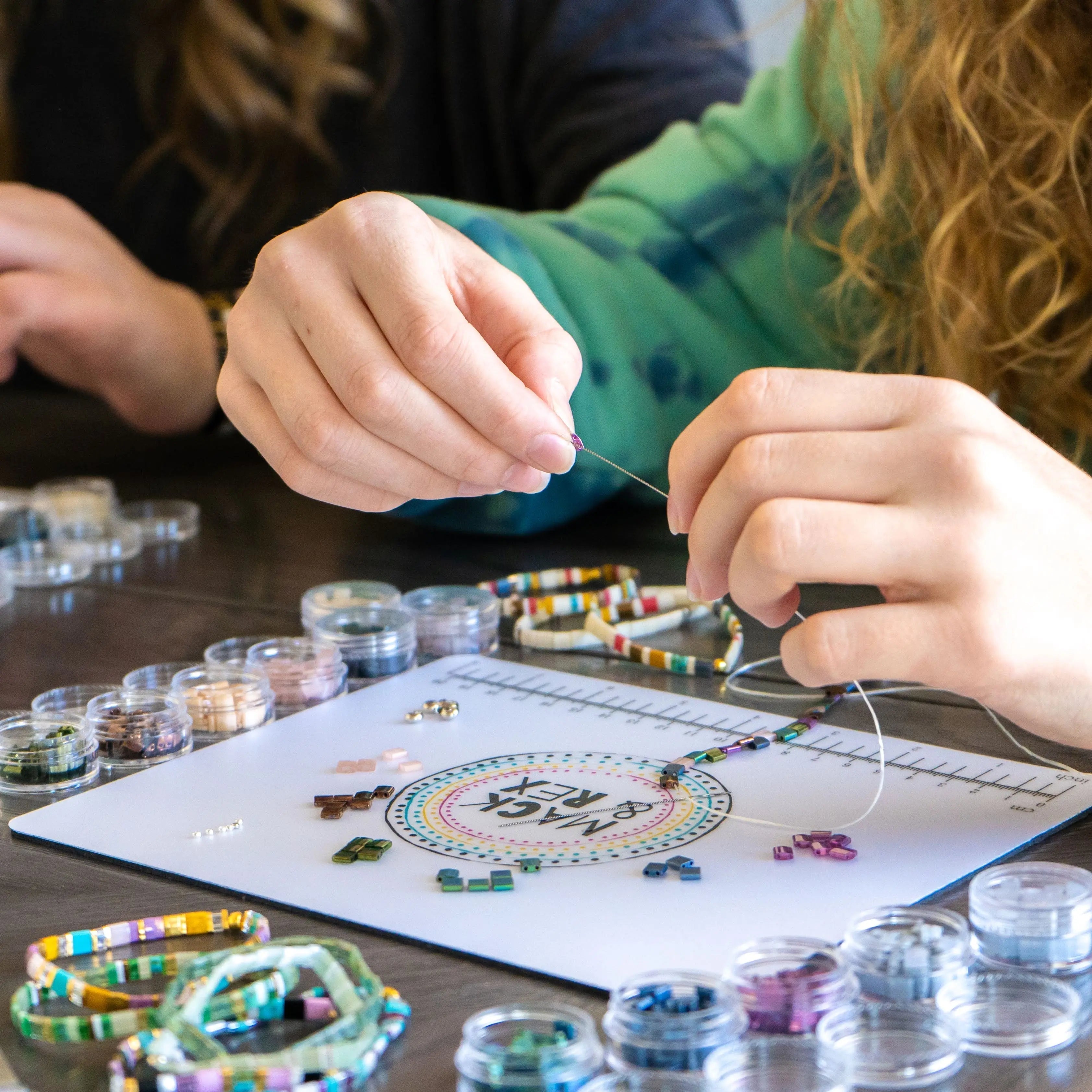
Mack & Rex builds its own stretch bracelets on crystal-cord elastic strung with Japanese glass Tila and seed beads specifically because ordinary elastic stretches out fast under exactly this kind of daily stress. The same logic applies to a heishi bracelet: the cord, not the beads, is almost always the first thing to fail.
When Should You Restring a Heishi Bead Bracelet?
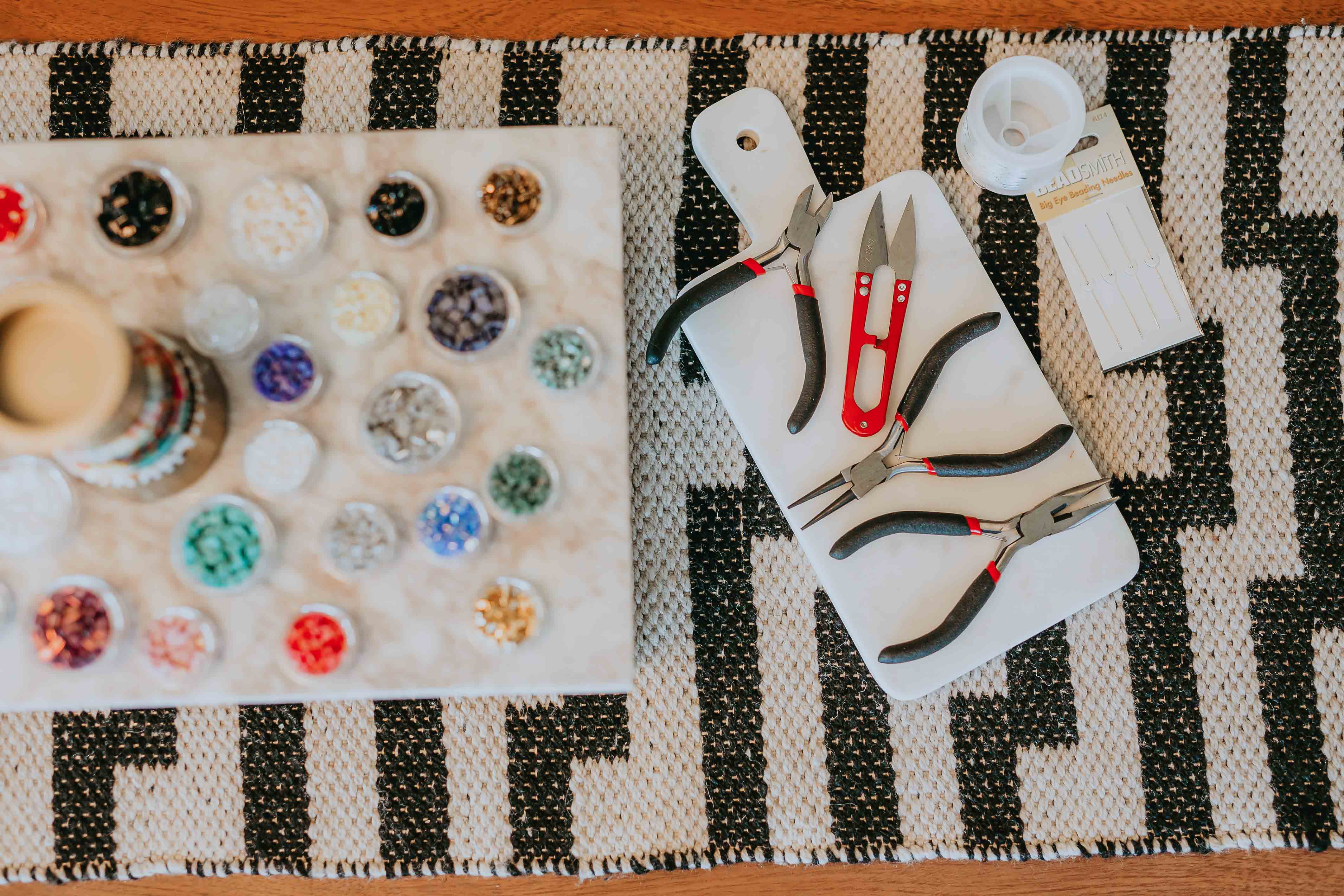
Cloudy, stiff, or visibly frayed cord means it's time. So does a bracelet that's gone noticeably loose, or one where you can see gaps opening up between beads that used to sit tight. None of that means the beads are ruined. Heishi discs are dense and hold up well, so restringing is usually just a matter of swapping out the cord or elastic and keeping the beads you already have (background on stringing techniques and materials is covered well on Wikipedia).
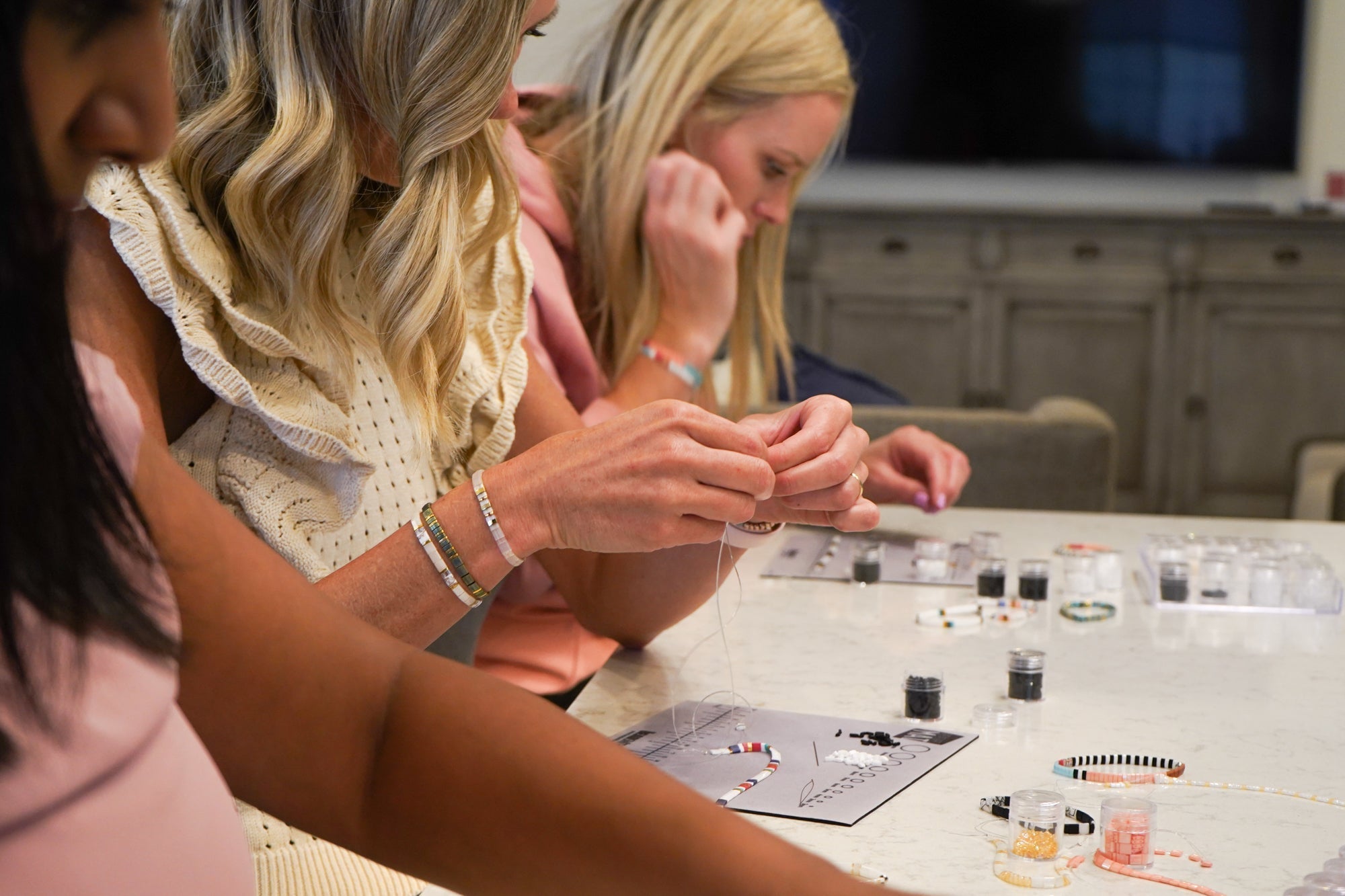
Restringing is also a nice relaxed project to do with a grandkid on a rainy afternoon, since it's mostly patience and steady hands rather than any tricky technique. Beads are a choking hazard for young kids, so keep an adult in charge of the loose pieces and any leftover clasps while little ones are at the table.
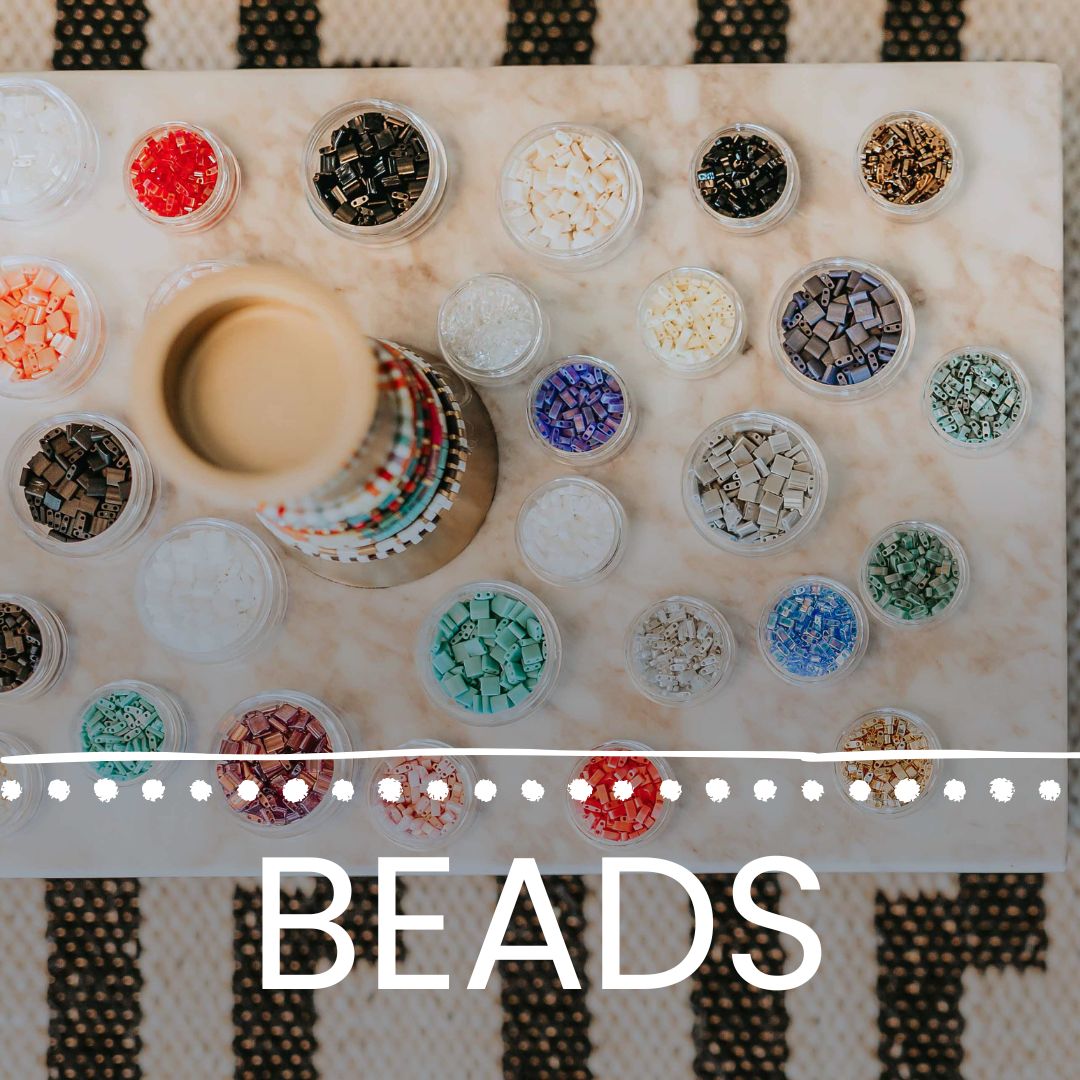
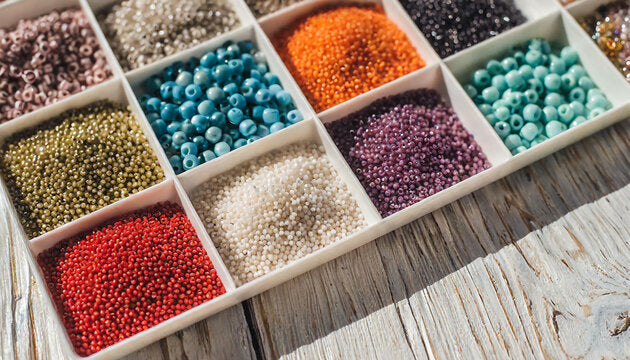
If you want to freshen up the look while you're at it, adding new accent beads is easier than it sounds. Mixing in a few Miyuki seed beads between heishi discs gives an old bracelet a completely different feel without starting from scratch. Browse Mack & Rex's seed bead collection for colors and finishes to mix in. One customer summed up the appeal of building a custom mix this way: "Nice mix of colors, can be combined together or used in separate projects."
How Should You Store Heishi Bead Bracelets Between Wears?
Flat and out of direct sun beats hanging or tossing a bracelet in a drawer with everything else. Sunlight fades dyed and painted heishi beads over months, and tangling with other jewelry puts stress on cord that's already doing enough work just from being worn.
A shallow tray, a jewelry roll, or even a small dish by the sink keeps bracelets separated and easy to grab. If you live somewhere humid, a small silica packet in the storage box helps too, since moisture is part of what softens cord and speeds up mildew on natural-fiber stringing materials. Skip the bathroom medicine cabinet if you can. Steam from hot showers gets in there more than most people realize.
Frequently Asked Questions About Heishi Bead Bracelet Care
Can heishi bead bracelets get wet?
Yes, a quick rinse won't hurt the beads themselves, but skip long soaks. Water that sits against elastic or waxed cord for too long can loosen the stretch or cause fraying over time, so rinse fast and dry the bracelet flat right after.
Does hand sanitizer or sunscreen damage heishi beads?
The beads usually hold up fine, but the alcohol in hand sanitizer and the oils in sunscreen build up in the tiny gaps between discs and can dull the surface or dry out the cord. Wipe the bracelet down after heavy use so the residue doesn't dry in place.
How often should I clean a heishi bead bracelet?
A light wipe every couple of weeks and a full clean once a month keeps most heishi bead bracelets looking fresh. Wear it daily through summer with sunscreen and lotion in the mix, and you'll want to clean it closer to every one to two weeks.
Can a heishi bead bracelet be restrung?
Most heishi bead bracelets can be restrung once the cord looks stretched, cloudy, or frayed, and the beads themselves are almost always reusable since the discs are the sturdiest part of the piece. Save the beads and replace the cord or elastic when it starts to fail.
Is it safe to wear a heishi bead bracelet in the pool or shower?
It's better to take it off. Chlorine and hot water both break down cord and elastic faster than everyday wear, and heat can warp resin or clay heishi beads. Slip the bracelet off before you swim or shower and it will last a lot longer.
Keeping a heishi bracelet clean is mostly about habit: wipe it down, keep it away from chlorine and hot showers, and restring it once the cord tells you it's done. If you're ready to refresh a bracelet or build something new, take a look at Mack & Rex's seed bead collection for accent colors that pair well with heishi discs and stretch cord alike.