

Miyuki Rocaille Seed Beads: What They Are and Where to Buy Good Ones
What Are Miyuki Rocaille Seed Beads?
Miyuki rocaille beads are small, round, doughnut-shaped glass seed beads made by Miyuki Co., Ltd. in Japan. Each bead has rounded shoulders and a polished hole, so strands of them drape and curve instead of locking into a flat surface. They're the classic seed bead most people picture when they hear the term.
Rocaille is one shape inside a bigger Miyuki lineup, alongside Delica (uniform glass cylinders) and Tila (flat, two-hole squares). All three start from the same precision Japanese glass. The shape is what decides what each bead is actually good for.
How Are Rocaille Beads Different From Tila Beads?
Shape and hole count. A rocaille bead is round with one hole through the center, so it can roll and pivot on a strand. A Tila bead is a flat 5mm square with two parallel holes, which anchors it in place and keeps every bead face-up.
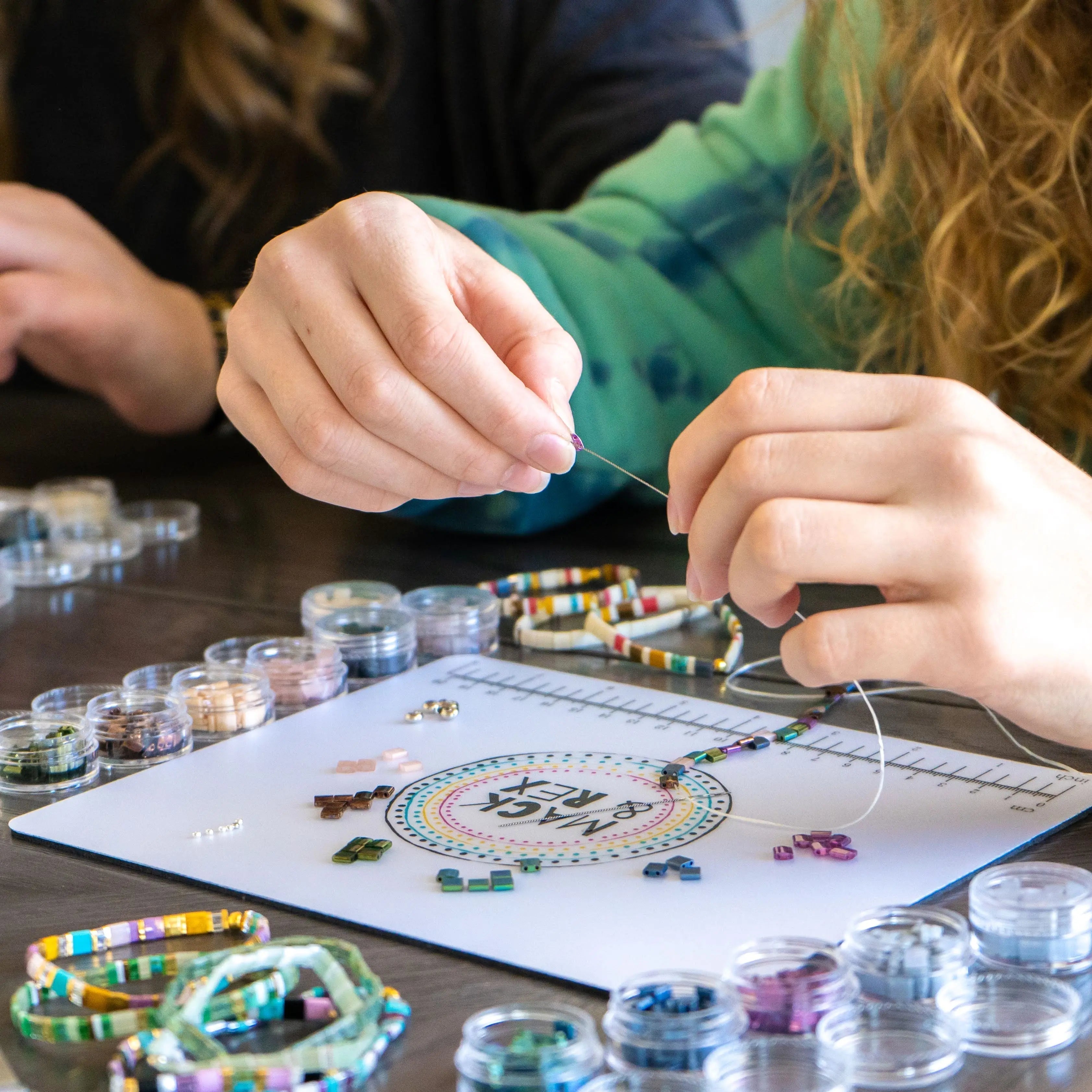
That difference shows up the second you string either one. Round rocaille beads on cord give texture and movement, closer to traditional beaded jewelry. Tila beads on cord give a flat mosaic surface, where every tile sits edge to edge with no rotation. Neither is better; they're built for different outcomes. Want the rounded, textured look? Rocaille is the call. Want a flat tile bracelet that lies smooth against the wrist? That's the shape Mack & Rex builds its bracelets and kits around.
What Sizes and Finishes Do Rocaille Beads Come In?
Sizes run from tiny to chunky. Size 15/0 is about 1.5mm across and used for fine detail work; 11/0, around 2mm, is the standard size most patterns call for; 8/0 and 6/0 run larger, closer to 3-4mm, and show up in chunkier woven or wire-wrapped pieces. The larger the number, the smaller the bead, which trips up a lot of first-time buyers.
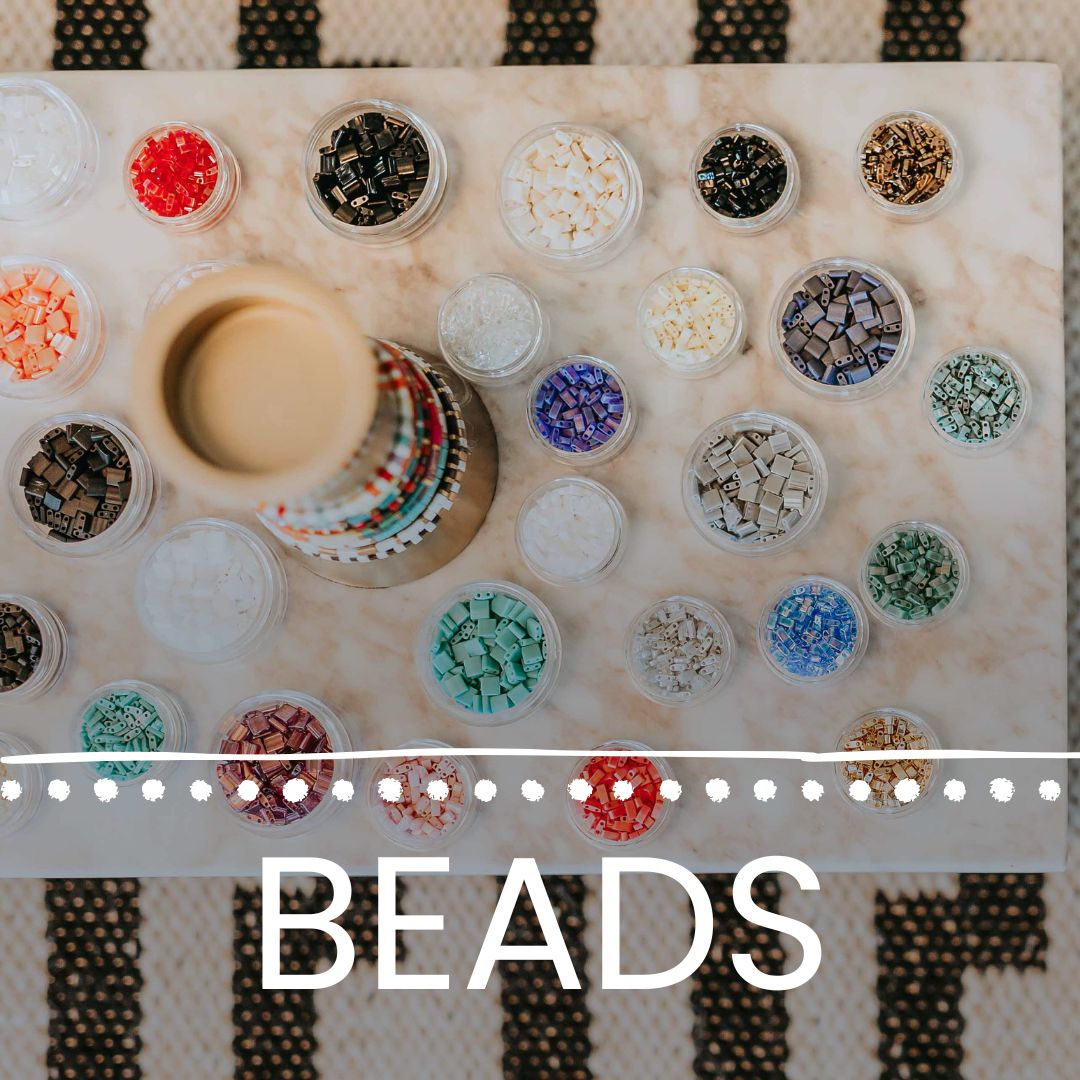
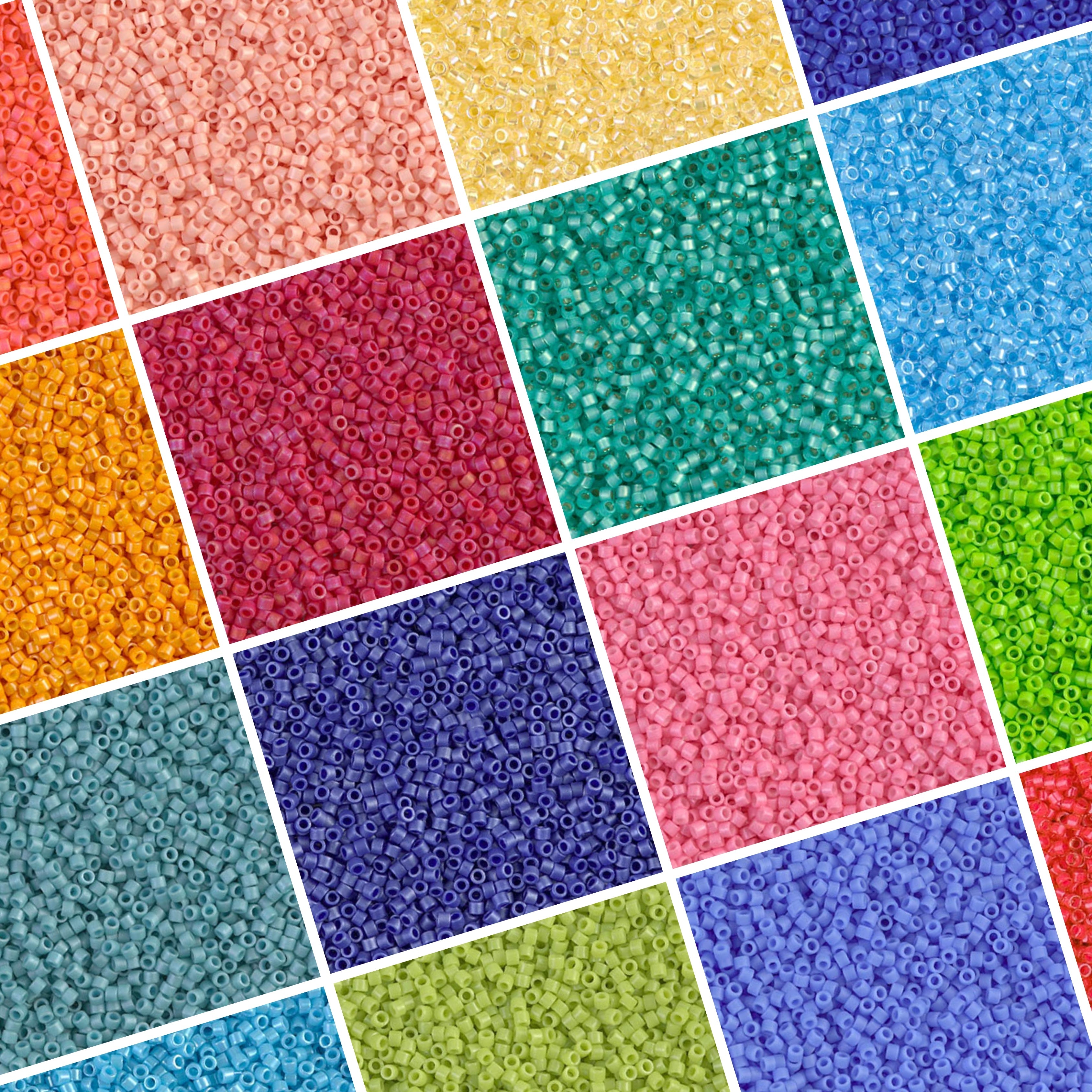
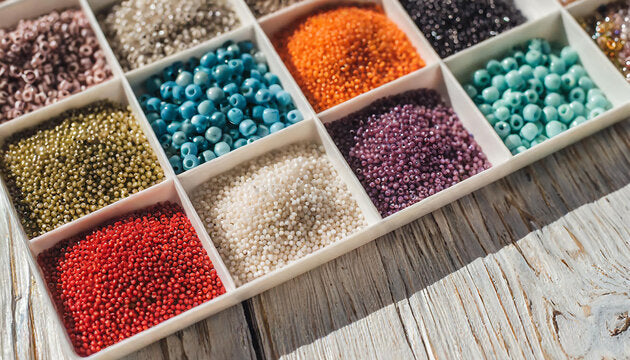
Finishes vary just as much: matte and frosted for a soft, velvety look, silver-lined or gold-lined for a bright mirrored core, Ceylon and luster for a pearly glow, and Picasso or metallic coatings for a mottled surface. According to Miyuki's own product pages, the company runs dozens of finish categories across its seed bead lines, which is part of why rocaille shows up in so many finished looks despite the base shape never changing.
What Can You Actually Make With Rocaille Beads?
Woven and stitched projects, mostly. Rocaille's rounded profile is what lets techniques like peyote stitch, right-angle weave, spiral rope, and bead embroidery curve and drape the way they do. A flat bead like Tila can't bend the same way a strand of rocaille can, which is exactly why traditional bead weaving leans on the round shape. The Wikipedia entry on beadwork covers how these stitches depend on consistent bead size and hole placement, which is also why quality control on the glass matters more than it seems like it should for something this small.
Rocaille also works fine on simple stretch cord for a basic beaded bracelet. It just won't look like a flat tile bracelet; it'll look like a classic beaded one, round and slightly bumpy instead of smooth and square.
Where Can You Buy Good Miyuki Rocaille Beads?
Stick with retailers that sell Miyuki by name and by lot. Established bead and craft suppliers, including sites like Lima Beads, carry genuine Miyuki rocaille in labeled sizes and finishes, which matters because unbranded bulk listings often swap in a cheaper manufacturer with looser size tolerance and rougher hole edges. A bead that's slightly off-size won't ruin a casual project, but it will throw off a tight woven pattern that assumes every bead is identical.
One detail worth knowing before you order: genuine Miyuki beads are usually sold with a lot or color number, not just a color name. That number is how you reorder the exact same shade later; a listing with no number attached is a sign you're not buying from an authorized source.
Is a Tila Bracelet Kit a Better Starting Point Than Loose Rocaille?
Depends what you're after. If you want to learn bead weaving, stitch your own pattern, or build something detailed, loose rocaille from a dedicated bead retailer is the right tool for the job. If you want a finished, wearable Japanese-glass bracelet project without sourcing beads, elastic, and crimps separately, that's where Mack & Rex comes in.
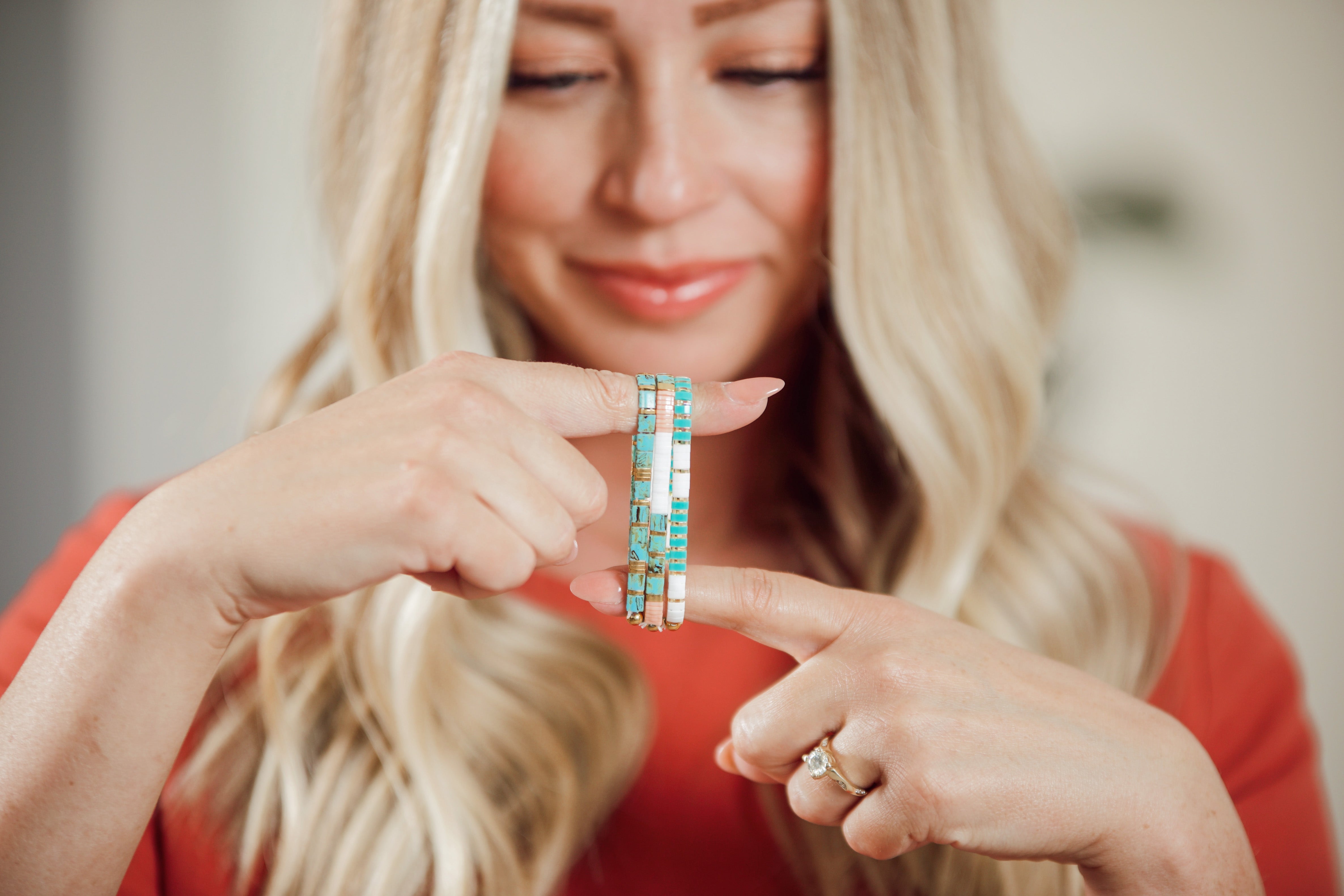
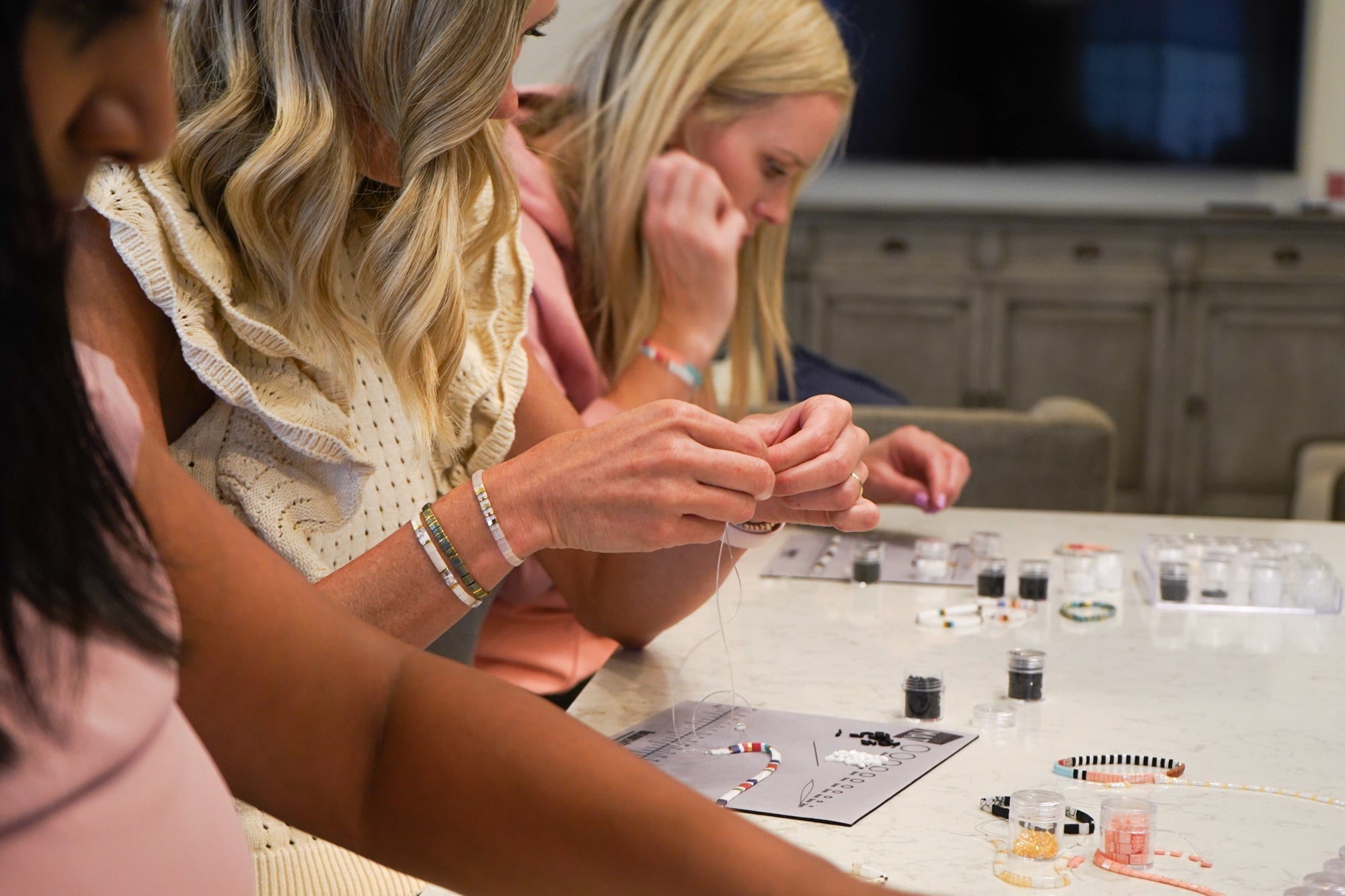
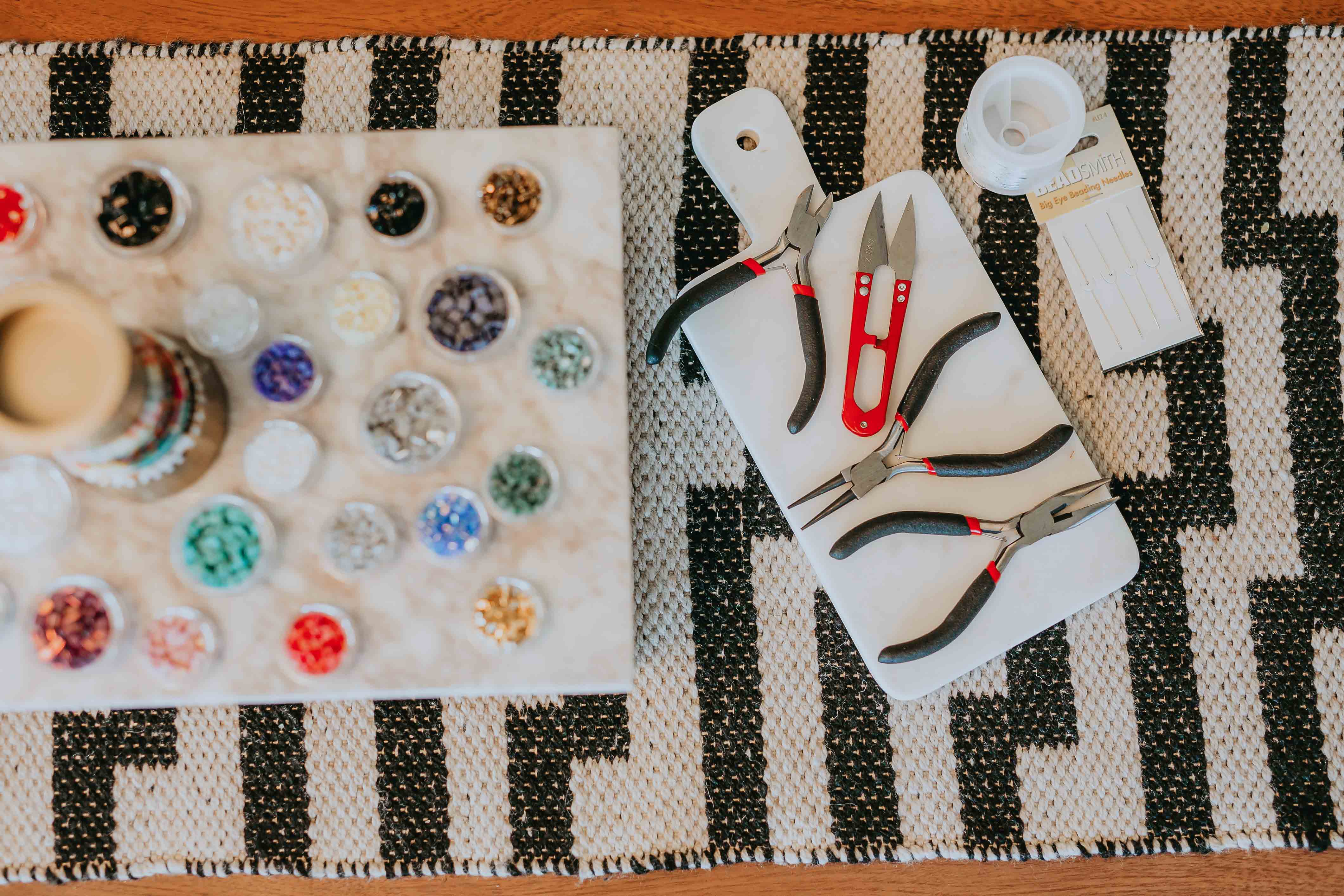
Mack & Rex sells authentic Miyuki Tila beads, the flat two-hole shape, as loose mixes, finished bracelets, and complete kits. The Tila Bead Bracelet Kit that makes 80 bracelets comes with everything needed to build a whole stack in one sitting: curated color mixes, crystal-cord elastic, and the tools to finish each bracelet cleanly. It's a different bead shape than rocaille, so it's not a one-to-one swap for a bead-weaving pattern that specifically calls for round beads, but it's a real, ready answer if the goal is a finished Japanese-glass bracelet rather than a loose-bead stash. Mack & Rex resells genuine Miyuki beads; it doesn't manufacture them.
One safety note either way: both rocaille and Tila beads are small parts and a choking hazard. Keep loose beads away from young kids, and have an adult at the table for any beading project with children.
Ready to Start a Beading Project?
Rocaille and Tila solve different problems. One drapes and weaves; the other lies flat and locks in place. Knowing which one a pattern calls for saves you from ordering the wrong shape twice.
For loose round rocaille, buy from a dedicated bead retailer that sells Miyuki by name and lot number. For a finished or build-your-own flat-bead bracelet project, browse the Tila Bead Bracelet Kit at Mack & Rex. Mack & Rex ships internationally, with shipping and any customs or duties calculated at checkout; free shipping applies to US orders over $100. Buy 3 finished bracelets and get 1 free, no code needed (that offer covers finished bracelets only, not kits or loose beads).
Frequently Asked Questions
Are rocaille beads the same as seed beads?
Rocaille is a specific type of seed bead. Seed bead is the broad category for any small, uniform glass bead; rocaille refers to the round, doughnut-shaped kind with a rounded profile, as opposed to flat Delica cylinders or two-hole Tila squares, which are also seed beads but shaped differently.
What size rocaille beads should a beginner buy?
Size 11/0 is the standard starting point. It's small enough for detailed weaving patterns and large enough to handle comfortably without a microscope, which is why most published bead-weaving patterns default to 11/0 unless they say otherwise.
Can I use rocaille beads to make a stretchy bracelet like a tila bracelet?
Yes, though the result looks different. Round rocaille beads on elastic cord roll and spin, giving a textured, beaded look rather than the flat mosaic surface a two-hole Tila bead bracelet has. Both use the same crystal-cord elastic; the beads just sit differently on the strand.
How do I know if rocaille beads are genuine Miyuki?
Check the seller and the packaging. Genuine Miyuki rocaille beads are sold by name, often with a lot number, by established craft retailers or official Miyuki distributors. Unusually cheap bulk listings with no brand name attached are typically a different manufacturer, with less consistent hole size and glass quality.
Does Mack & Rex sell rocaille beads?
Mack & Rex focuses on Miyuki Tila beads, the flat two-hole style, in finished bracelets, loose mixes, and bracelet-making kits rather than loose round rocaille. For a ready, Japanese-glass beading project, the Tila Bead Bracelet Kit that makes 80 bracelets is the closest Mack & Rex equivalent; for loose rocaille specifically, a dedicated bead retailer is the better source.
For more on how Miyuki's finishes and sizing work, see Miyuki's official product pages, and for background on how stitched beadwork techniques depend on bead shape, see the Wikipedia entry on beadwork.